
Categories
Education Girl Child Smile Women Empowerment

World Science Day 2025: Making Science Accessible for Every Child, Every Future

Every year World Science Day reminds us that science is the bridge between knowledge and opportunity. From waking up and switching on the lights to discovering life on another planet, the evolution of science shows that when it is blended with digitalisation, it becomes a force that helps the society to grow, heal and sustain itself collectively. In India, science has moved beyond laboratories and has integrated into the daily functionalities of life, like life without it never existed.

To truly celebrate Science Day, we must recognise that science can only drive progress when it is inclusive. When every child, regardless of gender or geography has access to learn, explore and innovate. 

Science For Inclusive Future

Science is universal and till the time this is not implemented and adapted in its entirety, we shall be risking losing countless potential innovators and problem solvers. 

Smile Foundation for over decades has been working with grassroot communities to bridge the gaps of science education for children belonging to the marginalised communities of India. By creating equitable access for scientific learning and promoting STEM education, our interventions have been working within these communities through capacity building, digital innovation and community engagement to empower the next generation of teachers and engineers. 

1. Training and Capacity Building

Regular teacher development workshops strengthen STEM pedagogy, introduce digital tools and enhance classroom leadership. A strong emphasis on gender sensitivity helps teachers identify and correct unconscious biases, ensuring girls receive equal encouragement in scientific learning.

2. Technology-enabled Teaching

In remote areas, solar-powered digital classrooms have transformed the learning experience. Teachers, especially women, now use visual tools and multimedia lessons to explain complex scientific concepts with confidence and clarity. These innovations make science accessible and engaging for rural learners.

3. Community Sensitisation

Through parent–teacher meetings and outreach sessions, Smile Foundation builds awareness about the importance of science education for girls. This effort has led to tangible results with higher attendance rates, delayed marriage ages and more girls continuing their education beyond primary levels.

The aim is to create a pipeline of empowerment, from student to teacher to role models. Science becomes a source of learning that inspires generational change in how children, especially girls interested in science perceive the subject. 
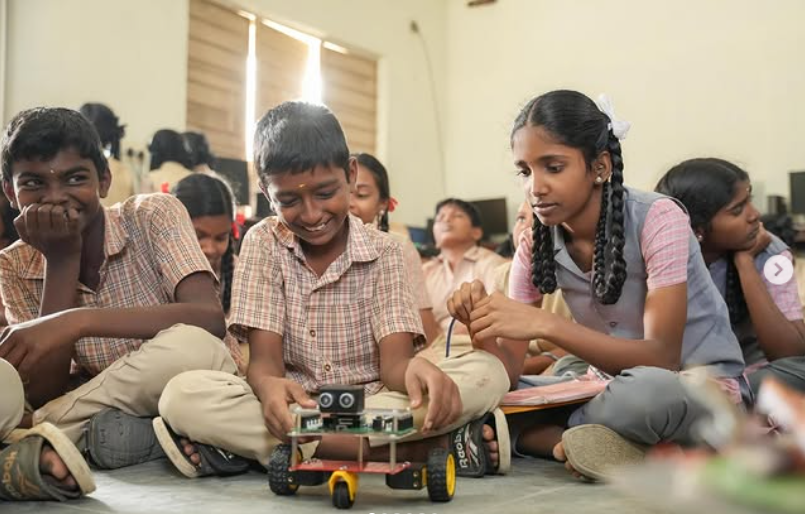
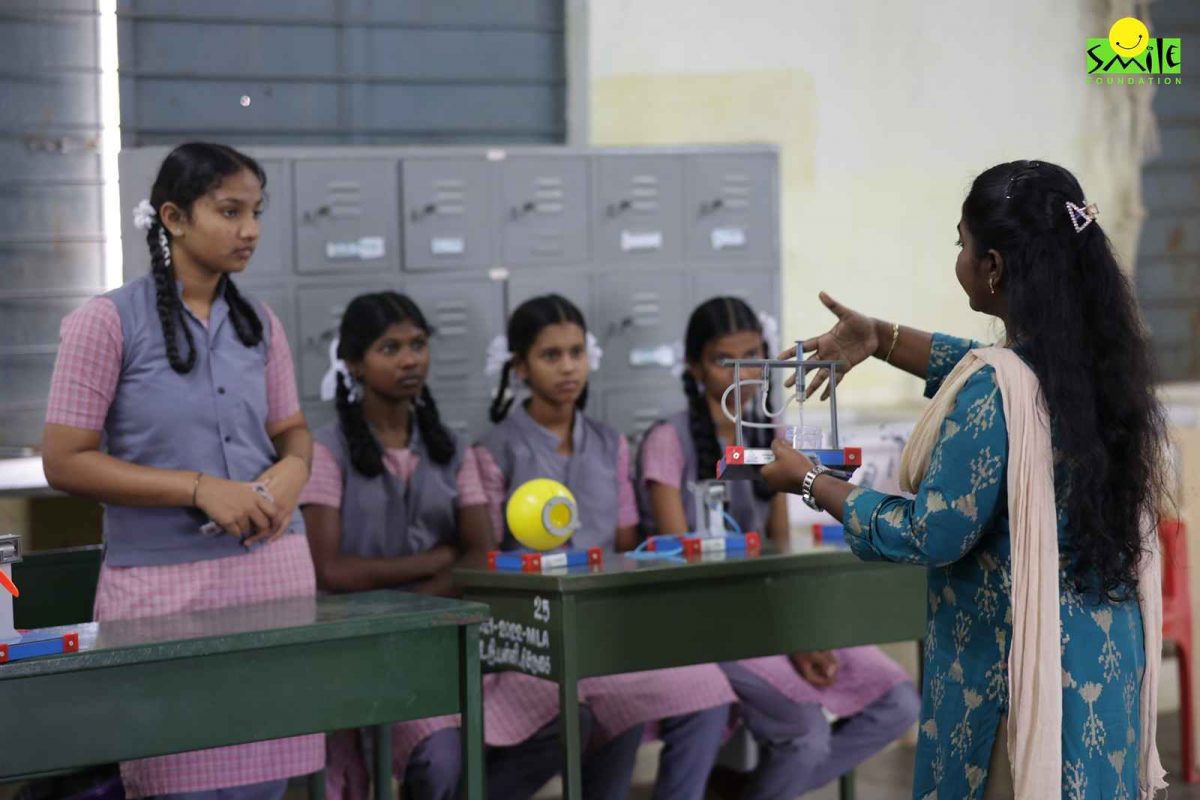
Today STEM learning has become an engaging and enjoyable experience for children through Smile Foundation’s STEM Labs. Here students explore science, technology, engineering and mathematics in simple, hands-on ways. Through interactive activities and guided lessons, they grasp complex concepts with ease, find joy in learning and build confidence to discover something new each day.

Building Sustainable with Scholarships for Girls

According to India Skills report 2025 only 54.81 % of graduates meet industry employability standards. Between 2013-2014 female enrolment in undergraduate programmes rose by 46% and 55.5% at the post graduate level. However, there has been a decline in the enrolment of girls in engineering course by 1.35% at the undergraduate level, whereas at postgraduate level the decline is of 43%.
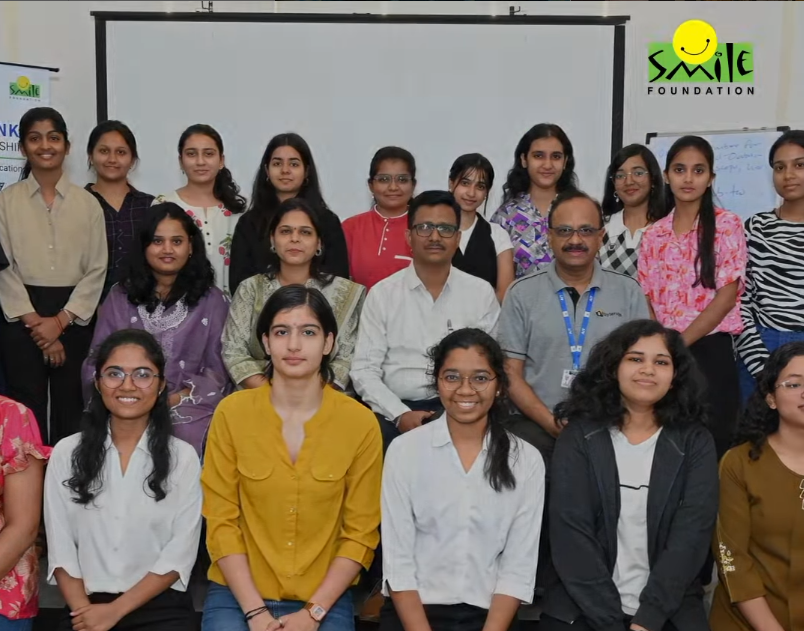
Many first generation college students, especially girls, face more than financial hardships. They have to navigate new challenges like understanding academic culture, professional networking and career opportunities. Traditional scholarships often come with its limitations which usually only aids in accessing engineering courses, but doesn’t support in allowing the student to survive the course and successfully establish themselves as work ready engineers. 

Smile Foundation’s Scholarship programme for Girl Engineer adopts a holistic model that combines financial aid with-

  • Life skill and digital training
  • English fluency session 
  • Career counselling and mentorship
  • Mental health support 

The programme integrates employability training, communication workshop, mock interviews and technical bootcamps to bridge the gap between academic learning and professional readiness. Collaborations with private sector provide internships, mentorships and industry projects that allow aspiring engineers, particularly young women, to gain practical exposure and workplace discipline. This approach nurtures confidence and prepares them to transition seamlessly from classrooms to careers. 

For over two decades, Smile Foundation has worked closely with grassroots communities across India, witnessing first-hand the transformative power of targeted interventions. Each initiative, no matter how small, has shown that when opportunity meets access, change becomes inevitable.

In line with the theme of World Science Day 2025, which celebrates the power of science to trust, transform and build tomorrow, Smile Foundation believes that making science truly accessible to all is the first step towards equitable and inclusive education in India.

Spreading the Power of Science

Through initiatives such as STEM Labs, children from underserved communities are introduced to hands-on learning in science, technology, engineering and mathematics. These interactive spaces ignite curiosity and creativity, allowing young learners to explore scientific ideas through practical experience rather than rote learning. Such exposure helps them see science not as an abstract subject, but as a living, breathing part of everyday life something that they, too, can master and shape.
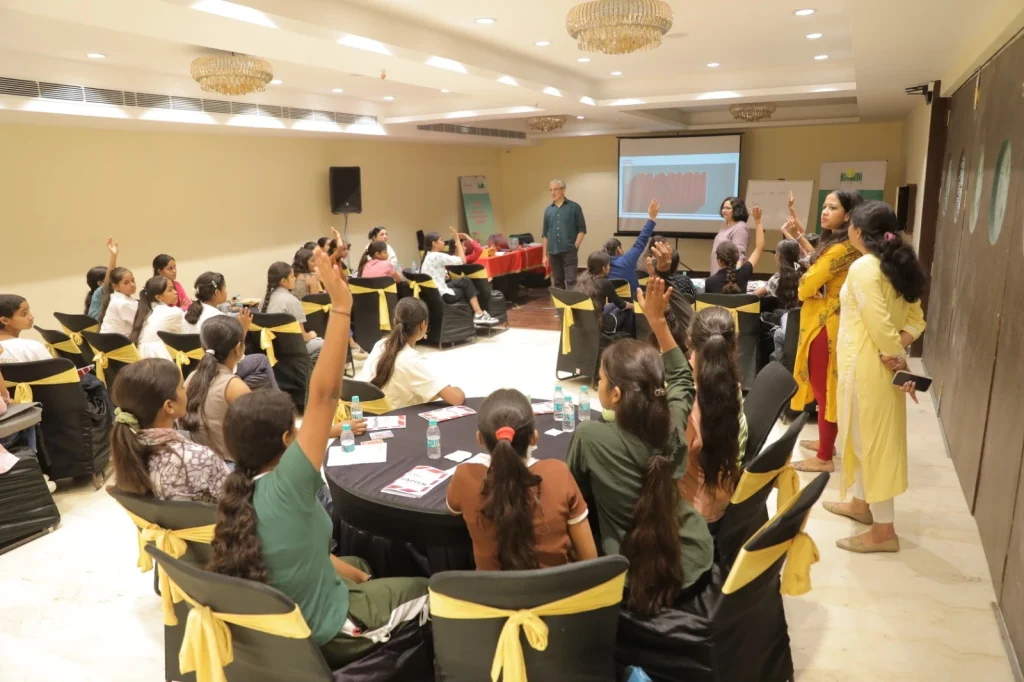
Equally important are scholarships for girls in engineering, which go beyond financial support. They provide what Smile calls “wraparound support” with mentorship, employability training, and guidance that help young women navigate both their studies and future careers. For many, this is the only bridge between aspiration and achievement. It gives them the freedom to dream without the weight of financial pressure and the confidence to step into spaces where women have been historically underrepresented.

The World Science Day for Peace and Development 2025 carries a clear and urgent message: science and innovation must become the tools that create equitable systems of learning and livelihood. By empowering every child through STEM education and supporting India’s daughters in engineering, we are nurturing a generation ready to trust in their abilities, transform their communities and shape a sustainable tomorrow for themselves and for the nation.

Sources:
  1. Where Are the Women? Exploring the Decline of Female Engineers and IT Professionals
  2. World Science Day for Peace and Development, 10 November
  3. World Science Day for Peace and Development 2025
Categories
Insights

Can Science Accelerate Social Development?

In an age dominated by technological advancements and groundbreaking discoveries, science has become the driving force behind societal transformations. While technology is often seen as the face of change, it is the deeper scientific knowledge and research that fuels technological growth, influencing every aspect of life.

From healthcare to education, agriculture to industry, science is present in almost all mediums of modern living. But the question remains: can science truly accelerate social development? Let’s understand how scientific progress shapes economic growth, human rights, environmental sustainability and overall quality of life, and whether it serves as a transformative agent in reducing inequalities and enhancing social well-being or not?

The Power of Scientific Innovation

Science can create a more just, equitable and advanced society when effectively harnessed. Economic growth is closely linked to scientific advancements, as seen in countries like the U.S., Japan and South Korea, which invest considerable portions of their GDP in R&D. Such investments drive innovation, create jobs, improve healthcare and enhance educational standards These, collectively, help reduce income inequality and promote inclusive development. Notably, nations with higher investments in education and R&D consistently perform better on human development indices, underscoring the link between science and social progress.

India, despite investing only around 0.7% of its GDP in R&D, has seen significant social benefits from its scientific focus. The country’s pharmaceutical sector has produced affordable, high-quality medicines that enhance healthcare accessibility for millions. Reports suggest India supplies over 60% of the world’s vaccines, highlighting its strength in public health. Successful vaccination campaigns against diseases like polio have greatly increased life expectancy and lowered child mortality, leading to significant improvements in healthcare in India.

Addressing Health Disparities

Health disparities represent a critical barrier to social development. In India, despite advancements in medical technology, access to healthcare remains uneven. Scientific research can bridge these gaps, particularly through innovative solutions like telemedicine, which expands healthcare access to rural populations.

Globally, data analytics and artificial intelligence are revolutionising disease prevention and management. The strategic use of these technologies could significantly reduce healthcare costs while improving health outcomes. By harnessing the power of science, nations can develop more equitable healthcare systems that cater to the needs of their most vulnerable populations.

The Issue of Environmental Sustainability

Environmental sustainability is another area where science can drive social development. The global threat of climate change has spurred scientific innovation in renewable energy, conservation, and sustainable practices. Solar and wind energy technologies, largely born out of scientific research, have the potential to mitigate climate change and reduce dependence on fossil fuels, especially in countries like India, where coal still plays a dominant role in energy production. India ranks fourth globally in installed renewable energy capacity, with a target of generating 50% of its energy from non-fossil sources by 2030. This shift is not only critical for reducing environmental degradation but also for promoting social development, as it creates jobs, improves health outcomes, and ensures long-term economic stability.

Scientific research also addresses social and environmental issues, particularly in rural areas of India and Africa where waterborne diseases are common. Affordable water filtration systems and smart irrigation techniques are improving access to clean water, reducing health risks, and boosting agricultural productivity. These advancements enhance quality of life and promote social justice by meeting the basic needs of underserved communities.

Agriculture

Agriculture, another critical component of social and economic development in India, has also seen massive transformations through science. The Green Revolution of the 1960s and 70s, driven by scientific advancements in crop breeding and irrigation technologies, lifted millions out of poverty. In the global context, similar scientific interventions, such as genetic modification of crops, have enabled countries to ensure food security, even amid population explosions and climate change challenges. Feeding an expected 2 billion more people by 2050 will require agriculture to become more productive and sustainable. This calls for increased investment in productivity-boosting technology, especially in developing countries.

Education and Entrepreneurship

Education is vital for social development, and science can greatly enhance educational outcomes. India’s Digital India initiative seeks to improve digital literacy and information access, especially in rural areas. As of 2021, internet penetration in India reached 56%, creating new opportunities for learning and innovation. The Atal Innovation Mission (AIM) in India fosters a culture of entrepreneurship among youth, aligning with Sustainable Development Goal 9, which promotes industry and innovation. 

Globally, educational technologies such as online learning platforms have the potential to democratise education. Integrating science education into curricula can help foster critical thinking and problem-solving skills, essential for nurturing future innovators. By prioritising science education, nations can empower individuals to contribute meaningfully to their communities, ultimately driving social progress.

Bridging the Digital Divide

While science has the potential to accelerate social development, it is essential to acknowledge that progress is not inherently equitable. A significant digital divide exists both between countries and within societies, leaving women, rural populations, and marginalised communities at a disadvantage. Women represent only 33% of the global research community, with India seeing only 14% of its R&D workforce comprising women. This disparity limits the potential of scientific advancements to drive inclusive development. Efforts to promote gender parity in education and increase the diversity of thought in research can ensure that scientific developments address broader societal needs.

Conclusion

The interplay between science and social development is complex yet promising. As we face the challenges of the 21st century, leveraging scientific progress is essential for promoting sustainable and inclusive growth. In India and around the world, embracing innovative solutions can bridge the gap between progress and equity. By prioritising scientific research and education, we can create a future where everyone has the opportunity to thrive. The journey toward a more equitable society is not only possible; it is imperative for our shared future. By harnessing science’s power like Smile Foundation has done in its many interventions related to education, health and skilling, we can pave the way for a more just and sustainable world.

0%