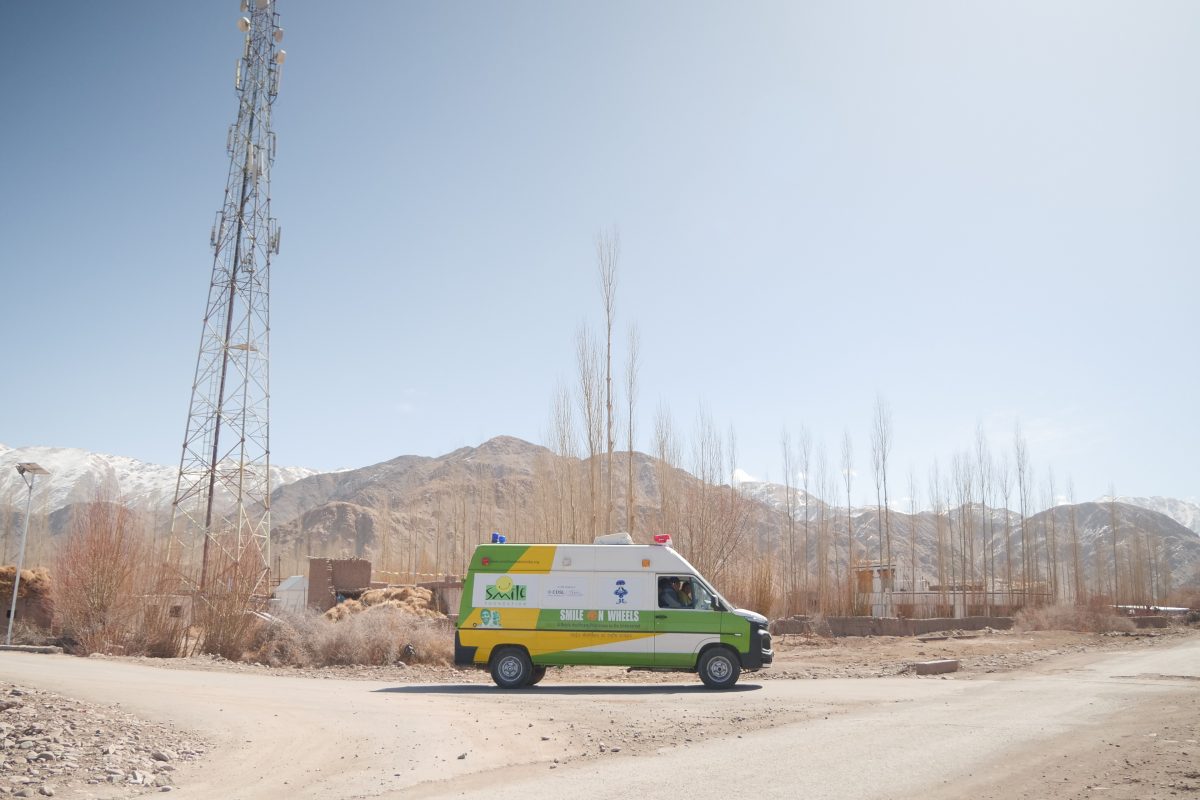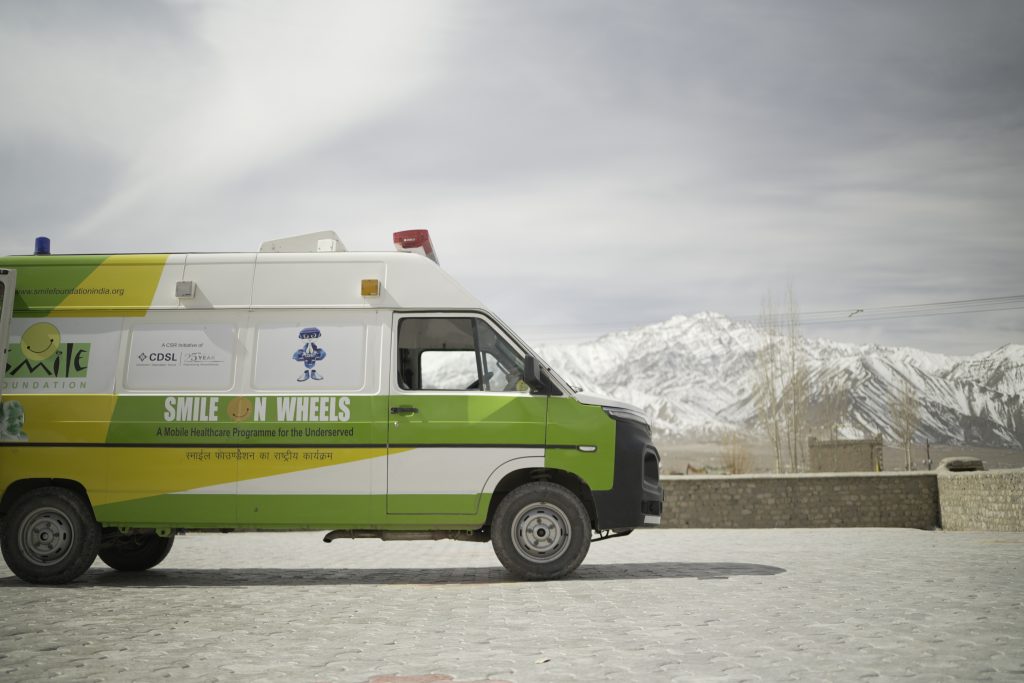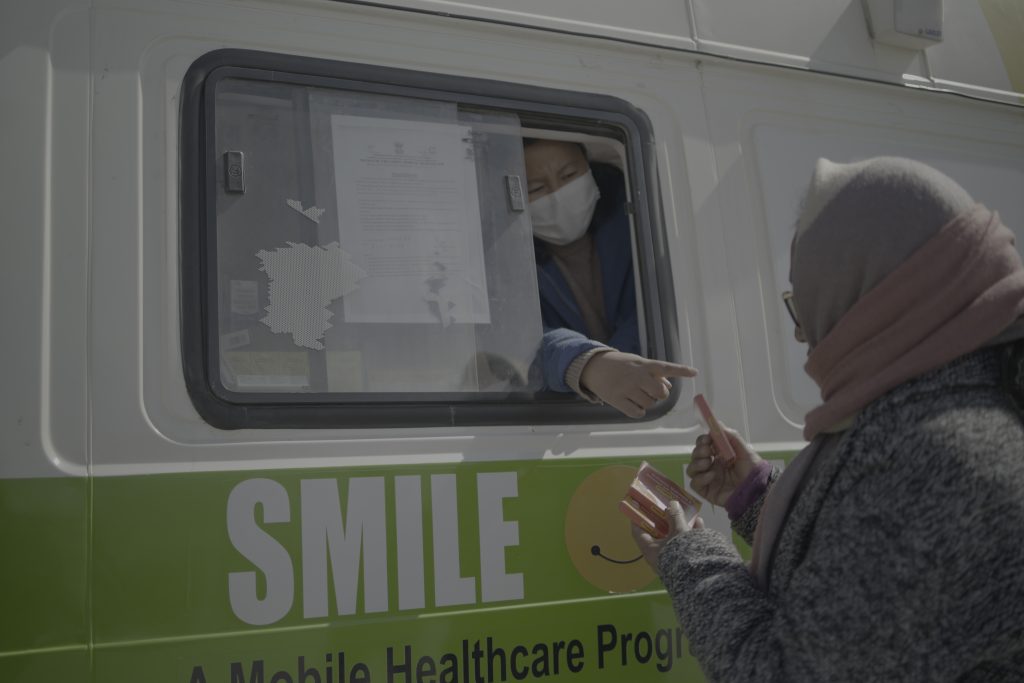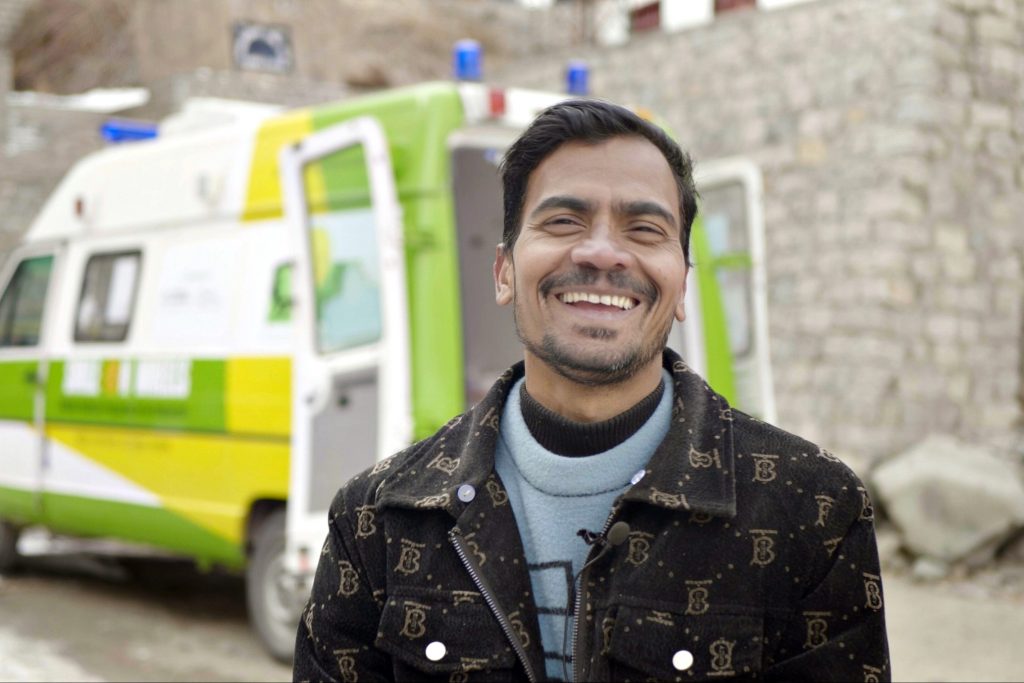
What happens when a family needs a doctor but cannot afford the cost of getting medical care? Do they visit a private clinic, travel to a government hospital or delay getting the treatment until things get really worse? For many families, seeking treatment is not just a health decision. It is also a question of how much they can afford to spend.
Smile Foundation tried to dig deep and get a clearer view of the ground reality with a thorough study of 1,316 families. The study examined mobile medical unit impact in India, bringing the difference of costs for medical care into focus. It found that a visit to a mobile medical unit cost families an average of ₹4.70, compared with ₹85.70 at a government health facility and ₹629.50 at a private clinic or hospital. This low spending is particularly significant, given that 38.3% of constituents had no formal education, and many came from economically vulnerable households. The figures include travel, consultation, medicines and tests, offering a fuller picture of what families spend to access care.
Breakdown of doctor’s visit cost at a mobile unit, a government facility and a private clinic
Consultation fee is only one part of the total amount. The impact assessment shines light on the average out-of-pocket spending across the three healthcare settings for our better understanding:
| Expense per visit | Mobile medical unit | Public facility | Private facility |
| Travel | ₹0.20 | ₹9.10 | ₹30.80 |
| Consultation | ₹0.50 | ₹2.40 | ₹83.80 |
| Medicines | ₹1.60 | ₹51.80 | ₹275.50 |
| Diagnostics | ₹2.40 | ₹22.40 | ₹239.40 |
| Total | ₹4.70 | ₹85.70 | ₹629.50 |
Source: Impact Assessment of Mobile Medical Units under Smile Foundation’s Health Interventions, Table 6.1. Figures represent average out-of-pocket expenditure per visit.
At public facilities, medicines made up the largest share of the average expense, at ₹51.80. At private facilities, the spending was considerably higher on both medicines and diagnostic tests, which together accounted for more than four-fifths of the average ₹629.50 spent per visit. The figures offer a useful measure of mobile medical unit impact in India, but they also point to a wider concern: how far can the cost of treatment extend beyond the doctor’s consultation?
For Malti, a school cook from Chatra district in Jharkhand, getting medical attention for her youngest son, Piyush, involved a journey of around 20 kilometres to the nearest hospital. When he fell ill, either Malti or her husband had to miss work to take him for treatment. The journey therefore came with a cost that went beyond the medical bill: a day’s work and the income it could have brought home.
The arrival of regular mobile medical unit visits in their village changed how the family could access basic care. They no longer had to make the same journey for every routine health concern.
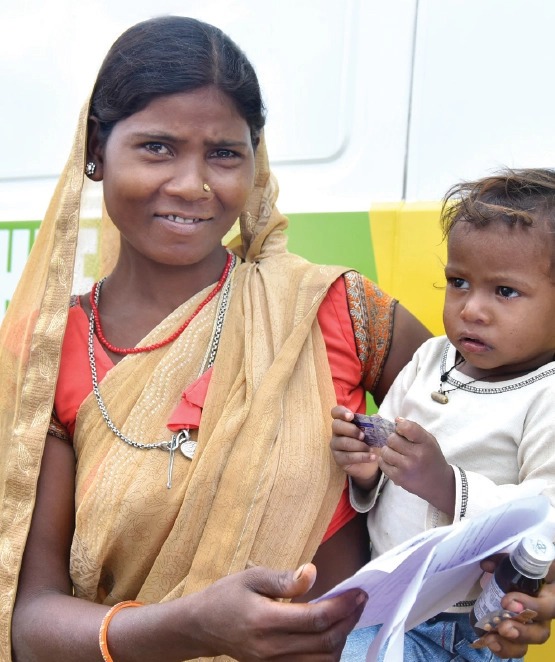
Of course, a mobile medical unit cannot meet every healthcare need. Serious illnesses may still require hospital care, a specialist or further tests. But for families like Malti’s, having basic medical care closer to home can make a real difference. It can make seeking treatment a more practical choice, rather than something families have to delay or think twice about because of the cost and effort involved. This is an important part of understanding mobile medical unit impact in India: not just the money families save, but also the everyday barriers that become easier to overcome.
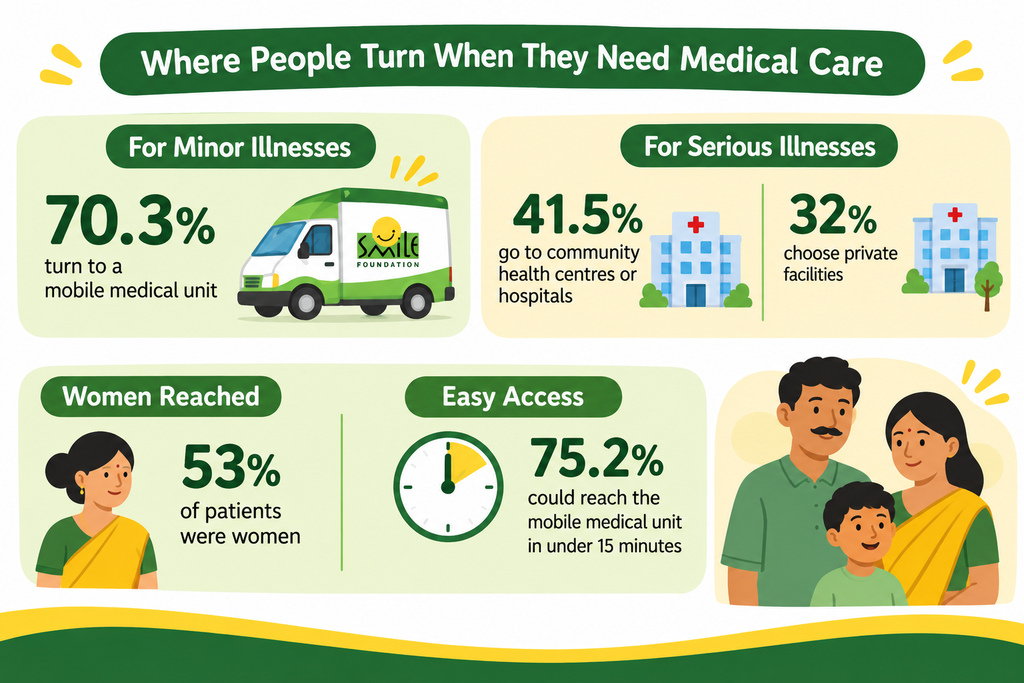
Where people turn when they need medical care?
When in need, where families go for treatment often depends on how serious the illness is. For a cold, cough or fever, a nearby healthcare service may be enough. But when the condition is more serious, people are more likely to seek care at a hospital, where they can access further tests and specialist treatment.
The impact assessment found a clear difference in these choices:
- For minor illnesses, 70.3% of constituents turned first to a mobile medical unit.
- For serious illnesses, 41.5% went to community health centres or district hospitals, while 32% chose private facilities.
This shows that mobile medical units serve an important purpose in the healthcare system. They bring basic medical care closer to communities, giving people a first point of contact for common health concerns. They are not meant to replace hospitals, but to make sure that seeking basic care does not always require a trip to one.
The assessment also offers a glimpse of the constituents in underserved communities these units reach. Women made up 53% of the patients surveyed, and 75.2% of constituents could reach the medical unit’s campsite in under 15 minutes. For people who might otherwise have to travel farther, this makes basic healthcare more accessible.
Access is only one part of the picture! The kind of care available, and whether a patient can be referred for further treatment when needed, matters just as much.
How well equipped are mobile medical units, and what care can they provide?
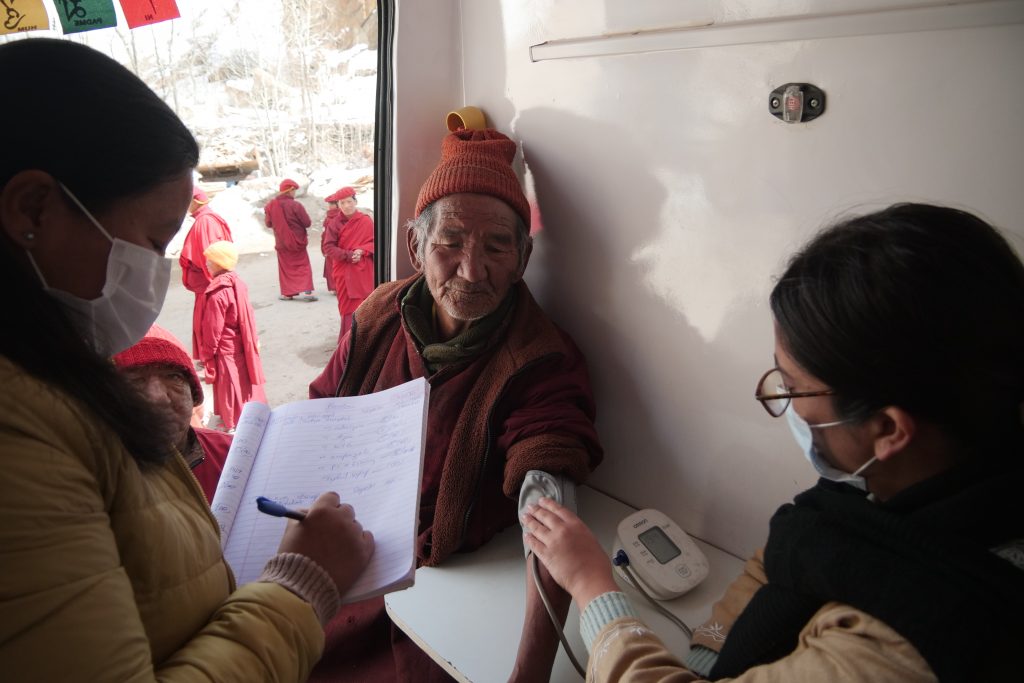
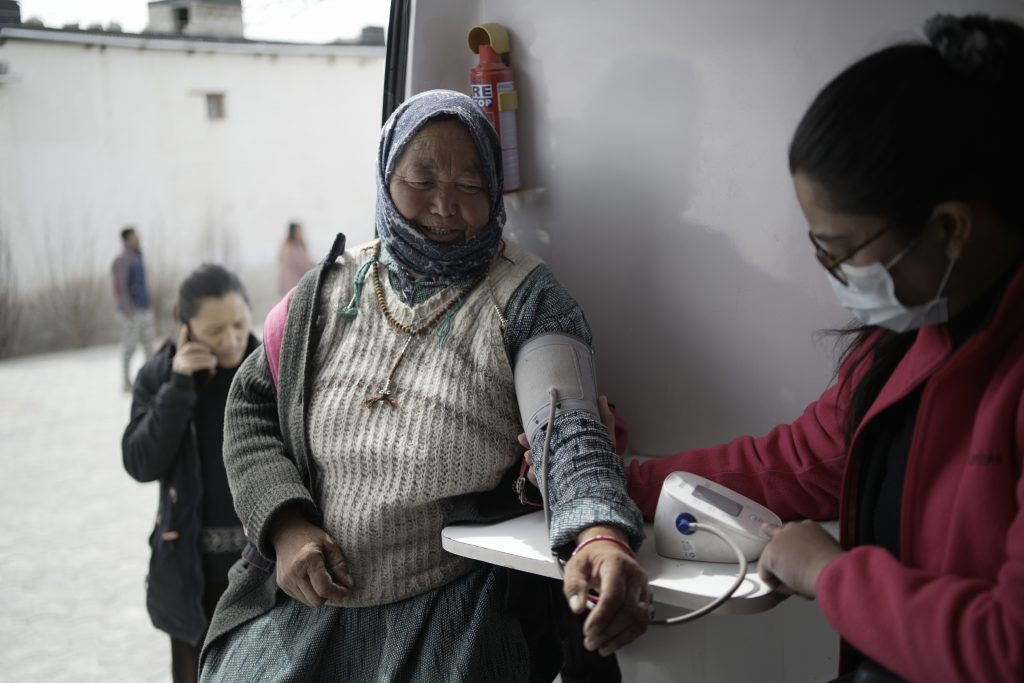
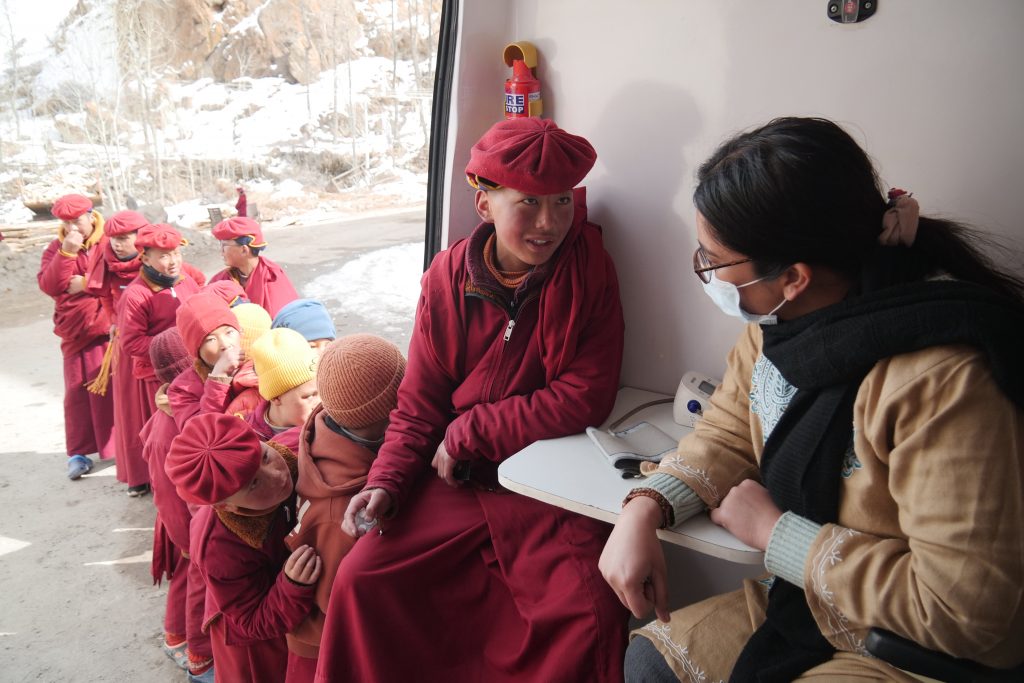
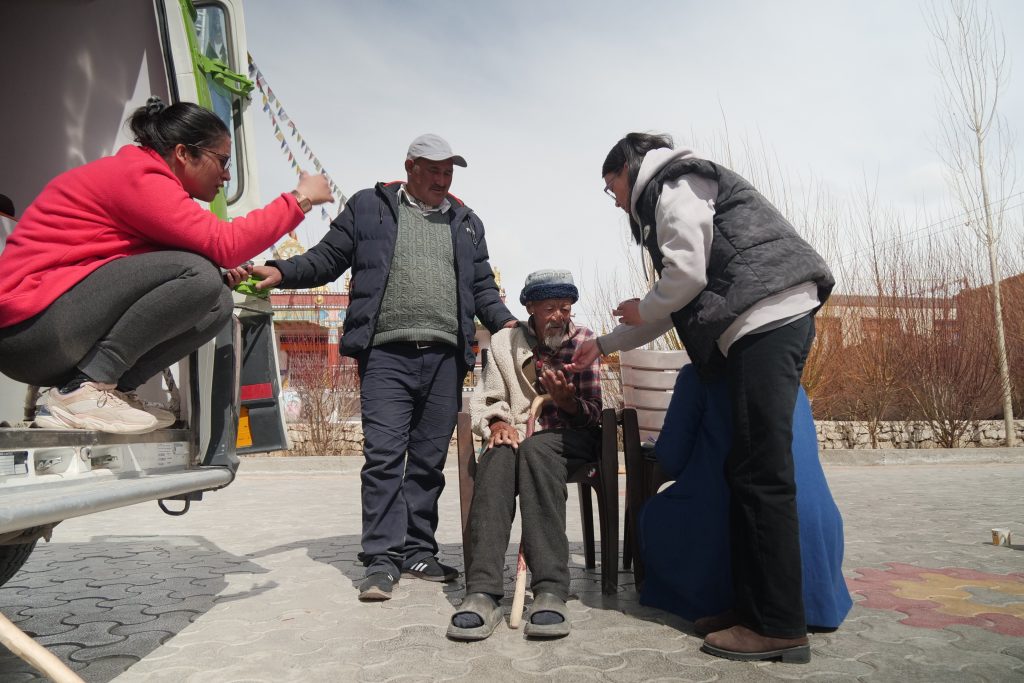
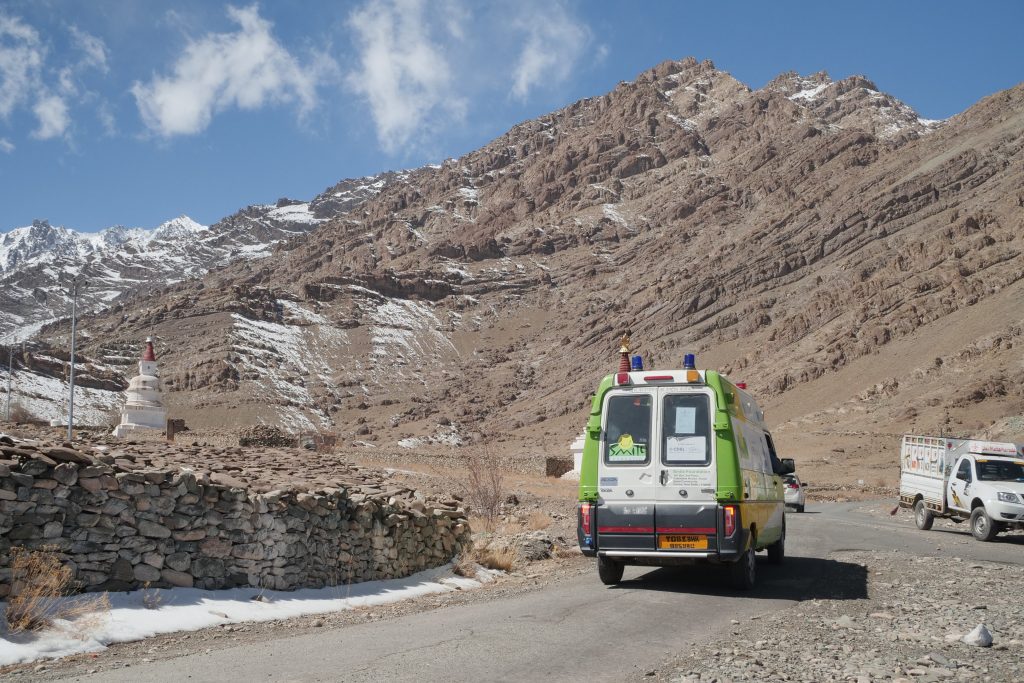
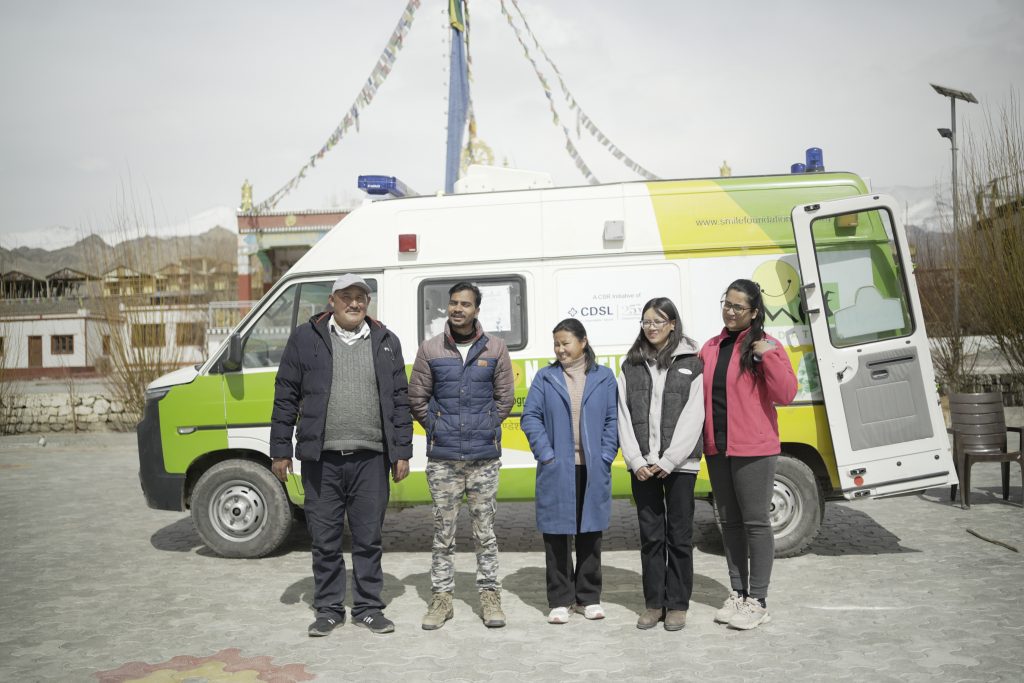
A mobile medical unit brings a doctor’s consultation, medicines, basic diagnostic tests and health advice to places where these services may otherwise be difficult to access. . Having these services closer to home can avoid a long trip to the health care facility and make seeking care easily a habit.
The impact assessment found that 98.8% of constituents had received medicines and 96.7% had received an OPD consultation through the units. Many had also accessed lifestyle counselling (69.9%), health education (69.6%), IFA supplementation (60.5%) and diagnostic services (55.2%).
The figures also point to the importance of health education, preventive care and diagnostic services in helping people manage their health. By making these services available closer to home, mobile medical units are helping bridge the gap between seeking treatment when something goes wrong and taking steps to stay healthy.
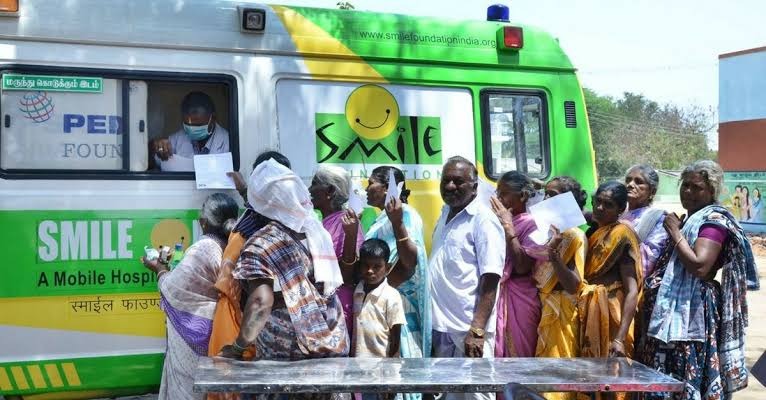
Image by Better India.
How do mobile medical units affect household income?
For people who depend on daily wages, taking time off to seek medical care can mean losing income. The impact assessment found that the average wage loss per healthcare visit was ₹35.40. However, the median for our constituents using mobile medical unit was zero, and three out of four constituents reported no wage loss at all while accessing healthcare through the MMU. This is particularly relevant for daily-wage earners, who made up 12.4% of those surveyed.
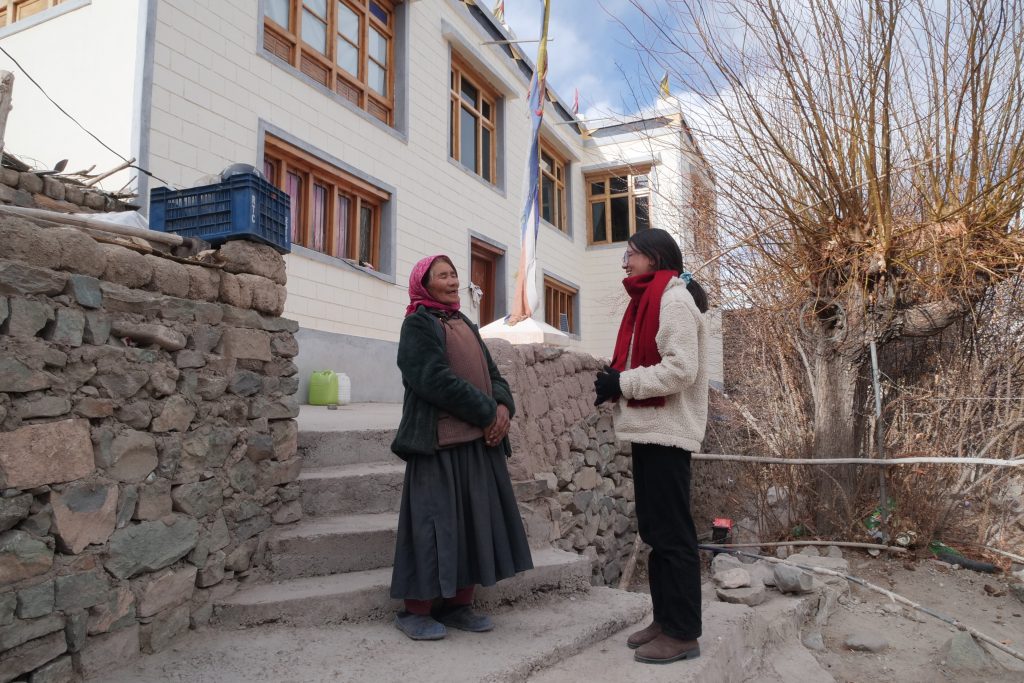
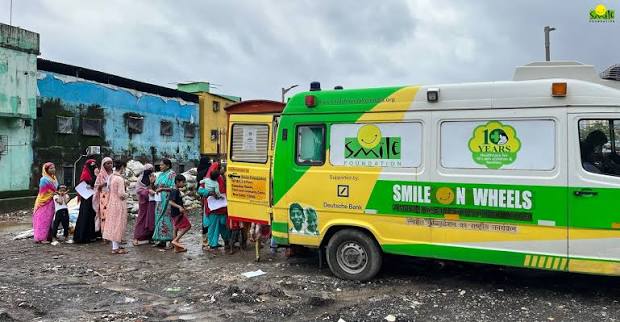
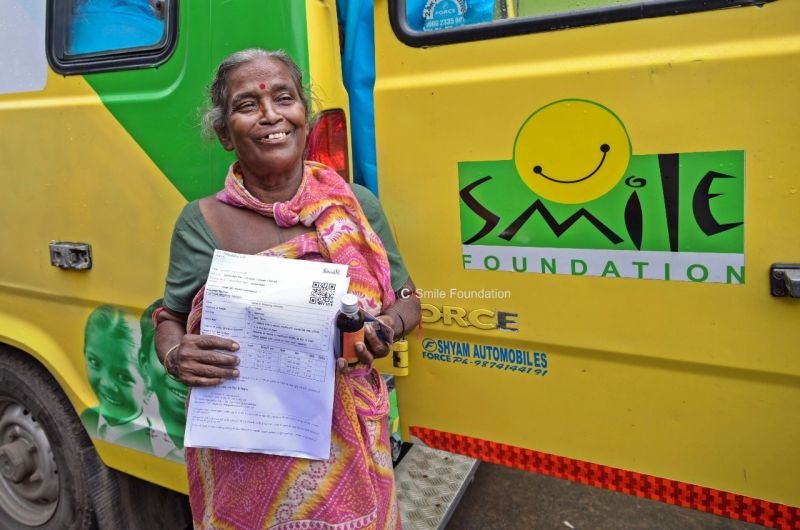
Sandha Rani’s experience in Kolkata offers another perspective. Living alone and supporting herself through work, she found it difficult to manage the cost of medicines and travelling to a doctor. When she learnt that a Smile on Wheels van visited her neighbourhood, she began using its services.
Her experience adds another dimension to mobile medical unit impact in India: the cost of accessing healthcare is not just about money spent on treatment, but also the time and income people may lose along the way.
Have health habits improved?
Mobile medical units do more than treat illnesses. They also encourage healthier everyday practices. In the impact assessment, 87.6% of constituents reported positive changes in health habits, including handwashing, nutrition, vaccination, regular check-ups and menstrual hygiene. Overall, 98.9% were satisfied with the services.
Sandha Rani, who became a regular at Smile Foundation’s MMU, also began sharing health advice with people around her, encouraging them to adopt healthier habits. This is another aspect of mobile medical units’ impact in India: health awareness that can reach beyond the people who directly use the services.
The findings are based on thorough assessments that highlight the value of combining medical care with health education.
What challenges remain?
Mobile medical units provide essential primary healthcare, but they cannot replace hospitals or handle every medical emergency. The impact assessment identified key gaps:
- Emergency preparedness: 95.2% of staff surveyed said their units lacked the resources to manage emergencies such as heart attacks, severe allergic reactions, road accidents and snake bites. Only one unit reported having emergency-response capability.
- Diagnostic equipment: Fewer than half of the units surveyed had a 12-lead ECG machine.
- Medicine availability: 29.6% of staff reported medicine or supply stock-outs. Constituents also cited unavailable medicines and limited diagnostic facilities.
These gaps point to the need for better equipment, reliable medicine supplies, trained staff and clear referral arrangements. For CSR funders, strengthening these areas is as important as expanding the reach of mobile healthcare.
What can CSR funding support?
Running a mobile medical unit requires sustained investment in medical staff, medicines, diagnostic equipment, fuel, vehicle maintenance and patient referrals.
Based on Smile Foundation’s experience in implementing mobile healthcare programmes, the indicative monthly cost of operating one mobile medical unit is approximately ₹3.5 lakh, enabling it to reach around 1,500 people each month. The actual cost may vary depending on the location, range of healthcare services, equipment and communities covered.
A generous CSR contribution can help keep mobile medical units equipped, staffed and ready to serve. It can support doctors and healthcare workers, essential medicines, diagnostic equipment, patient referrals, fuel and regular maintenance. Just as importantly, it can ensure that families receive consistent care and guidance when they need further treatment.
The right investment depends on the needs of each community. Companies can also explore the CSR framework in India to understand how healthcare programmes align with their CSR priorities. And if willing, Smile Foundation would be happy to explore a healthcare partnership and understand how your contribution can make a difference; cp@smilefoundationindia.org.
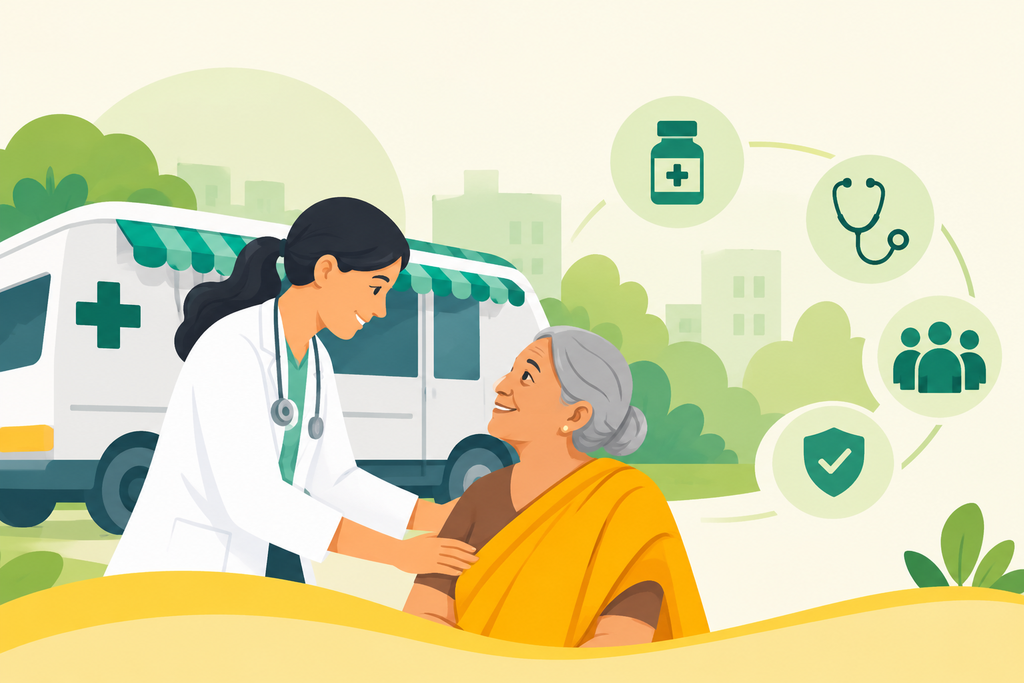
Mobile medical units might be India’s most accessible healthcare facility
Improving healthcare access means looking beyond the number of facilities or services available. For someone living hand to mouth, even a routine visit can set off a chain of difficult choices between sacrificing the wages for a day or responsibilities left unattended. The real measure of healthcare access, then, is not how many facilities dot the landscape, but whether people can walk through their doors without having to turn their lives upside down.
The mobile medical unit impact in India is a part of this larger effort. While mobile medical units cannot address every healthcare need, they can strengthen primary healthcare at the community level and connect underserved populations to the wider health system. Their long-term value lies in making care more accessible, consistent and responsive to the people who need it.
Read the complete report here: Impact Assessment of Mobile Medical Units under Smile Foundation’s Health Interventions.
Read Next
Mobile medical units are part of a wider effort to make healthcare more accessible, affordable and responsive to community needs. Explore these related reads to understand the role of mobile healthcare, primary healthcare and CSR partnerships in strengthening healthcare access in the underserved communities of India.
- On the Move: Strengthening Rural Healthcare with Mobile Medical Units
- Our Threefold Approach to Good Healthcare in India
- Closing the Access Gap in Rural Healthcare in India through CSR
- Impact at Scale: Lessons from Smile Foundation’s Partnership with HDFC Parivartan
Frequently asked questions
- What is the average cost of a doctor’s visit through a mobile medical unit in India?
Smile Foundation’s assessment found an average out-of-pocket cost of ₹4.70 per visit, compared with ₹85.70 at public and ₹629.50 at private facilities. - Are mobile medical unit services free?
Costs depend on the programme and services offered. Smile Foundation aims to keep healthcare services affordable, with nominal costs involved. - Can a mobile medical unit replace a hospital?
No. Mobile medical units provide primary healthcare. Serious conditions requiring specialist attention, advanced diagnostics or hospital treatment need further care. - How do mobile medical units help families beyond reducing medical expenses?
They reduce travel time and effort, while offering opportunities for health education and preventive care, particularly in underserved communities. - What can companies support through CSR funding for mobile healthcare?
CSR funding can support medical staff, medicines, diagnostic equipment, vehicle operations, community outreach, emergency preparedness and patient referrals. - How can the impact of a mobile medical unit programme be measured?
Impact can be assessed through people reached, services provided, patient expenditure, travel time, medicine availability, referrals, constituent feedback and longer-term health outcomes.