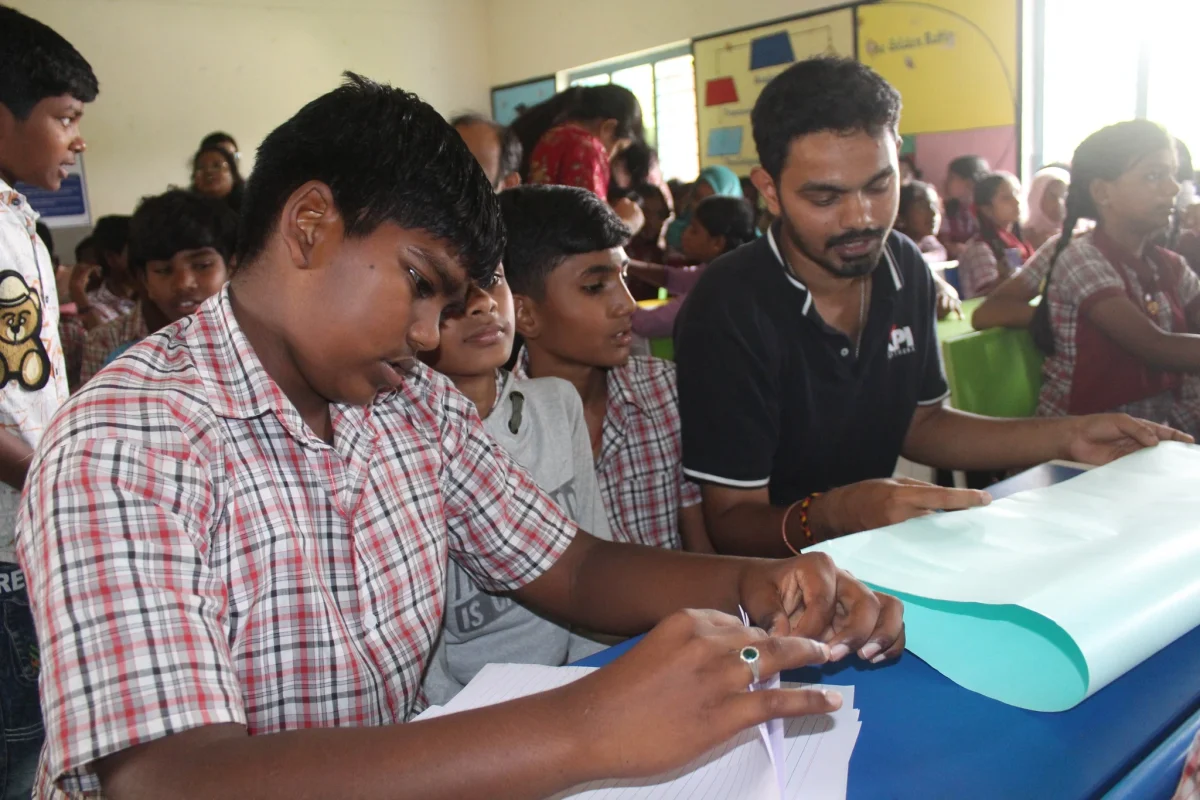
Children’s day in India, celebrated on 14th November marks the birth anniversary of Pandit Jawahar Lal Nehru, affectionately remembered as “Chacha Nehru”. The day is a tribute to his deep belief that children are the nation’s great asset and that nurturing their growth is fundamental to building a compassionate and progressive society.
For adults, children’s day evokes a sense of nostalgia, a reminder of innocence, creativity and curiosity that once defined our own childhood. From school activities to dressing up as Chacha Nehru, these traditions still continue to inspire generations, underscoring the importance of creating environments where every child, regardless of their socio-economic backgrounds, grows with quality education and nourishment.
To keep the spirit of the day alive, many organisation use this day as an opportunity to rekindle the childhood euphoria, by conducting employee engagement activities with children hailing from the marginalised communities of India, which positively shapes the young minds with chances of learning new things, interacting with professionals, and be inspired for their future.
Why Children’s Day Matters at Work
From an early age, children explore their surroundings out of curiosity, especially when there’s something new to learn. Studies have shown that, in children too, curiosity involves a range of information- seeking behaviours, just like the adults. Preschoolers display creativity by trying different solutions or imagining new uses for objects. Though they may not be able to create things that are new or useful, they show “mini C- creativity”— personal creative efforts that aid in learning.
How is this related to engagement at work?
Employee engagements are crucial to build a culture where formality is replaced with fellowships. In moments of shared laughter or team work, individuals rediscover each other beyond designations. This emotional synchrony cultivates psychological safety, and paves way for a workforce that –
- Interacts meaningfully,
- Less prone to isolation and burnout, and
- More likely to build collective resilience.
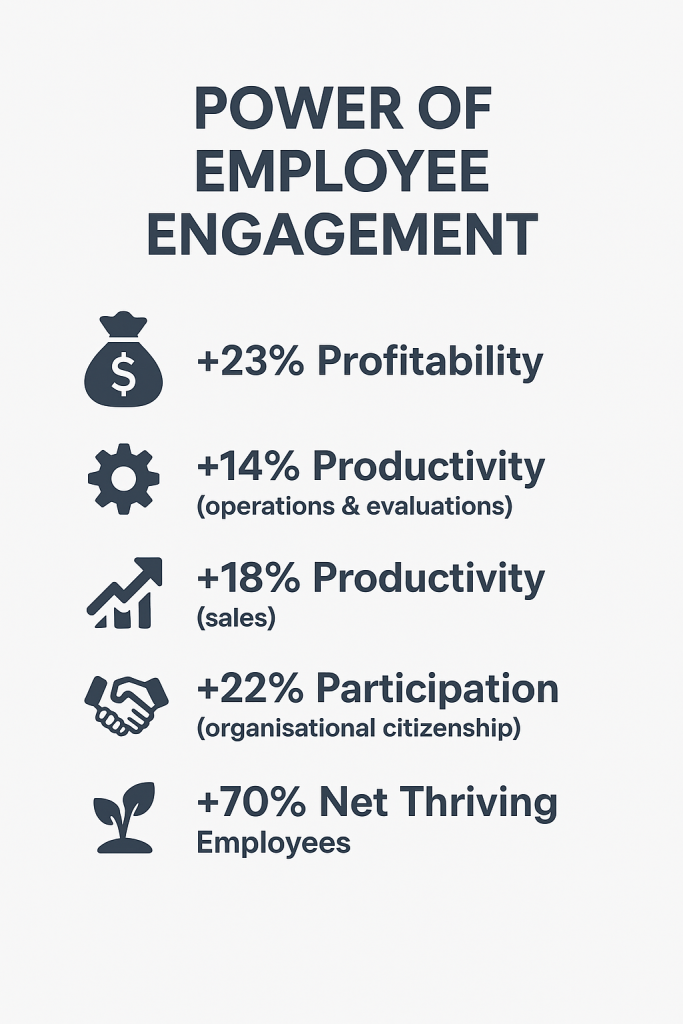
However, creating a consistent routine mechanism for recognising employee contributions is equally vital. Employees feel more engaged and inspired when their efforts are genuinely acknowledged and appreciated
In this light, thoughtfully designed employee engagement initiatives become more than organisational rituals, they become recognition and trust in company’s deeper purpose.
Employees evolve from participants into agents of change, championing social causes such as educational development that shape the nation’s future. Their engagement with young learners reflects authentic leadership, strengthening professional identity, fostering empathy, and empowering children to explore their own creativity.
Corporate Engagements to strengthen Education in India
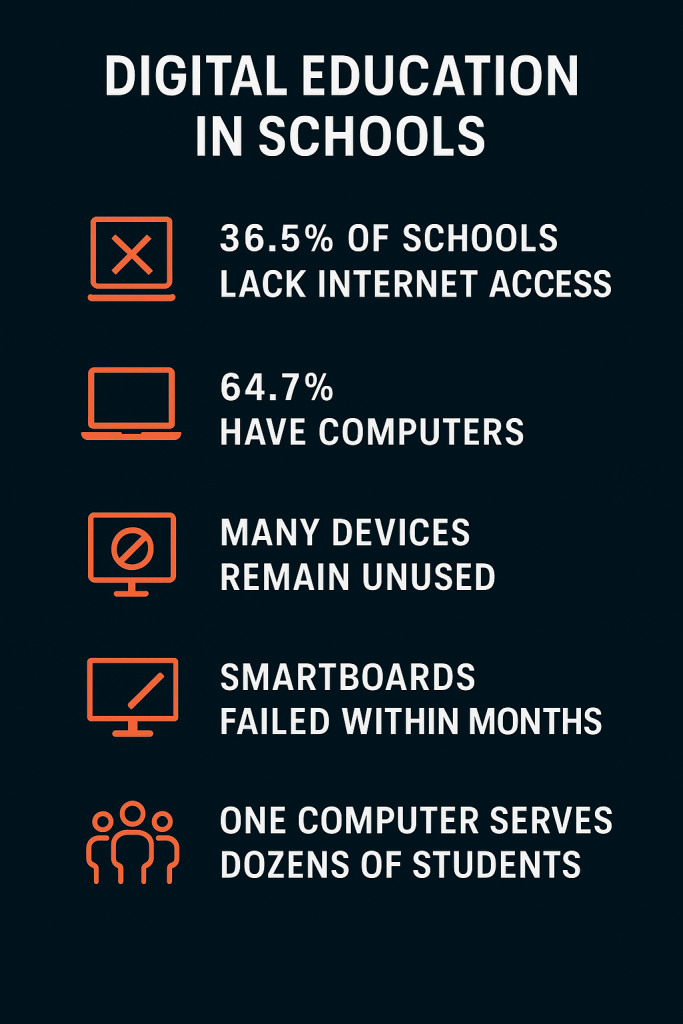
Employee participation goes beyond volunteering; it directly impacts on children’s education being completed and for many an opportunity to enter a classroom for the first time. India’s rural educational challenges are as diverse as this country’s spirit. However, issues like lack of proper educational infrastructure, lack of educational resources, digital aid, and usable sanitation facilities commonly hinder the growth of young minds across the country.
In 2024, only 49.86% schools across seven Northeastern states had usable toilers for girls. In Sikkim, just 79.2 % of girls’ schools had functioning toilets, followed by 72% in Assam. These figures drawn only from two states, highlight the critical gap in India’s educational structure in 2025.
At the same time, it is encouraging to note a significant improvement in girls’ toilet coverage in rural schools from 66.4 per cent in 2018 to 72 per cent in 2024. This progress underscores the impact of collaborative efforts between corporates, NGOs, and government initiatives in strengthening India’s education ecosystem.
A single day of corporate engagement holds the power of creating ripples of change for years ahead. By aligning with national education goals, employee engagement initiatives can support young learners from underserved communities with learning aids, stationery, and digital tools—helping them build essential skills and prepare for a more empowered future.
Employee Engagement Powering Learning and Smiles
At Smile Foundation, we believe that when purpose meets participation, workplaces transform into communities of change—enthusiastic corporate teams interacting with children from our education centres, can ignite creativity and teamwork, values that are important for both a growing student and a driven employee.
Each activity below strengthens two journeys at once– a child’s learning experience and an employee’s sense of belonging and purpose.
| Activities | Benefits for Children | Benefits for Corporates |
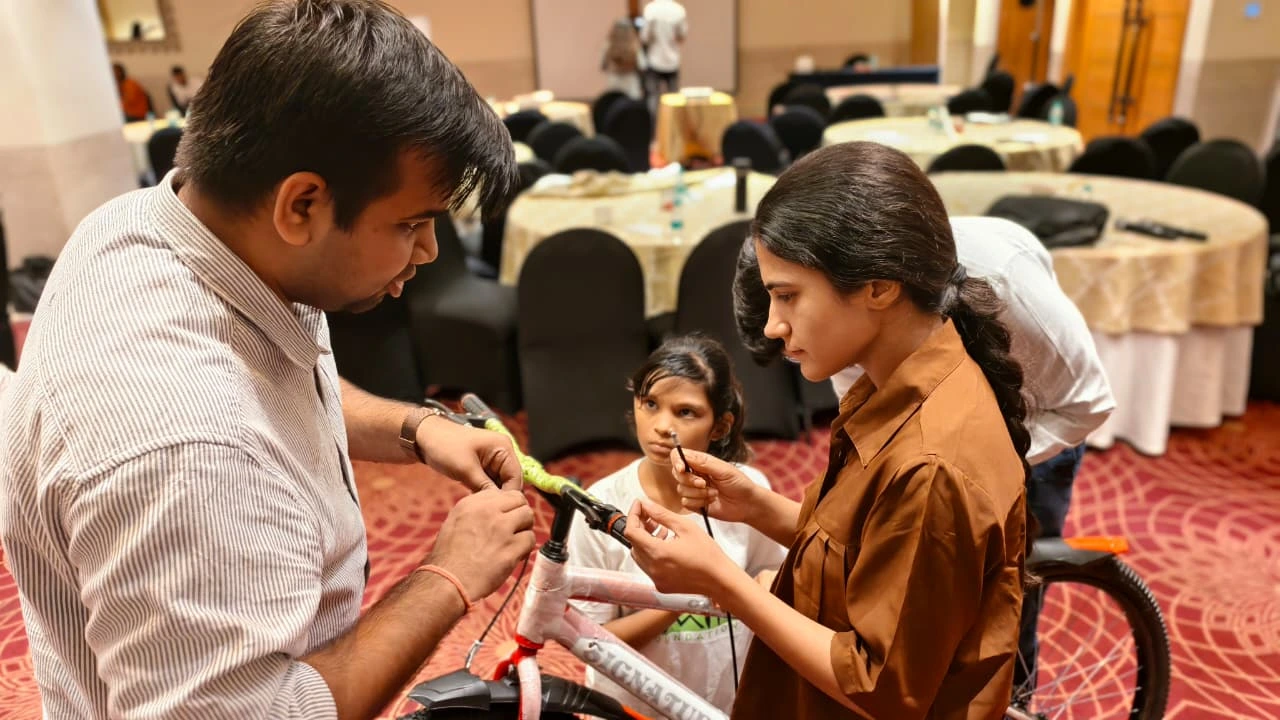
| Build- A-Bike | Gives children an opportunity to assemble bikes from the scratch, igniting curiosity behind the working of cycle | Encourages collaborations, coordination and problem solving under a common goal. The satisfaction of building as a team that boosts morale. |
| BaLa | Makes classrooms into vibrant learning environments. Children get to learn with murals, maps and visuals that spark curiosity in learning | Ignites creativity and empathy. Painting as a team bonds, while allowing employees to see the tangible outcome of their collective effort. |
| Ecobricks Furniture Making | It creates sustainable and safe furnitures for schools and learning centres, while promoting environmental awareness among students | Cultivates environmental consciousness, teamwork and innovation. Employees can learn new sustainable practices that can boost company’s CSR goals |
| Happy Feet Challenge | Often many children from the marginalised communities do not have proper shoes or walk barefoot, this activity offers them creativity tied up with comfort and safety | Fosters empathy, artistic expression and purpose driven engagement. Employees can experience the joy of creating something for a child in need |
| Indoor Plantation Drive | Children learn to be environmental custodians from an early age while learning how to be more mindful | Acts as a therapeutic and team-bonding exercise, while reinforcing sustainability awareness aligned with ESG and wellness initiatives |
| Wall of Smile | Provides access to essential items like books and stationery, encouraging learning and continuity | Offers an impactful way to declutter responsibly, while encouraging meaningful giving to the community. |
| Mandala Art/ Greeting Card Making | Delivers messages of encouragement and positivity, reminding them they are seen and supported | Is a mindful reflective activity that reduces stress, while deepening emotional connection with a cause |
When work meets joy, it transforms more than just the atmosphere, it humanises the workplace. Celebrating occasions like Children’s Day, Christmas or New year through employee engagement activities serve as a gentle reminder which is often forgotten in the rush of targets and boardroom discussions that – curiosity, empathy and imagination are not tractors to outgrow but to rediscover. These very qualities that were once nurtured in childhood, today continue to evolve with age that is complimented with innovation, problem solving and resilience of the adult brain.
Simple acts like assembling a bicycle, planting a sapling, painting a classroom, all of these activities just do not become an avenue for volunteering by the corporates, but they become a platform where the employees can become active agents of transformation; they can rekindle a sense of purpose, return to creativity and be a much more compassionate team who value making a positive meaning beyond the desk, while giving opportunities of learning and laughter to children from underserved communities of India.
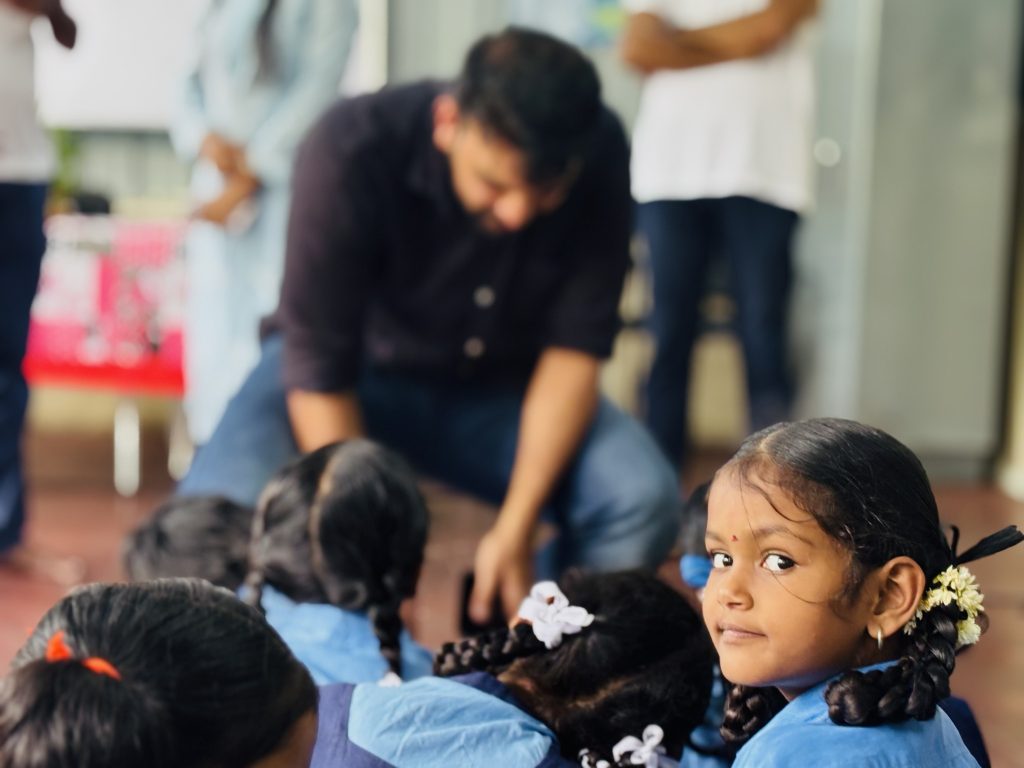
Engage with children from Smile Foundation’s education centres to create experiences that matter on children’s day. Partner with us to bridge purpose and progress, where India’s children are empowered and businesses build a future that truly lasts.
Sources-
Exploring the creativity-curiosity link in early childhood
The Benefits of Employee Engagement
NE states lag behind even as India improves girls’ toilet facilities
Is India AI ready when 36% of schools have no internet?