
Summary
- In a long-running study in Kauai, most children who overcame a hard start had at least one caring adult beside them. In India, about 2.8 crore children are the first in their families to complete six years of school.
- A mentor can guide first-generation learners through subject choices and scholarships, and help them feel calmer and more confident. That is why mentorship programs for children are so important.
- Mentor Together and Make A Difference screen and train their volunteers, and many programs now reach remote villages online or by phone.
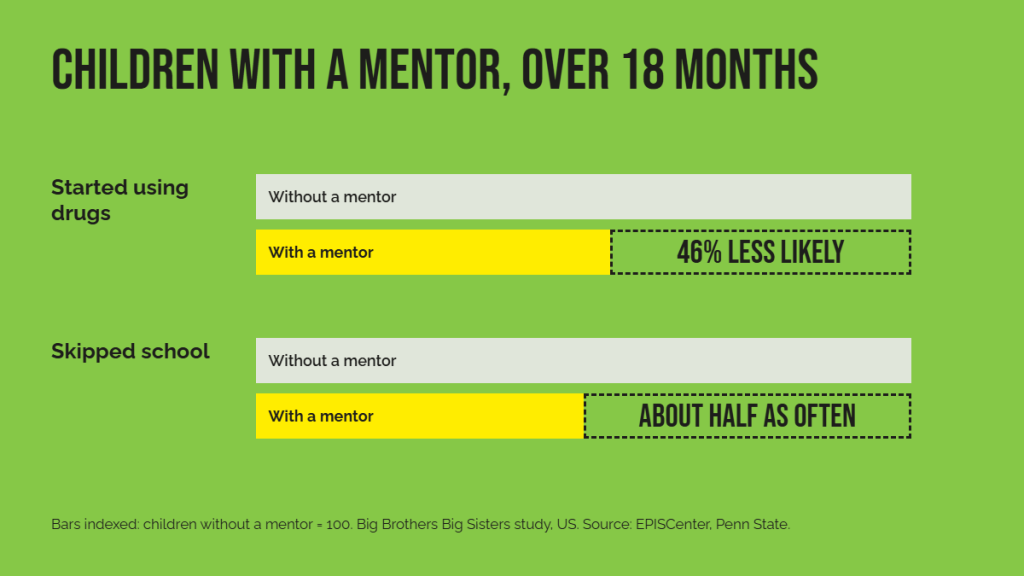
- In one US study, children with a mentor were 46% less likely to start using drugs. Matches that last a year or more help most, especially when mentors turn up reliably and listen before they advise.
- In 2024, Smile Foundation’s Mission Education reached 1.2 lakh children in 25 states, and its Child for Child program helps children from different backgrounds learn from each other.

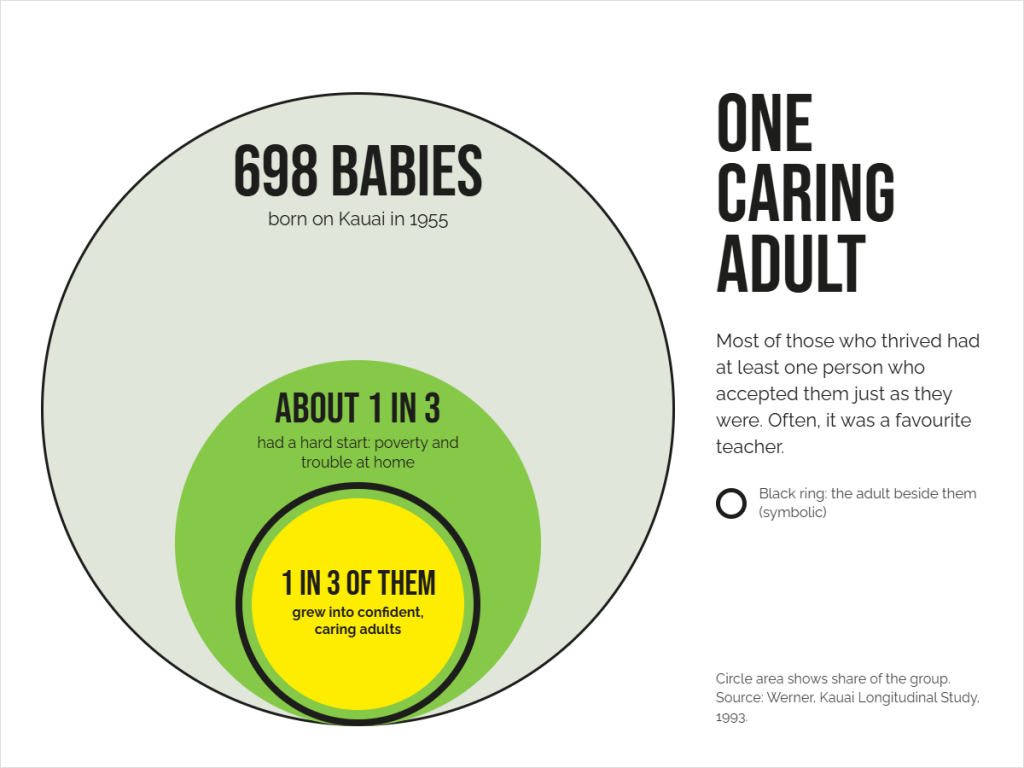
In 1955, researchers began following 698 babies born on the Hawaiian island of Kauai. About a third of them were growing up in poverty, with trouble at home. By the time they were teenagers, two in three of these children were facing serious problems at school or in their lives.
The rest of this group, about one in three, grew into confident, caring adults. When psychologist Emmy Werner looked closely at their lives, she found that most of them had at least one person who accepted them just as they were. For many, it was a favourite teacher who became a friend and role model.
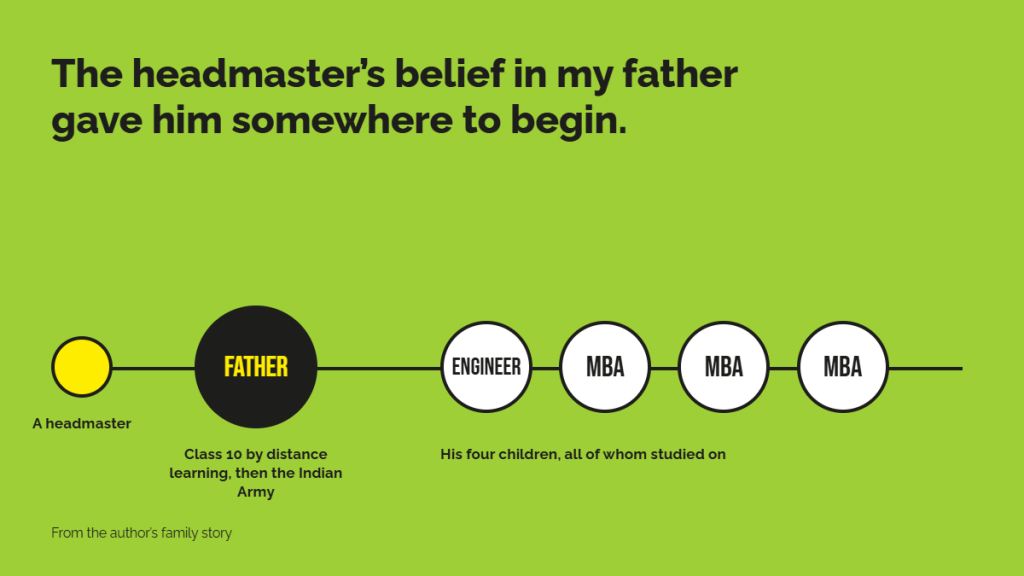
I have seen this in my own family. My father grew up in a poor village where no one in his family had ever studied. He left home to look for work and found a job at a boarding school. He had always longed to study, and one day he shared that wish with the headmaster. The headmaster agreed to help, but warned him that it would take a great deal of hard work. He then enrolled my father for the Class 10 exam through distance learning. My father did chores around the school all day and studied through the night. In time, he joined the Indian Army.
Together, he and my mother made sure that all four of us studied. My eldest sister became an engineer, and the other three of us went on to complete MBAs at reputed colleges. Today we all have good jobs and a family home in Delhi. My parents worked hard for every step of that journey. The headmaster’s belief in my father gave him somewhere to begin.
Many children in India’s villages and city bastis grow up facing the same odds, and not every one of them has that person in their life. Mentorship programs for children try to change that, by pairing a child with a caring adult who keeps showing up, week after week.
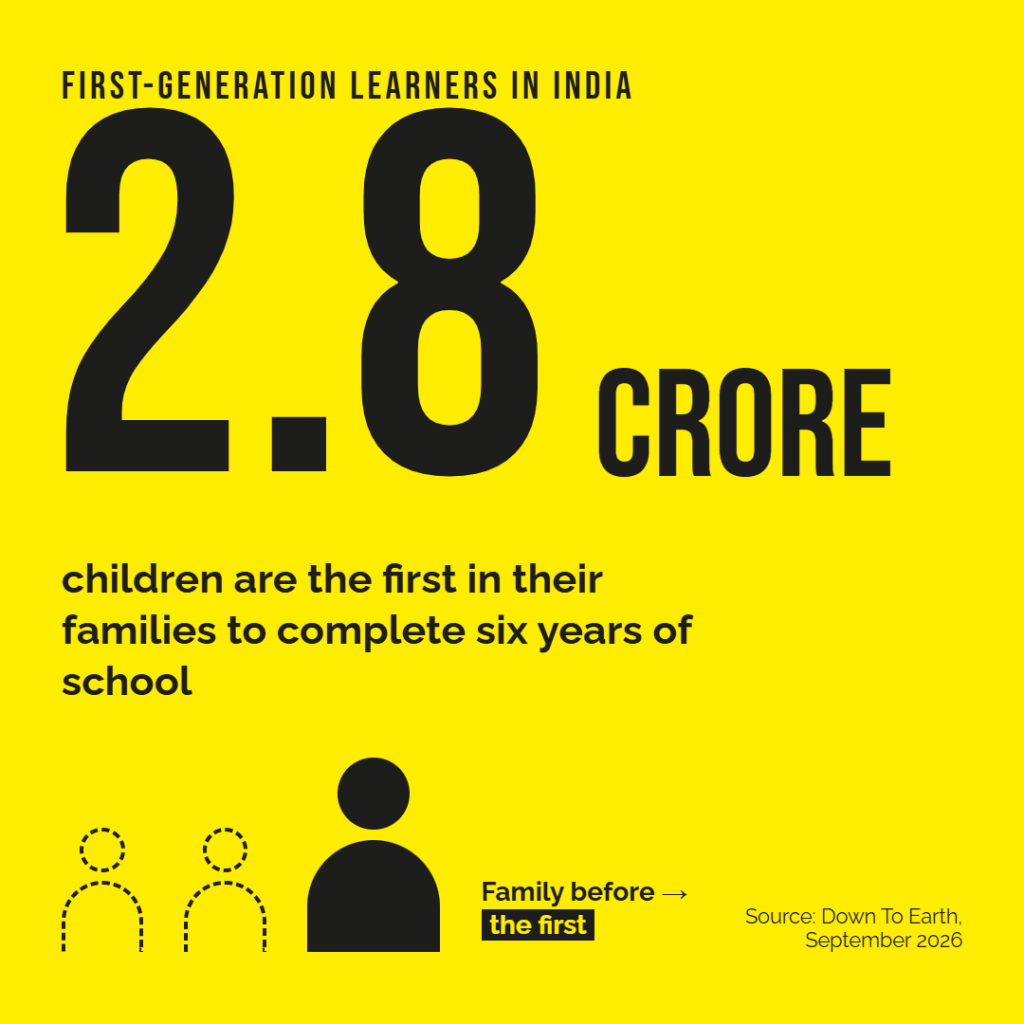
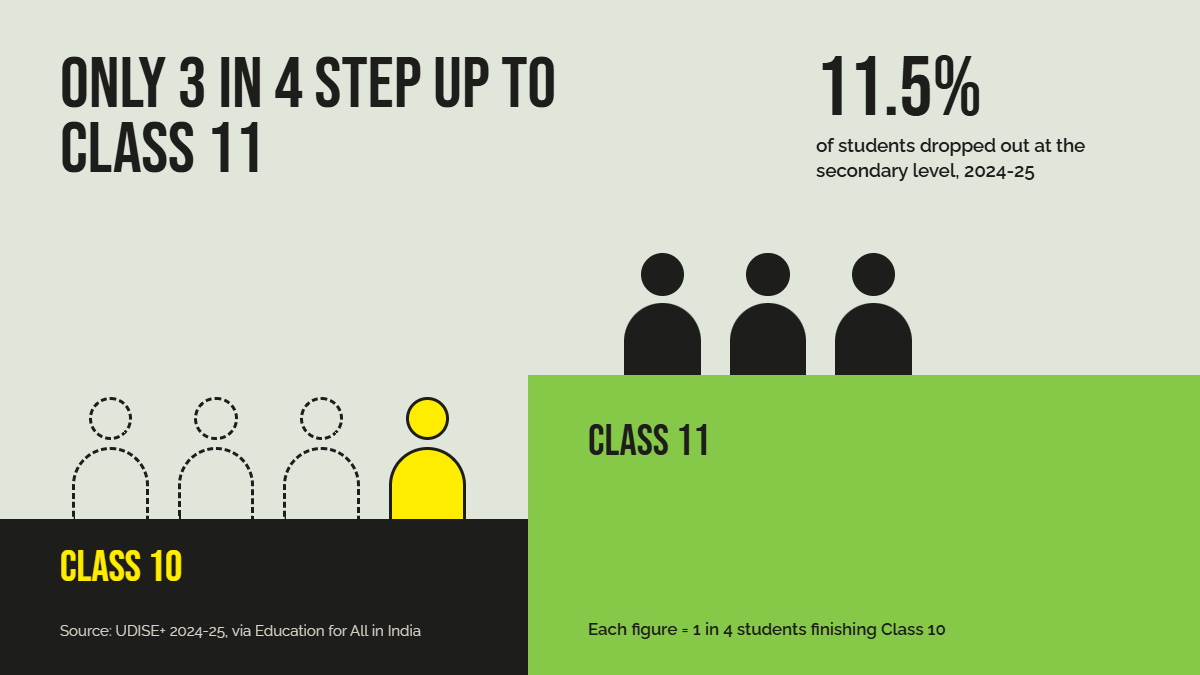
About 2.8 crore children in India are the first in their families to complete six years of school, and many have no one at home who can help them through the years that follow. In 2024-25, 11.5% of students dropped out at the secondary level, and only about three in four went on from Class 10 to Class 11.
What a Mentor Can Offer a Child
A mentor is a trusted adult who makes time to listen and stays in a child’s life over months or years. For a child from an underserved community, that bond can help in many ways:
- Guidance no one at home can give: First-generation learners often have no one to ask about subject choices or scholarships. A mentor can help them through each step
- A wider world: Many children in low-income neighbourhoods have never met an engineer or a nurse. Through a mentor, they can learn about paths they had never heard of
- Confidence and calm: Children who grow up with money worries at home often carry a lot of stress. Regular, gentle time with someone kind helps them feel steadier
- A reason to stay in school: When there is pressure to earn or marry early, a mentor who believes in the child can help the family see the value of a few more years of study
Not every mentor comes through a program. A teacher who stays back after class or an older cousin who helps with forms can play the same part, as many of the Kauai children found.
How Mentorship Programs for Children Work
Mentoring can take several forms. A child might meet the same adult regularly, or join a small group led by one mentor. Peer mentoring pairs older students with younger ones, and e-mentoring happens over video or phone.
SmartGaon connects children in rural schools with volunteer mentors online for an hour or two a week. Where the internet is weak, mentors often keep in touch through short phone calls arranged by the program.
Good programs choose their mentors with care. Mentor Together, which has supported more than 48,400 young people in India, screens and trains every volunteer, and its staff check on each pair for safety. Many programs pair girls with women mentors. Some look for mentors who speak the child’s language or who were once first-generation learners themselves.
Make A Difference, with more than 2,000 volunteers in 20 cities, adjusts its support as a child grows. Younger children get help with reading and maths, and teenagers with exams and career choices. The support continues even after they turn 18.
In Mumbai, Mentor Together paired Sumaiya, a shy 21-year-old who found it hard to speak up, with Usha, a 66-year-old former computer teacher. Every two weeks, they worked on planning her time and handling stress. Sumaiya began taking jobs to save for her studies, and when an employer tried to delay her pay, she stood her ground and was paid.
What the Evidence Shows
In a well-known US study of Big Brothers Big Sisters, children with a mentor were 46% less likely to start using drugs over 18 months and skipped school about half as often. A 2019 review of 70 studies found a steady, moderate benefit from mentoring.
Mentorship programs for children in India are showing encouraging results too. After a year-long program for 20 girls in a government institution in south India, the girls felt more confident about speaking in public and taking exams, and some resisted pressure to marry early. Among Mentor Together’s mentees, 72% scored higher on self-belief after the program.
What Helps Mentoring Work Well
Mentorship programs for children work best when a few things are in place:
- Matches that last: In one study, pairs that met regularly for a year or more saw clear gains. School-based matches that ended within six months changed little
- Mentors who understand a child’s world: Only 12% of mentors in one large study had lived in poverty themselves, so training helps them see that a missed meeting may simply mean a long bus ride or a borrowed phone
- Keeping children safe: Background checks and a child protection policy protect everyone, and meetings happen in open, approved spaces. Online mentoring runs on supervised platforms, with no private numbers exchanged
- Involving families: Parents who meet the mentor are more likely to trust the program. In one Indian study, families were wary at first, and their worries eased over time
- Pairing guidance with practical help: A hungry child finds it hard to think about the future, so many programs link mentoring with meals or scholarships
A mentor who leaves suddenly can hurt a child’s trust, so good programs plan each goodbye with care.
How You Can Become a Good Mentor
If you would like to become a mentor, most mentorship programs for children welcome new volunteers, and these steps and habits can help you begin:
- Choose a registered program: Look for an NGO with a child protection policy and trained staff. Expect a background check and some training before you are matched
- Commit for the long term: Plan for regular meetings over at least six months, and ideally a year or more. Arriving on time, every time, shows a child they matter
- Listen first: Let the child lead, and save advice for when it helps
- Respect the family: Remember that parents know their child best
- Keep clear boundaries: Never give money or gifts privately, and tell program staff about any worry for a child’s safety
- Lean on the program: Keep the staff updated on how the match is going. They are there to help whenever you need it
How Smile Foundation Supports Children
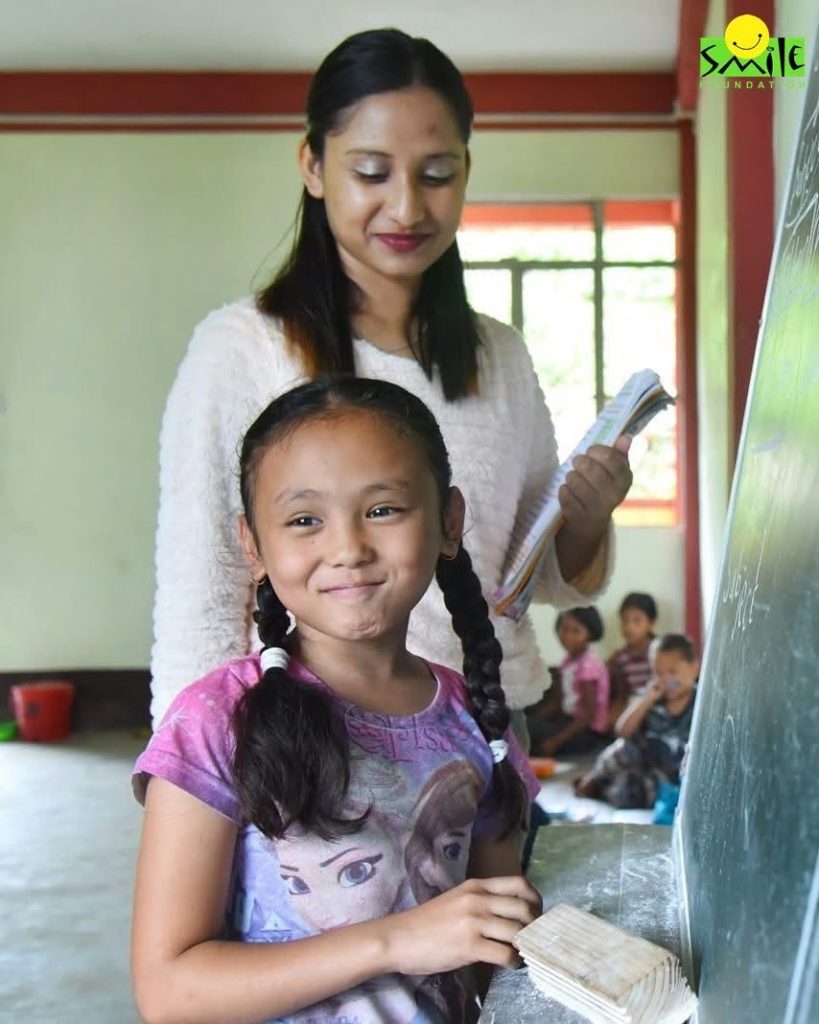
Through its Mission Education program, Smile Foundation reached 1.2 lakh children in 25 states in 2024, half of them girls. Many children come to its centres from nearby bastis, and some travel a long way to be there. Alongside their lessons, they receive regular nutrition and health support. Volunteers who teach at the centres often build close bonds with the students, and some former students now come back to help the younger ones, in the same classrooms where they once studied.
Smile Foundation’s Child for Child program brings children from different backgrounds together. In Zirakpur, near Chandigarh, students and teachers of The Gurukul school mentored around 50 children from a Mission Education centre as they prepared songs and dances for the school’s Achievement Day. With their help, the children found the confidence to perform on stage, and both groups learned from each other. Smile Foundation welcomes volunteers and CSR partnerships who would like to stand beside a child in this way.
FAQs
1.What are mentorship programs for children?
Mentorship programs for children pair a child with a trained adult volunteer who meets them regularly and becomes someone they can turn to as they grow.
2. How is a mentor different from a teacher or tutor?
A tutor helps with a subject such as maths. A mentor cares about the whole child and listens to their worries and hopes for the future.
3. How long should a mentoring relationship last?
Research suggests at least a year of regular meetings, since children often need time to trust someone new.
4. How do mentorship programs for children keep children safe?
Good mentorship programs for children screen and train every mentor and follow a child protection policy. Staff also check in on each match regularly.
5. Can mentoring happen online?
Yes. Many programs in India connect mentors and children through supervised video and phone calls. This helps them reach children in remote villages.
6. Who can become a mentor?
Most programs welcome adults who can give an hour or two a week for several months. Patience and reliability matter most.