Categories
Smile

Mahabharata and choosing peace over war


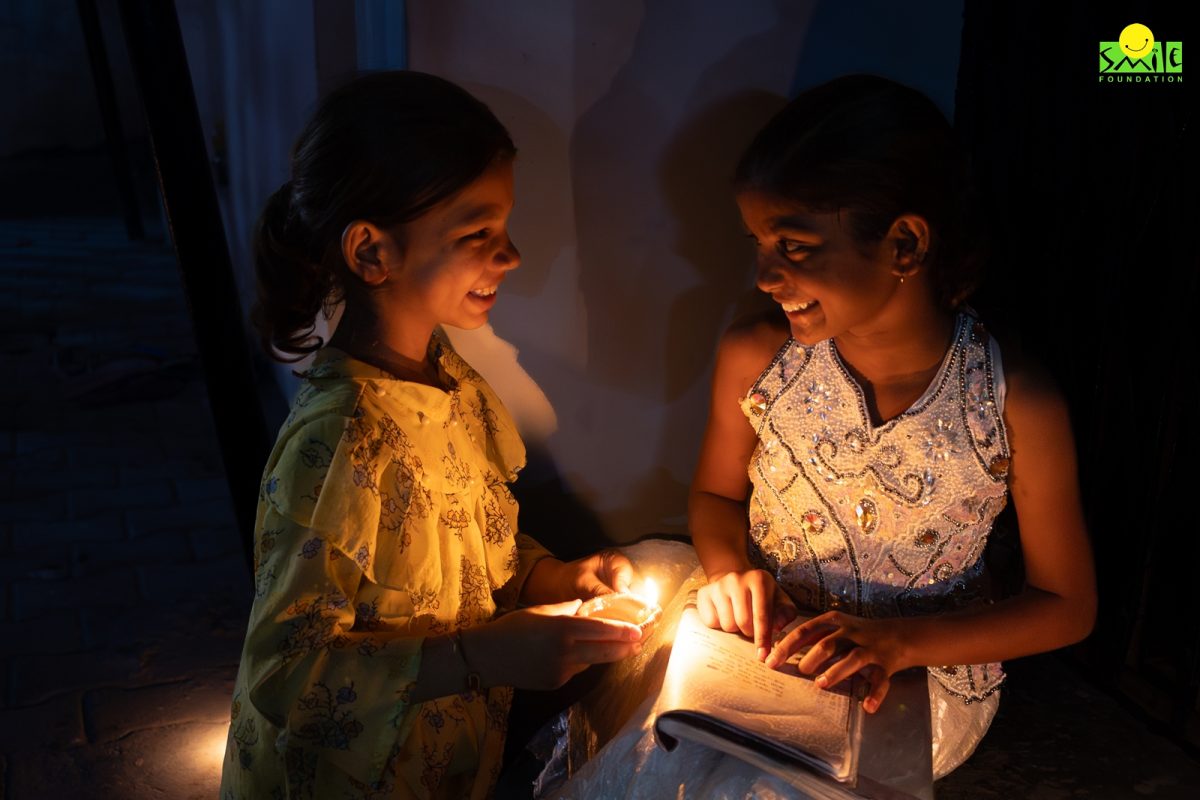
Discussing peace, especially in the context of children, becomes not just relevant but imperative. Children, as the torchbearers of the future, navigate a complex journey that shapes their perceptions, values, and overall well-being. Addressing the subject of peace for children is an acknowledgment of their unique vulnerabilities and an earnest commitment to fostering environments that nurture their growth, both emotionally and socially.

Childhood lays the foundation for a lifetime of experiences, influencing how individuals perceive the world and their roles within it. As such, exploring the concept of peace in the context of children encompasses more than the absence of conflict; it encapsulates the holistic well-being of young minds. From the nurturing of inner tranquility to imparting values that champion understanding over discord, the discourse on peace holds the potential to mold a generation that cherishes harmony and empathy.

In this exploration, we draw inspiration from timeless lessons found in the Mahabharata, an ancient epic that transcends eras, and weaves narratives rich in wisdom. From the intricacies of inner peace to the profound impact of righteous leadership, these lessons offer timeless insights that resonate in our pursuit of a more peaceful and compassionate world for our children. As we delve into these teachings, the intent is not just to reflect on the past but to illuminate a path forward, where the discussion on peace becomes a guiding force in shaping the future of our youngest and most precious members of society.

The Mahabharata, an ancient Indian epic, is not merely a narrative of a historic conflict but a reservoir of timeless wisdom, offering profound insights into the essence of peace. This epic, which weaves the intricate tapestry of human relationships, power struggles, and the inevitability of moral dilemmas, imparts invaluable lessons on the importance of peace. Let’s journey into the Mahabharata to unravel these lessons that resonate across epochs.

1. Inner Peace Precedes Outer Harmony

The character of Yudhishthira, the eldest of the Pandavas, exemplifies the notion that inner peace is the bedrock of outer harmony. Despite facing numerous trials and tribulations, Yudhishthira remains steadfast in his commitment to righteousness. His unwavering inner peace becomes a guiding light even in the darkest moments, emphasizing that true peace emanates from a calm and virtuous heart.

“The self-controlled soul, who moves amongst sense objects, free from either attachment or repulsion, he wins eternal Peace.” – Bhagavad Gita (2.64)

2. Diplomacy and Dialogue over War

The Mahabharata underscores the supremacy of dialogue and diplomacy over the ravages of war. The pivotal moment at the onset of the Kurukshetra War sees Lord Krishna, acting as Arjuna’s charioteer, encouraging a last-minute attempt at peace. Krishna’s efforts to avert bloodshed reflect the profound truth that exhausting all avenues of peaceful resolution should precede resorting to conflict.

3. The Folly of Revenge and Hatred

The Kaurava prince Duryodhana’s vengeful pursuits lead to catastrophic consequences, highlighting the Mahabharata’s warning against the destructive nature of revenge and hatred. The desire for retaliation blinds Duryodhana to reason and compassion, ultimately culminating in the annihilation of his own kin. This serves as a poignant reminder of the corrosive impact of harboring animosity.

“For hatred does not cease by hatred at any time: hatred ceases by love. This is an unalterable law.” – Dhammapada (1.5)

4. Righteous Leadership for Lasting Peace

King Yudhishthira’s reign post the war exemplifies the importance of righteous leadership in establishing enduring peace. His commitment to justice, compassion, and equitable governance creates an era of harmony, showcasing that sustained peace can only thrive under the guardianship of virtuous leaders.

“One must deliver the results of one’s actions to the Lord and also consider that, in the performance of one’s duties, one should depend on no one else but the Lord.” – Bhagavad Gita (9.27)

5. Cultivating Equanimity in Adversity

Arjuna’s moral dilemma on the battlefield symbolizes the human struggle with ethical choices. Lord Krishna’s teachings to Arjuna underscore the importance of cultivating equanimity in the face of adversity. True peace, as depicted in the Mahabharata, arises from a balanced mind that can navigate challenges without succumbing to despair.

In essence, the Mahabharata serves as a timeless testament to the pivotal role peace plays in the fabric of human existence. Its lessons resonate across cultures and eras, urging individuals to seek inner tranquility, embrace dialogue over conflict, shun revenge and hatred, champion righteous leadership, and cultivate equanimity in adversity. As we glean wisdom from this epic, we are reminded that the pursuit of peace is not just a noble endeavor but an essential cornerstone for the well-being of individuals and the world at large.
Categories
Education

Mission Education in Tribal Districts of Odisha

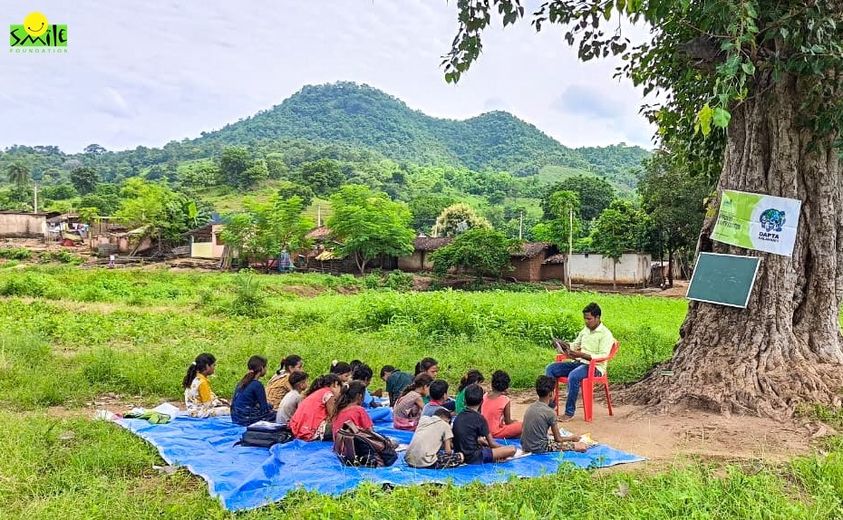
In the heart of Odisha lie two districts, Kalahandi and Kandhamal, where two Mission Education (ME) centers of Smile Foundation are creating transformative impacts in the lives of tribal children living in challenging circumstances.

Kalahandi District

Kalahandi, considered one of the poorest districts in India, faces stark challenges despite its abundance in rice production. The district is predominantly rural, with a significant tribal population, including the Gonds, Kondhs, Sabars, and others. Poverty touches 47.28% of the population, hitting hardest in the tribal communities.

Agriculture sustains Kalahandi, engaging over half of its population. However, unequal access to resources leaves many in dire poverty. The literacy rate is modest, with 59.22% on average, showcasing the need for educational interventions.

Smile Foundation, in collaboration with DAPTA, manages the ME center in Lanjigarh Block. In this tribal-dominated area, four centers cater to 150 children in villages where government schools are non-existent. Surrounded by streams, hills, and forests, these areas pose challenges for children to access education.

Of the 120 children in three centers, 52 are girls and 68 are boys, aged 5 to 15. The majority belong to Particularly Vulnerable Tribal Groups (PVTG) and Scheduled Caste (SC) communities, living below the poverty line. DAPTA provides quality education, nutrition, health facilities, and essential materials, supporting these children on their educational journey.

Kandhamal District

Kandhamal, another backward district in Odisha, battles poverty with an economy rooted in agriculture, horticulture, and forest produce trading. Tribal populations dominate this district, facing challenges due to low literacy rates, lack of industries, and dependence on cultivation and forest products.

ME center KZSVS, in Daringbadi Block, manages three learning centers supporting 145 children from Dongri Kondh, a marginalized tribal community. These children face challenges accessing government schools due to distant locations and impassable roads.

Of the 145 children, 51 are girls and 94 are boys, aged 5 to 15, primarily from PVTG and SC communities. KZSVS ensures these vulnerable children receive quality education, nutrition, health facilities, and essential materials, addressing their unique needs.

Interventions under the Mission Education Programme

In the Kalahandi and Kandhamal districts of Odisha, our SMission Education programme has implemented a series of impactful interventions to address the unique challenges faced by children in difficult circumstances. These interventions include the extension of teaching-learning through ME centers, providing essential learning resources for activity-based learning, imparting values through dedicated education classes, and investing in the training and capacity building of teachers.

The programme also emphasizes the celebration of important days and regular co-curricular activities to enrich the learning experience. Additionally, community engagement initiatives aim to raise awareness about the importance of education and ensure the sustainability of the ME centers. The programme places a strong emphasis on local resource mobilization, enhancing the capacity of ME partners for long-term sustainability. Rigorous monitoring, including weekly calls, monthly review calls, on-site visits, and reporting from ME centers, ensures the effectiveness and continuous improvement of these interventions.

Overall Impact of the Programme

The impact of the Mission Education programme is profound and multifaceted. In both Kalahandi and Kandhamal, there has been a noticeable increase in classroom attendance, reflecting the success of interventions aimed at making education more accessible and engaging for children.

Academic performance has shown improvement, and enrollment rates in government schools have risen, indicating a positive shift in the perception and value placed on education. The passing rates from primary to upper primary education have increased, demonstrating the effectiveness of the program in promoting educational continuity.

Moreover, there has been a growing interest in education among parents, contributing to the overall improvement in the community’s perspective on the importance of schooling. The reduction in school dropouts underscores the program’s success in creating a supportive environment that encourages continued learning.

Beyond academics, our interventions have led to improvements in health behavior, nutrition awareness, and the recognition of the pivotal role education plays in the lives of children and their families. These combined impacts reflect the comprehensive and transformative nature of our flagship Mission Education programme in Kalahandi and Kandhamal.

Categories
Smile

Celebrating International Volunteer Day: A Legacy of Social Impact

Every year on December 5th, the world comes together to celebrate International Volunteer Day, recognizing the invaluable contributions of volunteers and their transformative impact on communities worldwide. This day serves as a tribute to the millions of individuals who selflessly dedicate their time, skills, and passion to create positive change. The history and evolution of International Volunteer Day (IVD) reflect the enduring spirit of altruism and the evolving role of volunteers in shaping a better world.

A Historical Glimpse

The origins of International Volunteer Day can be traced back to 1985 when the United Nations (UN) designated December 5th as a day to acknowledge and appreciate the efforts of volunteers globally. This initiative aimed to promote volunteerism, recognize its impact on sustainable development and inspire more people to engage in voluntary activities. Since then, IVD has grown into a global movement, transcending borders and cultural differences to foster a sense of shared responsibility for the well-being of communities.

Evolution Over the Years

Over the decades, International Volunteer Day has evolved into a dynamic platform that highlights the diverse ways in which volunteers contribute to addressing societal challenges. Initially focusing on traditional volunteer roles, the celebration has expanded to embrace a broad spectrum of activities, including online volunteering and skills-based contributions. The evolution reflects the recognition that volunteering is not confined to specific roles or locations but is a dynamic force that adapts to the changing needs of society.

At the heart of International Volunteer Day lies the profound belief in the power of individuals to make a positive impact. Volunteers embody the spirit of generosity, empathy, and civic responsibility, demonstrating that collective efforts, no matter how small, can bring about significant change. From community development and environmental conservation to humanitarian aid and education, volunteers contribute to a myriad of causes, embodying the ethos of doing good for the greater good.

The New Generation’s Active Role

One striking aspect of the contemporary celebration of International Volunteer Day is the active participation of the new generation. Today’s youth, driven by a strong sense of social justice and a desire to effect change, are actively engaged in volunteer activities. Empowered by technology and interconnectedness, young people leverage their skills to contribute to global causes, transcending geographical boundaries. Whether through social media campaigns, online platforms, or local initiatives, the new generation is at the forefront of the volunteerism movement.

This active involvement of the youth reflects a shift in the perception of volunteerism from a traditional, localized endeavor to a global and interconnected movement. As the torchbearers of change, the new generation embodies the principles of inclusivity, innovation, and sustainability in their volunteer efforts.

Looking Ahead

As International Volunteer Day continues to evolve, its significance grows in an era marked by interconnectedness and shared global challenges. Volunteers play a pivotal role in addressing issues such as climate change, poverty, and inequality. The celebration serves as a reminder that each act of kindness, no matter how small, contributes to the collective well-being of humanity.

In conclusion, International Volunteer Day stands as a testament to the enduring legacy of volunteerism. It commemorates the past, celebrates the present, and inspires a future where individuals, irrespective of age or background, actively participate in creating a more compassionate and equitable world. As we observe this day, let us honor the volunteers who have made a difference and encourage a new generation to join hands in shaping a brighter and more sustainable future for all.

Become a Smile Volunteer here!

Categories
Insights

The Significance of Community Mobilizers in the Development Sector

In development work, the role of community mobilizers emerges as a linchpin that holds the potential to catalyze transformative change. These unsung heroes play a pivotal role in connecting organizations with the communities they serve, fostering collaboration, and empowering individuals to be architects of their development. In the context of India, where diverse communities grapple with multifaceted challenges, the importance of community mobilizers takes on a special significance.

Understanding the Role of Community Mobilizers

At its core, community mobilization is a participatory process that involves engaging and empowering communities to identify and address their unique challenges. Community mobilizers act as catalysts in this process, bridging the gap between the nonprofit sector and the grassroots. They are the conduits through which initiatives are communicated, trust is built, and local wisdom is harnessed for sustainable development.

Key Functions of Community Mobilizers

  1. Building Trust and Relationships: Community mobilizers serve as the face of nonprofits in the field, cultivating trust and building relationships with local communities. Their ability to connect on a personal level is the foundation for successful engagement.
  2. Needs Assessment and Resource Identification: Mobilizers are instrumental in conducting needs assessments within communities, identifying resources, strengths, and challenges. This firsthand knowledge is invaluable in tailoring interventions to suit the specific needs of the community.
  3. Facilitating Communication: Effective communication is a linchpin for successful community engagement. Mobilizers facilitate two-way communication between communities and nonprofits, ensuring that voices are heard, concerns are addressed, and solutions are co-created.
  4. Capacity Building and Empowerment: Mobilizers empower community members by facilitating skill-building workshops, education programs, and awareness campaigns. They enhance the community’s capacity to address issues independently, fostering sustainable development.
  5. Advocacy and Social Change: Mobilizers are advocates for social change. They work to raise awareness about social issues, challenge harmful norms, and mobilize communities for collective action toward positive transformation.

Examples of notable Community Mobilization in India

  1. Kudumbashree- Kerala: Kudumbashree, a community-based women’s empowerment program in Kerala, India, utilizes the power of community mobilization. Through local self-help groups, women are mobilized to address issues such as poverty, health, and education. These women become change agents within their communities, leading initiatives for economic development and social progress.
  2. Self-Employed Women’s Association (SEWA)- Gujarat: SEWA, a trade union based in Gujarat, has been instrumental in mobilizing women in the informal sector. By organizing women workers into cooperatives and providing them with the tools to advocate for their rights, SEWA has created a grassroots movement that empowers women economically and socially.

Significance in the Development Sector

The development sector thrives on its ability to create meaningful, sustainable change. Community mobilizers are the conduits through which this change becomes a reality. Their significance lies in their ability to:

  • Ensure Cultural Sensitivity: Mobilizers, often from the communities they serve, bring cultural sensitivity and contextual understanding to nonprofit interventions.
  • Enhance Program Effectiveness: By actively involving community members in decision-making processes, mobilizers ensure that programs are tailored to local needs, thereby enhancing their effectiveness.
  • Promote Ownership and Sustainability: Community mobilization fosters a sense of ownership among community members, making interventions more sustainable in the long run.
  • Create Lasting Impact: Mobilizers are instrumental in creating lasting impact by instilling a sense of agency within communities. Empowered communities are better equipped to navigate challenges and contribute to their development.

In conclusion, community mobilizers are the architects of change, working tirelessly to bridge the gap between vision and implementation in the development sector. Their role goes beyond facilitation; it encompasses empowerment, advocacy, and the cultivation of a spirit of community that propels sustainable development. As we acknowledge the importance of community mobilizers, we recognize the profound impact they have in sculpting a future where communities are active participants in their progress.

Categories
Health

Elderly Healthcare in India’s Urban Slums and Remote Rural Areas

In India, healthcare disparities persist, especially among the elderly residing in urban slums and remote rural areas. As the nation progresses, ensuring healthcare reaches every corner becomes imperative, with a particular focus on these often neglected populations. The importance of extending healthcare services to the elderly in such regions cannot be overstated, given the unique challenges they face.

Challenges Faced by the Elderly in Urban Slums and Remote Rural Areas

Limited Access to Healthcare: In urban slums and remote rural areas, healthcare facilities are often scarce. The elderly, who may already face mobility issues, find it challenging to access medical care, leading to delayed diagnoses and inadequate management of health conditions.

Financial Constraints: Many elderly individuals in these areas grapple with financial constraints, making it difficult for them to afford even basic healthcare services. This financial barrier often forces them to prioritize daily necessities over their health.

Lack of Awareness: A prevalent challenge is the lack of awareness about preventive healthcare measures and the importance of regular check-ups. This lack of knowledge often results in preventable illnesses going unnoticed until they reach an advanced stage.

Nonprofit Healthcare Interventions: Bridging the Healthcare Gap:

Nonprofits have been at the forefront of addressing these healthcare challenges, designing interventions that specifically target the elderly in urban slums and remote rural areas.

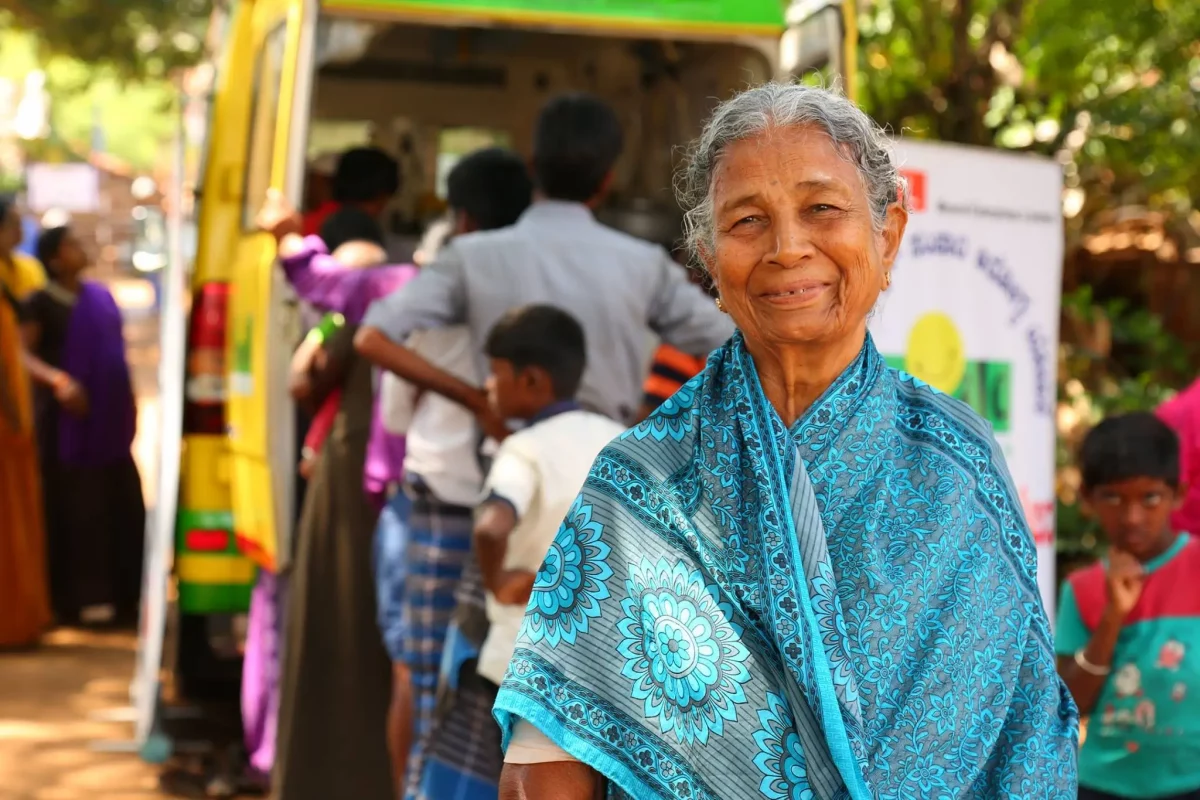
Mobile Healthcare Units: One innovative solution is the deployment of mobile healthcare units that traverse these hard-to-reach areas. These units like in our Smile on Wheels (SoW) programme bring medical professionals, diagnostic services, and essential medications directly to the doorsteps of the elderly, eliminating barriers related to distance and transportation.

Health Camps and Awareness Drives: Nonprofits conduct health camps and awareness drives to educate the elderly about the importance of regular health check-ups, preventive measures, and lifestyle modifications. These initiatives not only diagnose existing health issues but also empower individuals to take charge of their well-being.

Smile on Wheels (SoW) Programme of Smile Foundation

Our Smile on Wheels (SoW) programme embodies a holistic approach, recognizing that health is not merely the absence of disease but a state of complete physical, mental, and social well-being. By reaching the elderly at their doorsteps, the programme is not just providing healthcare; it is fostering a sense of community and ensuring that every individual, regardless of their geographic location or economic status, has the right to dignified and accessible healthcare.

In conclusion, reaching the elderly in India’s urban slums and remote rural areas ensures a healthier and more equitable society. Nonprofit healthcare interventions, like the Smile on Wheels (SoW) initiative of Smile Foundation, play a pivotal role in overcoming the challenges faced by these vulnerable populations, offering a ray of hope and improved well-being for our senior citizens.

Categories
Livelihood

Upskilling the Traditional Painters in India 

For decades, India has explored innovative avenues for education, dating back to radio, television, and now the internet era. Today, as blended learning and AI-driven approaches gain prominence, a transformative revolution in the skilling sector is on the horizon. As the conversations around the ascend of India to higher global economic ranks become more commonplace, the role of a skilled workforce is pivotal to its big realizations.

Various projections indicate that investments in upskilling could potentially bolster the global economy by a big number and elevate its economic prowess by $570 billion by the year 2030. This places skill development at the core of the Sustainable Development Goals (SDGs) laid out by the United Nations, a comprehensive set of global initiatives launched in 2016 to eradicate poverty, safeguard the planet, and ensure universal peace and prosperity.

The Demographic Advantage and Upskilling of Indian Youth

India has a young demographic advantage with over 54 percent of its population under the age of 25, but only 62 percent falls within the working-age bracket. An additional influx of 183 million individuals is anticipated into this working-age population by 2050. Consequently, an urgent imperative lies in the skilling and upskilling of this growing workforce.

Upskilling, in essence, is the process of taking your existing skills to the next level. It’s a modern-day shift that champions continuous learning by offering training programs and development opportunities to enhance the abilities of the current workforce and bridge skill gaps.

Upskilling of Painters in India

In the space of the Indian Paints and Coatings Market, projections of big magnitude are being discussed. The market size is estimated to be USD 8.78 billion in 2023, and it’s projected to reach USD 13.75 billion by 2028, showing a growth rate of 9.38% during this forecast period (2023-2028), according to an Akzo Nobel India report. This organic growth indicates a significant increase in production and a technological upliftment in the implementation of painting work across the country. However, the existing knowledge base of painters may not be sufficient to meet these evolving demands. Therefore, there’s a crucial need for regular upskilling within the existing workforce.

‘iTrain on Wheels’ Program 

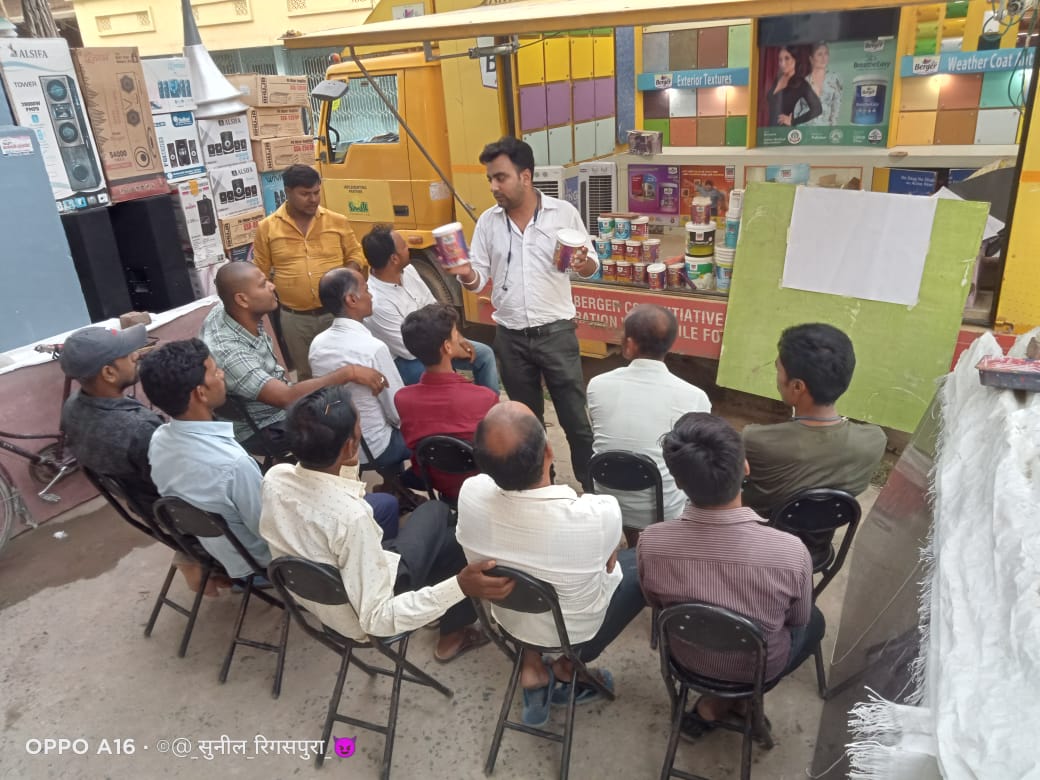
The ‘iTrain on Wheels’ Program of  Berger Paints India Ltd. (under our livelihood intervention) steps in with a primary objective– to equip painters with the technical expertise and knowledge required to excel in their craft. But it’s not just about individual growth, it’s about uplifting the entire painter’s community.

Berger Paints India Limited, a prominent name in the paint industry, has partnered with Smile Foundation since 2021 to implement this upskilling initiative. The goal is to refine the skills of young painters and enhance their employability opportunities across 100+ villages and urban slums in 24 states. This program doesn’t just aim to create a skilled workforce but also foster entrepreneurial skills among painters.

Breaking the Tradition for Good

Traditionally, the painting industry has been male-dominated, and in India, the overall women’s work participation rate stands at a mere 29.4% as per the Periodic Labour Force Survey (PLFS July 2021-June 2022). Even in states like Bihar, it’s less than 10%. However, the iTrain program is changing this narrative. It offers training to women interested in painting, a genuine effort to boost women’s participation in this industry and contribute to gender diversity.

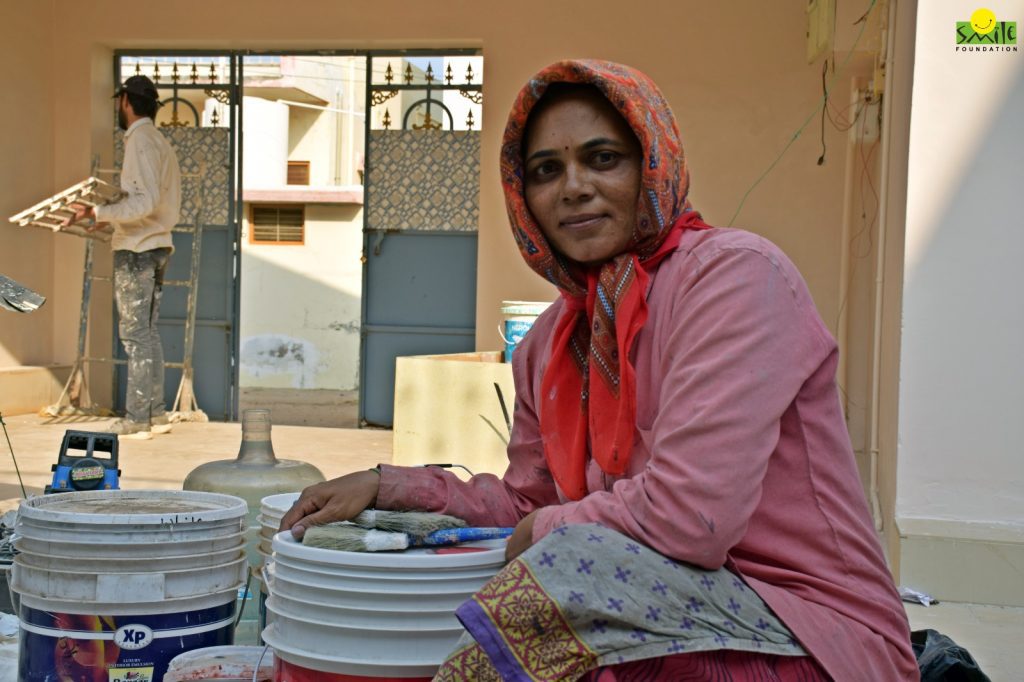
Over time, there has been a noticeable increase in women’s participation, a positive step towards women’s empowerment in the paint industry. Amrutben Dineshbhai Bhuriya from Madhapar, Kachchh, Gujarat, is a compelling case in point. A few years ago, she worked as a construction laborer, displaying her determination and adaptability in handling various tasks. Her journey led her to the world of painting, where she initially faced challenges competing with her male counterparts due to a lack of expertise.

402101277 762309519253526 3262836443389038903 n
Amrutben in her element

It was a paint merchant, a regular supplier, who introduced her to the iTrain program. She attended the program as the sole female participant when the iTrain mobile training unit visited her village. During the program, she acquired valuable skills, was exposed to innovative painting and home decoration techniques, and gained technical expertise. With specialised tools and equipment from Express Painting, her service quality soared. Not only did she become proficient, but she also became an inspiration for other women in her community. She actively engaged in various iTrain modules, expanding her knowledge.

Today, Amrutben is a respected paint contractor in Madhapar, managing a team of 8-10 individuals. Her monthly earnings range between INR 60,000- 80,000, depending on the volume of contracts. She expressed her gratitude, saying, “The iTrain training program has completely changed my life. I have gained extensive knowledge about colors and paints, and I am thrilled to be part of this transformative initiative.” This inspiring journey showcases how upskilling programs like the iTrain program can bring about significant transformations in the lives of individuals and create a more diverse and empowered workforce in the paint industry.

Categories
Girl Child Education

Breaking Gender Barriers in Higher Education & STEM Careers

In the context of higher education, particularly in STEM (Science, Technology, Engineering, and Mathematics), the importance of girls’ education cannot be overstated. Historically, women have been underrepresented in higher education, especially in STEM fields. However, the need to rectify this gender disparity is more pressing than ever. 

While educational attainment for girls has improved significantly in India, there are still gaps in areas of employment and pay parity. “The country has attained parity in enrolment across all levels of education. However, it has reached only 36.7% parity on economic participation and opportunity,” according to a report of the World Economic Forum. 

The following reasons underscore the necessity for interventions like scholarships and employability skills training programs, to support female students in India.

  1. Fostering Inclusivity and Gender Equality: Historically, women have represented a smaller percentage of students in higher education. Encouraging more women to pursue STEM will help achieve a balanced representation.
  2. Addressing Skill Shortage: A diverse talent pool that includes women with strong qualifications in technical fields is vital for filling skill gaps and enhancing the technological capabilities of the nation.
  3. Economic Empowerment: Higher education empowers women economically, enhancing not only their financial independence but also contributing to the overall economic development of the country. 
  4. Global Competitiveness: By encouraging the education of girls in STEM, India can reinforce its global competitiveness and secure its position as a leader in science and technology.
  5. Encouraging Role Models: When girls have access to higher education, especially in STEM fields, they become role models for future generations and inspire other girls, creating a self-sustaining cycle of progress. 
  6. Social Progress: Advancing female education in STEM contributes to overall social progress, encouraging a more inclusive and diverse society where opportunities are based on merit and potential rather than gender.

Smile Foundation’s Scholarship Programmes for Girls

Smile recognized the need to address the gender gap in STEM and thus launched a scholarship programme PAN India. Our holistic approach equips aspiring female engineers with the tools they need to excel. We offer financial support for STEM education while also providing essential learning tools to them. The girls are selected from a pool of young women applicants pursuing first-year engineering in private, Govt. colleges and aided colleges.

Currently, Smile Foundation operates six active scholarship projects in collaboration with esteemed donors including Deutsche Bank, Quantiphi, Quest Global, and Siemens. These projects collectively benefit over 2,000 students. Our commitment to increasing this figure ensures that more and more young women are granted the opportunity to excel in sectors with high growth potential and make a significant contribution to our development. Some key features of these scholarship projects are:

Financial Assistance

We offer scholarships for the four-year duration of the engineering course, covering the tuition fee and ensuring that economic constraints do not impede their academic progress.

Learning Tools 

Each scholarship recipient is provided with a laptop and other essential resources, ensuring that they have the technology required for online learning and research. 

Employability Skills 

The programme provides training in employability and communication, and internships to equip scholars with the skills required to not just graduate but to thrive in the competitive world.

Industry Exposure

Smile Foundation helps students visit the sites, offices, and different departments of potential employers based on their interests, education, and industry needs.

Domain Skills

Scholars are also provided with domain/technical skills training based on industry needs and in alignment with their chosen fields in the second year of the course. 

Placement Assistance 

Our scholarship programme provides placement assistance in the fourth year of the course and helps the scholars with aptitude tests, mock tests, and mock interviews. 

Our Girls Deserve Much More

Smile Foundation is committed to the long-term success of our scholars. A retention strategy is in place, including the regular review of academic performance, counseling services, and mentoring. We ensure that our students have the support and guidance they need to stay on their path to success.

As we celebrate the strides made in promoting engineering scholarships for young girls, we must also acknowledge that there is more work to be done. Encouraging girls to pursue STEM education and providing them with the support they need is an ongoing effort. As more girls receive these opportunities, we move one step closer to a future where engineering and other STEM disciplines know no gender boundaries. It’s a future where innovation and progress are driven by the talent, determination, and dreams of all, regardless of gender.

Categories
Education

Nurturing the Socio-Emotional Wellbeing of Children

Children facing socio-economic disadvantages encounter a unique set of challenges that can significantly impact their socio-emotional well-being. Recognizing and addressing these needs extends beyond mere empathy, it represents a crucial step in fostering holistic development and ensuring equitable opportunities for all.

Fostering a Supportive Environment

In regions like Uttar Pradesh and Rajasthan, where our intervention schools are located, many students hail from families engaged in daily wage labor, farming, and street vending. To effectively address their socio-emotional needs, Mission Education initiated the journey by creating a supportive and secure environment.

In classrooms, teachers champion equality, fostering an inclusive atmosphere where every child feels safe, valued, and embraced. This foundation sets the stage for emotional growth, supported by Smile Foundation’s Teachers’ Training on Classroom Management, which caters to the diverse economic backgrounds of students.

Building Meaningful Relationships

For children from disadvantaged backgrounds, strong relationships with caring adults are pivotal. Teachers, mentors, and community members become crucial figures in building positive connections that offer a profound impact on the socio-emotional development of a child. In Mission Education centers, teachers serve not only as educators but as mentors who identify and nurture each child’s uniqueness. For instance, Tanisha, a student with exceptional skills in arts and crafts, receives tailored support to enhance her talents.

Enhancing Self-esteem and Self-assurance

Children facing external biases and stereotypes are particularly susceptible to eroding self-esteem. Our intervention in the Mewat region challenges norms, supporting an all-girls school where students not only excel academically but also shine in sports and arts. By encouraging and celebrating their talents and interests, these children experience a boost in self-confidence, contributing significantly to their overall socio-emotional growth.

Teaching Empathy and Compassion

The Mission Education programme emphasizes teaching empathy and compassion as essential components of fostering understanding and acceptance. Through value education sessions, students are exposed to diverse perspectives, cultures, and experiences, promoting empathy for others. Celebrating festivals and important days becomes a platform for understanding and appreciating diversity.

Conclusion

Acknowledging and addressing the socio-emotional needs of children from underserved backgrounds is not just an act of compassion, it’s a fundamental stride towards achieving equity in education and social development. Mission Education employs deliberate measures to facilitate strong bonds between students and educators, including comprehensive teacher training sessions, regular events and celebrations, and a holistic approach that includes extracurricular activities.

By recognizing and celebrating the uniqueness of each child, Mission Education is committed to ensuring that every child, regardless of their background, has the opportunity to flourish emotionally and reach their full potential. The multifaceted efforts to nurture the socio-emotional well-being of underserved children underscore the shared responsibility of creating an environment where every child can thrive emotionally and academically.

Writer (Ankit Sharma, Education Programme)

Categories
Smile

Tuesday Giving: A Midweek Boost of Philanthropy

In a world often bustling with the demands of modern life, the concept of giving back has found a unique and impactful niche – Tuesday Giving. This midweek philanthropic movement has gained momentum, offering a refreshing pause for generosity amid the weekday hustle.

When did it all start?

In 2012, the 92nd Street Y in New York, in collaboration with the United Nations Foundation, introduced Giving Tuesday. The idea stemmed from the aspiration that, following days of extensive sales and heightened consumerism, there would be a collective interest in giving back.

Reflecting on the origins, Rob Reich, a professor of political science and philosophy at Stanford actively involved in the development of Giving Tuesday, recalled, “I remember [92nd Street Y director] Henry Timms saying, ‘All the days of the week are going to be taken, we should grab Tuesday.’”

Their foresight proved accurate. #GivingTuesday quickly gained viral traction, and now, 11 years later, its impact is more profound than ever.

Since its inception in 2012, Giving Tuesday has spurred nonprofits across the United States, and eventually globally including Smile Foundation, to organize fundraisers and events, leveraging the branding and hashtag affiliated with this impactful movement

Significance of Tuesday Giving

  1. Finding Consistency in Chaos: Tuesday, strategically placed midweek, provides a designated time for people to reflect on their blessings and extend a helping hand to those in need.
  2. Boosting Morale: With the weekend still on the horizon, Tuesday Giving injects a sense of purpose and goodwill into the workweek. Acts of kindness, whether big or small, have the power to uplift spirits and foster a positive work culture.
  3. Fostering Community Engagement: By encouraging individuals to give back on a specific day, Tuesday Giving fosters a sense of community engagement. Shared acts of kindness create a ripple effect, inspiring others to join the movement and amplify its impact.

Brands and Giving

  1. Incorporating Social Responsibility: Many brands have embraced Tuesday Giving as part of their broader social responsibility initiatives. By aligning their actions with a designated day, these brands communicate a consistent commitment to making a positive impact.
  2. Collaborations and Partnerships: Brands often collaborate with nonprofits and charitable organizations to amplify the impact of Tuesday Giving. Through partnerships, they extend their reach and resources, addressing pressing issues and contributing to long-term solutions.
  3. Employee Engagement Programs: The day has become a cornerstone of employee engagement programs. Brands recognize the value of encouraging their teams to participate in acts of kindness, promoting a sense of unity and shared purpose among employees.

Conclusion

Tuesday Giving has evolved from a simple idea to a powerful movement, reminding us all of the importance of regular acts of kindness. As individuals and brands continue to incorporate this concept into their social agendas, Tuesday is transforming into a day not just marked by productivity but by the collective effort to make the world a better place—one Tuesday at a time.

Categories
Livelihood

Enrolling Girls in Livelihood/Skilling Programmes in India

Access to education and skill development is crucial for personal growth and economic empowerment. While India has made significant strides in this direction, there remain formidable challenges, especially when it comes to enrolling girls in livelihood and skilling programs. These programs hold the key to breaking the cycle of poverty and gender inequality, yet several obstacles stand in the way of achieving equitable participation.

These are some of the multifaceted challenges hindering the enrollment of girls in such programs-

1. Socio-Cultural Norms and Gender Stereotypes

One of the most pervasive challenges in enrolling girls in livelihood and skilling programs is deeply rooted in socio-cultural norms and gender stereotypes. In many parts of India, girls are often expected to prioritize household chores, early marriage, and caregiving over education and skill development. This prevailing mindset hampers girls’ aspirations and participation in skilling initiatives.

Community awareness programs and advocacy campaigns that challenge these stereotypes and highlight the benefits of girls’ education and skills training are essential. Engaging parents, families, and local leaders can be particularly effective in changing attitudes.

2. Limited Access to Quality Education

Unequal access to quality education in rural and marginalised communities remains a significant barrier for girls. Inadequate infrastructure, lack of nearby educational institutions, and the absence of female teachers can discourage girls from pursuing education and, subsequently, skilling programs.

Expanding the reach of quality schools and vocational training centers in rural areas, recruiting female instructors, and ensuring the provision of safe and accessible transportation for girls can help improve their access to education and skill-building opportunities.

3. Economic Constraints

Many families in India face economic challenges that force them to prioritize the education of male children over female children. Economic constraints, such as the cost of education and the opportunity cost of girls’ participation in income-generating activities, often discourage parents from enrolling their daughters in skilling programs.

Scholarships, financial incentives, and subsidies for the education of girls and skilling programs can alleviate the economic burden on families. Additionally, promoting income-generating skills for girls can help parents recognize the long-term benefits of their daughters’ education.

4. Safety and Security Concerns

Concerns related to the safety and security of girls often restrict their mobility and participation in livelihood and skilling programs. Fear of harassment, violence, and inadequate transportation options can dissuade girls from attending training centers.

Creating safe and secure learning environments is imperative. This involves strengthening public transportation systems, implementing strict anti-harassment measures, and collaborating with local authorities to ensure the safety of girls during their commutes.

5. Lack of Information and Guidance

Girls and their families often lack information about available skilling and livelihood programs. This lack of awareness can prevent girls from exploring various opportunities for skill development and economic empowerment.

Establishing information dissemination channels, such as community outreach programs and digital platforms, can provide girls and their families with detailed information about available programs, their benefits, and the application process.

Importance of Enrolling Girls in Livelihood Programs

Enrolling more girls in livelihood and skilling programs is essential for several compelling reasons-

  1. Gender Equality: Promoting gender equality is not only a matter of social justice but also a fundamental human right. Providing equal access to skill development programs ensures that girls have the same opportunities as boys to achieve their full potential.
  2. Economic Empowerment: When girls acquire skills and knowledge, they become better equipped to participate in the workforce and contribute to their family’s income. This economic empowerment not only improves their own quality of life but also lifts their families and communities out of poverty.
  3. Reducing Gender Wage Gap: Enrolling girls in skilling programs can help narrow the gender wage gap. When girls receive training in traditionally male-dominated fields, they are more likely to secure well-paying jobs and challenge stereotypes that perpetuate income disparities.
  4. Improved Family Well-being: Educated and skilled women often make better decisions regarding family health, nutrition, and education. They are more likely to seek healthcare for their children, provide proper nutrition, and ensure their children’s education, leading to improved overall family well-being.
  5. Reducing Child Marriage: Education and skill development programs empower girls to make informed choices about their lives. When girls are equipped with education and skills, they tend to delay marriage and childbirth, contributing to a reduction in child marriage rates and improved maternal and child health.
  6. Community Development: Educated girls often play active roles in their communities, advocating for positive change and contributing to community development initiatives. They are more likely to engage in civic activities, promote hygiene and sanitation, and support local development projects.
  7. National Economic Growth: A skilled and educated female workforce is crucial for a nation’s economic growth. By enrolling more girls in skilling programs, countries can harness the full potential of their human capital, resulting in a more productive and prosperous economy.
  8. Innovation and Entrepreneurship: Girls who receive education and skills training are more likely to become entrepreneurs and innovators. They can create businesses, generate employment opportunities, and contribute to technological advancements and economic diversification.

Conclusion

Enrolling girls in livelihood and skilling programs in India is not only a matter of gender equality but also a means to enhance the socio-economic development of the nation. Overcoming these challenges requires a concerted effort from various stakeholders, including governments, civil society organizations, communities, and families.

Smile Foundation’s livelihood programme, STeP (Smile Twin e-Learning Programme) upskills the Indian youth focusing on the market trends and catering to the diverse needs of the young population. 65% of those trained have been placed in 400 + brands with 71% of the total enrolled members being girls. By addressing the obstacles systematically and collaboratively, India can unlock the immense potential of its girls, leading to a brighter and more inclusive future for all.

0%