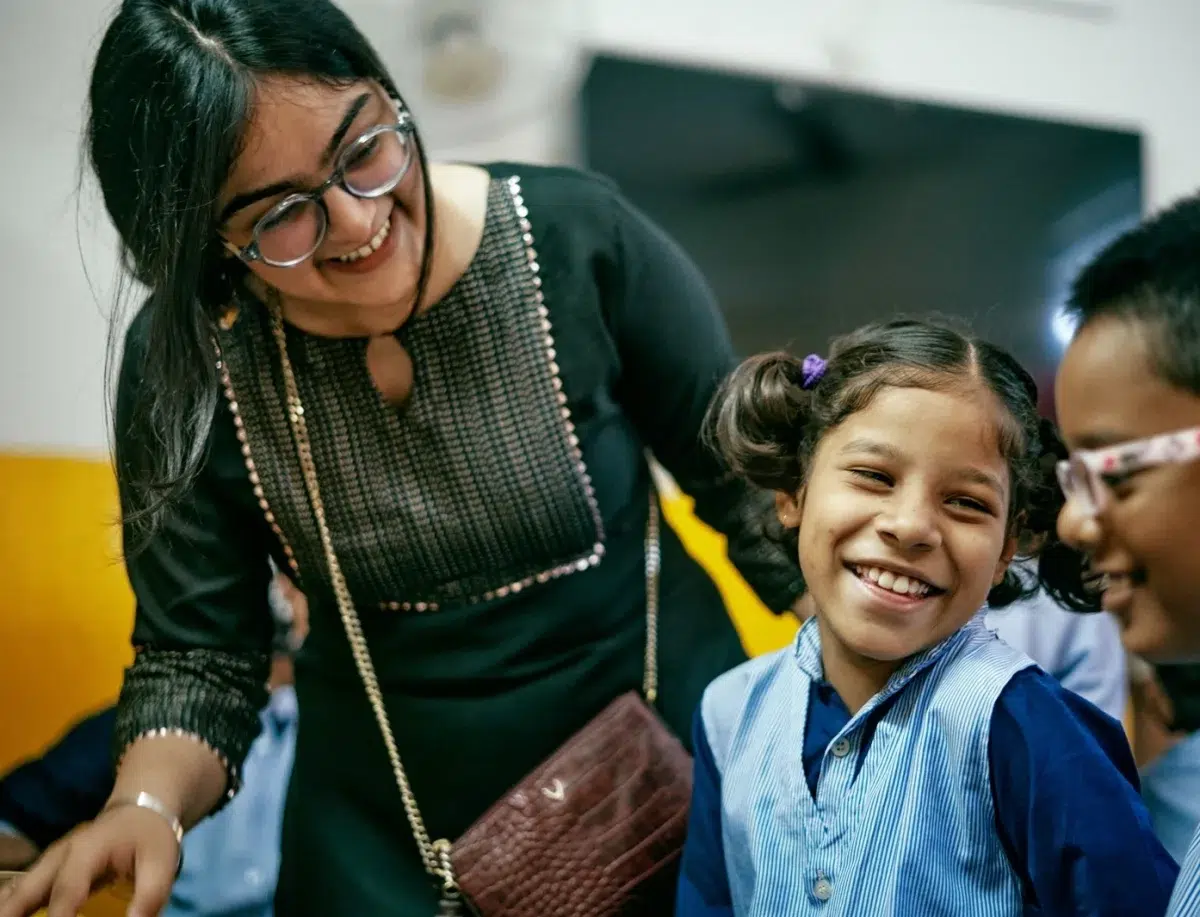
Vocational Education Helps Decrease Unemployment in India
India has made great progress in recent years as one of the world’s fastest-growing economies. However, economic development cannot be used as the sole indicator of a country’s wealth. A vibrant employment ecosystem that provides quality jobs and rising pay is required for genuine socio-economic growth.
Quality of Jobs
The quest for high-quality jobs is at the center of every job seeker’s ambitions. But what precisely is a quality job? It includes aspects like job stability, work-life balance, skill development opportunities, and access to basic benefits such as healthcare and retirement plans, in addition to income.
A spike in high-quality job prospects benefits the workforce’s emotional well-being by establishing a sense of pride and purpose in their professional activities. It fosters loyalty and dedication to their employers which leads to creating a healthy relationship between the employees and employers. Increased productivity is a result of the same.
Quality jobs also foster learning and most individuals, especially the youth nowadays, have room for personal and professional growth as a major determinant for applying for a job.
High Employment Rates and Economic Prosperity
The link between economic growth and labor-force participation is evident. A strong economy fosters a climate conducive to corporate growth, resulting in an increase in job possibilities across industries. As firms grow, there is a greater demand for skilled and unskilled workers, lowering unemployment rates.
India is one of the fastest-growing economies with a large amount of job-seeking demographic needs to take employment rates into consideration. The country’s employment rate is currently at 36.9%. This virtuous cycle of economic growth and employment allows the public to actively participate in the country’s prosperity. Furthermore, as consumers gain purchasing power, they consume more, promoting further economic expansion.
To make the population employable, one must take into consideration the skill development of the population. The need for a trained workforce has grown critical in an ever-changing global landscape. Skill development efforts are critical in properly equipping individuals to meet the needs of the employment market. Potential employees are equipped with the skills and information needed to flourish in their chosen industries when training programs are aligned with industry needs.
The positive impact of skill development is twofold– it improves employability, resulting in lower unemployment rates, and it assists employers in finding the proper talent, increasing the quality of jobs available in the market.
Increased Wages
Rising salaries operate as a spark for a cascade of beneficial results. The standard of living of individuals improves when their wages rise, pulling them out of poverty and allowing them to meet basic needs such as education, healthcare, and housing. As a result, the workforce becomes healthier and more productive. The average wage earned by a male casual laborer in rural areas in India was about 392 INR per day. Female laborers receive lesser wages amounting to 265 INR per day.
Higher earnings boost consumer spending, driving demand for products and services from a macroeconomic standpoint. Businesses flourish as a result of this increased demand, creating new job opportunities and maintaining a circle of prosperity. Increased wages partake in the virtuous cycle of economic growth and employment.
Another way we can make the economic landscape a thriving platform is by fostering more inclusive approaches. The undertones of discrimination in India for caste, religion, gender, and sexual orientation still remain and it is imperative to make these differences irrelevant in order for us to move forward. It creates social cohesion and is a way to utilize everyone’s talents which is undoubtedly beneficial to the country from an economic perspective. It is another step that India requires to take in order to climb up in the ladder leading towards becoming a global leader.
Conclusion
As India soars to new heights, the pursuit of quality jobs and rising incomes emerges as the nation’s elixir of employment rates. A focus on skill development, economic growth, and inclusion will create a virtuous cycle, empowering the workforce and moving India forward.
India can establish a robust and thriving economy by cultivating a climate that stimulates job creation, invests in skill development like Smile Foundation’s livelihood initiative, STeP (Smile Twin e-Learning Programme), and rewards hard/smart work with fair compensation.
As we work together to achieve this objective, let’s keep in mind that the true meaning of success is not simply economic numbers, but tangible improvements in the lives of the people who call India home.
Skilling Key to Reap Demographic Dividend of India
A big family often translates into fulfilling the needs of many with limited resources. When it comes to girl children, getting into schools/colleges becomes a tougher task because of their gender and associated inequalities. Keerti, a 23-year-old youth, saw her father struggling to manage her family of 5 with a single income and wanted to help her father with household expenses.
A General Duty Assistance (GDA) course with Smile Foundation’s livelihood program, STeP (Smile Twin e-Learning Programme) was her way out and she grabbed it with all her enthusiasm, hard work and trust in the self. Today, decisions at her home are not made without her opinions- a change that she never expected but found herself to be enjoying because of her financial independence. This is the power and reward of being a young earning youth in our country which will have the largest working-age population in the world by 2100.
The vibrant energy and boundless potential of youth have always been a driving force behind societal progress and change. Every year on August 12th, International Youth Day is observed worldwide. The United Nations designated this day to draw attention to the unique challenges faced by young people and to celebrate their contributions to global development.
This year’s theme, “Green Skills for Youth: Towards a Sustainable World” is to highlight the role of young people in coming together to amplify engagement and leadership in all areas of decision-making and action, especially in creating an environmentally sustainable and climate-friendly world.
Smile Foundation’s Livelihood Programme
Amid the backdrop of International Youth Day, Smile Foundation’s STeP programme aims to serve the youth in underserved communities. This programme isn’t just about jobs; it’s about transforming lives by equipping young individuals with the skills, knowledge, and opportunities they need to break free from the cycle of inaccessibility and realize their dreams.
One of the cornerstones of the STeP is skill development. Recognizing that traditional educational pathways don’t always provide the necessary skills for gainful employment, we take a practical and holistic approach.
Through vocational training and hands-on workshops, young individuals are trained in a range of industries, from hospitality and healthcare to technology and digital marketing. These skills not only provide them with employable opportunities but also enable them to contribute effectively to the changing dynamics of the workforce.
Breaking Barriers to Equal Opportunities
Underserved communities often face an array of barriers that limit their access to quality education and sustainable livelihoods. The Smile Foundation is on a mission to break down these barriers. By providing free vocational training, mentorship, and placement support, the program ensures that young people, regardless of their backgrounds, have equal access to opportunities that can uplift their lives. This commitment to inclusivity aligns perfectly with the spirit of International Youth Day, which emphasizes leaving no one behind.
Success Stories of Transformation
Behind every statistic is a real story of transformation. The STeP programme has sparked numerous success stories like Keerti’s, showcasing how empowered youth can create a ripple effect of positive change. From young women breaking gender stereotypes in male-dominated industries to individuals starting their own businesses and uplifting their families, the impact of the programme extends far beyond the participants themselves.
As we celebrate International Youth Day, let’s remember that the future of our planet rests in the hands of our youth. International Youth Day serves as a reminder that youth are not just the leaders of tomorrow but also the torchbearers of change today. Through programmes that prioritize skill development, education, and equal opportunities, we can empower youth to be the change-makers our world desperately needs.
As we celebrate this day, let’s reaffirm our commitment to fostering innovation, inclusivity, and sustainable progress, ultimately creating a planet that thrives on the passion and potential of its youth.
On a bright morning in July 2023, I started on a meaningful adventure to the ‘Nai Disha’ education centre, where dreams are nurtured and futures are shaped. Supported by the Smile Foundation, this school is a haven for underserved children, and I was privileged to be a volunteer, eager to make a difference.
As I stepped into the school, the air was filled with warmth and excitement. The teachers and staff welcomed me with open arms, and the children’s eyes sparkled with curiosity. Their enthusiasm was contagious, and I couldn’t wait to connect with them on a personal level.
As we gathered in the classroom, the children shared their stories with me. Their courage and determination to overcome challenges moved me deeply. Despite the hardships they faced, they radiated hope and resilience.
During their computer class, I seized the opportunity to offer my knowledge and expertise. Together, we explored new ways of accomplishing tasks and delved into the world of coding. Their eyes lit up with wonder as they grasped the concepts, realizing the endless possibilities ahead.
Swayam teaching coding to the students at Nai Disha centre
In that moment, I knew that I could do more to support their dreams. Inspired by their passion for learning, I resolved to introduce a specialized coding course, a pathway to a brighter future. We aim to equip these children with skills that would set them apart and empower them to break free from everything that is holding them back.
Throughout the day, I witnessed their thirst for knowledge and determination to succeed. Their dreams knew no bounds – they aspired to be doctors, engineers, teachers, and artists. Their ambitions were fueled by the power of education, guiding them toward a better life.
Despite limited resources, the centre nurtures an environment where these young souls can flourish. The dedication of the teachers and the support of Smile Foundation create a safe haven for growth and learning.
As the day drew to a close, I bid farewell to the children, their smiles etched in my heart forever. Their indomitable spirits had left an indelible mark on my soul. I felt a deep sense of fulfillment, knowing that even in a small way, I had contributed to their journey of hope.
As I walked away from the centre, I carried with me a profound sense of gratitude and purpose. The ‘Nai Disha’ centre and its children had ignited a fire within me- a determination to continue supporting the mission of Smile Foundation and to be a catalyst for positive change.
Their stories and dreams will forever inspire me to advocate for education- the most powerful tool in transforming lives. In their pursuit of a better tomorrow, I found my own purpose- to be a guiding light in the lives of these incredible children and to ignite the flame of hope wherever I go.
What Rural India Needs The Most: Quality Accessible Healthcare
Rural India faces numerous challenges when it comes to healthcare access and quality. The availability of adequate health care in rural India is a crucial aspect that requires immediate attention.
The rural healthcare landscape in India is plagued by several challenges, including a lack of infrastructure, a shortage of healthcare professionals, and limited accessibility. In India, while significant strides have been made in improving healthcare infrastructure and services, rural areas continue to face numerous challenges in obtaining quality healthcare.
Rural areas in India grapple with several healthcare challenges, including inadequate infrastructure, a shortage of medical professionals, and limited availability of essential medicines and treatments. According to a study, rural areas account for 70% of the country’s population but have only 37% of its healthcare infrastructure. This severely hampers the accessibility of healthcare services for rural communities, forcing them to travel long distances to seek medical attention.
The COVID-19 pandemic further exacerbated the healthcare challenges faced by rural India. The pandemic revealed the vulnerabilities of the existing health care in rural India, with limited resources and inadequate preparedness to handle a widespread health crisis.
The rural population, already disadvantaged in terms of healthcare access, faced additional hurdles in seeking medical care and testing during the pandemic. The strain on healthcare facilities, the shortage of medical professionals, and the need for specialized equipment and infrastructure further widened the gap in healthcare services between rural and urban areas.
Research data highlights the impact of the pandemic on rural healthcare in India. According to a study conducted by the Public Health Foundation of India, rural areas experienced a significant reduction in healthcare utilization during the pandemic, leading to delayed or neglected treatments for various health conditions.
The study also found that rural areas had a higher COVID-19 case fatality rate compared to urban areas, reflecting the disparities in healthcare access and quality. Additionally, the research emphasized the importance of strengthening rural healthcare infrastructure and implementing technology-driven solutions to enhance healthcare accessibility in the face of future pandemics or health emergencies.
The quality of healthcare services in rural India is not at par due to a variety of factors. Limited resources, inadequate medical equipment, and outdated technology contribute to the low quality of care. Furthermore, the shortage of trained healthcare professionals exacerbates the situation, leading to long waiting times and reduced patient satisfaction.
One potential solution to address the healthcare challenges in rural India lies in the emergence of health tech startups that leverage social entrepreneurship. These startups utilize innovative technologies to overcome geographical barriers and provide accessible healthcare solutions to rural communities. By leveraging telemedicine, mobile apps, and artificial intelligence, these startups connect rural patients with qualified healthcare professionals, ensuring timely access to medical advice and consultations.
For instance, Gram Vaani, a social technology company, has developed a mobile-based platform that allows rural communities to access healthcare information and resources. This initiative has significantly improved healthcare awareness and empowered rural residents to make informed decisions about their well-being.
To achieve sustainable improvement in rural healthcare, it is crucial to adopt an ecosystem approach. This approach involves the collaboration of various stakeholders, including government agencies, NGOs, healthcare providers, and technology innovators. By working together, these entities can develop comprehensive solutions that address the unique challenges faced by rural communities.
The Role of Government
The government plays a pivotal role in ensuring quality accessible healthcare in rural India. Policies are increasingly focused on increasing the allocation of healthcare funds to rural areas, incentivizing healthcare professionals to serve in rural communities, and upgrading infrastructure and medical facilities. Additionally, the government should promote public-private partnerships to leverage the expertise of private healthcare organizations.
Technology as a Catalyst for Change
One of the most promising solutions to enhance healthcare accessibility in rural India is the integration of technology. Technology has the potential to revolutionize rural healthcare by enabling telemedicine, electronic health records, and remote diagnostics. Through telemedicine, individuals in remote areas can consult healthcare professionals using digital platforms, eliminating the need for extensive travel.
Additionally, electronic health records can streamline healthcare delivery by ensuring accurate and accessible patient information, regardless of geographical location. Such innovations have the potential to bridge the healthcare divide and empower rural communities.
Innovative Solutions for Health care in Rural India
To drive wellness in India’s hinterlands, innovative healthcare solutions are required. Start-ups and organizations have been leveraging technology to develop novel healthcare innovations tailored to rural India’s specific needs.
For instance, mobile applications and SMS-based platforms have been created to disseminate health information and raise awareness about preventive measures. These initiatives, as reported by Forbes India, have made a positive impact on the health-seeking behavior of rural populations.
One such example is the Project ECHO initiative in India, which connects specialist doctors with primary healthcare providers in rural areas through teleconferencing. This program has significantly improved access to specialty care and enhanced the knowledge and skills of primary healthcare providers, ultimately benefitting rural patients.
Furthermore, initiatives like ‘Health ATMs’ and ‘Health on Wheels’ bring healthcare services to the doorsteps of rural communities, providing basic diagnostics and consultations.
Moving Forward
The dire need for quality accessible healthcare in rural India cannot be understated. The challenges faced by rural communities necessitate concerted efforts from various stakeholders, including health tech startups, government agencies, and NGOs.
By leveraging innovative technologies, fostering collaborations, and implementing supportive policies, we can strive towards a healthier rural India. It is imperative to prioritize the provision of quality healthcare facilities and bridge the gap between rural and urban healthcare access to ensure the well-being of millions of people in rural India.
Soul and Substance interviews module goes beyond the traditional approach of data collection and offers a more holistic understanding of the beneficiaries’ perspectives. By adopting a person-centered approach, these interviews aim to delve deeper into the beneficiaries’ lived experiences, providing invaluable insights into the effectiveness and relevance of social development initiatives.
The interviews have been carefully designed to foster an environment of trust, respect, and empathy, ensuring that beneficiaries feel comfortable sharing their stories and perspectives. It aims to create a safe space where individuals can express their thoughts, emotions, and aspirations freely, allowing for a comprehensive understanding of the impact of Smile Foundation’s social development programmes on their lives.
Here is the story of a carefree and passionate Khushi* (13 years) trained in our education programme, center located at Shri Ram J.J.Colony, Dhaula Kuan, New Delhi in her own words.
Khushi, I just saw you helping others with their homework, you’re 13 years old and extremely intelligent. Can you tell me when have you been coming to this education center?
Oh, thank you so much! I come to this education center every day for around 4 years now, without fail. It has become like my second home, you know? Before joining here, I wasn’t really the brightest student in school. But ever since I started attending this center, things have changed. I enjoy learning so much. Helping my friends with their homework is something I really enjoy too, coming to this education center every day is like a part of my routine now, and I absolutely love it!
What subjects or activities do you enjoy the most at the education center, and why?
English is my favorite subject and I do not enjoy math! I just love reading stories and we have these drawing activities at every festival so all of us get to be creative techniques. It’s not like boring lectures at school. We get to be creative and use our imaginations. Plus, we have a small ground here too! I really enjoy playing sports with my friends during breaks. It’s such a refreshing break from studying. So yeah, I have a blast with English, drawing, games, and sports here at the center!
Wow, I’m glad to hear that. How about your family? Do you share your experience with them?
My family means the world to me, and I share everything with them! My dad, he’s mostly busy with work as a driver, so I don’t get to see him much. But I tell my mom all about my day at the education center, the fun activities, and how much I’m learning. I also try to teach her what I’ve learned. And when it comes to homework, my two elder brothers are my heroes. They keep asking me about my classes and are always curious about my studies. I also help them with the projects that they make in college.
So, do you teach your mom? Is it fun? How does that make you feel?
Oh, it’s so exciting to teach my mom! (giggles) I started by teaching her how to read basic Hindi, and she’s learned quite a lot. I also tried teaching her numbers. She already knew basic addition and subtraction, but I helped her make it easier and more fun. But my favourite memory is teaching her how to sign! Seeing her learn signature was amazing, and then my mom asked me to teach her to sign in English too. She enjoys it a lot, and she does so much work at home so all of this makes me feel like I am also doing something for her.
What are your aspirations and goals for the future? What do you tell your mom that you want to become?
I have big dreams for my future! One of my dreams is to become a pilot. I admire pilots because I will get to see the world. My teachers here at the education center have inspired me too. They not only teach us academic subjects but also share important lessons about health. They’ve taught us the importance of eating healthy food and taking care of ourselves. They also told me that if I want to be a pilot I should eat healthily. I also want to be like my teachers and help children study. I want to make a difference in their lives, just like my teachers have done for me.
I feel deeply moved to share an experience that has left an indelible mark on my soul. On a fateful day, the 20th of July 2023, I stepped into the Nai Disha Free Education Society– a place that now holds a special place in my heart. This institution offers underserved children not only quality education but also nurtures their dreams, regardless of their backgrounds.
As I entered the school, I was greeted with warm embraces from the bright-eyed children of grades 3rd, 4th, 5th, and the adorable little ones from the primary school. Their innocent smiles had a magical power that instantly melted my heart. These children exuded resilience, facing daily hardships with unwavering determination.
Listening to their life stories touched me profoundly– tales of struggles and challenges that no child should bear. Yet, they carried within them an unyielding spirit, inspiring me beyond words. Their stories showcased the strength of the human spirit, etching this day into my memory for eternity.
As I stepped into the classroom, I entered a world of curiosity and eagerness. These young minds thirsted for knowledge, and their enthusiasm was infectious. Introducing myself, their eyes lit up with excitement, eager to learn from this newfound friend. It was a moment of unbridled joy as if I had unlocked a treasure chest of hope and possibilities.
Teaching them was an experience unlike any other. We delved into the realms of mathematics, science, and language, and their hunger for knowledge amazed me. These bright souls soaked up information like sponges, leaving me in awe of their boundless potential.
Ishan interacting with the students at the Nai Disha Mission Education Centre
Beyond academics, I yearned to impart life lessons that would empower them beyond the confines of the classroom. We spoke of dreams, perseverance, and the significance of self-belief. Sharing my personal stories of struggle and triumph, I hoped to kindle a fire within them, igniting the courage to conquer any obstacle life throws their way.
In the midst of our interactions, I noticed a girl named Rani, somewhat reserved among her peers. As I reached out to her, she slowly opened up, and her story tugged at my heartstrings. She had endured unimaginable hardships, yet her spirit remained unbroken. At that moment, I knew I had to be her advocate, a pillar of support in her journey.
Throughout the day, I witnessed these children blossoming, their confidence soaring as they embraced knowledge and the belief in their own potential. They were like shooting stars, shining bright with promise and hope. I felt a profound responsibility towards them, determined to help them realize the full extent of their capabilities.
The time came to bid adieu, and the emotions were overwhelming. The children clung to me tightly, their gratitude shining through tear-filled eyes. Their pure hearts had touched mine, and I departed with a sense of purpose– a resolve to do more for these wonderful souls.
Reflecting on my visit to the Nai Disha Free Education Society, I am reminded that education goes beyond textbooks. It is about cultivating dreams, nurturing hope, and empowering young minds to soar above their circumstances. These children deserve every opportunity to shine, and it is our collective responsibility to guide them toward a future filled with boundless possibilities.
Let us extend our helping hands to institutions like Nai Disha and organizations that tirelessly work to provide education and hope to underserved children. Together, we can change lives and create a brighter future for generations to come.
Let us be the wind beneath their wings, guiding them toward their dreams, and together, we can be the change they need. May we pave the way for a future where every child’s dreams are realized, where every heart is filled with hope, and where the light of knowledge dispels the darkness of ignorance.
With a sincere commitment to making a positive impact on the community, I was fortunate enough to participate in a field visit to the Nai Disha Education Centre. I was well aware of the challenges faced by such institutions and the remarkable efforts they put forth to provide quality education and nurture holistic development among their students. My intention in embarking on this journey was to contribute to the lives of these young learners, seeking to understand their struggles and offer my support in any meaningful way.
Upon entering the school premises, the modest building spoke volumes of determination and purpose. Despite limited resources, the school grounds were alive with laughter and vibrant energy, reflecting the enthusiasm of educators for their work. The walls bore witness to the dreams of the students, while the resounding laughter in the hallways resonated with their unwavering spirit.
Witnessing the eager faces brimming with a thirst for knowledge was both humbling and motivating. Despite the odds stacked against them, these young hearts exuded remarkable positivity. The joy and gratitude of the staff for even the smallest blessings were palpable, as they welcomed me as one of their own. They shared their journey of how the school had supported them, educating their children for the past decade. The deep love and respect they held for the institution and its teachers resonated in their words.
Throughout the day, I had the privilege of interacting with students spanning various age groups, from kindergarten to Class 5, organized in two shifts. The earnestness of students was striking, evident even in the minutest gestures. From respectful speech to walking with hands folded, their discipline was also apparent in every action.
Observing how these young minds thrived despite limited resources was heartwarming yet sobering. Their enthusiasm to learn and their openness to sharing their stories left an indelible mark on me. During our discussions, I learned about their dreams, ambitions, and daily struggles.
Some spoke of aspirations to become doctors, engineers, or artists, while others candidly shared the challenges posed by financial constraints and family hardships. Their determination to rise above adversity and pursue their dreams was incredibly inspiring.
Each interaction with these students taught me something new, enriching my understanding of life.
Witnessing numerous classroom sessions led by passionate teachers, who relentlessly strived to provide quality education despite challenges, was enlightening. The educators displayed creativity in their teaching methods, fostering active participation and engagement from the students.
A standout feature of the school was its emphasis on innovative learning techniques. Teachers creatively utilized available resources to facilitate hands-on learning experiences, such as using a ball to teach mathematics. Group activities, games, and interactive sessions were thoughtfully designed to simplify complex subjects. Witnessing their dedication to teaching and inventiveness amid adversity was truly encouraging.
Field Visit Insights
The impact of community engagement on the performance of the students was heartening. Several volunteers from Smile Foundation dedicated their efforts to contribute positively. From creating school boards to organizing extracurricular workshops, their contributions had meaningful effects on the lives of the children.
My visit to this centre was a humbling and enlightening experience. It reaffirmed the transformative power of education in effecting social change. Despite their challenges, the children and teachers radiated an unyielding enthusiasm that deeply impressed me.
This visit has ignited a commitment within me to continue supporting such education centres through donations, volunteering, and advocating for improved access to high-quality education for all. I firmly believe that through collective effort, we can offer these young minds a brighter future and break the cycle of poverty through education. The impact of my visit lingers in my heart, propelling me to make a positive difference in the lives of numerous disadvantaged schools in the future.
I extend my heartfelt gratitude to Smile Foundation for granting me this invaluable opportunity. The lessons I learned during our visit extend far beyond the confines of a classroom. It underscored the value of humility, compassion, and selflessness— virtues that I will carry with me throughout my journey.
A healthy looking mother and her infant out and about
Maternal healthcare is a critical aspect of public health, ensuring the well-being of women during pregnancy, childbirth, and the postpartum period. However, in many developing countries, including India, significant challenges persist in providing comprehensive and affordable maternal healthcare services. High maternal mortality rates, inadequate access to healthcare facilities, and the burden of healthcare costs on families are among the pressing issues that need to be addressed.
The Current Scenario
India is home to a vast population, with a significant proportion of women in reproductive age groups. However, according to a study, the country’s maternal mortality ratio (MMR) remains alarmingly high, with an estimated 113 deaths per 100,000 live births (source: Oxford Academic). This statistic reflects the urgent need to strengthen maternal healthcare services across the country.
Maternal mortality remains a significant challenge globally, particularly in low- and middle-income countries. Over the past 25 years, the global maternal mortality ratio (MMR) has decreased by 44%. However, complications from pregnancy and childbirth still account for the leading cause of death among young married women in developing nations, with the majority of maternal deaths occurring in sub-Saharan Africa and South Asia.
Nevertheless, significant variations in MMR exist across different states in India, with the highest rates in Assam and the lowest in Kerala. The age group of 20-29 years accounts for a substantial proportion (around 69%) of maternal mortality cases.
Socio-Economic Factors
In India, socio-economic factors such as education, household wealth status, caste, religion, and women’s autonomy have been found to be significantly associated with the utilization of maternal healthcare services. These findings emphasize the need for targeted interventions that address the barriers posed by these factors and work towards improving access to and utilization of maternal healthcare services.
It is revealed that women’s exposure to mass media and their non-marginalization had a positive influence on the utilization of maternal healthcare services. This indicates the importance of education and empowerment in encouraging women to seek appropriate healthcare during pregnancy and childbirth.
Additionally, the study emphasized the significance of community and district-level factors, such as the availability and accessibility of healthcare facilities, in shaping maternal healthcare utilization.
For instance, in the rural district of Uttar Pradesh, women who lived closer to healthcare centers were more likely to access maternal healthcare services compared to those residing in remote areas. This demonstrates the critical need for expanding the reach of healthcare facilities in underserved regions to improve maternal health outcomes.
Addressing Healthcare Costs
Another significant concern in maternal healthcare is the financial burden it places on families. Many women in India, especially those from low-income backgrounds, face challenges in affording essential healthcare services during pregnancy and childbirth. The cost of antenatal care, delivery, and postpartum care can be prohibitively high for many families.
To alleviate this burden, the government is taking steps to make maternal healthcare more affordable. Increasing investments in public healthcare, subsidizing healthcare costs for vulnerable populations, and promoting health insurance schemes specifically tailored for maternal healthcare are potential strategies to explore. By reducing the financial strain on families, more women can access the necessary care without compromising their health or that of their unborn children.
Improving Access to Healthcare Facilities
One of the key challenges in maternal healthcare is the limited access to healthcare facilities, particularly in rural and remote areas. India’s vast geography and uneven distribution of healthcare infrastructure pose significant barriers to pregnant women seeking care. To address this issue, the government, in collaboration with nonprofits and international organizations, must focus on expanding the reach of healthcare services to underserved regions.
In recent years, initiatives like the National Health Mission (NHM) and the Pradhan Mantri Surakshit Matritva Abhiyan (PMSMA) have made commendable efforts to improve access to maternal healthcare. The NHM has established more healthcare centers in rural areas, and the PMSMA provides free antenatal check-ups to pregnant women. These initiatives have shown promising results but require sustained investment and continuous evaluation to ensure their effectiveness.
Reducing Maternal Mortality
To combat the high maternal mortality rates, a comprehensive approach is needed. This includes promoting skilled birth attendance, encouraging institutional deliveries, and enhancing emergency obstetric care. Skilled birth attendants, such as midwives and trained healthcare professionals, play a vital role in ensuring safe deliveries and promptly addressing any complications that may arise.
Furthermore, the provision of adequate emergency obstetric care is crucial to saving the lives of pregnant women facing complications. This includes access to emergency transportation, blood banks, and well-equipped healthcare facilities. By strengthening emergency obstetric care services and ensuring their availability in both urban and rural areas, India can make significant progress in reducing maternal mortality.
Overcoming All Challenges
Improving maternal healthcare in India is a multifaceted challenge that requires a comprehensive approach. By focusing on expanding access to healthcare facilities, reducing maternal mortality rates, and addressing the healthcare cost burden, India can pave a steady path toward better maternal health outcomes.
Initiatives like the NHM and PMSMA have shown promise, but sustained efforts and investments are necessary to bring about lasting change. It is imperative for the government, nonprofits, and other stakeholders to work together to ensure that every pregnant woman in India receives the quality care she
By addressing structural and contextual factors, providing education and awareness, and implementing targeted interventions, India can further improve maternal health outcomes.
The government, along with nonprofits and other stakeholders, must continue investing in initiatives that promote regular antenatal care visits, facility-based deliveries, and postnatal care. By ensuring comprehensive and accessible maternal healthcare services like Smile Foundation’s healthcare programme, India can continue on its path of progress and further reduce maternal mortality rates across the country.
Smile Foundation’s Mission Education creates inclusive STEM ecosystems through labs, DIY kits, teacher training and digital learning.
Investing in child education prepares future-ready talent while contributing to innovation, employability and lifelong learning.
Strategic CSR NGO partnerships can scale measurable STEM education outcomes and strengthen ESG impact.
On 14 July 2023, a classroom in Chavakkad, Kerala, was buzzing with questions.
“Will Chandrayaan really reach the Moon?”
“How does a rocket know where to go?”
“Could someone like us build something like that one day?”
Among the students asking these questions was Abhay*, a Class VI student whose excitement about India’s third lunar mission had quietly transformed him into the most enthusiastic learner in the room.
That morning, Smile Foundation’s STEM workshop had begun like many others—with children gathering around simple experiments, everyday materials and practical demonstrations designed to make science less intimidating and more relatable.
No one had planned the workshop around history.
Yet history decided to join the classroom.
At 2:35 p.m., Chandrayaan-3 lifted off from the Satish Dhawan Space Centre. As the live launch appeared on the screen, the room fell silent. Curious conversations gave way to wide-eyed wonder. For many of these children, this was the first time they had witnessed a national scientific milestone unfold in real time.
The launch lasted only a few minutes.
Its impact on the classroom lasted much longer.
In that moment, space exploration stopped being a chapter in a textbook. It became tangible. The questions became more thoughtful, the discussions more animated, and the students began imagining themselves not merely as spectators of India’s scientific achievements but as future contributors to them.
For Abhay, Chandrayaan-3 was no longer just India’s mission to the Moon.
It became a reminder that every scientist, engineer and innovator begins as a curious child asking simple questions.
STEM Education : Curiosity Builds in Classrooms
Children are born curious. They instinctively ask questions, explore their surroundings and learn by observing, experimenting and making connections. The challenge facing STEM education in India is therefore not a lack of curiosity, it is the limited opportunities many children have to develop that curiosity into meaningful knowledge and lifelong skills.
For millions of children studying in government schools and underserved communities, learning continues to be shaped by memorisation rather than exploration. Without access to practical learning environments, science often remains confined to textbooks, examinations and theoretical concepts. As a result, children may learn answers, but they seldom develop the confidence to ask better questions.
Abhay’s experience during Smile Foundation’s STEM workshop demonstrates what happens when this learning environment changes. Watching the launch of Chandrayaan-3 while participating in hands-on STEM activities transformed a national scientific achievement into a personal learning experience. Instead of simply witnessing a rocket launch, he began connecting classroom concepts with real-world innovation.
His story reflects a broader educational insight: children learn best when they experience knowledge rather than merely receive it.
STEM Education as a Foundation for Child Development
Quality child education extends beyond improving examination scores. It equips children with the cognitive, emotional and social competencies required to navigate an increasingly complex world.
STEM education contributes to holistic child development by strengthening:
Cognitive Skills
Critical thinking and logical reasoning
Scientific enquiry and evidence-based decision-making
Analytical thinking and data interpretation
Creativity and innovation
Observation and experimentation
Curiosity-driven learning
Social and Emotional Skills
Collaboration and teamwork
Communication and presentation skills
Confidence to ask questions
Resilience through trial and error
Adaptability in unfamiliar situations
Future-Ready Skills
Digital literacy
Design thinking
Computational thinking
Problem-solving
Innovation mindset
Rather than treating science as an isolated academic discipline, STEM learning encourages children to understand how ideas are connected and how knowledge can be applied to solve everyday challenges.
From Memorisation to Meaningful Learning
One of the most significant shifts taking place in education is the movement from rote learning towards experiential learning.
Traditional classrooms often prioritise remembering information for examinations.
This transition is particularly important during a child’s formative years, when cognitive development is shaped through active engagement rather than passive instruction.
When curiosity becomes part of everyday learning, children begin developing the confidence to explore unfamiliar ideas independently.
Smile Foundation- Building Thinkers, Not Just Students
This philosophy lies at the heart of Smile Foundation’s Mission Education programme.
Rather than introducing STEM as an additional classroom subject, the programme integrates experiential learning into children’s educational journeys by creating environments where they can investigate, build, test and discover.
The programme focuses on strengthening both academic learning and cognitive development through:
Interactive STEM laboratories
Do-It-Yourself (DIY) STEM learning kits
Hands-on experiments
Innovation and science workshops
Teacher capacity building
Foundational Literacy and Numeracy (FLN) integration
Digital learning environments
Science fairs and model-making activities
These interventions encourage children to become active participants in their own learning rather than passive recipients of information.
The objective is not simply to improve academic performance but to nurture curiosity, creativity and analytical thinking that remain valuable throughout life.
Developing the Cognitive Skills Required for the Future
The future workforce will increasingly be expected to solve complex problems that cannot be addressed through memorised knowledge alone.
Whether designing sustainable cities, developing artificial intelligence, improving healthcare systems or advancing clean energy technologies, future professionals will require strong cognitive capabilities developed during childhood.
ESG Perspective: Why STEM Education Creates Long-Term Social Value
For businesses, investing in STEM education in India is no longer solely an education initiative—it is an ESG investment that strengthens both communities and future economic resilience.
Building the Next Generation of Innovators Requires Collective Action
Abhay’s curiosity during the Chandrayaan-3 launch is a reminder that innovation begins long before a child enters a laboratory or a workplace. It begins in classrooms where children are encouraged to question, experiment and think critically.
The true promise of STEM education in India lies not only in preparing future scientists and engineers but in developing the cognitive, creative and problem-solving capabilities every child needs to thrive in an innovation-driven economy.
Realising this vision requires more than isolated interventions. It calls for long-term investments in child education, teacher capacity, experiential learning and inclusive STEM ecosystems that reach children regardless of geography or socio-economic background.
This is where CSR NGO partnerships can create lasting value. By combining corporate resources with implementation expertise, organisations can build scalable education models that strengthen learning outcomes, contribute to ESG priorities and develop a future-ready workforce.
Partner with Smile Foundation to strengthen STEM education in India and create measurable impact through strategic CSR initiatives that prepare the next generation of innovators.
FAQs
1. Why is STEM education important in India?
STEM education equips children with critical thinking, creativity, problem-solving and digital skills needed to thrive in an innovation-driven economy.
2. How does experiential STEM learning benefit children?
Experiential learning encourages children to observe, experiment, ask questions and apply classroom concepts to real-life situations, improving cognitive development.
3. How does Smile Foundation promote STEM education?
Smile Foundation’s Mission Education programme strengthens STEM education through interactive laboratories, DIY STEM kits, science workshops, teacher capacity building, FLN integration and digital learning.
4. What cognitive skills does STEM education develop?
5. Why is child education central to India’s innovation future?
Quality child education nurtures curiosity and future-ready skills that prepare children to become innovators, responsible citizens and contributors to national development.
6. How do CSR NGO partnerships strengthen STEM education in India?
CSR NGO partnerships combine corporate resources with NGO implementation expertise to create scalable STEM ecosystems, improve learning outcomes and deliver measurable social impact.
7. How does STEM education support ESG goals?
STEM education advances ESG by improving educational equity, developing future-ready talent, strengthening communities and creating long-term social value through measurable educational outcomes.
8. How can organisations partner with Smile Foundation for STEM education?
Organisations can collaborate with Smile Foundation to support STEM infrastructure, teacher training, experiential learning and digital classrooms through strategic CSR initiatives.
How Smile Foundation Helps in Disaster Management: Delhi Flood 2023 in Focus
In the wake of the recent floods in Delhi, leaving behind a trail of devastation and despair, the resilience and compassion of humanity shone through as communities united to support one another. As the waters receded, Smile Foundation swiftly started responding to the Delhi floods with determination and a steadfast commitment to disaster management. In the aftermath of the Delhi floods, we took some vital steps taken to alleviate suffering and provide much-needed relief to those in dire need.
The unforeseen calamity of the Delhi floods tested the mettle of the city’s residents, as families got displaced from their homes, livelihoods were disrupted, and the vulnerable among us found themselves in dire circumstances. However, in the face of such adversity, it was heartening to witness the spirit of togetherness and compassion that emerged, exemplifying the strength of a united community.
Assessing the Ground-zero Needs
Smile Team assessing the situation on ground
Amidst this backdrop of distress, Smile Foundation’s disaster response team sprang into action, embodying the spirit of solidarity. Recognizing the urgency of the situation, the team conducted on-ground assessments with speed and precision, gauging the extent of the damage and identifying areas where immediate assistance was required the most.
This critical step allowed us to understand the diverse and pressing needs of the affected communities, empowering us to tailor our relief efforts with targeted precision.
Collaboration with Relevant Departments
Collaboration is key to effective disaster management, and Smile Foundation recognized the importance of partnering with government authorities during these trying times. Our close coordination with relevant government agencies allowed us to access necessary resources and permissions promptly, ensuring our relief operations could be executed efficiently and without delay.
We are working in close coordination with government agencies to gain insights into the broader disaster management efforts in the region. This collaboration is helping us streamline the relief operations, ensuring seamless distribution of aid and resources.
Immediate Medical Treatments
Smile on Wheels (SoW) Doctor on the ground providing medical care to flood-affected families
Amidst the flood chaos, access to medical care became crucial. Smile Foundation through its Smile on Wheels (SoW) mobile units in the affected areas is offering immediate medical aid to those injured or suffering from waterborne illnesses. Our dedicated team of healthcare professionals is attending to the urgent health needs of the flood victims, ensuring that no one is left without medical assistance.
From providing immediate medical aid to addressing the hunger and hygiene concerns of those displaced, we are prioritizing the most vulnerable during their tough times.
Dry Rations Kits
The provision of dry ration kits, containing nutritious food items, and hygiene essential kits, comprising sanitation products, is playing a pivotal role in addressing immediate hunger and health risks. As we distribute these essential provisions, we witness hope in the eyes of those we reached, knowing that they were not alone in their struggle against the floods.
What We Needfor Delhi Flood 2023?
In this journey of disaster management, we recognize the significance of collective effort in times of crisis. We appeal to corporate partners to join hands with us in providing support and relief to those impacted by the floods. Your support to contribute to our relief initiatives magnifies the reach and impact of our efforts manifold.
The spirit of compassion extended beyond corporations, as we request individuals from all walks of life to join us in our mission to make a difference. From small acts of kindness to generous contributions, making a thoughtful donation here will help the flood-affected families and reaffirm the power of humanity in overcoming adversities and creating positive change.
The Delhi flood 2023 is a poignant reminder of how natural calamities can disrupt lives and alter the course of communities. However, they also underscore the remarkable strength and compassion that surfaces when people come together for a common cause.
Together with our partners, donors, and supporters, we will stand by those affected, rebuilding lives, and creating a better, more resilient tomorrow. Join hands with us in our mission to make flood-affected lives better.