Categories
Women Empowerment

Nutritious Meals for the Whole Family: The Road to Healthy India

You are what you eat. Food dictates your mood, actions, and thoughts and is the foundation of a healthy lifestyle. Eating the right food is crucial for everyone, but it holds greater importance for senior citizens and young children in rural India.

Unlike their urban counterparts, rural Indians suffer from overconsumption of processed foods. People’s Vigilance Committee on Human Rights (PVCHR) and PIPAL conducted a study titled ‘Children Nutrition and Ultra-Processed Food.’ They surveyed Varanasi and Gaya to understand the unhealthy food problem in rural India.

Among other things, the study found Dalit families spend over 90 per cent of their income on food, and about 10-15 per cent of it was spent on ultra-processed and packaged foods like chocolates, carbonated drinks, and chips.

Therefore, ensuring nutritious meals for the entire family should be a priority in India, as the prevalence of malnutrition and lifestyle diseases is a growing concern. A well-balanced diet promotes physical well-being and strengthens the bond between family members.

Read on as we explore the importance of healthy meals for the family, provide practical family meal plans, and offer inspiring ideas for nutritious meals.

The Importance of Healthy Meals for the Family

A healthy family meal plan is vital for several reasons. It provides essential nutrients for supporting growth and development, especially in children. Proper nutrition during childhood can help prevent stunted growth, boost cognitive function, and reduce the risk of chronic diseases later in life.

Healthy meals also help senior citizens stay fit and active, keeping them away from illnesses. However, most importantly, regular family meals encourage communication and strengthen family bonds.

How to Create a Nutritious Family Meal Plan?

Creating a family meal plan can be a game-changer when it comes to providing nutritious meals. Families in rural, as well as urban India, can focus on the following to ensure nutritious meals:

  • Balanced Diet

The importance of a balanced diet is well-known. Families can incorporate foods from various food groups to ensure a balanced diet that develops all organs. Including whole grains, lean proteins, fruits, vegetables, and dairy products in meals can help maintain a balanced diet.

  • Plan in Advance

Planning meals beforehand is an excellent way to inculcate healthy eating habits in families. Ensure you set aside time each week to plan your meals, as it will help you make healthier choices, save time, and reduce last-minute stress. Involve family members to ensure everyone’s dietary restrictions and eating habits are addressed.

  • Healthy Ingredients

The most important part of keeping the family healthy is choosing the right ingredients. Spend time researching to know the ingredients of the dishes you want to cook. Remove unhealthy raw materials from the dishes and find healthier alternatives. Later, find companies that provide the highest quality ingredients.

  • Stick to the Plan

Nutritious meals aren’t always popular because they do not include additives and artificial ingredients that satisfy taste buds. As a result, it is difficult for everyone, especially children, to stay motivated and make healthy meals a habit. Therefore, ensuring they stay motivated is vital. Educating them about the importance of healthy meal options and leading by example are two ways to ensure kids become addicted to the right meals.

Healthy Family Meal Ideas

Mentioned below are a few healthy family meal ideas you can try:

  • Power-packed Fruit Breakfast

Breakfast is the most important meal of the day. While there are various breakfast ideas, eating fresh fruits during breakfast is healthy. Watermelons, bananas, apples, and oranges are a few options you can include in your breakfast. They are healthy and help improve various organs and boost immunity. You can also include vegetable omelettes and whole eggs in your breakfast.

  • Salads for Snacks

Salads are incredibly nutritious and healthy but often overlooked. They make a great snacking option and should be encouraged among family members. You can also choose yoghurt with nuts or vegetable sticks with hummus as a healthy snacking option.

  • Wholesome Lunches

If your family has less time for breakfast, ensure you compensate for the lack of nutrients with a power-packed lunch. Add nutrient-rich lunches for school or work. Also, consider whole wheat wraps with grilled chicken and vegetables, colourful salads with lean protein, or homemade vegetable soup with whole grain bread.

  • Light Dinners

Dinners should be light, but that doesn’t mean compromising on your family’s health. Prepare light dishes with steamed vegetables, curry with rice, or whole wheat pasta with roasted vegetables.

Clothing Thoughts on Healthy Meals for Family

Nutritious meals for the whole family play a pivotal role in building a healthier rural India. By incorporating a balanced family meal plan, you can provide the essential nutrients needed for growth, development, and overall well-being for your family.

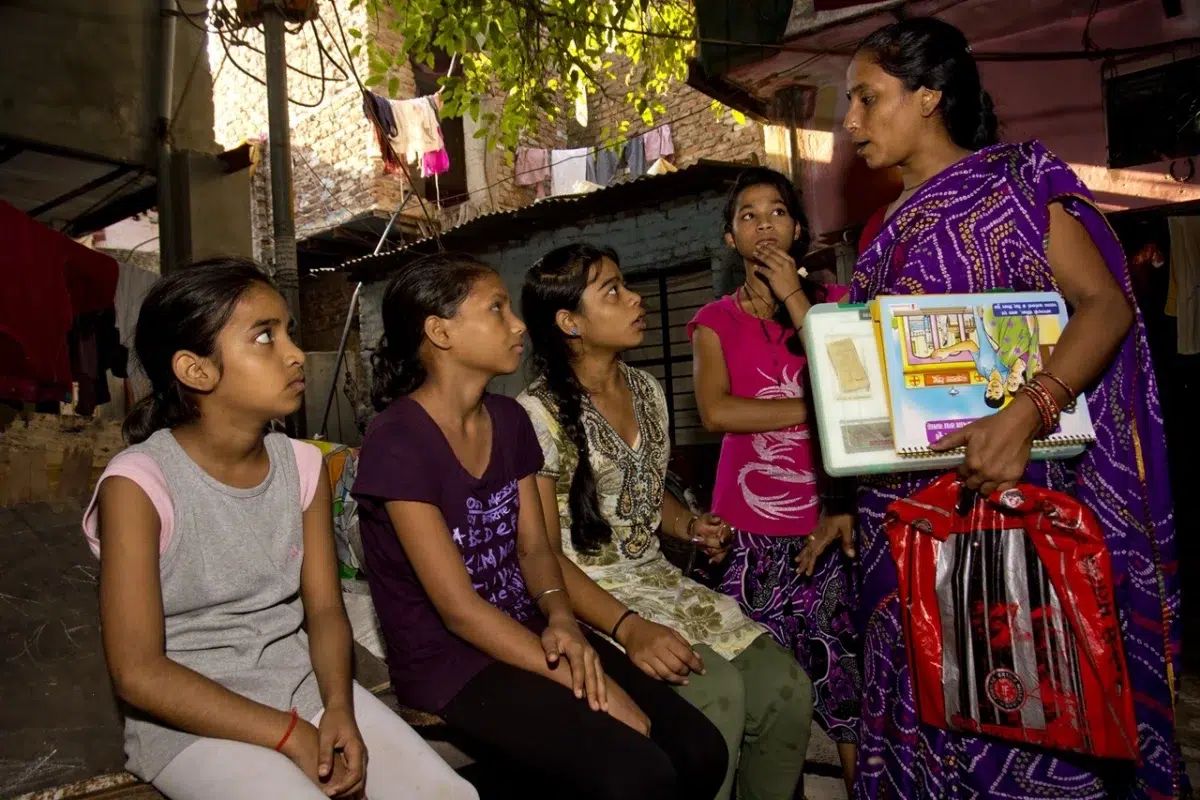
Smile Foundation through its women empowerment programme, Swabhiman is ensuring that young women, especially mothers are able to prepare easy-to-make nutritious meals for themselves and their families. Low-cost, high-nutrition recipe workshops conducted by certified nutritionists are one of the key features of the programme.

The workshops seem to have high participation rates that also see the distribution of healthy food baskets and women sharing their positive feedback with the project coordinators in their next sessions. You can consider making a thoughtful donation here to help healthy meals reach more women, their children and families at large. 

You can make mealtime a joyful experience by trying out diverse and healthy recipes that appeal to everyone’s taste buds. Remember, when it comes to creating a healthy India, the journey starts at the family table.

Categories
Smile Livelihood

India Top Destination for MNCs Now

India is poised to be the next global economic powerhouse. With a young and growing population, a rapidly expanding middle class, and a favourable business environment, there are many attractive opportunities for multinational corporations (MNCs) in India today. According to the World Bank, India’s economy is expected to grow by 8% in 2023, making it one of the fastest-growing economies in the world. 

This growth is being driven by a number of factors including a young and growing population. Today, India has the second-largest population in the world, with over 1.3 billion people. This large and growing workforce is a major draw for MNCs looking to expand their operations. A rapidly expanding middle class is also a boon for India. India’s middle class is now estimated to be over 400 million strong. 

This growing middle class has more disposable income and is looking for new products and services, which MNCs can provide. Lastly, India is creating a favourable business environment for these corporations. The Indian government has made a number of reforms in recent years to make the country more business-friendly. These reforms have included reducing corporate taxes, simplifying regulations, and improving infrastructure.

All these factors combined are making India a preferred destination for MNCs. Let us take a look at how it is going to influence the country’s growth story and the impact of MNCs on the Indian economy.

India: Taking a Lead

A survey of 100 CEOs of multinational corporations (MNCs) by research firm IMA India found that India is the top destination being explored by MNCs as an alternative to China. The survey, which was conducted in November 2022, found that 88% of the CEOs said they were considering India as a potential location for their next investment. The survey findings come at a time when MNCs are increasingly looking to diversify their supply chains away from China. 

China’s rising labor costs and geopolitical tensions have made the country a less attractive destination for investment. India is well-positioned to benefit from this trend. The survey findings suggest that India is becoming an increasingly attractive destination for MNCs. 

Opportunities for MNCs in India

India is considered one of the most preferred destinations for business due to its large and growing market, favourable business environment, and skilled workforce. The country’s economy is growing at a rapid pace, and it is expected to become the world’s third-largest economy by 2050. 

India also has a young and educated workforce, which is attractive to businesses looking to set up operations in the country. The Indian government has also taken steps to make the country more business-friendly, such as reducing taxes and improving infrastructure. These reforms have made India a more attractive destination for foreign investment. In 2022, India received a record $84.4 billion in foreign direct investment (FDI). 

The Indian government also focuses on developing new sectors, such as electric vehicles, renewable energy, and digital technology. These sectors are expected to create new jobs and boost economic growth in the coming years. Overall, India is a promising market for businesses of all sizes. The country has a number of advantages that make it an attractive destination for investment.

Impact of MNCs on the Indian Economy

India becoming the preferred destination for MNCs is great news for the country looking to capitalize on its demographic dividend. However, it is also important to explore all the positive and negative impacts of MNCs in India. While MNCs have undoubtedly played a positive role in India’s economic development, they have also raised a number of concerns.

Multinational corporations (MNCs) have had a significant impact on India’s economy and society. On the one hand, MNCs have helped to create jobs, boost economic growth, and transfer technology to India. On the other hand, MNCs have also been accused of exploiting natural resources, displacing local businesses, and contributing to environmental pollution. Overall, the impact of MNCs on India has been mixed. 

However, this does not limit the importance of MNCs for a country like India that wants to grow its economy. Indian Prime Minister Narendra Modi has promised to make the take country’s economy $ 5 trillion by 2025. For this, MNCs can play a significant role in driving India’s vision of becoming a developed nation. MNCs can bring much-needed investment, technology, and jobs to India. They can also help to improve India’s infrastructure and skills development.

The Next Five Years Are Crucial: Opportunities for MNCs in India

According to a report by EY and the Confederation of Indian Industry (CII), MNCs have the potential to attract $475 billion in foreign direct investment (FDI) in the next five years. This FDI can help to create millions of jobs and boost economic growth. MNCs can also help to improve India’s infrastructure by investing in new roads, ports, and airports. 

They can also help to develop India’s skills base by providing training and education to Indian workers. Overall, MNCs can play a major role in helping India to achieve its vision of becoming a developed nation. However, for this to happen, India needs to create a favourable investment climate and ensure that MNCs are operating in a responsible manner.

Smile Foundation and Employment Opportunities

Smile Foundation believes that a livelihood is important for upward mobility for marginalised communities in India. It is only through a decent employment opportunity that the curse of generational poverty and associated social evils break down for a lower social class family.

Through our livelihood programme, STeP (Smile Twin e-Learning Programme), we are training thousands of youth from disadvantaged backgrounds. Most of the trained youth are placed in brands across India in healthcare, retail, digital marketing and more roles.

Categories
Education

High Returns on Early Childhood Care and Education (ECCE)

Iconic American astronomer Carl Sagan was fascinated by children. In an old video, he talked about children’s curiosity and how they naturally asked deep questions and saw the world from a unique, imaginative lens.

Sagan also spoke about how society and the laid-out ladder for everyone sucked the life out of children, destroying their ability to think freely. Emphasis on the right education and care can prevent such creative destruction and help children choose what interests them.

As children represent the future of a nation, early childhood care and education (ECCE) is also pivotal for the economy. Fortunately, India has recognised the significance of investing in early childhood development in recent years. The remarkable results emphasise the value of early care and education for children.

Understanding Early Childhood Care and Education (ECCE)

Early childhood care and education is an approach focused on care, health, and education for children aged 0-8 years. It includes quality preschool education, health and nutrition interventions, and support for parents and guardians. The objective is to ensure holistic development during the critical early years, which are formative in shaping a child’s cognitive, physical, social, and emotional abilities.

Investing in Childhood Development

Part of the West’s success in the last few decades can be attributed to its focus on child development and education. The curriculum followed by Western schools and universities is far different from countries like India, where educational institutions steer children toward a specific subject.

Thankfully, India has arrested the problem and recognised the importance of investing in early childhood development education, understanding that these formative years lay the foundation for a child’s future success. By providing quality ECCE programs, the country is fostering an environment that nurtures young minds, allowing them to reach their full potential.

The government, non-governmental organisations (NGOs), and various stakeholders have joined hands to create an inclusive and supportive ECCE ecosystem across the nation.

The NEP (National Education Policy) 2020, NIPUN (National Initiative for Proficiency in Reading with Understanding and Numeracy), and NCF (National Curriculum Framework) represent a few transformational changes from the Indian government.

These initiates highlight the importance of transforming Angwanwadi centres into ‘learning centres’. Anganwadi centres and workers can harness the power of activity-based learning and develop cognitive skills and socio-emotional development in children during their formative years.

Additionally, the government has recognised that nutrition and early childhood education outcomes are equally important. The Ministry of Women and Child Development’s ‘Poshan bhi, Padhai bhi’ initiative is a move in this direction, although the investment amount must increase for better results.

Going by numbers, the average Anganwadi centre spends ₹2,000 per child compared to around ₹20,000 spent on a child in a government primary school.

Successful ECCE Programs in India

While there’s clearly scope for improvement in a few flagship early childhood development education initiatives, the government can draw inspiration from a few successful programs. India has witnessed the successful implementation of various ECCE programs across the country, including the Integrated Child Development Services (ICDS) in Maharashtra.

It provides a package of essential services like nutrition, healthcare, immunisation, and early learning opportunities, to children under the age of six.

NGOs have also played a crucial role in augmenting ECCE efforts. Many organisations have established model ECCE centres, which reach out to underprivileged children and communities with innovative approaches and inclusive practices.

Studying the success of these models can help the government and private companies gain learnings to implement in their initiatives. No two programs can yield the same results, but stakeholders can draw parallels and tweak them to fit the objectives of each program.

Key Benefits of Early Childhood Care and Education

Early childhood care and education hold value for children as well as the economy. Listed below are a few reasons why:

1. Enhanced cognitive development

The brain develops rapidly during the early years, and ECCE interventions support cognitive development, language skills, and school readiness. Quality early learning experiences lay a strong foundation for future academic achievements.

2. Improved social and emotional skills

ECCE programs promote positive social interactions, emotional well-being, and empathy. Children learn valuable social skills, such as sharing, teamwork, and conflict resolution, which contribute to their overall emotional intelligence.

3. Health and nutrition

Early childhood is a critical period for physical growth and brain development. ECCE initiatives prioritise access to proper food nutrition, immunisations, and healthcare, leading to improved overall health and reduced long-term health risks.

4. Long-term educational attainment

Children participating in high-quality ECCE programs are likelier to enrol in and complete formal education. This increased educational attainment sets the stage for higher employment opportunities and overall socio-economic development.

5. Reduction in inequalities

ECCE initiatives aim to bridge gaps in access to education and reduce disparities among children from different socio-economic backgrounds. By focusing on inclusivity, India is working towards a more equitable society.

Closing Thoughts

India’s focus on early childhood care and education is yielding significant returns in terms of childhood development and long-term societal benefits. By investing in ECCE programs, the country is nurturing the potential of its youngest citizens and equipping them with essential skills and capabilities. The positive impact of ECCE can be witnessed in enhanced cognitive development, improved social and emotional skills, increased educational attainment, and reduced inequalities.

However, there’s still a long way to go to completely realise the potential of ECCE. Continuous effort and individuals hold the key, while various stakeholders must draw inferences from successful models already in place.

Smile Foundation realising the importance of early interventions in the lives of marginalised children invests its all in the quality education of young children through its flagship program, Mission Education (ME). You too can make a difference in their lives by donating an amount that doesn’t affect your own quality of life and is also able to provide a decent life to those who need it the most.

Categories
Education

Education as a Powerful Poverty Alleviation Intervention

Eradicating poverty seems like a never-ending battle for India. A considerable decrease has been observed over the years but there still exists a major part of the Indian demographic that spends the entirety of their lives working hard but ends up in poverty. It pains us to say that the aphorism “the rich gets richer and the poor gets poorer” stays true even in this day and age. 

65% of Indians are a part of rural India and about 24% of that population is financially literate. Education is an effective way to boost the poverty-driven demographic of India. Transforming the way education is perceived and imparted to all and ensuring educational equity is imperative in alleviating poverty. 

‘E’ In Education also corresponds to the Economy: Role of Education in Economic Development

Economic prosperity does not solely depend on an increase in physical capital as previously believed. Education is a crucial component in the development of the Indian economy. Investing in education in order to make it accessible to all will reap profitable returns. The formation of human capital alongside physical capital is equally necessary. This is important to achieve a fast-progressing economy and comprehensive nation-building.

Education allows a person to boost their skills and confidence. A well-educated individual boosts productivity as well as one’s overall income. 65% of rural India remains high in the uneducated spectrum.

Presently, the situation of the low-income demographic education remains dire and needs improvement. The role of education in economic development of rural India is a crucial step in order to increase literacy and consequentially the overall situation of the economy. 

The agricultural sector of India is of great significance, and a large section of rural India is actively involved in this sector. There are many agricultural workers who perform tasks tirelessly despite being devoid of adequate technology or the knowledge to use it. They are uneducated and unaware of the prospects of their field that do not reward their efforts adequately and hence they spend most of their lives if not the entirety of it in poverty. 

In addition to the agricultural sector, the MSME sector too contributes greatly to the economy comprising 30% of the total GDP. It remains an imperative determinant of the economic situation and requires good educational facilities in order to flourish. 

Poverty is one of the major obstacles to economic development. Education being the foundation that helps alleviate poverty, is hence a significant determinant of economic development. 

A Pen is mightier than a Sword

Education exposes an individual to new ideas and helps them adapt to the changing and growing world. It is seen as an effective pathway that caters to the empowerment of an individual.

Education provides the values, confidence, skills, and knowledge required for the development of an individual and of society. When a person understands the ways of the world and utilizes their abilities to the best, it nurtures an individual’s self-confidence. 

Role of Education in Economic Development and the Importance of Equity

Educational equity is of high importance to achieve this. It is the right of every person to be educated. India needs to mend the wound the pandemic has left in the education sector. This wound has deeply impacted the Indian economy as well as poverty in India and globally. Around 100 million children have been subjected to poverty due to inaccessible educational facilities during the pandemic. 

Proper training programs should be introduced for the low-income demographic that faces issues in acquiring education. They should focus on all three factors– accessibility, affordability, and quality of education in order to be effective for a larger number of people.

Youth, no doubt, should have access to these facilities, but in addition to them, poverty-stricken adults too require adequate facilities that provide them with knowledge with respect to earning better for their families and children’s education. 

Additionally, the education provided should be approached holistically with equal importance to rote and practical learning. 

The data on poverty still remains ambiguous but it is no secret that poverty is an acute problem for India. As a developing nation with one of the fastest-growing economies, India should focus on improving the quality of education and educational equity so that the country gives birth to self-empowered individuals that will help it to grow further.

Education will lead to rewarding the people who are working without breaking a sweat. Education will help empower the ones whose voices the world needs to hear. It will help them climb the ladder of success, leaving behind poverty in the dust. 

The Road to Dimish Poverty

Ensuring each child is educated to the reading and writing level can result in a 15% decline in poverty a year. Education opens the door to new ideas and makes a person realize their worth. Education is not only necessary for a person to get a job but also to perform better at their job and earn better. An educated person has a better understanding of how a particular task can be completed easily and how it may yield better outputs. 

Education also helps alleviate the gender bigotry this country faces. An educated individual is more likely to understand that women are equal to men and not inferior, they too deserve an education and have the right to earn, and that it is not a waste to educate a girl child. This will improve the overall literacy rate and consequentially decrease poverty. 

Poverty is a huge impediment to the progress of India’s development and requires urgent attention. The government has introduced certain poverty alleviation programs. Some of which are– 

  • Pradhan Mantri Gramin Awas Yojna 
  • National Social Assistance Programme
  • Jawahar Gram Samridhi Yojna 
  • Integrated Rural Development Programme 
  • Food for Work Programme 
  • National Social Assistance Programme 

These schemes have been implemented with sheer goodwill and dedication to cater to the problem of poverty, but have fallen short somewhere or the other of completely eradicating the issue. Initiatives like these will not prove to be very beneficial unless greater attention is paid to education. 

Why wait for Tomorrow when we can do it Today

There are always two sides to a coin. For states like Mumbai, the most evident of these two are the high-rise buildings and the slums, and investment in physical capital alone is of no use. Building new machines and equipment might make it easier. Easier to destroy slums and build more high-rise buildings, but it will not eradicate the problem of poverty. It is time to address the role of education in economic development for uprooting this issue. 

Smile Foundation believes that education is the starting point to true empowerment and in that effort is educating lakhs of children through our flagship programme Mission Education (ME). If your core too believes that children of all social classes should be in schools, you can make a small donation here.

Categories
Livelihood

Workforce Prepared Indian Youth

After years of lectures, classes, note-making, rigorous revisions, and examinations, the Indian youth is prepared for the “real world”, more commonly termed as the workforce. And yet there is a significant gap between the readiness of youth and the needs of a workplace. 

Higher educational institutions and colleges are supposed to fortify youth for the walks and talks of a workplace. However, we see a discrepancy in the skills acquired by youth and those required by employers. This often leads to youth unemployment in India. 

Youth unemployment in India is accelerating and if not curbed fast, will result in bruises to the rapid-growing economy. With an equally growing population in the country, the competition in the workplace will only increase. 

Youth Unemployment in India

A workplace is not like an educational institution. A workplace expects one to utilize the skills one has acquired over time and an employer is in search of skills more than credentials. Then why do most employers observe a mismatch of skills in youth? 

The capitalist world we live in has given rise to jobs of high specializations and Indian education has failed to provide adequate skill development for the same. Youth comprise more than 40% of the Indian population and 45% of those were reported unemployed. India, like any other country, will benefit from the sheer amount of youth it harbors, but if this situation entails, it will result in a grim future for the country. 

A college degree improves job prospects for youth but colleges have become unnecessarily costly. There is no reason for students to incur debts in order to get a degree and education that is dissatisfactory. The idea that a degree secures a life with better living standards leads students to pay humungous amounts of money.

More than a Degree

Education is extremely important, but one has to keep in mind that a degree is not a guarantee of employability. Youth is extremely bright and always on the lookout for new opportunities, with the right training they are sure to bloom and provide outcomes that aid the development of the country and benefit all. 

Around 33% of youth that has gained an education remain unemployed due to a deficit of future skills. They do not have adequate practical knowledge and skills required for the workforce. 

The rates of youth unemployability in India are shooting like ever before and there is an immediate need to curb them. Educational institutions should ensure a holistic approach that gives adequate industry experience while striving toward the degree a person is aiming for. Industry experience alongside education will surely aid in skill development and better prepare youth for the workforce. 

The Emerging Need for Vocational Education

Vocational education is considered inferior to any other kind of education in several aspects. Even the jobs that come along these lines are considered inferior. But we are forgetting how in reality, vocational jobs are a huge boost to the Indian economy. Hence, there is a need to alter this mindset and provide exposure to youth to vocational education and training. 

The stigma of vocational training being important for jobs of an electrician, beautician, etc. still exists. Firstly, there is a need for this misconception to go away. Vocational education does not solely expand one’s skills and knowledge in vocational courses or fields. It generates the scope of development of skills required in the modern workplace as well. There is an indirect impact of vocational training on the industry as well. Proper VET will lead to an increase in profitable outputs in the informal sector which in turn will boost the industrial sector. It is like a chain reaction.

Secondly, who are we to demean jobs like that of a master artisan or beautician? Each and every job has its own importance in the development of the country and its economy. No form of education or job should be demeaned and looked down upon. 

Government Interventions To Curb Youth Unemployability in India

With training catering to skill development, vocational education will allow us to bridge the gap created between education and employment. Youth will be trained adequately in order to climb further in their careers. Indian youth themselves are greatly interested in learning and developing their skills, it is high time the education system too understands the importance. There is a dire need for inculcating practical approaches that allow individuals to develop skills that prepare them for the workforce. 

The government has come up with ways to make vocational training acknowledged. The most recent is the National Education Policy (NEP) 2020. The revised version of National Education Policy 2020 is a great step in this direction wherein vocational education will be introduced from sixth grade onwards. These changes are at the initial stages of their development and will require time and effort.

Things To Remember

The curiosity and want to constantly learn more are what defines most of the youth. This thirst to learn should be quenched with the preparedness to face the real world. The country is looking at bright kids paving the way to an even brighter future with adequate guidance and training. Smile Foundation with its Smile Twin e-learning programme, STeP provides youth with these facilities and prioritizes skill development that helps youth to lead an independent life for themselves and their families. To date, the programme has trained more than 90000 youth with placement of over 56000 trained youth in respectable brands across India. 

Categories
Women Empowerment

Menstrual Hygiene Awareness at the Forefront of Indian Women’s Growth Story

The word ‘period’ comes with hushed voices and a ton of taboos surrounding it. The practice of chhaupadi in Nepal is one such taboo that has led to many deaths. Candice Chirwa shared an incident about the same about the progress of the menstrual situation and the limited menstrual hygiene awareness in an interview

Candice Chirwa, popularly known as The Minister of Menstruation, is a social activist set on changing the demoralizing notions surrounding periods and the concept of period poverty. The ideas that arise from insufficient awareness regarding periods are a major cause of the lack of menstrual hygiene facilities, a debilitating fear of openly talking about menstruation, and the societal taboos that surround it. These factors prove to be major hindrances to the empowerment of women. 

Don't like the word ‘period poverty’ and can menstrual cups end it? Menstrual hygiene awareness

Menstrual Hygiene – A Luxury? 

On average, an Indian woman pays around INR 300-500 a month to manage her periods in a hygienic way. Tax is levied on period products in several countries around the world. There still exist women in the low-income demographic unable to afford period products and have to settle for unsanitary means. Despite the tax elimination on sanitary napkins, the prices of period products are still unaffordable for many Indian women. 

Globally 500 million women still resort to using unhygienic facilities during their periods. About 77 percent of women in India itself use reused clothes, ashes, dried leaves and newspapers for the same. Unhealthy menstruation management can lead to women contracting diseases like urinary tract infections, genital tract infections, dermatitis and bacterial vaginosis. All these increase the susceptibility to cervical cancer

How did a right as fundamental as health come to be termed a luxury? Menstrual hygiene awareness along with period products is a necessity. In order to tackle the situation of menstrual hygiene, the concept of menstruation should be viewed more holistically. Eliminating taxes and reducing costs are not the only things that need to be shed light upon. The provision of adequate hygiene facilities for a menstruating woman is equally crucial. 

Why Period Poverty In India Needs A Proper Discussion?

A Change In Mindsets

Eyes being raised at asking for a period product at the chemist and being handed a black polythene bag as if to save the woman from being ashamed for menstruating; hiding a sanitary napkin in the pocket of the school uniform on the way to the restroom; cringing at the idea of talking to a male about periods; avoiding religious rituals, washing hair and entering the kitchen–- ask any woman and they have experienced at least one of these. 

What is worse is that living outside in unhygienic facilities is not limited to small cities. Girls are forced to live outside whilst menstruating in big cities like Mumbai as well. 

These taboos and illogical practices have been normalized to the extent that a menstruating woman feels ashamed of herself. Elimination of these ideas is also a huge step towards empowering women. Education and spreading awareness are the most crucial steps to achieve this. 

There is a need to engage the entire community in this cause. An effective approach should be taken to move forward the discussion of menstruation where the term majorly revolves around misconceptions and taboos. 

The country surely has progressed having famous male personalities speak up about normalizing menstruation. Campaigns like the red dot challenge have played a huge role in destigmatizing and empowering periods. Earlier this year, the festival of ‘Maasika Mahotsav’ was celebrated in 19 other countries apart from India. 

Menstrual Hygiene Awareness – A Gateway to Empower Women

Educated Girls as Community Mobilisers
Rupa is a student of Class 6 at Smile Foundation Mission Education Centre at Karnala, Kalahandi, Odisha

23 million girls drop out of school annually – the reason for this is the lack of adequate menstrual hygiene facilities available in schools. Is this not a hindrance to the growth of a girl child and women as a whole? 

In fact, this is common in workplaces as well. Women in the workforce have faced these problems as well. Menstrual hygiene is more often than not overlooked and due to the existing taboos around the subject, not brought up as an issue. Menstrual leaves are still non-existent in many organisations. 

Brushing off menstruation and menstrual hygiene in workplaces and educational institutions impedes a woman’s ability to perform well, and her educational and economic prospects. There is a dire need for the implementation of these facilities to be talked about openly. It is as much a necessity as any other healthcare facility and requires an all-encompassing understanding of the public. 

Where is India at with Respect to Menstrual Hygiene?

The country has undoubtedly made progress. There have been discernible initiatives taken by nonprofits, celebrities and other prominent figures that have surely made an impact. People talk relatively freely about menstruation and there are seminars held in educational institutions to talk about menstruation. The majority of the population still thinks in the traditional way, but currently, we do have people who speak up against those norms. 

The red dot challenge to stop period shaming and Asmita Yojna, She Pad and Swechcha distributing free sanitary napkins are notable initiatives. Celebration of ‘Maasika Mahotsav’ is also a notable step that is a simple yet effective way to curb stereotypes and empower women. In addition, the five-year-long plan by Niine Sanitary Napkins to tackle taboos and spread menstrual health awareness is a great initiative too. Not to forget the biopic of Arunachalam Muruganantham, Padman. 

Despite such remarkable initiatives, once in a while, we get to hear distressing news about a menstruating woman’s death due to unsanitary facilities in a rural area, or due to some incorrect ideas about menstruation in general. One such example is the killing of a young menstruating girl by her brother in Mumbai merely due to a lack of menstrual education. 

Despite these initiatives, menstrual hygiene practices in India still include the use of dirty rags, hay, old clothes and even hay. These potentially unsafe measures are a result of

  • inadequate education on the subject
  • unaffordable period products
  • unavailability of the products
  • the stigma behind menstruation. 

Smile Foundation and Menstrual Hygiene

Defeating the period monster tog

Menstruation is a natural biological process. It is not something to belittle, it is not something that makes women a burden, and it is most certainly not something to be ashamed of. We need to strive towards a world that is period-positive; a world where period dignity exists. There is no longer a need for a world where the term period is followed by a flustering silence.

Initiatives ensuring proper menstrual health facilities for women can boost their confidence by leaps and bounds. Menstrual hygiene awareness is a gateway to empowering women and transforming society into a more gender-equal society. Embracing menstruation is a step closer to making women and young girls embrace themselves for who they are and society has no right snatching this away wrongfully. 

Smile Foundation through its women empowerment programme, Swabhiman, is trying to induce behavioural change in menstrual hygiene awareness. Through the distribution of sanitary napkins, workshops and door-to-door mobilisation for adolescent girls and women of underserved urban villages and remote rural areas – the programme is aimed at providing young girls and women a period-positive world. 

Categories
Livelihood

Capacity Building of Retail Management Workers 

A major reason for the flourishing economy of India remains the retail industry with the retail management workers acting as the backbone. With retail management as one of the most popular career options for college students, it is important to recognize the importance of these individuals and focus on their capacity building.  

Why Retail Management?

The short answer is, potential. This career has proved to have great potential in terms of growth. There are multiple chances for an individual to develop their skills and grow alongside their job.  

Another possible reason is that the nature of the job deals with multiple areas of expertise – from customer service to inventory management. There is always something you can learn from.  

This industry has become more complex with the increase in e-commerce. It has come a long way and is still undergoing several changes. The industry hence requires more skilled and proficient workers.  

Focusing on Capacity Building

There are many areas a person can struggle with while initially setting up their store. Financial planning,  cost control, inconsistent feedback, the changing market dynamics, and customer needs are some common things that people struggled with at first when setting up a store in Delhi or any other metropolitan. A few changed businesses as well in order to better fit the needs of consumers.  

The use of technology in order to better understand consumer behavior and improve customer experience is increasingly common now. The retail industry is heavily investing in the same. The use of AI also enhances the scope of the industry in e-commerce, digital marketing, etc., and requires skilled persons for the same.

There should be adequate training in data analytics and the identification of customer trends using technology. It is vital for retail management workers to have that in the age of the digital revolution.  

Retail Management and Brand Image

Capacity-building programs in order to cater to these problems should be implemented. Retail management is a big field that requires extensive knowledge in order to excel. It is vital for individuals who are interested in the same to receive appropriate skills. This is for the benefit of the workers, consumers, and the country as a whole.  

Retail management workers play a major role in setting a brand image. It is again important for them to be well-versed in what they are doing. Empowering retail management workers is an asset all around.  

Proper training for building leadership skills, coaching for the staff, data analysis, learning how to adapt to new inventions and changing needs, and enhancing industry knowledge is extremely important for the retail industry to function smoothly. These are the qualities that a worker should be trained upon in order to strengthen the industry.  

In addition to the personal development of workers, managers should be aware and well-versed in ethical and legal compliance. Proper safety guidelines, labor laws, etc. related to retail operations are vital to protect the workers. 

Should Retailing Apps Be Made for Training?

Capacity building of upcoming working professionals in the retail industry requires the implementation of proper training facilities for them. But what about the workers already in the field? They too deserve the same.  

The world turned to technology during the covid-19 pandemic and still majorly functions that way. Will a retailing application too help the flow of communication and training of workers?  

Companies with retail management workers already working full-time may find the idea of in-person training expensive and time-consuming. There is an easy enough solution to this – technology. Incorporating technology in the capacity building of retail workers can prove to be beneficial.  

Applications can be formed in order to provide on-demand training for the employee on their respective devices since the skills of the employee have a major impact on the company directly.  

Retail Management in India 

The retail industry in India ranges from pop-up stores to large supermarket chains and e-commerce platforms (more so after the pandemic). The industry has to overcome a lot of challenges including competition from competitors, changes in consumer behavior, supply management due to a fragmented market, etc.  

The country has seen significant initiatives taken by the government that has aided the sector but again,  India has a long way to go. India has one of the most promising retail infrastructures. Recent years have experienced growth in the industry not only in the urban and metro cities but also in the smaller cities.  

The country has also seen a lot of investments in the industry in the past few years. A few examples are IKEA, H&M Home, the investment of the Lulu group to make a mall in Gujarat, and several partnerships with Reliance Limited. 

Retailing while having a number of outstanding features, is still done in a traditional way in some aspects. There still exist retailers who are not well-equipped to incorporate world-class practices of supply chain management. Bases of modern retailing management are not seen. It is important to curb these gaps in this sector in order to grow further.  

This is a sector that is constantly growing and is immediately affected by the changing demands of the world. It requires skills that are important not in one, but multiple areas, and having workers that are well-endowed with these skills will be a huge help. 

Smile Foundation and Retail Management

Understanding the market trends and gaps, Smile Foundation reimagined its livelihood programme, STeP (Smile twin e-Learning Programme) recently made the retail and supply management course one of its six-course modules. The course has led to thousands of youth from underserved communities getting trained in retail management courses, many of which have been placed in reputable brands across India.

Categories
Livelihood

What does Skill Hub Portal mean for the Indian Youth?

The Indian government has been focusing on skilling the youth in recent years. In 2015, the government launched the National Skill Development Mission (NSDM), which aims to train 500 million people by 2022. The government has also launched a number of other initiatives to promote skilling, such as the Pradhan Mantri Kaushal Vikas Yojana (PMKVY) and the Skill India Mission.

The Skill Hub Portal is a new initiative launched by the government to further promote skilling. The portal is a one-stop shop for information on skilling courses and training providers. It also provides a platform for students and job seekers to connect with employers.

The Skill Hub Portal is expected to have a number of benefits. It will help to increase the availability of skilling courses and training providers. It will also make it easier for students and job seekers to find the right skilling course for them. Additionally, the portal will help to connect students and job seekers with employers, which could lead to more job opportunities.

For example, a student who is interested in learning how to code can use the Skill Hub Portal to find a list of coding courses that are available in their area. The portal will also provide information about the different training providers that offer these courses, such as their fees, accreditation, and reviews. Once the student has found a course that they are interested in, they can contact the training provider directly to enrol.

What is Skill Hub?

Skill Hub, an integral component of the Skill India Initiative, serves as a nodal point for skill development activities. These hubs, located across the country, act as central skill development centres. They bring together training providers, industry partners, and students, providing a diverse range of skill development courses.

By facilitating training, certification, placement assistance, and industry exposure, Skill Hubs aim to enhance the employability of students and bridge the gap between industry requirements and available skills.

The recent launch of the Skill Hub portal marks a significant milestone in the Skill India Initiative. The portal, accessible via pmkvyofficial.org, offers a digital ecosystem connecting training providers, students, and industry partners. Its primary objective is to make the youth industry-ready and employable. Through the portal, students can explore a wide array of skill development avenues, access courses tailored to their interests, and seek placement opportunities.

The Skill Hub Portal is also a valuable resource for employers. Employers can use the portal to find skilled workers who are looking for jobs. The portal will provide information about the skills that the job seekers have, their experience, and their availability. Employers can then contact the job seekers directly to interview them for open positions.

The Skill Hub Portal is a valuable resource for both students and employers. It is expected to help to increase the availability of skilling courses and training providers and to make it easier for students and job seekers to find the right skilling course or job opportunity.

Importance of Skill Development in India

The simple answer to the question – what is Skill India Portal – is that it is a necessary initiative in the area of skill development in the country. Skill development is crucial for India as the country currently has the biggest population of young people in the world. This is a great opportunity for India to work on the skilling of this employable population and reap the benefits demographic dividend. 

India has the potential to become a skilled nation by 2030. With a young population and a growing economy, India has the resources to invest in skill development.

However, more needs to be done to ensure that all Indians have access to quality skill training. This includes providing more funding for skill development programs, making training more accessible to rural and marginalized communities, and improving the quality of training.

At the same time, a skill development program by the government is essential for inclusive growth in India. It can help to reduce poverty, create jobs, and improve the quality of life for all Indians.

Skilling for a Better Future

A recent study by the World Bank found that skill development can help to reduce poverty by up to 15%. The study also found that skill development can create up to 10 million jobs per year in India.

The Indian government has recognized the importance of skill development and has launched a number of initiatives to promote it. Skill development is a key to inclusive growth in India. By investing in skill development, the Indian government can help to reduce poverty, create jobs, and improve the quality of life for all Indians.

If India can invest in skill development, it can reap the benefits of a skilled workforce. This will lead to higher productivity, increased innovation, and a more competitive economy. A skilled workforce will also help India to address some of its most pressing challenges, such as poverty, unemployment, and inequality.

By 2030, India can become a skilled nation and a global economic powerhouse. Therefore, the skill hub portal initiative launched by the government is a much-needed step towards realization of this goal.

Smile Foundation and Skilling India

Smile Foundation’s livelihood programme STeP (Smile Twin e-Learning Programme) is skilling and upskilling the youth from underserved communities in India. Till now, over 90,000 youth have been trained under its six courses- Healthcare, BFSI, BPO, Digital Marketing, Core Employability, and Retail Management.

More than 56,000 youth have been placed in more than 400 respectable brands across India. World Youth Skills Day is a day to celebrate our youth and their potential to become big given that they are skilled well.

Categories
Livelihood

Challenging The Skilling Challenge in India

India is a young country with a median age of 28 suggesting India will continue to enjoy its demographic advantage up to the end of this century. This means that the country has a large population of youth who are entering the workforce. Apart from its competitive workforce, India also has a consumption power advantage in the near future over other nations.

India, despite its burgeoning workforce, faces a significant skills gap. The misalignment between the skills possessed by job seekers and the requirements of the job market poses a challenge to sustainable economic growth. This gap can be attributed to factors such as outdated education systems, inadequate vocational training, and the rapid evolution of industry needs.

Addressing The Skill Development Challenge

Skilling and upskilling can help to address this challenge by providing youth with the skills they need to get good jobs. There are a number of ways in which skilling can help with the employment of Indian youth:

  • Improving job prospects: By acquiring the right skills, youth can improve their chances of getting a good job. This is because employers are increasingly looking for highly skilled workers who do not need to be extensively trained in their jobs. Given the fact that many higher education universities are taking cognisance of the fact that students need to have workplace acumen in them in their learning years, skilling is going to be one of the major agendas of both public and private entities.
  • Raising wages: Skilled workers tend to earn higher wages than unskilled workers. This is because they are more productive and can do more complex tasks. Making more money directly translates to higher purchasing power and a better quality of life. Moving beyond the basic needs is both the need of the hour and the only natural progression to building real wealth.
  • Creating new jobs: Skilled workers can help to create new jobs by starting their own businesses or by working in innovative industries. The entrepreneurship climate of the country is on an upward motion with many skilled people trying to make a make in the business world and as a result, creating job opportunities for others.
  • Improving the economy: A skilled workforce is essential for a strong economy. This is because skilled workers can help to boost productivity, innovation, and economic growth. Innovation is the driving force of global competition. As many skilled workers are added to the workforce, India will have a better chance as an expanding economy.

What is the State Doing?

The Indian government has implemented several initiatives to promote employment generation and skill development. Programmes such as “Skill India” aim to enhance the skills of individuals and make them job-ready. The government has also encouraged foreign investment and ease of doing business, attracting multinational companies and creating employment opportunities.

To tackle the skills gap and boost employment prospects, the Indian government has launched several initiatives and programmes:

Skill India Mission

Launched in 2015, Skill India aims to provide skill training to millions of youth across the country. It focuses on sectors such as manufacturing, construction, healthcare, tourism, and information technology. The mission offers various skill development programs, entrepreneurship opportunities, and recognition of prior learning.

National Skill Development Corporation (NSDC)

The NSDC plays a crucial role in fostering skill development initiatives. It collaborates with training partners, industry bodies, and vocational training providers to enhance skilling efforts. The NSDC also facilitates the creation of Sector Skill Councils (SSCs) to bridge the gap between industry needs and training programs.

However, more needs to be done. The government needs to work with the private and development sector to scale up skill development programmes. There also needs to be a focus on creating more quality jobs that require skills.

Actions To Address The Skilling Challenge in India

  • Improve the quality of training: The government, the private sector and development organisations need to work together to improve the quality of training programmes. This includes making sure that programmes are up-to-date, that they are delivered by qualified trainers, and that they are relevant to the needs of the job market.
  • Raise awareness about the importance of skills: The government needs to raise awareness about the importance of skills. This includes educating people about high-paying jobs that require only skills and the benefits of having a skilled workforce.
  • Make training more accessible: There is a need to make training more accessible to people from all backgrounds. This includes providing training in rural areas, making training affordable, and providing support to people with disabilities and people from marginalized communities.
  • Coordination between the education system and the job market: All the capacity-building stakeholders need to coordinate between the education system and the job market. This includes making sure that the education system is preparing students with the skills that are needed in the job market.

Recognizing the importance of skilling, India has been working towards integrating skilling into the education system. Efforts are being made to create a holistic learning environment that combines academic knowledge with practical skills. Public-private partnerships are being encouraged to strengthen vocational training institutions and enhance the employability of graduates.

To bridge the gap between academia and industry, collaborations and partnerships are being encouraged. Industries are actively participating in curriculum development, internship programs, and guest lectures to ensure that education aligns with real-world requirements. These collaborations enhance the industry relevance of education and provide students with practical exposure.

Smile Foundation and Skill Development

Smile Foundation believes that the logical end of learning is respectable earning. To break out of generational poverty, our livelihood programme, STeP (Smile Twin e-Learning Programme) is implemented in urban villages and rural remote areas of the nation so that the youth from underserved communities are skilled properly and the employment numbers rise up. We want our young demographic to contribute significantly towards the economic rise of India and look forward to your kind support in this journey.

Categories
Women Empowerment

Ms. Priya Ramasamy’s Remarkable Journey of Compassion

In a world where commitment and hard work are often admired, there are individuals who embody these qualities to an extraordinary extent. One such inspiring figure is Ms. Priya Ramasamy, a 27-year-old Health Facilitator working on the Indostar Home Finance project of our women empowerment programme, Swabhiman.

Priya’s unwavering dedication, compassion, and relentless pursuit of positive change have made her a beacon of hope for the community in Sriperumbudur, Chennai. This blog explores Priya’s remarkable journey, her ability to overcome challenges and her commitment to serving others in her own words. She talks about her earlier project of DOW ERG which shaped a lot of her learnings and actionable measures.

Priya 2
Priya meeting our women beneficiaries to create awareness

A Heartwarming Journey of Compassion

Priya’s journey is nothing short of extraordinary. Known for her soft-spoken nature and caring demeanor, she has touched the lives of countless individuals in the community. Her exceptional networking skills and genuine compassion have made her a well-known and respected figure in Sriperumbudur. People from all walks of life recognize her as a symbol of hope, trust, and support.

“For the past eleven months, I was fortunate to be part of an incredible initiative led by Swabhiman & Dow ERG, making a significant difference in rural areas across six villages in Sriperumbudur, Kanchipuram district. Swabhiman’s main focus is on promoting reproductive health among women and adolescent girls through awareness programs, door-to-door counseling, and the provision of antenatal and postnatal care. Through workshops and education on health and nutrition, we strived to enhance the well-being of women and girls in these communities.

Our aim is simple yet profound, to empower women and adolescent girls through reproductive health education sessions. By equipping them with knowledge and awareness, we hoped to enable them to make informed decisions about their health and lead fulfilling lives.

Through our dedicated field visits, we reached and positively impacted the lives of over 5000 women and adolescent girls. Witnessing their transformation and newfound empowerment has been immensely rewarding.” shares a hopeful Priya.

My Journey with Swabhiman

Priya 14
Priya working on ground

“As someone with a master’s degree in Social Work and currently pursuing a part-time doctorate, my journey with Swabhiman has been one of personal growth and resilience. Raised by a single parent, I faced financial challenges after my father’s untimely passing when I was just seven years old.

However, an opportunity to work with Smile Foundation paved the way for a new chapter in my life. Building strong connections with rural women and adolescent girls, I gradually became an independent individual, embracing new experiences and adapting to a different city. Despite the inevitable struggles and hard work, I find immense joy in the work I do and the lives I touch.” says an almost tearful Priya who looks back at her journey with immense pride and gratitude.

A Tale of Success

“During one of our field visits, I encountered Ms. Rahini, a remarkable 25-year-old woman who held the position of Vice President in her village. Rahini had been battling irregular periods and significant weight loss for over a year, desperately seeking solutions to her health issues. Through consistent counseling and guidance from our team, we discovered that she was anemic. Regular follow-ups, along with advice on diet and fluid intake, resulted in a significant transformation. Rahini regained weight, her anemic levels improved, and she has been experiencing regular periods for the past two months.

Inspired by her own journey, she has now taken it upon herself to raise awareness among other women in the community. Becoming an active member and a role model, she shares the intervention techniques provided by Smile and actively refers others experiencing similar symptoms. Moreover, she plays a pivotal role in mobilizing support for the programs conducted by Swabhiman.”

Priya’s Closing Thoughts

Meditating on her own inward transformative journey, Priya warms up, “My journey with Swabhiman has been nothing short of life-changing. Witnessing the positive impact on the lives of women and adolescent girls in rural communities has reinforced my belief in the power of education, awareness, and compassion. Through Swabhiman’s initiatives, we aim to break barriers, empower individuals, and foster a brighter future for these communities.

As I continue this meaningful journey, I am grateful for the opportunity to be a catalyst for change, helping women like Rahini overcome health challenges and become champions of their own well-being. Together, we strive to create a society where every woman and adolescent girl is equipped with the knowledge and resources to lead healthy, empowered lives.”

A Proactive Force of Empowerment

Priya’s proactive approach to her work sets her apart. Always eager to learn and discover new things, she leaves no stone unturned when it comes to mobilizing resources, conducting informative sessions, managing budgets, and meeting project requirements. Her dedication and passion have not gone unnoticed, as she was applauded by the donors of the DOW ERG project for her outstanding contributions. With the project’s successful closure, she has now embarked on a new endeavor, working with Indostar Home Finance Pvt. Ltd., driven by her deep-rooted commitment to the community she serves.

Breaking Barriers, Creating Change: Swabhiman for Our Women and Girls

Working in a community plagued by caste discrimination was no easy task for Priya. However, her determination to bring about a positive shift in attitudes and eliminate such prejudices has been truly inspiring. Through her relentless efforts, she has fostered an environment of inclusivity, where every individual feels respected and valued. Priya’s unwavering belief in the power of change has transformed lives and created a ripple effect of empowerment within the community.

As we continue to witness her remarkable journey, we are certain that Smile Foundation‘s future shines brightly with exceptional individuals like Priya, who embody the values of hard work, creativity, sincerity, sensitivity, and unending compassion.

0%