Categories
Women Empowerment

Financial Inclusion’s Role in Gender Equality

The ascent of India to becoming the world’s fifth-largest economy is undeniably impressive, marked by robust domestic consumption, a thriving service sector, and a surge in foreign direct investment. However, in between this economic growth, India faces significant challenges in achieving financial inclusion, particularly concerning women. Despite strides in various sectors, systemic barriers and discrimination persist, hindering the access of women to financial services.

Financial inclusion is essential for advancing gender equality and empowering women economically, aligning with the Sustainable Development Goals. Shockingly, one out of every five women in India lacks access to a bank account, highlighting the disparities in financial access. Despite initiatives to enhance financial inclusion, barriers such as documentation requirements, geographical distance from banking facilities, and lack of digital literacy persist, disproportionately affecting women.

Beyond the traditional norms for financial inclusion of women

The limitations of the traditional banking system in serving underserved communities have paved the way for fintech firms to revolutionize financial services. Leveraging technology, fintech platforms offer accessible and user-friendly banking solutions, empowering women and underserved groups. Initiatives like Digital India and the Unified Payment Interface have facilitated financial access via smartphones, bridging gaps and promoting financial autonomy for women. Through these efforts, women gain critical credit access, fostering economic empowerment and independence in entrepreneurial pursuits.

Moreover, financial literacy programs play a crucial role in promoting financial inclusion by equipping women with essential knowledge about cash management, banking, and investment tools. By understanding these concepts, women gain confidence in handling their finances effectively, empowering them to actively participate in economic activities. Digital literacy further enhances financial inclusion, enabling women to access banking services seamlessly and fostering financial independence.

What about policies?

Gender-responsive policies are essential for promoting gender equality and ensuring equal access of women to financial services. Initiatives like Pradhan Mantri Mudra Yojana offer collateral-free loans to micro and small enterprises, including women-led businesses, encouraging financial institutions to extend credit to women entrepreneurs. Promoting joint ownership of land titles also ensures the legal property rights of women, contributing to gender equity in land ownership.

Microfinance institutions play a pivotal role in fostering financial inclusion and empowering women. By offering small loans and customized financial products, these institutions address the unique challenges faced by women entrepreneurs, enabling them to start or expand businesses and enhance financial independence. Regular government support and encouragement are crucial to sustain microfinance schemes and encourage women’s entrepreneurial ventures.

Community-driven initiatives are also vital in promoting financial inclusion and challenging cultural stereotypes that limit women’s participation in financial matters. Awareness campaigns and peer support networks within communities empower women with knowledge about financial rights and opportunities, fostering confidence and decision-making power.

In conclusion, achieving financial inclusion for women in India requires a multi-faceted approach involving technological innovation, financial literacy programs, gender-responsive policies, and community engagement. By addressing these challenges and implementing solutions, India can harness the full potential of its demographic dividend and pave the way for inclusive economic growth and gender equality.

Financial Literacy and Smile Foundation

Financial literacy workshops conducted by Swabhiman‘s Smile Foundation play an important role in empowering individuals, especially women and youth, with financial knowledge and skills. These workshops aim to enhance participants’ understanding of financial concepts such as budgeting, saving, investing, and debt management, equipping them with the tools needed to make informed financial decisions.

Through interactive sessions, real-life case studies, and practical exercises, participants learn how to set financial goals, develop saving habits, and protect themselves from financial risks. By promoting financial literacy, the initiative empowers individuals to take control of their financial futures, build financial resilience, and achieve long-term financial well-being. These workshops not only contribute to individual empowerment but also foster economic development and social inclusion within communities.

Categories
Skill Development

Are we hoping for a miracle with our demographic dividend?

The World Bank warns of a concerning trend in job creation across India and its neighboring nations, jeopardizing the potential of their young populations in the middle of rapid economic growth. Despite the projected economic surge of the region, with South Asia expected to lead global growth, employment opportunities fail to keep pace with the expanding workforce.

India, now the most populous country of the world, is forecasted to have grown by 7.5 percent in the last fiscal year. However, the declining employment ratio signals a missed opportunity to leverage the demographic dividend. Franziska Ohnsorge, chief economist for South Asia, World Bank, emphasizes the urgency of addressing this issue, stressing the importance of job creation for social cohesion.

Challenges abound, particularly in sectors like manufacturing and services, where private companies struggle to absorb the workforce transitioning from agriculture. Moreover, female employment ratios remain alarmingly low, hindering inclusive growth.

In India, where youth unemployment stands at 45.4 percent, the issue has gained political traction. There is looming criticism of the state for its steering of job creation as the country gears up for the upcoming democratic elections. This is despite significant efforts by the state to expand employment opportunities.

While reforms aimed at promoting manufacturing and infrastructure development have been implemented, sustained efforts are required to foster job growth. Without significant reforms to boost employment, South Asian countries risk falling short of their development targets, underscoring the imperative for proactive measures to harness the demographic dividend effectively.

India, with its youthful population, holds immense potential for economic growth and development. This demographic dividend, however, comes with its own set of challenges that need to be addressed strategically to unlock its full benefits. In this blog, we delve into the problems facing India’s demographic dividend and explore potential solutions to harness this demographic advantage effectively.

Challenges with the demographic dividend in India

  1. Unemployment: Despite a large workforce entering the job market each year, India struggles with high unemployment rates, particularly among the youth. Lack of job opportunities leads to underutilization of human capital and hampers economic growth.
  2. Skill Mismatch: There is a significant gap between the skills possessed by the workforce and the requirements of the job market. This mismatch exacerbates unemployment and inhibits productivity and innovation in various sectors.
  3. Informal Sector Dominance: A significant portion of Indian workforce is employed in the informal sector, characterized by low wages, lack of social security, and limited access to formal employment benefits. This perpetuates poverty and income inequality.
  4. Gender Disparities: Women in India face systemic barriers to employment, including societal norms, lack of access to education and training, and discrimination in the workplace. Closing the gender gap in workforce participation is crucial for inclusive growth.
  5. Education Quality: While India has made strides in increasing access to education, the quality of education remains a concern. Many graduates lack the necessary skills and competencies required for the modern job market, leading to underemployment and inefficiencies.

Solutions

  1. Skill Development Initiatives: Investing in skill development programs tailored to the needs of the industry can bridge the gap between education and employment. Vocational training, apprenticeship programs, and re-skilling initiatives can equip the workforce with relevant skills and enhance employability.
  2. Promoting Entrepreneurship: Encouraging entrepreneurship and supporting small and medium enterprises (SMEs) can create job opportunities, foster innovation, and drive economic growth. Providing access to finance, mentorship, and market linkages can nurture entrepreneurial talent and facilitate business expansion.
  3. Formalization of the Informal Sector: Implementing policies to formalize the informal sector, such as labor reforms, social security schemes, and incentives for formalization, can improve working conditions, enhance productivity, and ensure better access to benefits for workers.
  4. Gender Equality Measures: Enacting policies to promote gender equality in education and employment, including gender-sensitive skill development programs, provision of childcare facilities, and incentives for women entrepreneurs, can empower women economically and promote inclusive growth.
  5. Enhancing Education Quality: Investing in improving the quality of education through curriculum reforms, teacher training, infrastructure development, and technology integration can equip students with the skills and knowledge needed for the 21st-century workforce.

In conclusion, the demographic dividend of India presents a valuable opportunity for economic transformation, but realizing its full potential requires concerted efforts to address the underlying challenges. By implementing targeted interventions focused on skill development, entrepreneurship promotion, formalization of the informal sector, gender equality, and education quality enhancement, India can harness its demographic dividend to drive sustainable and inclusive growth.

Through STeP (Smile Twin e-Learning Program) of Smile Foundation, young individuals from underserved communities receive training in various sectors such as retail, hospitality, IT, and healthcare, tailored to meet industry demands. This comprehensive skill development program not only enhances their employability but also empowers them with the confidence and capabilities needed to secure valuable jobs. By bridging the gap between education and employment, STeP not only transforms the lives of individuals but also contributes to the socio-economic development of the nation.

Categories
Women Empowerment

Challenges faced by a Good Mother

Motherhood is given a status of divinity in our country. It is a beautiful state where a human being carries a baby human in her belly for 9 months, cares for them and gives birth. A mother’s entire being revolves only around this baby human for many early years and after that as well. She tries to be a good mother.

But it is not always as rosy as it sounds. One of the factors which defines the experience of motherhood is the age of the mother. Woman’s age at the time of becoming a mother can create a vastly different set of complexities and challenges for her. 

What are the unique experiences of young mothers and older mothers? What about the difficulties that they encounter?

Challenges faced by Young Mothers

Let us start with one of our favorite things when discussing topics of great value- some solid numbers

In India, women typically marry at the average 19.2 years of age, much younger than the average in European nations where women often marry in their mid-twenties. Over a million girls are forced into marriage before their 15th birthday. Even more alarming – over 400,000 of these child brides become mothers.

Early Pregnancy: Before or After Marriage? 

Young mothers in India face an incredible social stigma. In their early youth years if they become pregnant they face a significant pressure of an early marriage and high criticism from the society and family. That is because, in many Indian communities, marriage is still seen as the socially acceptable context for childbearing. Pre-marital pregnancy disrupts this norm with some young girls even losing their lives over it.

In most cases, their education and career potential become limited and they often lose their independence socially and financially. Also, young mothers may lack access to resources and mentorship on adjusting their career goals in light of their new responsibilities. 

Health Considerations

Teenage Pregnancy Problems and Solutions

Teenage mothers are more likely to have poor nutrition both during and after pregnancy, which can impact their own health and their child’s development.

A new report in the Lancet Child and Adolescent Health journal highlights that children born to teenage mothers are at a significantly higher risk of being undernourished. This is a major concern in India, which tragically has the highest number of stunted children globally and a devastatingly high rate of teenage pregnancies. 

Despite laws against child marriage, disturbing statistics from National Family and Health Surveys reveal that a good percentage of girls are married before their 18th birthday, and many married Indian women have given birth by age 18.

Emotional Immaturity and Mental health

For the young mothers the transition from adolescence to motherhood is abrupt and often overwhelming. They may not have had the time to develop the emotional maturity and coping mechanisms to deal with the demands of motherhood successfully.

The sudden and powerful range of multiple emotions which come with motherhood can hamper their mental stability. Hampering their ability to function properly if not given a proper support system. 

Moreover their potential romantic notions about babies and motherhood can clash with reality, leading to disappointment and emotional distress for young mothers who are not yet equipped to deal with the less idealized aspects of parenting.

Early mothers have their own share of difficulties but is it better being an old mother? 

Picture the classic image of ‘motherhood’: a young woman glowing with a baby bump. Now, imagine adding a decade or two. The picture changes, as do the challenges.

Challenges Faced by Older Mothers

Fertility Concerns: With age, a woman’s fertility naturally declines, making it harder to conceive. If women may postpone motherhood due to career goals or finding the right partner, they might face increased difficulties getting pregnant naturally. Assisted reproductive technologies (ART) may be necessary, which can be costly and emotionally taxing.

Adolescent pregnancy difficulties: Older mothers are at a higher risk of complications like gestational diabetes, hypertension, preeclampsia, and chromosomal abnormalities in the baby. Indian healthcare systems may need to be better equipped to manage these potential risks and provide specialized prenatal care for older mothers.

Moreover with changing family structures and the rise of nuclear families, older mothers in India might have less access to traditional in-home support from extended relatives, placing further strain on their already stretched resources.

Energy Levels:  Keeping up with toddlers and young children requires significant stamina. Older mothers might find themselves more easily fatigued compared to younger moms. This is especially important to consider in the Indian context, where extended family support for childcare may be less common than in previous generations.

Moreover, Older mothers may have friendships rooted in pre-motherhood lifestyles. Their life stage shift might create a distance or a need to find new social circles that can better relate to the experience of being an older parent.

Traditional Expectations:  Indian society still carries strong expectations about the “right” age for marriage and childbirth. Older mothers may face criticism for defying societal norms and be accused of prioritizing careers or personal goals over family.

The Real Definition of a Good Mother

After discussing the challenges at length one must understand that motherhood is incredibly different for each woman. 

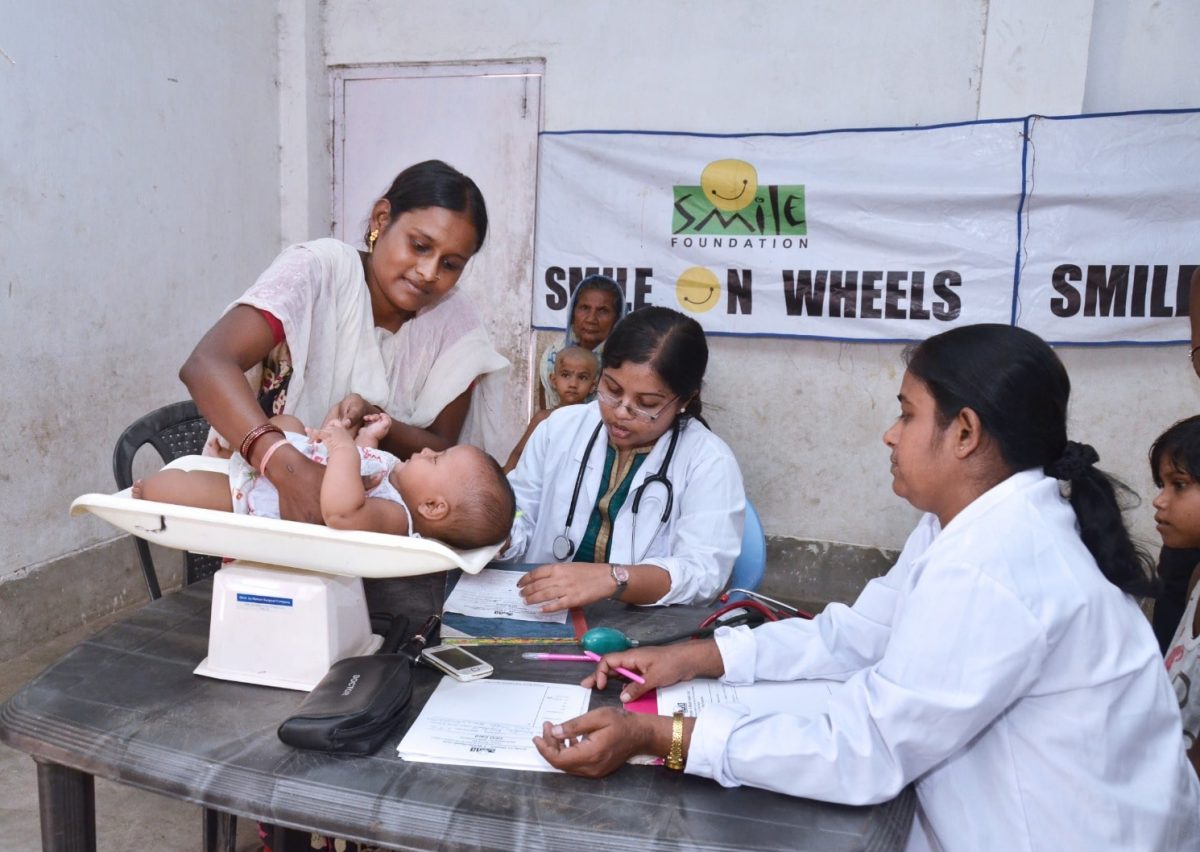
Swabhiman‘s (Smile Foundation‘s women empowerment initiative) work with new mothers is centered on providing comprehensive support and guidance during the important phase of motherhood. Through targeted interventions and education, Swabhiman equips new mothers with essential knowledge and resources on breastfeeding awareness, infant care, and maternal health.

From promoting the importance of exclusive breastfeeding to offering lactation support and counseling, Swabhiman ensures that new mothers receive the necessary assistance to initiate and sustain breastfeeding, thereby contributing to the health and well-being of both mother and child. Additionally, the program conducts workshops, counseling sessions, and community outreach programs to address common challenges faced by new mothers, fostering a supportive environment that empowers them to navigate the joys and complexities of early motherhood with confidence and resilience.

Some mothers begin their journey young, others wait until later in life. There are moms who give birth, and moms who build their families through adoption. The path to becoming a mother is valid no matter what the calendar says. It is unfair to assume a woman is selfish for focusing on herself first, or that another is incapable just because she is a teenager.

Instead of judgment, let us offer support. Young mothers, older mothers – all moms – face challenges. Maybe it is feeling isolated, struggling with finances, or the sheer exhaustion of caring for little ones. 

Ultimately, a good mother is not defined by whether she is 25 or 45. What matters more is that she loves her child fiercely, gives them a safe and nurturing home, and works hard to provide the best she can. Because at the end motherhood is not bound by age but by the determination of a woman’s heart.

Categories
Smile

Turning a Simple Passion into Affirmative Action

In 2014, when Malala Yousafzai won the Nobel Prize for Peace, she was only 17-years-old. Her winning arguably the most prestigious prize in the world meant that everyone wanted to know her story.

Malala was already known around the world for her courage and determination; her fight for the education of girls while living under the threat of Taliban. Earlier, in 2013, a book on her life, titled ‘I Am Malala’, had shown everyone her struggle and passion for the cause she truly believed in.

More than one affirmative action

Years later, in 2021, another young girl, Greta Thunberg, captured everyone’s attention when she gave an emphatic speech at the United Nations Climate Change Conference in Glasgow. Earlier, Greta’s simple act of protesting outside her school in order to draw everyone’s attention towards the perils of climate change and the insufficient efforts being made to control it, led to a worldwide movement where young students came out on the streets and demanded that something should be done.

Both these examples tell us that if a person is truly passionate about something, and if they get the right support, there is a greater chance of turning that passion into an affirmative action. In both cases, the world leaders had to take notice of what these young activists were fighting for, and it influenced the policy decisions to a certain extent. This is exactly what affirmative action is. When policymakers design their policies in a way that they help the historically disadvantaged groups to come forward and grow, it is called affirmative action.

We have seen numerous such initiatives around the world and especially in India. When India became independent in 1947, the leaders had a massive task of nation building in front of them. They had to do this while making sure that the historically disadvantaged communities like those from certain caste groups, religion, or gender, were given an equal chance at growth in the young nation. To achieve this, the Indian constitution was designed keeping in mind the unique requirements of its many people. Over the decades, affirmative action in India has given us some impressive results. For example, the President of the country today is a woman from a tribal community.

Engaging the Young Minds

Policymaking is a difficult process. To be able to make effective policies, it is important that those responsible for it are aware of the unique needs and demands of the people they are creating these policies for. If policies are designed in isolation, without having an ear on the ground, it can lead to unintended consequences. One of the examples of such policymaking is a complete ban on alcohol sale in a particular region. It has often been observed that such an action leads to a thriving black market and puts people in greater danger as they sometimes opt for unsafe liquor which can also be life threatening.

Thus, it is extremely necessary that the policies are designed by engaging the people to a certain extent. Mahatma Gandhi had also imagined a similar kind of policymaking for India when he envisioned the Swaraj model for the country. So, what is the best way to achieve this? The answer is engagement with young citizens. The young, educated citizens are more likely to be passionate about bringing a change in and around their communities. They also have a higher incentive to work towards that change as it ensures an improvement in their lifestyles. At the same time, in many areas, it is the young people who are sometimes first-generation to receive a formal education. Therefore, they can act as a strong bridge to understand the needs of the communities.

Around the world

There are various examples of how the young minds are being engaged to work with government authorities and policymakers to bring a positive change. In India, there are a number of fellowship programs where young and passionate individuals are selected to work alongside ministers and administrative officers. Around the world, similar initiatives are becoming popular because of the promise they offer. One such example is UNICEF’s work in Tajikistan where it is empowering the young people to engage positively with local authorities in order to influence decision-making related to the issues that directly affect them.

Youth – the poster child of affirmative action

We are living in a rapidly changing world today with technology advancement like never seen before. At the same time, the challenges that we face are also unprecedented. Climate change is an elephant in the room that we all haven’t addressed properly yet. Then, there are existing challenges that are yet to be solved – like world hunger, gender equality, poverty, etc. We need human ingenuity and dedication to overcome these challenges. At the same time, we need brilliant minds who can come up with new-age solutions to these age-old problems. Leveraging technology to tackle these problems can be a game changer.

Therefore, what we need today is working directly with the young population which is passionate about the future. They are the ones living in the age of information. They are connected with the world at the tap of their fingertips. This generation can help us in moving forward if they are engaged positively. The state heads have also emphasized time and again the need of engaging the youth in nation building. Therefore, if we want truly effective affirmative action, we must get increasingly creative with the passion of the youth.

Smile and its story of affirmation

In 2002, a group of socially conscious friends came together with a shared vision inspired by Peter Senge’s philosophy. Recognizing that sustainability, social equality, and environmental preservation were not just societal issues but integral components of business, they embarked on a journey to make a tangible difference.

With Senge’s words echoing their sentiments, they established Smile Foundation. Rooted in the belief that collective action is essential for lasting change, Smile Foundation embodies Senge’s principles of organizational learning and systemic transformation. By addressing critical social challenges through innovative approaches, we continue to strive towards a future where every individual has the opportunity to thrive and socially conscious corporates partner with us in building a sustainable and equitable world.

Categories
Education

STEAM Education- The New Educational Landscape for Rural India 

Imagine a bustling city in India, full of tech companies and modern skyscrapers. It is a place where ideas flow, and innovation thrives. Now, what if you get to know that some of India’s brightest minds are not found in those buzzing cities, but in its vast rural heartland? It might sound surprising, but it is true. The problem is that many of these kids do not get the same opportunities as their city-dwelling peers.

That is where STEAM education comes in. It is like the key that unlocks all that hidden potential.

But what is STEAM Education?

STEAM education transcends the traditional boundaries of isolated subjects. Instead, it promotes an interdisciplinary approach where students learn critical thinking, problem-solving, creativity, and collaboration. 

Let us break down the components of STEAM

Science: The building block of discovery, fueling curiosity and scientific inquiry.

Technology: Mastering tools, software, and processes for innovation and efficiency.

Engineering: Applying scientific principles to design, build, and refine solutions.

Arts: Fostering creativity, communication, self-expression, and understanding cultural contexts.

Mathematics: The language of logic, problem-solving, and quantitative reasoning.

Unlike the traditional education system, STEAM education is not only about acquiring knowledge – it is about empowering learners to apply that knowledge to tackle real-world problems.

Why ‘Rural STEAM Education’ matters for the entire India? 

The world is changing at a never before speed. Jobs that did not exist ten years ago are now considered very important.

A recent survey by ASER (rural) found that the enrollment rate in government schools in India has increased from 65.8% in 2020 and 64.3% in 2018 to 70.3% in 2021. Most of the schools in India are rural schools, accounting for 84.71% of the 1.5 million schools in the country. 

This suggests that the vast potential for improving education in India lies in rural government schools.

If we want to change the next generation of India, improving and encouraging rural schools is the key, and STEAM/STEM education in India is the way for it. 

Bridging the Skill Gap

Rural communities with access to quality STEAM education can nurture a generation equipped to excel in these in-demand fields, bridging the gap between rural and urban capabilities.

India’s expanding economy necessitates a workforce equipped with technical skills, adaptability, and a focus on innovation. STEAM-related fields are experiencing rapid growth, with job opportunities increasing at twice the rate compared to other disciplines. This growth is driven by automation, and artificial intelligence transforming traditional careers, particularly in service industries, manufacturing, and mid-level management.

The demand for STEAM skills, especially in software development, is on the rise. Rural communities provided with quality STEAM education can prepare the next generation to excel in these in-demand fields, bridging the skills gap between rural and urban areas.

Solving Local Challenges

Rural India faces unique issues: sustainable agriculture, water management, healthcare access, and infrastructure. STEAM education empowers students to analyze these problems through a scientific lens, design innovative engineering solutions, and leverage technology to improve their communities.

Nurturing Entrepreneurship

STEAM ignites an entrepreneurial spirit among learners. With its emphasis on design thinking and problem-solving, students can envision and create businesses that uplift their local economies and address local needs.

Unleashing Creativity

The arts component of STEAM adds a crucial dimension. It allows students to express themselves, engage with their cultural heritage, and find new ways to leverage artistic skills to communicate ideas and design human-centered solutions.

Challenges and Opportunities

Implementing STEAM education in rural India isn’t without its challenges. Here are some key obstacles and how to address them:

Limited Infrastructure

Engaging STEAM/STEM programs to rural schools often faces a serious hurdle: limited access to things like computers, labs, and the latest technology.  But forming partnerships can open up new possibilities. Governments, nonprofits and private businesses might collaborate with schools to create shared spaces where students can access these vital resources. This kind of cooperation not only gets kids excited about science but eases the financial burden on individual schools.

Technical knowledge in local language

Encouraging academics to publish papers and books in local languages makes the knowledge much more accessible to the teachers and communities who can benefit the most. It ensures that the latest findings are not locked away in inaccessible jargon but actively contribute to bettering the lives of rural students.

Teacher Training

For teachers accustomed to traditional lecture-based methods, shifting to a hands-on, project-based STEAM approach is necessary. Robust professional development programs can enhance teachers’ pedagogical skills and confidence in delivering STEAM/STEM education curriculum.

Government efforts

India’s commitment to STEAM education is evident in the government’s significant 2019 investment of $10 billion over the following five years. This investment directly fuels a projected surge in STEM graduates, with numbers expected to reach 10 million by 2025. The demand for STEM skills follows a parallel trajectory, anticipating a sharp 50% increase as early as 2025.

Initiatives like Skill India and the Atal Innovation Mission play a central role in nurturing STEM/STEAM skills among India’s youth. The Atal Tinkering Lab initiative, in particular, fosters a potent blend of creativity, innovation, and entrepreneurial spirit. This focus highlights the understanding that innovation, powered by digital literacy, is a cornerstone of India’s ongoing progress and development.

The STEAM work of Smile Foundation

Smile Foundation’s Mission Education initiative integrates STEAM (Science, Technology, Engineering, Arts, and Mathematics) education to empower underserved children with the skills and knowledge needed for a brighter future. Through innovative teaching methodologies, hands-on activities, and interactive workshops, children are encouraged to explore the world of STEAM, fostering creativity, critical thinking, and problem-solving abilities.

By bridging the gap between theoretical knowledge and practical application, Mission Education cultivates a lifelong passion for learning and equips children with the tools to excel in an increasingly technology-driven world. Through STEAM education, Smile Foundation aims to nurture the next generation of innovators, inventors, and leaders, creating opportunities for socio-economic empowerment and sustainable development in communities across India.

Categories
Smile

How Indian Nonprofits Are Spearheading Global Trust

In an era defined by volatility and skepticism, trust becomes the currency of relevance, especially when assessing the impact of organizations globally. India has become a lighthouse of trust, topping the charts in the 2024 Edelman Trust Barometer. This remarkable feat is largely attributed to our nonprofit sector’s steadfast presence and performance. Let’s understand how nonprofits have not only elevated India on the global stage but have also reshaped the paradigm of trustworthiness.

Nonprofits at the Heart of Global Trust Building

The latest trust index survey reveals that India leads with a significant margin, underscoring deep-seated confidence in its institutions across government, business, development organizations, and media. However, it is the nonprofit sector, often overlooked, that has played a pivotal role in this achievement. NGOs have been instrumental in bridging the gap between societal needs and institutional responses, especially in times of crisis.

Building Credibility through Consistent Action

Nonprofits in India have shown an unmatched commitment to societal causes, ranging from education and health care to environmental conservation and women’s rights. Their hands-on approach and transparent operations have allowed them to earn the public trust. This is crucial in a trust index survey, where credibility is measured not by promises but by effective and visible action.

The Role of NGOs in Influencing Public Opinion

NGOs have also been key in shaping policies and public opinions by working closely with government bodies to implement grassroots programs. Their ability to mobilise communities and foster participatory governance has enhanced their standing in the eyes of the public, contributing significantly to the overall global trust index.

Key Factors Contributing to High Trust Levels

The trust index survey indicates several factors contributing to the high levels of trust enjoyed by Indian nonprofits. Here are a few:

  • Transparency and Accountability: Regular updates and clear communication about fund usage and project outcomes have helped build credibility.
  • Effective Impact: Demonstrable results in improving community well-being have strengthened public perception.
  • Adaptability and Resilience: Quick responses to emergencies, like the COVID-19 pandemic and natural disasters, have showcased the reliability of NGOs.
  • Community Engagement: A Two-Way Street
  • Engagement goes beyond mere participation: Indian nonprofits have excelled at not just involving communities in their projects but also listening to them. This two-way engagement ensures that programs are well-tailored to the actual needs of the people, which enhances trust.

Challenges Along the Way

Despite the accolades, the journey is not devoid of challenges. Financial constraints, regulatory hurdles, and occasional public scepticism about NGO motives and operations pose significant obstacles. However, the continuous effort to maintain high integrity and accountability has enabled NGOs to manage and overcome these challenges effectively.

The Impact of Technology

Technology has played a transformative role for NGOs, enhancing their reach and efficiency. Digital tools have enabled better resource management, wider reach during fundraising campaigns, and more engaging communication strategies. The adoption of technology has also made it easier to maintain transparency, a critical component in building and sustaining NGO trust in India.

The Future of NGO Trust in India

As India rides high on the trust index, the focus now shifts to sustaining this trust. NGOs must continue to innovate and adapt to the changing needs of the population. Investing in technology, strengthening community relationships, and enhancing operational transparency are key areas that need continuous attention.

Lasting Global Trust and its Implications

India’s leading position in the trust index offers a blueprint for other countries. The success story of Indian NGOs could serve as a model for building trust through non-profit initiatives globally. The emphasis on grassroots involvement, transparency, and consistent community benefit is universally applicable and could help enhance NGO operations worldwide.

The prominence of India on the global trust index is not just a statistic- it is a testament to the hard work, dedication, and integrity of its nonprofits. These organizations have not only contributed significantly to societal development but have also carved a niche for India as a leader in trustworthiness on the global stage. As the 2024 Edelman Trust Barometer shows, when institutions align closely with the values and needs of the people they serve, they build not just trust but a legacy of positive impact. Indian NGOs like Smile Foundation, with their deep-rooted commitment to service and excellence, continue to lead this charge, inspiring both national pride and international admiration.

Categories
Smile

More Women in Manual Labour

There is a general perception that more men work in manual jobs that require physically demanding labour as compared to women. However, this perception is not entirely correct. Women have always played a crucial role in the manufacturing sector in India, working alongside men in jobs that are not just physically demanding but sometimes dangerous too. When we look at the construction sites, we are more likely to find a large number of women engaged in the work along with men. Not just that, these women also shoulder the responsibility of taking care of children and cooking the food at the end of the day.

Now, the trend of women participation in manual labour is also increasing with positive trend being observed in states like Tamil Nadu. With a strong focus on increasing manufacturing in the state and encouraging the large multinationals to set-up their manufacturing plans there, Tamil Nadu has also been working actively in brining educated young women in the workforce. The results are positive as nearly half of the workforce in manufacturing sector in the state is today dominated by women. While there is a flip side to it too, where educated women prefer to eventually find jobs in services sector instead of working in hard manual jobs at lower salaries, this participation in workforce is certainly allowing them economic opportunities like never before.

The unpaid labour of women

Every day, millions of women in India spend hours taking care of the household and performing endless manual work without any scheduled offs or monetary compensation. This unpaid labour of women is what sustains a large part of the economy which enables the men to go out and work in their jobs. This side of the labour market is often ignored as women’s labour at home is often not considered a contribution to the economic engine of the country. However, what would happen if these women had the choice to not perform the manual labour of taking care of families and households?

If an external help is hired to perform these tasks, what will be the anticipated monetary compensation for them? That amount is the economic contribution of women in the country. According to an estimate, if all these women were paid for their work, it would amount to almost 7.5 per cent of the GDP of India. Worldwide, women perform a total of 1640 crore hours of unpaid domestic work every year.

Therefore, it wouldn’t be wrong to say that women have always been an important part of manual labour in India, at least in the form of household work or farm work, which is often unpaid and unrecognized. However, now they are also increasingly entering the organized manual labour workforce further helping the economic engine move forward. This is good news for the country at large.

Need for intervention and support

There is no doubt in the fact that the participation of women in the overall workforce in India has been increasing over the years. While in 2017-18, the percentage share stood at 23.3%, it has increased to 37% in 2023. However, their contribution in the manufacturing sector is still low when seen on the countrywide level. Women make up only 12% of the overall manufacturing workforce in the country. This means there is a huge gap that still needs to be filled. This is especially true for some of the states like Chhattisgarh where this contribution is extremely skewed.

While in other states like Manipur, the contribution of men and women in the manufacturing sector is almost equal. These states are a good example for the country when it comes to gender representation and gender equality in the manufacturing sector. Collectively, out of all the women working in the manufacturing sector in India, close to 43% are today employed in Tamil Nadu. In fact, 72% of the total women workforce in manufacturing sector comes from four southern states of Tamil Nadu, Andhra Pradesh, Karnataka, and Kerala.

Therefore, it is important to look at the initiatives taken by these states and the other factors that led to this increased representation of women in manufacturing sector. Generally, the rest of India does need to work on providing equal opportunities to the women in terms of education and social mobility. Apart from that, women in the workforce need facilities like clean toilets, maternity support, period leaves, etc. Only by taking such progressive measures and encouraging companies to hire more and more women can the other states improve the number of women in their manufacturing workforce.

Need of women in economic growth of India

Women make up half of the population of India. The country is currently the youngest in the world, but this demographic advantage will not last forever. To make the most of this demographic advantage, India needs to ensure that majority of its working-age population is contributing to the economic growth of the country. By ignoring the women, we will lose out on a huge untapped economic potential. If women participate equally in the workforce in the country, it can further boost the economy and put India on the path of rapid growth.

Time and again, the Indian government has iterated that it wants to make India a manufacturing superpower. The country is also making huge strides in Information Technology, especially in the field of digital payments. India is also looking to challenge China’s dominance in the global manufacturing market by providing a strong alternative. All this can be achieved only by creating a healthy ecosystem where more and more women enter the manual labour workforce and work together with men in the economic growth story of India.

Categories
Smile

Early Sex Education for Children: Does it Work?

Education is important for the development and growth of children as it spreads awareness and creates a positive impact on society. It helps individuals make wise decisions for their life’s responsibilities by distinguishing between right and wrong. However, sex education is a topic that generates a lot of debate, particularly in terms of introducing concepts related to sex and sexuality to children at a young age.

Some experts argue that early sex education equips children with the knowledge to make informed decisions, while others feel that it may be too much, too soon. It is essential to examine the arguments and evidence to determine whether early sex education works.

Comprehensive Sex Education

Comprehensive early sex education is a curriculum-based process that encompasses a wide range of topics aimed at providing young people with the knowledge, skills, attitudes, and values to make informed decisions about their sexual and reproductive health. The components of comprehensive early sex education typically include:

  • Sexual and reproductive anatomy and physiology: Understanding the body’s functions and structures related to sexuality and reproduction.
  • Puberty and menstruation: Education about physical and emotional changes that occur during puberty, including menstruation. 
  • Reproduction, Contraception, Pregnancy, and Childbirth: Information on how pregnancy occurs, contraceptive options, and the childbirth process. 
  • Sexually Transmitted Infection (STIs), Including HIV and AIDS: Prevention, transmission, and treatment of STIs and HIV/AIDS. 
  • Healthy Relationships and Consent: Teaching about respect, consent, and communication within relationships. 
  • Gender Identity and Sexual Orientation: Understanding and respecting different gender identities and sexual orientations. 
  • Personal Safety and Abuse Prevention: Strategies to stay safe and prevent sexual abuse. 
  • Digital Literacy and Online Safety: Navigating the digital world safely, especially regarding sexuality and relationships. 

How is sex education for children beneficial?

Research has consistently shown that comprehensive sex education can lead to delayed initiation of sexual activity, reduced number of sexual partners, and increased use of contraceptives among teens. These outcomes are crucial in preventing sexually transmitted infections (STIs) and unplanned pregnancies.

Introducing sex education early helps children develop a healthy understanding of sexuality and their bodies. It equips young people with the knowledge to form safe, respectful, and consensual relationships. It empowers children and adolescents to make informed, safe, and positive choices about their sexual health that can also help protect children from sexual abuse.

Comprehensive sex education promotes acceptance and understanding of sexual diversity. It encourages open and healthy communication about sex and relationships. Studies have shown that comprehensive sex education can reduce rates of sexual activity, sexual risk behaviors, STIs, and adolescent pregnancy. Providing a supportive environment for learning about sexuality, can contribute to better mental health outcomes. 

Challenges and Considerations

Despite its benefits, early sex education faces challenges. Here are a few challenges that slow down the process and implementation. 

  • Societal Attitudes and Taboos: One of the most significant challenges is the societal attitude towards sex education. This results in limited access to information and perpetuates myths and misconceptions about sexual health.
  • Inconsistent Implementation in Schools: While some educational frameworks include sex education, its delivery is often sporadic and varies greatly between regions. 
  • Parental and Community Engagement: Parents may feel uncomfortable discussing sex education with their children or may not have the necessary knowledge themselves. 
  • One-Size-Fits-All Approach: Sex education programs must be tailored to the specific socio-cultural contexts of the individuals they aim to educate to be relevant and effective.
  • Potential Backlash Educational institutions and healthcare centers may face backlash from society for engaging in sex education, which can lead to a reluctance to address the topic meaningfully. This results in education that fails to generate awareness among young people about safe sexual practices and reproductive healthcare. 

Myths and Misconceptions

One of the biggest hurdles to early sex education is cultural sensitivity which raises myths and misconceptions. Let’s discuss a few of those.

  • Sex Education Encourages Sexual Activity: Research demonstrates that comprehensive sex education can help young people delay sexual initiation and develop a sense of responsibility. 
  • Undermines Parental Authority: Providing accurate information in a structured environment complements parents’ role and prevents children from getting misinformed.
  • Increases Sexual Risk Behaviors: Contrary to the common belief, it allows individuals to make healthier and more responsible decisions. Studies show that it often delays the initiation of sexual activity, improves sexual health, and leads to more monogamous behaviors among sexually active adults. 
  • Leads to Teenage Pregnancies: Individuals make mistakes out of curiosity and lack of awareness. Comprehensive sex education spreads knowledge and awareness about the use of protections such as condoms, and contraceptives for safe sex, thereby reducing the chances of unintended pregnancies. 

Counter Strategies 

Role of Parents and Guardians

  • Parents and guardians play a pivotal role in early sex education. Their attitudes and beliefs can significantly influence a child’s perception of the subject. 
  • Open dialogue between parents and children should be encouraged to foster an environment where children feel comfortable asking questions and seeking guidance.

Role of Schools in Sex Education for Children

Schools can provide a supportive environment for the delivery of comprehensive and effective sex education. Here are a few steps to consider:

  • Encourage open discussions between educators, parents, and students. Schools can open doors of open conversation through workshops, meetings, and seminars that discuss the objectives of sex education. 
  • Provide clear, factual information about the benefits of early sex education through research outcomes and statistics that help dispel myths. 
  • Avoiding the reproduction chapter in junior high could exacerbate issues. It’s important to train educators to deliver sex education with sensitivity and effectiveness.  
  • It’s important to respect different cultures and maintain decorum to help gain the support of families who might otherwise be hesitant. Tailor programs to respect the cultural and religious values of the community.
  • Schools should carefully utilize peer education models where older students are trained to educate younger ones. This helps to avoid awkwardness and makes the conversation more interactive for better learning. 

Role of Authority and Government

Authorities can create sex education programs that are not only informative but also empower young people to make informed decisions about their health and relationships.

  • Implementing Effective Programs

For early sex education to be effective, it must be age-appropriate and culturally sensitive. Programs should be designed to evolve with the child’s cognitive and emotional development, ensuring that the information provided is relevant and understandable.

  • Community Engagement

Engage with community leaders and organizations to advocate for early sex education. Their endorsements can lend credibility and encourage wider acceptance. 

  • Addressing Stigma

Work to reduce stigma around sex education by normalizing conversations about sexual health and relationships in various community settings. 

  • Policy Support

Establishing supportive policies that foster environments conducive to effective sexual health education.

  • Addressing Digital Information

Recognizing that young people often turn to digital sources for information, and ensuring that accurate and helpful content is available online.

  • Developing Comprehensive Curricula 

Implementing a curriculum that covers the cognitive, emotional, physical, and social aspects of sexuality. This includes addressing consent, gender equality, relationships, and reproductive health. 

  • Inclusive Education

Making sure that the education is inclusive of all young people, including LGBTQ individuals, and explicitly anti-racist.

  • Engaging Stakeholders

Involving parents, communities, and young people themselves in the development and implementation of sex education programs.  

Conclusion

Early sex education, when implemented thoughtfully, can be highly beneficial. It lays a foundation for healthy attitudes towards sex and relationships, promotes safety, and empowers young people with the knowledge to make informed decisions. As society progresses, the need for such education becomes increasingly evident, and the evidence suggests that, indeed, it does work.

Categories
Education

Economic Rationale Behind Investment in India’s Education Sector

Investing in education is universally recognised as a foundational strategy to improve economic outcomes and quality of life. For India, a country with a burgeoning youth population and significant socio-economic challenges, the stakes are even higher. Let’s get into the economic rationale behind investment in the education sector, particularly focusing on early childhood education and early childhood care and education.

The Importance of Early Education Investment

Early Returns on Investment

Investment in the education sector, especially in early childhood education, offers one of the highest returns for economic development. Research consistently shows that every rupee invested in early childhood education can yield significant returns. These returns come in the form of reduced healthcare costs, increased productivity, and lower crime rates.

In India, where a significant portion of the population is under the age of 25, investing in early childhood care and education can catalyse a cycle of prosperity. Initiatives that focus on the early years (from birth to age 8) are crucial because this period is critical for cognitive, social, and emotional development. Enhancing educational inputs during these formative years lays a strong foundation for lifelong learning and skills acquisition.

The Impact on Workforce Quality and Economic Growth

A well-implemented early childhood education program has the potential to significantly enhance the quality of India’s future workforce. This improvement in workforce quality directly influences economic growth, as better-educated workers are more productive and can adapt more efficiently to changing technological landscapes.

Investment in the education sector promotes gender equality by enabling both boys and girls to pursue educational opportunities equally. This is particularly important in India, where gender disparities in education and employment still exist. Promoting inclusive education from an early age can lead to a more balanced workforce, driving economic and social development.

Government Initiatives and Policies for the Education Sector

National Education Policy 2020

Recognising the importance of early education, the Indian government introduced the National Education Policy (NEP) 2020, which emphasises early childhood care and education. The policy aims to universalise access to quality early childhood education across the country, acknowledging that the early years are crucial for the development of a child’s brain and personality.

Through initiatives under NEP 2020, the government plans to ensure that all children have access to free and compulsory quality preschool education. This includes provisions to strengthen the curriculum, teacher training, and infrastructural facilities. The policy is a significant step towards making early childhood education an integral part of the formal education system in India.

Integration with Health and Nutrition

Investment in the education sector is not limited to academic teaching but also includes an integrated approach towards health and nutrition. Early childhood care and education in India often incorporate nutritional programs, regular health check-ups and wellness activities. These initiatives ensure that children are physically and mentally ready to learn and grow.

This holistic approach to early childhood education not only helps in the proper cognitive and physical development of children but also reduces future healthcare costs. By addressing health and nutrition early on, the country can prevent a range of adult-onset diseases, contributing to a healthier and more economically productive population.

Challenges and Opportunities in Education Sector

Overcoming Infrastructure and Quality Gaps

While the policy frameworks are in place, the actual implementation across the diverse and populous country remains a challenge. Rural areas, in particular, face significant disparities in terms of access and quality of early childhood education. Investment in the education sector must be scaled up to build the necessary infrastructure and to train educators who are equipped to deliver high-quality education.

Moreover, there is a need to increase public awareness about the importance of early childhood education. Cultural factors and lack of information often lead to underutilisation of available educational resources. Strategic awareness campaigns are essential to change these perceptions and to encourage higher enrollment rates.

Leveraging Technology

Technology can play a pivotal role in bridging gaps in the education sector. E-learning platforms, virtual classrooms, and educational apps can make learning accessible even in remote areas. However, this requires substantial investments in digital infrastructure and capacity building.

Investment in the education sector, particularly in early childhood education and early childhood care and education like Smile Foundation does through its education initiative, is not just an educational imperative but an economic strategy. For India, with its demographic dividend and developmental aspirations, the potential returns on such investments are immense. The challenge lies in effective implementation and public engagement, ensuring that every child has the opportunity to contribute to the nation’s growth.

As we look towards a future where every child can fulfil their potential, it becomes clear that investing in early childhood education is beneficial and essential for sustainable economic growth and societal well-being in India.

Categories
Women Empowerment

Best Investment Options in India Women Must Avail 

Once upon a time, the conversations amongst Indian women were limited to food, clothes, beauty, home, etc., but today, Indian women are all set to breaking stereotypes. As she takes care of the family, she is also taking care of her financial security. Be it becoming an entrepreneur from the four walls of the house or exploring for the best investment options in India, women are finally awakening to the euphoria of financial independence. 

Gone are the days when investing in assets or the share market was just a man’s game. Today women across the globe have dived into the world of investing and are making quite a roar. From young girls to homemakers, the conversation is circling more and more women around it. According to a report, a substantial 60% of women globally are delving into stock investments, while an impressive 68% are diligently saving for retirement, illustrating a strong commitment to securing their financial future.

However, despite such increased numbers of women investing in India, the reality is that out of the top 10 investors in India, only 1 of them is a woman. Shocking right? 

Women’s Empowerment comes with Financial Empowerment 

Indian women have carved out a distinguished presence across various domains, spanning education, entertainment, entrepreneurship, and politics. However, the area of financial autonomy remains elusive for a considerable segment. Recent survey data reveals that a substantial 59% of working women continue to rely on consulting their partners for financial planning. 

This statistic underscores the persistent gap in knowledge or accessibility concerning financial decision-making among Indian women, despite their notable qualifications and achievements. Addressing this disparity is important for fostering greater empowerment and equality in financial matters.

Some of the most common financial challenges, women face in India are-

  1. Educated but Unemployed 

There is no doubt that India has seen a rise in literacy amongst women, but on the other hand, female labour force participation has declined to 19% in 2021. Economists believe that due to the economic increase within Indian families, many women do not have to work to support families. Furthermore, there is also a perception amongst the affluent Indians, that when women go out to work, they bring down the family’s social status. 

  1.  Less pay for women 

According to the International Labour Organization, unequal pay is one of the major reasons for the growing disparity between men and women. It has been observed that women earn just 21% of a man’s income, for the same position and same job roles.

  1.  High-paying jobs are still a men’s club

Despite their exceptional qualifications and talents, women continue to face barriers to entry into C-suite positions. Concerns about personal choices like marriage and childbirth often hinder their advancement. In India, a mere 15% of C-suite leaders are female, starkly lower than the global average of 25%. 

So to address these challenges and promote women’s financial empowerment, it is imperative to offer them accessible and reliable financial guidance and platforms. Currently, to foster gender equality and harness diverse leadership perspectives in society, the Indian government has introduced several investment schemes for women that provide them with avenues to build wealth and secure their financial future.

5 Investment Options for Women in India 

1.Public Provident Fund or PPF

        This government-launched investment scheme is also considered as one of the most reliable saving schemes for women. A long-term investing scheme that pays 7.1 % interest per annum and is risk-free. It helps in saving taxes, as the investment, interest and maturity amount are exempted from taxation. 

        2. National Pension Scheme System 

        Women who are seeking long-term growth and stability should opt for the National Pension System. Offering two account types- Tier-I and Tier-II- II, the NPS is a market-linked savings scheme designed to facilitate retirement fund accumulation. With NPS, one can create a diversified portfolio including Equity, Government Bonds, Liquid Funds, Corporate Bonds and Fixed Income Instruments. The NPS is considered one of the best investment options for women as it comes with a regulated framework through which women can yield optimal returns. 

        3. Mahila Samman Savings Certificate 

        Introduced in the budget 2023, the Mahila Samman Savings Certificate is considered one of the most promising investment schemes for women. A small savings scheme introduced for female investors, that can be used for investments and an annual interest rate of 7.5% per annum can be availed quarterly. However, this scheme is not exempted from tax deductions under Section 80C of the Income Tax Act 1961. 

        4. Fixed Deposit (FDs)

        One of the most secured investments to date, FDs are offered by several banks and financial institutions. Reliability, Low risks and high interest rates are guaranteed with it, thereby making this scheme too as one of the best investment options for women in India. 

        5. Post Office Time Deposit Scheme

        Another prominent investment scheme for women is the Post Office Time Deposit Scheme. It offers flexibility in deposit tenures and competitive interest rates. With the assurance of safety, this scheme is considered to be one of the best investment plans for a housewife who is looking to achieve short to medium-term financial goals.

        The Next Step?

        Through our Swabhiman initiative, financial literacy and small funding initiatives are paving the way for transformative investments in the lives of women. By equipping them with essential financial knowledge and providing access to small funds, the project empowers women to become small-scale entrepreneurs, particularly in endeavors like tailoring, food stall businesses.

        These investments not only foster economic independence but also create positively affects within communities, leading to increased household incomes, improved living standards, and enhanced access to education and healthcare.

        As women continue to play an increasingly significant role in Indian economy, it is essential to provide them with the necessary support and resources that shall help them to thrive in the true spirit of financial inclusion. Education, mentorship programs, and policies promoting gender equality in the workplace are crucial steps toward empowering women.

        In conclusion, by offering women access to diverse investment options, we can pave the way for their financial empowerment and contribute to a more equitable society. It is our collective responsibility as a society to champion gender equality and create an environment where every woman has the opportunity to secure her future.

        0%