Women are mostly engaged in non-productive labour such as taking care of the family, children, elderly and persons with disabilities. During the pandemic, closures of schools and lockdowns raised the need for unpaid care for children, elderly parents, and people with disabilities, causing many women to quit the workforce or work much fewer hours. The mental, emotional and physical toll it can take is unimaginable. How can we redesign our social and economic policies to ensure the well-being of women in a system with better and accessible childcare facilities, dignified ageing, and proper care for persons with disabilities? A care ecosystem is essential for women and their families to address and support their diverse needs in the various circumstances that they live in.
Understanding the Care Ecosystem
A care ecosystem works to support all the diverse health and care needs in a society, thereby reducing the burden on families and women in particular. Moreover, a formal care ecosystem can offer training in care work and employment to trained women and men caregivers.
Why Invest in a Care Ecosystem?
Increasing Women’s Employment Participation: The setting up of a care ecosystem can reduce the workload on women, who typically take part in diverse domestic responsibilities and care work. This would enable women to engage more actively in the job market and concentrate on entrepreneurship, employment and other income-generating activities.
Childcare Support: A solid childcare ecosystem is secure, affordable, and readily accessible, and offers high-quality care that is tailored to the needs of families and children. There is a need to boost investments in childcare establishments near workplaces. This will assist parents in managing their career and family duties. Often, state-led initiatives are inadequately funded. The caregiving burden for families can be significantly alleviated by the expansion and improvement of these services.
Eldercare Services: The provision of high-quality healthcare and ample economic support for older people in India is necessary today. Forty per cent of the country’s elderly are in the poorest quintile and about 18.7 percent of them are living without an income. Many old people live alone in today’s world or are often being taken care of by the woman of the household. For a variety of reasons, such as financial constraints or inadequate training, family members may be unable to provide assistance. It is imperative to reduce the reliance of the elderly on their family members with better pension systems, as well as enhancing the existing healthcare facilities.
Support for Persons with Disabilities: Individuals with disabilities require the same level of healthcare as the general population. Additionally, they may have more complicated or supplementary health requirements as a result of limitations and their effects. Many families may not be able to afford or access this specialised care. It is crucial to establish an ecosystem that facilitates effortless and cost-effective access to specialised care for these individuals and their families.
Economic benefits: The formalisation and governance of care work can contribute to promoting equitable wages and working conditions, which in turn results in increased household income, consumer expenditure and greater economic output. Moreover, improving the quality of care would also make societies more resilient to emergencies such as health pandemics and climate change, owing to the presence of a robust and formal care sector.
Role of the Government and Private Sector
Proactive engagement between the government and the private sector is essential for an efficient care ecosystem. Together, they must identify gaps, develop new initiatives, use technology, rebuild infrastructure and advocate for improved policies.
The private sector can pool in where the public sector lacks access, capabilities and resources. To leverage the skills, ingenuity, and resources of the private sector, governments should engage with companies in public-private ecosystems. In the same way, organisations should consider utilising this collaborative approach to bolster the efficacy of their own sustainability and social impact initiatives.
The primary central government programmes in India for the funding of care infrastructure and services are the Saksham Angandwadi and POSHAN 2.0, Atal Vayo Abhyuday Yojana, and the National Social Assistance Program The provision of care services, whether in publicly managed or privately maintained facilities, necessitates ongoing monitoring. It is necessary to define basic service levels and infrastructural benchmarks for commercial, public and community-based care providers.
A dedicated skill training framework is necessary for developing and creating modules, and collaborating with international training institutes to train workers. The framework can establish requirements for care worker qualifications, wage bands and minimum care service performance criteria.
The Way Forward
We may be proud of the significant progress we have made as a nation in recent years, particularly in addressing gender inequality. But, it is now imperative to establish a care ecosystem, as it plays a crucial role in achieving gender equality, economic growth and social development.
What does ‘women’s safety’ truly mean? Is it about physical protection or does it include creating an environment where women can pursue opportunities, explore their potential and, in wider terms, their ‘lives’, without fear of consequences? Over the years, the narratives around women’s empowerment have evolved alongside changes brought into our social lives through globalisation, technology and changing ideologies.
Starting from the fight for voting rights to the push for equal representation in workspaces, women empowerment has seen many shifts. Yet, one major question remains– Are women genuinely empowered? Are they safe to navigate the many complexities of society?
Women Empowerment in India
In India, women have historically been regarded as reflections of goddesses, but that’s where the reverence seems to stop in the lived experiences of girls and women in our country. They have faced numerous challenges, including practices like sati, early child marriages, lack of education and access to healthcare. Through great struggle and perseverance of many changemakers, women’s empowerment emerged as a fundamental vision in Indian society, granting women constitutional equality and opportunities to build lives on their own terms.
Still, we must ask– Are all women in India enjoying this privilege or should we call them ‘rights’ in their private and professional lives? Do they all have the freedom and safety to make their own choices?
As of 2024, recent statistics from the National Statistical Office (NSO) and the Ministry of Women and Child Development reveal that roughly 86% of women in India have received at least a primary education, with around 48% completing secondary education or higher. Regarding employment, about 22% of women aged 15 and older are part of the workforce. Access to quality healthcare services stands at roughly 60%, although this access varies significantly between urban and rural areas. These figures illustrate both progress and the ongoing challenges women face in education, employment and healthcare in India.
While Indian women are participating in both organised and unorganised sectors, a significant gender gap persists. The female labour force participation rate increased from 23.3% in 2017-18 to 37% in 2022-23. In contrast, the male participation rate rose from 75.8% to 78.5% during the same period. The gap becomes even more visible in pay gaps wherein men are still paid substantially more for the equal amount of work that women do too.
Given this context, we must consider creating safe spaces for women in India. If a woman does not hold equal status in society— through education, health and financial stability—she cannot be regarded as a strong individual in our society– which is often patriarchal and where the earning member holds the most respect and power in terms of real decision-making.
Government Initiatives for Women’s Empowerment with Smile
The Indian government is making significant efforts to empower women through initiatives focused on comprehensive education, quality reproductive health, nutrition and sustainable livelihood opportunities.
Programmes such as Beti Bachao Beti Padhao, Sukanya Samriddhi Yojana and the CBSE Udaan Scheme aim to support the educational development of young girls and women. Health initiatives likeSurakshit Matritva Aashwassan (SUMAN), LaQshya and Pradhan Mantri Surakshit Matritva Abhiyan (PMSMA) are designed to provide a safety net of education and health services, for women to develop the skills necessary at workplaces.
Moreover, financial programmes such as Sukanya Samriddhi Yojana, Pradhan Mantri Mudra Yojana and Mahila Shakti Kendra empower women with financial assistance and literacy, equipping them to manage their businesses, savings and investments for a secure financial future.
Smile’s Interventions for Empowering Women
At Smile Foundation, with our commitment towards implementing the United Nations Sustainable Development Goals (SDGs) and the belief that ‘no one should be left behind’, we work closely with underserved communities in India, particularly focusing on the education, reproductive health and livelihood opportunities for women and youth in India.
Through programmes like Swabhiman and Project Manzil, we support the learning journeys of young girls with vocational skills, while our engineering scholarships for girls reach thousands of women each year for they to receive the opportunities and support needed to stand on their own.
Our lifecycle approach advocates for holistic development, emphasising that lasting social change occurs when individuals are supported across all aspects of their lives. Education, health and skilling/livelihood opportunities are fundamentally important for women to do better in their lives and uplift their communities in the process of their own empowerment.
Recognising women as the cornerstone of communities, Swabhiman focuses on increasing reproductive health awareness so that women and their children can grow healthily. These interventions translate into success in education and employment in the long-term.
Furthermore, for financial independence, Swabhiman equips rural women with financial literacy and business skills, supporting them to establish and sustain small businesses that help them contribute better towards uplifting their families and communities.
We truly believe that real change happens when our close-knit community collaborates to meet the needs of those around us. By coming together, we can create strong leaders out of girls and women who will have a greater say in the framework of every sector including policy-making. This, we will keep doing by providing them with quality education, healthy lifestyles and livelihood opportunities they truly deserve.
You can support girls do better too
If you feel inspired to help empower these young girls and women to lead safe and independent lives—truly embodying the essence of empowerment—consider making a small donation today. Together, we can create lasting change and build a brighter, equitable future for all.
Will women in India be safe when they are truly empowered? Read the blog to know how Smile’s approach is maximising the implementation of government initiatives for women to make them empowered in safer communities.
It has now become evident that India is grappling with a major diabetes problem. So much so that the country is now known as the diabetes capital of the world. The problem is directly linked to poor food and lifestyle choices. As per a recent study by Lancet, more than 101 million people or over 11 per cent of the population of India is living with diabetes. This number is highly concerning as it shows that more than one-tenth of the total population in the country is now dealing with an issue which can lead to some serious health problems.
This alarming number reiterates the need for immediately addressing the lifestyle factors and dietary patterns that are causing the diabetes epidemic in India. While diabetes is directly linked to consumption of sugar, it needs to be understood that it is caused by a diet which is mostly rich in carbohydrates which includes wheat, rice, etc. Therefore, merely reducing sugar consumption cannot solve the diabetes problem. India needs to address the challenges associated with the traditional diet which is dominated by chapatis and boiled rice as primary sources of calories.
At the same time, some may argue that this has been the traditional diet of Indians since decades, and probably even centuries. While this may be true, what needs to be factored in is the changes brought by modern living. More and more people are now living sedentary and stressful lives, not engaging in any type of hard labour. Additionally, there is a sudden rise in the availability of packaged foods that are high on sugar and other carbohydrates while not offering a healthy balance of other nutrients. This is the reason why it is crucial to know about the food on your plate and how it affects your overall health and nutrition.
Importance of an overall healthy diet
A healthy diet is fundamental to maintaining overall well-being and preventing lifestyle-related diseases. You should see your body as a machine which requires fuel to run. Now, think of a machine like a motorcycle. What does it need to run perfectly? It needs petrol as fuel, engine oil to keep it running smoothly, brake oil to ensure that safety is maintained, etc. What if you mix water with petrol and put it into your motorcycle? Or, if you keep putting adulterated petrol in? Eventually, it will cause the motorcycle to malfunction because its requirements are not fulfilled.
Similarly, the human body needs certain energy sources to fulfil its needs. While carbohydrates may offer a cheap and easy source of energy, it is protein that helps in building your muscles and fibre helps keep your gut healthy. Consuming a balanced diet rich in essential nutrients helps in managing weight, boosting immunity and reducing the risk of chronic diseases such as diabetes, heart disease and hypertension. A nutritious diet provides the body with the necessary vitamins, minerals and antioxidants to function optimally. It also plays an important role in improving and sustaining mental health, enhancing mood and cognitive function. By adopting healthy eating habits, individuals can lead more fulfilling lives and contribute to a healthier society.
What a healthy diet should look like
As mentioned above, a balanced diet is a healthy diet. Now, this balance is decided by varying factors. Your diet can be highly personalised and if you are dealing with a problem like diabetes or obesity, it may be a good idea to reach out to a professional dietitian who can assess you and provide a personalised diet chart. Also, if you are not suffering with any of the diet related diseases, it is still recommended that you follow professional advice. In this article, we will be covering a bird’s eye view of what a healthy diet should look like. We must clarify that this must not be taken as professional advice of any kind.
The Indian Council of Medical Research (ICMR) and the National Institute of Nutrition (NIN) have outlined the Recommended Dietary Allowances (RDA) for different age groups and physiological states3. Here are the key components of a healthy diet:
Carbohydrates: An average diet should constitute 45-65 percent of carbs of daily calories. Even while consuming carbohydrates, you should prefer whole grains, legumes, vegetables, etc. instead of simple sugars.
Proteins: It is extremely essential for growth, repair and maintenance of body tissues. The best sources of protein are meat, eggs, dairy products, and pulses. The RDA for protein varies by age and activity level, with adults requiring about 0.8 grams per kilogram of body weight.
Fats: This should make up around 25 to 30 percent of your daily calories. You should consume healthy fats like nuts, seeds, avocadoes, olive oil, etc. instead of trans fat and saturated fat found in processed foods.
Minerals and Vitamins: These are like the building blocks of your health as they are essential for vital body functions like healthy immunity, bone health, haemoglobin levels, etc. You must ensure intake of vitamins A, C, D, E and B-complex, along with minerals like calcium, iron, and zinc. A diet deficient of these can lead to conditions such as anaemia, osteoporosis and impaired immune function.
Fibre: Lastly, this is another thing that you should be mindful of including in your diet. Fibre is important for healthy digestive health and avoiding constipation. It also helps in feeling full after eating and can help with lesser consumption of unhealthy calorie sources. Whole grains, fruits, vegetables, etc. are a good source of fibre. You should aim to consume at least 25-30 grams daily.
Again, it should be noted that this is just an overview of the ICMR report. You can click on the link to read the entire report or consult a dietician.
Status of nutrition in India
There are several such deficiencies found in the average Indian diet. This is primarily because of lack of healthy food options, affordability, and awareness. This disparity is especially stark when it comes to urban-rural divide. Urban areas tend to have better access to a variety of foods, while rural areas often face challenges in affordability and availability of nutritious options. Food inflation further worsens the issue, making it difficult for low-income families to afford a balanced diet. The Global Hunger Index ranks India poorly, indicating widespread undernutrition and food insecurity.
Solutions for a healthier tomorrow
There are various ways in which this issue can be addressed. Here are some of the steps that can be taken immediately:
Education and awareness: The most important step is educating people about how their diet affects their health. Moreover, they need to understand what the food on their plate includes and whether it offers a balance of nutrition. This knowledge can be imparted in schools, through media campaigns, and social media. Additionally, we should encourage the culture of reading food labels and healthy cooking practices.
Government initiatives: Today, a large number of the Indian population receives food support from the government and it is extremely important that these schemes include healthy food options so that a nutritious diet is ensured for even the underprivileged citizens. We already have schemes like mid-day meals and Anganwadi in place through which children get access to nutritious food. Their implementation should be ensured.
Diversification of diet: Lately, there has been a push for millets to be included in our diets. There are many such healthier food options that are inspired from our traditional diets. An initiative to bring back the healthy practices from the past can help with diversifying the food that we have on our plate.
Diet options for vegetarians and vegans: While meat and dairy are the biggest sources of protein, India being a country with a large number of vegetarians, special emphasis should be placed on including fortified foods in diet. You should ensure adequate intake of protein, iron, calcium, vitamin B12 and omega-3 fatty acids through plant-based sources. Some of the options are legumes, tofu, fortified plant milks, nuts, seeds and leafy greens.
Community support: Lastly, we should come together as a community to improve healthier farming practices and growing food which is diversified, pesticide-free, and offers a balance of nutrition. Additionally, we should support initiatives that provide nutrition education and resources to underserved communities.
Future with a healthy diet
A healthy diet not only prevents diseases but also supports overall development and well-being. Proper nutrition is crucial for children as it helps with their physical and cognitive development, impacting their academic performance and potential. Similarly for adults, maintaining a balanced diet can enhance productivity, improve quality of life and reduce healthcare costs. By prioritising nutrition, India can build a healthier, more resilient population capable of driving sustainable development.
By promoting healthy eating habits, ensuring access to nutritious foods and supporting vulnerable populations, we can make significant progress towards a healthier future. The journey towards better nutrition is a collective effort that involves individuals, communities and policymakers working together to create a more equitable food environment.
If you ask a woman about her experiences of living in a highly gendered world, she is most likely to share her struggles with exploitation and harassment. Exploitation of women is a pervasive issue that manifests in various forms across diverse settings, including public spaces, workplaces and households.
In workplaces, women often have to face discrimination and sometimes employers try not to hire women in anticipation that they will have to accommodate for the maternity leave. At the same time, women also face issues like lack of opportunities to grow in their jobs and unequal pay. According to a survey done in India, it was found that women make 19 percent less money than their male counterparts for the same work. This is just the tip of the iceberg as there are numerous other challenges that women face in workplaces like sexual harassment.
Similarly, public spaces are also fraught with dangers like sexual harassment and assault making it unsafe for women to access these spaces freely. The examples of such incidents are so many that we do not need to highlight a single scenario here. Yet, the discourse around this violence that women have to face and the fear under which they are forced to live daily, is not solution oriented. Instead, women face judgments like their choice of wearing certain types of clothes and wanting to access public spaces at any time during the day and night.
Lastly, household is also not the safest place for women as many of them endure domestic violence, marital rapes, emotion abuse, and economic dependency. The stereotypes within our society often lead to a situation where girls are not allowed to go out and build a career for themselves. Instead, it is believed that they should learn how to take care of household chores so that they are able to perform their duties once they are married. Addressing all these issues is crucial for creating a just and equitable society.
While this data tells us the quantum of the problem, it still manages to just scratch the surface. We have seen protest movements led by women in the recent past that have highlighted how pervasive these issues are. At the same time, there are so many problems that are not even discussed in public forums because they are not considered as grave as these issues.
Why does this problem need to be solved?
Addressing the problem of exploitation of women is not just a moral imperative but also a societal necessity. This is because independent women who have access to all the opportunities and feel safe and empowered can contribute to the economy effectively and create an overall societal growth. Educated and empowered women are more likely to raise healthier and better-educated children, creating a positive cycle of development. Moreover, reducing exploitation can lead to a more equitable society where everyone has the opportunity to thrive.
Solutions to Stop Women Exploitation
While the list of solutions to address this issue can be long because of the quantum of problems that we are looking at, there are still a few things that we can immediately do.
Legal reforms and enforcement – The most important step is to strengthen laws for the protection and safety of women. We need to have strong and clear laws in place to deal with issues like gender discrimination, unequal pay, maternity leave, etc. At the same time, it is highly important that these laws are not just on paper but also implemented and enforced strictly. Processes should be created to ensure that access to justice is easy, and cases are resolved within record time. This is especially important because women might be fighting a much stronger enemy in some cases and would need the law to be on their side.
Education and awareness campaigns – While a legal framework is needed, the bigger societal change can only happen when people are made aware of the problem and are brought onboard to participate in the process of change. Therefore, educating everyone about women’s rights and gender equality is extremely important. Campaigns like the “Beti Bachao Beti Padhao” aim to improve the status of girls in society. Schools and colleges should incorporate gender sensitisation programmes to educate young minds about respect and equality. At the same time, our media and film industry should make it a point to avoid creating content which enforces the already existing stereotypes against women.
Economic empowerment – When an individual has the necessary financial strength to take care of themselves, then they are not dependent on anyone. This provides a kind of freedom that cannot be matched. Being financially dependent on a partner, parents, or anyone else can take away the basic freedom of women. This is why it is crucial that women are provided with economic opportunities to reduce their vulnerability to exploitation. Initiatives like microfinance programs and skill development workshops can help women become financially independent. The Self Employed Women’s Association (SEWA) in India has successfully empowered thousands of women through such initiatives.
Safe public spaces – If we want to ensure that women can get an education, pursue the career of their choice and achieve success, it is crucial that we make sure they have freedom of mobility. Creating safe public spaces is central to ensuring women’s freedom. For this, we need better law enforcement, infrastructure, quick response mechanisms, etc. The UN Women’s Safe Cities and Safe Public Spaces initiative aims to make cities safer for women through comprehensive safety audits and community engagement.
Community mobilisation –Lastly, the role of community in all this cannot be ignored. We often come across examples of people who come forward in support of women when they face any kind of exploitation. Men are also equally important in this struggle as their support can provide a much-needed backing to the movement of ending exploitation of women. Grassroots organisations can work towards mobilising communities and creating support channels for women. Similar communities can be formed in housing societies, schools, colleges, etc.
Possibilities for the Future
Imagine a future where women can walk freely, choose the career of their dreams and wear whatever they like; where workplaces are equal opportunity spaces and households are free of biases and discrimination. In this future, women are empowered to pursue their dreams and contribute to society without facing discrimination or violence. Achieving this vision requires collective effort from governments, NGOs, communities and individuals.
Stopping the exploitation of women is a complex but achievable goal. By implementing legal reforms, raising awareness, empowering women economically, creating safe public spaces, providing support services and mobilising communities, we can make significant strides towards a society free from exploitation. The journey towards this future is challenging, but the rewards are immense – a safer, equitable world for all.
Every one of us believes that we look and feel beautiful when we smile. It is a world-wide accepted fact that smiling boosts your mood and reduces stress, apart from making you look younger and attractive. Not just that, it is highly contagious. But have we ever given a thought to how we will be in the absence of teeth that makes our smile prettier? Or have we even checked its health in the absence of pain? Many of us even ignore the sore and bleeding gums as well. Forget about the prevalent conditions like gingivitis and dental plaque. Many of us are not even aware of these terms. But oral health is vital to the overall health and wellness of people.
Can you believe that nearly half of the Indian population does not use toothbrushes and toothpaste, according to the findings of the Indian Market Research Bureau (IMRB)? The National Oral Health Programme, an Indian government’s initiative, says that people in rural areas still use their fingers, brick powder, or neem sticks for brushing their teeth. Over 60% of the Indian population lives in rural areas. In a country with 141.72 crore individuals, only 28% of them brush their teeth twice a day, and over 34% of them believe that brushing once a day is highly sufficient to maintain oral health, as per IMRB data.
Not just that, the oral health country profile released by the World Health Organization says that the prevalence of untreated caries of deciduous teeth in children aged between 1 and 9 years in India is 43.3%. The profile says the prevalence of untreated cavities of permanent teeth in people aged over 5 years is 28.8%, the prevalence of severe periodontal disease in people aged above 15 years is 21.8%, and the prevalence of edentulism in people aged over 20 years is 4%.
And believe me when I say the national oral health programme has zeroed down ignorance as the cause for the wide prevalence of practices that are detrimental to oral hygiene in the country. Because IMRB reveals that over 65% of people do not know that eating habits could cause dental problems. So, let’s take an opportunity to debunk the myths and misconceptions related to dental hygiene and discuss more about oral health.
Healthy teeth: myths vs. facts
Brushing harder cleans better: It has been widely believed that the harder you brush your teeth, the cleaner it will be. But brushing harder can be counterproductive and cause trauma to both enamel and gum tissue. The abrasions caused by harder brushing make your teeth sensitive. It in turn can lead to problems like gum recession, enamel erosions caused by gum damage that can turn your teeth sensitive. Experts suggest brushing gently for twice a minute, twice a day.
Bleeding gums are normal: Since bleeding gums are prevalent in the community, it has been blindly believed to be normal. But in reality, it is one of the symptoms of various dental issues that requires immediate attention. Some of the common causes of bleeding gums are vitamin deficiencies, periodontitis, gingivitis, oral infections, mouth ulcers, diabetes and blood disorders. If your gums are bleeding, it is highly recommended to visit a professional to determine the underlying cause and fix it.
Flossing is not necessary if you brush well: There has been a common misconception among the Indians that flossing is not necessary if you brush your teeth properly. But dental professionals have been advocating flossing as an important part of a comprehensive oral hygiene routine because it helps remove plaque and food particles from between teeth and below the gumline, areas that a toothbrush might miss.
White teeth are healthy teeth: Though white teeth are often considered a result of healthy oral hygiene, they do not always reflect its health. Natural tooth colour differs from one person to another and can range from off-white to yellowish. Also, white teeth still have underlying problems like cavities, enamel erosion and gum diseases. A person with white teeth can also experience sensitivity and damage. Regular dental checkups are essential to detect and address these issues.
Chewing gum replaces brushing: Despite raising awareness on oral hygiene, many continue to replace brushing by chewing gums. While sugar-free gum can help stimulate saliva production and reduce plaque, it doesn’t replace the need for brushing and flossing. It’s a supplementary measure and definitely not a substitute for brushing.
Common oral diseases
It is an accepted fact that awareness of oral hygiene and causes of oral diseases is relatively low among Indian households, despite numerous measures taken both by the government and doctors to improve oral health. The National Oral Health programme has listed dental cavities, periodontal (gum) disease, oral cancer, oral infectious diseases, trauma from injuries and hereditary lesions as the most common oral diseases. Pointing out that the overall prevalence of periodontal diseases was high in India, the programme said that periodontal diseases, dental caries, malocclusion and oral cancer are the major dental problems affecting people in India.
According to their data, about 60 to 90% of schoolchildren and 85 to 90% of adults have dental cavities, and it often leads to pain and discomfort. They also say that India records about 5.56 lakh oral cancer deaths. The estimated number of people living with cancer in the country is over 2.5 million, and more than 7 lakh new cancer patients register every year.
Citing consumption of tobacco and alcohol as the major causal factors of oral cancer, the programme said the prevalence of oral cancer is higher in men, in older people, and among people of low education and low income. WHO says 1.35 lakh people are living with lip and oral cavity cancer during 2020, and the incidence rate is 9.8 per 1 lakh population.
Connection between oral health and overall health
In general, people fail to see the connection between the oral and overall health conditions. It is true that good dental and oral hygiene prevents bad breath, gum diseases, and tooth decay. But it doesn’t end there. To understand the significance of oral health, one needs to understand its connection to overall health. A healthy oral practice also helps one to ward off medical disorders.
Dental professionals say that an unhealthy mouth, especially gum diseases, will increase the risk of serious health conditions like heart attack, stroke, diabetes and preterm labour. Pointing out that the mouth is the window to the rest of the body, doctors say that experts can tell a lot about your general health just by visual examination or with a swab of saliva. Because it comes in handy while detecting the early signs and symptoms of systemic disease such as AIDS or diabetes. The Academy of General Dentistry explains that over 90% of all systemic diseases produce oral signs and symptoms.
Conclusion
It is time to make sincere efforts to create awareness of oral hygiene practices among the public. With the mouth being considered as a window to see the conditions of overall health, people should not just follow healthy oral practices but also take concerns seriously. Research reveals that only 47% of total dental treatments were received by dentists, while more than 50% of people with dental problems prefer to take medicine from general practitioners and chemists or use household remedies. Lack of sufficient number of dental hospitals and expensive treatments are considered as main reasons for the ignorance. It is high time for the government and dental professionals to step in before things go out of hand.
The interconnectedness of climate change and educational disruption has become increasingly evident in recent years. Once seen primarily through the lens of environmental and health impacts, climate change is now recognised as a significant factor influencing education globally, affecting not only infrastructure but also the cognitive development and learning outcomes of millions of students. This relationship is becoming more pronounced, as extreme weather events, natural disasters and environmental stresses worsen existing educational inequalities. The interplay between these two crises highlights the urgent need for a comprehensive approach to mitigate their combined effects.
Global Impact of Climate Change on Education
The UNESCO Global Education Monitoring (GEM) Report emphasises that climate change-related stressors, such as heatwaves, wildfires, floods and droughts, pose a serious threat to reversing decades of educational progress. The global report from UNESCO, the Monitoring and Evaluating Climate Communication and Education (MECCE) project and the University of Saskatchewan highlight that most low- and middle-income countries face annual climate-related school closures, raising the risk of learning loss and increased dropout rates. This year, over 40 million students have been unable to attend school due to heatwaves causing closures in parts of Asia and North Africa leading to disruptions in education.
In addition, the report suggests that children experiencing extreme temperatures—above two standard deviations from the norm—are predicted to attain 1.5 fewer years of schooling on average. Rising temperatures have been linked to poorer test scores, as seen in China, where high temperatures reduced high school graduation and college entrance rates or the United States, where an increase of just 1°C reduced academic performance by 1%.
Unfortunately, countries facing the worst climate impacts also tend to have the least capacity to mitigate these effects. A stark example is the 143 million people that the World Bank estimates could be displaced by climate-induced migration by 2050. This has direct educational consequences, with children in affected regions more likely to drop out of school and engage in child labour, further increasing vulnerabilities.
Education as a Predictor of Vulnerability: Children from families with lower levels of education are more susceptible to environmental shocks. Educational attainment is often a proxy for a range of vulnerabilities, such as geographic location and available resources. Educated families and communities are generally more prepared to adapt to and recover from disasters. By contrast, children from less-educated families are often removed from school to help with survival when disaster strikes. This widens the learning gap between children of different socio-economic backgrounds. Low-income communities, particularly in Sub-Saharan Africa and South Asia, suffer the most from this cycle of poverty, climate shocks, and educational setbacks.
Climate Change and Education in India
In India, climate change is having a profound impact on education, particularly in rural and marginalised communities. According to the Indian Meteorological Department and NASA reports, heatwaves and extreme weather events are increasing in both frequency and intensity. In some regions, temperatures have soared above 45°C (113°F), making it increasingly difficult to maintain an uninterrupted academic calendar. Overcrowded classrooms, lack of electricity or power outages and water shortages make learning impossible, prompting states like West Bengal, Maharashtra, Odisha, Jharkhand and others to close schools or reschedule timings as emergency measures.
The effects of climate change in India are further exacerbated by climate-induced migration. Droughts, floods and cyclones force families to migrate, leading to overcrowded schools and stretched educational resources in receiving areas. The devastating 2022 floods in Assam displaced thousands of families, closing schools for months. Rebuilding these educational infrastructures took several months, further delaying students’ return to normal schooling. The compounded effects of displacement, poverty and climate stressors create an environment where education is not just disrupted temporarily but may be lost for many children, pushing many children into child labour.
Climate change’s cognitive effects on education are as alarming as its physical toll. Extreme weather, poor air quality and environmental stressors impair students’ cognitive function in the long term. A study in India found that rainfall shocks during early childhood negatively impacted long-term vocabulary and maths skills, especially in children whose parents had lower educational attainment. These findings reinforce the need for disaster-preparedness education and policies aimed at reducing the long-term effects of climate change on learning outcomes.
Need for Climate-Resilient Education Systems
As the effects of climate change intensify, it’s clear that the global education system is not adequately prepared to face the challenges ahead. Evidence highlights that in the past 20 years, schools were closed during 75% of extreme weather events affecting over 5 million people. Despite this, many countries still lack proper climate adaptation strategies for their education sectors. Only about half of education policymakers in low- and middle-income countries recognise that rising temperatures affect learning outcomes.
To safeguard education against climate-related disruptions, countries must take a multi-sectoral approach to climate adaptation, aligning with the Sustainable Development Goals (SDGs) for climate action (SDG 13) and quality education (SDG 4). This includes integrating climate education into curricula and building resilient school infrastructure to withstand natural disasters and extreme weather conditions. Installing cooling systems in schools in regions prone to heatwaves and improving air quality monitoring can be an effective strategy. Educating children about climate change can help build awareness and increase their capacity to respond to environmental crises.
The Bottom Line
The intertwined challenges of climate change and learning loss demand immediate attention. As climate disruptions intensify, their impact on education is becoming undeniable. The growing body of evidence shows that climate change exacerbates existing educational and socioeconomic inequalities, with low-income communities bearing the brunt of these effects. Governments and policymakers must prioritise building climate-resilient education systems, integrating climate education into curricula, and ensuring equitable access to quality education. By taking these steps, we can safeguard both the future of the world’s children and the global pursuit of educational equity and a sustainable world.
Smile Foundation’s work
Smile Foundation’s education initiatives are deeply focused on ensuring that children continue to access quality education, despite the growing challenges posed by climate change. With extreme weather events becoming more frequent and severe, especially in rural parts of India, we recognise the critical need for climate-resilient education systems. In regions affected by floods, droughts and heatwaves, children often experience prolonged school closures, further widening the learning gap between different socio-economic groups.
Understanding the impact of climate-related disruptions, Smile Foundation works to mitigate the loss of learning by implementing mobile education units, technology-aided learning and school readiness programmes that can continue even during natural disasters. For example, the “Smile on Wheels” initiative adapts to changing environmental conditions, ensuring that children in remote areas still have access to teachers and learning materials when schools are forced to close due to climate stressors.
Beyond addressing immediate educational disruptions, Smile Foundation is committed to long-term resilience by incorporating climate education into their curriculum. Children are taught about environmental stewardship and disaster preparedness, helping them become more aware of the global climate crisis and its effects on their communities. By equipping students with the knowledge to respond to environmental challenges, Smile Foundation ensures both continued education and also empowers the next generation to be proactive in the fight against climate change.
In today’s connected world, it’s hard to avoid viral trends and the fun of sharing reels. While the digital realm offers many opportunities and ways to connect, it also brings risks like cyberbullying and privacy invasion. In such an environment, should we block our children from social media, or should we teach them about cybersecurity and cyberbullying awareness? By educating them to handle online interactions safely and respond to threats, we can help them enjoy the benefits of digital platforms while protecting them from harm.
Cyberbullying & Lasting Negative Impact
Cyberbullying refers to the use of digital technology to harass, intimidate, or harm others. It can occur through various online platforms, such as social media, emails, text messages, or websites. Unlike traditional bullying, cyberbullying can be persistent and widespread due to the nature of digital communication.
Approximately 12% of adolescents, or about 1 in 8, report engaging in cyberbullying, with boys (14%) being more likely than girls (9%) to engage in such behaviour. This marks an increase from 2018 when the rates were 11% for boys and 7% for girls. On the flip side, 15% of adolescents, roughly 1 in 6, have experienced cyberbullying themselves, with rates closely aligned between boys (15%) and girls (16%). This also reflects a rise from 2018, when the rates were 12% for boys and 13% for girls.
Types of Cyberbullying
1. Harassment- Repeatedly sending offensive, rude, and insulting messages through digital channels.
2. Impersonation- Creating fake profiles or hacking into someone’s account to spread false information or damage their reputation.
3. Outing- Revealing personal, sensitive, or embarrassing information about someone without their consent.
4. Exclusion-Intentionally excluding someone from online groups, conversations, or social activities.
5. Doxxing-Publishing private or identifying information about someone without their consent, often with malicious intent.
6. Trolling-Posting inflammatory or provocative comments online to incite reactions or distress.
7. Cyberstalking-Using digital communication to repeatedly and aggressively pursue or harass an individual.
8. Flaming-Posting hostile, aggressive, or offensive messages to provoke or upset others in online forums or social media.
Each type of cyberbullying can have serious emotional and psychological impacts on the victims, highlighting the importance of awareness, prevention, and intervention.
India Needs Cybersecurity Awareness Now
According to a McAfee report, 85% of Indian children have suffered cyberbullying. Shockingly, young Indian children have suffered racial attacks, personal threats, sexual harassment, and doxing at a double rate than the global average. Psychologists are concerned that the growing speed of cyberbullying amongst young Indian teenagers is also giving rise to many depression victims. The way malicious intentions are floating all over social media platforms becomes a grave concern for our children’s online safety as well as mental and physical protection.
But why is India seeing a surge in cyberbullying? And how Cybersecurity Awareness can be a solution?
India is facing a rise in cyberbullying driven by increased internet usage, the expansion of social media platforms, and inadequate digital literacy. As more individuals, particularly adolescents, spend time online, the potential for cyberbullying grows. Misusing advanced technologies, such as deepfake images and videos, presents a new challenge for cybersecurity experts. Moreover, the anonymity and distance afforded by digital platforms can encourage people to behave in ways they might not face-to-face, creating a sense of unease as no one knows who their perpetrators can be.
Thus, in such a scenario, online safety initiatives, especially Cybersecurity Awareness can play a crucial role in addressing this issue. By educating individuals on safe online practices, the importance of privacy settings, and how to recognize and report cyberbullying, awareness programs can help prevent such incidents. Training on digital etiquette and emotional intelligence can also empower users to navigate online interactions more responsibly. Moreover, promoting awareness can encourage the adoption of protective measures, fostering a safer and more respectful online environment.
Smile’s Initiatives for Cybersecurity Awareness
To foster safer and more supportive communities, Smile Foundation implements regular cybersecurity awareness and online safety workshops for students at our Mission Education centres. We believe in leveraging the internet as a valuable resource for quality education and skill development. However, we also recognize the potential dangers of digital platforms and are committed to teaching our students safe online practices to protect them from cyber threats.
Recently, we partnered with Global Sign-GMO to conduct a cyberbullying prevention session. This engaging employee engagement activity featured interactive sessions where employees educated our students on “How to Make Social Media Safer and Kinder.” They highlighted crucial practices to avoid cyberbullying and emphasised the importance of promptly addressing any malicious activities encountered online.
These interventions not only empower our beneficiaries with essential online safety knowledge but also equip them to navigate the digital world with confidence and security, while sharing their knowledge amongst their family and friends,that helps in creating a culture of safe online environment for the community.
If you think that your team can help young lives with the knowledge that can help them live a safer and better life, then you can also partner with us for employee engagement activities to help us build safer communities with a better tomorrow for all of us.
Dr. APJ Abdul Kalam is not an unknown name in the world. India’s 11th President, a scientist, teacher and most importantly a visionary who always encouraged students to learn from the heart and not mind. Dr. Kalam was always of the opinion that every child has the special ability to learn and thrive, the only difference is that every child may excel in different fields and therefore, they should not be caged into societal expectations.
Getting inspired to do something with flights after spending a day with his teacher on the beach, Kalam sir’s journey has been nothing short of an inspirational journey for everyone. Dr A.P.J. Abdul Kalam was born on October 15, 1931, in Rameswaram, India, and was a self-taught student with a passion for learning.
Raised in a modest family, he overcame financial challenges by studying aerospace engineering at the Madras Institute of Technology. Kalam joined India’s space and defence programs, contributing to developing missiles and satellite technology. He played a key role in India’s 1998 nuclear tests. In 2002, he became the 11th President of India, known as the “People’s President.”
After serving his term, he returned to teaching and writing. Kalam passed away on July 27, 2015, leaving a legacy of inspiration and innovation.
APJ Abdul Kalam- A Legacy to Learn from
Ever wondered how after so many years of his passing away, Dr. APJ Abdul Kalam’s name is enough to make someone believe in themselves, even in their lowest of times? It’s not that all of us met him or knew him personally, but even then we all feel a deep connection with him- why is that?
Dr. Kalam’s teachings, which resonate across generations, remain a source of inspiration. On Teacher’s Day 2024, let us reflect on his invaluable wisdom: dreams are meant to be realised, but they demand hard work and perseverance. These are the essential elements that turn aspirations into reality, guiding both students and lifelong learners alike.
Inspirational Quotes by Dr. Kalam
“Look at the sky. We are not alone. The whole universe is friendly to us and conspires only to give the best to those who dream and work”
Dr. Kalam, a distinguished aerospace engineer and rocket scientist, grasped the complex workings of the universe and galaxies. Yet, he also embraced the idea that life isn’t governed solely by scientific facts; we must also believe in the magic of the universe. He encouraged us to dream big and trust that the universe supports our aspirations. However, he emphasised that the universe expects us to back our dreams with intention and hard work. By dedicating ourselves fully, we align with the universe’s support and turn our dreams into reality.
“I will have great aim; I will continuously acquire knowledge; I will do hard work; and I will persevere and succeed”
Dr. A.P.J. Kalam’s four pillars of life serve as a guiding principle, urging students to dream big and tirelessly work towards their goals. He highlighted the importance of continually acquiring knowledge and persevering through challenges. Kalam believed that achieving greatness requires a constant commitment to learning and self-improvement. Recognising the difficulties of this journey, he emphasised the crucial role of perseverance. Through his own life and teachings, he demonstrated that persistent effort can lead to significant and lasting positive change.
“Don’t take rest after your first victory because if you fail in second, more lips are waiting to say that your first victory was just luck”
If one truly understands Dr. Kalam’s quotes, one would realise that he is one of the biggest cheerleaders when it comes to dreaming big and working hard. This quote from Dr. APJ Abdul Kalam embodies his philosophy of perseverance and humility. He believed that while dreaming big and working hard are essential, one must never become complacent with success. According to Kalam, achieving a goal is just the beginning; the true test lies in consistently improving and setting new benchmarks. He encouraged students to view each victory not as a final destination but as a stepping stone toward even greater accomplishments. As expectations grow, so does the responsibility to continue striving and evolving. Kalam’s message was clear: sustained effort and a commitment to continuous growth are crucial for turning success into a lasting legacy.
Remembering Dr. APJ Abdul Kalam- Smile’s Way
Inspired by the teachings of Dr. A.P.J. Abdul Kalam, Smile Foundation is committed to applying his vision in our efforts to empower underserved communities across India. Our mission is to provide quality education, health, and livelihood opportunities to children and their families.
Through our flagship program, Mission Education, we align with the National Education Policy to build strong foundational skills in language, numeracy, and STEAM subjects, setting a solid base for the future. Our Smile On Wheels units offer essential medical services, including OPD care, point-of-care tests, and free medications, while the Swabhiman program focuses on women’s health education. Additionally, STeP and Swabhiman provide vocational training to boost employability and entrepreneurship.
Our goal is to spread smiles by enhancing education, health, and livelihood opportunities, breaking the cycle of economic stagnation and helping underserved communities realise their dreams. In honouring the legacy of Dr. A.P.J. Abdul Kalam, Smile Foundation is dedicated to improving the lives of underserved children and their families. We believe that by embracing Dr. Kalam’s principles of dreaming big and persevering, we as a society can help these innocent and talented children with the opportunities and resources they need for building a dignified and safe life for themselves and their families.
Join us to give an underserved child the chance to start dreaming and persevere to make those dreams come true.
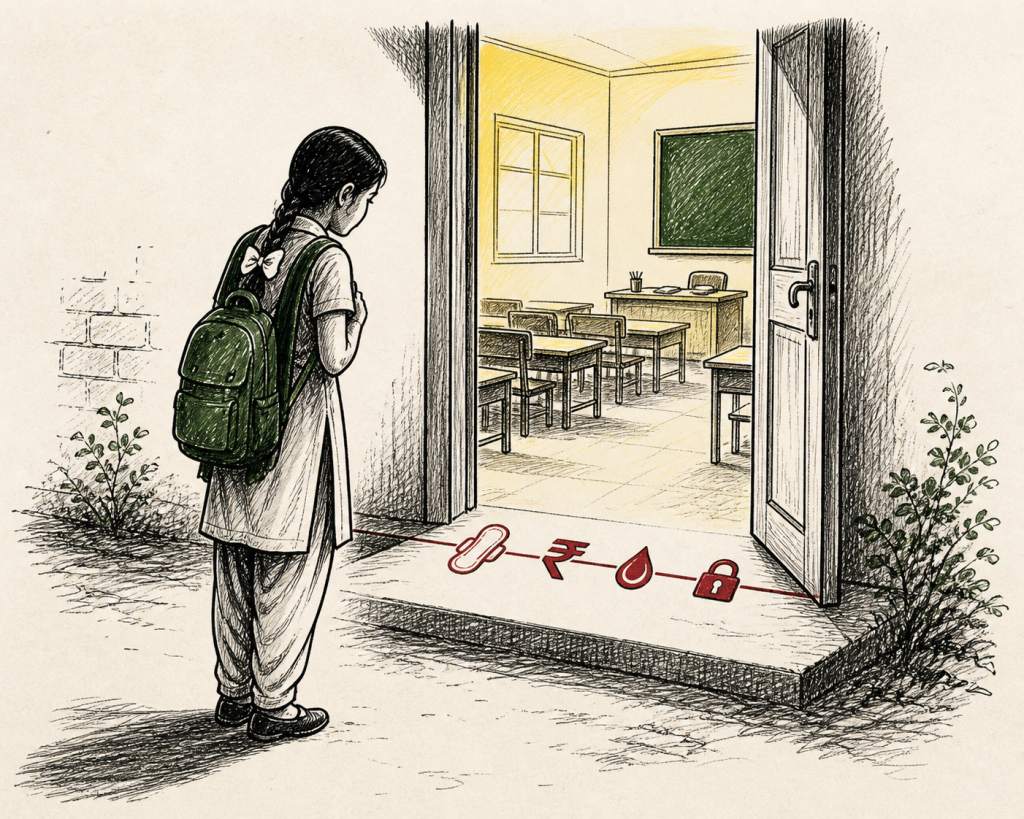
Menstrual Hygiene Day, observed globally on 28 May, draws attention to the 500 million women and girls worldwide who lack adequate access to menstrual hygiene products and safe sanitation facilities
In India, approximately 71% of girls report having no knowledge of menstruation before their first period, and nearly 23 million girls drop out of school annually due in part to inadequate menstrual hygiene facilities
Cultural stigma, economic barriers and insufficient infrastructure — particularly in rural and low-income communities continue to limit women’s and girls’ participation in education, employment and public life
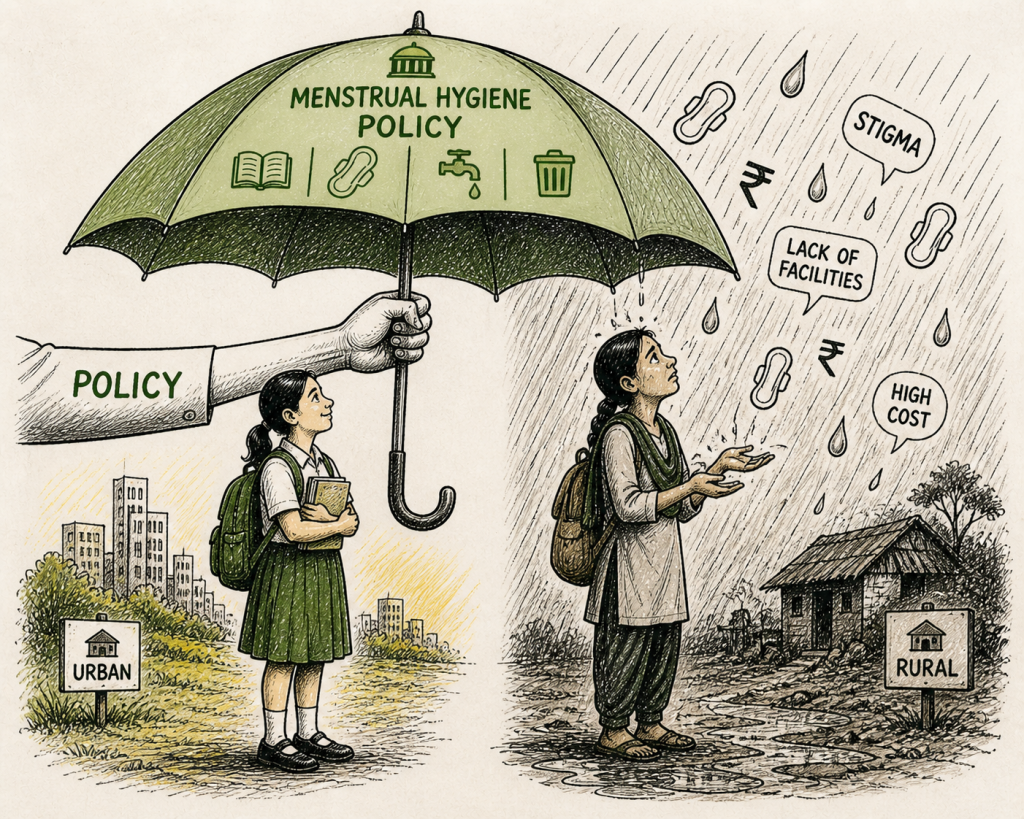
India’s National Menstrual Hygiene Policy represents a significant policy step, but implementation gaps, especially in rural areas and informal workplaces, remain a critical challenge
Grassroots programmes including Smile Foundation’s Swabhiman initiative are demonstrating that community-level awareness, peer education and one-on-one counselling can produce lasting behavioural change where national campaigns have not yet reached
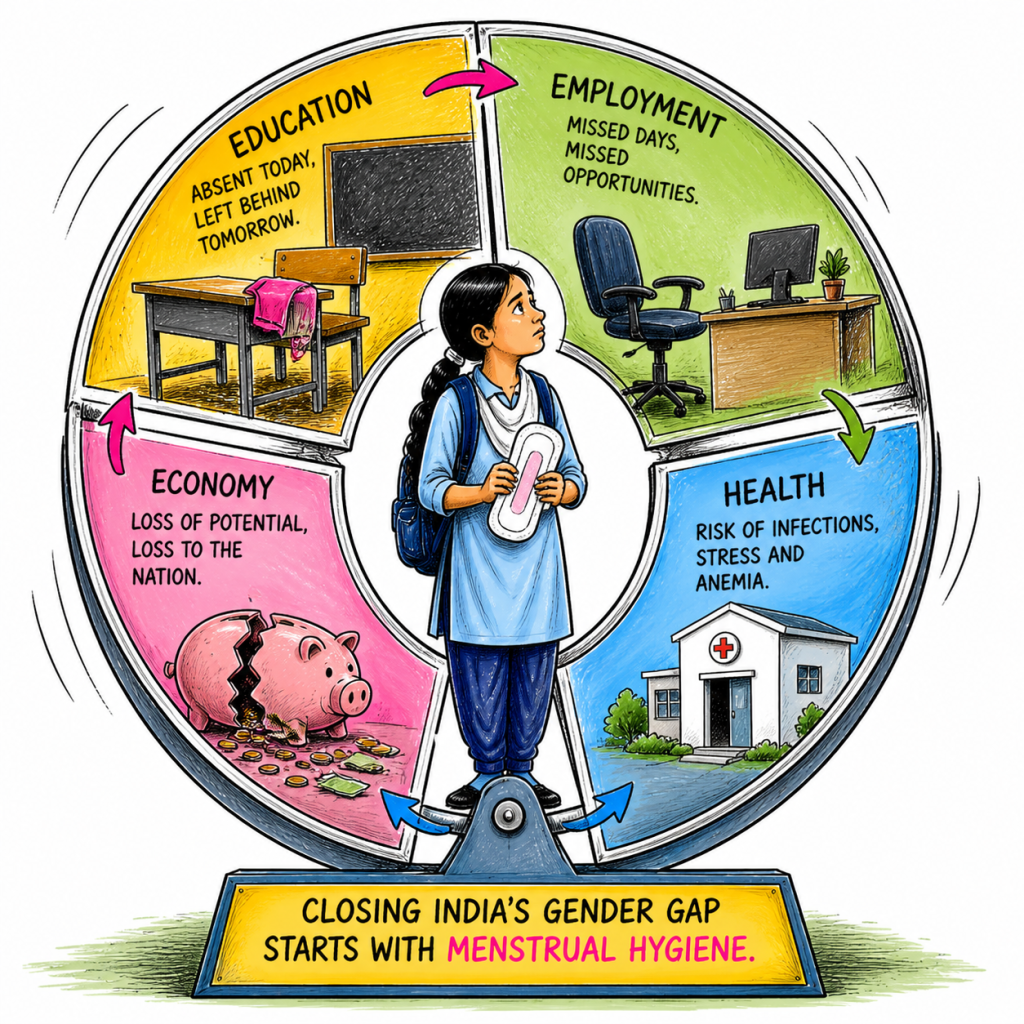
Menstrual hygiene is directly connected to girls’ education, women’s employment, adolescent mental health and India’s broader gender equity agenda
A Day That Should Not Need to Exist
Every year on 28 May, the global public health community observes Menstrual Hygiene Day — an occasion created in 2014 by the German NGO WASH United to draw attention to the fact that, for hundreds of millions of women and girls, managing menstruation safely and with dignity remains an unresolved challenge.
The date is not arbitrary. May has 28 days, and 28 is the average length of the menstrual cycle — a small but deliberate act of destigmatisation embedded in the calendar itself.
In an ideal world, Menstrual Hygiene Day would not need to exist. Menstruation is a biological function, experienced by roughly half the world’s population for a significant portion of their lives. The infrastructure, products and social norms needed to support it safely and without shame are neither technologically complex nor prohibitively expensive. And yet, globally, an estimated 500 million women and girls lack adequate access to menstrual hygiene products and sanitation facilities. In India, the numbers and the stories behind them make Menstrual Hygiene Day not just relevant but urgent.
The Scale of the Problem: What the Data Says
Period hygiene in India sits at the intersection of several compounding disadvantages — poverty, rural geography, gender inequality and cultural stigma — that make it simultaneously a health issue, an education issue, an economic issue and a human rights issue.
According to the National Family Health Survey, only about 64% of women aged 15–24 in India use hygienic methods of protection during menstruation. The figure masks significant variation: in urban areas, access to and use of sanitary products is considerably higher than in rural communities, where disposable pads may be unavailable, unaffordable or culturally unfamiliar. Cloth, ash, sand and husks are still used in some communities — materials that carry serious risks of infection when not managed carefully.
The knowledge gap compounds the access gap. Research consistently shows that approximately 71% of girls in India have no knowledge of menstruation before their first period. Their first experience is thus not simply biological — it is frequently frightening, confusing and accompanied by restrictions imposed by family and community norms that they have not been prepared to understand or question.
UNICEF estimates that in South Asia, one in ten girls misses school during menstruation. For India specifically, the figure translates into an estimated 23 million girls who drop out of school annually — a number influenced by, though not reducible to, menstrual hygiene factors. When a school does not have a private, clean toilet for girls, when there is no mechanism for disposing of sanitary products, when a girl has no products at all — attendance becomes a choice between dignity and education. Too often, dignity loses.
The Education Dimension: When Periods End Schooling
Girls who miss school during menstruation fall behind in their studies. Over time, accumulated absences widen the gap between them and their peers, reducing academic confidence and increasing the likelihood of dropout. In contexts where girls are already navigating pressure to prioritise domestic responsibilities or early marriage over schooling, the added disruption of unmanaged menstruation can be the tipping point.
The infrastructure dimension is direct and addressable. A 2019 UNICEF report found that less than half of schools in low- and middle-income countries had adequate single-sex sanitation facilities. In India, while the situation has improved since the Swachh Bharat Mission brought new attention to school sanitation, quality and maintenance remain inconsistent — particularly in rural government schools. A toilet that exists but is broken, dirty or lacks a door does not serve the same function as one that is clean, private and usable.
But infrastructure alone is insufficient. The stigma that surrounds menstruation in many communities means that girls manage their periods not just with inadequate facilities but with shame — afraid to ask for help, afraid to be seen, afraid to acknowledge a biological reality that their bodies impose on them regardless of social permission. This stigma is absorbed in childhood and carried into adulthood, shaping women’s relationship with their own health for decades.
National Menstrual Hygiene Policy
The National Menstrual Hygiene Policy was a ground-breaking initiative in this context. Aimed at addressing the menstrual health needs of women and girls across the country, the policy is expected to promote menstrual hygiene management and break the silence surrounding menstruation.
Furthermore, the policy prioritises the establishment of menstrual hygiene facilities in schools, workplaces and public spaces to ensure that women and girls have access to clean and private facilities for managing their periods with dignity and comfort.
By implementing the National Menstrual Hygiene Policy, India is not only prioritising the health and well-being of its female population but also taking a significant stride towards achieving gender equality and social inclusion.
But…
Employment and Economic Participation: The Workplace Dimension
The consequences of inadequate menstrual hygiene management do not end when a girl leaves school. They follow her into the workplace, and in the informal sector, where the majority of India’s working women are employed, they are particularly acute.
Women working in fields, factories, domestic employment, and construction sites often have no access to private toilets, no mechanism for managing or disposing of sanitary products during working hours, and no cultural space to acknowledge that menstruation affects their ability to work under current conditions. The result is absenteeism, reduced productivity and the kind of quiet health management that involves ignoring physical discomfort for extended periods with long-term health consequences.
The World Bank has estimated that poor menstrual hygiene management costs India approximately 0.4% of GDP annually in lost productivity — a figure that, while difficult to verify precisely, points toward the scale of the economic argument for investing in menstrual health. When women can manage menstruation safely and without disruption, they work more consistently, perform more effectively and are better positioned to advance.
Workplace menstrual leave policies which have been introduced by some Indian companies and have been the subject of significant public debate represent one approach to acknowledging the reality of menstruation in employment contexts. The debate around these policies is itself instructive: it reveals how contested the basic acknowledgement of menstruation as a workplace-relevant reality remains, even in relatively progressive organisational settings.
Cultural Stigma and Social Norms: The Invisible Barrier
No discussion of period hygiene in India is complete without honest engagement with the cultural dimension. Across communities, cutting across religion, region and socioeconomic status, menstruation is surrounded by restrictions, taboos and practices that communicate, to girls and women, that their bodies are sources of impurity during their periods.
These restrictions vary in form: prohibition from entering temples or kitchens, exclusion from family rituals, requirements to sleep separately, prohibitions on touching certain foods. What they share is the underlying message that a menstruating woman is, in some fundamental way, a problem to be managed rather than a person to be supported.
The health consequences of these norms are real. When girls are not permitted to wash during menstruation, or when the cloth they use cannot be dried in sunlight for fear of social stigma, the risk of infection increases. When menstruation is not discussed openly, girls cannot seek help when they experience symptoms that require medical attention. When the subject is taboo, the knowledge needed to manage it safely cannot be transmitted.
Breaking this stigma is not a simple communication challenge. It is a social change process that requires sustained engagement with communities, families, religious leaders and institutions, and it requires that the people doing this engagement are trusted by the communities they are working with.
India’s Policy Response: Progress and Persistent Gaps
India has taken meaningful policy steps on menstrual health. The National Menstrual Hygiene Policy developed with input from multiple ministries and civil society organisations provides a framework for promoting menstrual hygiene management across education, health and sanitation systems. The Pradhan Mantri Jan Arogya Yojana and various state-level schemes have included provisions for sanitary product access. Some states provide free sanitary napkins to girls in government schools.
These are genuine advances. But implementation gaps which are the consistent challenge of Indian social policy limit their impact significantly. Free sanitary products that do not reach schools, toilet infrastructure that is not maintained, health education that is delivered once and not reinforced, these are the points at which policy intent and lived reality diverge.
The economic barrier to menstrual products also deserves direct attention. While the GST on sanitary napkins was removed in 2018, affordable products remain inaccessible for many low-income women, particularly in rural areas where distribution networks are limited. Biodegradable and reusable alternatives which have environmental advantages alongside their cost advantages are growing in availability, but awareness and acceptance vary considerably.
Grassroots Change: What Smile Foundation’s Swabhiman Initiative Shows
The most sustainable change in menstrual health awareness and practice in India is happening at the community level, and it is being driven by the kinds of trusted, sustained engagement that national programmes cannot replicate.
Smile Foundation’s Swabhiman initiative is built on the understanding that menstrual health awareness requires relationships. Through community engagement, group sessions and one-on-one counselling with adolescent girls and women, the programme creates spaces where menstruation can be discussed openly, questions can be asked without embarrassment, and knowledge can be applied to real lives.
The results of this approach are visible not just in changed behaviour but in changed relationships. Girls who participate in Swabhiman sessions begin talking about menstruation at home and at school — conversations that were previously impossible. Peers influence peers. Communities that were resistant gradually open. The change is slow, but it is deep.
Shivani’s story illustrates what this looks like in practice. When she first attended a Swabhiman group meeting, she was too shy to speak. She had never heard menstruation discussed openly before. The first session changed her understanding of her own body, and when she began applying what she had learned, she found daily life easier to navigate. She started answering questions from friends at school. She became a peer educator, leading awareness sessions in her community. She does not think of herself as a change-maker. She just thinks that important knowledge should be shared.
This peer multiplication effect where one informed girl becomes the entry point for many others is one of the most powerful mechanisms available in menstrual health education, and it is one that Smile Foundation’s model is explicitly designed to activate.
The Environmental Dimension: A Growing Concern
Any comprehensive discussion of menstrual hygiene on Menstrual Hygiene Day must also acknowledge the environmental dimension of menstrual product use.
India generates an estimated 113,000 tonnes of menstrual waste annually, the vast majority of which consists of disposable synthetic sanitary products that take hundreds of years to decompose. Improper disposal — in open drains, water bodies and open land — poses environmental and public health risks. The scaling up of disposable product access, while addressing one dimension of menstrual equity, creates another challenge that requires attention.
The growing availability of reusable options — menstrual cups, cloth pads, and biodegradable products — offers a partial response to this challenge. But uptake requires awareness, cultural acceptance and access to washing facilities that are not universally available. Integrating environmental sustainability into menstrual health programming is an area that deserves more deliberate attention from both policymakers and civil society.
Dignity Is Not Optional
Menstrual Hygiene Day is a reminder that the distance between where India is and where it needs to be on menstrual health is still significant — but that it is being closed, community by community, conversation by conversation, peer educator by peer educator.
The investment required to close it is modest relative to its returns. A girl who can manage her period safely and without shame attends school more regularly, learns more effectively, enters the workforce with greater confidence and navigates her health with more agency. These outcomes compound across a lifetime, and across generations.
Period dignity is not a niche concern. It is a foundational dimension of gender equity and Menstrual Hygiene Day exists to ensure that it is treated as such.
Frequently Asked Questions(FAQs): Menstrual Hygiene Day
What is Menstrual Hygiene Day and when is it observed?
Menstrual Hygiene Day is a global awareness day observed every year on 28 May. It was initiated in 2014 by the German NGO WASH United to highlight the importance of good menstrual hygiene management for the health, dignity and well-being of women and girls worldwide. The date is deliberate — May is the fifth month of the year, and 28 represents the average length of the menstrual cycle. The day brings together governments, NGOs, healthcare organisations and communities to advocate for improved access to menstrual products, sanitation and education.
Why is menstrual hygiene important for girls’ education in India?
Inadequate menstrual hygiene directly affects girls’ school attendance and academic performance. When schools lack clean, private toilet facilities and girls have no access to sanitary products, menstruation becomes a reason to stay home, and repeated absences accumulate into significant educational setbacks. An estimated 23 million girls in India drop out of school annually, with menstrual hygiene being one contributing factor. When proper facilities and products are available and when menstrual health education reduces stigma, girls attend school more consistently and participate more actively in their education.
What are the main barriers to menstrual hygiene access in India?
The barriers are multiple and interconnected. Economic barriers prevent many low-income women and girls from affording commercial sanitary products. Geographic barriers limit product availability in rural and remote areas. Infrastructure barriers, particularly the absence of clean, private toilets in schools and workplaces, make safe management difficult even when products are available. Cultural barriers, including stigma and taboos around menstruation, prevent open discussion, limit knowledge transmission and discourage girls and women from seeking help. Addressing menstrual hygiene in India requires engaging all of these dimensions simultaneously.
What is India’s National Menstrual Hygiene Policy?
India’s National Menstrual Hygiene Policy provides a framework for improving menstrual hygiene management across education, health and sanitation systems. It prioritises the establishment of menstrual hygiene facilities in schools, workplaces and public spaces, and promotes comprehensive menstrual health education. Several state governments have implemented programmes providing free sanitary napkins to girls in government schools. While the policy represents a significant step forward, implementation gaps in infrastructure maintenance, product distribution and sustained education remain a challenge, particularly in rural communities.
How does menstrual stigma affect women’s health and well-being?
Menstrual stigma — the cultural norms and taboos that treat menstruation as impure or shameful — has direct health consequences. When menstruation cannot be discussed openly, girls and women cannot seek medical attention for symptoms that require it. Restrictions on washing, or on drying cloth in sunlight, increase infection risk. The psychological burden of managing a normal biological process with shame and secrecy affects mental health and self-esteem, particularly among adolescents. Breaking menstrual stigma is not only a social good, it is a health intervention.
What role does Smile Foundation play in menstrual health awareness?
Smile Foundation’s Swabhiman initiative works directly with adolescent girls and women in underserved communities to build menstrual health awareness and promote safe menstrual hygiene practices. Through community group sessions and one-on-one counselling, the programme creates spaces where menstruation can be discussed openly and knowledge can be applied practically. The programme’s peer education model — where informed girls become advocates in their own communities — produces a multiplication effect that extends reach beyond direct programme participants and creates lasting community-level change.
What are the environmental concerns associated with menstrual products?
India generates an estimated 113,000 tonnes of menstrual waste annually, primarily from disposable synthetic sanitary products. These products take hundreds of years to decompose and, when improperly disposed of — in drains, water bodies or open land — create environmental and public health risks. Reusable alternatives, including menstrual cups, cloth pads and biodegradable products, offer more sustainable options but require awareness, cultural acceptance and access to washing facilities. Integrating environmental sustainability into menstrual health programming is an increasingly important dimension of menstrual equity advocacy.
How can organisations and individuals support Menstrual Hygiene Day?
Individuals can support Menstrual Hygiene Day by talking openly about menstruation in families, schools and workplaces to reduce stigma and normalise the conversation. Donating menstrual products to organisations working with underserved communities, supporting advocacy for policy improvements and amplifying the work of organisations like Smile Foundation are all meaningful contributions. For organisations, investing in workplace menstrual hygiene facilities, implementing supportive HR policies and partnering with NGOs that deliver menstrual health programming in underserved communities translates institutional support into on-ground impact.
Women-Owned Businesses Generating Millions of Jobs
Priya, a young entrepreneur in the bustling city of Mumbai, has started her own organic skincare brand. At first, she began making these products with the help of her mother and grandmother from her kitchen. She used Instagram and other social media platforms to promote her products. Initially, she got orders from friends and family. Gradually, as people recommended her products to others, the business started growing rapidly.
Eventually, Priya had to rent a small place and hire five women to fulfil the demand. From there, she did not look back and continued moving forward. What began as a small home-based business has now grown into a thriving enterprise, employing over 50 women from her community. Priya’s story is a testament to the transformative power of women-owned businesses in generating employment and fostering economic growth.
One of the most important points to focus here is that Priya chose to employ local women in her business. This is because she not only wanted to generate profits for herself, but also benefit all the women she could. As a woman, she knew the struggles that women had to face when they were not financially independent. She knew that women had the same talents as men, but lack of opportunities meant that they were not able to find economic footing for themselves.
At the same time, she also understood the unique challenges that women in her community faced and what barred them from being a part of the mainstream workforce. They had to juggle between family responsibilities and taking care of the kids. This meant that they could not work during typical hours. In her business, she provided the flexibility to her employees to create their own schedule and stick to it. She also understood issues specific to women like menstruation, pregnancy, etc., and was accommodating when such situations arose.
This shows how women-owned businesses can create a better work environment for the female employees. Women-owned businesses are a vital component of economic development, particularly in a diverse and populous country like India. These enterprises not only contribute to GDP but also play a crucial role in job creation.
Current Landscape in India
According to the Sixth Economic Census, women constitute about 14% of the total entrepreneurs in India, which translates to 8.05 million out of the 58.5 million entrepreneurs. These businesses range from agriculture to manufacturing and from retail to services. Considering the challenges that exist in our society today, women entrepreneurs have shown remarkable resilience and have managed to create a mark in the field of business.
Potential of Job Creation
More businesses mean more employment. A report by Bain & Company and Google highlights that accelerating women entrepreneurship in India can generate 150-170 million jobs by 2030. This potential is significant, considering that it accounts for more than 25% of the new jobs required for the entire working-age population by 2030.
For a growing economy like India, which is currently enjoying a demographic dividend, this is good news. Women constitute a big section of our population and by encouraging more and more women to start their own businesses, we can ensure addition of millions of new jobs. It should also be noted that women-owned businesses also tend to employee more women employees and thus they create a far-reaching impact on transformation of families and communities.
Impact on Economy
When innovation and entrepreneurship flourishes, it generates more employment, increases income-levels and creates an overall positive impact on the economy. Globally, women-owned businesses generate $2.7 trillion in revenue and employ 12.2 million people. Particularly, in the case of India, these businesses are crucial because they often operate from smaller areas and create a significant impact in the local communities. This can help in boosting rural economy as well. We can see this through the example of businesses which employ women in villages to manufacture organic products that are exported throughout the country and the globe.
Barriers to Growth
While women entrepreneurs have been growing by leaps and bounds, they still face a lot of barriers, especially because of the societal biases. According to a report by the International Finance Corporation (IFC), women in India face a financing gap of $158 billion. Addressing these barriers is essential for unlocking the full potential of women-owned businesses. If existing women entrepreneurs came forward to fund businesses started by other women, it could create a ripple effect.
Government Initiatives
The role of government in enabling women entrepreneurship in the country cannot be ignored. Through its policies targeted towards encouraging women to start their own businesses, government can create the groundwork for important changes. There are some initiatives that the government has already launched. Schemes like the Stand-Up India initiative, which provides loans to women and SC/ST entrepreneurs, and the Mahila E-Haat, an online marketing platform for women, are steps in the right direction. Additionally, the Ministry of Micro, Small and Medium Enterprises (MSME) offers various schemes to support women-owned businesses.
Role of NGOs
While government performs its duties to boost women-led businesses, NGOs also play a crucial role in this area. By creating and supporting women self-help groups, training women, and providing initial funding and support to start the businesses, NGOs help women, especially in the rural areas to become economically independent.
Global Examples
India can learn from how women-led businesses have contributed to the growth of economies in other countries. In the United States, women-owned businesses represent 39.1% of all businesses, employing 12.2 million people and generating $2.7 trillion in revenue. In Rwanda, the Women for Women International program has helped over 77,000 women start their own businesses, contributing to economic growth and stability
Women entrepreneurship is not new in India. One of the biggest examples of this is Lijjat Papad. It is a cooperative started by seven women in Mumbai in 1959, which has grown into a multi-million-dollar enterprise employing over 45,000 women across India. The cooperative model has empowered women by providing them with a steady income and a sense of ownership.
Today, there are businesses started by women like Zivame and Sugar Cosmetics that are changing the landscape of entrepreneurship in the country. To harness the full potential of women-owned businesses like in Smile Fondation’s women empowerment Swabhiman, it is essential to address the barriers they face. This means improving access to finance for these initiatives, creating a policy environment that supports them, and availability of mentorship and training programmes.
Collaboration between the government, private sector and NGOs is crucial for creating an ecosystem that nurtures women entrepreneurs. By supporting and empowering women entrepreneurs, India can unlock a significant source of employment and drive inclusive development.