Categories
Insights Smile

How to Verify an NGO Before Donating Online in India — A Complete Safety Guide

If you want to know how to verify an NGO before donating, the short answer is this. Check three things: legal registration (Darpan ID, 12A, 80G), financial transparency (audited annual reports) and ground presence (verifiable programmes and beneficiary stories). If an NGO cannot show you all three within a few minutes, treat that as a warning sign.

India has thousands of organisations doing genuine, life-changing work. It also has a small but real number of fraudulent operators who exploit people’s goodwill, especially during disasters, festivals and year-end giving seasons. The good news is that verifying an NGO does not require legal training or hours of research. It requires knowing where to look and what to look for.

This guide walks you through exactly how to verify NGO before donating, using government databases, financial records and on-ground evidence, so your generosity reaches the people it is meant for.

Unlocking vibrant communities through impact

Verify an NGO Before Donating Is So Important

Every year, well-meaning donors lose money to organisations that either do not exist as claimed or do not use funds the way they promise. This is not about distrust. It is about due diligence, the same kind you would apply before any financial decision.

A genuine NGO will never be offended by your questions. It will have nothing to hide.

Verification protects you in a few concrete ways. It confirms your donation is tax-deductible under Section 80G. It ensures the organisation is legally accountable to a regulator, not just to its own claims. And it gives you confidence that your contribution funds real programmes, not administrative overheads or, worse, personal accounts.

In India, NGOs operate under multiple layers of oversight, the Income Tax Department, the Ministry of Home Affairs for foreign funding, and state-level registrars. Each layer leaves a paper trail you can check.

Verify before you donate

Step 1: Check the NGO’s Legal Registrations

Every legitimate NGO in India holds a basic set of legal registrations. Think of these as the equivalent of a business license. If an organisation cannot produce them, that alone should give you pause.

80G and 12A Registration

Section 12A of the Income Tax Act exempts an NGO’s income from taxation, provided that income is used solely for charitable purposes. Section 80G is different. It allows you, the donor, to claim a tax deduction on your contribution. Without 80G registration, individuals or organisations donating will not receive a deduction from their taxable income.

If an NGO was registered under the old 12A, 12AA, or 80G provisions before April 2021, it must have re-registered under the newer Section 12AB framework following the Finance Act amendments. Registrations granted since 2020 are typically provisional for three years, after which the NGO must apply for renewal.

This means an NGO’s 80G certificate is not a one-time stamp. It expires and must be renewed. Always ask for the current validity period, not just a certificate number.

FCRA Status

If an NGO accepts donations from outside India, including from NRIs holding foreign passports, it needs separate authorisation under the Foreign Contribution (Regulation) Act, 2010. No Indian NGO, trust, society, or Section 8 company can legally receive any foreign donation, even a single rupee, without FCRA registration or prior permission.

The eligibility bar is meaningfully high. An NGO must be registered for at least three years and have spent a minimum of ₹15 lakh on genuine charitable activities during that period, in addition to holding a valid NGO Darpan registration and a clean compliance record. All foreign contributions must flow through a single designated FCRA account at the State Bank of India’s New Delhi branch, a rule introduced in the 2020 amendment.

As of 2026, only around 16,000 NGOs hold active FCRA registration in India, a sharp decline from over 40,000 before the stricter 2020 compliance requirements took effect. This narrowing is worth knowing. It means FCRA status today is a meaningfully stronger credibility signal than it was a few years ago. If you are donating internationally or your NGO claims overseas partnerships, ask to see the FCRA registration number and cross-check it on the official portal.

Darpan Portal — Government NGO Database

The NGO Darpan portal, run by NITI Aayog, is your single most useful verification tool. It is accessible at ngodarpan.gov.in. Launched in 2015, it functions as a centralised, national database of NGOs and voluntary organisations across India.
Registration is not technically compulsory for every NGO, but it is practically essential. Darpan registration is mandatory for any NGO seeking foreign contributions under FCRA or government grants under various schemes. It is also a precondition for 80G registration, since NGOs applying for 80G must provide their Darpan registration details.

A genuine NGO will readily share its Darpan Unique ID. You can search this ID directly on the portal to confirm the organisation’s registered name, sector of work and registration status match what they have told you.

One practical tip from due-diligence researchers is worth repeating here. Take a screenshot of the NGO’s Darpan profile page before donating, so you have a record of their listed credentials in case anything is disputed later. The official Darpan certificate carries a QR code that should redirect to the live ngodarpan.gov.in profile when scanned; certificates where the QR code instead links to the NGO’s own website are a red flag worth investigating further.

Step 2: Review Their Annual Reports and Audit Statements

Legal registration tells you an NGO exists on paper. Financial transparency tells you what it actually does with money.

A credible NGO publishes audited annual reports, ideally certified by a chartered accountant, showing income, expenditure and programme spending. Look specifically for the breakdown between programme costs and administrative overhead. Under FCRA rules, organisations cannot spend more than 20% of foreign contributions on administrative expenses, a cap that was reduced from 50% in the 2020 amendment. While this rule technically applies to foreign funds, it is a useful benchmark for domestic donations too. An NGO spending the bulk of its budget on staff salaries, travel and overhead, with little reaching actual beneficiaries, deserves closer scrutiny.

Also check whether the NGO files its returns on time. FCRA-registered organisations must file annual FC-4 returns by December 31 each year. A pattern of late or missing filings, visible on the Darpan portal or the FCRA website, is worth noting.

A word of caution here. A significant share of Darpan-registered NGOs do not upload current audited financial statements, and this kind of non-compliance can itself be a sign of operational issues, even without outright fraud. If an NGO’s most recent published report is several years old, ask why.

Step 3: Check Their Work on the Ground

Paperwork alone does not prove impact. The strongest verification combines documentation with visible, real-world activity.

Field Presence and Beneficiary Stories

Genuine NGOs can usually point to specific locations, schools, health centres or community programmes you can verify independently. Look for named project sites, partner institutions or government bodies they work alongside. Organisations with a long operating history typically have a digital trail, news coverage, government acknowledgements, partnership announcements, stretching back years, not just a recently created website.

If possible, ask the NGO directly for references, case studies with verifiable details, or an opportunity to speak with field staff. Legitimate organisations respond promptly to due-diligence questions, while defensive responses such as questioning why you are asking, or implying that other donors do not ask such questions, are themselves red flags.

Media Coverage and Awards

Independent media coverage, government recognition or third-party evaluations add another layer of confidence. This does not mean every credible NGO will have press coverage, smaller, grassroots organisations often do not. But for larger NGOs claiming national reach, an absence of any independent verification of their work is worth noting.

Red Flags That Indicate a Fake or Untrustworthy NGO

Watch for these warning signs before making any donation.

  • The organisation cannot or will not provide a Darpan Unique ID, PAN or 80G certificate number when asked.
  • Pressure tactics, urgency, emotional manipulation or refusal to answer basic questions about registration.
  • Donation requests made only through personal UPI IDs, WhatsApp links, or unofficial payment channels rather than a verified institutional account.
  • No published, dated annual report or audited financial statement.
  • A website or social media presence created very recently, with no verifiable history of work.
  • Vague descriptions of programmes with no specific locations, partner institutions, or measurable outcomes.
  • Registration certificates with QR codes that do not link back to the official government portal.
  • Claims of FCRA eligibility or foreign-funded projects that cannot be verified against the Ministry of Home Affairs database.

If you encounter several of these together, it is reasonable to walk away from the donation, regardless of how compelling the appeal sounds.

Trusted Platforms to Verify an NGO before donating in India

Beyond the government’s own databases, a few independent platforms exist specifically to help donors assess NGO credibility.

NGO Darpan (ngodarpan.gov.in) remains your primary government source for registration status and basic organisational details. The Income Tax Department’s e-filing portal allows you to verify 80G and 12A registration numbers directly. The Ministry of Home Affairs FCRA portal lets you confirm whether an NGO is currently authorised to receive foreign contributions.

Independent assessment platforms such as GuideStar India and Credibility Alliance evaluate NGOs against governance, financial transparency and accountability standards, offering a useful second opinion beyond government registration alone. These platforms typically require NGOs to proactively disclose detailed financial and governance information, which itself filters out organisations unwilling to be transparent.

Using two or three of these sources together, rather than relying on just one, gives you a far more complete picture than any single check.

Why Smile Foundation Is a Verified and Trusted NGO

A fingerprint of change and impact: How to verify an NGO before donating

Smile Foundation has worked with underserved communities across India for over two decades, with programmes spanning education, healthcare, livelihoods and women’s empowerment. The organisation maintains its registration on the NGO Darpan portal, holds valid 12A and 80G certification and publishes audited annual reports detailing how donations are used.

Its flagship initiatives, including Mission Education, Health Cannot Wait and the Smile Twin e-Learning Programme, operate across multiple states with documented, verifiable reach. This is the same standard of transparency this guide encourages you to look for in any organisation before you give.

If you are looking to support genuine, accountable work, you can review Smile Foundation’s programmes and registration details directly and choose to donate or partner with confidence.

FAQs — How to Verify an NGO Before Donating

How to verify an NGO before donating if it is registered and genuine in India?

Start with the NGO Darpan portal to confirm its Unique ID, then cross-check its 80G and 12A registration on the Income Tax Department’s portal. Genuine NGOs will readily share these details without hesitation.

What is the Darpan portal and how does it help verify NGOs?

NGO Darpan is a government portal run by NITI Aayog that maintains a centralised database of NGOs across India, giving each registered organisation a Unique ID. You can search this ID to confirm an NGO’s legal status and basic details.

What registrations should a legitimate NGO have in India?

At minimum, look for Darpan registration, 12A registration for tax-exempt status, and 80G registration if you want your donation to be tax-deductible. NGOs accepting foreign funds should also hold valid FCRA registration.

How do I check an NGO’s financial transparency?

Ask for their most recent audited annual report and review the split between programme spending and administrative costs. Reputable NGOs publish this information publicly, often on their own websites.

What are the warning signs of a fake NGO in India?

Reluctance to share registration numbers, pressure to donate immediately, requests routed only through personal payment apps, and an absence of any verifiable track record are all significant warning signs.

Can I verify an NGO’s 80G registration on the income tax website?

Yes. The Income Tax Department’s e-filing portal allows you to search registration status using the organisation’s PAN or registration number.

What is FCRA and which NGOs have it? FCRA is the Foreign

Contribution (Regulation) Act, which legally permits NGOs to receive donations from outside India. Only about 16,000 NGOs in India currently hold active FCRA registration, a meaningful credibility marker given how few qualify.
How do I read an NGO’s annual report to assess credibility?

Look for an independent chartered accountant’s audit certification, a clear breakdown of income and expenditure and details of specific programmes funded during the year.

Which platforms help verify NGOs in India?

NGO Darpan, the Income Tax e-filing portal, the MHA’s FCRA portal and independent assessment platforms like GuideStar India and Credibility Alliance together offer a thorough verification picture.

Is Smile Foundation a registered and verified NGO?

Yes. Smile Foundation holds valid Darpan, 12A and 80G registration and publishes audited annual reports detailing its programme spending across education, healthcare and livelihood initiatives nationwide.

Your generosity deserves to reach people who genuinely need it. Take a few minutes to verify before you give and consider supporting an organisation like Smile Foundation, where transparency and accountability are built into how we work, not added as an afterthought.

Categories
Education In The Spotlight Insights

Difference Between Literacy and Education in Human Development

Summary

  • Literacy means basic reading, writing and numeracy skills.
  • Education is broader, building critical thinking, values and life skills.
  • Rising enrolment in India hasn’t always meant stronger learning outcomes.
  • ASER data shows many enrolled children still struggle to read.
  • Smile Foundation’s Mission Education supports over 160,000 children across 27 states.
The iceberg of hidden skills

When talking about human development, the terms literacy and education are often used interchangeably. While they are closely related, they are not the same. Understanding the difference between literacy and education is essential for policymakers, educators, development practitioners and organisations working to improve lives through learning.

At its simplest, literacy refers to the ability to read, write and use basic numerical skills in everyday life. Education, on the other hand, is a broader lifelong process that equips individuals with knowledge, critical thinking, values, life skills and the capacity to participate meaningfully in society. A person may be literate without being truly educated, just as someone may have years of schooling but lack functional literacy if foundational skills are weak.

Recognising the difference between literacy and education is particularly important in countries like India, where increasing enrolment rates have not always translated into stronger learning outcomes or improved life opportunities.

donate for child education

Literacy is the foundation of learning

Literacy is often described as the first building block of development. According to UNESCO, literacy extends beyond simply recognising words on a page; it enables people to identify, interpret, create, communicate and compute using written materials in different contexts. It empowers individuals to participate effectively in their communities and continue learning throughout life.

Being able to read a medicine label, complete a bank form, understand a bus schedule or send a written message can significantly improve daily life. For millions of adults around the world, literacy is the first step towards greater independence and inclusion. Yet literacy alone has limitations. It provides access to information but does not necessarily ensure understanding, analysis or informed decision-making.

Education goes beyond reading and writing

Education includes formal schooling, vocational training, higher education and lifelong learning experiences that shape knowledge, attitudes, values and capabilities. The Organisation for Economic Co-operation and Development (OECD) has consistently highlighted that quality education aids in developing problem-solving, creativity, collaboration and adaptability. These are skills increasingly necessary in modern economies. 

This broader instance sheds more clarity on the difference between literacy and education. While literacy enables a child to read a science textbook, education enables that child to question ideas, apply scientific reasoning and use knowledge to solve real-world problems.

Further, education also plays a vital role in promoting democratic participation, gender equality, environmental awareness, financial literacy and social mobility. It equips people not only to earn a livelihood but also to make informed choices and contribute positively to society.

Unlocking the doors of opportunity

Why human development depends on both

CSR annual reporting

The United Nations Development Programme defines human development as the process of expanding people’s freedoms, capabilities and opportunities so they can lead healthy, knowledgeable and fulfilling lives. In this framework, education is not merely a social service but a fundamental driver of progress, influencing everything from employment prospects and health outcomes to civic participation, gender equality and economic mobility.

Yet meaningful education cannot exist without a strong foundation in literacy. A child who struggles to read and comprehend in the early years is far more likely to face difficulties across subjects, fall behind academically and eventually disengage from learning altogether. Foundational literacy, therefore, is not the end goal but the gateway through which all subsequent learning takes place. At the same time, literacy alone is insufficient to unlock human potential; it must be complemented by quality education that fosters critical thinking, creativity, problem-solving and lifelong learning.

Recognising the difference between literacy and education is crucial for governments, educators and development organisations alike. It enables them to design interventions that address immediate learning deficits while simultaneously building the broader knowledge, skills and capabilities that empower individuals to participate fully in society and shape their own futures.

Schooling does not always guarantee education

Over the past few decades, progress has been made in getting children back to classrooms. School enrolment rates have risen across much of the world, reflecting sustained investments in access to education. However, being present in school does not necessarily mean that meaningful learning is taking place. The World Bank has characterised this challenge as a global “learning crisis,” noting that millions of children complete several years of schooling without acquiring even basic reading, writing or numeracy skills. 

This reality underscores an important aspect of the difference between literacy and education. Enrolling children in school and ensuring regular attendance are essential first steps, but they do not automatically result in quality education. A student may spend years in a classroom yet struggle to comprehend a simple passage, think critically about information or apply concepts to real-life situations. In such cases, schooling risks becoming a process of earning certificates rather than developing capabilities.

STEM Education

For education to be able to contribute to human development, the focus must be beyond access and infrastructure to include the quality of learning itself. Strengthening foundational literacy, improving teaching practices, encouraging curiosity and analytical thinking and creating supportive learning environments are all essential. Ultimately, the goal should not be merely to keep children in school, but to ensure that their time there equips them with the knowledge, skills and confidence to navigate the world and shape their own futures.

Literacy as a tool for social inclusion

Literacy has the power to transform lives in meaningful ways. Adults who can read and write are often better equipped to access healthcare information, understand their legal rights, manage finances and actively support their children’s education.

The impact is especially significant for women. Research by UNESCO and UNICEF has shown that when girls and women are educated, the benefits extend far beyond the individual. Higher literacy levels among women are associated with better maternal health, lower child mortality and improved educational outcomes for the next generation, creating positive ripple effects across families and communities.

At the same time, literacy by itself is not enough to overcome deep-rooted social and economic inequalities. Lasting empowerment requires an education that also nurtures critical thinking, confidence, leadership, problem-solving abilities and practical skills that enable people to participate fully in society and the workforce.

To understand in the Indian context

India has made significant progress in getting more children into schools, but ensuring that they actually learn remains an ongoing challenge. The Annual Status of Education Report (ASER) has consistently shown how many children in elementary grades struggle to read texts appropriate for their age, even though they are enrolled in school.

These findings highlight why literacy and education are not the same. Being able to read is a vital first step, but true education goes beyond decoding words. It involves developing comprehension, critical thinking, communication skills and the ability to apply knowledge in everyday life.

This also suggests that expanding access alone is not enough. While investments in enrolment and infrastructure are essential, they must be matched by efforts to improve the quality of teaching and learning if children are to receive a meaningful education.

The role of community organisations

Civil society organisations often play a vital role in bridging the gap between literacy and meaningful education, especially in communities where children face social and economic barriers to learning.

One such example is Smile Foundation’s Mission Education programme, which works to expand educational opportunities for children from disadvantaged backgrounds. Through remedial learning support, digital education, teacher engagement and community participation, the programme seeks to create an environment where children can learn, grow and stay connected to education. Rather than focusing only on enrolment or basic literacy, it aims to strengthen the overall learning experience and support children throughout their educational journey.

This commitment is further reflected in our ‘Shiksha Na Ruke’ initiative, which helps children from vulnerable circumstances continue their education and work towards a brighter future. Today, Smile Foundation directly supports the education of more than 160,000 children across 27 states in India.
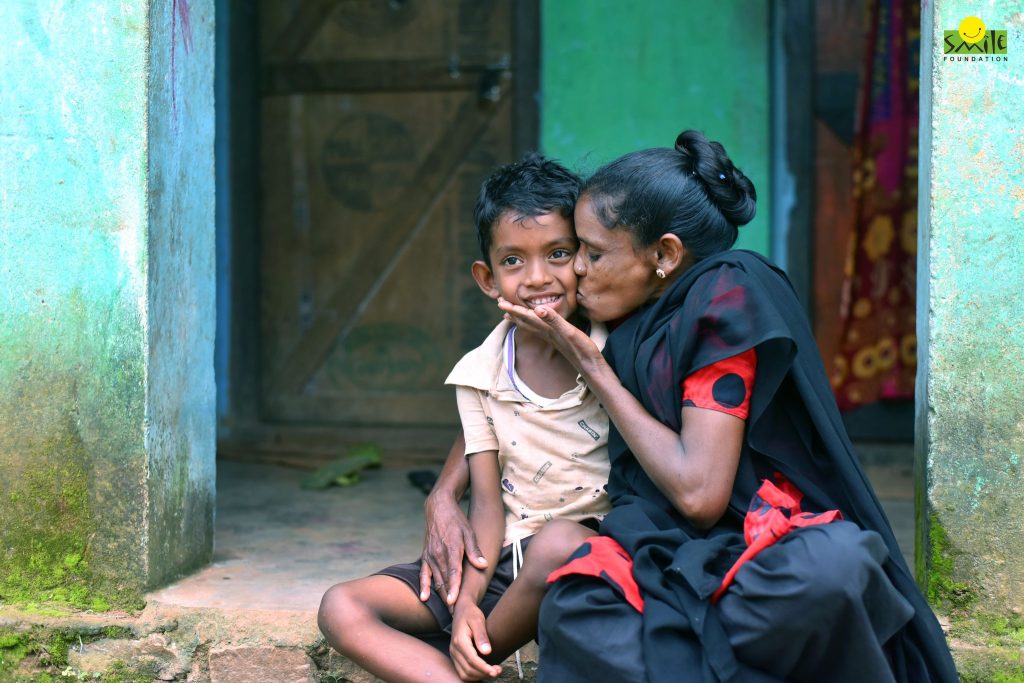
At the heart of these efforts is the belief that education is about more than academic achievement. Children need opportunities to develop confidence, curiosity, life skills, and a sense of responsibility alongside foundational literacy. By involving families, teachers, volunteers and local communities, such initiatives help build a supportive ecosystem where learning can flourish and children are empowered to realise their full potential.

Beyond the numbers

Save Tax on Donations

Literacy rates and school enrolment figures are often used to measure educational progress because they are relatively easy to track and compare. While these indicators are important, they tell only part of the story. Numbers can show how many children are in school or how many adults can read and write, but they do not necessarily reveal the quality of learning taking place.

A community may report high literacy levels and still face challenges such as unemployment, misinformation, or limited opportunities if education has not equipped people with critical thinking, problem-solving abilities, and practical skills. On the other hand, quality education can have far-reaching effects, contributing not only to individual growth but also to better health outcomes, stronger economies, greater gender equality and more active civic participation.

Recognising the difference between literacy and education encourages a more holistic view of development. It reminds policymakers, educators and development practitioners that the goal is not simply to improve statistics, but to ensure that learning empowers individuals and communities to thrive in an increasingly complex world.

Literacy to education growth journey

Frequently Asked Questions (FAQs)

1. What’s the difference between literacy and education?
Literacy is the ability to read, write and use basic numeracy. Education is broader and lifelong.

2. Can someone be literate but not educated?
Yes. A person may read and write but lack critical thinking or problem-solving skills.

3. Why does India face a “learning crisis”?
Many children stay in school for years without gaining basic reading or numeracy skills.

4. Why is literacy especially important for women?
Educated women show better maternal health outcomes and improve learning for the next generation.

5. How does Smile Foundation address this gap?
Through Mission Education and Shiksha Na Ruke, supporting deeper, sustained learning, not just enrolment.

Categories
Health

What is Anganwadi? Meaning, Services, Benefits and Role in Child Development

Summary

  • Anganwadis combine nutrition, healthcare and early learning for children under six.
  • Nearly 14 lakh Anganwadi Centres operate across India, run by lakhs of women workers.
  • ASER 2024 shows Anganwadis are India’s largest provider of pre-primary education.
  • The first six years of life are critical for brain and cognitive development.
  • Smile Foundation has upgraded Anganwadi infrastructure across several states through CSR partnerships.
Anganwadi Infrastructure Deserves a Second Look

Imagine juggling lots of tasks in a day. In a modest community centre, tucked away in a village or a small town, that’s exactly what is happening each day. The workers are managing child care, nutrition, maternal check-ups, early childhood education and a lot more. For millions of children, this is where the story begins. This is where a child receives their first nutritious meal, participates in their first structured learning activity and gains access to basic health services. This place is the Anganwadi.

For five decades, Anganwadi Centres have shaped the lives of millions of children and mothers across India. They have helped fight malnutrition, improved access to healthcare and introduced young children to learning long before they enter a formal classroom. Despite their reach and impact, Anganwadis are often viewed through a narrow lens, seen primarily as centres that distribute food. In reality, they are so much more. Anganwadis sit at the heart of India’s child development ecosystem. They influence how children grow, learn and thrive during the years that matter most.
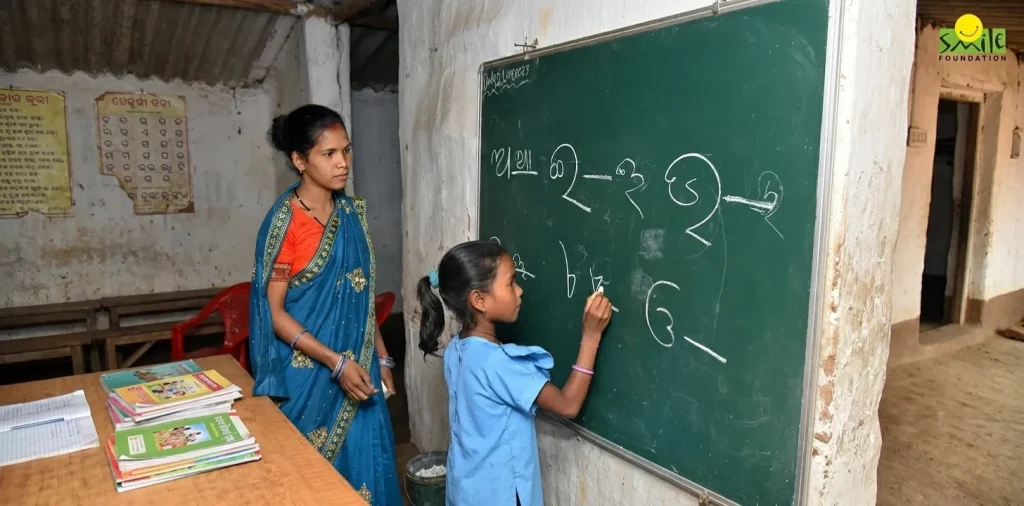
Anganwadi system for child development

The Idea Behind Anganwadis


India recognized the significance of early childhood development long before it became a focal point on the global stage. Back in 1975, the government rolled out the Integrated Child Development Services (ICDS) programme, establishing a comprehensive system aimed at supporting young children, expectant mothers and new moms. The programme was built on a straightforward yet impactful concept: a child’s future hinges not just on education, but also on proper nutrition, health and care during those crucial early years. Anganwadi Centres emerged as the cornerstone of this initiative.

With time, the programme transformed into one of the largest community-based child development networks in the world. According to government statistics, there were 13.96 lakh Anganwadi Centres registered on the Poshan Tracker platform as of June 2023. This impressive network is backed by a dedicated workforce of around 12.8 lakh Anganwadi Workers and 11.6 lakh Helpers.


Far More Than a Nutrition Centre

Anganwadi centre multi-tool concept

Ask people what an Anganwadi does and many will mention food distribution. While nutrition remains a central function, reducing Anganwadis to feeding centres misses the larger picture. An Anganwadi brings together three elements that shape a child’s future: nutrition, healthcare and early learning. Few public institutions combine all three under one roof.

Nutrition is often the first point of contact for families. Children under six receive supplementary nutrition through hot cooked meals and take-home rations, while pregnant and lactating women receive additional nutritional support. Anganwadi Workers regularly monitor children’s growth, tracking height and weight to identify signs of undernutrition at an early stage.


This work has a profound impact that lasts a lifetime. When children don’t get the right nutrition in their early years, it can hinder their physical growth, brain development, immune system and even their ability to learn. Once these developmental gaps appear, it becomes significantly more challenging to address them.

On another note, Anganwadis play a crucial role in connecting communities with the healthcare system. They are instrumental in supporting immunization campaigns, organizing health check-ups and helping families navigate government health programmes. Expectant mothers receive valuable advice on nutrition and maternal care, while new moms get essential counselling on breastfeeding and feeding their infants.

In many communities, particularly those far from formal healthcare facilities, the Anganwadi Worker is often the first person families approach for advice on health and nutrition.


Symbols of care and growth

Anganwadi as the First Classroom

Then comes a role that receives far less attention but may be equally important. For millions of children, the Anganwadi is their first classroom. Through stories, songs, games, drawing and play-based activities, children begin to build the language, communication and social skills they need before they ever step into a school. In these spaces, learning starts to feel structured but still happens in a safe, familiar environment.

It’s easy to underestimate how important this is. The Annual Status of Education Report (ASER) 2024 shows that Anganwadis are still the largest provider of pre-primary education in India, with more than half of all three- and four-year-olds enrolled in them. In many villages, they are the only organised early learning space young children can access. This is why experts increasingly see Anganwadis as early childhood care and development centres, not just nutrition hubs. Their role goes far beyond feeding children. They help create the conditions for children to grow, learn and truly flourish.

Why Child Development Begins Here

The first six years of life represent the most rapid period of human development. During these years, the brain forms critical neural connections that shape learning, behaviour, emotional well-being and health throughout life. What children experience during this period matters enormously. A nutritious meal supports physical growth. Regular health monitoring helps detect developmental concerns before they become severe. Exposure to stories, language and play strengthens cognitive development. Daily interaction with peers helps children build confidence, communication skills and emotional resilience.


These outcomes are deeply interconnected. A child who is well-nourished but lacks opportunities to learn enters school at a disadvantage. Similarly, a child exposed to learning activities may still struggle if poor health or malnutrition affects their development. Researchers increasingly emphasise that child development depends on a combination of nutrition, health, early stimulation and responsive care rather than any one intervention in isolation.

Child development and energy flow

That is precisely where Anganwadis make a difference. They bring these services together at the community level. Instead of treating nutrition, healthcare and education as separate priorities, they address them simultaneously. Few public institutions have a grassroots presence, like Anganwadis do. 

The Women Who Make the System Work

The journey of growth and learning

Behind every Anganwadi stands a workforce of women who perform far more roles than their job titles suggest. Anganwadi Workers and Helpers monitor nutrition, support immunisation drives, conduct home visits, maintain records, organise preschool activities and counsel families on health and childcare practices. 


Despite their importance, many continue to work under difficult conditions, often managing heavy workloads and limited resources. India’s ambitions for better learning outcomes, lower malnutrition rates and stronger human capital cannot be separated from the strength of its Anganwadi system. What it needs now is sustained investment, stronger infrastructure and continued support for the women who keep the system running.


More importantly, Anganwadis deserve to be recognised for what they truly are. They are a child’s first classroom, a mother’s support system and a community’s frontline institution for health, nutrition and early learning.

Smile Foundation, through CSR partnerships like the Mars Wrigley Foundation’s Community Connection grant in Maharashtra, has strengthened Anganwadi infrastructure and services across multiple states. Complementing this, under the Swabhiman women’s empowerment programme, Smile has upgraded Anganwadis in Tamil Nadu, Odisha and other states with toilets, solar lights, water filters and hygiene and nutrition training, while mobile units link families to services—demonstrating its belief that investing in Anganwadis today builds healthier, better-educated communities.

Aspirations in the shadows

Frequently Asked Questions (FAQs)

1. What is an Anganwadi?
A community-based centre offering nutrition, healthcare and early learning for young children and mothers.

2. When did the Anganwadi system start?
It began in 1975 under the Integrated Child Development Services (ICDS) programme.

3. How many Anganwadi Centres exist in India?
Around 13.96 lakh centres were registered on the Poshan Tracker platform as of June 2023.

4. Why are Anganwadis called a child’s first classroom?
Over half of all 3- and 4-year-olds enrolled in pre-primary education attend Anganwadis.

5. How is Smile Foundation supporting Anganwadis?
Through CSR partnerships, Smile Foundation has upgraded infrastructure, hygiene and training across multiple states.

Categories
Girl Child Insights

Government Schemes for Girl Child

Summary

  • Many girls in India still drop out of school due to financial, social and infrastructural barriers. That’s why government schemes are important.
  • The Right to Education Act guarantees free, compulsory education for children aged 6 to 14.
  • Schemes like Samagra Shiksha, NPEGEL and KGBV target retention and access for disadvantaged girls.
  • Scholarship programmes like AICTE Pragati and CBSE Udaan support girls in technical education.
  • Smile Foundation’s Mission Education complements these efforts for marginalised communities.
1 Girl and 111 Trees: Caring about Girl Child in India: Government schemes

With all the progress we’ve made in education and empowering women, it’s disheartening to see that many girls are still kept from getting an education or end up dropping out for various reasons. Education has consistently been one of the most potent instruments for transforming lives, and its importance, particularly for the girl child through government schemes, cannot be overstated. However, the transition from school to higher education remains uncertain for millions of girls in India. Their learning experiences are still being influenced by financial struggles, social obstacles, inadequate infrastructure and limited access to quality education, particularly in rural and underserved areas.
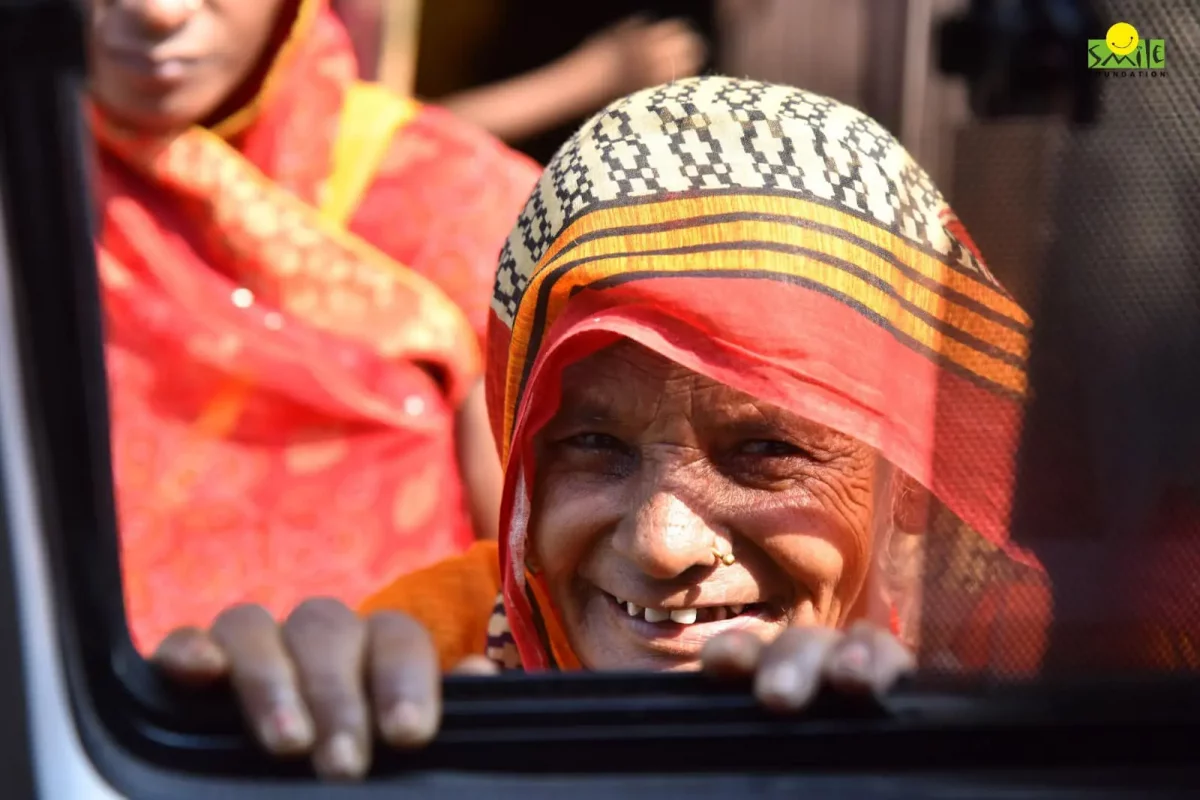
Despite the swift expansion of digital learning in recent years, access remains uneven. Schools in remote regions frequently encounter shortages of teachers, technology and fundamental facilities, while numerous families continue to struggle to afford school-related expenses.

The state has implemented numerous government schemes to enhance the learning outcomes, retention and accessibility of girls in response to these challenges. The objective of these government initiatives for girl child education is to guarantee that financial constraints do not impede the academic pursuits of young girls.

The Significance of Government Schemes

India has made significant progress in enhancing access to education since achieving independence. Several government schemes for girl child education have been initiated. A critical step toward greater inclusion, the Right to Education Act of 2009 was a game-changer, guaranteeing that every child between the ages of six and fourteen receives free and compulsory education.

However, having access to education alone cannot guarantee success. Many girls still drop out of their secondary school as a result of financial issues, family duties, safety issues or lack of educational support.

This is when government schemes come into play. They are crucial in helping families cover the costs of education, encouraging consistent school attendance, upgrading infrastructure and creating opportunities for girls to continue their education beyond the classroom.

girl child

Government Schemes for Girl Child Education

Samagra Shiksha

Samagra Shiksha, which commenced in 2018-19, is one of India’s most ambitious education initiatives. It integrates the previous Sarva Shiksha Abhiyan, Rashtriya Madhyamik Shiksha Abhiyan and Teacher Education programmes into a unified framework that encompasses infancy through senior secondary education.

Out of all the government schemes, this improves the infrastructure of schools by constructing classrooms, establishing residential schools, and offering complimentary textbooks, uniforms and transportation services. In addition, it provides support for children with disabilities, including stipends for girls with special needs, strengthens Kasturba Gandhi Balika Vidyalayas and includes special measures for out-of-school children.

Sarva Shiksha Abhiyan (SSA)

Sarva Shiksha Abhiyan was launched in 2001 to ensure the provision of elementary education to all children in the age group of 6-14 years.

The programme sought to boost enrolment, improve learning outcomes, reduce gender inequities and improve school infrastructure. It was crucial to broaden access to basic education throughout the country.

National Programme for the Education of Girls at the Elementary Level (NPEGEL)

NPEGEL was developed to assist girls who were at risk of being excluded from the education system, particularly those from Scheduled Castes, Scheduled Tribes, minority communities and regions with educational disadvantages. This initiative provided additional assistance to enhance the learning opportunities, retention and enrolment of girls who were confronted with a variety of obstacles.

Beti Bachao, Beti Padhao

In 2015, Beti Bachao, Beti Padhao was established with the objective of promoting the education and empowerment of girls, as well as addressing gender discrimination.

The project out of all the government schemes supports the development of conditions that are conducive to the growth of girls, supports their education and values daughters. It has helped raise awareness about the importance of educating girls throughout the country.

National Scheme of Incentive to Girls for Secondary Education

The National Scheme of Incentive to Girls for Secondary Education promotes the girl child’s enrolment of 14-18 years age group at secondary stage, who passes class 8th and subsequently drops out for various socio-economic reasons. The proposed scheme is further intended to retain such girl children up to class 12th.

Rashtriya Madhyamik Shiksha Abhiyan (RMSA)

In 2009, RMSA was established with the objective of enhancing the availability of high-quality secondary education.

Strengthening school infrastructure, extending educational opportunities in underserved areas and guaranteeing that secondary schools were accessible to children from marginalised communities were the primary objectives of the initiative.

Kasturba Gandhi Balika Vidyalaya (KGBV) 

The initiative provides residential schooling for girls from disadvantaged households in educationally disadvantaged areas. These institutions offer a safe and enabling environment for girls who otherwise face difficulties to education such as poverty, remoteness or societal barriers.

Sukanya Samriddhi Yojana

Sukanya Samriddhi Yojana, despite its primary function as a savings scheme, is committed to the long-term educational aspirations of girls. A financial cushion that can be used to cover future requirements and higher education expenses can be established by parents who invest in a dedicated account for their daughters.

Scholarships to Advance the Education of Women

The government has implemented targeted scholarship programmes in addition to broader education initiatives to motivate girls to pursue technical careers and higher education.

Promoting STEM Education amongst Girl Children & STEM jobs for women

AICTE Pragati Scholarship for Women

The AICTE Pragati Scholarship is designed to encourage technical education among girl students who are pursuing engineering, architecture, pharmacy and related fields. The programmes provides financial support to 4,000 female students annually, enabling them to pursue professional education without an undue financial burden, with a maximum of ₹30,000.

CBSE Udaan Programme

The CBSE Udaan Programme is designed to resolve the under-representation of girls in technical and engineering institutions. It offers academic support, mentoring, virtual classes and free online learning resources to aid girls in the preparation of competitive entrance examinations for Physics, Chemistry and Mathematics in Classes 11 and 12.

How Smile Foundation is contributing to educational equity?

Every girl deserves a brighter future

Collaboration beyond government initiatives is necessary to address these disparities. Mission Education, the flagship programme of the Smile Foundation, is dedicated to guaranteeing that children from marginalised communities have access to inclusive, high-quality education. The programme acknowledges that learning outcomes are influenced by a variety of factors, integrating academic support, healthcare, nutrition, life skills and emotional well-being.

Mission Education is designed to assist students from low-income families, tribal communities, remote villages, disaster-affected regions, conflict zones and other underserved populations, in accordance with the National Education Policy 2020 and Sustainable Development Goal 4.

The programme assists in the establishment of pathways for long-term educational success and social mobility by confronting the barriers that frequently result in children dropping out of school.

The journey is still in progress. In order to make a deeper impact, we must continue to allocate resources to quality education, improve our implementation efforts, keep the communities informed, facilitate in accessing these programmes and garner community support. This approach ensures that every girl, regardless of her circumstances, has the opportunity to develop, learn and give direction to her own future. When girls receive the education they deserve, the families, communities and entire generations move forward with them.

Frequently Asked Questions (FAQs)

1. What is the Right to Education Act?
It guarantees free and compulsory education for all children aged 6 to 14 in India.

2. What is Samagra Shiksha?
It’s a unified government scheme covering education from preschool to senior secondary level.

3. Who benefits from Kasturba Gandhi Balika Vidyalayas?
Girls from disadvantaged backgrounds in educationally backward areas get safe, residential schooling.

4. What does the AICTE Pragati Scholarship support?
It funds technical education for 4,000 female students annually, up to ₹30,000 each.

5. How does Smile Foundation support girl child education?
Through Mission Education, it provides academic, health, nutrition and emotional support to marginalised children.

Sources

Categories
Insights Smile

National Statistics Day 2026: Role of Data, Mathematics and STEM Education in Nation Building

On National Statistics Day 2026, let us be reminded that numbers are key to drafting policies, influencing investments, guiding public health and crisis responses, and helping governments understand the needs of their citizens. Observed on 29 June to commemorate the birth anniversary of renowned statistician Prasanta Chandra Mahalanobis, the day highlights the importance of statistical thinking in governance and development.

As India moves towards becoming a knowledge-driven economy, National Statistics Day 2026 also offers an opportunity to reflect on how data, mathematics and STEM education together can strengthen nation-building.

National Statistics Day 2026: Role of Data, Mathematics and STEM Education in Nation Building
STEM Learning

The role of data in shaping policy 

ChatGPT Image Jun 20 2026 12 04 56 PM 11zon

Data, often described as the “new oil”, has become one of the world’s most valuable resources. Yet unlike oil, its value lies not in extraction but in interpretation. Governments today rely on data to estimate population growth, monitor inflation, assess employment trends and evaluate welfare programmes. More broadly, the United Nations has emphasised that high-quality, timely and reliable data are indispensable for achieving the Sustainable Development Goals.

For instance, behind several of India’s most significant policy decisions lies a vast ecosystem of data collection and analysis. National surveys and census exercises help governments understand changing demographic and socioeconomic realities. At the same time, the Ministry of Statistics and Programme Implementation translates this evidence into official statistics that guide planning, budgeting and development interventions across the country.

Mathematics: The language of understanding evidence

However, the significance of National Statistics Day 2026 extends in our everyday lives. Statistics influence decisions that affect millions of people. For instance, during disease outbreaks, epidemiological data guide public health interventions. In agriculture, weather forecasts and crop statistics help farmers and policymakers anticipate risks. In urban planning, demographic information informs investments in roads, schools and hospitals. Without robust statistical systems, governments risk decision-making based on assumptions rather than evidence.

Mathematics forms the language through which this evidence is understood. It enables researchers to identify trends, estimate probabilities and build predictive models that support informed decision-making. From calculating economic growth to modelling climate change scenarios, mathematical tools underpin much of modern governance and scientific research.

According to UNESCO’s Global Education Monitoring resources, foundational numeracy skills are essential for preparing citizens to participate effectively in increasingly data-driven societies. In an era where citizens are expected to interpret graphs, understand probabilities, evaluate public statistics and make informed decisions based on evidence, numeracy has evolved from being a classroom competency to a civic necessity. UNESCO’s monitoring of SDG 4.6 also emphasises that achieving universal literacy and numeracy is fundamental to enabling people to participate fully in economic, social and technological life.

Technology transforming STEM education in India

Role of STEM in supporting statistical thinking

At the heart of India’s statistical legacy is the work of Prasanta Chandra Mahalanobis, whose contributions transformed development planning in independent India. He established the Indian Statistical Institute and pioneered large-scale sample survey techniques that continue to influence statistical practice globally. His ideas demonstrated that rigorous data collection could support equitable planning and efficient allocation of public resources, making statistics not merely an academic discipline but a tool for social progress.

However, data alone cannot build a nation unless people possess the skills to interpret and apply it. This is where STEM education covering science, technology, engineering and mathematics plays a crucial role. Countries that invest in STEM capability are often better positioned to innovate, adapt to technological change, and compete in knowledge-intensive industries. According to the World Economic Forum Future of Jobs Report, analytical thinking, technological literacy and problem-solving are among the most in-demand skills expected to shape labour markets over the coming years.

The importance of STEM education also extends beyond producing engineers or scientists. It nurtures logical reasoning, curiosity and evidence-based thinking that benefit citizens regardless of profession. Students who develop strong mathematical foundations are often better equipped to understand financial literacy, assess risks, interpret public information and engage critically with the growing volume of digital content they encounter every day. In an era marked by misinformation and rapidly evolving technologies, statistical literacy has become an essential civic skill.

Importance of statistics in rising AI

ChatGPT Image Jun 20 2026 12 06 50 PM 11zon

The rapid rise of artificial intelligence has made the themes of National Statistics Day 2026 more relevant than ever before. Every AI system, whether it powers a recommendation engine, detects financial fraud or generates human-like text, is built on a foundation of data, mathematics and statistical modelling. Machine learning algorithms learn patterns from vast datasets and rely on probability and predictive analysis to make decisions. As governments, businesses and public institutions increasingly adopt AI-driven technologies, the need for high-quality data, ethical governance and statistical literacy will only continue to grow. In this new landscape, data is not merely a technical resource but a public asset that shapes innovation and policy alike.

Equal access to STEM education: National Statistics Day

Preparing young people for this future demands strong foundations in STEM education. Although India is among the world’s largest producers of STEM graduates, unequal access to quality education remains a major challenge. Many rural schools continue to struggle with inadequate laboratories, limited digital infrastructure and shortages of trained teachers, while girls and students from disadvantaged backgrounds often face additional barriers to pursuing science and mathematics education. Closing these gaps is essential if India is to fully harness its demographic dividend and ensure that talent is not limited by geography or socioeconomic status.

This is where data and STEM education intersect in meaningful ways. Reliable statistics help identify districts with low enrolment, poor learning outcomes or inadequate infrastructure, allowing policymakers and organisations to direct resources where they are needed most. Evidence-based policymaking has already transformed sectors such as education, healthcare and the economy by enabling governments to track progress, identify gaps and evaluate outcomes. Educational assessments reveal learning deficits, health surveillance systems support disease control, and economic indicators such as inflation and unemployment guide fiscal planning. While data cannot eliminate uncertainty, it significantly improves the quality and effectiveness of decision-making.

Civil society organisations are also increasingly using data to strengthen development outcomes. At Smile Foundation, we integrate evidence-based planning across its education, healthcare, livelihood and women’s empowerment initiatives by continuously assessing community needs and monitoring programme impact. This allows interventions to be tailored to local realities rather than based on assumptions, while regular evaluations help measure whether programmes are delivering meaningful improvements in people’s lives. 

Our education initiatives also demonstrate how data can support more equitable access to STEM learning. Through our transformation programmes and efforts to strengthen foundational education, we work towards improving learning environments, introducing digital resources and exposing children from underserved communities to science and technology-oriented education. By identifying learning gaps early and targeting support where it is needed most, such initiatives help ensure that opportunities in STEM are accessible to children regardless of their social or economic background.

India’s data-driven future

ChatGPT Image Jun 20 2026 12 27 59 PM 11zon

As India embraces a more data-driven future, collecting information responsibly will be just as important as collecting it accurately. Privacy safeguards, transparency in methodology and ethical standards are essential for maintaining public trust in official statistics and digital systems. The United Nations Statistics Division has long emphasised principles such as professional independence, scientific rigour and impartiality as the foundation of credible official statistics. These principles become even more critical in an age where AI systems increasingly influence public services and governance.

Looking ahead, National Statistics Day 2026 should encourage not only stronger statistical institutions but also greater data literacy among citizens. Understanding percentages, graphs, probabilities and basic statistical concepts enables people to interpret news critically, make informed financial and healthcare decisions, and participate more effectively in public discourse. Likewise, strengthening mathematics and expanding equitable access to STEM education will prepare the next generation for careers in emerging fields such as artificial intelligence, biotechnology, renewable energy, semiconductor manufacturing and robotics.

Ultimately, National Statistics Day 2026 is about recognising that numbers have meaning only when they improve lives. Reliable data helps governments make better decisions, mathematics provides the tools to interpret evidence, and STEM education equips young people to solve tomorrow’s challenges. Together, they create the foundation for innovation, accountability and inclusive development. By investing in statistical systems, promoting mathematical literacy and ensuring that every child has the opportunity to participate in STEM education, India can build a future where progress is guided not by guesswork but by evidence and where nation building is driven by knowledge, opportunity and informed action.

Frequently Asked Questions (FAQs)

1. What is National Statistics Day and why is it observed on 29 June?

National Statistics Day is observed every year on 29 June to mark the birth anniversary of Prasanta Chandra Mahalanobis, the statistician who founded the Indian Statistical Institute and pioneered large-scale sample survey methods used in development planning.

2. Why does data matter for governance and policymaking?

Reliable data helps governments track population trends, employment, inflation and welfare outcomes, allowing policies to be based on evidence rather than assumptions. It is also central to monitoring progress on the Sustainable Development Goals.

3. How is mathematics connected to statistical thinking?

Mathematics provides the tools to interpret data identifying trends, estimating probabilities and building predictive models. Foundational numeracy is increasingly considered a civic skill, helping people interpret graphs, evaluate public information and make informed decisions.

4. Why is STEM education important for India’s development?

STEM education builds the analytical and problem-solving skills needed for innovation and emerging industries like AI, biotechnology and renewable energy. It also nurtures logical reasoning and evidence-based thinking that benefit citizens in everyday life, not just specialised careers.

5. What challenges remain in ensuring equal access to STEM education in India?

Many rural schools lack adequate labs, digital infrastructure and trained teachers, while girls and students from disadvantaged backgrounds face added barriers. Closing these gaps is essential to ensuring talent isn’t limited by geography or socioeconomic background.

Categories
Livelihood Smile

Education and Human Capital Formation in India

Summary

  • India’s working-age population is expected to reach one billion by 2047, making investment in human capital the defining economic challenge of this generation.
  • India ranked 116th out of 174 countries in the World Bank’s Human Capital Index 2020, with a score of 0.49 — meaning a child born in India is expected to achieve only 49% of their full human capital potential by age 18.
  • The India Skills Report 2024 found that only 51.25% of graduates tested were skilled enough to be hired, exposing a structural gap between credentials and competence.
  • The ILO’s India Employment Report 2024 found that 83% of the unemployed workforce consists of young people, and the share of educated but jobless youth rose from 35.2% in 2000 to 65.7% in 2022.
  • Secondary-level dropout rates have declined from 10.9% to 8.2% between 2023–24 and 2024–25 per UDISE+ data, but retention at higher levels remains a serious challenge.
  • Closing the human capital gap requires not just more schooling, but better learning outcomes, industry-aligned skills training, and sustained investment in health, livelihoods, and inclusion — particularly for women and marginalised communities.
1781755518563

Human Capital: The Role of Skills, Employment and Productivity

India is often described as a country on the cusp of something extraordinary. It has the world’s largest population, a median age of 29 and over 65% of its population under 35 — a youthful workforce that presents both a formidable opportunity and a significant challenge. By 2030, it is projected that one in five working-age individuals worldwide will be Indian. On paper, this is the kind of demographic profile that economists dream about.

But demographic size is not the same as economic readiness. The real question is not how many young people India has but what kind of opportunities, skills and foundations those young people have been given. That is a question of human capital.

Human capital refers to the sum of knowledge, skills, health and experience that individuals bring to their economic and social lives. It is the factor that converts a population into a productive workforce and a demographic trend into a development story. For India, building robust human capital is the central bet on which the country’s future prosperity depends.

India’s Human Capital: Where Things Stand

The numbers tell a nuanced story. In the World Bank’s Human Capital Index 2020, India ranked 116th out of 174 countries, with a score of 0.49 — meaning a child born in India today can expect to achieve only 49% of their full human capital potential by the age of 18, given current health and education conditions. That score has improved from 0.44 in 2018, which reflects genuine progress, but the gap with peer economies remains wide.

The educational dimension of this gap is significant. According to UNESCO, Indians aged 25 and above have completed an average of just 6.5 years of schooling, compared to a global average of over 8 years and more than 12 years in many high-income countries. India has made remarkable strides in enrolment — primary school enrolment stands close to 99.3% — but enrolment is not the same as learning, and access is not the same as quality.

The Gross Enrolment Ratio drops sharply from 90.9% at the middle school level to 79.3% for grades 9–10, and further to 56.5% for grades 11–12. The closer children get to the transition from school to work, the more they drop out. According to UDISE+ 2024–25 data, secondary-level dropout rates have fallen from 10.9% to 8.2%, which is progress, but it still means a substantial share of young people never complete the secondary education that would prepare them for a formal economy.

This is a forecast of lost productivity.

1781614389605

The Skills Paradox: More Degrees, Fewer Jobs

There is a particular irony embedded in India’s education story. As more young Indians earn higher-level qualifications, the unemployment rate among educated youth has risen, not fallen. The ILO’s India Employment Report 2024 found that 83% of India’s unemployed workforce consists of young people and the share of educated but jobless youth climbed from 35.2% in 2000 to 65.7% in 2022.

This is not a failure of ambition but a structural mismatch between what education produces and what the economy demands. The India Skills Report 2024 found that only 51.25% of graduates tested were deemed employable — meaning that for every two young people who earn a degree, only one is considered ready to join the formal workforce. The Graduate Skill Index placed overall graduate employability at 42.6% in 2024, a troubling decline that points to deepening disconnects between classroom learning and industry expectations.

What employers increasingly demand — digital fluency, analytical reasoning, communication skills, adaptability — are precisely the skills that India’s formal education system has been slowest to build. A student may complete twelve years of schooling and earn a bachelor’s degree without ever having written a business email, interpreted data or worked collaboratively under pressure. This is the gap that defines India’s human capital challenge today.

The ILO notes that higher education in India has, paradoxically, become directly proportional to higher unemployment — a signal that growth strategies need to be rethought to make economic expansion more employment-intensive.

The Economic Cost of Underinvestment

Human capital is not a soft concern. It has hard economic consequences. Economists have long established a direct relationship between the quality of a country’s human capital and the pace of its economic growth. Countries that invested heavily in education and workforce development in the mid-twentieth century — South Korea, Taiwan, Singapore — used that investment as the engine of their industrial transformation. China and South Korea effectively leveraged their demographic dividends to drive industrial growth and economic prosperity. India’s window is open, but it is not permanent.

India’s demographic dividend opportunity is projected to last until 2055, peaking around 2041 when the share of the working-age population will touch approximately 65%. This is longer than any other country has experienced, and it is also a warning: the window is wide, but what happens inside it will determine whether India emerges as a global economic power or inherits a demographic burden instead.

The risk is concrete. The ILO found that while the share of youth in India’s total population increased between 2004–05 and 2018–19, their share in the total workforce actually declined over the same period — suggesting that economic growth has not reliably translated into productive employment for India’s young people. When educated, capable young people cannot find meaningful work, the costs extend far beyond the individual: tax revenues shrink, consumer demand weakens, social pressures mount and the dividend curdles.

1781238518489

Why Education Alone Is Not Enough

Education is necessary but insufficient. A degree certifies that someone has completed a course of study. It does not guarantee that they can think critically under pressure, collaborate across difference, or navigate digital tools with confidence. These are learned capacities — but they are learned through practice, mentorship, and real-world exposure, not through rote instruction.

This distinction matters enormously in India’s context. The rapid transformation of the global economy driven by automation, artificial intelligence and the platform economy is changing the skills that workers need faster than traditional education systems can respond. Jobs that were stable career pathways a decade ago are being restructured or eliminated. New roles are emerging in sectors that barely existed when today’s graduates enrolled in school.

For India, this creates both urgency and opportunity. Millions of young people are entering a labour market that is shifting under their feet, without the adaptive skills to navigate it. The opportunity is that India still has time to orient its education and training systems toward this new reality if the political and institutional will is present to do so.

To succeed in today’s job market, young people need a layered set of competencies:

(i) foundational literacy and numeracy

(ii) critical thinking and problem-solving

(iii) digital skills

(iv) communication and interpersonal skills

(v) capacity to learn continuously throughout their working lives

Building these cannot be left to formal schooling alone. It requires deliberate investment in vocational training, apprenticeships, mentorship programmes and community-based learning — particularly for those who are most likely to fall through the gaps.

Policy Landscape: What India Is Doing

The Indian government has introduced a range of initiatives aimed at strengthening human capital. The Right to Education Act (2009) made elementary education a fundamental right, driving significant improvements in enrolment and helping reduce primary-level dropout rates. The National Education Policy 2020 represents a more ambitious overhaul aiming for universal enrolment from preschool to secondary level by 2030, and reorienting pedagogy toward experiential, multidisciplinary learning.

The Skill India Mission, launched in 2015, seeks to address the employability gap through vocational training and certification at scale, with its flagship scheme PMKVY 4.0 now emphasising digital skills and green economy jobs. The government’s internship initiative, targeting ten million youth over five years, is another signal that policymakers recognise the gap between academic learning and workplace readiness.

These are meaningful steps. But implementation quality has been uneven, particularly in rural areas and among marginalised populations. The ILO notes that one in three young people, mainly young women, were not in education, employment or training as recently as 2022 — a figure that captures how far the formal system remains from inclusive reach. Policies are only as good as their last mile.

Human capital: Smile Foundation

The Role of Civil Society and Community Organisations

Given the structural limits of state capacity — particularly in reaching remote, low-income and marginalised communities — civil society plays an indispensable role in India’s human capital story. Non-governmental organisations often operate precisely where government programmes thin out: in underserved urban settlements, in tribal belts, in communities where girls are pulled from school early and boys are pushed into informal labour before they have a chance to develop their potential.

Smile Foundation works with underserved communities across India, addressing the human capital deficit at its roots. Through Shiksha Na Ruke, the organisation works to keep children in school and ensure they develop the foundational learning base they need for lifelong growth. Education that ends at enrolment is not education — it must translate into genuine learning outcomes and that requires sustained, community-embedded support.

Health is an equally critical dimension of human capital, and one that is often overlooked in economic conversations. Malnutrition, untreated illness and lack of access to healthcare directly undermine cognitive development in children and productive capacity in adults. Smile Foundation’s Health Cannot Wait initiative brings healthcare to remote communities precisely because a healthy population is a prerequisite for a capable one.

For those who have already entered adulthood without adequate foundational skills, the path to productive employment runs through quality vocational training. The Smile Twin e-Learning Programme (STeP) provides exactly this — delivering market-relevant skills and employment support to young people who might otherwise be counted among the educated but unemployable.

These interventions are not peripheral to India’s development story but are part of its core logic.

The Road Ahead: From Potential to Productivity

India’s demographic opportunity is real. But without targeted investment in human capital and a focus on higher economic growth, this advantage could just as easily become a disaster. The difference between those two futures is the quality of choices made now — in classrooms, in skilling centres, in healthcare systems, in the policies that govern all of the above.

Key priorities include completing the shift from enrollment to learning outcomes, ensuring children not only attend school but also become literate and numerate; building a strong connection between education and employment through industry partnerships and relevant curricula; prioritizing women’s economic participation, which has increased from 19.7% in 2011 to 37% in 2023 in India; and recognizing health as an investment, as a chronically unwell workforce cannot be productive.

India’s path to the kind of sustained, inclusive growth its population deserves runs directly through the quality of its human capital. The numbers are on India’s side. The question is whether the investments will be.

Frequently Asked Questions (FAQs)

1. What is human capital and why does it matter for India?

Human capital refers to the knowledge, skills, health and experience that people bring to economic life. For India, with the world’s largest and youngest workforce, the quality of human capital will determine whether the country’s demographic advantage translates into sustained economic growth or remains an unrealised potential.

2. How does India rank internationally on human capital?

India ranked 116th out of 174 countries in the World Bank’s Human Capital Index 2020, with a score of 0.49, indicating that a child born in India today can expect to achieve only 49% of their full human capital potential by age 18. This is an improvement from 0.44 in 2018, but India still lags significantly behind comparable economies.

3. Why are educated young people in India struggling to find jobs?

The India Skills Report 2024 found that only 51.25% of graduates tested were employable, pointing to a deep mismatch between academic credentials and the skills employers actually need. Industries require digital literacy, communication and problem-solving skills that formal education has been slow to develop.

4. What is India’s demographic dividend, and how long will it last?

India’s demographic dividend — the economic growth potential arising from a large working-age population relative to dependents — is projected to last until 2055, peaking around 2041. This is the longest such window any country has experienced, but it is not guaranteed to produce growth without sustained investment in education, skills and employment.

5. What key government programmes address human capital in India?

The Right to Education Act (2009), the National Education Policy 2020 and the Skill India Mission are among the primary government frameworks. PMKVY 4.0 focuses on industry-aligned vocational training, with growing emphasis on digital and green economy skills. Implementation quality remains variable, particularly in rural and marginalised communities.

6. How does Smile Foundation contribute to human capital development?

Smile Foundation works directly with underserved communities through three interconnected pillars: education (Shiksha Na Ruke), healthcare (Health Cannot Wait) and skills and livelihoods (STeP — Smile Twin e-Learning Programme). Together, these address the foundational conditions — learning, health and employable skills — that enable individuals to contribute fully to the economy and to their own futures.

Categories
Smile

From Unemployment to Opportunity: Skill Development Helping Young Indians Build Better Futures

India is home to one of the largest youth populations in the world. But is also doing enough for the skill development of its youth?

This demographic advantage has the potential to drive economic growth, innovation and social progress for decades to come. Yet for millions of young people, particularly those from economically vulnerable backgrounds, the transition from education to employment remains uncertain.

The challenge is not a lack of ambition.

It is often a lack of access.

Many young people complete school or college only to discover that employers require skills they have never been taught. Others struggle with limited exposure to workplace environments, poor digital literacy, weak communication skills or the absence of professional networks. The result is a persistent gap between education and employability.

Addressing this challenge requires more than job creation. It requires preparing young people with the skills, confidence and support needed to succeed in an increasingly competitive labour market.

This is where Smile Foundation’s Smile Twin E-Learning Programme (STeP) has been making a difference.

Designed to bridge the gap between education and employment, STeP provides vocational training, employability skills and placement support to underserved youth, helping them transition into formal employment and sustainable careers.

A recent impact assessment reveals how the programme is transforming lives across Delhi, Bengaluru, Pune, Kolkata, Hyderabad and Mumbai.

Breaking the unemployment cycle infographic

From First Job to Financial Independence

One of the most striking findings from the assessment is the number of participants entering formal employment for the first time.

Among surveyed participants, 64% had never held a formal job before enrolling in STeP.

Many came from households where financial instability was a daily reality. Some had completed their education but remained unemployed. Others were engaged in informal work with irregular income and limited growth opportunities.

For these young people, securing a formal job represented more than employment.

It represented dignity, independence and a pathway towards a different future.

The skill development programme’s impact on employment outcomes has been significant.

Among respondents surveyed as part of the assessment:

  • All reported securing employment after training.
  • More than 90% were placed in sectors such as Retail, BFSI, IT/ITES and Healthcare.
  • 72% secured employment within six months of completing training.
  • All placements were aligned with the sector in which participants received training.

These findings indicate a strong alignment between training content and labour market demand.

Rather than preparing participants for generic employment, STeP focuses on equipping them with skills that employers actively seek.

This alignment is one of the programme’s greatest strengths.

When Income Changes, Families Change

Employment outcomes tell only part of the story.

The real measure of impact often lies in what happens after young people begin earning.

Before joining the programme, many participants reported little or no personal income. The most common response during the assessment was an income of zero, reflecting widespread unemployment among participants before training.

After placement, the average monthly income increased dramatically.

Participants reported moving from average earnings of approximately ₹4,170 before training to an average monthly income of ₹14,227 after placement.

The median monthly income increased from ₹1,500 to ₹15,000.

For many families, this income represented a transformative shift.

Young people who were once dependent on their parents became contributors to household expenses. Some began supporting siblings’ education. Others started saving for the first time in their lives.

The assessment found that:

  • More than 90% reported an improvement in their financial situation.
  • 96% now contribute more to family income.
  • Household income increased substantially after participants secured employment.

These outcomes demonstrate how skill development programmes can generate ripple effects that extend beyond individual beneficiaries.

When one young person gains stable employment, entire households benefit.

ChatGPT Image Jun 4 2026 05 51 31 PM 11zon

Creating Opportunities Across Multiple Sectors through Skill Development

The Indian economy requires skilled workers across a diverse range of industries.

Recognising this reality, STeP offers skill development training aligned with sectors that continue to generate employment opportunities.

The assessment found that participants secured jobs across multiple industries:

BFSI (Banking, Financial Services and Insurance)

32% of placements

Participants entered roles such as:

  • Relationship Officers
  • Banking Sales Executives
  • Loan Processing Associates
  • Insurance Advisors

These positions often offered clear career progression pathways and competitive starting salaries.

IT/ITES

20% of placements

Participants secured roles including:

  • Data Entry Operators
  • Technical Support Executives
  • Customer Service Associates
  • BPO Professionals

Digital skills training proved especially valuable in helping youth access opportunities in this rapidly growing sector.

Healthcare

18% of placements

Participants became:

  • General Duty Assistants
  • Patient Care Assistants
  • Medical Receptionists
  • Hospital Support Staff

For many, these roles offered stable employment while contributing to community wellbeing.

Retail

10% of placements

Retail trainees found opportunities as:

  • Sales Associates
  • Store Executives
  • Customer Service Representatives

These positions often served as entry points into organised retail careers.

Core Employability Roles

20% of placements

Participants also secured positions in administration, education support and office operations, demonstrating the value of transferable employability skills.

Training aligned with industry demand

Women Are Succeeding on Equal Terms

One of the most encouraging findings from the assessment relates to gender inclusion.

Women represented 58% of surveyed participants.

In many communities, women continue to face barriers to workforce participation, including social expectations, safety concerns and limited access to professional opportunities.

Yet the findings reveal that women participating in STeP achieved outcomes comparable to men.

Female participants:

  • Secured employment at rates similar to men.
  • Reported comparable salary levels.
  • Demonstrated strong confidence and career aspirations.

The median starting salary for both women and men was ₹16,000 per month.

Beyond financial outcomes, women reported greater self-confidence and increased support from their families.

In several cases, participants described how employment changed perceptions within their households and communities.

Families that were initially hesitant about women pursuing careers became proud advocates after witnessing their success.

This highlights the broader social impact of livelihood programmes.

When women gain access to meaningful employment, the benefits extend far beyond income.

Equal opportunities, equal outcomes infographic

Beyond Technical Skill Development: Building Confidence and Career Awareness

Employers increasingly recognise that technical knowledge alone is not enough.

Communication, teamwork, professionalism and adaptability have become essential workplace skills.

The assessment suggests that STeP has been particularly successful in developing these capabilities.

Participants reported significant improvements in:

  • Communication skills
  • Workplace readiness
  • Confidence
  • Professional behaviour
  • Career planning

Among surveyed participants:

  • 94% agreed that training provided the skills required for their current jobs.
  • 96% described the training as useful or very useful.
  • 76% reported becoming significantly more aware of career progression opportunities.

Many participants entered the programme focused solely on finding a job.

They left with a clearer understanding of how to build a career.

This shift—from immediate employment to long-term career planning—is one of the most important indicators of sustainable impact.

Workplace readiness infographic for youth

The Stories Behind the Statistics

Numbers are important.

But they become meaningful when viewed through the experiences of the people behind them.

Maheswari from Hyderabad joined the BFSI training programme after struggling to find employment despite completing her degree. Coming from a family facing financial hardship, she felt immense pressure to contribute financially.

Following training, she secured a position as a Personal Loan Processor and now earns ₹17,500 per month.

Similarly, Mary Harshitha from Bengaluru enrolled in the BFSI programme after losing her father and facing significant financial challenges. The training equipped her with technical knowledge, communication skills and confidence. She now works as a Customer Service Executive, earning ₹15,000 per month and supporting her family.

For Gouwthami, another participant from Hyderabad, the programme provided a pathway out of unemployment. Today, she earns ₹18,750 per month as an Associate and has achieved financial independence.

While each journey is unique, their stories share common themes: resilience, opportunity and transformation.

Looking Ahead

The assessment confirms that STeP is generating meaningful outcomes for young people across multiple dimensions.

Participants are securing jobs, increasing their incomes, contributing to their families and developing the confidence needed to pursue long-term career growth.

At the same time, the findings point towards opportunities for further strengthening the skill development programme.

Recommendations include:

  • Expanding advanced digital skills training
  • Increasing hands-on learning opportunities
  • Strengthening interview preparation
  • Establishing alumni mentorship networks
  • Deepening employer partnerships
  • Expanding outreach to underserved rural communities

As India’s economy continues to evolve, the need for industry-aligned skilling initiatives will only grow.

The challenge is not merely preparing young people for their first job.

It is helping them build careers that create long-term economic mobility.

The experience of STeP demonstrates what is possible when skill development is paired with industry relevance, mentorship and placement support.

For thousands of young people, the journey from unemployment to opportunity begins with a single chance to learn.

And when that opportunity is available, the impact extends far beyond one individual.

It strengthens families, communities and the future workforce of India.

Categories
Girl Child Nutrition

Banaskantha’s Adolescent Girls Are Rewriting Their Future

In India’s development story, adolescents often occupy an uncomfortable middle ground. Too old to be considered children and too young to be treated as adults, their needs frequently remain overlooked in policy implementation and community-level interventions.

For adolescent girls, this gap is even more pronounced.

India is home to nearly 253 million adolescents, accounting for approximately 20% of the world’s adolescent population. Yet, anaemia, malnutrition, school dropout, early marriage, poor menstrual hygiene and limited livelihood opportunities continue to shape the lives of millions of girls.

In Gujarat’s Banaskantha district, these challenges were particularly visible.

A baseline assessment conducted by Smile Foundation found that:

  • 78% of adolescent girls were anaemic
  • 50% were moderately anaemic
  • 13% were severely anaemic
  • Only 17.6% were attending school
  • 84% had never consumed Iron Folic Acid (IFA) supplements
  • Most girls had little awareness of anaemia or their own health status

These numbers reflected more than a health crisis. They pointed towards a cycle where poor nutrition limited educational participation, reduced opportunities and ultimately affected the wellbeing of future generations.

To address this challenge, Smile Foundation implemented a comprehensive Nutrition Enhancement Programme in Amirgarh block of Banaskantha district, supported by PepsiCo.

The recently completed endline assessment offers important lessons on what it takes to improve adolescent health in rural India.

Adolescent girls' nutrition and education challenges
Adolescent girls’ nutrition and education challenges

Why Banaskantha Needed Urgent Action

Banaskantha is Gujarat’s second-largest district with a population exceeding 3.1 million.

The Amirgarh block, where the programme was implemented, presents a particularly challenging development context:

  • Female literacy rate: 38.2%
  • Nearly 40% of Anganwadi-going children are malnourished
  • Girls’ school enrolment remains lower than boys’
  • Approximately half of all families fall within economically vulnerable categories

The barriers faced by girls extended beyond food insecurity.

Interviews conducted during the endline assessment identified recurring challenges:

  • Early marriage
  • Limited access to higher education
  • Distance to schools
  • Safety concerns
  • Poverty
  • Restricted livelihood opportunities
  • Deep-rooted social norms surrounding girls’ mobility and aspirations

Addressing anaemia alone would not be enough.

A broader approach was required.

A Programme Designed Around the Whole Girl

Rather than focusing exclusively on nutritional supplementation, the programme combined health interventions with behaviour change, community mobilisation and livelihood development.

Over the course of implementation, Smile Foundation facilitated:

Nutrition and Health

  • 64,896 IFA tablets consumed by 1,014 adolescent girls
  • Quarterly haemoglobin testing
  • Referral support for severely anaemic girls
  • Nutrition education sessions
  • Distribution of nutrition-rich laddoos

Community Engagement

  • 4,706 home visits
  • 1,046 meetings with frontline workers and school principals
  • Engagement with mothers and families
  • Strengthening of government linkages through Anganwadi centres and Village Health Nutrition Days (VHNDs)

Nutrition-Sensitive Agriculture

  • 617 community kitchen gardens
  • 397 household kitchen gardens
  • Cooking competitions and recipe-sharing activities

Menstrual Hygiene

  • 18,912 sanitary napkin packets distributed
  • Awareness sessions on menstruation and reproductive health

Livelihood Development

  • 17 girls trained in sewing
  • 267 girls trained in bakery skills
  • 25 girls trained in making mats
  • 35 girls trained in food processing
  • 13 girls supported to establish micro-enterprises through SCORE Livelihood Foundation
Programme reach summary: empowering adolescent girls

The Shift Towards Better Nutrition

The most encouraging findings emerged in dietary behaviour and supplement consumption.

The endline assessment found substantial improvements in key nutrition indicators.

IndicatorBaselineEndline
IFA consumption in previous week40.8%69.1%
Multivitamin consumption15.1%44.4%
Deworming tablet consumption7.2%14.3%
Adequate minimum dietary diversity30.9%59.1%

These shifts suggest that girls were not only receiving services but also changing behaviours around food consumption and health.

Interviews with mothers and Anganwadi workers reinforced these findings.

Girls reported greater awareness of:

  • Balanced diets
  • Anaemia prevention
  • Nutritional needs during adolescence
  • Importance of green leafy vegetables
  • Regular IFA consumption

One intervention emerged as particularly influential: kitchen gardens.

Programme staff observed that girls who previously relied heavily on potato-based diets began growing and consuming a wider variety of vegetables, helping diversify household food consumption patterns.

ChatGPT Image Jun 4 2026 12 10 28 PM 11zon
Improvement in nutritional status chart

Hygiene Habits That Last Beyond the Programme

Nutrition outcomes are closely linked with sanitation and hygiene practices.

The assessment found substantial improvements in awareness and adoption of healthy hygiene behaviours.

Among surveyed households:

  • 85% had toilet facilities
  • 93% had designated handwashing spaces with soap and water
  • Toilet usage increased significantly compared to baseline levels

The proportion of families preferring individual toilets rose from 77% at baseline to 91% at endline.

Girls also reported stronger handwashing practices before:

  • Cooking food
  • Eating meals
  • Feeding younger siblings
  • After using toilets

These improvements reflect the importance of repeated engagement through Anganwadi workers and community-based demonstrations.

ChatGPT Image Jun 4 2026 12 13 59 PM 11zon
Improving hygiene for healthier futures

Menstrual Hygiene: Breaking Silence and Reducing Barriers

For many adolescent girls, menstruation remains a source of stigma, discomfort and school absenteeism.

The programme attempted to address this through both product access and awareness.

The results were encouraging.

The assessment found:

  • Increased use of sanitary napkins
  • Reduced dependence on cloth absorbents
  • Fewer girls missing school during menstruation
  • Reduced participation in physically restrictive practices during menstrual periods

Importantly, mothers reported becoming more comfortable discussing menstrual hygiene after counselling sessions conducted by frontline workers.

This demonstrates how behaviour change efforts are often most effective when they engage not just girls but also the family members who influence daily decisions.

Education and Aspirations: Signs of Progress

Health and education are deeply interconnected.

Girls who are healthier are more likely to stay in school, participate in learning and imagine different futures for themselves.

The assessment found that:

  • Nearly 95% of girls had attended school
  • 77% aspired to complete secondary education or graduation
  • Participation in school health programmes increased
  • Awareness of educational opportunities improved

However, challenges remain.

Nearly half of the girls had dropped out due to:

  • Household responsibilities
  • Distance to schools
  • Lack of interest
  • Social constraints

Community leaders repeatedly highlighted the need for:

  • More secondary schools
  • Safe transportation
  • Hostel facilities for girls
  • Continued awareness campaigns promoting girls’ education
ChatGPT Image Jun 4 2026 12 20 09 PM 11zon 1
Skills for the future infographic

Livelihoods: Expanding the Horizon of Possibilities

A noteworthy outcome of the programme was the emergence of livelihood aspirations among girls.

The assessment found:

  • Increased awareness of vocational opportunities
  • Participation in skill development programmes
  • Growing interest in employment and entrepreneurship
  • Greater confidence among girls to discuss their ambitions openly

Programme teams reported that girls who completed training in sewing, bakery skills and small-enterprise development began applying these skills for income generation.

For many participants, this represented their first exposure to livelihood pathways outside traditional agricultural work.

What Made the Programme Work?

The endline assessment highlights several factors that contributed to programme effectiveness.

1. Community Ownership

The programme invested heavily in engaging mothers, community leaders and frontline workers.

2. Government Convergence

Strengthened linkages with Anganwadi centres and health services improved access to existing government programmes.

3. Consistent Reinforcement

Behaviour change was supported through repeated interactions rather than one-time awareness sessions.

4. Addressing Multiple Needs Simultaneously

Nutrition was linked with hygiene, education, livelihoods and social empowerment.

5. Local Solutions

Kitchen gardens, community competitions and peer learning activities made healthy behaviours practical and accessible.

The Road Ahead

Despite encouraging outcomes, the assessment underscores that significant challenges remain.

Early marriage continues to affect girls’ opportunities.

Economic vulnerability limits educational continuity.

Access to higher education remains constrained by distance and safety concerns.

Livelihood opportunities remain limited.

The programme’s own stakeholders identified education infrastructure and safe accommodation for girls as critical priorities for future interventions.

At the same time, the findings offer a powerful reminder that change is possible when adolescent girls receive the information, resources and support they need.

The transformation observed in Banaskantha was not driven by a single intervention.

It emerged through sustained engagement, trusted community relationships and an understanding that adolescent wellbeing extends beyond nutrition alone.

When girls gain knowledge about their health, confidence in their abilities and opportunities to shape their futures, the benefits ripple across households, communities and generations.

And that is precisely where lasting development begins.

Source: Endline Assessment Report on Nutrition Enhancement Programme, Amirgarh Block, Banaskantha District, Gujarat.

Categories
Insights Livelihood Skill Development

Siemens Scholarship Programme: Transforming Engineering Education and Employability in India

India stands at a critical moment in its development journey. How do scholarship programmes fit in there?

Nearly one-fifth of the country’s population falls within the 15–24 age group, creating one of the world’s largest pools of young talent. Yet this demographic advantage can become a missed opportunity if millions of capable students remain unable to access quality higher education and employment pathways.

The challenge is particularly visible in engineering and technical education.

While India aims to strengthen its manufacturing sector and build a future-ready workforce, the gap between academic qualifications and industry requirements remains substantial. In fact, studies cited in the impact assessment indicate that only 52% of engineering graduates are employable due to inadequate industry-relevant skills and competencies.

For students from economically vulnerable families, the barriers are even greater. Tuition fees, hostel expenses, books, transportation costs, and the absence of professional networks often place higher education beyond reach.

This is where scholarships can become far more than financial aid.

When combined with mentorship, industry exposure, technical training, and employability support, they can transform educational opportunities into long-term social mobility.

The Siemens Scholarship Programme (SSP), implemented with support from Smile Foundation and other partners, demonstrates what happens when scholarships are designed not merely to fund education but to build careers, confidence, and futures.

India’s engineering talent challenge explained

A Scholarship Programme Designed Around Employability

Many scholarship programmes focus solely on tuition support.

The Siemens Scholarship Programme takes a different approach.

Launched as a flagship education initiative under Siemens India’s CSR efforts, the programme supports first-year engineering students from economically disadvantaged backgrounds enrolled in government colleges. It focuses on disciplines including:

  • Mechanical Engineering
  • Electrical Engineering
  • Electronics
  • Instrumentation
  • Electronics & Telecommunication
  • Computer Science and Information Technology

The programme has grown from supporting just 20 students in its first batch to 150 students by Batch VI.

More importantly, it combines financial assistance with a structured development journey that spans the student’s entire undergraduate education.

Support includes:

  • Tuition fee assistance
  • Hostel and academic allowances
  • Soft-skills training
  • Technical and vocational training
  • Mechatronics exposure
  • Internships
  • Industry visits
  • Mentorship
  • Placement preparation
  • Career guidance workshops

The goal is clear: create engineers who are ready for industry from day one.

Why Financial Support Alone Is Not Enough

Across India, thousands of talented students enter engineering colleges every year carrying more than academic aspirations.

They carry financial uncertainty.

The assessment found that if they had not received the scholarship:

  • 65% would have taken education loans
  • Many would have borrowed from relatives
  • Some would have mortgaged family assets
  • 17% reported they might have dropped out entirely

The findings highlight an important reality.

For many first-generation learners, the question is not whether they are capable of succeeding.

It is whether they can afford to continue.

The scholarship removed that burden and allowed students to focus on learning, skill development, and professional growth.

What students would have done without scholarships

Building Skills for Industry 4.0

The future workplace demands more than classroom knowledge.

Employers increasingly seek engineers who can adapt, collaborate, solve problems, and work across disciplines.

Recognising this shift, SSP integrates technical development with industry-oriented learning.

A major component is mechatronics training, which exposes students to:

  • Automation
  • Robotics
  • Smart manufacturing systems
  • Industry 4.0 technologies

Rather than confining students to a single engineering discipline, the programme encourages interdisciplinary thinking and problem-solving. Scholars reported that this exposure helped them become more adaptable and competitive during placements and internships.

Even during the COVID-19 pandemic, learning continued.

Students worked on industry projects under the guidance of Siemens employee volunteers, receiving mentorship on project design, implementation, safety standards, and technical execution. The experience strengthened not only their technical knowledge but also their confidence and analytical thinking.

The Often-Ignored Skill Gap: Communication and Confidence

Technical expertise may help secure interviews.

Soft skills often determine who succeeds after entering the room.

Many scholarship recipients came from regional-language backgrounds and had limited exposure to corporate environments.

To address this, the programme invested heavily in soft-skills development.

Training covered:

  • Communication
  • Creative thinking
  • Time management
  • Leadership
  • Collaboration
  • Stress management
  • Presentation skills
  • Career planning
  • Negotiation

The results were remarkable.

99% of scholars reported that soft-skills counselling contributed significantly to their personal development.

Students described improved confidence, stronger communication abilities, and better preparedness for interviews, internships, and workplace interactions.

In many cases, these skills became the bridge between academic achievement and professional success.

Skills for success beyond the classroom

From Classroom to Career

Perhaps the strongest measure of any education initiative is whether it helps students transition successfully into employment.

The programme’s results are compelling.

Internship Success

  • 91% secured internships through the programme
  • 50% completed two internships
  • 15% completed more than two internships

Industry Exposure

  • 98% said internships significantly improved their understanding of professional environments and career pathways

Employment Outcomes

  • 88% placement rate for the batch evaluated
  • 64% secured jobs through campus recruitment
  • 36% found opportunities through off-campus channels

These outcomes indicate that the programme is not only supporting students academically but also equipping them with the practical skills employers value.

The Financial Transformation

The impact becomes even more visible after graduation.

Prior to joining the programme, many scholars came from households earning less than ₹50,000 annually.

After graduation:

  • 22% earned more than ₹10 lakh per annum
  • The majority earned above ₹6 lakh annually
  • Nearly 22% of families experienced income growth of 400–500%

The effect extends beyond individual salaries.

Families reported:

  • Greater financial stability
  • Better healthcare access
  • Increased savings
  • Ability to fund siblings’ education
  • Reduced dependence on daily wage labour

For many households, one graduate engineer changed the economic trajectory of an entire family.

From vulnerability to mobility: Transforming futures

The Ripple Effect Inside Families and Communities

Development is not only measured in income.

It is also reflected in dignity, aspiration and social change.

Parents interviewed during the assessment described profound shifts in how their families were perceived within their communities.

Many reported that:

  • Their social standing improved
  • Neighbours sought advice about education
  • Younger children became more motivated to study
  • Girls pursuing engineering became role models for others

These outcomes are especially significant in communities where higher education, particularly engineering education for girls, was once considered unattainable.

Advancing Gender Equity in STEM

Women remain underrepresented across many STEM fields globally.

Recognising this challenge, SSP reserves 50% of scholarships for female students.

This commitment addresses more than gender representation.

It challenges long-standing assumptions about who belongs in engineering classrooms and workplaces.

The programme aligns strongly with Sustainable Development Goals related to:

  • Quality Education (SDG 4)
  • Gender Equality (SDG 5)
  • Decent Work and Economic Growth (SDG 8)
  • Reduced Inequalities (SDG 10)

For many female scholars, access to education became access to independence, leadership, and influence.

A Story That Captures the Impact

Rita’s journey illustrates what these numbers mean in real life.

Raised by a single mother working as a daily wage labourer, Rita dreamed of becoming an engineer. Financial challenges and social pressures nearly prevented her from pursuing that ambition. Relatives questioned the value of investing in engineering education for a girl.

Everything changed when she received the Siemens Scholarship.

Over four years, she developed both technical expertise and professional skills. After graduation, she secured employment with Siemens and became financially independent. Today, she supports her family, funds her younger brother’s education, and serves as an inspiration for future scholarship recipients.

Her story reflects a broader truth:

When girls gain access to education and opportunity, communities change.

“Scholarships become transformational when they combine financial support with mentorship, industry exposure, and employability skills.”

What Makes This Model Different?

The assessment highlights several elements that distinguish SSP from traditional scholarship programmes:

1. Holistic Development

Students receive support far beyond tuition assistance.

2. Industry Exposure

Internships and real-world projects connect education with employment.

3. Employee Volunteering

Industry professionals actively mentor and guide scholars.

4. Mechatronics Training

Students gain interdisciplinary skills relevant to future industries.

5. Family Engagement

Parents and alumni are integrated into programme orientation and support systems.

6. Continuous Improvement

Feedback informs curriculum updates, language training, mentorship models, and outreach strategies.

The Role of Partnerships

The programme demonstrates the power of collaboration.

Siemens contributes industry expertise, financial resources, and technical knowledge.

Smile Foundation supports outreach, student engagement, coordination, internship facilitation, and programme implementation. Other partners contribute specialised training and mentoring support.

Together, they have created an ecosystem that supports students from admission to employment.

The model offers valuable lessons for CSR programmes seeking measurable and sustainable impact.

Looking Ahead

India’s future competitiveness depends on its ability to transform educational access into employability and innovation.

Scholarships will remain a critical tool in that journey.

But the evidence from the Siemens Scholarship Programme suggests that financial assistance alone is not enough.

Students need mentorship.

They need industry exposure.

They need confidence.

They need networks.

And they need opportunities to translate academic potential into professional success.

When these elements come together, scholarships do more than support education.

They create engineers, professionals, leaders, and role models.

Most importantly, they create pathways through which entire families can move from vulnerability to opportunity.

Source Report: CRISIL Impact Assessment of Siemens Scholarship Programme Batch VI.

Categories
CSR In The Spotlight

CSR Annual Report India: What to Include, How to Measure Impact, and Why Transparency Matters

A CSR annual report is a company’s formal account of how it spent its mandatory social development funds, what that spending achieved and how it governs that process. In India, filing this report is a legal requirement under the Companies Act 2013, not an optional exercise in good communication. Yet the gap between what the law requires and what genuinely useful reporting looks like is wider than most companies realise.

India’s National CSR Portal shows annual CSR expenditure now exceeds Rs 30,000 crore. That is a significant pool of social capital. The question worth asking is not whether companies are spending it, but whether anyone, including the companies themselves, can clearly explain what it achieved.

What Is a CSR Annual Report and Why Is It Required?

A CSR annual report documents a company’s social investment activities for a given financial year. It is not a marketing document. It is a governance record, and in India, it carries legal weight.

Any company that meets the threshold under Section 135 of the Companies Act 2013 must spend 2% of its average net profits on CSR activities and report on that spending annually. The report forms part of the Board’s Report, making it a formal disclosure to shareholders and regulators.

CSR spend vs real-world impact

Legal Requirement Under Companies Act 2013

Under Section 135, companies with a net worth of Rs 500 crore or more, a turnover of Rs 1,000 crore or more, or a net profit of Rs 5 crore or more in the preceding financial year are required to constitute a CSR Committee, formulate a CSR policy and spend accordingly.

Non-compliance carries consequences. Companies that fail to spend the required amount must disclose the reason in their Board’s Report. Since the 2021 amendments, unspent CSR funds must be transferred to a specified fund within prescribed timelines, and penalties for non-disclosure have been made significantly stricter.

MCA Form CSR-2 — What It Covers

MCA Form CSR-2 is a standalone form introduced by the Ministry of Corporate Affairs for detailed CSR reporting. It must be filed separately from the annual return and covers:

  • Details of the CSR Committee composition
  • The CSR policy and its web link
  • Project-wise breakdown of spending, including amounts sanctioned and disbursed
  • Details of implementing agencies used, including registered NGOs and Section 8 companies
  • Unspent CSR amounts and the accounts they have been transferred to
  • Impact assessment details for projects above Rs 1 crore

Filing Form CSR-2 accurately and on time is not administrative housekeeping. It is the primary mechanism through which regulators verify whether a company’s CSR commitments are real.

What Must Be Included in a CSR Annual Report?

The minimum legal requirements are a starting point, not a ceiling. A well-constructed CSR annual report India covers several layers of disclosure.

CSR annual report: building tomorrow together

CSR Policy and Committee Details

Every report must include a summary of the company’s CSR policy, the composition of its CSR Committee and details of meetings held. This establishes governance: who is responsible, who approved the plans and who is accountable for outcomes.

The policy should not be a generic statement of intent. It should explain which Schedule VII activities the company is focused on, why those areas were chosen and how they connect to the company’s business or the communities where it operates.

Project-Wise Spending Breakdown

This is where most CSR reports either build or lose credibility. Regulators and stakeholders want to see:

  • Each project listed separately with its purpose and location
  • The amount sanctioned versus the amount actually disbursed
  • Whether the project was implemented directly or through an agency
  • The timeline and current status of each project

Lump-sum figures attributed to broad categories like “education” or “health” tell a reader very little. Project-level transparency tells a reader whether the money moved, where it went and whether commitments were honoured.

Impact Data and Beneficiary Numbers

This is the section most companies underinvest in, and it is increasingly the section that matters most. Listing beneficiary numbers is a start. But genuine impact reporting goes further:

  • What changed for those beneficiaries?
  • Were outcomes measured against a baseline?
  • Did an independent third party verify the results?

For projects above Rs 1 crore, companies are now required to commission an impact assessment through an independent agency. That requirement exists for a reason. Self-reported impact figures are easy to produce and hard to trust. Independent assessment changes that.

How to Measure and Report CSR Impact Accurately

Business vision on community development

Measuring impact is harder than measuring spending, which is precisely why so many reports stop at the spending stage.

The most useful framework for thinking about this distinguishes between three levels of change: outputs, outcomes and impact. Outputs are what you delivered. Outcomes are the changes that resulted. Impact is the sustained, long-term transformation those changes produced.

A company that funded 500 school enrolments reported an output. If attendance improved among those students, that is an outcome. If dropout rates in that community declined over five years, that begins to look like impact.

Useful impact reporting requires:

  • Baseline data: What was the situation before the intervention?
  • Defined indicators: What specific changes are you measuring?
  • Consistent tracking: Are you measuring the same things in the same way year on year?
  • Independent verification: Has someone outside your organisation confirmed the findings?

Most companies do not need to build this infrastructure alone. Experienced implementation partners like Smile Foundation embed monitoring and evaluation systems into programme design from the start, which means the data exists when reporting time comes around rather than being reconstructed after the fact. If your organisation is looking for a CSR partner that takes outcome measurement seriously, exploring Smile Foundation’s corporate partnership model is a practical starting point.

Why Transparency in CSR Reporting Builds Trust

There is a version of CSR reporting that is about compliance: filing the right forms, meeting the deadlines, ticking the boxes. And there is a version that is about communication: telling a clear, honest story about what your company did, what it achieved and where the gaps remain.

The second version is harder. It requires admitting when a programme did not deliver what was hoped. It requires presenting data that may not always be flattering. It requires explaining decisions, not just announcing outcomes.

But it is also the version that builds lasting credibility.

Investors, especially institutional investors applying ESG criteria, are increasingly sophisticated readers of CSR disclosures. They can tell the difference between a report built around impact and one built around optics. So can the communities your programmes are meant to serve.

The BRSR (Business Responsibility and Sustainability Report), now mandatory for the top 1,000 listed companies in India, reflects this shift. It goes further than traditional CSR reporting, requiring companies to disclose environmental and social performance data against defined indicators. The direction of travel is clear: more disclosure, more specificity, more accountability.

Common Mistakes Companies Make in CSR Reporting

Even well-intentioned companies make avoidable errors that weaken their reports.

  • Reporting inputs as outcomes: Spending Rs 50 lakh on a health programme is an input. Improved health indicators among the target population is an outcome. Conflating the two overstates impact.
  • Aggregating figures without project detail: Saying “we spent Rs 2 crore on education” without project-level breakdown provides no meaningful information to anyone.
  • Ignoring unspent amounts: Unspent CSR funds must be disclosed and transferred as required. Glossing over this in a report raises governance questions.
  • Missing the implementation agency trail: Regulators increasingly scrutinise the credibility and registration status of implementing partners. Incomplete disclosure here creates compliance risk.
  • No baseline, no credibility: Reporting outcomes without any baseline data makes claims unverifiable and therefore unconvincing.
  • Treating the annual report as a one-off: CSR impact compounds over time. Companies that report consistently, year on year, with traceable data build a narrative that single-year disclosures cannot.

How Smile Foundation Supports Companies With CSR Reporting

Beyond the report: community impact unveiled

Smile Foundation works with corporate partners across India to design, deliver and document CSR programmes that meet both regulatory requirements and genuine social impact standards.

Its programmes span education through Mission Education, healthcare through Smile on Wheels and women’s empowerment through Swabhiman. Each programme is designed with measurable indicators, monitored through field teams and reported through verified data.

For corporate partners, this means two things. First, the implementation is handled by an organisation with nearly two decades of field experience. Second, the reporting infrastructure is already in place. Beneficiary data, attendance records, health outcomes and livelihood indicators are tracked consistently, giving companies the verified figures they need for credible CSR disclosure.

Smile Foundation also supports companies in aligning their CSR spend with Schedule VII of the Companies Act and in structuring projects that satisfy MCA Form CSR-2 requirements cleanly.

Explore CSR partnership opportunities with Smile Foundation here.

FAQs: CSR Annual Report India

What is a CSR annual report and is it legally required in India?

A CSR annual report documents a company’s social spending, projects and governance for a financial year. It is legally required under Section 135 of the Companies Act 2013 for eligible companies and forms part of the Board’s Report filed with regulators.

What should be included in a company’s CSR annual report?

The report must include CSR Committee details, a summary of the CSR policy, project-wise spending breakdowns, beneficiary data, details of implementing agencies used and disclosures on any unspent amounts. Impact assessment data is required for projects above Rs 1 crore.

What is MCA Form CSR-2 and when must it be filed?

MCA Form CSR-2 is a standalone CSR disclosure form introduced by the Ministry of Corporate Affairs. It must be filed separately from the annual return and covers detailed project-level spending, implementing agency details and unspent fund disclosures.

How do companies measure and report CSR impact?

Effective impact measurement requires baseline data, defined indicators and consistent tracking over time. For projects above Rs 1 crore, an independent impact assessment by a third-party agency is now mandatory under MCA guidelines.

What happens if a company does not file its CSR report?

Non-filing or inadequate disclosure attracts penalties under the Companies Act. Unspent CSR funds must be transferred to a specified government fund within prescribed timelines, and repeated non-compliance can result in regulatory action against the company and its officers.

What is the difference between a CSR report and a BRSR report?

A CSR report covers social development spending and project outcomes under the Companies Act. The BRSR (Business Responsibility and Sustainability Report) is broader, covering environmental, social and governance performance across the business, and is mandatory for the top 1,000 listed companies.

How do investors and stakeholders use CSR annual reports?

Institutional investors applying ESG criteria use CSR disclosures to assess governance quality and social risk. Community stakeholders use them to verify whether commitments made were honoured. Credible, detailed reports build investor confidence and community trust simultaneously.

What are the best practices for CSR impact reporting in 2026?

Best practices include project-level spending disclosure, independent outcome verification, year-on-year baseline comparisons and alignment with SDG indicators. Partnering with experienced implementation agencies that have built-in monitoring systems significantly improves the quality of data available at reporting time.

How does Smile Foundation help companies with CSR annual reporting?

Smile Foundation designs and delivers CSR programmes with verified monitoring systems, giving corporate partners clean, auditable data for their annual disclosures. It also supports companies in structuring projects that comply with Schedule VII and MCA Form CSR-2 requirements.

How transparent are Indian companies in their CSR disclosures?

Transparency varies significantly. While large listed companies have improved disclosure quality under BRSR and MCA requirements, many mid-sized companies still report at the input level without outcome data. The regulatory direction in 2026 is firmly toward greater specificity and independent verification.

0%