Categories
Girl Child Education Smile Women Empowerment

World Science Day 2025: Making Science Accessible for Every Child, Every Future

Every year World Science Day reminds us that science is the bridge between knowledge and opportunity. From waking up and switching on the lights to discovering life on another planet, the evolution of science shows that when it is blended with digitalisation, it becomes a force that helps the society to grow, heal and sustain itself collectively. In India, science has moved beyond laboratories and has integrated into the daily functionalities of life, like life without it never existed.

To truly celebrate Science Day, we must recognise that science can only drive progress when it is inclusive. When every child, regardless of gender or geography has access to learn, explore and innovate. 

world sc day 3

Science For Inclusive Future

Science is universal and till the time this is not implemented and adapted in its entirety, we shall be risking losing countless potential innovators and problem solvers. 

Smile Foundation for over decades has been working with grassroot communities to bridge the gaps of science education for children belonging to the marginalised communities of India. By creating equitable access for scientific learning and promoting STEM education, our interventions have been working within these communities through capacity building, digital innovation and community engagement to empower the next generation of teachers and engineers. 

1. Training and Capacity Building

Regular teacher development workshops strengthen STEM pedagogy, introduce digital tools and enhance classroom leadership. A strong emphasis on gender sensitivity helps teachers identify and correct unconscious biases, ensuring girls receive equal encouragement in scientific learning.

2. Technology-enabled Teaching

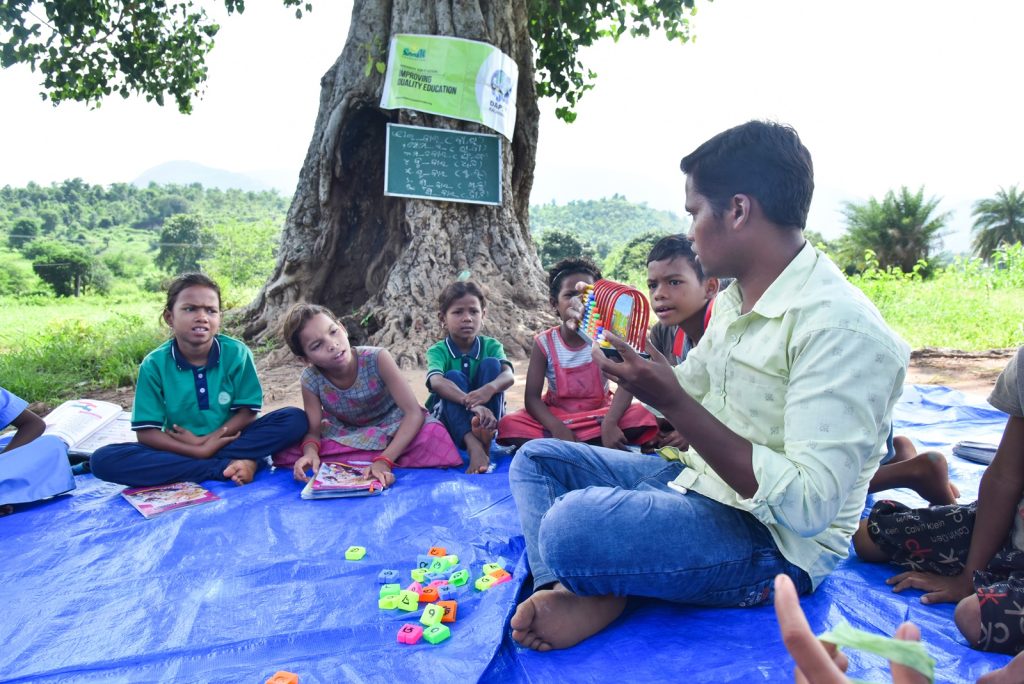
In remote areas, solar-powered digital classrooms have transformed the learning experience. Teachers, especially women, now use visual tools and multimedia lessons to explain complex scientific concepts with confidence and clarity. These innovations make science accessible and engaging for rural learners.

3. Community Sensitisation

Through parent–teacher meetings and outreach sessions, Smile Foundation builds awareness about the importance of science education for girls. This effort has led to tangible results with higher attendance rates, delayed marriage ages and more girls continuing their education beyond primary levels.

The aim is to create a pipeline of empowerment, from student to teacher to role models. Science becomes a source of learning that inspires generational change in how children, especially girls interested in science perceive the subject. 

image 10

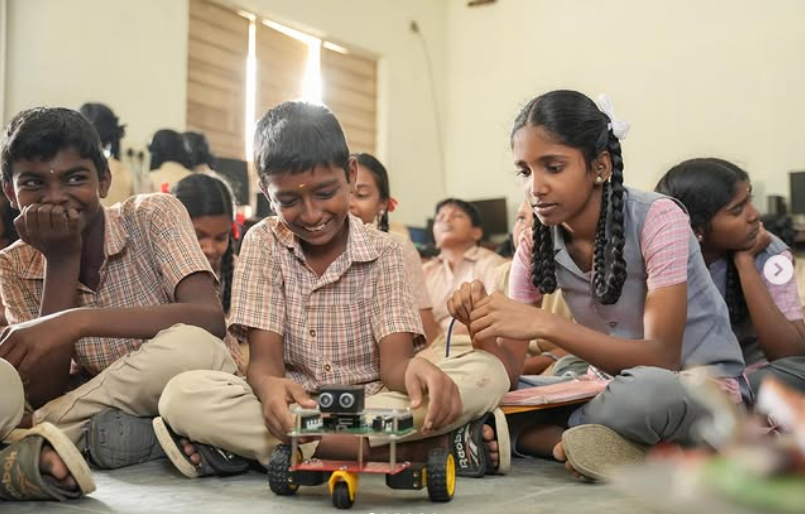
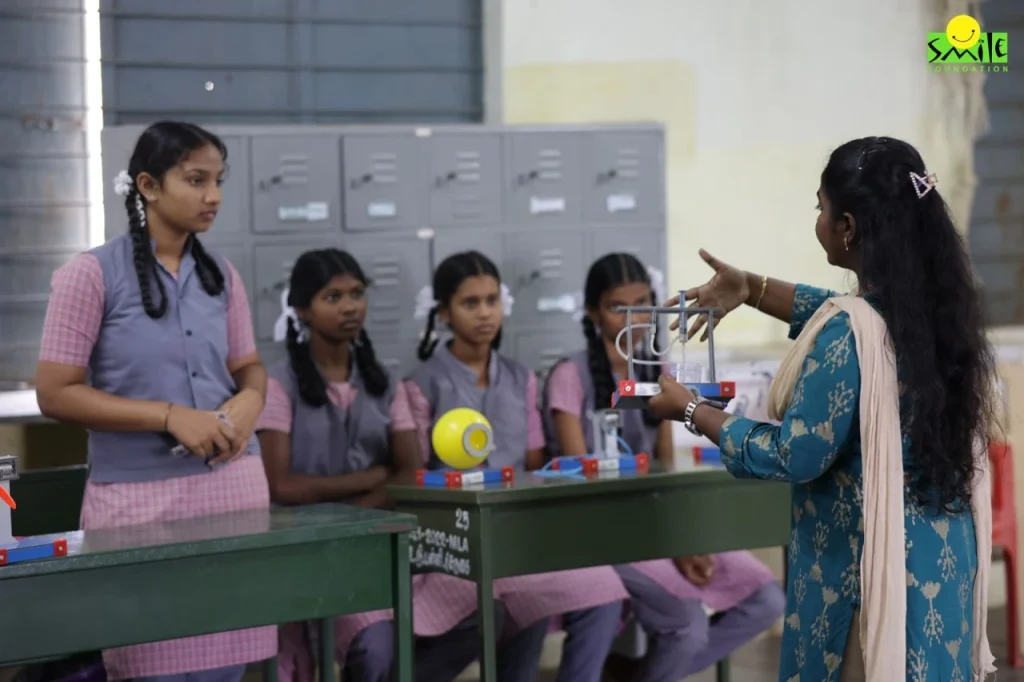
Today STEM learning has become an engaging and enjoyable experience for children through Smile Foundation’s STEM Labs. Here students explore science, technology, engineering and mathematics in simple, hands-on ways. Through interactive activities and guided lessons, they grasp complex concepts with ease, find joy in learning and build confidence to discover something new each day.

Building Sustainable with Scholarships for Girls

According to India Skills report 2025 only 54.81 % of graduates meet industry employability standards. Between 2013-2014 female enrolment in undergraduate programmes rose by 46% and 55.5% at the post graduate level. However, there has been a decline in the enrolment of girls in engineering course by 1.35% at the undergraduate level, whereas at postgraduate level the decline is of 43%.

image 11

Many first generation college students, especially girls, face more than financial hardships. They have to navigate new challenges like understanding academic culture, professional networking and career opportunities. Traditional scholarships often come with its limitations which usually only aids in accessing engineering courses, but doesn’t support in allowing the student to survive the course and successfully establish themselves as work ready engineers. 

Smile Foundation’s Scholarship programme for Girl Engineer adopts a holistic model that combines financial aid with-

  • Life skill and digital training
  • English fluency session 
  • Career counselling and mentorship
  • Mental health support 

The programme integrates employability training, communication workshop, mock interviews and technical bootcamps to bridge the gap between academic learning and professional readiness. Collaborations with private sector provide internships, mentorships and industry projects that allow aspiring engineers, particularly young women, to gain practical exposure and workplace discipline. This approach nurtures confidence and prepares them to transition seamlessly from classrooms to careers. 

For over two decades, Smile Foundation has worked closely with grassroots communities across India, witnessing first-hand the transformative power of targeted interventions. Each initiative, no matter how small, has shown that when opportunity meets access, change becomes inevitable.

In line with the theme of World Science Day 2025, which celebrates the power of science to trust, transform and build tomorrow, Smile Foundation believes that making science truly accessible to all is the first step towards equitable and inclusive education in India.

Spreading the Power of Science

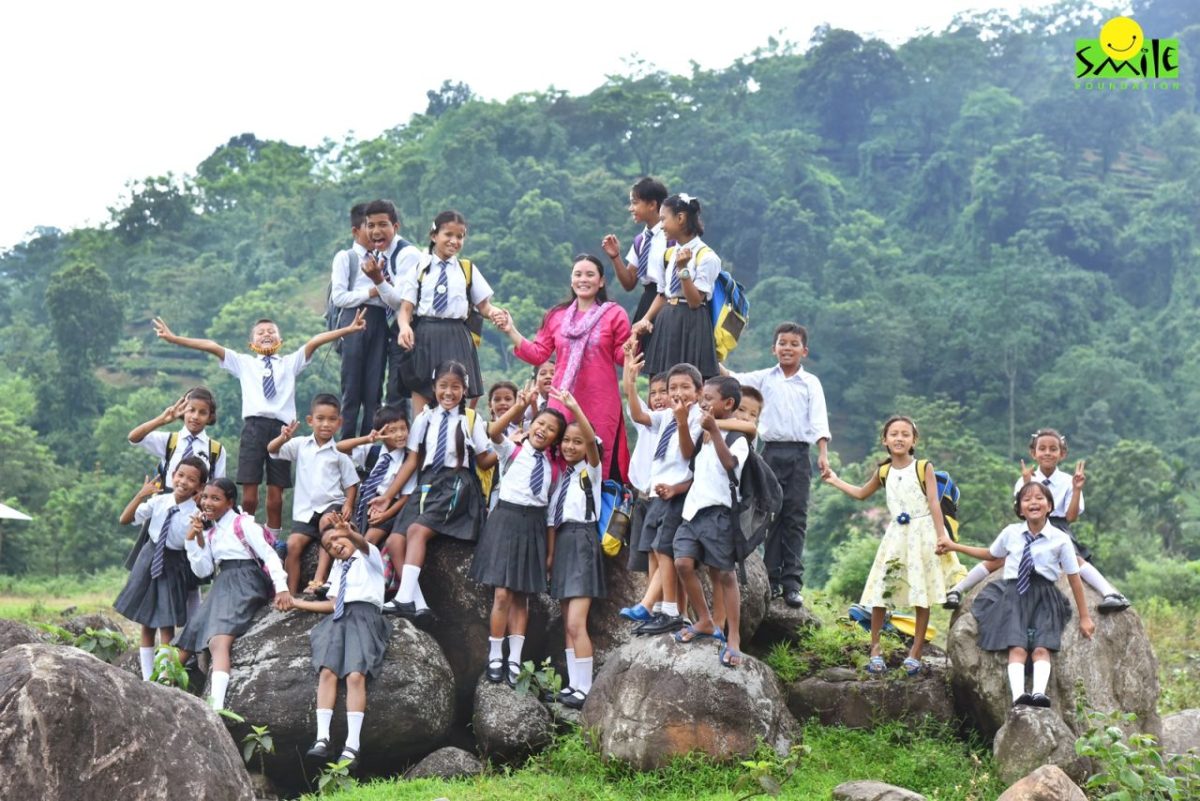
Through initiatives such as STEM Labs, children from underserved communities are introduced to hands-on learning in science, technology, engineering and mathematics. These interactive spaces ignite curiosity and creativity, allowing young learners to explore scientific ideas through practical experience rather than rote learning. Such exposure helps them see science not as an abstract subject, but as a living, breathing part of everyday life something that they, too, can master and shape.

world sc day 2

Equally important are scholarships for girls in engineering, which go beyond financial support. They provide what Smile calls “wraparound support” with mentorship, employability training, and guidance that help young women navigate both their studies and future careers. For many, this is the only bridge between aspiration and achievement. It gives them the freedom to dream without the weight of financial pressure and the confidence to step into spaces where women have been historically underrepresented.

The World Science Day for Peace and Development 2025 carries a clear and urgent message: science and innovation must become the tools that create equitable systems of learning and livelihood. By empowering every child through STEM education and supporting India’s daughters in engineering, we are nurturing a generation ready to trust in their abilities, transform their communities and shape a sustainable tomorrow for themselves and for the nation.

Sources:

  1. Where Are the Women? Exploring the Decline of Female Engineers and IT Professionals
  2. World Science Day for Peace and Development, 10 November
  3. World Science Day for Peace and Development 2025
Categories
Gender

Empowering Women Entrepreneurs in India

In village after village, and in the crowded lanes of city slums, women who once depended on meagre daily wages or the family income are now designing their own destiny. Fuelled by targeted entrepreneurship training, they are stitching, baking, farming and selling their way to dignity and independence. Across India, NGOs and social programmes are teaching women business planning, vocational crafts, financial and digital skills, and marketing know-how to help them launch sustainable enterprises. In the process, hundreds of women are transforming not just their own lives but entire communities into women entrepreneurs.

Under Smile Foundation’s Swabhiman, women like Ranjana from Palghar district of Maharashtra have seized new opportunities. Ranjana started a small poultry farm during the pandemic, and today she beams with pride:

“This poultry farm has been a boon in disguise for me. Not only do I feel economically independent but also empowered to make my own decisions. I want to run my farm on a big scale.”.

Her story is typical: women who learned animal husbandry or horticulture are feeding their families and generating income, instead of watching loved ones migrate or go hungry. These programmes often include hands-on agriculture and animal-rearing training – whether it’s kitchen gardens, mushroom and poultry farming, or spice cultivation – along with guidance on budgeting and sales. A rural woman was helped to cultivate vegetables in her backyard, sell the produce and even build a women’s collective around it, leading entire communities toward financial independence and confidence.

At the same time, urban women are getting just as much support. In city slums and small towns, women are being trained in tailoring, catering and digital marketing. One participant in Haryana, Shyama, recounts how a community mobilizer began teaching her about financial literacy and entrepreneurship during COVID:

“I learned sewing and got a tailoring machine. After that, we started receiving orders and getting back on our feet… Now, thankfully, things are much better.”

Shyama’s family had been on the brink: her husband lost his tailoring job, they fell behind on bills and tension was rising at home. But with training in sewing and guidance on managing orders, the family business rebounded. Shyama even taught other women in the neighbourhood to stitch masks when the lockdown hit. Her experience – gaining new skills, confidence and customers – shows how urban entrepreneurship programmes can reverse poverty and restore self-respect.

Programmes for Women Entrepreneurs

The secret behind these successes is structured support, combining hard and soft skills. Programmes follow a step-by-step model that begins with basic skilling and continues through enterprise launch and scaling. Women receive training in concrete business skills – for instance:

  • Business Planning & Financial Literacy: Learning to budget, price products and manage cash flow.
  • Marketing, Communication & Digital Exposure: Understanding branding, social media, e-commerce platforms and online payments.
  • Vocational & Technical Skills: Hands-on instruction in trades like tailoring, food processing, beauty services or even organic farming.
  • Soft Skills and Confidence-Building: Coaching in leadership, networking, presentation and decision-making.

Such training bridges a glaring gap. Historically, women’s enterprises in India were often informal and under-resourced. According to an industry report, only a small fraction of women-led ventures reach markets effectively and few integrate technology or formal marketing. By teaching not just how to stitch or cook, but how to run a business – from writing a simple plan to negotiating with vendors – these programmes unlock vast potential. We even include sessions on digital literacy, from using a smartphone to accepting online payments, so that rural artisans can sell textiles or spice mixes on e-commerce sites and urban entrepreneurs can advertise and ship products nationwide.

Holistic Change for Women Entrepreneurs

The impact is visible and measurable. The entrepreneurship training alone has spawned dozens of women-led micro-enterprises – small shops, home-delivery food ventures, dressmaking centres and more. Tailoring units and handmade garment businesses top the list, but others include catering start-ups (making snacks, pickles or tiffin services) and even digital services. Empowered with business plans and marketing support, many women have taken to selling on e-commerce platforms. For instance, groups of village women trained in tailoring now collectively run an online boutique, stitching wedding dresses for orders received through WhatsApp and local marketplaces.

Crucially, the transformation is as social as it is economic. Women who manage their own incomes gain a voice at home and in the community. Studies show that women’s entrepreneurship can significantly boost household decision-making power and reduce gender inequalities.

As women earn and save, they invest in children’s education, household health and community projects. Confidence grows as business skills grow. When women master technology and financial concepts, they become change-agents mentoring others and inspiring younger girls to aim higher.

The personal stories are rich. In one Mumbai suburb, an enterprising caterer learned to use digital payment apps and now supplies lunches to local offices, quadrupling her earnings. In Odisha, a group of rural women trained in value-added food processing transformed local agricultural produce, turning raw vegetables into pickles and papads, and began selling branded products under a cooperative label. After training and seed funding, each woman now contributes to a common enterprise and shares profits. Across fields, from mushroom cultivation to mobile-phone repair, the common thread is skill support plus market access.

The Importance of Loan Networking

Programmes often link graduates to subsidies or microloans, and help them secure government scheme benefits. One alumna says that after learning bookkeeping, she even opened a bank account and regularly saves a portion of her income – a habit that would have been unimaginable before.

These shifts take time. But the evidence of change is strong. Nearly 84 women from a rural cohort launched their own businesses within a year of training. Many women increased their monthly income severalfold, moving from occasional labour to a steady business. Surveys of participants consistently report higher self-esteem and community standing. Women trained in tailoring or baking often say they are now respected in the neighbourhood in ways they never were as dependents. One tea-stall worker from Bengaluru took a government-approved entrepreneurship course and now hires other women to help run a home catering venture – she calls it a “dream come true to feed my family and run a business of my own.” Although detailed impact evaluations are scarce, anecdotal and early quantitative indicators all point toward sustainable enterprise creation. In year-long follow-ups, most women remain in business or have upgraded their skills for better opportunities, rather than slipping back into precarious work.

In sum, these programmes are tackling multiple challenges at once. Rural and urban women often start at a disadvantage – lacking education, credit history or even the confidence to leave home. By offering structured training (not just one-off workshops), NGOs and partners give women a clear road map: Plan → Prototype → Profit. Women learn to spot market demand (say, demand for home-cooked snack boxes), draft a simple business model and then actually execute it with ongoing mentorship. Courses blend traditional livelihoods (tailoring, food processing) with modern tools (digital marketing, e-payments). The programmes also nurture soft skills: participants practice pitching their business and negotiating with suppliers, which is crucial for survival.

Consider two contrasting examples, one rural and one urban, that capture this change. In a farming village in Jharkhand, a group of women learned mushroom cultivation and cold-chain logistics. With support, they formed a collective, pooled their modest savings and now supply fresh mushrooms to restaurants in the nearby town. A village elder reports that the project lifted dozens of families above the poverty line. In the heart of Delhi, another woman – previously a home-maker – was trained in graphic design and e-commerce. She started an online handicrafts store, marketing the creations of her neighbourhood women through Instagram. Today she not only earns enough for her own household expenses, but has hired her former sewing-teacher as an assistant, exemplifying a chain of empowerment.

The Walk to Viable Businesses

The overarching message is clear: when women receive comprehensive training including business planning, vocational craft and financial literacy – they can turn any skill into a viable enterprise. Whether stitching clothes, cooking meals, tending fields or selling on the internet, they are becoming self-reliant entrepreneurs. The economic impact is tangible: rising household incomes, better nutrition for children, savings and investments in health and education.

The social impact is equally profound with changing family dynamics and community perceptions. A financially independent woman is more likely to insist on her rights, less likely to tolerate domestic abuse and more likely to educate her daughters. Each empowered entrepreneur, in effect, becomes a role model, showing others that traditional barriers (poverty, caste, gender norms) can be overcome.

By the end of 2025, Swabhiman had already helped launch over eighty businesses and trained hundreds of women across rural and urban areas. We salute the women leading these ventures and the mentors and trainers who guided them. Only by continuing to invest in such holistic training can India tap the full potential of its women.

This op-ed is based on data and stories from field initiatives supporting women entrepreneurs. We gratefully acknowledge the role of the Swabhiman entrepreneurship programme in many of these successes.

Categories
Health

Community Awareness is Improving Newborn Care in Rural India

In a village meeting hall under the neem tree of Badiya Gena, expectant mothers and new mothers sit eagerly on wooden benches as an Auxiliary Nurse Midwife (ANM) speaks in their dialect about caring for their newborns. For many, this is their first time learning that the yellow, sticky colostrum — once thought to be “dirty milk” — is actually the vital first food for the infant. “Earlier we gave our babies honey and sugar water as a tradition,” recalls one young mother from the crowd. “Now I know that only mother’s milk protects her tiny body, and I saw my little one thrive after I started exclusive breastfeeding.” Such scenes are no longer unusual in rural India.

Across the hinterland, community-led awareness sessions have begun to reshape age-old practices around the cradle. Health educators and local workers respectfully address traditional beliefs (like elixir-giving and early baths) and replace them with science-backed newborn care. The result is a new generation of babies who are fed, kept warm, immunized and watched over for danger signs.

Many of these sessions are organized by government and NGO teams who have learned that change comes fastest when neighbours teach neighbours. Indeed, studies confirm that community education saves lives: a Cochrane review found that group and home-counselling by local health workers significantly improved newborn survival and boosted breastfeeding – mothers who received such education were 56% more likely to initiate breastfeeding immediately. In India, this has translated to rising breastfeeding rates.

Recent analysis of NFHS data shows exclusive breastfeeding for six months climbed from about 46% in 2005–06 to nearly 65% by 2019–21, thanks in part to counselling by ANMs and community volunteers. Local surveys echo this. In Uttar Pradesh, for example, women with repeated contacts (three or more visits) from frontline workers were far more likely to breastfeed within an hour of birth than those with no visits. As one rural woman put it after an ANM’s home-visit, “Before, I bathed my baby right away and gave water; now I dry and wrap her, put her on my chest and feed her first. She’s much healthier.”

Core Newborn Care Practices

Community sessions focus on a short list of proven practices, each one grounded in science but taught through familiar analogies. Key messages include:

  • Exclusive Breastfeeding (EBF): Only mother’s milk (no water or animal milk) for the first six months dramatically reduces infections. Mothers are encouraged to give colostrum (the first thick milk) immediately after birth.
  • Hygiene and Cord Care: Handwashing before delivery, using clean instruments to cut the cord and keeping the umbilical stump dry or treated with chlorhexidine – these steps prevent life-threatening infections. Educators often use local metaphors (e.g. “to make curd, you wash hands and sterilize utensils; do the same for your newborn so they don’t get spoiled”) to win acceptance.
  • Warmth and Thermal Care: Newborns must be kept warm. They are dried immediately, wrapped snugly and held skin-to-skin on the mother or other caregiver. Delaying the first bath by at least 24 hours is emphasized to prevent hypothermia. (“A dry, warm baby grows strong,” goes the slogan in many sessions.)
  • Timely Immunization: Ensuring birth-dose vaccines (BCG, Oral Polio Vaccine zero-dose, Hepatitis B) and follow-ups protects babies from deadly diseases. Workers explain each vaccine’s purpose in simple terms, so parents understand why they must return for the next doses.
  • Danger Sign Recognition: Mothers learn to watch for any danger sign – poor feeding, high fever, fast breathing, lethargy, convulsions or jaundice – and to seek prompt medical help if any occur. (A recent survey found only 43% of mothers knew even three basic danger signs, so education emphasizes this continually.)

By covering these essentials, sessions leave mothers with practical checklists. As one city caregiver said, “I didn’t know a baby could get polio drops the same day she’s born. At the camp they explained it all, even helped me mark her immunization card.” This mix of knowledge helps mother and child stay safe in the critical neonatal period.

Changing Beliefs and Behaviours Towards Newborn Case

Introducing these practices must be done with cultural sensitivity. Many villages still have strong traditional beliefs. In some areas, people bathe newborns early, fearing the placenta’s dangers; in others, they apply cow dung or ash to the cord for blessings. However, evidence from the field shows a clear shift: modern hygiene is replacing harmful customs. For example, a 2024 study in Odisha found that while grandmotherly remedies (applying ash or herbal pastes to the cord, putting substances in the baby’s eyes) were once common, young mothers were much less likely to use them.

Even rituals to ward off the “evil eye” remain more a comfort than a threat – these harmless chants continue, but the dangerous practices do not. Educators never mock traditions; they acknowledge elders’ intentions and then show the scientific ‘why’. Over time, as mothers see healthier outcomes, trust grows.

Similarly, myths about breastfeeding and nutrition are dispelled through dialogue. In many communities, there was an old belief that newborns needed additional fluids (like honey or water) right away. Health workers patiently explain that these introduce germs and dilute breastmilk’s nutrients. The fact that national surveys now show rising EBF rates suggests these messages are sinking in.

Frontline Workers: Building Trust for Long-term Newborn Care

At the heart of this change are the frontline workers – ANMs, Accredited Social Health Activists (ASHAs), Anganwadi Workers and visiting doctors. These are often local women who speak the mother’s language and understand village life. They build trust one home at a time. As one study noted, mothers in Andhra Pradesh who had antenatal counselling by ASHAs/ANMs were more than twice as likely to recognize danger signs.

Across studies, increased contact with these health workers correlates with better newborn care behaviours: in one UP survey, mothers with three or more worker visits were significantly more likely to breastfeed within an hour and to get tetanus shots, compared to those with none. This isn’t surprising – when a trusted ANM explains why exclusive breastfeeding matters, families listen.

In a Madhya Pradesh community, people resisted polio drops for fear of side effects; it took time, home visits and even treating a sick child to break the ice. As UNICEF reports from Nashik recount, once a health team helped cure a migrant mother’s diarrhoeal baby, she “became an advocate” for vaccination and helped bring the others around. Gradually, scepticism gives way to acceptance – as the ANM Nirmala in Nashik put it, after adjusting timings to suit day laborers, “Now they welcome us warmly!”.

Doctors at primary health centers also join this effort, often visiting villages with outreach clinics. Seeing a white-coat giver of vaccines or a doctor examining a newborn can reassure worried parents. Joint sessions – where an ANM teaches feeding and an MBBS doctor reinforces it – can be very effective. Over time, this consistent presence has helped bridge the gap between rural minds and medical advice. Indeed, an Odisha study found mothers increasingly “seeking healthcare promptly for even minor problems,” a big change from the past. The village worker who was once just a neighbour is now a respected “didi” (elder sister) who brings not just medicine, but compassion.

Grassroots Success: Stories from the Field

These combined efforts are translating into stories of real change. In Chhattisgarh, a mother in the Bastar region remarked with pride, “On the first night, I kept my baby on my chest instead of beside the stove. He slept warmer.” In Jharkhand’s Khunti district, after ASHAs taught mothers to delay bathing and give colostrum, hospital referrals for sick newborns rose (in this case, a good thing – once people recognized danger signs, more babies got the urgent care they needed). In urban slums, too, migrants take note: “I came from Bihar thinking bottle-feeding was modern,” says a Mumbai woman who attended an awareness fair. “But in the session I learned about exclusive breastfeeding and even kangaroo care. I adjusted and my baby’s doctor commented on her good weight gain.” An office in Delhi tells of male volunteers running neighborhood education drives – proof that even in cities, community awareness can bridge gaps in knowledge.

Two participants’ reflections capture the shift: “In our village I used to bathe my newborn at once and give her honey,” one rural mother says. “After the meeting, I kept my second baby warm on my chest and fed him only breastmilk. He’s strong now, much better than my first.” Meanwhile, a young mother from an urban slum adds, “I thought vaccines could wait, but the nurse explained that Polio drops and BCG start at birth. Now I’ve marked my daughter’s shot dates and feel at ease.” Such voices show how learning translates immediately into changed practice.

Mobile Outreach and the Road Ahead

To ensure no village is left behind, NGOs have joined the chorus. Mobile medical units of Smile Foundation bring these lessons directly to hamlets and slums. In one example, a rural clinic-on-wheels organized an infant-care session right in the heart of the community. For instance, a recent newborn health awareness camp in Badiya Gena (Ajmer district, Rajasthan) was run by Smile Foundation’s mobile “Smile on Wheels” team. There, the travelling doctors and nurses reviewed all the key points – breastfeeding, hygiene, immunizations, keeping babies warm and spotting illness – with dozens of local parents. It was a subtle reminder that the work of trust-building extends beyond static clinics.

The cumulative impact is encouraging. National indicators show India’s infant mortality steadily declining (IMR fell from 34 to 30 per 1,000 births between 2015–21), and experts credit not just hospitals but empowered communities for this trend. Yet challenges remain: some areas still show hesitation around modern care, and urban slums can be as ignorant of newborn needs as remote villages. Continued emphasis on dialogue and respect for culture will be key. As one seasoned ANM put it, “We never tell mothers their ways are bad; we tell them how to keep the good and make the baby safer.”

These stories underscore a larger truth: newborn care is as much about people and trust as it is about medicine. When an ANM kneels down to speak in the mother tongue, or a doctor listens to elders’ concerns, new ideas have room to grow. As rural India educates itself, villages cradle not just their infants, but a hopeful future – one community meeting at a time.

Categories
Smile CSR Partners In Change Partnerships

Children’s Day Through the Lens of Employee Engagement

Children’s day in India, celebrated on 14th November marks the birth anniversary of Pandit Jawahar Lal Nehru, affectionately remembered as “Chacha Nehru”. The day is a tribute to his deep belief that children are the nation’s great asset and that nurturing their growth is fundamental to building a compassionate and progressive society. 

For adults, children’s day evokes a sense of nostalgia, a reminder of innocence, creativity and curiosity that once defined our own childhood. From school activities to dressing up as Chacha Nehru, these traditions still continue to inspire generations, underscoring the importance of creating environments where every child, regardless of their socio-economic backgrounds, grows with quality education and nourishment.

To keep the spirit of the day alive, many organisation use this day as an opportunity to rekindle the childhood euphoria, by conducting employee engagement activities with children hailing from the marginalised communities of India, which positively shapes the young minds with chances of learning new things, interacting with professionals, and be inspired for their future. 

567976692 1303179865166486 2309633643794682932 n

Why Children’s Day Matters at Work 

From an early age, children explore their surroundings out of curiosity, especially when there’s something new to learn. Studies have shown that, in children too, curiosity involves a range of information- seeking behaviours, just like the adults. Preschoolers display creativity by trying different solutions or imagining new uses for objects. Though they may not be able to create things that are new or useful, they show “mini C- creativity”— personal creative efforts that aid in learning. 

How is this related to engagement at work? 

Employee engagements are crucial to build a culture where formality is replaced with fellowships. In moments of shared laughter or team work, individuals rediscover each other beyond designations. This emotional synchrony cultivates psychological safety, and paves way for a workforce that

  • Interacts meaningfully,
  • Less prone to isolation and burnout, and
  • More likely to build collective resilience.
image 7

However, creating a consistent routine mechanism for recognising employee contributions is equally vital. Employees feel more engaged and inspired when their efforts are genuinely acknowledged and appreciated

In this light, thoughtfully designed employee engagement initiatives become more than organisational rituals, they become recognition and trust in company’s deeper purpose.

Employees evolve from participants into agents of change, championing social causes such as educational development that shape the nation’s future. Their engagement with young learners reflects authentic leadership, strengthening professional identity, fostering empathy, and empowering children to explore their own creativity.

Corporate Engagements to strengthen Education in India

Employee participation goes beyond volunteering; it directly impacts on children’s education being completed and for many an opportunity to enter a classroom for the first time. India’s rural educational challenges are as diverse as this country’s spirit. However, issues like lack of proper educational infrastructure, lack of educational resources, digital aid, and usable sanitation facilities commonly hinder the growth of young minds across the country.

In 2024, only 49.86% schools across seven Northeastern states had usable toilers for girls. In Sikkim, just 79.2 % of girls’ schools had functioning toilets, followed by 72% in Assam. These figures drawn only from two states, highlight the critical gap in India’s educational structure in 2025. 

At the same time, it is encouraging to note a significant improvement in girls’ toilet coverage in rural schools from 66.4 per cent in 2018 to 72 per cent in 2024. This progress underscores the impact of collaborative efforts between corporates, NGOs, and government initiatives in strengthening India’s education ecosystem.

A single day of corporate engagement holds the power of creating ripples of change for years ahead. By aligning with national education goals, employee engagement initiatives can support young learners from underserved communities with learning aids, stationery, and digital tools—helping them build essential skills and prepare for a more empowered future.

image 6

Employee Engagement Powering Learning and Smiles 

At Smile Foundation, we believe that when purpose meets participation, workplaces transform into communities of change—enthusiastic corporate teams interacting with children from our education centres, can ignite creativity and teamwork, values that are important for both a growing student and a driven employee.

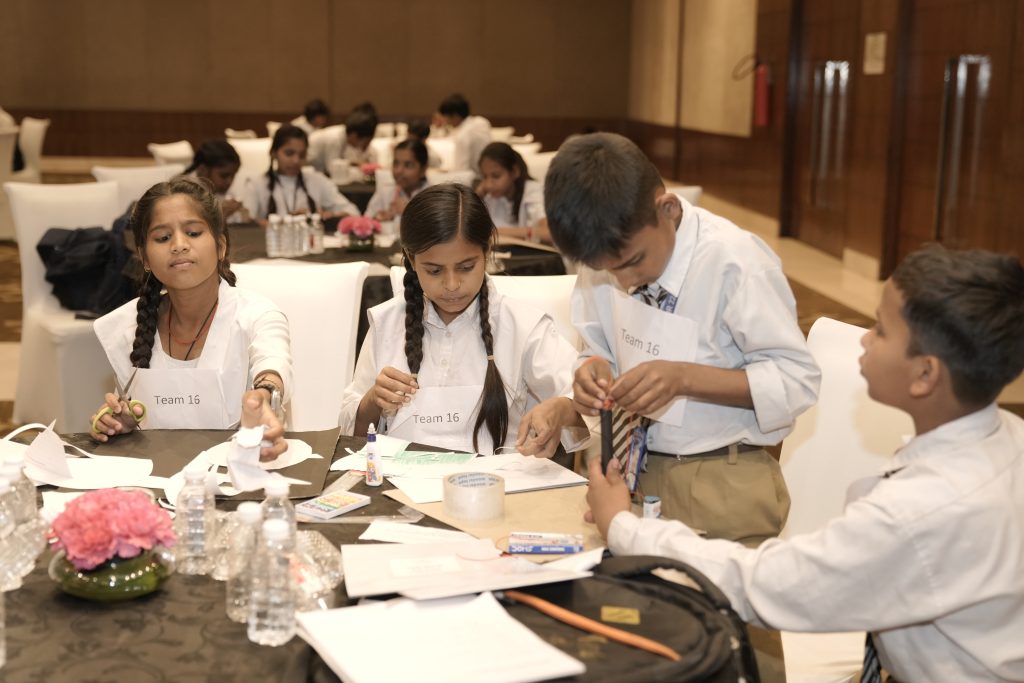
Each activity below strengthens two journeys at once– a child’s learning experience and an employee’s sense of belonging and purpose. 

ActivitiesBenefits for ChildrenBenefits for Corporates
Build- A-Bike Gives children an opportunity to assemble bikes from the scratch, igniting curiosity behind the working of cycle Encourages collaborations, coordination and problem solving under a common goal. The satisfaction of building as a team that boosts morale. 
BaLaMakes classrooms into vibrant learning environments. Children get to learn with murals, maps and visuals that spark curiosity in learningIgnites creativity and empathy. Painting as a team bonds, while allowing employees to see the tangible outcome of their collective effort.
Ecobricks Furniture MakingIt creates sustainable and safe furnitures for schools and learning centres, while promoting environmental awareness among studentsCultivates environmental consciousness, teamwork and innovation. Employees can learn new sustainable practices that can boost company’s CSR goals
Happy Feet ChallengeOften many children from the marginalised communities do not have proper shoes or walk barefoot, this activity offers them creativity tied up with comfort and safety Fosters empathy, artistic expression and purpose driven engagement. Employees can experience the joy of creating something for a child in need
Indoor Plantation DriveChildren learn to be environmental custodians from an early age while learning how to be more mindfulActs as a therapeutic and team-bonding exercise, while reinforcing sustainability awareness aligned with ESG and wellness initiatives
Wall of Smile Provides access to essential items like books and stationery, encouraging learning and continuityOffers an impactful way to declutter responsibly, while encouraging meaningful giving to the community. 
Mandala Art/ Greeting Card MakingDelivers messages of encouragement and positivity, reminding them they are seen and supportedIs a mindful reflective activity that reduces stress, while deepening emotional connection with a cause 

When work meets joy, it transforms more than just the atmosphere, it humanises the workplace. Celebrating occasions like Children’s Day, Christmas or New year through employee engagement activities serve as a gentle reminder which is often forgotten in the rush of targets and boardroom discussions that – curiosity, empathy and imagination are not tractors to outgrow but to rediscover. These very qualities that were once nurtured in childhood, today continue to evolve with age that is complimented with innovation, problem solving and resilience of the adult brain. 

Simple acts like assembling a bicycle, planting a sapling, painting a classroom, all of these activities just do not become an avenue for volunteering by the corporates, but they become a platform where the employees can become active agents of transformation; they can rekindle a sense of purpose, return to creativity and be a much more compassionate team who value making a positive meaning beyond the desk, while giving opportunities of learning and laughter to children from underserved communities of India.

529443985 1242086974609109 3098451454253771501 n

Engage with children from Smile Foundation’s education centres to create experiences that matter on children’s day. Partner with us to bridge purpose and progress, where India’s children are empowered and businesses build a future that truly lasts. 

Sources- 

Exploring the creativity-curiosity link in early childhood

The Benefits of Employee Engagement

NE states lag behind even as India improves girls’ toilet facilities

Is India AI ready when 36% of schools have no internet?

Employee Engagement Is More Than A Plus, It’s Essential

The Q12®: The World’s Leading Employee Engagement Survey

Categories
Smile

Is India still Fearful of Girl Children?

For centuries, Indian society has struggled with a deep-seated preference for sons. This preference is so entrenched that it continues to shape familial decisions and social practices of different cultures, and in turn, the country’s demographic patterns. To ask if India is still fearful of girl children is not to suggest that Indians literally fear daughters, but rather to ask whether the idea of raising a girl continues to evoke anxiety, social burden as well as economic apprehension.

The most evident reflection of this fear and its consequences lies in the imbalance between the number of boys and girls born. The Pew Research Center has estimated that between 2000 and 2019, about nine million girls went ‘missing’ in India, a result of sex-selective abortion and the undervaluing of daughters within families.

Despite policy reforms and visible progress in education and healthcare, the persistence of gender bias and subtle discrimination shows that India’s ‘fear’ of the girl child, though transformed, has not been eradicated.

The cycle of Inequality

While India’s overall sex ratio at birth has begun to normalise over the past decade, many states continue to record skewed ratios, revealing this pervasive preference for sons. The Economic Times reported in 2024 that Delhi’s sex ratio had fallen to 920 girls per 1,000 boys, a decline that signals how cultural bias persists despite economic growth and modernisation in the country.

Beyond these statistics, the discrimination continues in the survival and upbringing of girls in the country. The birth of a daughter, in many families, still triggers worry about dowry, safety and marriage. UNICEF has highlighted that India remains one of the major countries in the world where more girls die than boys. This brings to the fore the neglect girls have to endure in terms of nutrition, education, healthcare as well as social investment. Even when girls survive infancy, their early years are often shaped by structural disadvantages. This is further exacerbated when girls have to take up care work.

A Time Use Survey conducted in 2019, later analysed by UNICEF, revealed that girls spend more than twice as much time as boys on unpaid domestic chores—roughly two hours each day—that could otherwise be used for study or recreation. This burden of household responsibility not only limits their educational development but also reinforces the notion that girls exist primarily for service and care. This discrimination is subtler, often unrealised by girls themselves, but equally damaging, as it perpetuates cycles of inequality and dependence for years to come.

Awareness: A Requisite

Even though these issues are still persistent, things have been changing substantially. In the past decade, there have been important improvements in both policy and public awareness. The United Nations Inter-agency Group for Child Mortality Estimation reported that the gender gap in survival among young children in India declined fourfold in just five years, showing that targeted interventions can save lives and shift cultural attitudes. Government initiatives such as ‘Beti Bachao, Beti Padhao’ have raised awareness about gender inequality, owing to which more girls have been enrolling in school and entering professional fields. These changes suggest that overt rejection of the girl child is definitely receding.

Yet, a deeper analysis shows that progress remains fragile. The root causes of son preference are intertwined with India’s social, cultural and economic structures. In the country, sons are traditionally seen as the bearers of family lineage, providers of old-age security and most importantly, inheritors of property. Daughters, on the other hand, are viewed as economic liabilities who will eventually “belong” to another family through marriage. The institution of dowry intensifies this view, making the birth of a girl a matter of financial anxiety. To this day, women are considered secondary or external to their natal families, often referred to as ‘paraya dhan’. This leads to a quiet denial of opportunities, particularly in families that are relatively disadvantaged.

Towards a Balancing Act for Girl Children

Going forward, India’s challenge is no longer only about ensuring that more and more girls are born and they survive but it is about ensuring that they are allowed to thrive. The symbolic celebration of daughters in advertisements and campaigns often hides the slower, more complex struggle for everyday equality. Even policies such as ‘Beti Bachao, Beti Padhao’ have been criticised for their focus on symbolism over substance, with audits often revealing gross mismanagement and underuse of funds.

Ultimately, the issue of gender disparity is a reflection of patriarchy’s endurance. The anxiety around daughters stems from a social system that makes them vulnerable and undervalued in the larger scheme of systemic things. When families fear for the safety, marriage prospects, or financial burden of their daughters, they are essentially responding to larger societal and systemic structures rather than personal prejudice of any form.

The task ahead is not simply to change minds but to transform the systems that make daughters a liability. This can be ensured by strengthening equal inheritance laws, providing better old-age security and through campaigns that socially and economically promote a shared domestic responsibility are all necessary steps toward dismantling that fear.

Smile’s Work for Girl Children

Amid these entrenched social anxieties, change often comes not from sweeping national campaigns but from slow, persistent work on the ground. In many communities, the first real challenge to long-held biases emerges when families encounter programmes that treat girls not as burdens or future brides, but as individuals whose health and aspirations matter in the present. This shift — subtle but powerful — is where the foundations of gender equality begin to take shape.

Smile Foundation’s Swabhiman programme is part of this quiet transformation. By working directly with mothers, fathers, adolescent girls and frontline health workers, it helps families understand nutrition, menstrual health and the rights of girls long before marriage or motherhood become part of the conversation. Mobile clinics, neighbourhood meetings, and home visits create spaces where girls’ wellbeing becomes a shared priority, not an afterthought. In households where daughters once ate last, the simple act of discussing anaemia or school attendance can start to loosen old assumptions.

These community-level shifts matter because they create new expectations of what a girl’s life can look like. When girls are healthy, informed and supported, the fear that has historically surrounded their birth begins to fade. Families who see daughters thriving — in classrooms, in peer groups, in their own bodies — start to imagine different futures for them. It is slow work, quieter than policy proclamations, but it is the kind of change that endures.

In conclusion, while India has made visible strides toward gender equality, the lingering apprehension about raising a girl reveals that the journey is incomplete. The underlying attitudes that undervalue girls remain a sustained issue, and while India is not a country that universally disregards daughters, it is still a society that hesitates to celebrate them without reservation.

Categories
Health

Why Nutrition in Adolescence is Foundational to Motherhood

Much of India’s public conversation about women’s nutrition remains tethered to maternal health — “healthy pregnancies,” “safe deliveries,” “reducing maternal mortality.” These are vital goals, but this narrow framing reduces a girl’s worth to her reproductive role. It overlooks her present: the teenage student squinting at a blackboard because she lacks energy; the girl who drops out after puberty because menstruation becomes a burden in the absence of nutritious food or proper hygiene facilities; the teenager juggling homework with household duties while coping with chronic anaemia.

Girls deserve good nutrition not simply to become healthy mothers someday but because they are human beings whose dreams and abilities matter today.

Yet, nutrition in adolescence undeniably shapes future health. Anaemia during teenage years increases the likelihood of low birthweight babies, preterm deliveries, and complications during childbirth. Poor nutrition reinforces a cycle where a girl’s weakened body becomes the fragile foundation of the next generation’s health. In this way, the consequences of adolescent malnutrition spill far beyond the teen years — shaping entire communities.

Understanding What Girls Need and Why They Often Don’t Get It

The nutritional needs of adolescents are simple in theory, but complicated in practice.

Growing teenagers require:

  • More energy, to fuel rapid physical and cognitive development
  • Healthy fats, to support the brain and stabilise hormones
  • Protein, to build stronger muscles and tissues
  • Calcium, to strengthen bones during a critical growth phase
  • Iron, to prevent anaemia in menstruating girls
  • Zinc and folate, to support immunity, cell repair and emotional wellbeing

These are not luxury nutrients. They are basic requirements for a developing body.

But millions of girls do not get them — not because the foods are unavailable in India, but because of gender norms and household patterns that dictate who eats first, who eats most and who eats best. Girls too often fall at the bottom of this hierarchy. The consequences can last a lifetime.

Globally, micronutrient malnutrition among women is now recognised as a major public health crisis. In India, it intersects with entrenched gender inequality, lack of dietary autonomy and limited access to health services. A menstruating adolescent who is anaemic may miss school frequently; she may drop out earlier, narrow her job prospects and enter motherhood early and underprepared. Her child, in turn, inherits those vulnerabilities — a generational echo of nutritional neglect.

A System That Must Recognise Nutrition in Adolescence Early On

India has launched several strong national programmes — Poshan Abhiyaan, Anaemia Mukt Bharat and Swasth Nari Sashakt Parivar Abhiyaan — signalling political recognition of the problem. But intent alone cannot compensate for how deeply adolescent nutrition is siloed across ministries, departments and household expectations.

If India wants to unlock the potential of its adolescent girls, the approach must be broader, more integrated and more rooted in a “pre-motherhood lens.”

This means:

  • Nutrition education embedded meaningfully in school curricula
  • Lessons that link diet to health, menstrual hygiene, emotional wellbeing and future livelihoods
  • Health systems that recognise girls as individuals with their own nutritional rights
  • Social protection that ensures girls get adequate food even in households under strain
  • Programmes that treat adolescent girls, women who are pregnant, lactating mothers and women outside the reproductive cycle as distinct groups — not one homogeneous category

Empowering adolescent girls to serve as peer educators can be transformative. When a teenage girl confidently speaks to classmates about iron supplements, healthy eating and menstrual health, she challenges norms from within her own community. Similarly, involving boys and men in reshaping expectations can shift household dynamics in ways that support girls’ wellbeing.

Measuring success, too, must go beyond haemoglobin levels. Attendance in school, confidence in the classroom, self-advocacy, healthier menstrual experiences — these reflect deeper, more sustainable improvements in girls’ lives.

Meeting Girls Where They Are

Civil society organisations play a critical role in bridging the distance between policy and lived experience. Smile Foundation’s Swabhiman is one example of how community-led interventions can strengthen government programmes. By supporting national campaigns like Poshan Abhiyaan and Anaemia Mukt Bharat, and by training ASHAs, ANMs and Anganwadi workers, Swabhiman strengthens service delivery at the last mile.

In many communities, it is these frontline workers — not distant officials — who help girls understand nutrition, navigate adolescence and access support. Their presence makes policies real. Their visits ensure that the system’s promises reach the girls who need them most.

Swabhiman’s model is practical and rooted in trust:
health camps, nutrition sessions, menstrual hygiene awareness, counselling and peer mobilisation. By bringing services directly into communities and building the confidence of teenage girls, it challenges the quiet barriers that have kept them invisible for too long.

A Future Built on Nourished Girls

India is at a pivotal moment. With one of the world’s largest adolescent populations, the country stands to gain — or lose — enormously from how it treats its girls today. Adolescent nutrition is not simply a health issue; it is an economic strategy, a gender equity imperative and a moral responsibility.

A nation that nourishes its girls nourishes its future.

When an adolescent girl has access to nutritious food, health information and the agency to make choices, the ripple effects extend across generations. Healthy girls become healthier women. Educated girls are more likely to secure dignified work. Empowered girls grow into mothers who understand nutrition not as a burden, but as a right.

The path to that future does not require reinventing India’s systems — only expanding their imagination. Girls are not future mothers alone. They are students, workers, leaders, decision-makers and citizens.

Recognising this is the first step. Nourishing them is the next.

Categories
Education

Scholarships and Beyond: Building Equitable Access for Girls in STEM

Q1. What are some key challenges when it comes to enabling scholarships and access to funds for girls?

Seema Kumar: Smile Foundation started its Scholarship Support Programme in 2006, initially providing school scholarships to address the dropout of girls after the 8th grade. Over time, we have expanded to include higher education scholarships, focusing largely on STEM education.

Over the years, we have observed that fewer girls opt for the science stream in higher secondary. This disparity is not due to a lack of ability or ambition among girls, but because they often do not have access to good teachers who can ignite curiosity and interest. A non-conducive ecosystem becomes one of the major reasons behind this gap.

The second challenge is systemic barriers that begin early in a girl’s education. Financial constraints, societal norms and limited access to resources disproportionately discourage young women from pursuing STEM fields.

The third challenge is lack of awareness about scholarships and schemes. Many girls from low-income groups hesitate to choose science streams because they assume they will need expensive coaching, tutorials and learning material. They often do not know that scholarships and financial support are available to help them continue.

At Smile, our efforts are to address all these challenges in a holistic manner by improving the accessibility of science education in schools, creating a conducive learning ecosystem and building awareness about available resources.

Q2: Your programmes reach thousands of students, but research shows that most students — especially girls — lack awareness of financial aid. Existing scholarships also tend to take a one-size-fits-all approach. How is Smile Foundation thinking about customising aid to fit different aspirations and building awareness earlier in education?

Seema Kumar: Each scholar is unique, so we design Individualised Plans instead of generic models.

When a student is onboarded, we conduct detailed profiling and need assessments. This includes aptitude test scores, interests, available resources, family support and level of preparation for competitive exams — all factors that influence her learning journey. Based on this, an Individual Education Plan (IEP) is developed for each girl.

We also include life-skills training that is designed as per the scholar’s level, helping her build the confidence and resilience needed to succeed in higher studies and careers.

Mentorship is another key component. It provides guidance, encouragement and visible role models for young women. We believe that mentorship, along with counselling services and peer networks, addresses both emotional and psychological needs of students.

Scholarships To Increase STEM Participation of Women in India
Scholarship students at a workshop

To build awareness among students, especially during the higher-secondary stage, we conduct career guidance and counselling sessions, workshops and informational meetings that guide students through the scholarship landscape. Students are also introduced to online platforms offering comprehensive databases of scholarships tailored to different demographics and academic streams.

Our efforts ensure that girls understand not just the importance of scholarships but also the process of accessing them. We guide them on meeting eligibility requirements, completing applications carefully, writing strong essays, securing recommendation letters and navigating financial-aid processes. With this knowledge, young women can carve their own path toward brighter futures filled with promise and potential.

Q3: How important are mentorship and long-term support for the success of girls in STEM education?

Seema Kumar: Mentorship plays an essential role in guiding students through both academic and personal challenges. By connecting students with professionals in their fields of interest, mentorship provides practical guidance on academic choices and career paths, as well as emotional support during difficult times.

Such relationships help students stay motivated and confident. Mentorship creates a sense of belonging in spaces where girls have historically been underrepresented, like engineering or technology.

We have also learned that short-term funding has limited impact. Supporting a girl for only one year often isn’t enough to create meaningful change. Therefore, long-term support, at least four to five years, is critical. It gives students stability and the confidence to complete their education without fear of financial uncertainty.

The Past and Present of Scholarships in India
A student looking happy and confident

Q4: What guidance does Smile Foundation offer to girls applying for scholarships?

Seema Kumar: We guide girls to approach the application process with preparation and clarity. They are encouraged to gather all necessary documents early — transcripts, proof of income and certificates. We emphasise the importance of thorough research on available options and careful completion of every part of the application.

We also help them understand how to write compelling essays, secure strong recommendation letters, and articulate how the scholarship will help achieve their educational and career goals.

Applicants are taught to connect their personal aspirations with broader societal impact, creating a narrative that is both personal and inspiring. By learning to express this link clearly, they strengthen their chances of success and begin to see themselves as agents of change rather than just recipients of aid.

Categories
Education

The Future She Deserves Starts With A Scholarship

In a narrow lane of northeast Delhi, 17-year-old Anjali balances her textbooks on a small desk wedged between a sewing machine and a pile of laundry. Her mother, who left school after Class 6, runs the sewing machine late into the night while Anjali studies by the dim light of a single bulb. She is one of more than 100,000 students supported by Smile Foundation’s Scholarships@Smile programme — an initiative reshaping how India thinks about education, gender,and opportunity .

Across India, it is no longer news that girls are in school. Over two decades, enrolment has soared. What remains less visible are the fault lines that appear after enrolment. The distance between schooling and success, between learning and livelihood, is where most girls still stumble.

The dropout dilemma

The latest Unified District Information System for Education (UDISE+) data show that the secondary-level dropout rate for girls is about 12.3 per cent, with household work and early marriage among the most common causes . For every hundred girls who enter middle school, too many never reach college gates.

While boys often leave school seeking work, girls’ exit is a quiet retreat dictated by circumstance: sibling care, household duties or a family’s financial crisis. These are not isolated choices but symptoms of a deeper social arithmetic, one that still discounts a girl’s potential return on education.

India’s Economic Survey notes that although women’s labour-force participation is inching upward, much of it remains in informal, unpaid or agricultural work.

STEM: The great unfinished revolution

Nowhere is the gender gap starker than in the fields shaping the future — science, technology, engineering and mathematics (STEM).

Government data show that women constitute roughly 43 per cent of enrolments in STEMM disciplines (PIB 2024), yet only about 14 per cent of India’s scientists and engineers are women (Forbes India, 2021)

The imbalance begins early. In the JEE Main 2024 exams, about 406,900 female candidates registered, roughly 33 per cent of total applicants (Jagran Josh, 2024) . And according to AISHE 2020-21, women make up around 19 per cent of engineering students (AISHE Report 2020-21) .

These figures underscore that the barriers are not academic alone but cultural and structural. For many young women, the path from school to STEM is strewn with unseen obstacles like limited exposure, scarce role models and social expectations that quietly steer them away from technical fields.

Where policy meets lived reality

India’s National Education Policy (NEP) 2020 sets a bold target: to raise the Gross Enrolment Ratio in higher and vocational education from 26.3 per cent (2018) to 50 per cent by 2035 . On paper, this ambition is visionary. Yet without addressing the frictions that keep girls from completing secondary school, the pipeline feeding that goal remains fragile.

Government efforts like Beti Bachao Beti Padhao and start-up schemes for women entrepreneurs have opened doors. Still, for millions of girls, the real question is simpler: who will pay the fees, buy the books or convince the family that education is worth the wait?

This is where interventions such as Scholarships@Smile step in.

Beyond tuition: A new grammar of opportunity

Launched in 2006, Smile Foundation‘s Scholarships@Smile has reached more than 100,000 students across 22 states . Its model combines financial and academic support, life-skills training, mentorship and employability coaching. Few initiatives in India link education so directly to empowerment.

The programme operates through three major pillars:

  • School Scholarships (Grades 8–12): Targeting girls from families earning below ₹2 lakh annually, these have supported around 3,000 girls across Delhi-NCR, Maharashtra, Uttar Pradesh, Bihar, Odisha, Telangana, Tamil Nadu and Karnataka .
  • Vocational Scholarships: Aimed at employability, this track has enabled over 1,394 young women to pursue degrees in management, IT, design, finance and pharmacy .
  • Engineering Scholarships: Supporting more than 2,831 students in B.Tech and B.E. courses nationwide, the programme prepares “industry-ready” engineers through training and mentorship .

Together, these pathways make education a continuum, from school to skill to success, rather than a disconnected series of stages.

The social dividend of inclusion

Each scholar represents more than individual success; she becomes a multiplier. Educated girls delay marriage, participate more in the economy and invest in their families’ health and education. The World Bank estimates that each additional year of secondary education raises a woman’s future earnings by 10–20 per cent.

Scholars report increased confidence, improved decision-making and a clearer sense of career direction. The ripple effect extends to their communities, where younger girls see proof that education can lead to independence.

Corporate Social Responsibility (CSR) has become a key driver of educational equity. Scholarships@Smile aligns with Schedule VII, Items 2 and 3 of the Companies Act 2013, covering education, gender equality and skill development .

It also aligns with Sustainable Development Goals 4 (Quality Education) and 5 (Gender Equality), ensuring that corporate partnerships translate into measurable social impact . In an era when ESG frameworks define accountability, such alignment offers both moral and strategic value.

The next frontier: Bridging aspiration and access

India’s challenge is not a shortage of ambition but of bridges. Each statistic hides a geography of constraint, between rural and urban, English-medium and vernacular, privilege and poverty.

Scholarships help, but the next phase must build a broader ecosystem: mentoring networks, exposure to professional role models, digital access and family sensitisation. It also requires challenging social norms that quietly limit girls’ educational trajectories.

Industry analyses suggest that India produces roughly 1.5 million engineering graduates annually, but only about 250,000 secure core-engineering jobs (NASSCOM 2019, media analyses) . The inefficiency is a disconnect between education and employability that hits women hardest.

At the same time, a TeamLease report projects around 12 million new jobs across engineering, telecom and healthcare sectors over the next five years (The Hindu, 2 May 2022; TeamLease Digital 2022) . To close this gap, interventions must move from access to agency, ensuring not only that girls study, but that they thrive and lead.

A moment of reckoning

The coming decade will decide whether India’s demographic dividend translates into development or disappointment. With one of the youngest populations globally, India’s growth narrative depends not only on how many young people it educates but how well.

For girls, the stakes are existential. Education is not just a ticket to a job; it is a claim to citizenship, safety and self-worth.

As India expands higher education, private and civil-society actors will be indispensable in filling gaps that government policy alone cannot. Scholarships@Smile shows what such partnerships can achieve — scalable, data-backed and deeply human.

The faces behind the figures

When Anjali talks about her scholarship, she doesn’t mention percentages or policy frameworks. She talks about the dignity of not having to ask her mother for fees, about learning to speak confidently and about her dream of becoming a software engineer.

Her confidence is no accident; it is the product of deliberate investment — in her mind, her voice and her future. In a country where so many girls still drop out before finishing school, her story feels both extraordinary and quietly ordinary — a glimpse of the India that could be, if opportunity were not rationed by birth.

The way forward

The future of education equity in India lies in deepening, not diluting, such models. That means:

  • Expanding partnerships with CSR and public institutions for sustained scholarships.
  • Integrating mentorship and job-linkage more tightly with academic support.
  • Increasing focus on STEM pathways for girls through targeted exposure, internships and confidence-building.
  • Using digital tools to scale access and reduce geographic disparity.

Above all, it means changing how we talk about girls’ education — not as a favour extended, but as an investment returned many times over.

A conclusion in continuity

Anjali will take her Class 12 exams next year. Her younger sister already says she wants to study “like Didi.” For their mother, that dream once seemed unaffordable. Today, it feels achievable.

That shift, from resignation to resolve, is the truest measure of success for any scholarship programme. In every girl who studies by a sewing machine, in every mother who learns to dream again, lies the answer to India’s unfinished promise: not just Beti Padhao, but Beti Udaao — let her soar.


Citations

  1. Scholarships@Smile July’25 PPT (Smile Foundation internal presentation).
  2. UDISE+ 2021-22 secondary education data (Govt of India).
  3. Forbes India (2021): “43 per cent of Indian STEM graduates are women, but only 14 per cent work as scientists/engineers.”
  4. Press Information Bureau (2024): Government briefing on STEMM enrolment.
  5. Jagran Josh (2024): JEE Main 2024 gender distribution.
  6. AISHE 2020-21 Report (Ministry of Education).
  7. Industry analyses summarising NASSCOM 2019 engineering employment data.
  8. The Hindu (2 May 2022) and TeamLease Digital 2022 report on 12 million new jobs across engineering, telecom and healthcare.
Categories
Smile

What Will It Take for Lives to Become Valuable in India

In India, the value of human life largely depends on one’s social class, gender, caste and economic status rather than on the simple fact of being human. Despite being the largest democracy in the world with a slew of constitutional promises of equality, the value of human lives is too often measured by their access to resources, measured by privileges and rights. The divide between the rich and poor, urban and rural, educated and uneducated, continues to dictate who receives care, justice and dignity. From road safety and healthcare to labour rights and gender violence, countless lives are lost or dismissed as statistics because society has normalised inequality.

The 2019 Davos report, “Public Good or Private Wealth?” showed that our economic system is broken. Hundreds of millions of people live in poverty, while huge rewards go to those at the very top. The Oxfam report, “India: Extreme inequality in numbers”, points out that the top 10% of the Indian population holds 77% of the total national wealth. 73% of the wealth generated in 2017 went to the richest 1%, while *670 million Indians who comprise the poorest half of the population saw only a 1% increase in their wealth.

A shift in the mindset approach

To make every life valuable in India, there must be a fundamental shift in both governance and mindsets. This transformation requires investing in and advocating for equitable access to education, healthcare and employment, so opportunities are not determined by one’s social conditions, such as caste and patriarchy, which must be actively dismantled through awareness, inclusive policies and strong implementation of laws.

With that, empathy and civic responsibility must be cultivated among the general public, so that individuals begin to think and value not just their own safety and comfort, but also that of others. In this regard, media and education have a significant and powerful role to play through spreading awareness for better education, skills training, healthier lifestyles, job opportunities and sanitation, which are key if India is to make life demonstrably more valuable.

Access to education

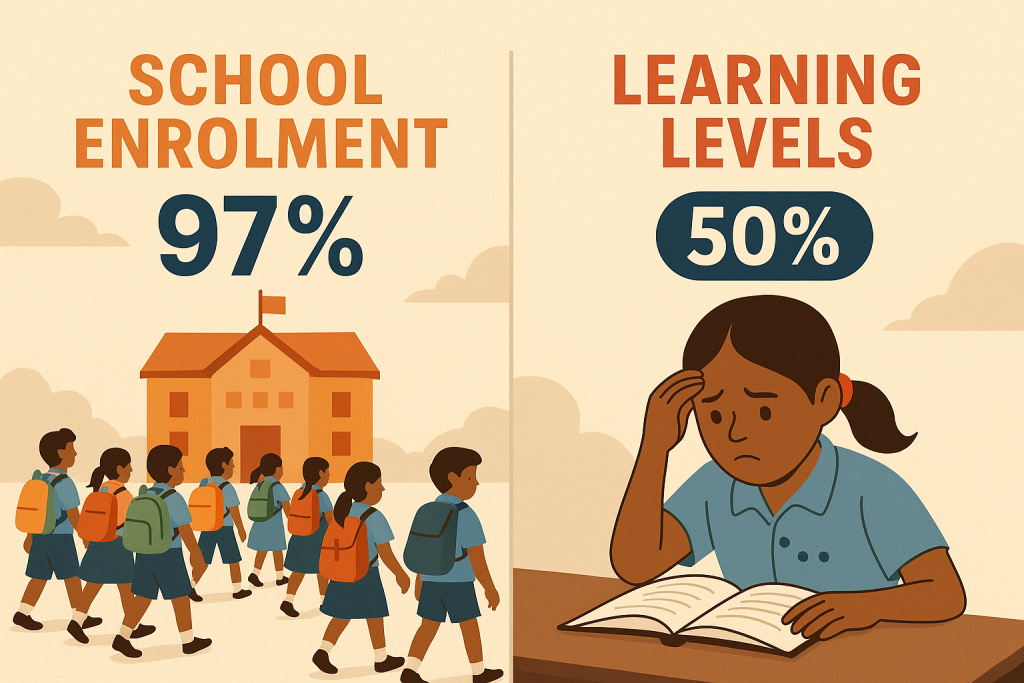
Over the last decade, India has made significant strides in access to basic education, reporting an increase in gross enrolment for primary grades and adult literacy. However, learning remains the central challenge. Large-scale assessments and World Bank analysis estimate that roughly 56% of Indian children at the end of primary age are not proficient in basic reading, and about 54% fail to meet minimum primary learning standards, which points to “learning poverty” despite school attendance.

To address this, policy must move beyond enrolment targets to ensure classroom learning, remedial teaching for foundational literacy and numeracy, continuous teacher training, localised curricula in mother tongues, better learning assessment systems and targeted funding for early-childhood education. Strengthening school infrastructure and ensuring regular attendance, especially of girls and children from disadvantaged castes/tribes, will transition access to basic education into reality.

Smile Foundation’s education interventions are focused on helping children from difficult circumstances to have access to equal opportunities for school completion and equitable learning outcomes. Aligned to the National Education Policy (NEP), the initiatives align with the key priority areas identified during the G20 Education Working Group meeting (2023), including foundational literacy & numeracy, tech-based learning, building capacities, and strengthening research & promoting innovation. Our Mission Education programme has conducted 86 teacher-training sessions, reaching 482 teachers and 116 principals to improve learning outcomes through activity-based learning, STEM innovations and improved pedagogy.

Skills training

Formal education alone will not meet India’s employment needs unless it links to industry demands. Government skilling drives such as PMKVY have trained millions (over 14–16 million enrolled since launch phases), yet independent reports show low sustained placement rates, raising concerns about the quality, relevance and signalling of certificates.

Effective skills policy requires stronger industry partnerships to define competency standards, rigorous on-the-job apprenticeships, portable credentials and better placement tracking. Investment in upskilling for digital and green-economy jobs, plus incentives for micro, small and medium enterprises to hire and train, would reduce the mismatch between what young people learn and what employers need.

SMILE Foundation’s STeP and Livelihood programmes have created over 74 skilling centres in 8 states, imparting soft skills, computer skills and industry-specific modules and as a result, over 100,000 painters have been upskilled in 25 states via the iTrain project. 

Quality health

Despite India’s health outcomes showing major improvement, the overall state of quality health remains uneven across geographies. Indicators such as maternal mortality and access to trained health workers show clear scope for action. Although India’s life expectancy has risen as per the latest World Bank data, the density of physicians and skilled health workers per population remains low compared with global averages, limiting timely care in many districts.

To improve lives through health, India needs stronger primary health systems with sufficient community health workers, functioning sub-centres and PHCs, expanded maternal and child nutrition programmes and investments in mental health and noncommunicable disease prevention. Telemedicine and task-shifting, backed by training and supplies, can expand reach to remote areas.

Smile Foundation’s comprehensive and community-centric health programme brings primary healthcare services to the doorsteps of underserved communities in rural and urban India. Following a two-pronged approach, the ‘Smile on Wheels’ programme provides curative and preventive services, addressing the gaps in healthcare availability, accessibility and affordability. Through these interventions, Smile has established over 70 mobile medical units across states and over 100 healthcare camps.

Water, Sanitation and Hygiene 

Sanitation has been a visible policy success story and large-scale campaigns have, over time, reduced open defecation and increased household toilet coverage. However, sustained behaviour change and safe faecal waste management remain a major challenge. Although multiple national monitoring reports suggest that hundreds of millions were moved away from open defecation through the Swachh Bharat drive, independent studies indicate substantial pockets without toilets and maintenance and sewerage infrastructure challenges.

Going forward, investments must shift from toilet construction to long-term operations with faecal-sludge management, urban sewerage, maintenance budgets for schools and public toilets, menstrual hygiene access, and social norm campaigns that lock in usage, especially for the poorest communities.

Through its education initiative, Mission Education, Smile Foundation has positively impacted the lives of over 10,000 students across multiple states, spreading awareness on hygiene, sanitation and clean water usage while operating in 51 schools and Mission Education centres. Through this initiative, Smile Foundation has worked to integrate valuable lessons on water, sanitation and hygiene (WASH) into the curriculum and equip students with knowledge about proper hygiene practices and the importance of clean water and sanitation.

Creating job opportunities

Creating decent jobs is the final step in turning improved education, skills, health and sanitation into valued livelihoods. India’s headline unemployment rate is moderate by global comparisons, but labour-force participation, especially for women, remains very low and a large share of employment is informal or underpaid.

Policies must prioritise quality job creation — incentivise labour-intensive manufacturing and services, expand childcare and safe transport to raise women’s participation, formalise micro-entrepreneurship with credit and social protection and improve urban planning so new economic hubs are accessible to lower-income workers. Linking wage subsidies, work-based training, and local public works can provide transitional pathways from vulnerability to stable employment.

For instance, the iTrain on Wheels initiative, a collaboration between Smile Foundation and Berger Paints India Ltd., has revolutionised vocational training for painters across 24 states. Through mobile iTrain vans, the programme has reached over 100 locations, providing hands-on training that enhances both technical skills and communication abilities.

The way forward

Each of these five pillars reinforces the other. While quality education raises the returns to skill training, healthier children learn more and enter the workforce fitter. Sanitation reduces disease burden and increases productivity, and decent jobs can make way for better investments in schooling and health, which are affordable to families. 

Ultimately, valuing human life in India is about reforming institutions and redefining morality and empathy in everyday actions. True progress will begin when society learns to see dignity in every person.

Categories
Health

Medical Consultations and Diagnostic Tests in Hard-to-Reach Areas

In Ramanathapuram, Tamil Nadu’s southern edge where the land narrows towards the Palk Strait, villages stretch far from the nearest town and healthcare is often a distant promise. Here, the difference between early diagnosis and delayed treatment can decide the course of a life.

For decades, healthcare in India’s rural and remote regions has been shaped by geography as much as by policy. Even as India’s health system makes notable improvements in expanding infrastructure and insurance coverage, large swathes of the population, particularly in hard-to-reach coastal and interior areas, remain beyond the easy reach of hospitals and clinics. The reasons are not quite abstract: the nearest health centre may be 15 kilometres away, transport is expensive or unreliable and for a daily-wage labourer, a day spent seeking care can mean a day’s earnings lost.

In these landscapes, the promise of accessible healthcare for all hinges on bringing consultations and diagnostic services closer to where people actually live.

That is what Smile Foundation’s Smile on Wheels project has been doing across India, and in Ramanathapuram, through its partnership with Healthium Medtech Limited, it’s proving how proximity can transform public health.

ChatGPT Image Nov 1 2025 05 36 07 PM

The Distance Between Illness and Care

For people in rural India, the journey to medical attention often begins late. Most families wait until symptoms become unbearable before seeking a doctor. In a region like Ramanathapuram, where small hamlets are scattered across salt pans and arid stretches, that delay can be fatal.

A majority of rural Indians depend on private clinics or informal practitioners for their first medical consultation, largely because public facilities are too far or poorly equipped. Many of these consultations end without any diagnostic test. A fever might be treated with an antibiotic, a chronic cough dismissed as seasonal allergy. Hypertension, anaemia or diabetes, conditions that require testing and monitoring, often go undetected until complications arise.

The problem is not ignorance but inaccessibility. People know when they’re unwell. What they lack is access to doctors, diagnostic tools and affordable medicines.

The Missing Middle of Rural Healthcare

For decades, India’s health reforms have focused at two ends of the spectrum: expanding tertiary hospitals in cities and building sub-centres in villages. Yet, the missing middle that connects these two levels remains fragile.

Diagnostic testing is one of its weakest links. The World Health Organization estimates that 70% of medical decisions depend on laboratory results. But in rural India, diagnostic testing remains largely inaccessible. Most Primary Health Centres (PHCs) lack basic equipment for blood, urine or imaging tests. Even when equipment exists, trained technicians and regular supplies are in short supply.

This means that diseases like anaemia, malaria, tuberculosis and diabetes, common in rural areas, are often underdiagnosed or misdiagnosed. A patient might receive temporary relief from a generic prescription but lose precious time before the root cause is identified.

This is where mobile healthcare units like Smile on Wheels become game-changers. They fill this gap as a structured extension of the healthcare system itself.

ChatGPT Image Nov 1 2025 05 37 58 PM

Taking Healthcare to the Doorstep

In Ramanathapuram, with support from Healthium Medtech Limited, this idea takes the form of a mobile hospital equipped with doctors, nurses, lab technicians and essential diagnostic tools. It travels from village to village, parking near schools, community halls or panchayat buildings.

Residents gather early, carrying their medical records (if any), or simply recounting their symptoms. A doctor consults them, a nurse takes vitals, and tests are conducted, right there, in the van. From blood sugar and haemoglobin to pregnancy tests and basic cardiac screening, these diagnostics provide clarity that was previously absent.

For many patients, this is their first-ever medical check-up. For others, it’s the first time a doctor has come to them instead of the other way around.

One of the van’s doctors describes the impact vividly: “When we test a woman’s haemoglobin and show her she’s anaemic, she finally understands why she feels tired all the time. We give her iron tablets, yes, but we also give her knowledge.”

Why Diagnostics Tests are a Development Issue

It is tempting to view diagnostic testing as a technical service, one more box to tick in healthcare delivery. But in remote communities, it is fundamentally a development issue.

The absence of timely diagnosis keeps people trapped in a cycle of ill health and economic vulnerability. A labourer who doesn’t know he has diabetes keeps working until fatigue and complications make him unable to earn. A woman with untreated anaemia passes on nutritional deficiencies to her child. Families spend their limited savings on late-stage treatment instead of prevention.

A study in The Lancet found that non-communicable diseases accounted for approximately 60% of all deaths in India in 2019, up from 37% in 1990. The reasons could very well have been lack of nearby testing, transportation costs and long waiting times.

By contrast, when diagnostic testing is local, the benefits ripple outward. It builds community awareness, reduces long-term treatment costs and strengthens trust in public health systems.

The Smile on Wheels programme in Ramanathapuram demonstrates this ripple effect daily. In one coastal village, a series of blood sugar tests revealed that nearly a quarter of adults had undiagnosed diabetes. Today, these individuals receive follow-up consultations, dietary advice and free medicines. In another, regular maternal health check-ups have helped detect high-risk pregnancies early, reducing complications at childbirth.

ChatGPT Image Nov 1 2025 05 39 34 PM

The Power of Partnerships

Behind every successful health intervention lies an ecosystem of partnerships. The collaboration between Smile Foundation and Healthium Medtech Limited exemplifies how private sector support can amplify public good.

Healthium Medtech, a global medical devices company, brought not just financial support but also an understanding of what quality healthcare infrastructure entails. Its partnership with Smile Foundation enables sustained outreach covering thousands of individuals who might otherwise remain invisible to the formal health system.

This partnership reflects a broader shift in India’s development landscape: corporate social responsibility (CSR) is no longer about one-time donations but about strategic, long-term engagement with communities. By focusing on healthcare access and diagnostics, Healthium Medtech and Smile Foundation are addressing one of the most persistent inequities in India’s health landscape, the rural-urban divide.

Data, Diagnosis and Dignity

The numbers tell part of the story. Each Smile on Wheels van serves between 20000 to 25000 people a year. The Ramanathapuram project alone covers dozens of villages, providing consultations, tests, medicines and health education sessions.

But the deeper transformation lies in what this data represents: dignity through diagnosis.

In remote areas, people are often resigned to their health conditions as fate. Access to a medical consultation and a diagnostic test shifts that narrative. It gives people control over their health and choices.

An elderly farmer from a fishing hamlet near Mandapam said it best after receiving his first ECG test: “All my life I worked by the sea and thought breathlessness was just age. Now I know it’s my heart, and that it can be treated.”

The Role of Preventive Care

While treatment remains vital, the future of rural healthcare will depend on prevention, and prevention begins with early detection.

Regular diagnostic screening for blood pressure, glucose and anaemia can avert complications from chronic diseases. Maternal health check-ups can prevent high-risk pregnancies from turning tragic. Periodic consultations can ensure minor infections don’t escalate into emergencies.

In Ramanathapuram, the Smile on Wheels teams are also conducting community awareness sessions teaching families about hygiene, nutrition and when to seek medical help. Over time, this builds a culture of preventive care, which is cheaper, more sustainable and far less painful than crisis care.

Beyond the Van: A Vision for Systemic Change

The success of mobile healthcare models like Smile on Wheels offers important lessons for India’s broader public health policy.

First, mobility can be a legitimate model of primary care. In areas where it is impractical to build and staff permanent facilities, mobile units can ensure consistent, quality access.

Second, diagnostics should be viewed not as an add-on but as an essential public good integrated into every level of care. From village health camps to telemedicine platforms, early detection must become the centrepiece of public health strategy.

Third, partnerships between NGOs, corporates and government agencies can create a multiplier effect. The private sector can bring innovation and logistics; NGOs like Smile Foundation bring grassroots credibility; and the government brings scale. Together, they can bridge the healthcare divide faster than any one entity can alone.

ChatGPT Image Nov 1 2025 05 44 55 PM

Towards a Healthier Tomorrow

As India moves towards its goal of universal health coverage, reaching the “last mile” remains its greatest challenge, and greatest opportunity.

The people of Ramanathapuram are not statistics; they are reminders that access is the foundation of equity. When a child’s fever is diagnosed early, when a mother’s blood pressure is monitored regularly, when a diabetic worker receives free insulin at his doorstep, those are victories that add up to national progress.

The programme, powered by partnerships like that with Healthium Medtech Limited, proves that healthcare doesn’t need to be confined to buildings. It can move, it can adapt, it can reach the unreached.

Every consultation, every test, every diagnosis brings not just relief, but recognition of people who deserve care, of communities that matter and of a country still striving to make “health for all” a lived reality.

Because ultimately, as Smile Foundation reminds us, smiles begin with good health, and good health begins with access.

0%