Categories
Education

Computing Skills for Children Everywhere

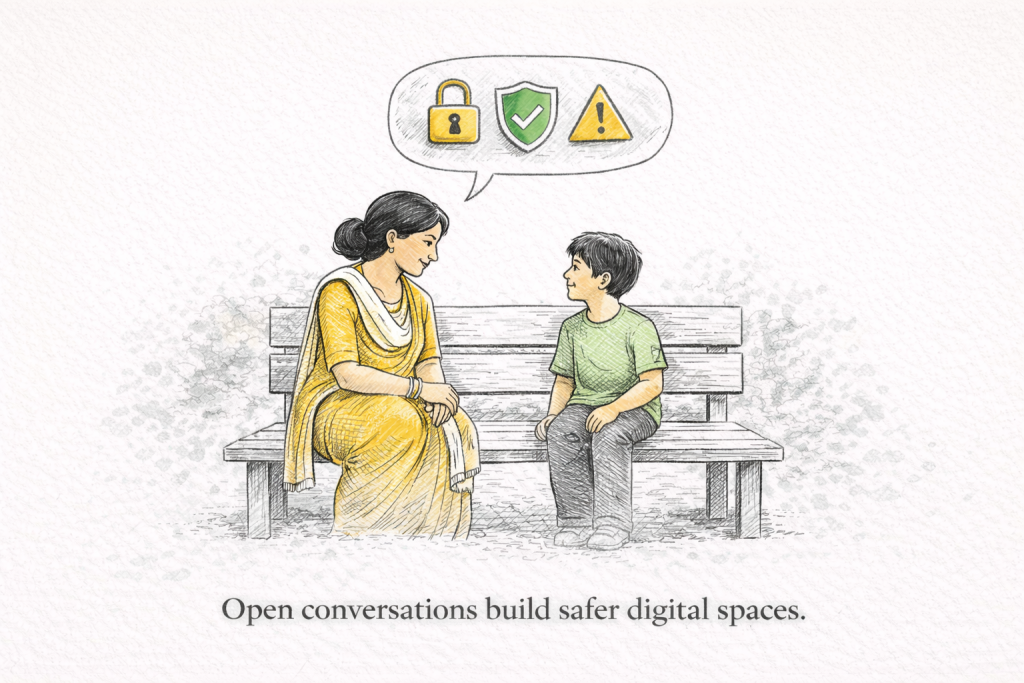
Your child is using YouTube videos to study, and as a parent, you may wonder if that’s the right way to learn or worry about their safety. Take a step back and try to see the other side of the coin. There’s no denying the importance of tech skills for children. Your child may have their sights set on a STEM-based career or may use technology to access learning and information for school. As a modern parent, you should not deprive them of it; rather, it makes sense to provide the right tools they need to explore and navigate the digital world with curiosity and safety. Preparing children for a technology-driven future means unlocking their potential from a young age.

In the past, reading and numeracy were the cornerstones of educational progress. Now, computing literacy has joined their ranks. However, not everyone has the luxury of a computer at home or even at school. Children from rural areas, low-income households, or those with less-educated parents are often less likely to access the internet. The need is to make sure every child has early access, learns effectively and benefits equally from these opportunities.

Computing Skills Matter Beyond Tech Careers

Often, parents think that learning about computers is just for those who want to work in software jobs. But the truth is, the influence of computing goes way beyond just the tech world. For instance, healthcare, agriculture, manufacturing, management are increasingly using computerised tools for various tasks.

Besides, computing skills help kids develop structured thinking, learn how to break down complex problems into pieces, and test out solutions and fine-tune their results. These abilities boost their performance in school, and also set them up for success in various careers.

The Data 

India has made impressive strides towards improving digital access, but the latest National Sample Survey-based analysis shows that only 38% of Indian households are digitally literate, with a significant gap between urban and rural regions. Only 12% of individuals above the age of 15 possess basic ICT skills. This widening digital literacy gap becomes even more pressing as India moves towards a $5 trillion economy and given that the country is experiencing a unique demographic opportunity, where approximately 65% of its total population accounts for individuals under the age of 35.

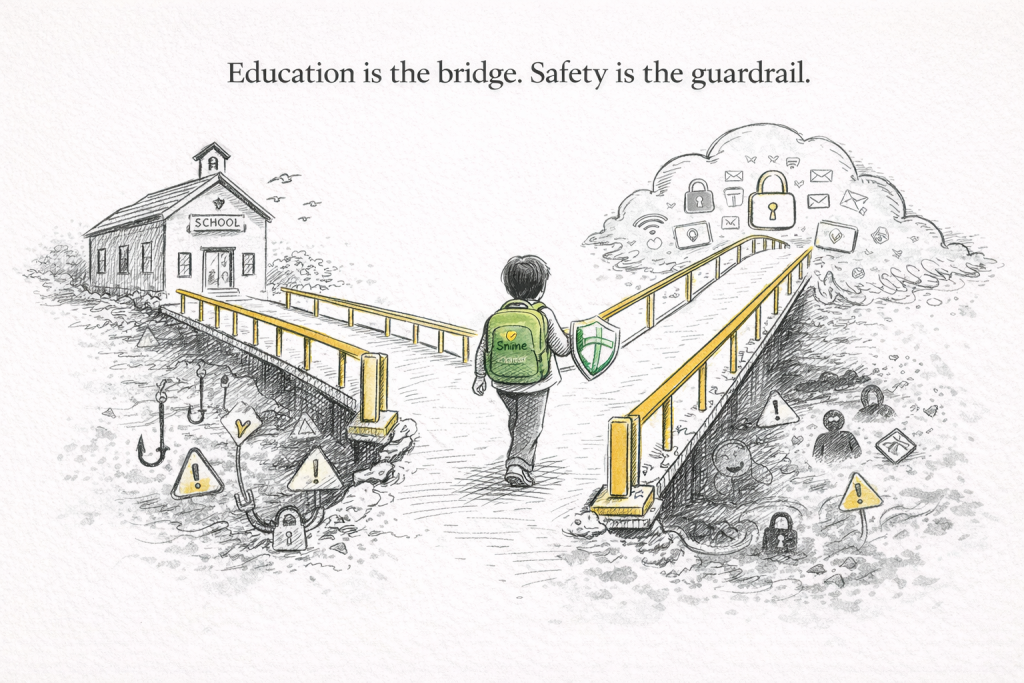
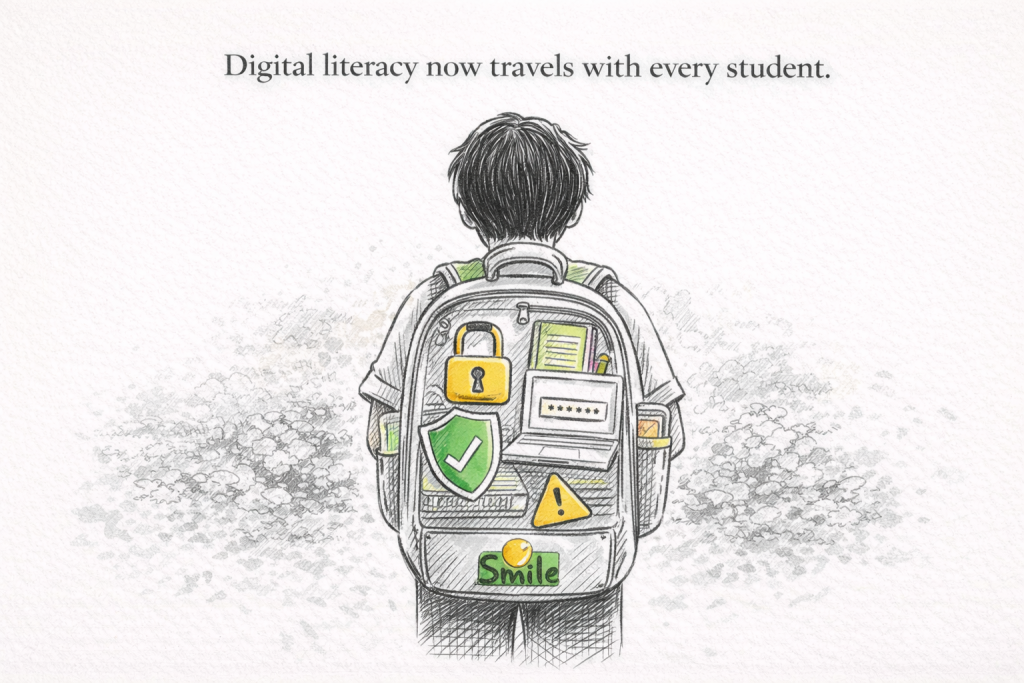
This highlights a significant need to teach kids how to navigate technology and develop digital skills early on through their formal education. For stronger digital skills today, children need to grow up in a tech-savvy environment, and not miss out on opportunities to cultivate digital skills from a young age, which could jeopardise their future prospects and safety.

Interestingly, while more screen time can sometimes correlate with a higher risk of encountering harmful content or negative experiences, the connection is pretty weak. This indicates that the risk of facing online dangers isn’t mainly about how much time kids spend online.

What Effective Computer Education Looks Like

  • Project-based learning is all about encouraging kids to experiment. Whether they’re building simple games, crafting digital stories or creating automation models, when they see the results of their efforts, their motivation really takes off.
  • Bringing together different subjects enhances the learning experience. For instance, Maths can incorporate algorithmic thinking through problem sequencing, language lessons can embrace digital storytelling and the logical structuring of narratives. 
  • Age-appropriate learning experiences with visual programming tools and unplugged activities help younger students thrive. Early childhood is a crucial time for cognitive growth. During these formative years, kids pick up on patterns, sequences and logical connections through play and exploration. While older students can move on to text-based coding and data analysis. The key is to ensure that learning progresses gradually.
  • In India, making learning relevant to the local context is vital. Students are more engaged when examples resonate with their surroundings. Projects that involve local farming data, traffic patterns or community issues foster meaningful connections. Additionally, using regional language tools enhances accessibility. 
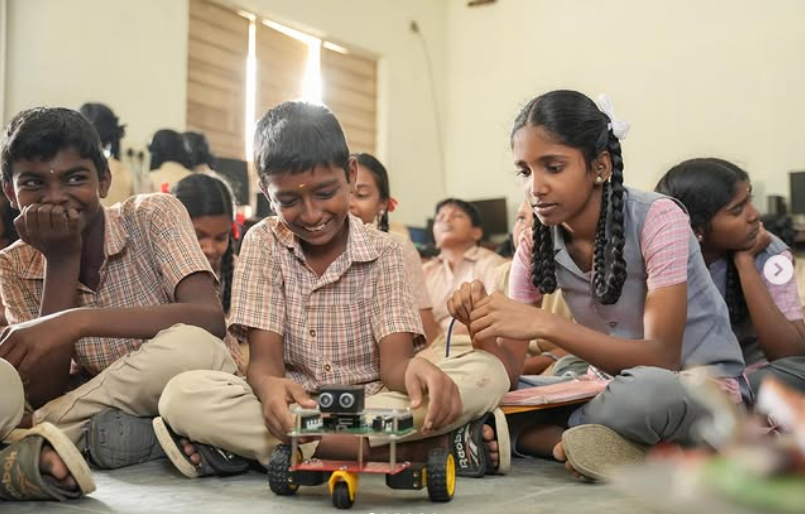
  • Low-cost maker spaces offer a great learning model. With simple robotics kits, recycled electronics and open-source software, students can experiment without breaking the bank. 

Barriers to Computer Education

  • Many teachers don’t feel confident teaching computers. With good training and support, they teach much better. To address these challenges, school systems schools should introduce continuous professional development of the existing teacher workforce to fill the needs for special skills.
  • There’s really no universal computer curriculum that fits every education system, school or classroom perfectly. It’s important to consider the local context, the school’s resources and the students’ previous exposure to computer science when creating curricula and competencies.
  • Computing content must be available in regional languages so more students can learn comfortably.
  • Long-term support in teacher training builds confidence and ongoing maintenance of devices keeps them.
  • The government sets rules and funds, schools implement and industry/NGOs bring innovation and opportunities. Working together speeds progress.

Rebooting Computer Education

It is important to remember that computers have shifted from being a luxury to a necessity for children—it is essential for playing, staying connected with friends and family, learning and developing skills for their future.

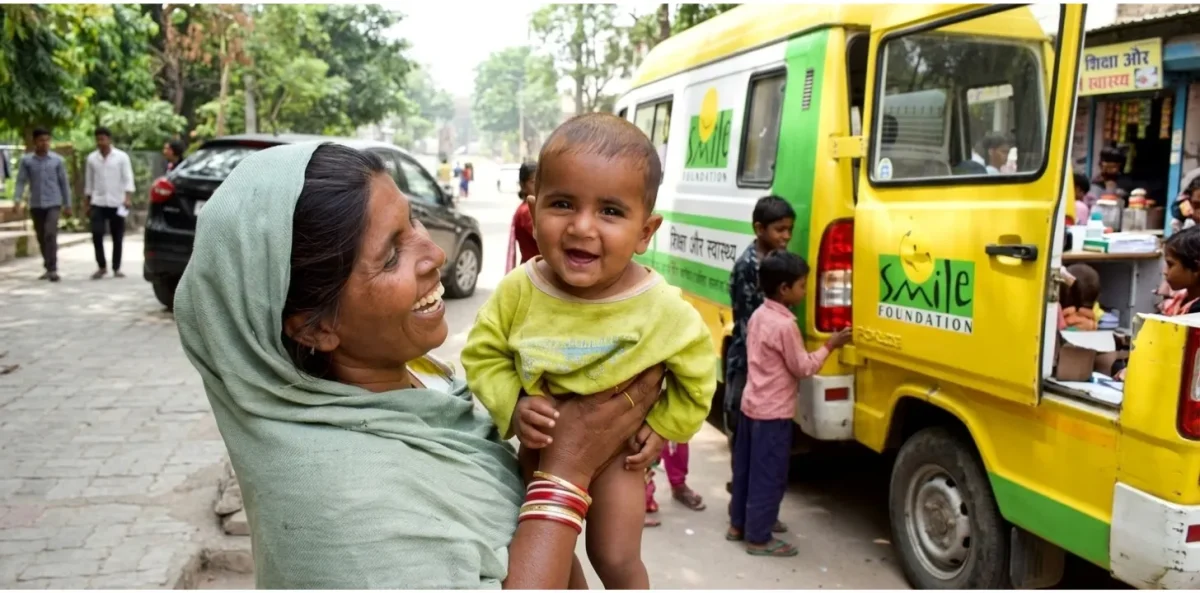
Smile Foundation is working to bridge the digital divide, ensuring that children from all backgrounds have the opportunity to have computer education and pursue future opportunities in these fields.

Categories
Skill Development Livelihood

The Work That Lasts (2025): Smile’s Upskilling Programme

India’s labour market does not resemble the diagrams often used to describe it. It is not neatly divided into formal and informal sectors, nor does it progress along predictable ladders from training to employment. Instead, it is mobile, fragmented and deeply shaped by proximity—to worksites, markets and opportunity.

More than 90 percent of India’s workforce operates in informal settings. These workers build homes, paint walls, lay tiles, wire buildings and keep cities functional. But they remain largely invisible in policy execution even if they are visualized in its imagination—uncredentialed, uninsured and excluded from conventional upskilling systems that assume stable jobs, fixed locations and the ability to step away from daily wages.

The question facing India today is whether upskilling systems are designed for the workforce that actually exists.

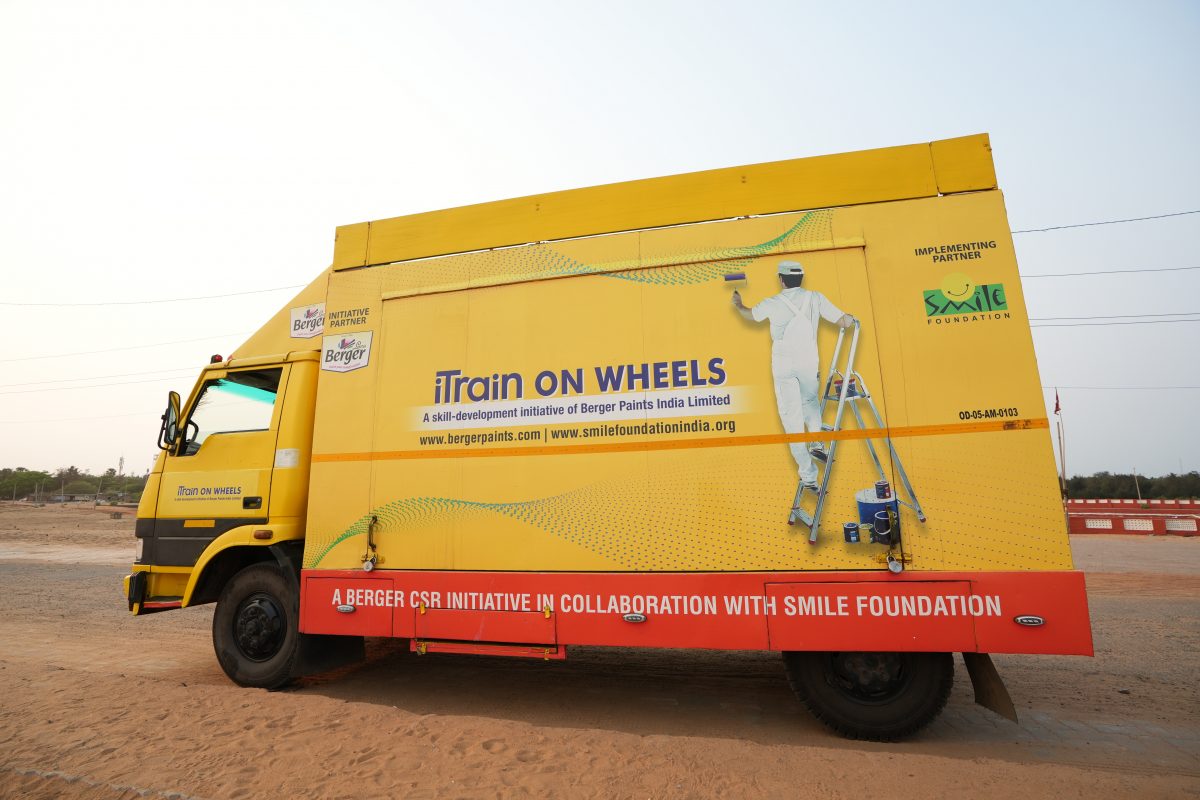
Over the last three years, Smile Foundation’s iTrain on Wheels initiative has offered a practical answer.

ChatGPT Image Feb 3 2026 10 22 50 AM

The core challenge: Upskilling without exclusion

Most upskilling programmes are built on assumptions that informal workers cannot meet. They require travel to centralised centres, time away from work, documentation and familiarity with institutional processes. For a daily-wage worker, these requirements are not inconveniences; they are barriers.

As a result, upskilling has often failed precisely where it is needed most.

iTrain on Wheels reverses this logic. Instead of asking workers to enter the system, it takes the system to where workers already are. Training is delivered through mobile units, free of cost, near worksites and communities. This single design choice—mobility over centralisation—is the programme’s most important innovation.

It recognises a simple truth: for informal workers, time is income and access determines participation.

Scale that reflects reality, not dilution

Since its inception, iTrain on Wheels has trained 2.98 lakh household paint applicators across 443 districts in 25 states and 3 Union Territories, including 51 Aspirational Districts. In 2024–25 alone, 135,493 workers were trained through 5,924 training sessions, with the programme growing at a 20 percent annual rate.

These numbers matter not because they are large, but because they are coherent. Scale has been achieved without thinning the intervention. Training quality, curriculum consistency and on-ground delivery have been maintained even as geographic coverage expanded.

This is rare in informal labour skilling, where rapid expansion often weakens outcomes.

ChatGPT Image Feb 3 2026 10 24 39 AM

From skills to incomes: Measuring what matters

Upskilling programmes frequently struggle to demonstrate post-training impact. Certificates are issued, attendance is recorded, but income outcomes remain unclear.

iTrain on Wheels is an exception.

A third-party evaluation conducted for the programme reports that:

  • 97.11 percent of trained applicators experienced income improvement
  • 51.58 percent reported that their income at least doubled
  • 95.05 percent expanded their client base
  • 90.38 percent received formal certification, improving market credibility

These outcomes point to something critical: the market is validating the skills. Workers are not merely trained but are securing more work, commanding higher wages and building reputational capital.

In informal labour markets, where trust and word-of-mouth determine opportunity, this credibility is transformative.

Upskilling as livelihood acceleration, not placement

Unlike formal employment pipelines, informal labour does not culminate in placement letters. Progress looks different: a larger client base, repeat work, the ability to negotiate rates or the capacity to hire others.

The programme’s entrepreneurship orientation recognizes this reality. Training includes soft skills, customer interaction, financial awareness and professionalism—capabilities often absent from technical skilling but essential for income mobility.

Case studies illustrate this clearly. Workers who began as individual applicators now employ small teams. Others have entered stable monthly earning ranges previously inaccessible in the trade. These are not anomalies, instead they reflect a design that treats workers as economic agents.

In this sense, iTrain on Wheels functions as a livelihood accelerator, not a short-term training intervention.

ChatGPT Image Feb 3 2026 10 26 28 AM

The innovation behind the model

Beyond outcomes, the programme embeds a set of operational innovations that are often overlooked but critical for sustainability:

  • GPS-enabled vehicle optimisation improves route planning, cost efficiency and accountability.
  • Health and safety capsules, including first-aid training, address occupational risk—an essential but neglected aspect of informal work.
  • Trainer soft-skills development ensures consistent delivery quality at scale.
  • Standardized yet adaptable curricula allow relevance across diverse regions while maintaining core competencies.

Policy alignment without dependency

iTrain on Wheels aligns with national priorities such as Skill India, PMKVY, PM Vishwakarma, NSDC frameworks and Sector Skill Councils. This alignment ensures relevance, recognition and credibility.

At the same time, the programme does not rely on government delivery infrastructure to function. This independence provides resilience allowing continuity across policy cycles, funding shifts and administrative change.

In a skilling ecosystem often vulnerable to fragmentation, this balance between alignment and autonomy is strategic.

Formalizing work without erasing informality

A persistent policy tension in India is the assumption that informality must be eliminated rather than strengthened. iTrain on Wheels offers a different approach.

By providing certification, safety awareness and market-aligned skills, the programme formalizes outcomes without dismantling informal work structures. Workers retain flexibility while gaining stability and credibility replaces invisibility.

This is particularly important in sectors like construction and home improvement, where informality is not transitional but structural.

Gender inclusion: Early, realistic and necessary

The construction and painting trades remain male-dominated and the programme does not overstate its progress here. Women’s participation is still limited, but intentional.

Female painters have already been trained in states such as Gujarat, Andhra Pradesh, Meghalaya and Rajasthan. Plans for remaining of the 2025–26 include women-centric skill drives, recognizing that even modest female entry into these sectors carries structural significance.

The programme’s realism here is a strength. Inclusion is being built incrementally, not inflated rhetorically.

Why this matters beyond upskilling

Income stability is not an isolated outcome. It underpins education retention, healthcare access, nutrition and dignity.

By strengthening informal livelihoods, iTrain on Wheels complements Smile Foundation’s work in education and health. Families with predictable incomes are better able to keep children in school, seek timely healthcare and absorb shocks without cascading loss.

In this sense, skilling becomes social protection.

Rethinking the future of work for the informal majority

As India navigates technological change, urbanization and demographic transition, informal labour will not disappear. It will adapt.

The question is whether institutions will adapt with it.

iTrain on Wheels suggests that the future of skilling lies not in credential accumulation, but in contextual capability building designed around how people work, move and earn.

For policymakers, corporates and development actors, the lesson is clear:
Skilling works best when it reduces uncertainty for workers, meets them where they are and delivers outcomes the market recognizes.

ChatGPT Image Feb 3 2026 10 28 32 AM

From last mile to learning system

What distinguishes iTrain on Wheels is not novelty but coherence. Design, delivery, outcomes and scale reinforce one another.

It positions Smile Foundation not only as an implementing partner, but as a last-mile economic institution capable of translating industrial capability into human outcomes.

As India’s informal workforce seeks formal futures, the path forward will not be linear. But it can be reliable.

Skilling and upskilling, when designed for reality rather than assumption, can be that bridge.

Categories
Gender Health

Menstrual Health in India beyond Access

Menstrual hygiene management (MHM) is increasingly recognized as a critical issue at the intersection of public health, gender equality, education and human dignity. But for millions of women and girls, managing menstruation safely and with dignity remains a daily challenge. This reality—often described as period poverty—extends far beyond the inability to afford menstrual products. It reflects deeper structural inequalities linked to sanitation, education, stigma and access to reliable information.

According to UN Women, period poverty is not merely an issue of cost. It is a manifestation of exclusion—one that limits participation in school, work and public life. Girls miss classrooms. Women withdraw from economic activity. Silence and shame take the place of support and care.

This understanding has recently received powerful constitutional recognition. In a landmark observation, the Supreme Court of India affirmed that menstrual health is integral to the right to life and dignity under Article 21 of the Constitution. By framing menstrual hygiene as a matter of dignity, equality and access—the Court signalled a fundamental shift: menstruation is no longer a private inconvenience but a public responsibility.

But even as this recognition marks a critical step forward, it also exposes a persistent gap in how menstrual health is addressed on the ground—one that lies between access and adaptability.

Access is necessary but not sufficient for Menstrual Health in India

Over the past decade, conversations around menstruation have expanded, particularly in low- and middle-income countries. Governments, civil society organizations and private actors have focused on improving access to menstrual hygiene products—especially disposable sanitary napkins. While this has helped normalize menstruation in public discourse, access alone does not guarantee use, comfort or sustained adoption.

Access to menstrual hygiene products includes:

  • Availability of safe and affordable products
  • Privacy and clean water for washing
  • Functional toilets and disposal mechanisms

The World Health Organization has repeatedly highlighted that inadequate menstrual hygiene facilities in schools and communities are linked to absenteeism, discomfort and health risks. The Supreme Court echoed this concern, directing states to ensure not only the provision of sanitary products but also functional, gender-sensitive sanitation facilities in schools.

However, even where products and facilities exist, usage often remains inconsistent. This is where adaptability becomes central.

What Adaptability Really Means

Adaptability refers to how well menstrual hygiene solutions fit into women’s and girls’ social, cultural, economic and infrastructural realities. A product may be hygienic, affordable over time and widely available, but if it clashes with cultural norms, requires facilities that do not exist or is introduced without adequate education, it is unlikely to be adopted.

Adaptability includes:

  • Cultural acceptance and bodily autonomy
  • Awareness and practical knowledge
  • Infrastructure compatibility
  • Supportive social environments

Understanding menstrual health through both access and adaptability explains why progress remains uneven despite innovation and policy attention.

Persistent Barriers to Access

Economic constraints

For many low-income households, particularly in rural areas and informal urban settlements, the recurring cost of disposable menstrual products competes with essential expenses such as food, healthcare and education. While tax reductions and free distribution schemes have helped, affordability remains a barrier, reinforcing gendered economic inequality.

Inadequate sanitation infrastructure

Without private toilets, running water or safe disposal systems, menstrual hygiene becomes difficult regardless of product availability. These infrastructural gaps disproportionately affect government schools, urban slums and remote rural areas—directly influencing girls’ attendance and comfort.

Stigma and silence

Deep-rooted taboos continue to frame menstruation as impure or shameful. This discourages open conversation, delays care-seeking and perpetuates unsafe practices. The Supreme Court explicitly acknowledged this silence, emphasizing that menstrual health education must include boys, teachers, families and communities to dismantle stigma.

Geographic inequality

Supply chains rarely reach the last mile consistently. Remote villages face irregular availability, while dense informal settlements struggle with overcrowding and poor sanitation—further compounding access challenges.

When Products Don’t Fit Lives: The Adaptability Challenge for Menstrual Health in India

Improving access does not automatically lead to sustained or effective use. Adaptability determines whether products align with lived realities.

Awareness and product suitability

Disposable pads remain the most commonly used products due to familiarity and ease. Reusable options—such as cloth pads or menstrual cups—offer long-term cost and environmental benefits but require greater awareness, privacy and water access.

A recent analysis highlighted that while awareness of menstrual cups is high, adoption remains strikingly low. Despite nearly 80% awareness in some surveys, fewer than 5% of women reported actual use—underscoring the gap between information and confidence.

Cultural acceptance and bodily autonomy

Norms around virginity, bodily purity and internal products significantly influence acceptance. Menstrual cups, which require vaginal insertion, are often viewed with suspicion, especially for adolescents and unmarried women. Without addressing these beliefs, choice remains constrained, even when products are available.

Infrastructure–product Mismatch

Reusable products require clean water and private spaces for washing and sterilisation. In settings where these are absent, such products become impractical. Adaptability, therefore, is not a feature of the product alone—it is shaped by the environment in which women live.

Menstrual Cups: Innovation with Limits

Menstrual cups illustrate the tension between innovation and lived reality. From a public health and sustainability perspective, they are compelling—long-lasting, cost-effective and environmentally friendly. But for many women, the initial cost, lack of hands-on guidance, health misconceptions and cultural discomfort remain significant barriers.

Without community-led education, demonstrations and supportive dialogue, menstrual cups risk becoming symbols of choice without agency—available in theory, inaccessible in practice.

Bridging Access and Adaptability: Smile Foundation’s Approach

At Smile Foundation, menstrual health initiatives are designed with this dual lens in mind. The focus extends beyond distribution to include awareness, education and community engagement recognizing that dignity cannot be delivered through products alone.

Through school-based programmes and community outreach, Smile Foundation:

  • Distributes sanitary napkins to address immediate access gaps
  • Conducts menstrual health education sessions in local languages
  • Trains community workers and engages parents to build supportive environments
  • Encourages open conversation to challenge stigma and misinformation

This integrated approach aligns closely with the Supreme Court’s emphasis on dignity, education and inclusion. By combining material access with knowledge and cultural engagement, Smile Foundation works to ensure that menstrual health interventions are not only available but usable, acceptable and empowering.

Evolution of Menstrual Health in India: From Provision to Rights-based Equity

The Supreme Court’s recognition of menstrual health as a constitutional concern creates an opportunity to rethink how menstrual hygiene is addressed in India.

What is needed now is convergence:

  • Policy that treats menstrual health as a rights issue, not a welfare add-on
  • Infrastructure investment in WASH facilities across schools, workplaces and public spaces
  • Education integrated into curricula to normalize menstruation early
  • Community-led approaches that respect local contexts and choices

Encouraging product diversity, rather than promoting a single solution, allows women and girls to decide what works best for their bodies and circumstances. Innovations must be accompanied by education, infrastructure and trust.

Menstrual dignity cannot be achieved through access alone. It requires adaptability, agency and social acceptance. When menstruation is recognized not as a private inconvenience but as a public issue—linked to dignity, equality and participation—real change becomes possible.

At Smile Foundation, we believe that combining access with education and community engagement is key to advancing menstrual health equity. The goal is not just to manage menstruation, but to ensure that no girl or woman is held back because of it.

Categories
Smile In The Spotlight

Insights from the Economic Survey 2025–26

India has reached an important inflection point in its development journey. In education and health—two pillars of human capital—the question is no longer whether systems exist. It is whether they hold, especially for those closest to uncertainty.

Over the last two decades, India has built scale at an extraordinary pace. Schools, hospitals, schemes and platforms now reach millions. But as recent policy thinking makes clear, scale alone does not guarantee outcomes. The next phase of progress depends on quality, continuity and trust—and on whether systems can absorb everyday shocks without losing people along the way.

For organizations working at the last mile, this shift is what reflects what communities experience every day.

Education: When Enrolment is No Longer the Problem

India today operates one of the largest school systems in the world, serving 24.69 crore students across 14.71 lakh schools, supported by over 1 crore teachers. Nearly 27 percent of India’s population is in the school-going age group. This demographic advantage will persist well into the next two decades.

And yet, learning outcomes and educational continuity tell a more complicated story.

While enrolment remains high through the middle grades, the system begins to leak at precisely the moment when education becomes most consequential. At the secondary level, the Gross Enrolment Ratio drops to 68.5 percent, with sharp declines after Grade 8. Grade-wise data show a steady thinning of the cohort as students move toward higher grades.

The implication is clear: access has expanded faster than assurance.

Many students enter school. Fewer complete it. And even fewer transition smoothly into higher education, skills or stable work. Financial stress, household responsibilities, health shocks, migration and lack of local support combine to push adolescents, especially girls, out of the system.

This is why India’s Expected Years of Schooling stands at 13, well below global peers, despite near-universal enrolment in early years. It is not aspiration that is missing but system resilience.

What Improves Learning and What Doesn’t

Encouragingly, recent learning assessments show that progress is possible when systems focus on foundations. The PARAKH Rashtriya Sarvekshan 2024, covering over 21 lakh students across 74,000 schools, shows a strong recovery in foundational learning post-pandemic. Sixty-five percent of Grade III students are now proficient in mathematics, up sharply from 2021 levels.

Perhaps more tellingly, state government schools and rural students performed as well as, or better than, their urban peers. This challenges the assumption that learning outcomes are determined primarily by school type or geography. Instead, it points to the importance of teacher support, consistent engagement and community participation.

At Smile Foundation, this insight resonates deeply. Our education programmes work with the understanding that learning does not happen in isolation. It is shaped by nutrition, health, safety, household stability and parental confidence. A child who is unwell, hungry or anxious about school costs cannot learn consistently—no matter how good the curriculum.

Education systems work best when they are designed around the child’s full reality, not just the classroom.

Health: From Treatment to Prevention, from Episodes to Relationships

India’s health system has also made undeniable gains. Infant and maternal mortality have declined and immunization coverage has expanded. Primary care infrastructure has grown. Yet new challenges are emerging—particularly non-communicable diseases, lifestyle-related conditions and mental health risks among young people.

Health costs are rising faster than incomes for many families. In FY25 alone, health-related insurance claims contributed to nearly ₹1.9 lakh crore in non-life claims, reflecting both increased access and increasing financial strain. At the same time, insurance penetration remains uneven, leaving large sections of the population exposed to health shocks.

But the deeper challenge is not only financial but behavioural and relational.

Clinical advice does not automatically translate into healthy practices. Preventive care depends on what happens after the doctor leaves—inside homes, kitchens and family conversations. Delayed care-seeking, misinformation, social norms and fear often undermine the best-designed health services.

This is why public and preventive healthcare must be community-centred.

Through programmes like Smile on Wheels, Smile Foundation’s mobile medical units bring doctors, diagnostics, medicines and counselling directly into underserved communities. But equally important is what accompanies the clinical service: repeated conversations on nutrition, hygiene, chronic disease management and maternal and child care. Trust is built not in one visit, but over time.

Health outcomes improve when care is predictable, proximate and personal.

Employment, Skills and the Cost of Discontinuity

The transition from education to employment reveals how deeply interconnected these systems are.

India’s labour market has shown improvement, but quality and security remain uneven. Over the last decade, employment growth has been stronger in larger factories, which pay higher wages and show greater productivity. But a majority of workers remain in informal arrangements.

The e-Shram portal, which has registered over 31 crore unorganized workers, reflects both progress and precarity. More than half of these registrants are women. Their livelihoods are mobile, uncertain and highly sensitive to disruption.

Here again, continuity matters. Skill training that is episodic or disconnected from real work pathways does little to improve long-term outcomes. The future of work increasingly rewards adaptability, judgement and foundational skills—not just certificates.

This reinforces a critical lesson: education and skilling must be treated as social protection, not one-time interventions. When learning is interrupted, the consequences compound across health, income and dignity.

From Access to Assurance: What the Next Phase Demands

Across education, health and employment, a common thread emerges. India’s systems perform best when they reduce uncertainty for individuals.

Children stay in school when families can rely on consistent support. Mothers follow health advice when systems respect their realities. Young people build skills when pathways are clear and protected from sudden shocks.

For Smile Foundation, this is not a new insight. Our integrated approach—spanning education, healthcare, nutrition and livelihoods—rests on the belief that human development is cumulative. Gaps at one stage weaken outcomes at the next.

What’s needed now is a broader shift in thinking:

  • From enrolment to retention
  • From treatment to prevention
  • From information to behaviour
  • From schemes to systems that people can trust

India’s development challenge today is not a lack of ambition. It is ensuring that progress holds for those living closest to risk.

As the country looks toward a future shaped by demographic change, technological disruption and climate uncertainty, the measure of success will lie not only in how many are reached, but in how many are carried forward, without falling through the cracks.

That is the work that remains.

Categories
Gender Health Women Empowerment

Mom-talk: The Brilliance of Behaviour Change in Mothers

In recent times, public health has made significant progress in maternal and newborn health outcomes, including accessible, safe, institutional deliveries, expanded antenatal care and clearer clinical guidelines for safe motherhood. Yet, despite these medical improvements, unsafe deliveries and preventable maternal and neonatal health complications continue inside homes and communities, especially in middle- and low-income households across the country. This is often due to the gap between the delivery of healthcare services during childbirth and what happens at home once the care providers leave—inside the kitchen, the bedroom and in family conversations.  It is here that behaviour, shaped by culture, power and lived realities, plays a decisive role. 

As the Indian Development Review report argues, supporting maternal and newborn health requires moving beyond information dissemination to actively enabling behaviour change within households and communities. Hence, it is essential to understand why behaviour change is central to maternal and newborn care, the challenges that complicate it, and how community-rooted initiatives often hold the transformative potential of what can be called “mom-talk” — empathetic, contextual and action-oriented engagement with mothers and families.

Why Behaviour Change Matters in Maternal & Newborn Care

At its core, behaviour change matters because knowledge alone does not save a mother and a child, but how it is translated into practice is the most crucial. Post-delivery, mothers are generally aware of healthy practices such as breastfeeding for the first six months, immediate skin-to-skin contact, adequate postnatal nutrition, etc. as advised by doctors, yet they struggle to maintain these practices. As the report points out, newborn care is rarely provided solely by mothers; instead, it is shaped by elders, spouses and family, who often adapt deeply entrenched social norms that define what is “good” or “safe” care.

For instance, while a mother could be completely aware, only to continue breastfeeding, often many families insist on giving water or honey to newborns as part of traditional practices. In such a case, for a mother, the denial does not only mean ignorance but also carries the social cost of defying collective expectations of elders and the community.

Challenges to Behaviour Change

This often leads to significant barriers to behaviour change and reveals why such interventions usually have to work against power and patriarchal agency. Several maternal health programmes are implemented under the assumption that individuals act as rational decision-makers who will adopt the practices advised and the information provided by health experts. However, in reality, mothers in most households across the country function within constrained environments where questioning elders or resisting age-old customs leads to conflict and emotional distress.

Behaviour change, therefore, is not a simple process of persuasion but a negotiation between evidence-based guidance and social belonging.

Rational Choice vs Situational Realities

A major challenge in supporting behaviour change lies in the tension between rational choice and the realities of the situation. Clinical advice may be logically sound, but it often fails to account for the emotional, relational and practical pressures mothers face at home. We often fail to consider how mothers, who are convinced and aware of the importance of exclusive breastfeeding, find it difficult to refuse family members who insist on supplementary feeding, especially when these relatives frame their advice as care or concern. In such cases, behaviour change efforts must extend beyond mothers to include family influencers, recognizing that health decisions are collective rather than individual.

Traditional Knowledge vs Critical Health Information

A second challenge arises from the conflict between traditional knowledge and biomedical advice. Many postpartum practices around food, rest and infant care have existed in our society for generations, and carry deep meaning within communities. However, health workers often recommend diverse, nutritious diets for new mothers, while families restrict certain foods they believe may harm recovery or milk production, driven by their beliefs. When health programmes dismiss these beliefs outright, families may reject medical advice entirely. Effective behaviour change does not require rejecting tradition, but engaging with it thoughtfully.

Designing for Information vs Designing for Action

The third and perhaps most critical challenge is the tendency of programmes to design for information rather than action. Last-mile delivery workers and awareness campaigns often assume that repeated exposure to messages and information will make it easy to see natural behavioural shifts. However, knowing what to do does not automatically enable people to do it. Mothers may lack the confidence, support or practical strategies needed to translate advice into daily routines. Behaviour-centred design approaches, such as linking new practices to existing habits, are therefore essential to making change sustainable.

Behaviour Change in Practice: Community Interventions 

Community-based health programmes offer valuable insights into how these challenges can be addressed in practice. At Smile Foundation, through our maternal and child health initiatives, we practice what we believe which is the importance of meeting families where they are. Through programmes like Smile on Wheels, we deliver mobile healthcare services that combine clinical care with preventive counselling for mothers and children.

Moving beyond regular check-ups, these mobile units create recurring touchpoints for dialogue on nutrition, breastfeeding, immunization and postnatal care. By engaging directly with mothers and caregivers in familiar settings, such initiatives help normalize healthier behaviours over time.

Crucially, Smile Foundation’s approach recognizes that behaviour change is relational. Through our programme, we train health workers and volunteers to communicate with empathy, acknowledge the societal and mental barriers mothers face and gradually introduce alternatives. Our maternal health programmes emphasize awareness, early intervention and community participation, ensuring that mothers are supported rather than judged for their choices. Such practices often reflect and emphasize the design of interventions that respect agency and lived experience rather than imposing prescriptive solutions.

Community interventions must promote maternal and newborn health through education, peer support and household-level engagement, and empower mothers with practical knowledge while involving families and communities in conversations about care practices. By fostering trust and collective responsibility, health programmes can help formulate sustainable behaviour change by embedding them within social structures rather than delivering them as isolated messages.

Designing Behaviour Change for Lasting Impact 

These examples underscore the importance of designing behaviour change interventions that are culturally sensitive, inclusive and action-oriented. Effective programmes must shift from simply communicating what mothers should do to supporting how they can do it within their specific contexts. This includes engaging household decision-makers, adapting messages to local realities and recognizing that small, incremental changes are often more achievable than sweeping behavioural shifts.

Ultimately, the brilliance of behaviour change lies in its humanity. It acknowledges that maternal and newborn care is not practised solely in clinics but is negotiated daily within families and communities. “Mom-talk”, conversations that listen as much as they instruct, offers a powerful framework for bridging the gap between knowledge and practice. As initiatives like those led by the Smile Foundation demonstrate, when mothers are supported through respectful dialogue, practical guidance and collective engagement, healthier behaviours become not only possible but sustainable.

In conclusion, improving maternal and newborn health requires more than medical expertise and often demands a deep understanding of behaviour, culture and agency. Behaviour change is not a supplementary component of healthcare delivery but its connective tissue, linking clinical knowledge to lived reality. By centering mothers’ experiences and designing interventions that work with — rather than against — social norms, programmes can transform everyday practices and, in doing so, save lives. The future of maternal and newborn health depends not just on what we know, but on how well we listen, adapt and talk with mothers where it matters most.

Categories
Livelihood Skill Development

Rethinking Scholarships as Social Protection

For most students, finishing school is meant to be a moment of arrival. Admission letters bring relief and a sense of earned possibility. But for thousands of families across India, that moment is quickly overtaken by anxiety. Tuition fees, transport costs, devices, hostel charges and daily living expenses pile up at once. What should mark the start of higher learning becomes a financial gamble—one misstep away from debt or dropout.

This is not a marginal problem. It sits at the heart of how India finances education beyond school, and how the state understands risk in young lives. Scholarships are still framed largely as welfare: discretionary, conditional and rationed. They should be treated instead as social protection—a preventive instrument that stabilises learning pathways before economic shocks force irreversible decisions.

The Problem with the Welfare Lens

Most scholarship schemes operate through rigid income thresholds. These cut-offs age badly. Household costs rise steadily; education costs rise faster. Yet eligibility criteria often remain unchanged for years, sometimes more than a decade. Families that fall just above the line face nearly the same vulnerabilities as those below it but receive no support.

Recent debates around revising income limits for Scheduled Caste pre-matric and post-matric scholarships underline the problem. The limits were set when fees were lower, transport cheaper and digital access less essential. Today, laptops and data are no longer optional; they are prerequisites.

The welfare lens also produces volatility. Beneficiary numbers swing year to year because of funding constraints, administrative delays or narrow definitions of eligibility. When scholarships are delayed or reduced, families cannot pause their expenses. They borrow or they withdraw their children from courses. Education decisions are time-bound; assistance that arrives late may as well not arrive at all.

Welfare frameworks invite suspicion and rationing: Who qualifies? Who deserves help? Social protection asks a more practical question: What risks threaten a child’s uninterrupted education, and how do we reduce them?

Why Scholarships Function as Social Protection

Life rarely follows a smooth income curve. A medical emergency, a failed crop, a parent losing work—any one of these can destabilize a household. For families already operating close to the edge, education is often the first casualty.

That is precisely where scholarships matter most—not as rewards for merit alone, but as buffers against disruption. Pensions protect against old age. Health insurance cushions medical shocks. Crop insurance spreads climate risk. In the same way, scholarships protect educational continuity. They prevent small shocks from cascading into permanent loss.

When scholarships are treated as welfare, they are optional and fragile. When treated as social protection, they become predictable, preventive and rights-adjacent—designed to avert harm rather than respond to it after the fact.

Education is becoming a Debt Problem

India’s education financing has become a debt story. Education loans have grown rapidly, with banks and non-banking financial companies now holding portfolios exceeding ₹1 lakh crore. On paper, this signals aspiration. In practice, it exposes a structural gap.

Formal loans demand collateral, guarantors and credit histories—conditions many low-income families cannot meet. When banks turn them away, families often resort to informal lenders. Interest rates are punitive. Recovery practices are coercive. Debt lingers long after degrees are completed, shaping career choices and mental health.

For students, the pressure is immediate. Anxiety disrupts learning. Part-time work crowds out study. Dropout becomes a rational, if tragic, choice.

Scholarships reduce the need for borrowing at the point of maximum vulnerability—at entry into higher education or during transitions between levels. They protect households from predatory credit and protect students from the cognitive load of debt.

Protection Matters Most for those Already at Risk

Scholarships matter for all low-income students, but they are particularly decisive for girls. Financial stress intersects with social expectations, care responsibilities and safety concerns. When money is tight, education is often the first sacrifice, especially for daughters.

Consistent, multi-year support changes family calculus. When schooling is stable, the pressure to marry early declines. When costs are predictable, girls are more likely to persist through transitions—secondary to tertiary, diploma to degree.

Evidence from multiple programmes shows that scholarships paired with mentoring, counselling and academic support improve retention and completion. Social protection works best when it is reliable. Stop-start assistance reproduces uncertainty; continuity builds confidence.

What Protection-grade Scholarships Look Like

If scholarships are to function as social protection, design matters.

First, adequate value. Awards must reflect real costs—tuition, books, transport, devices and connectivity. Small shortfalls are often what push families toward loans or force withdrawal.

Second, timely disbursal. Funds must arrive at the start of the academic cycle, when decisions are made and risks peak. Delays defeat the purpose.

Third, smart targeting. India already collects data on income, caste, gender, geography, disability and first-generation status. Using this systematically can prioritise those facing the highest risk—not those best at navigating paperwork.

Fourth, layered support. Financial aid works best alongside mentoring, career counselling and academic assistance. Protection is not just about money; it is about reducing uncertainty.

Finally, sustainability. Blended models—combining public funding, CSR capital, philanthropy and community participation—can ensure continuity across educational stages. Policy should learn from such models and scale what demonstrably works.

Learning from Practice

Several non-profit and corporate initiatives have moved in this direction, designing scholarships as part of comprehensive support. Smile Foundation, for instance, integrates financial assistance with mentoring and academic support to address the drivers of dropout, not merely the fees. The lesson for policy is not replication of programmes, but adoption of principles: adequacy, predictability and continuity.

A policy shift worth making

Reframing scholarships as social protection would have concrete implications. Income thresholds would be indexed to inflation and education costs. Disbursal calendars would align with academic timelines. Eligibility would reflect risk, not just income. And evaluation would measure continuity and completion, not just enrolment.

This is not an argument for unlimited subsidies. It is an argument for smarter protection. India already invests heavily in education. Ensuring that investment is not lost to avoidable dropouts is fiscally prudent and socially just.

The Larger Stake

India’s demographic promise rests on whether young people can complete education without being derailed by debt, delay or distress. When scholarships help students avoid these traps, they stop being welfare and start being infrastructure—preventive and foundational.

A country that treats education as a pathway must also treat educational risk as something to be insured against. Reimagining scholarships as social protection is a necessary step in that direction for growth.

Categories
Smile

Republic Day 2026: The Distance Between Promise and Practice

On January 26, India marks the adoption of its Constitution. It is an occasion that invites celebration, but also scrutiny. The Constitution was not merely a legal document. It was an attempt to resolve a central tension: how to reconcile political equality with deep social and economic inequality.

Seventy-six years later, that tension remains unresolved.

India has changed beyond recognition since 1950. Literacy has expanded, life expectancy has doubled, poverty has declined and access to education and healthcare has widened. But these gains sit uneasily alongside persistent fragilities. The Constitution promised equality before law and the right to life with dignity. For many citizens, these promises still depend less on formal rights than on circumstance.

Republic Day, then, is not simply a moment of national pride. It is an opportunity to ask how far constitutional guarantees extend into everyday life, and where they still fall short.

Rights that Depend on Resilience: Ft. Republic Day 2026

Much of India’s development debate continues to focus on access: enrolment ratios, hospital beds, kilometres of roads. These metrics matter. But they conceal the problem of continuity.

A child may enter school but fail to complete it. A patient may reach a clinic but too late for treatment to be effective. A family may escape poverty only to slip back after a medical emergency or job loss. These are not marginal failures. They are central to how inequality reproduces itself.

The Constitution did not anticipate welfare as charity. Its framers spoke instead of justice—social, economic and political. That language assumed a State capable of reducing vulnerability, not merely responding to collapse.

Yet public policy has often treated disruption as exceptional rather than routine. Education, health and nutrition systems are expected to perform under ideal conditions. When households face shocks—as they frequently do—support arrives late, if at all.

The Problem of Last-mile Citizenship

The gap between constitutional promise and lived reality is most visible at the margins. In remote districts, urban informal settlements and migrant communities, citizenship is frequently episodic. Rights appear and disappear depending on geography, documentation or institutional capacity.

This is not always a failure of intent. It is often a failure of design. Large programmes struggle to adapt to local conditions. Benefits are delivered unevenly. Administrative delays erode trust.

The result is a form of conditional citizenship where access to education, healthcare or social support depends not on entitlement alone, but on timing, persistence and luck.

Republic Day celebrations rarely dwell on this distance. But it is precisely here that the Republic is tested.

Social Protection as Constitutional Necessity for Republic Day 2026

One way to understand this gap is through the lens of social protection. In India, social protection has often been framed as welfare—targeted, discretionary and fiscally constrained. However, its constitutional significance is greater than that framing allows.

Protection against predictable risks—illness, income loss, educational disruption—is essential to making rights meaningful. Without it, formal equality coexists with material insecurity.

Scholarships that prevent dropout, primary healthcare that enables early diagnosis, nutrition programmes that safeguard child development—these are not peripheral interventions. They are mechanisms through which constitutional guarantees acquire substance.

To treat them as optional or residual is to misunderstand their role in sustaining citizenship itself.

Development beyond the State Alone

The Indian Constitution vested responsibility primarily in the State. But over time, its implementation has depended on a wider ecosystem. Civil society organizations, community groups and local institutions have played a significant role in extending services to populations the formal system struggles to reach.

Organizations such as Smile Foundation operate within this space. Our work—across education, healthcare, nutrition and livelihoods—illustrates a simple but often overlooked fact: people do not experience rights in compartments. A child’s education is shaped by health, household income and social norms. Health outcomes are shaped by nutrition, mobility and trust.

Such organizations do not replace the State. Nor should they. But they reveal where the State’s reach remains incomplete, and where policy design requires rethinking.

Republic Day 2026: A Republic under New Pressures

The coming decade will test India’s institutions in ways the Constitution’s framers could not have fully anticipated. Climate stress, rapid urbanization, labour mobility and demographic transition are already reshaping vulnerability.

These pressures do not announce themselves dramatically. They accumulate quietly. Heat waves reduce productivity and strain health systems. Migration disrupts access to schooling and care. Informality complicates entitlement.

In this context, the strength of the Republic will depend less on episodic reform and more on institutional adaptability. Systems designed for stability must now function under uncertainty.

Remembering what Republic Day 2026 is for

Republic Day is often described as a celebration of values. But the Constitution was not written to be celebrated. It was written to be applied—sometimes uncomfortably, often imperfectly.

Its enduring relevance lies not in ceremonial affirmation but in constant renegotiation between principle and practice. Each generation inherits not only its text, but its unfinished work.

In 2026, that work is clear enough. It lies in closing the distance between rights on paper and rights in practice. In ensuring that access is matched by continuity. In recognizing that dignity depends not only on opportunity, but on protection against loss.

If Republic Day has meaning beyond ritual, it lies here: in whether the Republic can be made reliable for those who live closest to uncertainty.

Categories
Smile

Healthcare in Times of Uncertainty

A country’s healthcare system must always be built with the aim of maximizing its benefits during times of uncertainty. After all, diseases and pandemics emerge unexpectedly, populations age and social and economic conditions constantly change. However, in recent years, uncertainty has intensified. The COVID-19 pandemic, climate change, economic crises and rapid technological transformation have exposed weaknesses in health systems worldwide. These uncertainties challenge governments, communities and healthcare providers to rethink how health services are designed, delivered and governed.

In such times, healthcare must be resilient, inclusive and innovative. Keeping this in mind, digital health and artificial intelligence (AI) are being promoted as solutions to manage health emergencies. However, as health technology rises, it also brings new risks of inequality and ethical concerns. At the same time, community-based interventions and grassroots initiatives continue to play a crucial role in reaching marginalized populations. Hence, to ensure the smooth operation of healthcare in times of uncertainty, there must be the right balance of technology, equity, governance and community engagement.

Uncertainty as a Defining Feature of Global Healthcare

Uncertainty in healthcare arises from multiple global challenges. Pandemics, such as COVID-19, have shown how quickly health systems can be overwhelmed. Further, factors such as recent climate change have contributed to heat stress, a spike in vector-borne diseases, malnutrition and displacement, all of which collectively affect health outcomes. Adding to that, due to growing wars across the world, economic instability has reduced public spending on health, while conflicts and migration have been disrupting healthcare delivery.

As per a 2024 World Bank report, nearly 2 billion people globally face severe financial crisis in accessing health services, highlighting the fragility of healthcare systems and how such financial uncertainty often prevents people from seeking timely care and increases the risk of preventable deaths.

Global health outcomes also remain uneven. For instance, maternal mortality continues to be a major health concern in low-income countries, with about 260,000 women dying from pregnancy-related causes in 2023, according to a report. Such statistics reveal that uncertainty disproportionately affects women, children, and vulnerable populations.

In addition, health systems also face an increasing uncertainty in financing and workforce availability. The World Bank anticipates a global shortage of around 10 million healthcare workers by 2030, which could severely impact service delivery, calling for systemic reforms and long-term investments.

Global Health Spending and Inequality

According to the World Health Organization database, which has been tracking country-by-country health expenditure since 2000 to help policymakers understand how much countries spend on health, who pays for it and how resources are distributed, spending levels vary widely. High-income countries spend significantly more per capita on healthcare than low-income countries, leading to stark differences in life expectancy and health outcomes. Many low-income countries rely heavily on out-of-pocket payments, which increases households’ financial uncertainty.

Hence, the World Bank has set a goal to expand access to affordable healthcare for 1.5 billion people by 2030, recognizing the need to reduce financial barriers and strengthen health systems. This highlights the global commitment to addressing uncertainty through systemic investment and reform.

Digital Health and AI: Managing Uncertainty through Innovation

Digital health technologies and AI are increasingly viewed as tools to manage several of these uncertainties and inequalities in healthcare. AI can analyze large datasets to detect diseases early, predict outbreaks and personalize treatment plans. Telemedicine can connect patients in remote areas to specialists, reducing geographic barriers.

The World Economic Forum argues that AI can help healthcare systems become more sustainable and equitable by improving efficiency and reducing administrative burdens. These tools can also help health systems anticipate crises and allocate resources effectively.

In uncertain times, predictive analytics and digital surveillance systems can help governments respond quickly to outbreaks. AI-driven models can forecast disease trends, optimise supply chains and improve clinical decision-making. Digital platforms can empower patients with health information and enable remote consultations.

However, technological innovation also introduces new uncertainties. Data privacy, algorithmic bias and unequal access to digital tools can undermine trust and exacerbate inequalities. Therefore, digital health must be governed by strong ethical frameworks and inclusive policies.

Equity Challenges in Technology-Driven Healthcare

While digital health promises efficiency, it also risks increasing the gap between those with and without access to technology. Many rural communities lack reliable internet, smartphones or digital literacy. Elderly populations may struggle to use digital platforms, while marginalized communities may distrust technology or lack representation in health data.

AI systems trained on data from high-income countries may not perform accurately in low-income settings. For example, algorithms developed using Western populations may misdiagnose diseases in other ethnic groups. Such biases can lead to misallocation of resources and unequal treatment outcomes.

In countries like India, social determinants such as caste, gender and income strongly influence access to healthcare. Women often face barriers in accessing reproductive health services. Migrants and informal workers may lack health insurance and rely on out-of-pocket payments. Therefore, technology alone cannot solve healthcare inequities.

Community-based Healthcare

In uncertain times, community-based interventions are most effective for reaching marginalized populations. In India, Smile Foundation provides a strong example of how grassroots initiatives can strengthen healthcare delivery.

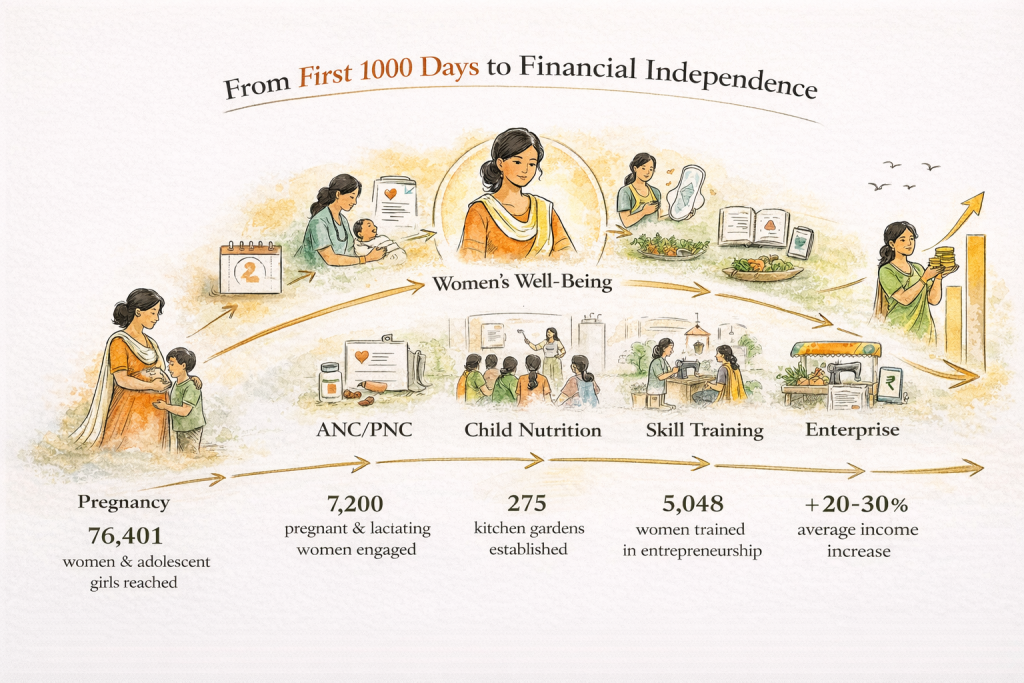
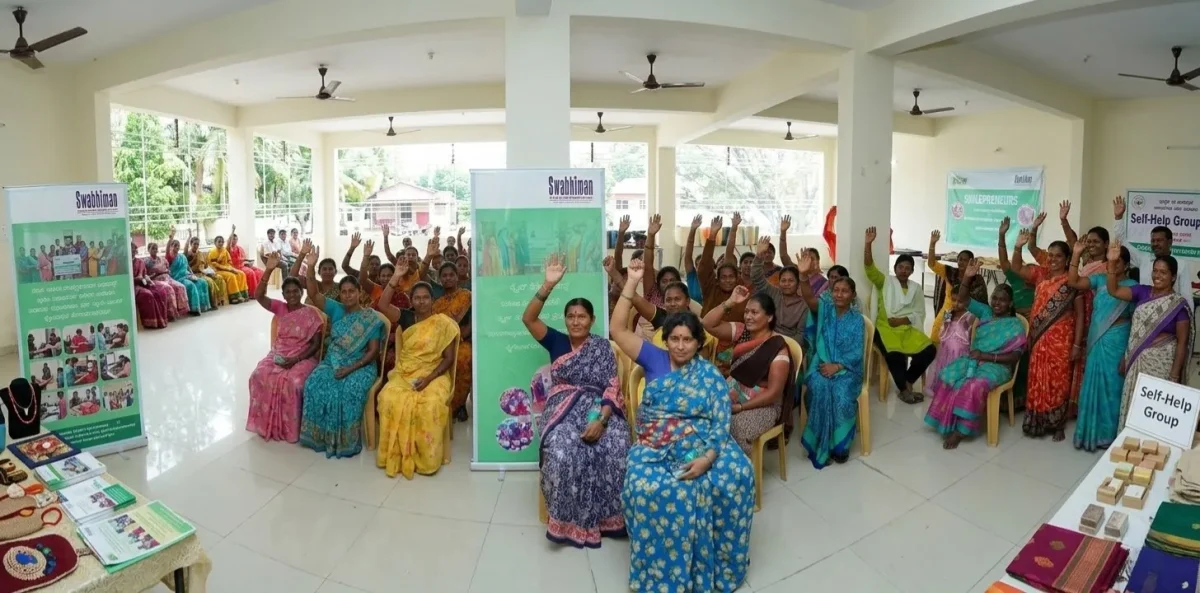
Smile Foundation’s Swabhiman programme focuses on maternal and child health, nutrition and behavioural change. In 2024, the programme reached over 190,000 women across six states, sensitized 76,000 women on reproductive and child health and provided healthcare to 72,000 women and children. These interventions aim to improve awareness, access to services and health behaviours at the community level.

The organization also conducts health camps, immunization drives and counselling sessions for pregnant and lactating women. In one reporting period, Smile Foundation ensured 104 safe institutional deliveries and immunised 460 infants, demonstrating its role in improving maternal and child health outcomes. 

Further, our mobile healthcare initiative, Smile on Wheels, provides free medical consultations, diagnostics and medicines in underserved areas. Mobile units help bridge the gap between remote communities and healthcare services, especially during crises when access is limited. Such community-based approaches reduce uncertainty by bringing healthcare closer to people, building trust and addressing local health needs. They complement formal health systems and provide resilience during emergencies.

Governance, Ethics and Trust

Trust is a cornerstone of healthcare systems, especially during uncertain times. People must trust health authorities, medical professionals and technologies to follow health guidance and seek care. Misinformation and a lack of transparency often erode trust and worsen health outcomes. Hence, frameworks must be put in place to curb misinformation through social media, while governance frameworks are necessary to regulate digital health and AI. Policies must ensure data privacy, algorithmic transparency and accountability. Ethical oversight is required to prevent misuse of health data and discriminatory practices.

Community participation is also critical. When communities are involved in designing health programmes, they are more likely to trust and use them. NGOs, local leaders and civil society organizations play an important role in bridging the gap between policymakers and communities.

Training Healthcare Workers for Resilient Health Systems

Healthcare workers sit at the heart of every health system, especially in times of crisis. Pandemics, climate disasters and humanitarian emergencies place immense physical and emotional strain on doctors, nurses and frontline staff. Burnout, stress and workforce shortages weaken health systems just when they need strength the most. To manage uncertainty effectively, countries must invest in training, recruiting and retaining healthcare workers who can adapt to rapidly changing conditions.

Training today must go beyond clinical skills. Healthcare workers increasingly need support in using digital health and AI-enabled tools to reduce administrative burdens, improve diagnosis and support decision-making. However, technology should complement care, not replace it. Skills such as empathy, clear communication and cultural sensitivity remain essential, particularly when working with vulnerable populations during crises.

Community health workers play a critical role in strengthening system resilience. In India, ASHAs serve as trusted links between health systems and rural communities, ensuring continuity of care even when formal services are stretched. At Smile, our programmes train local volunteers and community leaders to promote health awareness, maternal care and behaviour change. By building skills within communities, such efforts reduce pressure on overstretched facilities and make healthcare delivery more resilient.

A well-trained workforce also supports the sustainability of health systems. When healthcare workers understand local needs, use data effectively and engage communities, systems are better equipped to maintain essential services during disruptions. Partnerships between governments, NGOs and the private sector further strengthen this capacity. Through collaborations that deliver mobile clinics, nutrition programmes and maternal health services, we help extend care to underserved populations while reinforcing local health infrastructure.

Ultimately, resilient and sustainable health systems depend on people. Training healthcare workers to adapt, communicate and collaborate across sectors ensures that systems can respond to crises without losing sight of equity and quality of care. Investing in the workforce is a long-term strategy for building health systems that endure.

Categories
Girl Child

National Girl Child Day 2026: Let Girls Learn and Lead

Every year on January 24, National Girl Child Day invites India to reflect on a question: What does it take for a girl to grow up with dignity, choice and opportunity?

The answer has evolved over time. Two decades ago, it was about survival. Then it became about enrolment. Today, the challenge is more complex, and more revealing. Girls are entering schools in greater numbers, health services are more accessible and legal protections are stronger than before. But too many girls still struggle to stay in school, continue learning through adolescence and translate opportunity into agency.

National Girl Child Day 2026 is therefore not only a moment to celebrate progress, but to examine what sustains it.

Progress that Matters, and What it Hides

India has made measurable gains. Nearly 97.5 percent of schools now have girls’ toilet facilities, reducing one of the most persistent barriers to attendance. The Gross Enrolment Ratio for girls at the secondary level has reached 80.2 percent, reflecting steady improvement over the last decade. Investments under Mission Shakti, which received an allocation of ₹3,150 crore in the Union Budget 2025–26, signal continued commitment to safety, empowerment and convergence across the life cycle.

These numbers matter. They represent millions of girls who are now visible in systems that once excluded them.

But numbers alone do not tell us whether girls are able to remain in those systems when pressure mounts during adolescence, at moments of household stress or when social expectations tighten. Retention, transition and confidence remain fragile, particularly for girls from low-income households, migrant families and underserved regions.

This is where the next phase of empowerment must focus.

Why Continuity Matters More than Access

Girls rarely drop out of school because of a single reason. More often, it is an accumulation of pressures—distance, safety concerns, caregiving responsibilities, financial stress, early marriage or the erosion of confidence when learning gaps widen.

Policies have begun to respond to this complexity. Schemes under Samagra Shiksha, Kasturba Gandhi Balika Vidyalayas and Beti Bachao Beti Padhao recognize that education must be supported across stages. Programmes like UDAAN, Vigyan Jyoti and NAVYA signal a growing emphasis on STEM exposure, skills and non-traditional pathways for adolescent girls.

What these initiatives acknowledge implicitly is that empowerment is not a single outcome. It is a process that must hold through transition points.

Where Community Work becomes Decisive

This understanding shapes the work of and at Smile Foundation.

Across its girl child programme, Smile Foundation works with the premise that a girl’s education cannot be separated from her health, safety, family context or sense of self. Supporting enrolment is only the first step. What matters is whether a girl can continue learning when circumstances become uncertain.

In 2025, Smile Foundation’s education, women empowerment and health initiatives increasingly converged around adolescent girls. Foundational learning support helped address early gaps that often widen in later years. Teacher engagement created classrooms where girls felt encouraged to participate rather than withdraw. School infrastructure improvements—safe spaces, sanitation and learning environments—helped stabilise attendance.

Beyond classrooms, community engagement played a crucial role. Conversations with parents, caregivers and local leaders addressed norms that quietly shape girls’ choices: when education is negotiable, when marriage is considered inevitable and when silence is mistaken for consent.

Empowerment, in this sense, was not delivered. It was negotiated—patiently, locally and repeatedly.

Health, Dignity and the Everyday Realities of Adolescence

Adolescence is often where gains begin to slip. Health challenges like anaemia, poor nutrition, menstrual hygiene and mental stress intersect with social expectations and limited access to reliable information.

Government efforts such as the Scheme for Adolescent Girls, the Menstrual Hygiene Scheme, and POSHAN Abhiyaan reflect growing recognition that health and nutrition are central to girls’ ability to remain in school and participate fully.

Smile Foundation’s maternal and adolescent health work complements this approach by bringing care closer to communities. Through mobile healthcare units and school-based outreach, girls receive not only services, but conversations about nutrition, hygiene, bodily changes and self-worth.

These conversations matter. Dignity is built as much through understanding as through infrastructure.

Safety, Protection and the Right to Delay Adulthood

Legal frameworks—from the Prohibition of Child Marriage Act to POCSO and the Bal Vivah Mukt Bharat campaign—have strengthened protection for girls. Thousands of child marriages have been prevented in recent years, signalling what is possible when enforcement, awareness and community vigilance align.

But protection also has a dimension. It is about creating conditions where girls are not rushed into adulthood because options feel narrow. Where education remains a viable path. Where families see daughters not as liabilities to be settled early, but as individuals with futures worth investing in.

Smile Foundation’s girl child programme works within this space—supporting education continuity, engaging families and reinforcing the idea that delay can be empowering.

From Schemes to Systems that Girls can Trust

India today has no shortage of schemes for girls. What it needs are systems that girls can rely on across years.

Empowerment endures when:

  • schooling continues through adolescence,
  • health care is accessible and respectful,
  • skills lead to real pathways,
  • and families feel supported rather than judged.

National Girl Child Day 2026 is an opportunity to shift the conversation from celebration to commitment. The progress is real. But the work ahead lies in ensuring that gains do not unravel when girls reach the most vulnerable stages of their lives.

What it means to Invest in a Girl: National Girl Child Day 2026

At Smile Foundation, the lesson from years of work is clear: when support is consistent, girls stay. They stay in school longer, participate more confidently and imagine futures that extend beyond constraint.

Empowering a girl is not about a single intervention. It is about holding space through education, health, safety and community until she is able to claim that space herself.

On this National Girl Child Day, that is the promise worth renewing: not only that girls will enter systems, but that they will be supported long enough to shape them.

Categories
Health

97% Eliminated, 3% To Go: India’s Malaria Story

India has cut malaria by more than 80% in less than a decade, a turnaround that ranks among the most striking public‑health victories in the world. Reported cases fell roughly from 1.17 million in 2015 to just 227,564 in 2023 and the number of deaths dropped even more sharply.

This progress means fewer families forced into debt for treatment, fewer children missing school, fewer parents choosing between wages and care. It means 122 districts recorded zero malaria cases, a milestone once thought out of reach.

India has also exited the World Health Organization’s High Burden to High Impact grouping and set clear elimination timelines: zero indigenous cases by 2027 and nationwide elimination by 2030. Even annual malaria testing has risen by roughly by 45% between 2016 and 2024, strengthening early detection and treatment.

India’s malaria story is no longer about overwhelming burden. It is about narrowing the gap, district by district, until elimination becomes reality.

Where Malaria in India Still Hides

Historically, malaria has hit rural and forest-fringe communities harder, where breeding sites are abundant and health facilities are distant. But rapid urbanization has changed the map. The spread of Anopheles Stephensi, a mosquito well-adapted to cities, has made urban malaria a growing concern, especially in informal settlements with poor drainage and water storage. To respond, India’s Urban Malaria Scheme now covers over 142.9 million people across 131 towns, targeting vector control and surveillance where cities are expanding fastest.

Research consistently links higher malaria risk to poverty, poor housing and limited sanitation—conditions that create breeding sites and slow care-seeking. In some communities, misinformation and belief delay diagnosis where fever is treated at home, attributed to seasonal change or first taken to informal medical advice, losing precious days.

Many southern states report far lower incidence today, reflecting sustained surveillance and health-system reach, while patterns in the northeast remain dynamic and sensitive to climate and mobility. Odisha, Chhattisgarh and Jharkhand continue to contribute a disproportionate share of cases, driven by forested terrain, migration and access gaps. Also men often show higher reported prevalence linked to occupational exposure, while children and pregnant women face the gravest risks when care is delayed. 

Malaria in India is more than a public health issue

The final phase of malaria elimination exposes connections that often remain invisible when the disease is framed only as a health problem.

Malaria tracks poverty and precarity. Poor housing, inadequate sanitation and insecure water access create breeding sites faster than they can be controlled. Migrant workers—often men working in forests, farms, mines or construction—face higher exposure and disrupted continuity of care. Mobility turns individual infections into moving transmission risks.

Gender and age shape vulnerability in different ways. Children and pregnant women face the most severe consequences when diagnosis is delayed—anaemia, low birth weight and life-threatening complications. Yet women’s care-seeking is frequently deprioritized, constrained by household economics, distance or social norms.

Climate adds another layer. Changing rainfall patterns and rising temperatures are extending transmission seasons and shifting vector habitats. Districts once considered low-risk now face new exposure, demanding surveillance systems that can adapt quickly.

Seen together, these factors make one thing clear: malaria persists where development systems fail to converge. Health interventions alone cannot compensate indefinitely for gaps in housing, sanitation, labour protection and urban planning.

Why the last 3% is the hardest

As malaria cases decline, the nature of the challenge changes. The remaining pockets of transmission are smaller, more localized and more deeply embedded in structural disadvantage. They are also more expensive to address—requiring granular surveillance, sustained engagement and rapid response capacity.

National averages can obscure these realities. A district may report low incidence while still harbouring micro-hotspots: a construction corridor, a forest hamlet, a dense informal settlement. Eliminating malaria here requires not just programmes, but presence.

It also requires resisting complacency. When success becomes visible, attention often shifts elsewhere. Yet the last phase of elimination is precisely when systems must be most vigilant.

Where Community Health Closes the Gap

This is where last-mile health delivery becomes decisive.

At Smile Foundation, malaria prevention and care are embedded within a broader community-centred health model—one that recognizes that early diagnosis and complete treatment depend on proximity, trust and continuity.

Through Smile on Wheels, mobile medical units bring doctors, diagnostics, medicines and health education directly to underserved communities, both in remote rural areas and dense urban settlements. By lowering the distance between symptom onset and care, these services reduce the delays that allow malaria to escalate from a treatable fever into a public health risk.

Equally important is what happens beyond the clinic. Community meetings conducted in local languages address misconceptions around fever, emphasize the importance of testing and reinforce treatment adherence. Frontline workers are trained to recognize early symptoms and guide timely referrals. Surveillance becomes a shared responsibility rather than an external imposition.

In contexts where health facilities are distant or overcrowded, this model ensures that elimination does not stall simply because people cannot reach care in time.

Elimination as a systems test for Malaria in India

India’s malaria progress reflects years of coordination across national programmes, state health systems and frontline workers. Completing the journey will require even tighter alignment.

Data must move faster than transmission. Urban local bodies must coordinate with health departments. Labour-intensive sectors must be integrated into prevention strategies. Housing, sanitation and water infrastructure must be recognized as malaria interventions in their own right.

Above all, elimination demands patience. Outbreaks will still occur. Climate shocks will test preparedness. But holding the line—especially in the hardest places—is what will determine whether gains endure.

Why finishing matters

The final 3% is not just about malaria. It represents communities where development often reaches last: migrant families without fixed addresses, forest settlements beyond roads, informal urban residents without secure services, women and children whose health is negotiated rather than guaranteed.

If malaria can be eliminated here, it sets a precedent for tackling other complex challenges—from tuberculosis to climate-linked health risks. It shows that public health victories can be sustained through systems that work for those most likely to be missed.

India’s malaria story is already one of remarkable progress. Its conclusion will be defined by whether elimination is achieved not only statistically, but socially—embedded in communities, supported by systems and protected against reversal.

For Smile Foundation, working in the last mile means staying present precisely when the numbers are lowest and the work is hardest. Because that is where elimination is truly decided.

Through Smile Foundation’s mobile healthcare units and community outreach, primary care in urban slums and remote rural pockets reduces the very delays that turn treatable fevers into emergencies. The Smile on Wheels programme brings doctors, diagnostics, medicines and health education to families who might otherwise never arrive at a clinic. 

0%