Categories
Gender Girl Child

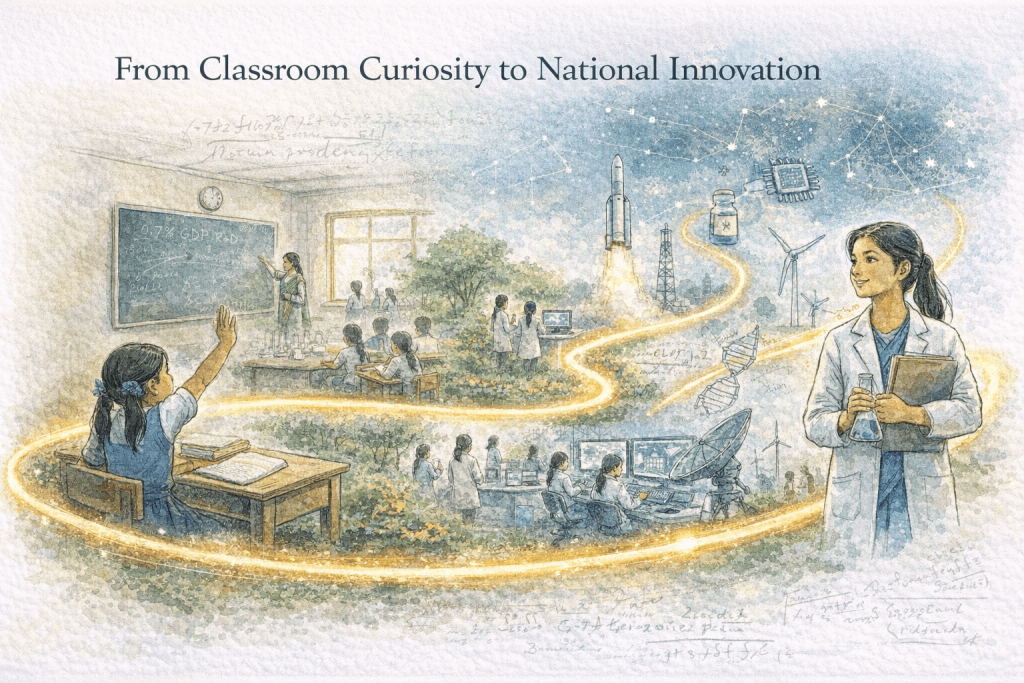
Strengthening India’s STEM Pipeline for Women

e65509f2 a55b 4d4d 9e7d dccaef035a14

India’s scientific ambitions are increasingly visible on the global stage. Indian-origin researchers lead laboratories abroad, contribute to space missions, advance biotechnology and shape artificial intelligence systems. These individual successes are often cited as evidence of the country’s intellectual depth.

Beneath these achievements lies another fundamental question: how inclusive is the pipeline that produces them?

A recent UNESCO article on advancing gender equality in STEM education reiterates a long-standing but insufficiently addressed reality — encouraging girls to pursue science requires structural reform and not just episodic celebration. For India, the issue is not only representation in classrooms but it is retention, progression and leadership across career stages.

The Paradox of Participation for STEM women

India presents a paradox. Female enrolment in STEM disciplines at the undergraduate level is comparatively strong. In several life sciences streams, women constitute a significant proportion of students. This suggests that early access barriers have, to some extent, been reduced.

However, representation narrows at higher levels. Women remain underrepresented in senior research positions, institutional leadership, patent ownership and advanced innovation ecosystems. The “leaky pipeline” phenomenon — observed globally — is evident here as well.

The reasons are structural. Career interruptions linked to caregiving responsibilities, limited mentorship networks, implicit bias in evaluation systems and uneven access to research funding cumulatively reduce progression rates.

Celebrating enrolment without examining retention risks mistaking entry for equity.

Early Exposure and Stereotype Formation

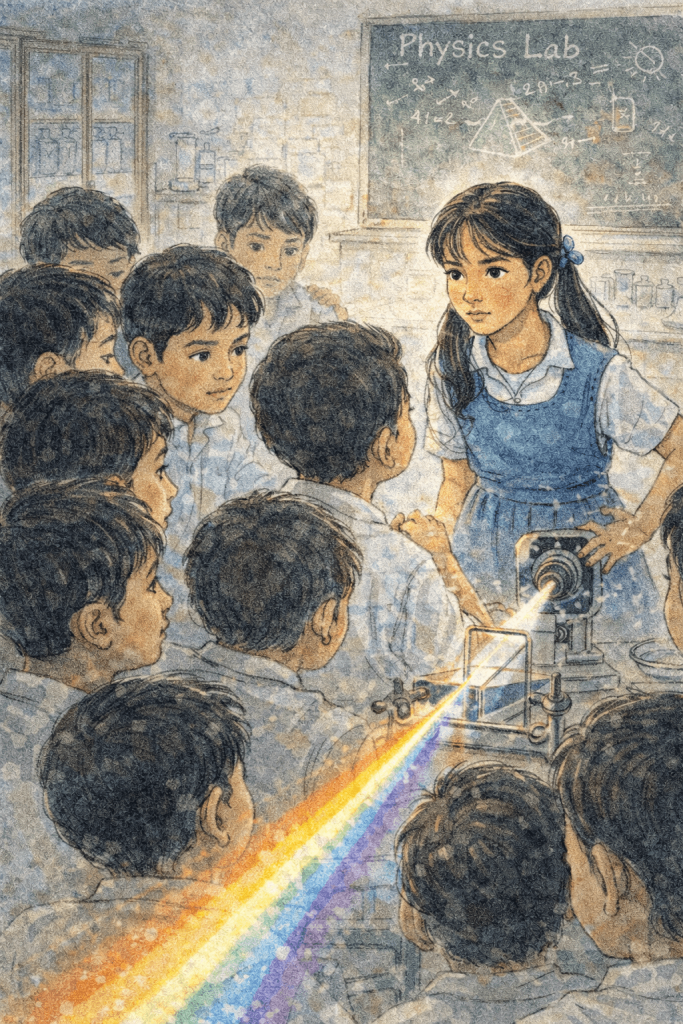
UNESCO underscores that gender stereotypes in science emerge early. By adolescence, many girls disengage from mathematics and physics, not due to lack of aptitude but due to perception.

In India, these perceptions are shaped by layered social realities — expectations around “appropriate” careers, safety concerns related to mobility and unequal access to laboratory infrastructure in under-resourced schools.

Interventions at the foundational level therefore matter disproportionately. Strengthening science education in underserved communities, providing digital access and ensuring teachers actively encourage girls’ participation can alter long-term trajectories.

Organizations working at the community level increasingly recognize that STEM inclusion must begin before university. Digital classrooms, basic coding exposure and experiential science learning in rural and peri-urban schools serve as critical entry points.

Confidence is often built long before a formal degree is pursued.

Mobility and Infrastructure

The transition from schooling to advanced STEM education frequently requires geographic mobility. For many young women, especially from rural districts, access to safe accommodation determines whether higher education is feasible.

Infrastructure measures, such as proposals to expand girls’ hostels, are therefore not peripheral to STEM policy. They address structural barriers that prevent capable students from entering advanced academic spaces.

Mobility is not solely geographic but economic and social too. Without scholarships, mentorship and institutional support, transition into research-intensive fields remains uneven.

Indian Women Scientists Abroad

Indian women scientists working overseas illustrate both the potential and the limitations of the current system. Their presence in global laboratories reflects strong foundational training and individual resilience. However, it also raises questions about domestic research ecosystems.

Do institutional cultures sufficiently support women’s long-term scientific careers within India?
Are re-entry pathways robust for researchers who build careers abroad?
Is leadership development intentionally gender-inclusive?

Brain circulation — the movement of talent across borders — can enrich national capacity. But only if domestic systems are designed to retain and re-attract expertise.

An often-overlooked dimension of STEM participation is health stability. National data continues to show high anaemia prevalence among adolescent girls. Nutrition deficits, mental health stress and limited access to preventive healthcare affect concentration and continuity in education.

Scientific aspiration cannot be isolated from well-being. Interruptions in schooling, whether due to illness or socio-economic pressures, disproportionately affect girls in marginalised communities.

Integrated approaches that combine education support with health interventions, including school-based health awareness and adolescent programmes, strengthen the foundation upon which STEM careers are later built.

Mentorship and Institutional Culture for STEM women

UNESCO emphasizes the importance of visible role models and mentorship networks. For Indian girls, exposure to women scientists who share linguistic, regional or socio-economic backgrounds can expand aspiration.

However, representation must extend beyond symbolic events for STEM women. Structured mentorship programmes, alumni networks linking diaspora scientists with Indian institutions and research internships for first-generation learners can institutionalize inspiration.

Institutional culture also requires scrutiny. Transparent promotion pathways, flexible work arrangements and gender-sensitive evaluation processes are not concessions; they are necessary correctives.

A Policy Continuum for STEM women

Advancing gender equality in STEM demands coherence across policy domains:

  • Foundational school quality
  • Safe mobility and accommodation
  • Scholarship access
  • Research funding equity
  • Workplace culture reform

Fragmented interventions cannot produce sustained parity.

India’s demographic advantage and growing technological ambitions make this moment consequential. If STEM inclusion is treated as peripheral, structural imbalances will persist. If it is integrated into education, health and employment policy, the scientific ecosystem can expand meaningfully.

Beyond Celebration

The presence of Indian women scientists in global institutions is cause for recognition. But celebration alone cannot substitute for systemic strengthening.

The distance between a rural classroom and an international laboratory is considerable. Bridging it requires investment at each stage — in foundational education, in health stability, in safe infrastructure and in inclusive institutional cultures.

Advancing gender equality in STEM is not solely about fairness. It is about national capacity.

Scientific excellence is not gendered. Opportunity often is.

Ensuring that opportunity is equitably distributed remains one of India’s most consequential policy tasks.

Categories
Education

Polluting Young Minds: Repercussions on Learning

Pollution has long been recognized as a severe threat to physical health, and in recent years it has become even more evident. However, its influence extends far beyond lungs and hearts. An emerging body of research now reveals that polluted air jeopardizes children’s brain development, cognitive functioning and educational outcomes. 

Children are uniquely vulnerable, not only because their bodies are still growing, but because polluted environments can literally shape the trajectory of their learning and potential. As pollution levels rise, they impose hidden cognitive burdens on young minds, with evidence linking air pollution to lower intelligence and academic performance.

Understanding the Vulnerability of Children

Children differ biologically and behaviourally from adults in ways that make them especially susceptible to environmental insults. First, their respiratory rates are higher, and their lungs and brains are developing rapidly, meaning they inhale more air and more pollutants per unit of body weight than adults. Pollutants such as fine particulate matter (PM2.5) can penetrate deep into the lungs and enter the bloodstream, potentially crossing the blood–brain barrier and triggering inflammatory responses that interfere with neural development. 

Furthermore, children spend much of their day in school or playing outdoors, thereby increasing their cumulative exposure to ambient pollutants. These exposures are not isolated events; rather, they accumulate over critical developmental windows, including infancy and early childhood, when neural connections are forming at an astonishing pace. According to a recent report by Health Policy Watch,  disruption during these periods can have long-lasting consequences for cognitive abilities and learning. 

Air Pollution Effects and Cognitive Impact: The Evidence

Emerging research underscores a profound link between polluted air and impaired cognitive outcomes in children. A study presented at the World Conference on Lung Health found that children living in highly polluted areas in India scored nearly 20 IQ points lower on average compared to peers in cleaner areas. 

In this comparative study from Odisha, researchers assessed Full-Scale IQ, verbal IQ and performance IQ using an established scale for Indian children. Each component of cognitive functioning like language, reasoning and problem-solving was significantly lower among children chronically exposed to high levels of particulate matter (PM2.5 and PM10). These effects not only merely reflect statistical abnormalities but translate into real differences in educational attainment and life chances. An IQ gap of nearly two standard deviations means that many children in polluted environments are at a substantial disadvantage long before they enter formal schooling.

Supporting this evidence, an independent Indian study linked incremental increases in PM2.5 exposure to measurable declines in academic achievement: math performance dropped by 10–16%, reading scores by 7–9%, and the likelihood of repeating a grade rose significantly among children exposed to higher pollution levels over the course of a year. 

These outcomes point to a broader reality: pollution doesn’t just make children sick, it robs them of opportunities to learn, think critically and succeed academically.

Mechanisms Behind Learning Impairment due to Pollution Effects

Multiple biological, neurological and psychosocial factors explain how polluted environments affect learning:

Neurological Disruption

Fine particulate matter (especially PM2.5) can traverse the lungs into the bloodstream and reach the brain, where it may induce inflammation that disrupts synaptic development and neural connectivity. This assault on developing neural circuits can weaken attention, memory and executive functioning—cognitive domains essential for effective learning. 

Chronic Illness and School Absenteeism

Pollution often triggers respiratory illnesses such as asthma, bronchitis and pneumonia. Infected children miss school more frequently, disrupting learning continuity and undermining academic progress. Frequent absences also hinder participation in classroom activities that build foundational competencies in reading, writing and math. 

Behavioural and Psychological Stress

Poor air quality has been associated with symptoms resembling attention-deficit/hyperactivity disorder (ADHD), anxiety, irritability and sleep disruption—all of which can affect concentration and classroom behaviour. These factors not only slow learning but also strain teacher-student dynamics and diminish classroom engagement. 

Socioeconomic Inequities in Polluted Environments

Air pollution disproportionately impacts underprivileged communities. Families with lower incomes often live closer to industrial areas, high-traffic roads or crowded urban neighbourhoods where air quality is poorest. They have limited access to mitigative resources such as air purifiers, quality healthcare and clean outdoor play spaces. 

This inequality compounds learning disadvantages: children from lower socioeconomic backgrounds already face educational barriers due to resource constraints. When pollution adds cognitive stress and increased disease burden, the achievement gap widens further, trapping vulnerable children in cycles of poor health and limited educational attainment.

Community Action: Smile Foundation’s Role

Amid systemic environmental challenges, grassroots and development organizations play an important role in supporting children’s health and educational resilience. Smile Foundation in India, though not an environmental regulator, operates several programmes that intersect with the impacts of pollution on children. 

Mobile Healthcare Units

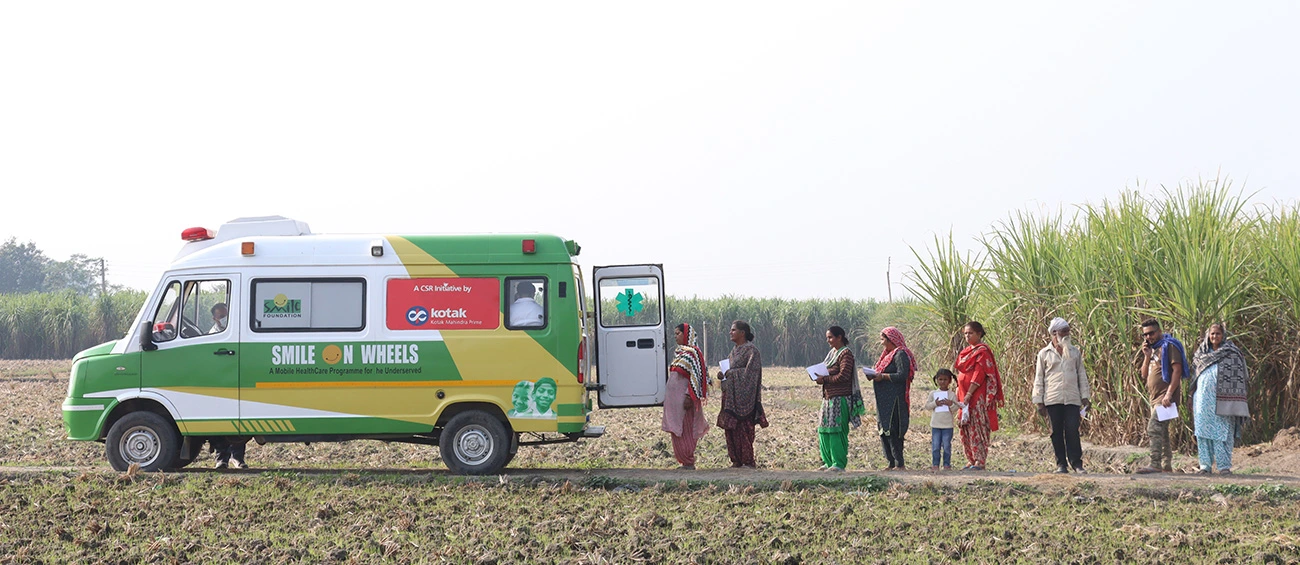
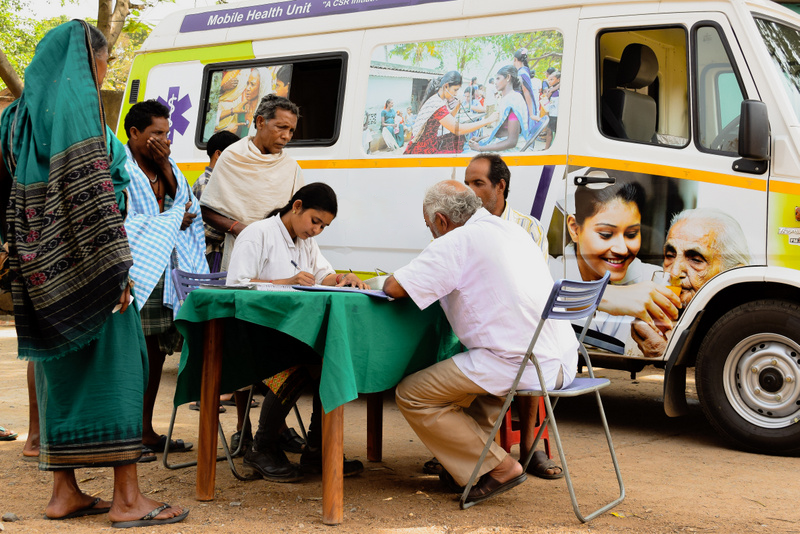
Under its Smile on Wheels initiative, mobile clinics reach children in high-risk zones like urban slums, industrial belts and areas with poor air quality to screen for respiratory diseases such as asthma and chronic cough. These units provide early treatment, referrals and health counselling, reducing the severity of ailments that might otherwise lead to prolonged school absences. 

School Health Awareness Programmes

Through Mission Education and school-based health check-ups, Smile Foundation educates students, parents and teachers about the health effects of air pollution. These programmes promote preventive behaviours such as appropriate mask use, improved indoor ventilation and recognition of early signs of pollution-related illness. 

Nutrition Support

Nutrition plays a crucial role in children’s resilience to environmental stressors. Smile Foundation’s efforts to provide wholesome, immunity-boosting diets can help children better withstand pollution exposure, thereby supporting both health and cognitive functioning

Public Awareness and Civic Engagement

By engaging communities in tree-planting drives, environmental cleanliness campaigns and educational activities that link environmental health to well-being, at Smile Foundation, we foster local awareness and stewardship. Although these activities don’t directly reduce air pollution levels, they cultivate a culture of environmental concern that can have long-term benefits for community health and learning environments. 

Policy Implications and the Path Forward

Addressing the repercussions of pollution on learning requires both environmental and educational policy reforms:

Integrating Air Quality Measures in School Planning

Educational policymakers should integrate air quality data into school siting decisions, infrastructure investments (like air filtration systems) and school activity schedules to minimise children’s exposure during peak pollution periods.

Intersectoral Health-Education Initiatives

Collaboration between health authorities, education departments and environmental agencies can facilitate screening programmes, pollution monitoring in schools and tailored support services for affected children.

Community and Family Engagement

Parents and caregivers should be educated on how pollution affects cognition and school performance. Strategies such as monitoring daily air quality, limiting outdoor exposure during hazardous days and advocating for local environmental improvements empower families to protect children’s learning potential.

The Way Forward towards containing Pollution Effects

Polluted air is not a passive backdrop to childhood; it is an active agent that undermines brain development, hinders cognitive functioning and impairs learning outcomes. Research from India and beyond reveals stark IQ differentials and academic setbacks linked to long-term exposure to particulate pollution. These effects are compounded by socioeconomic disparities, chronic illness and environmental injustice.

Community-based interventions, exemplified by Smile Foundation’s multi-pronged approach to health, nutrition and education, offer essential support—especially where institutional safety nets are weak. However, safeguarding young minds from polluted air ultimately requires systemic action: cleaner environments, equitable policies and sustained public engagement. Only then can children breathe freely, not just with their lungs, but with minds open to learning, growth and opportunity.

Categories
In The Spotlight

Motherhood in India: Many Faces of a Changing Journey

One in five new mothers globally experiences a perinatal mood or anxiety disorder. Yet for decades, the dominant story of motherhood in India has been one of quiet, joyful sacrifice. No room for doubt. No permission to struggle. No language for the quiet grief of identity lost.

The reality of motherhood in 2026 is far more complex and far more human.

From Hyderabad software engineers navigating back-to-back work calls and school runs, to women in rural Rajasthan navigating decisions about IVF with a spotty internet connection, to urban women in their thirties choosing not to have children at all, the landscape of motherhood in India is shifting at a speed that our cultural vocabulary has not yet caught up with.

This article explores the many dimensions of motherhood, including its traditional roots, evolving definitions, the psychological transformation it triggers, its intersection with work and technology, and the mental health conversation it urgently demands. Whether you are a mother, a policy professional, a healthcare worker, or simply someone curious about how gender and family are changing in India, this guide is for you.

SummaryMotherhood in India is undergoing a profound transformation. Traditional roles defined by self-sacrifice and domestic life are being reshaped by economic realities, reproductive technology, mental health awareness, and shifting gender norms. This article explores what modern motherhood looks like, the challenges it carries, and why supporting mothers is one of the most important investments any society can make.

What Traditional Motherhood in India Has Meant

For most of Indian history, and across most of the world, the archetype of motherhood has been built around sacrifice. The ideal mother stayed home. She devoted herself to her children, her household, and her husband. She was patient and selfless by definition.

In Indian culture, this has been elevated to the sacred. The phrase “Mata hari ho, pita bhi tum ho” (You are my mother, you are my father) reflects how deeply the mother figure is woven into the spiritual imagination. Representations in classical literature, Bollywood films, and mythology alike portray the mother as the giver of all things, the one whose love is unconditional and whose identity is inseparable from her role.

This archetype was not only cultural. It was structural. In most households, women were excluded from formal education and paid work, which meant the domestic sphere was not just a preference but a boundary drawn by economic and legal frameworks.

The Global Pattern

The Indian experience of traditional motherhood reflects a global pattern. Across cultures and centuries, the domestic caregiver role was assigned to women as both natural and inevitable. The archetype of the nurturing, self-sacrificing mother appeared in ancient Rome, in Victorian England, in pre-modern China, and in indigenous communities across the Americas. While the specifics varied, the core expectation did not: a mother’s identity was her children.

This history matters because the shifts happening today are not merely trends. They are corrections. They are the result of women gaining access to education, economic independence, legal rights, and finally, language to describe what their experience of motherhood actually felt like.

Key Takeaway: Traditional Indian motherhood was defined by self-sacrifice, domesticity, and spiritual reverence, a combination that elevated the mother while simultaneously limiting the woman inside her.

What Motherhood Means Today: Evolving Definitions

The word “mother” in 2026 does not describe a single type of person living a single type of life. It describes a vast spectrum of experiences that includes adoptive parents, single fathers raising children, same-sex couples, women who became mothers at 42 through IVF, and men who are the primary caregivers in their households.

According to Pew Research Center, single-parent households and blended families have risen significantly over the past three decades, a pattern visible across many countries including India. In urban India especially, the nuclear family with a working mother is now a common, accepted norm rather than an exception.

The word “motherhood” is also being increasingly detached from gender as a biological category. The idea that mothering, as a practice of nurturing and raising children, can be done by anyone regardless of gender identity is gradually gaining social and legal traction. This does not mean the debate is settled. In India, cultural and legal frameworks still lag behind lived realities. But the direction of change is clear.

The Rise of Diverse Family Forms

Adoptive mothers, single mothers by choice, co-parenting arrangements, and LGBTQIA+ parents are all redefining what a family looks like. India’s legal landscape still restricts same-sex couples from adopting children or accessing surrogacy, but social attitudes in urban centers are shifting. More queer Indians are publicly sharing their parenting journeys, and civil society organizations are advocating for more inclusive legal frameworks.

Blended families, where one or both partners bring children from previous relationships, are also becoming more common as divorce rates rise, particularly in metro cities. Each of these family forms brings its own version of motherhood: different challenges, different joys, and a need for tailored support systems.

Key Takeaway: Modern motherhood spans adoptive parents, single mothers, LGBTQIA+ families, and women who have redefined their domestic roles entirely. The definition is expanding faster than our policies and cultural language can keep up.

Matrescence: The Identity Transformation Nobody Talks About

One of the most important ideas missing from mainstream conversations about motherhood is matrescence.

Matrescence, a term coined by anthropologist Dana Raphael in 1973 and revived by reproductive psychiatrist Dr. Alexandra Sacks, describes the psychological, emotional, and physical transformation a woman undergoes when she becomes a mother. Just as adolescence is a recognised developmental stage marked by identity upheaval, matrescence describes a similarly significant shift that has never received equivalent cultural acknowledgment.

When a woman becomes a mother, she does not simply add a new role to her existing identity. Her entire sense of self rearranges. Her relationship with her own body, her career, her friendships, her partner, and her time changes fundamentally and often suddenly. Research published in the journal Maternal and Child Health highlights how unaddressed identity conflict during this transition is a leading predictor of postpartum distress.

Why This Matters in the Indian Context

In India, the transition into motherhood is rarely treated as a psychologically significant event. It is treated as a social celebration. Rituals, ceremonies, and family visits mark the birth of a child, but the mother’s interior experience is often invisible or expected to be purely joyful.

A qualitative study on urban Indian mothers published in 2025 found that motherhood in India is experienced as a period of psychosocial crisis in which the original identity goes through a process of transformation. The study notes that role conflict and social pressure are among the most significant challenges, particularly for middle-class women navigating both patriarchal expectations and modern aspirations simultaneously.

Understanding matrescence is not a luxury. It is the foundation of better maternal mental health policy, better workplace support, and more honest cultural conversations about what mothers actually experience.

Key Takeaway: Matrescence is the profound identity transformation that accompanies becoming a mother. Recognising it, rather than romanticising the experience, is the first step toward genuinely supporting mothers.

Working Mothers in India: Progress, Pressures, and the Motherhood Penalty

India’s female labour force participation rate reached 41.7% in 2023-24, according to the Periodic Labour Force Survey, its highest point in recent decades. Among rural women, participation nearly doubled from 24.6% in 2017-18 to 47.6% in 2023-24, according to IWWAGE’s 2024 analysis. Urban female participation also rose, from 20.4% in 2017-18 to 28% in 2023-24.

These numbers reflect a genuine shift. More women are working. More women are choosing careers as part of their identity rather than as an exception to it. And more women are navigating the extraordinarily difficult task of doing both: building a professional life while meeting caregiving expectations that, in most Indian households, still fall disproportionately on them.

The Motherhood Penalty

The motherhood penalty refers to the documented wage and career disadvantage women face after having children, while men often experience a “fatherhood bonus” in the same circumstances. Research consistently shows that employers perceive mothers as less committed and less competent, while fathers are perceived as more stable and responsible.

A landmark study by Correll, Benard, and Paik (2007) in the American Journal of Sociology found that mothers were 79% less likely to be hired than non-mothers with identical qualifications, and were offered significantly lower starting salaries. While this research was conducted in the US, its patterns are reflected in Indian workplace dynamics, where a woman who takes maternity leave often returns to find her responsibilities reduced, her promotion track stalled, or her role eliminated.

Qualitative research on Indian working mothers confirms that despite legal protections under the Maternity Benefit Act, women continue to face discrimination, identity conflict, and the crushing weight of what researchers call the “mental load”: the invisible cognitive and emotional labour of managing a household, anticipating family needs, and scheduling childcare, on top of professional work.

Systemic Solutions Are Still Lacking

India’s Maternity Benefit (Amendment) Act, 2017 extended paid maternity leave to 26 weeks for working women in establishments with 10 or more employees. But access to crèche facilities, paternal leave policies, and flexible work arrangements remain inconsistent across sectors. Organisations like Smile Foundation, which works directly with women across education and livelihood empowerment, have observed firsthand how the lack of childcare infrastructure becomes a primary barrier to sustained workforce participation for mothers from lower-income communities.

Key Takeaway: India’s working mothers are making historic gains, but the motherhood penalty, unequal mental load, and gaps in childcare infrastructure continue to limit the full potential of maternal workforce participation.

How Technology Is Reshaping When and How Women Become Mothers

For most of human history, the biology of reproduction set the terms of motherhood. Women were expected to marry young and have children while their bodies were considered most capable of it. This biological timeline shaped how girls were educated, when they were married, and what roles they were assigned.

Technology has fundamentally changed this equation.

IVF, ART, and Delayed Motherhood

India has over 5,000 ART clinics in the private sector, offering a range of assisted reproductive technologies including IVF, IUI, and egg freezing. The country’s IVF age limit extends to 50 years old, meaning women can legally pursue assisted conception well into middle age. Under India’s Assisted Reproductive Technology (Regulation) Act, 2021, altruistic surrogacy is permitted for Indian nationals, with specific eligibility criteria governing access.

These technologies have given women something extraordinary: time. A woman can now pursue higher education through her twenties, build a career through her thirties, and still access medical pathways to motherhood in her forties. This is not a small shift. It fundamentally decouples the timeline of a woman’s reproductive life from the traditional expectations around marriage, motherhood, and social approval.

The global surrogacy and fertility market was valued at USD 22.4 billion in 2024, and is expected to grow sharply through 2034, driven in part by rising infertility rates linked to lifestyle changes and delayed parenthood. India remains a significant player in this landscape.

Parenting Apps and the Information Ecosystem

Beyond fertility technology, the rise of digital health platforms, parenting apps, and online support communities has changed how mothers access information and support. Where previous generations of Indian mothers relied on the wisdom of mothers-in-law, extended family, or local tradition, today’s mothers have access to a global body of knowledge, peer support forums, expert consultations, and mental health resources at any hour.

This democratisation of information matters especially for mothers making non-traditional choices. A woman considering IVF as a single parent, an adoptive same-sex parent navigating legal processes, or a woman choosing to remain childfree can find community, research, and support online in ways that were simply not available two decades ago.

Key Takeaway: Technology has decoupled the biological clock from the social timeline of motherhood, giving women the ability to plan, delay, or pursue motherhood on terms that fit their own lives rather than social expectations.

The Mental Health of Mothers: Breaking India’s Loudest Silence

Of all the transformations in the modern understanding of motherhood, none is more urgent than the conversation about maternal mental health.

According to 2024-2025 research, postpartum depression in India affects between 22% and 30% of mothers, with rates of postpartum anxiety climbing as high as 34%. These are not small numbers. In a country that births approximately 25 million babies annually, even a conservative 22% prevalence means millions of women each year are experiencing a medical condition that is going undiagnosed and untreated.

The World Maternal Mental Health Day initiative reports that in many countries, as many as 1 in 5 new mothers experiences a perinatal mood or anxiety disorder. India’s numbers are notably higher, reflecting both a genuine burden and a chronic failure of screening and support systems.

Why Indian Mothers Suffer in Silence

India currently has fewer than 0.75 psychiatrists per 100,000 people, a severe treatment gap that affects maternal mental health disproportionately. But beyond infrastructure, the cultural stigma around admitting struggle is perhaps the bigger barrier.

Indian mothers are raised on narratives of selfless, joyful motherhood. Admitting that you feel overwhelmed, detached, or depressed is perceived not as a health disclosure but as a failure of character. Common internalised thoughts like “good mothers don’t complain” or “other women manage, why can’t I?” keep women from seeking help until crises become acute.

Research published in PMC’s Maternal and Child Health journal confirms that untreated postpartum depression can have long-term consequences not only for the mother but for the child, including disrupted bonding, lower breastfeeding rates, and potential cognitive delays in early development. Supporting maternal mental health is not only a matter of women’s rights. It is a matter of child development and public health.

The Shift That Is Happening

Modern mothers are increasingly rejecting the silence. Mental health conversations are entering mainstream media, social platforms, and policy discussions in ways that were unthinkable a generation ago. Organisations working at the intersection of women’s health and social impact, including Smile Foundation, are incorporating mental health and emotional support into their maternal health programmes, recognising that physical health outcomes cannot be separated from psychological wellbeing.

Policy researchers have called for integrating maternal mental health into India’s Reproductive, Maternal, Newborn, Child and Adolescent Health (RMNCH+A) programme, a step that would embed screening, counselling, and referral into existing touchpoints where mothers already interact with the health system.

Key Takeaway: Postpartum depression and maternal anxiety are medical conditions affecting millions of Indian mothers every year. The silence around these conditions is not a cultural strength. It is a public health failure that demands urgent structural solutions.

Childfree by Choice: When Motherhood Is Not the Answer

One of the most significant and least discussed shifts in contemporary Indian society is the growing number of women who are choosing not to become mothers at all.

This is not about infertility or circumstance. It is a deliberate, considered choice that more urban Indian women are making in their twenties and thirties: to live full, purposeful lives without children.

The reasons are varied and valid. For some, it is financial: the economic cost of raising a child in an Indian metro city has become formidable, from education fees to healthcare to housing. For others, it is vocational: a demanding career path that does not accommodate caregiving responsibilities without severe personal cost. For many, it is a straightforward question of preference: they simply do not want to become mothers, and they are increasingly unwilling to apologise for that.

Environmental concerns also feature prominently in this conversation. Young urban Indians are among the most climate-aware generations in the country’s history, and a growing subset cite ecological concern as part of their reasoning for remaining childfree.

Traditional society and many families continue to resist this choice. The expectation that marriage naturally leads to motherhood remains deeply embedded in most Indian cultural contexts. Women who choose to remain childfree face social pressure, medical gaslighting (doctors refusing sterilisation requests from young women), and family friction. But the childfree movement in India is growing, finding voice on social media, in feminist spaces, and increasingly in public discourse.

Key Takeaway: More Indian women are choosing to be childfree, not as an exception but as a considered life decision. Supporting this choice as equally valid to the choice of motherhood is fundamental to gender equality.

Cultural Variations in Indian Motherhood

India is not one culture. Its experience of motherhood varies dramatically across regions, castes, religions, economic classes, and generations. What motherhood means to a Tamil Brahmin woman in Chennai, a Muslim woman in rural Bihar, a tribal woman in Jharkhand, or a Punjabi NRI mother in Toronto can look entirely different.

One consistent feature across many Indian communities is the central role of the extended family, particularly grandparents, in childcare. The involvement of nanas, dadis, nanans, and dadis in raising children provides a genuine support network that many Western nuclear family structures lack. As more women enter the workforce, this extended family network has become even more critical. In many households, a grandmother or mother-in-law effectively co-parents while the mother works.

However, this support comes with expectations. Extended family involvement often means extended family opinion, about parenting decisions, feeding choices, career ambitions, and a mother’s level of dedication to her domestic role. The line between support and surveillance can be fine.

Urban migration is also weakening extended family networks. As young couples relocate to metro cities for work, away from the towns and villages where their families live, the informal childcare safety net disappears. This is one reason why affordable, quality childcare infrastructure in urban India has become a pressing policy demand.

Key Takeaway: India’s cultural diversity means motherhood is experienced differently across regions, castes, and classes. The extended family network remains a vital support system, but urbanisation is breaking these networks, creating new vulnerabilities for mothers.

LGBTQIA+ Parenthood: New Families, New Frontiers

In India, the legal and social landscape for LGBTQIA+ individuals who want to become parents remains complex and often restrictive.

Same-sex couples are currently not eligible for adoption under Indian law, following the Supreme Court’s 2023 ruling against same-sex marriage. Surrogacy under India’s ART Act is also not available to same-sex couples. These legal gaps mean that queer Indians who want to become parents must often navigate international legal pathways, informal co-parenting arrangements, or choose to remain childless despite wanting children.

Despite these barriers, LGBTQIA+ parenthood in India is growing in visibility if not yet in legal recognition. More queer Indians are speaking publicly about their parenting journeys, both those who became parents before coming out and those who are pursuing parenthood through available pathways. Civil society organisations and advocacy groups continue to push for legal reform.

As Indian society evolves, particularly in urban and educated communities where LGBTQIA+ acceptance is slowly increasing, the pressure on policymakers to bring legal frameworks in line with lived realities will only grow. Globally, as Become Parents notes in their 2025 surrogacy analysis, more countries are expanding inclusivity in surrogacy and adoption laws for LGBTQ+ individuals. India’s own arc is bending, if slowly.
Key Takeaway: LGBTQIA+ Indians who want to parent face significant legal barriers, but social visibility is growing. Legal reform that recognises diverse family forms is essential for a truly inclusive definition of motherhood and parenthood.

Eco-Conscious and Sustainable Parenting

A newer but growing dimension of modern motherhood in India is the rise of environmentally conscious parenting choices.

An increasing number of urban mothers are making decisions about child-rearing through a sustainability lens: choosing cloth diapers over disposables, plant-based diets, reduced plastic in feeding and play, and low-impact approaches to schooling and activities. Some are also factoring climate change into their decision about whether to have children at all.

While this remains a relatively niche consideration in the broader landscape of Indian motherhood, it represents an important convergence of feminist thinking and environmental consciousness. The mother as a decision-maker in the household economy, who controls consumption choices, waste generation, and values transmission to the next generation, is also a powerful agent of environmental change.

Key Takeaway: Eco-conscious parenting is an emerging dimension of modern Indian motherhood, reflecting a generation of mothers who see sustainability as a parenting value, not just a lifestyle trend.

Expert Tips for Supporting Mothers in 2026

  • Replace ‘you should cherish this’ with ‘how are you actually doing?’ The cultural reflex to celebrate motherhood can silence mothers who are struggling. A simple, direct check-in is more supportive than a cascade of congratulations.
  • Normalise paternal and partner leave. When only mothers take leave for childcare, it signals that caregiving is a maternal responsibility. Organisations and families that normalise leave for all caregivers reduce structural inequality.
  • Treat maternal mental health as a medical issue, not a character flaw. Postpartum depression and anxiety are neurobiological conditions, not failures of love or dedication. Screening at the primary healthcare level saves lives.
  • Support systemic change, not just individual resilience. Telling mothers to ‘do self-care’ without addressing childcare gaps and workplace discrimination is not real support. Real change requires policy, not just personal practice.
  • Validate the choice to be childfree. Reproductive choice means choosing motherhood and choosing not to. Both deserve equal cultural respect.

Frequently Asked Questions

Q: What is matrescence and why does it matter?

A: Matrescence is the psychological, emotional, and physical transformation a woman undergoes when she becomes a mother. The term, coined by anthropologist Dana Raphael and expanded by Dr. Alexandra Sacks, describes an identity shift comparable in intensity to adolescence. It matters because failing to recognise this transformation leads to inadequate support for new mothers and contributes to undiagnosed postpartum distress.

Q: What are the biggest challenges faced by working mothers in India?

A: Working mothers in India face the motherhood penalty in career progression, an unequal mental load at home, limited access to quality affordable childcare, inconsistent implementation of maternity leave protections, and social pressure to prioritise domestic roles over professional ambitions. Research confirms these structural barriers persist even among educated, urban women.

Q: What is the motherhood penalty?

A: The motherhood penalty refers to the documented career and wage disadvantage women face after having children. Studies show that mothers are perceived as less committed employees, are offered lower salaries, and face slower promotion tracks compared to childless women and to fathers. It is a form of structural gender discrimination rooted in unequal caregiving expectations.

Q: How common is postpartum depression in India?

A: According to 2024-2025 research, postpartum depression affects between 22% and 30% of mothers in India, with postpartum anxiety affecting up to 34%. These rates are higher than global averages and reflect both a genuine disease burden and a chronic gap in maternal mental health infrastructure and screening.

Q: Can women in India pursue IVF as a single parent?

A: Yes. Under India’s ART regulatory framework, single women are eligible for IVF using donor sperm. However, surrogacy remains restricted to married heterosexual couples for medical reasons. The IVF age limit in India extends to 50 years, giving women more flexibility in their reproductive timelines.

Q: What does modern motherhood mean today?

A: Modern motherhood refers to the broad and evolving range of experiences, identities, and choices that constitute being a mother or primary caregiver today. It includes working mothers, adoptive parents, LGBTQIA+ parents, single mothers by choice, and women who become mothers through assisted reproduction, as well as women who choose not to become mothers at all.

Q: How is technology changing motherhood in India?

A: Reproductive technologies like IVF, IUI, and egg freezing have decoupled the biological clock from social timelines, allowing women to become mothers later in life. Parenting apps and online communities have democratised access to information and peer support. Together, these technologies are giving Indian women more agency over when, whether, and how they become mothers.

Q: Are more Indian women choosing to be childfree?

A: Yes, particularly among urban, educated women in major metro cities. Reasons include economic pressures, career priorities, environmental concerns, and personal preference. While this choice is still met with social resistance in many communities, it is gaining visibility and legitimacy, particularly in digital spaces and feminist discourse.

Q: How can organisations support maternal mental health in India?

A: Organisations can support maternal mental health by integrating mental health screening into antenatal and postnatal care, training frontline health workers to identify and refer postpartum depression, reducing stigma through public communication, and supporting policy that embeds maternal mental health within national health programmes like RMNCH+A.

Q: What role does the extended family play in Indian motherhood today?

A: The extended family, particularly grandparents and in-laws, plays a significant co-caregiving role in many Indian households, providing childcare support that enables mothers to work and maintaining cultural continuity in parenting. However, urbanisation is weakening these networks as young couples migrate to metro cities, creating new childcare vulnerabilities for working mothers.

Conclusion

The story of motherhood in India is no longer one story. It is millions.

It is the story of Sunita in Hyderabad, checking work emails with one hand and pouring cereal with the other. It is the story of a woman in her forties beginning an IVF cycle with cautious hope. It is the story of a queer couple quietly navigating a legal system that does not yet see their family. It is the story of a woman in her thirties telling her mother, firmly and for the last time, that she is not having children.

Modern motherhood asks us to hold all of these stories at once, without ranking them, without declaring one more valid than another.

Key takeaways from this guide:

  • Traditional Indian motherhood built its identity around sacrifice and divinity. Those roots remain, but they no longer define the only acceptable form of the role.
  • Matrescence is a real and profound psychological transformation that deserves cultural recognition and clinical attention.
  • Working mothers in India are making gains, but the motherhood penalty and the unequal mental load continue to impose real professional and personal costs.
  • Technology has expanded reproductive choice, allowing women more agency over when and how they become mothers.
  • Postpartum depression affects millions of Indian mothers and is criminally under-screened and undertreated.
  • Choosing to be childfree is a valid, growing choice that deserves equal respect.

If you want to support maternal health and women’s empowerment in India in a meaningful way, consider learning more about the work that organisations like Smile Foundation are doing on women’s livelihood, health, and empowerment across the country. Real change for mothers begins with structural support, not just cultural celebration.

Sources and References

  1. Pew Research Center: The American Family Today (single-parent households, blended families)
  2. IWWAGE: Trend in Female Labour Force Participation in India, 2024
  3. India Ministry of Labour and Employment: PLFS 2023-24 and Female LFPR
  4. The Week: Motherhood Is Not Immunity from Mental Illness, 2026
  5. World Maternal Mental Health Day: PMAD Statistics
  6. PMC: Maternal Mental Health in LMICs, 2024
  7. ScienceDirect: Indian Working Mothers and Motherhood Identity
  8. SAGE Journals: Mothers in Urban India: Exploring Identity, 2025
  9. PMC: ART Access in India
  10. Global Market Insights: Surrogacy Market Report, 2025
  11. Smile Foundation: Women Empowerment Programmes
  12. India’s Maternity Benefit (Amendment) Act, 2017
Categories
Employee Engagement

Payroll Giving Deserves More Corporate Attention

Corporate India has, over the past decade, moved steadily from compliance-driven corporate social responsibility (CSR) to more structured and strategic models of social engagement. However, while institutional CSR budgets and board-level oversight have expanded, one important dimension of corporate responsibility often remains underleveraged: employee participation.

Payroll Giving offers a mechanism to bridge this gap.

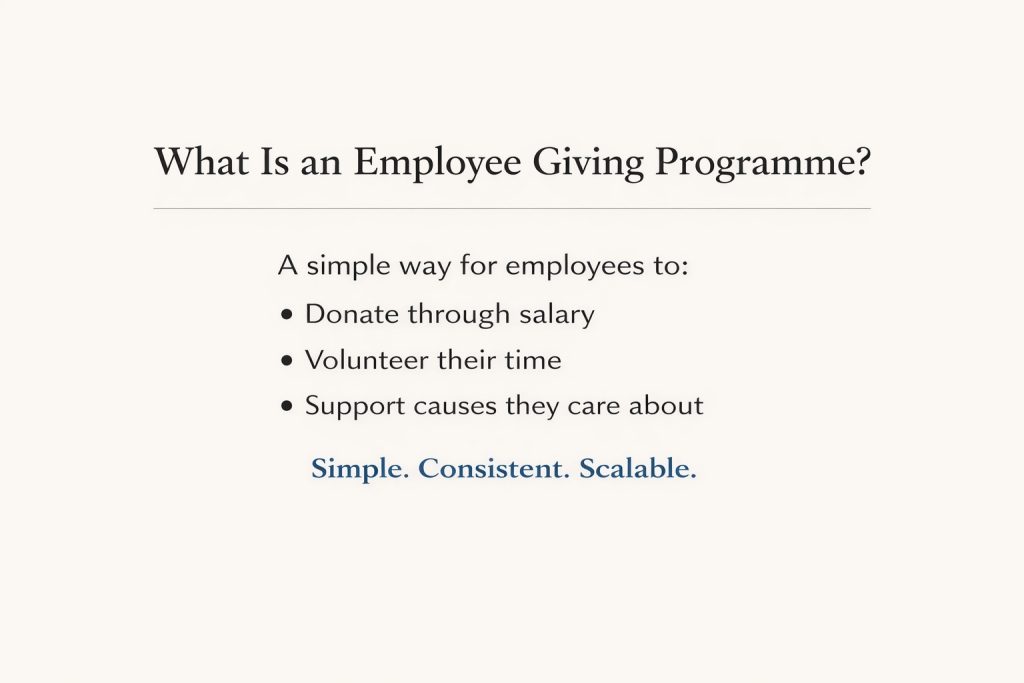
At its simplest, payroll giving is an organized system through which employees voluntarily contribute a fixed amount each month, deducted directly from their salaries, to support a social cause of their choice. What appears modest at the individual level becomes significant when aggregated across an organization. More importantly, it transforms CSR from a top-down allocation into a participatory culture.

Beyond Occasional Charity

Traditional workplace philanthropy often takes the form of one-time donation drives or annual campaigns triggered by disasters or festive seasons. While valuable, such efforts are episodic. Payroll Giving, by contrast, is sustained. It embeds generosity into the monthly rhythm of organizational life.

This distinction matters. Social interventions in education, healthcare, skill development and women’s empowerment require predictable, long-term funding. Sporadic inflows rarely allow for continuity. A structured payroll mechanism creates financial stability for programmes and accountability for impact.

For organizations, this model also offers clarity. Contributions are documented, transparent and systematic. For employees, the process is straightforward — a chosen amount is deducted automatically, eliminating the friction of repeated transactions.

Employee Engagement as Social Capital

The conversation around employee engagement has evolved considerably. Younger professionals, in particular, increasingly seek workplaces aligned with social purpose. Surveys across industries consistently indicate that purpose-driven organizations report higher engagement and retention.

Payroll Giving can contribute to this dynamic by allowing employees to act, not merely observe. Instead of being passive recipients of CSR communication, employees become stakeholders in impact. They choose the cause that resonates with them — whether it is ensuring that education does not stop for underserved children, expanding access to primary healthcare, preparing youth with employable skills or strengthening women’s financial independence.

Such participation fosters a sense of collective identity. When colleagues support shared causes, it reinforces empathy and collaboration within the workplace. Culture, after all, is shaped not only by performance targets but by shared values.

The Strategic Value for Corporates

From a governance perspective, Payroll Giving complements formal CSR commitments. While statutory CSR obligations apply to qualifying companies under the Companies Act, payroll contributions are voluntary and employee-led. This distinction preserves the autonomy of both corporate budgets and individual intent.

Furthermore, organizations that institutionalize structured giving may find that it strengthens their public positioning. Investors and stakeholders increasingly examine environmental, social and governance (ESG) indicators. Demonstrating broad-based employee participation in social initiatives signals depth of commitment beyond compliance.

There are practical incentives as well. Contributions made to eligible charitable institutions may qualify for tax benefits under Section 80G of the Income Tax Act, subject to applicable regulations. For employees, this can reduce taxable income while contributing to social development.

However, the case for Payroll Giving need not rest solely on fiscal advantages. Its deeper value lies in reinforcing the idea that corporate responsibility is not confined to balance sheets.

Choosing Impact Areas

The effectiveness of Payroll Giving depends on credible, well-governed implementation partners. Causes supported may span education, healthcare, livelihood development and gender empowerment.

For instance:

  • Shiksha Na Ruke seeks to ensure that children from underserved communities receive quality education and learning support.
  • Health Cannot Wait focuses on delivering primary healthcare services to marginalised populations through mobile medical units and preventive interventions.
  • Tayyari Kal Ki equips youth with vocational training and placement opportunities.
  • She Can Fly aims to strengthen women’s access to healthcare, financial literacy, and entrepreneurship skills.

Allowing employees to select among such initiatives personalises the act of giving and strengthens accountability.

A Cultural Shift, Not a Transaction

One of the understated strengths of Payroll Giving is its cumulative effect. A modest monthly contribution from a single employee may appear limited. Yet when hundreds or thousands participate, the aggregated support can sustain entire programme cycles.

More significantly, routine giving reshapes organisational culture. It signals that contributing to society is not exceptional behaviour reserved for annual drives but an ongoing commitment.

In an economic environment marked by rapid change, widening inequality, and environmental stress, the private sector’s role in social development will remain under scrutiny. Large corporate commitments will continue to matter. But so will the everyday gestures that institutionalise responsibility.

Payroll Giving represents one such gesture — modest in design, but potentially transformative in effect.

If adopted thoughtfully and implemented transparently, it can convert the monthly act of salary disbursement into a steady instrument of social progress.

Categories
Gender Health Women Empowerment

What Underinvestment in Women’s Health Is Costing India

Globally, women’s health receives only 6% of private healthcare investment . Much of that funding is concentrated in reproductive health, maternal care and women’s cancers. But women’s health extends far beyond childbirth. In India, national data reveals how structural neglect translates into measurable risk.

Anaemia: The Silent Normal

The National Family Health Survey (NFHS-5, 2019–21) reports that 57% of women aged 15–49 in India are anaemic. Among adolescent girls (15–19 years), the rate exceeds 59%.

Anaemia is not a minor condition. It affects cognitive functioning, work capacity, pregnancy outcomes and long-term cardiovascular health. Yet in many communities, it is so common that it is perceived as inevitable.

The cost is not only medical. It is educational and economic. Fatigue impairs concentration. Repeated illness disrupts schooling. Maternal anaemia increases the likelihood of low birth weight, perpetuating intergenerational disadvantage.

The Rising Burden of Non-Communicable Diseases

While maternal mortality has declined significantly over the past two decades, India now faces a growing epidemic of non-communicable diseases (NCDs) among women.

According to NFHS-5:

  • 21% of women aged 15–49 are overweight or obese, up sharply from NFHS-4.
  • Nearly 11% of women have high blood sugar levels, indicating rising diabetes risk.
  • Hypertension prevalence among women has steadily increased, particularly in urban and peri-urban regions.

Cardiovascular disease is now one of the leading causes of death among women in India. But awareness remains low, and symptoms are frequently misinterpreted.

Under the National Programme for Prevention and Control of Cancer, Diabetes, Cardiovascular Diseases and Stroke (NPCDCS), the National Health Mission has expanded screening initiatives at the primary care level. Millions of individuals have been screened for hypertension and diabetes. However, screening coverage remains uneven, particularly in underserved rural and informal urban settlements.

The gap lies not only in availability but in continuity. Screening must translate into sustained management, follow-up, and awareness — especially for women who often prioritise family health over their own.

Maternal Health Gains and Persistent Gaps

India has made measurable progress in maternal health. According to the Sample Registration System (SRS), the Maternal Mortality Ratio (MMR) declined to 97 per 100,000 live births (2018–20). Institutional deliveries now exceed 88% nationally (NFHS-5).

Yet improved survival does not equate to comprehensive health.

Postnatal care, mental health screening and long-term metabolic monitoring remain limited. Postpartum depression remains underdiagnosed. Women with gestational diabetes often receive little follow-up, despite increased lifetime risk of Type 2 diabetes.

The policy architecture has strengthened. The life-course support system has not kept pace.

Mental Health: Data and Silence

National surveys indicate that women are more likely than men to report symptoms of anxiety and depression. However, mental health service utilisation remains low due to stigma, limited availability and cultural barriers.

In low-resource communities, psychosocial stress is compounded by economic precarity, domestic responsibilities and restricted mobility. Yet mental health remains marginal in women’s health conversations.

This silence has consequences — for parenting, productivity and long-term wellbeing.

Adolescent Health: The Overlooked Window

The adolescent period is a critical intervention point.

NFHS-5 shows persistent high anaemia levels among adolescent girls. Early marriage, though declining, continues in several states. Nutrition gaps during adolescence affect not only immediate cognitive development but also maternal health later in life.

Programmes under the National Health Mission and POSHAN Abhiyaan aim to address these deficits. But effective change requires sustained community engagement, accurate health literacy and access to screening — not only policy announcements.

Environmental and Socioeconomic Risk

Health burdens are not evenly distributed.

Lower-income households are more likely to reside in areas with poor air quality, limited sanitation and constrained healthcare access. Women in such environments face compounded exposure — indoor air pollution from cooking fuels, inadequate nutrition and limited preventive care.

These overlapping risks magnify vulnerability.

Screenshot 2026 02 11 232335
Screenshot 2026 02 11 232410
Screenshot 2026 02 11 232432
Screenshot 2026 02 11 232452
Screenshot 2026 02 11 232509
Screenshot 2026 02 11 232526
Screenshot 2026 02 11 232740

Community-Level Interventions: Bridging Immediate Gaps for Underinvestment in Women’s Health

In underserved communities, non-governmental initiatives often function as the first line of access.

Mobile healthcare units — such as those operated under Smile Foundation’s Smile on Wheels programme — conduct:

  • Blood pressure and blood sugar screening
  • Anaemia detection
  • Antenatal check-ups
  • Nutrition counselling
  • Referral support

School-based programmes address menstrual hygiene, adolescent nutrition and early health awareness. Community sessions create safe spaces to discuss symptoms that might otherwise remain hidden.

These interventions do not replace systemic reform. But they address immediate diagnostic gaps and strengthen health literacy.

The Economic Argument

The World Economic Forum’s 2026 analysis argues that women’s health is not only a social imperative but an economic one . Healthier women participate more consistently in the workforce, reduce healthcare shocks and support stronger educational outcomes for children.

In India, where women’s labour force participation remains comparatively low, health barriers represent a structural constraint.

Preventive investment yields compound returns.

The Structural Question

India’s public health infrastructure has expanded screening and institutional delivery rates. Yet preventive, life-cycle-based women’s healthcare remains fragmented.

Underinvestment — globally and nationally — shapes what is prioritised. When funding and innovation focus narrowly on maternal care, broader metabolic, cardiovascular and mental health conditions receive less systematic attention.

The result is not absence of care. It is partial care.

Reframing Women’s Health

Women’s health is not confined to reproductive years. It spans adolescence, early adulthood, mid-life metabolic risk and ageing-related conditions.

If anaemia affects more than half of reproductive-age women, if obesity and hypertension are rising, and if mental health remains marginalised, then the issue is not niche.

It is foundational.

The invisible epidemic is not defined by a single disease. It is defined by cumulative neglect — of screening, awareness, and preventive continuity.

Correcting this imbalance requires:

  • Stronger primary healthcare integration
  • Gender-sensitive NCD screening protocols
  • Mental health inclusion
  • Community-based health literacy
  • Public-private collaboration

Women’s health is infrastructure. It underpins education, economic stability, and intergenerational resilience.

The data already exists. The question is whether investment and implementation will follow.

Categories
Education

Education as Infrastructure: Reading the Signals in Union Budget 2026

The Union Budget 2026–27 makes an unambiguous statement: India’s human capital strategy is being recalibrated. Education is no longer framed as an isolated social sector; it is positioned as economic infrastructure directly linked to employment, enterprise and global competitiveness.

For decades, policy discussions have oscillated between access and quality. This year’s Budget attempts something more structural. It moves beyond expanding degrees to creating employment pathways. It signals a shift from “education for education’s sake” to education as labour market alignment.

Whether this pivot succeeds will depend less on announcements and more on execution, particularly for those who remain outside formal opportunity networks.

From Institutions to Ecosystems

The Budget’s allocations and announcements reflect a strategic alignment with labour-intensive sectors such as agriculture, textiles, leather, toys and MSMEs, alongside growth sectors such as healthcare, pharmaceuticals, hospitality, and creative technologies.

The ₹10,000 crore Biopharma SHAKTI Mission, expansion of clinical trial sites and establishment of new NIPERs indicate a deliberate push toward higher-value innovation in pharmaceuticals. Simultaneously, the target to train one lakh allied health professionals and 1.5 lakh multi-skilled caregivers suggests recognition of both domestic shortages and global demand.

These measures reflect a broader understanding: skilling must move beyond generic certification toward job-role specificity.

However, India’s employment challenge has rarely been one of aspiration. It has been one of transition. The gap between schooling and employability persists, particularly for first-generation learners.

Bridging that gap requires more than sectoral expansion. It demands foundational strengthening.

The Question of Foundational Readiness

The success of industry-integrated pathways depends on the preparedness of the student base. Without strong literacy, numeracy and digital fluency, advanced skill ecosystems remain inaccessible.

India has made measurable gains in enrolment. However, learning outcomes continue to reveal uneven readiness across regions and socio-economic groups. For students from rural or low-income urban communities, the barriers are cumulative: language gaps, limited exposure to industry environments, financial constraints and health vulnerabilities.

Budget 2026’s emphasis on AI integration and digital capability is forward-looking. But technological embedding without equity safeguards risks widening divides. Advanced sectors reward foundational competence; they do not compensate for its absence.

Healthcare as Employment Strategy

The Budget’s expansion of medical education hubs and allied health training reflects an understanding of healthcare as both a social necessity and an economic opportunity.

India’s demographic advantage can translate into a global healthcare workforce, particularly as ageing populations in developed economies increase demand for skilled caregivers and technicians.

However, such ambition must be anchored in primary health stability. Young people cannot enter or sustain employment pathways if untreated health conditions disrupt continuity. Preventive healthcare access, particularly for women and adolescent girls, becomes not only a welfare priority but a labour market enabler.

Community-based interventions including mobile healthcare units and school-linked health programmes illustrate how health and employability are intertwined at the ground level.

Creative Economies and Regional Inclusion

The establishment of institutions such as the Indian Institute of Creative Technologies and the proposed National Institute of Design in the North-East reflects an attempt to diversify opportunity beyond conventional engineering and medicine tracks.

Such initiatives acknowledge that India’s growth sectors include entertainment, digital media, design, and hospitality. Importantly, they also signal regional inclusion integrating local cultural traditions into mainstream economic pathways.

Yet regional institutions must ensure that access is not limited to those already positioned advantageously. Scholarship mechanisms, hostel infrastructure and mentoring ecosystems will determine whether inclusion is substantive or symbolic.

Women’s Workforce Participation

One of the more consequential aspects of the Budget is its targeted intervention for women’s participation. The proposal to establish girls’ hostels in every district addresses a structural barrier to STEM education: mobility and safety.

Simultaneously, mechanisms such as the SME Growth Fund, Corporate Mitra programme and SHE Marts aim to strengthen women-led enterprises and self-help groups.

India’s female labour force participation remains lower than many comparable economies. Education gains have not fully translated into economic participation. Bridging this gap requires integrated support — health access, financial literacy, capital, market linkage and safe mobility.

Policy intent is visible. The challenge will lie in convergence.

University Townships and Industry Proximity

Perhaps the most ambitious structural proposal is the creation of university townships near industrial corridors integrated Knowledge-Industrial-Economic Zones designed to foster collaboration between academia and industry.

If implemented effectively, such ecosystems could reduce curriculum obsolescence and strengthen applied learning. Students exposed to real-time production environments are more likely to transition smoothly into employment.

However, proximity does not guarantee participation. Students from disadvantaged backgrounds often require mentorship, preparatory training and social capital to navigate such spaces confidently.

Industry-academia integration must therefore be accompanied by social inclusion frameworks.

The Demographic Window

India’s demographic dividend remains both an opportunity and a constraint. The window for translating youth population into productive capital is finite.

Budget 2026 articulates a coherent framework linking education, skilling, enterprise, and employment. It reflects alignment with the philosophy of the National Education Policy 2020, particularly in embedding multidisciplinary learning, industry integration and entrepreneurship.

Yet structural reform at scale requires sustained coordination across ministries, state governments, institutions and private partners.

It also requires attention to foundational inequities.

From Allocation to Access

Policy announcements set direction. Transformation depends on access.

For communities on the margins, the path from classroom to career remains fragile. Health disruptions, financial stress and lack of mentorship frequently interrupt trajectories.

Organizations working at the community level through education support, skill development, women’s empowerment and preventive healthcare — often operate at the hinge point between policy ambition and lived reality.

The Budget’s decisive shift toward employment-linked education is welcome. But its success will be measured not by institutional expansion alone, but by whether the pathways it creates are navigable for all segments of India’s youth.

Education, framed as infrastructure, must serve inclusion as much as competitiveness.

Only then will the promise of human capital translate into equitable growth.

Categories
Women Empowerment

Women’s Day Employee Engagement Activities That Drive Real Change

Every March 8, organisations across India mark International Women’s Day with cakes, banners, and one-hour panel discussions. By March 9, the conversation is over. The gender gap is not.

India now ranks 131st out of 148 countries on the WEF Global Gender Gap Index 2025 — two places lower than the previous year — with a gender parity score of just 64.4%. At the current global pace, full gender parity will take 123 more years. And within India’s own corporate boardrooms, women hold only 20% of board seats in the top 200 NSE-listed companies, with a mere 9% serving as board chairs (Russell Reynolds Associates, 2025).

Women’s Day employee engagement activities — when designed with intention — can change that. Not through symbolism, but through direct, measurable connection between your workforce and women who need structural support the most.

This guide outlines how corporates can use International Women’s Day 2026 to create employee engagement experiences that go beyond the office — reaching women beneficiaries of Smile Foundation’s Swabhiman programme, building lasting CSR impact, and contributing to workplace gender equality in a way that is visible, reportable, and real.

Why Women’s Day Corporate Engagement Matters in 2026

India’s Gender Gap: The 2025–26 Data

International Women’s Day is observed globally, but in India the scale of the gender equality challenge makes corporate participation structurally necessary. Here is where India stands as of 2025–26:

  • Global Gender Gap Index 2025: India ranks 131st out of 148 countries with a parity score of 64.4% — below the global average of 68.8%. India dropped two places from 129th in 2024. Source: WEF Global Gender Gap Report 2025.
  • Female Labour Force Participation (FLFPR): Rose from 23.3% in 2017–18 to 41.7% in 2023–24 (PLFS Annual Report). The Economic Survey 2025–26 calls expanding female workforce participation ‘a key driver of India’s long-term economic transformation.’
  • Women on Corporate Boards: Women hold only 20% of board seats in India’s top 200 NSE-listed companies in 2025 — a dip from 21% the previous year — with just 9% serving as board chairs. Source: Russell Reynolds Associates India Board Analytics 2025.
  • Women in Parliament: Women’s representation in Parliament fell from 14.7% in 2024 to 13.8% in 2025, despite the Nari Shakti Vandan Adhiniyam guaranteeing one-third reservation. Source: WEF Gender Gap Report 2025.
  • Time to Full Parity: 123 years at the current global pace — the longest forecast in recent years. Source: WEF 2025.
  • Barriers to Women’s Work: 31% of Indian women cite commuting as a barrier to work; care responsibilities and social norms remain the top constraints (World Bank study, cited in Economic Survey 2025–26).

These numbers do not exist outside your workplace. They exist inside the families and communities your employees come from — and they persist because structural change requires sustained, organised effort.

The Business Case for Women’s Day Employee Engagement

Corporates that move beyond internal celebrations to community-connected engagement activities gain measurable business returns:

  • Organisations with above-average gender diversity are 21% more likely to outperform peers on profitability (McKinsey Diversity Wins — the foundational benchmark used across Indian and global boardrooms).
  • Under SEBI’s BRSR framework, Women’s Day engagement activities conducted through registered NGOs generate reportable social capital metrics — critical for ESG investor disclosure.
  • Schedule VII of the Companies Act 2013 classifies women empowerment as eligible CSR expenditure — making NGO partnership programmes financially structured and tax-effective.
  • The Economic Survey 2025–26 directly states that corporate engagement in women’s skilling and workforce integration is essential to India’s growth story.
“Women’s Day employee engagement — when structured as an NGO partnership — is not a celebration. It is a documented, auditable social impact event.”
▶  Plan Your Women’s Day Employee Engagement Activity →Connect with Smile Foundation’s CSR team | smilefoundationindia.org/employee-engagement

Swabhiman: Smile Foundation’s Women Empowerment Programme

Who Are the Swabhiman Beneficiaries?

Smile Foundation’s Swabhiman is a structured women empowerment programme supporting women from marginalised communities through vocational skill training, financial literacy, health awareness, and livelihood creation.

As India’s Economic Survey 2025–26 highlights, the share of female-headed proprietary establishments rose from 24.2% to 26.2% in 2023–24 — Swabhiman directly supports this national direction by equipping women with skills, resources, and community networks to build sustainable livelihoods.

Swabhiman beneficiaries are women who have navigated economic, social, and educational barriers to access skills and livelihood pathways. When your employees engage with them directly — through workshops, panels, or collaborative activities — the exchange is not charity. It is peer connection between two groups of women navigating different versions of the same system.

This is what separates a Swabhiman engagement from a generic Women’s Day office activity: it connects corporate employees to the ground reality of gender inequality in India — and gives them a direct role in changing it.

▶  Support a Swabhiman Beneficiary This Women’s Day →Fund skill training, health support & livelihood | smilefoundationindia.org/donation/women-empowerment

10 Women’s Day Employee Engagement Activities with Swabhiman

The following activities are available through Smile Foundation’s structured corporate engagement model in formats suitable for in-person, virtual, and hybrid teams of any size.

1. Interactive Skill-Building Workshops

Arrange co-facilitated workshops on entrepreneurship, financial literacy, or vocational skills for Swabhiman beneficiaries — with your employees as co-facilitators. Sessions create genuine knowledge exchange and generate authentic ESG storytelling content.

Outcome: Documented volunteer hours, skill transfer metrics, co-branded impact report.

2. Career Guidance Panels with Women Beneficiaries

Organise panels where women from your organisation share career journeys alongside Swabhiman beneficiaries. Your employees gain perspective on structural barriers; beneficiaries gain exposure to professional pathways. India’s FLFPR rise to 41.7% shows more women are entering the workforce — guidance panels accelerate that momentum.

Outcome: Mentorship hours documented, employee engagement uplift, beneficiary career awareness data.

3. Art and Craft Collaboration Sessions

Collaborate with Swabhiman beneficiaries for sessions showcasing their vocational skills. Employees participate in product creation alongside beneficiaries — making the session an experience of economic empowerment, not performance.

Outcome: Livelihood support for beneficiaries, employee wellbeing activity, organic social content.

4. Health and Wellness Camps for Beneficiary Communities

Conduct health awareness camps in partnership with Smile Foundation’s health programme — covering menstrual hygiene, nutrition, and preventive care. Employees with medical or wellness expertise can co-facilitate.

Outcome: Community health impact data, volunteer hours, Schedule VII health expenditure documentation.

5. Networking and Mentorship Events

Facilitate structured networking events where employees interact with Swabhiman beneficiaries as peers — not as ‘benefactors.’ These sessions consistently produce the strongest employee feedback scores of any engagement format.

Outcome: Long-term mentorship pairs, community integration metric, employee NPS improvement.

6. Fundraising Drives and Payroll Giving Campaigns

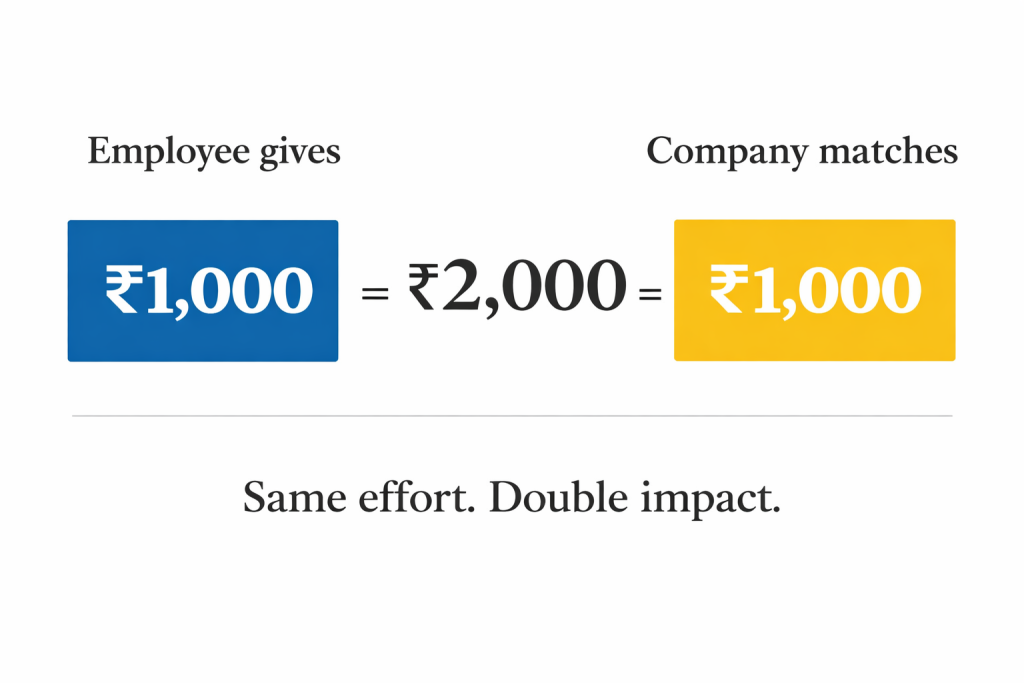
Organise a Women’s Day fundraising challenge for the Swabhiman programme or She Can Fly campaign. Payroll giving options allow employees to give monthly — converting a one-day drive into a sustained commitment.

Outcome: Documented CSR donation, employee participation rate, BRSR Social Capital metric.

7. Virtual Engagement Sessions for Remote and Hybrid Teams

Smile Foundation facilitates virtual sessions where Swabhiman beneficiaries share their journeys and skills via video — scalable for hundreds of employees across multiple cities simultaneously. Particularly relevant in 2026 with India’s evolving hybrid work culture.

Outcome: High employee reach, low logistical overhead, digital engagement documentation.

8. Financial Literacy Workshops

Employees with finance or banking backgrounds co-facilitate practical sessions for Swabhiman beneficiaries — covering savings, UPI, banking access, and micro-enterprise basics. The Economic Survey 2025–26 identifies financial literacy as a key driver of women’s economic participation in India.

Outcome: Beneficiary financial capability improvement, volunteer hours, BRSR Human Rights metric.

9. Employee Volunteering in Field Communities

For teams near Smile Foundation’s programme locations, structured volunteer days offer the most experiential form of engagement — digital literacy sessions, community kitchen support, and health awareness camps that generate authentic CSR content.

Outcome: Highest employee engagement score format, field impact documentation, authentic ESG storytelling.

10. Documentary Screening and Panel Discussion

Curate a Women’s Day documentary screening on women empowerment in India, followed by a moderated panel with Smile Foundation staff or Swabhiman beneficiaries — connecting your team directly to ground-level impact.

Outcome: Awareness impact, employee purpose score uplift, organic social sharing.

▶  Book Your Women’s Day Activity →Contact Smile Foundation’s CSR team before March 8 | smilefoundationindia.org/employee-engagement

CSR and BRSR: How Women’s Day Engagement Becomes Reportable Impact

Women’s Day activities conducted through a registered NGO partner like Smile Foundation produce outcomes directly reportable under SEBI’s BRSR framework and qualify as Schedule VII CSR expenditure under the Companies Act 2013.

What Is Reportable Under BRSR 2026

  • Employee volunteer hours contributed to Swabhiman activities
  • Number of women beneficiaries reached through corporate engagement
  • Skills training sessions co-facilitated by employee volunteers
  • CSR funds donated to the Swabhiman or She Can Fly programmes
  • Health camps or wellness activities delivered to beneficiary communities
  • Mentorship hours documented between employees and beneficiaries

Smile Foundation provides co-branded impact documentation, employee engagement certificates, and CSR audit-ready reports — making your Women’s Day activity a creditable, verifiable ESG event. Under BRSR, these activities generate metrics under Social Capital, Human Rights, and Employee Well-being — three separate disclosure categories from one programme.

The Economic Survey 2025–26 explicitly identifies corporate engagement in women’s skilling and financial inclusion as a national priority. CSR investment in Women’s Day programmes directly aligns with this policy direction.

How to Partner with Smile Foundation for Women’s Day

  1. Step 1: Contact Smile Foundation’s employee engagement team via the corporate partnership page.
  2. Step 2: Share your team size, location, preferred format (in-person / virtual / hybrid), and preferred date.
  3. Step 3: Smile Foundation proposes a structured engagement plan with activity options, logistics, and impact metrics.
  4. Step 4: Post-engagement: receive a co-branded impact report with documented outcomes for BRSR disclosure.

For Women’s Day 2026 engagement enquiries, visit smilefoundationindia.org/employee-engagement or contact the corporate team directly.

Frequently Asked Questions

What are the best Women’s Day employee engagement activities in India?

The most impactful Women’s Day employee engagement activities connect corporate employees directly with women beneficiaries through skill workshops, career panels, health camps, and fundraising drives. Partnering with a women empowerment NGO like Smile Foundation ensures activities are structured, measurable, and CSR-reportable. Activities through the Swabhiman programme are available in in-person, virtual, and hybrid formats — scalable for teams of any size.

How can corporates celebrate Women’s Day meaningfully in 2026?

Corporates can go beyond internal celebrations by partnering with women empowerment organisations to create direct, measurable impact. India’s rank of 131st on the WEF Gender Gap Index 2025 — down from 129th in 2024 — underscores the urgency of going beyond symbolic gestures. Smile Foundation’s Swabhiman programme offers structured activities including skill workshops, networking events, and fundraising campaigns — all BRSR-reportable and Schedule VII eligible.

What is Smile Foundation’s Swabhiman programme?

Swabhiman is Smile Foundation India’s women empowerment programme supporting women from marginalised communities with vocational training, financial literacy, health awareness, and livelihood creation. It operates across multiple Indian states and has reached thousands of women beneficiaries. Corporate partners can engage Swabhiman beneficiaries through structured employee engagement activities on Women’s Day and year-round.

How does a Women’s Day CSR activity qualify under BRSR reporting?

Employee volunteering hours, skill training sessions, and CSR donations made through registered NGO partners are reportable under SEBI’s BRSR framework under Social Capital and Human Rights categories. Smile Foundation provides co-branded impact documentation and audit-ready CSR reports. Activities also qualify as Schedule VII women empowerment expenditure under the Companies Act 2013.

Why should companies partner with NGOs for Women’s Day employee activities?

Partnering with an NGO converts a one-day office celebration into a documented, measurable social impact event. NGO partnerships provide structured programme access, trained facilitators, beneficiary networks, and impact reporting — things internal HR teams cannot create independently. Smile Foundation’s employee engagement model has been used by multiple corporates across India and offers formats suitable for all workforce sizes.

Conclusion

International Women’s Day is one date. But India’s rank of 131st on the WEF Gender Gap Index 2025 — and the projection that full parity is 123 years away — makes clear that symbolic gestures are insufficient.

The Economic Survey 2025–26 is explicit: expanding women’s economic participation is not merely a social objective — it is India’s most important growth lever. Female FLFPR has risen to 41.7% (PLFS 2023–24), but structural barriers in commuting, care responsibilities, and workplace inclusion persist. Corporate action, at scale, is the missing link.

Smile Foundation’s Swabhiman programme offers a structured, auditable, impact-documented way to act — on Women’s Day and beyond. Connect with our CSR team to build an engagement programme your employees will remember — and your auditors can verify.

KEY TAKEAWAYS
✔  India ranks 131st on the WEF Gender Gap Index 2025 — full parity is 123 years away at current pace
✔  Female LFPR rose to 41.7% (PLFS 2023-24) but barriers in commuting, care & workplace culture persist
✔  Women hold only 20% of board seats in India’s top 200 NSE companies (RRA, 2025)
✔  Swabhiman by Smile Foundation connects corporate employees with women beneficiaries across India
✔  10 structured engagement formats available: workshops, panels, health camps, virtual sessions & more
✔  All activities qualify as Schedule VII CSR and generate BRSR-reportable social capital metrics
✔  Smile Foundation provides audit-ready impact documentation and co-branded reports for every engagement
▶  Support Women’s Empowerment This March 8 →Donate | CSR Partner | Volunteer | smilefoundationindia.org

Smile Foundation India is FCRA-registered and 80G certified. All donations are tax-deductible. Impact data drawn from Smile Foundation’s published annual reports and programme documentation.

Data Sources: WEF Gender Gap Report 2025  ·  Economic Survey 2025–26  ·  PLFS Annual Report 2023–24  ·  Russell Reynolds India Board Analytics 2025  ·  World Bank Female LFPR Data

Categories
Women Empowerment

The Present Must Be Female: Ft. Female Entrepreneurship

“The future is female” has become a familiar refrain in boardrooms and policy forums. It signals optimism and long-term correction. But for India — a country navigating demographic transition, labour market volatility and growth recalibration — the argument is no longer about the future.

It is about the present.

The Participation Gap

India has over 63 million micro, small and medium enterprises (MSMEs), which contribute roughly 30% to GDP and nearly half of exports. But only about one-fifth of these enterprises are owned by women. When examined more closely, the disparity deepens: most women-led enterprises remain micro in scale, informal in structure and constrained in growth.

Female labour force participation in India remains among the lowest for large economies, hovering around 20–25% in recent surveys. This statistic is often cited as a sign of exclusion. However, it obscures the fact that many women are economically active — in agriculture, home-based production, informal services and unpaid family enterprises — without formal recognition.

Entrepreneurship frequently becomes the most viable pathway for women navigating mobility constraints, caregiving responsibilities and limited access to formal employment.

The gap, therefore, is not in aspiration but is in structural support.

Credit and Capital Constraints

Access to capital remains the most significant barrier facing women entrepreneurs. Women are less likely to own property, reducing collateral eligibility. They are less likely to have established credit histories. Formal lending institutions often require documentation and guarantees that are harder to secure.

While government initiatives such as MUDRA Yojana and Stand-Up India have improved access to microcredit, scaling beyond subsistence-level enterprises remains difficult. Women-led businesses are heavily concentrated in low-margin sectors — retail, beauty services, tailoring, food processing — where entry barriers are low but growth ceilings are limited.

At the higher end of the spectrum, the imbalance is stark. A small proportion of startups have women founders and venture capital allocation to all-women founding teams remains minimal. The issue is not talent; it is network access and risk perception.

Informality and Its Consequences

Nearly nine out of ten women-owned enterprises in India operate informally. Informality restricts access to institutional credit, digital marketplaces and government procurement opportunities. Formalisation demands digital literacy, regulatory familiarity and time — resources that many women entrepreneurs lack without structured support.

This informality trap keeps enterprises small and vulnerable.

The pandemic underscored these vulnerabilities. Women-led enterprises were more likely to shut down permanently during lockdowns, as caregiving burdens intensified and working capital dried up. Recovery has been uneven, though digital adoption — including use of messaging platforms and digital payments — demonstrated adaptability.

Resilience, however, should not substitute for reform.

Build Her Business

Can you help a woman entrepreneur grow her enterprise?

Capital:50000

Growth: 0

Stability: 50

The Macroeconomic Argument for Female Entrepreneurship

The economic case for female entrepreneurship is well established. Closing gender gaps in labour force participation and enterprise ownership could add substantially to India’s GDP. Estimates by international research institutions suggest that increasing women’s economic participation could contribute several percentage points to national output.

For a country seeking sustained high growth, underutilising half its working-age population is fiscally imprudent.

Moreover, the impact extends beyond aggregate growth. Women’s income participation is associated with improved household spending on education, nutrition and healthcare. Entrepreneurship thus carries intergenerational implications.

Structural Barriers Beyond Finance

Capital is only one dimension. Women entrepreneurs face layered constraints:

  • Limited access to markets
  • Restricted mobility
  • Inadequate childcare support
  • Health interruptions
  • Social expectations that prioritize domestic roles

High prevalence of anaemia and uneven healthcare access further affect continuity. Enterprise sustainability is inseparable from health stability.

Policy frameworks must therefore integrate credit reform with social infrastructure — safe transport, digital inclusion, skill training and healthcare access.

Community-Level Implementation

While macroeconomic arguments dominate national discourse, meaningful change often begins at the community level.

Smile Foundation’s Women Empowerment Programme situates female entrepreneurship within a broader ecosystem. Skill training is paired with financial literacy, health awareness and market linkage support. Group-based learning builds social capital, while mentoring reduces entry anxiety.

The objective is not merely to create income-generating activity but to enable economic agency.

Such interventions recognise that entrepreneurship does not flourish in isolation. It requires an enabling environment.

From Slogan to Strategy

“The future is female” risks remaining rhetorical if institutional systems do not adapt. Gender-sensitive credit models, procurement incentives for women-led enterprises, digital onboarding support and affordable childcare infrastructure are not peripheral reforms. They are central to growth strategy.

India’s demographic window is narrowing. Labour expansion through women’s participation is not optional.

The present must be female not as a slogan, but as policy.

When women build enterprises, they diversify household income streams, stabilise local economies and contribute to national output. Enabling their scale is not charity; it is economic logic.

The question, therefore, is not whether women will lead. It is whether systems will evolve quickly enough to recognise that the case for inclusion is no longer aspirational.

It is immediate.

Categories
Insights

AI in the Development Sector: Opportunity With Obligation

Artificial intelligence has moved with unusual speed from technological novelty to institutional infrastructure. What was, until recently, a tool for experimentation is now embedded in media houses, universities, corporations and public administration systems. For development organizations, the question is no longer whether AI exists, but whether it should be incorporated into their work — particularly in communication and storytelling.

The instinctive response within much of the development sector has been caution. NGOs operate on trust. They represent vulnerable communities. Their stories carry ethical weight. A misstep in communication can erode credibility built over decades. In that context, hesitation is understandable.

However, the communications environment has changed. Donors demand data-backed narratives. Policymakers expect clarity and timeliness. Social media compresses attention spans. Field teams generate volumes of programme data that often remain under-communicated due to capacity constraints. The development sector now competes in a crowded information ecosystem.

The more productive question, therefore, is not whether NGOs should use AI, but how they should do so without compromising integrity.

NGO AI Decision Simulator

You are the Communications Head. Make careful decisions.

Trust: 50

Efficiency: 50

Credibility: 50

Risk Level: 20

The Case for Adoption

Most NGOs operate with small communications teams and limited budgets. Translating monitoring and evaluation reports into readable narratives requires time. Converting technical research into public-facing analysis demands specialised skill. Producing multilingual content stretches already thin resources.

AI systems can assist in drafting articles, summarising research, structuring impact reports and translating material into accessible formats. Used responsibly, they can reduce mechanical workload and allow communications teams to focus on strategy, nuance and ethical oversight.

In this sense, AI becomes an efficiency tool rather than a creative replacement. It supports clarity; it does not generate authenticity.

For organizations engaged in sectors such as education, health, skill development, women’s empowerment and more (all with heavy data reliance), the ability to synthesise data quickly and communicate consistently can strengthen advocacy and fundraising efforts alike.

However, efficiency cannot become the sole metric of value.

The Risks of Uncritical Use

AI systems are probabilistic. They generate responses based on patterns, not lived experience. They can produce plausible but inaccurate statistics. They may oversimplify complex social realities. In some instances, they replicate biases embedded in training data.

For NGOs, the risks are specific and consequential.

First, data integrity. Publishing AI-generated statistics without verification can undermine credibility. Development communication depends on evidence; errors are costly.

Second, narrative authenticity. Beneficiary stories cannot be fabricated, embellished or reconstructed through automated systems. The dignity of communities requires consent, accuracy and human engagement.

Third, confidentiality. Field documentation may contain sensitive personal information. Uploading such material to unsecured platforms carries privacy risks.

These concerns do not argue for abstention. They argue for governance.

Tools and Their Appropriate Use

Several AI tools have emerged as particularly useful in communications workflows, though each carries limitations.

Large language models such as ChatGPT or Claude can assist in drafting blogs, summarising policy documents and restructuring technical material. Their strength lies in linguistic clarity and structural coherence. Their weakness lies in potential factual inaccuracy. All outputs must be independently verified before publication.

Design platforms such as Canva’s AI features or Adobe Firefly can accelerate the production of infographics and campaign creatives. They democratise design capacity. Yet there is a risk of visual genericism and oversimplification. Visual storytelling must preserve context and seriousness.

Data visualisation platforms such as Datawrapper or Flourish allow NGOs to present impact metrics interactively. These tools strengthen credibility when used carefully. However, visual distortion of data (intentional or accidental), can mislead audiences if context is omitted.

Video-editing tools such as Descript simplify transcription and editing, making multimedia storytelling more accessible. The caution here lies in overuse of synthetic voiceovers or excessive editing that alters meaning.

Finally, documentation tools such as Notion AI or Otter.ai can streamline internal operations by summarising meetings and reports. While efficient, they require careful handling of sensitive information and human review to ensure accuracy.

The common thread across these tools is assistance, not substitution.

Establishing Ethical Guardrails

If NGOs are to integrate AI responsibly, certain principles must be institutionalised.

Verification should be mandatory. No statistic generated through AI should appear in public communication without cross-checking against primary sources.

Transparency should guide internal practice. Teams must understand when and how AI is being used. While public disclosure may not always be required, internal accountability prevents misuse.

Dignity must remain central. AI should not simulate community voices or recreate experiences of trauma. Human engagement remains indispensable.

In essence, AI can support the articulation of impact, but it cannot replace proximity to the field.

The Strategic Imperative

The development sector increasingly competes not only for funding but for narrative authority. Think tanks, consulting firms and multilateral agencies produce rapid, data-driven commentary. NGOs risk marginalisation if they cannot match the pace of discourse.

Responsible AI adoption can help close that gap. It enables faster response to policy developments, clearer reporting to donors and broader dissemination of programme learnings.

However, speed without scrutiny is dangerous.

The challenge before NGOs is to define the terms of engagement before technological momentum defines them. This requires capacity building, internal guidelines and a commitment to ethical communication standards.

A Balanced Conclusion

Artificial intelligence is neither a threat to NGO storytelling nor a panacea for communications challenges. It is a tool. Like any tool, its impact depends on how it is wielded.

The development sector’s comparative advantage has always been credibility grounded in lived engagement. If AI is integrated with discipline meaning verified, transparent and dignity-centred, it can enhance that credibility.

If adopted uncritically, it can weaken it.

The choice is not between tradition and technology. It is between governance and drift.

For NGOs navigating a rapidly evolving information landscape, the prudent course is not avoidance, but thoughtful integration.

Categories
Health

When Tuberculosis Goes Undiagnosed: The Cost of Missed Cases 

For much of modern history Tuberculosis (TB) was the archetype of a killer disease. In the 19th and early 20th centuries, the condition was a leading cause of death in Europe and North America, driven by urban crowding, poor living conditions, along with limited biomedical understanding. It was only in 1882, when Robert Koch identified ‘Mycobacterium tuberculosis’ as the causative agent, that science began to unravel the biological basis of the disease. In the decades that followed, public health interventions such as sanatoria, the Bacille Calmette-Guérin (BCG) vaccine, and eventually effective antibiotics transformed TB outcomes in high-income countries. 

Yet, despite all these advances, tuberculosis cases never disappeared. It persists in contexts of poverty, inequality and weak health systems. In fact, while significant progress has been made in reducing TB deaths and cases in high-income countries, it remains one of the world’s deadliest infectious diseases till date. 

In 1993, the World Health Organization declared TB a global health emergency, a recognition indicating that despite scientific tools to control it, TB continued to exact an enormous toll globally. Epidemiological data illustrates the persistence and expanse of the epidemic: an estimated 10.7 million people fell ill with TB in 2024, with Southeast Asia, the Western Pacific and Africa being regions reporting major cases. 

A look at the numbers 

India bears the world’s highest burden of tuberculosis cases, accounting for approximately 26 to 27 per cent of all global cases. As of 2024, the estimated TB incidence in the country is around 2.7 million cases. Despite gradual improvements and a decline in mortality to 21 deaths per lakh population, tuberculosis remains a major public health challenge, with an estimated two deaths occurring every three minutes. 

Globally, about 1.23 million died from the disease, making TB the top infectious cause of death worldwide. Yet, the number of people officially diagnosed, represent only a portion of estimated cases. While estimated diagnoses increased in recent years, the gap between actual and detected cases persists; in 2024, only 78 per cent of TB cases were diagnosed and reported, leaving a substantial proportion undetected. 

Analyses indicate that around 25 to 40 per cent of people who develop active TB may remain undiagnosed each year, particularly in high-burden countries with limited access to quality healthcare. Moreover, in India, which accounts for about 25 per cent of global TB cases, even with expanded diagnostic coverage, approximately 100,000 cases remain missing from official statistics, contributing to ongoing transmission. This enduring burden is in part driven by a stubborn disparity between actual disease and diagnosed cases. 

The diagnostic gap in tuberculosis cases

One of the defining challenges in global TB control is the diagnostic gap: the difference between the number of people who develop active TB and those who are diagnosed. In 2024, about 8.3 million people were newly diagnosed and treated, representing roughly 78 per cent of estimated cases. That leaves over 20 per cent of cases undetected or unreported, a gap that carries serious implications. 

The reasons for this diagnostic deficit are several. First, there are technical limitations in widely used diagnostic methods. Traditional smear microscopy, still common in many low and middle-income countries, has low sensitivity, especially in patients with low bacterial loads. In one Indian study, classic smear microscopy identified TB in only 4.3 per cent of samples, whereas more sensitive molecular methods detected it in 13.7 per cent. The persistence of suboptimal tools in resource-limited settings deepens the risk of missed diagnoses. 

Research into the economic consequences in India illustrates that the failure to detect and treat TB escalates costs not just for the patient but for the broader healthcare system and society, as continued transmission generates additional cases and treatment demands. Moreover, TB disproportionately affects people in their most productive years. Loss of productivity due to illness and death translates into reduced economic output for communities and nations. Many households face catastrophic costs even when treatment is free, due to indirect costs such as transportation, lost wages, and caregiving. 

Furthermore, undiagnosed TB perpetuates cycles of poverty and vulnerability. In communities with limited access to healthcare, this burden is compounded by stigma and lack of awareness, delaying diagnosis. Intersecting vulnerabilities highlight how TB operates not just as a medical condition but as a marker of deep societal inequities. 

The Indian context

In the Indian context, there is a strong gender dimension to the burden of undiagnosed tuberculosis. Evidence suggests that more than one-third of tuberculosis cases in India go undiagnosed each year, with this gap being more pronounced among women. Social norms, stigma, gendered expectations often discourage women from seeking timely medical care, especially for symptoms such as chronic cough or weight loss, which are frequently overlooked. Limited autonomy and financial dependence reduce women’s access to diagnostic services, particularly in rural and low-income settings. As a result, many female patients remain invisible within the health system, leading to delayed treatment and continued transmission within households. 

The way forward

This can be addressed in India by adopting a more people-centred and equity-driven approach to TB care. The focus needs to shift from waiting for patients to seek care to proactively reaching those who are most likely to be missed by the health system. This means strengthening community-based screening, improving early and affordable access to diagnostics, and ensuring that primary healthcare facilities are equipped to identify TB at the first point of contact. 

Through its ‘Smile on Wheels’ programme, Smile Foundation delivers medical services directly to communities with limited access to hospitals, helping reduce the burden of preventable diseases on families. These efforts when combined with overall public health awareness can help reduce the number of undiagnosed cases and create a more effective TB response in the country.

0%