Categories
Skill Development

Upskilling the Skilled in an AI Economy

Public conversation about artificial intelligence proceeds with a certain determinism. We are told that technology advances, tasks disappear and labour adjusts accordingly. The arc, we are assured, is both inevitable and efficient.

But inevitability is a poor analytical tool.

If one lesson from the study of causality has endured, it is this: outcomes do not emerge from technology alone. They arise from systems — from the interaction between innovation, institutions, incentives and human capability. To attribute labour market shifts solely to artificial intelligence is to mistake correlation for cause.

In India today, this distinction matters.

Upskilling painters in the age of AI emergence

Consider the expansion of iTrain on Wheels, a mobile skilling initiative led by Smile Foundation in partnership with Berger Paints India. Since 2021, the programme has operated across more than 440 districts in 26 states and three Union Territories, reaching over 5000 locations and covering 51 aspirational districts. Each year, more than 1.5 lakh painters receive structured training. The fleet has travelled over 1.2 million kilometres to deliver instruction in modern painting techniques, mechanised application, wood polishing, decorative finishes and entrepreneurship.

At first glance, this has little to do with artificial intelligence. On closer inspection, it has everything to do with how societies respond to technological change.

The dominant narrative suggests that as machines grow more capable, human labour retreats. But this framing obscures the causal pathway. If technology alters the space of possibilities then institutions determine who benefits, and finally, skill determines who participates.

In the residential painting sector in India, automation is neither imminent nor total. Walls are irregular with varying moisture levels and fluctuating plaster quality. Clients revise preferences mid-project. The task environment is dynamic and resistant to full standardisation. A robotic arm may paint a controlled industrial surface but it does not negotiate with a homeowner in Coimbatore about colour durability during monsoon.

The more relevant question might lean more towards whether painters will adapt to rising standards shaped by technological innovation within their own industry, and not if machines would replace human painters.

Paint chemistry evolves and mechanised tools increase efficiency. Consumers preview finishes digitally and expect precision. In such a context, the causal chain is clear: improved product innovation leads to heightened consumer expectation which increases demand for skilled application and skilled application requires training.

Absent training, the result is not technological triumph but worker exclusion.

Human vs AI: Who Does This?
Click each card to see whether artificial intelligence or skilled hands handle the task.
Spray-paint a perfectly flat factory wall
AI + Robotics

In controlled industrial environments, automation can deliver speed and precision.
Repair damp patches during monsoon season
Skilled Painter

Requires judgement, moisture testing, surface preparation, and local climate knowledge.
Negotiate a colour change mid-project with a homeowner
Skilled Painter

Client communication, trust-building, and real-time problem-solving remain human strengths.
Apply textured finish on uneven plaster walls
Skilled Painter

Texture work demands hand control, adaptation, and surface sensitivity beyond automation.

The World Bank’s World Development Report 2019: The Changing Nature of Work makes a related point. Automation changes task composition, but sustained inclusion depends on human capital investment. More recently, Daron Acemoglu and Simon Johnson in Power and Progress (2023) argue that technological advances increase inequality when complementary institutions fail to strengthen worker capability. Technology does not distribute its benefits autonomously because distribution is structured.

In India’s predominantly informal labour market, structured skilling is often the missing institutional complement.

Most paint applicators learn through apprenticeship. Techniques are inherited. Knowledge updates occur sporadically, if at all. When market expectations shift — textured finishes, improved durability, mechanised spraying — the worker without access to updated instruction faces declining competitiveness.

A mobile training unit, therefore, is both a logistical innovation and an intervention in the causal chain.

By bringing instruction directly to neighbourhoods, iTrain on Wheels reduces the opportunity cost that prevents informal workers from seeking training. A day without wages can destabilise a household budget. When training arrives locally, participation increases. Exposure to mechanised equipment improves productivity. Modules on costing and client communication reduce chronic under-pricing. The effect manifests as higher earnings, repeat clients and improved bargaining confidence.

In Mysuru, painters attending a recent session described how customers increasingly demand finishes seen online. Without updated skills, contracts shift elsewhere. After training, some reported greater willingness to offer structured estimates rather than informal quotes. The shift may appear incremental. But incremental changes, when repeated across 1.5 lakh workers annually, accumulate into structural improvement.

The temptation in AI discourse is to elevate software as the central actor and treat labour as a passive variable. A more accurate model recognises interdependence. Artificial intelligence may optimise colour simulation tools or streamline supply chains. But the execution of a durable finish on a damp wall remains contingent on human judgement.

If we are to reason causally, the conclusion is straightforward. Technological change increases the returns to skill. Where skill investment lags, inequality widens. Where skill investment expands, opportunity diffuses.

Interventions such as iTrain on Wheels are therefore not peripheral to the AI conversation. They represent the institutional choices that shape its consequences.

In aspirational districts, meaning regions marked by income volatility and limited institutional presence, the stakes are amplified. Even modest increases in earnings can influence educational continuity, debt reliance and household resilience. The causal pathway from training to income stability to intergenerational mobility is neither immediate nor guaranteed, but it is observable.

How Training Changes Earnings
Move the slider to see how structured upskilling can improve daily income.
400
Before Training
₹400
Informal, basic techniques
₹650
After skill upgrade
Limited access to mechanised tools and surface preparation techniques can restrict earning potential.

Artificial intelligence will continue to evolve. Its trajectory is unlikely to slow. The question before all relevant stakeholders is not whether innovation occurs, but whether complementary investments in human capability keep pace.

To frame the future as a contest between artificial and human intelligence is analytically imprecise. A more accurate formulation is this: technology defines the opportunity set; human skill determines who can access it.

In strengthening the capabilities of paint applicators across India, Smile Foundation and Berger Paints are, in effect, altering the distribution of opportunity within a changing market. They are inserting training at a point in the causal chain where exclusion might otherwise occur.

The lesson is broader than painting. When societies confront technological acceleration, the rational response is not resignation to inevitability, but deliberate investment in those whose work underpins the physical economy.

Machines may calculate. But it is still skilled hands that prepare the surface, steady the brush and deliver the outcome.

And the prosperity that follows depends on whether those hands are trained to meet the moment.

Categories
Insights Smile

The Mental Content of Creators

Take a moment to scroll through any social media platform and you’ll find confidence neatly packaged into short reels. Those smiles seem effortless, opinions come across with absolute certainty and lives look both curated and spontaneous. You may like a few, scroll past some or comment on some. But what you don’t see is the mental gymnastics that go on behind every single post. Creating content is a creative and psychological task.

When it comes to mental health challenges, one group that often gets overlooked in research is social media influencers. These are individuals who have built a large and engaged following on platforms like Instagram or YouTube, and they have the power to sway the opinions and behaviours of their audiences. However, they also deal with a unique set of stressors that can impact their well-being.

The process starts long before the camera rolls or a sentence is typed out. Creators carefully consider their tone, timing, how their audience might react, and the quirks of each platform before sharing a single thought. They brace themselves for potential backlash. A 2024 study found that influencers who spend more time on social media are more likely to feel anxious, depressed and emotionally drained.

Defining “Mental Content”

The mind of a creator is both a creative space and a battlefield. It’s about the thoughts that creators sift through, the emotions they manage and the risks they weigh. This internal editing is what decides what remains unspoken. They ponder questions like: Will this upset someone? Will it resonate with my audience? Will I lose followers over this? 

Acing the Algorithmic 

Modern platforms intensify this mental load with their constant evaluations and instant feedback. Metrics refresh in real time and comments come pouring in within seconds. You see both praise and criticism side by side. A post that does well validates the content and boosts the creator’s sense of relevance. On the flip side, a post that flops can feel like a public judgment. Plus, the pressure to stay relatable adds another layer of stress. If you evolve or shift your beliefs, you risk alienating the very community that supported you. This leads to an identity strain where you end up performing a version of yourself that once felt genuine but now feels confining. 

The Myth of Passion as Protection

A lot of people in creative fields believe that if you love your work, it somehow protects you from harm. But in reality, passion can actually make you more vulnerable. When your sense of self is wrapped up in what you create, even small criticisms can feel deeply personal. Research on social media jobs shows just how intense this can be—the constant need to stay online, always be available and keep up a public image for your income brings a huge amount of pressure and stress. This constant need to be visible can really wear down the boundaries between work and downtime. 

Helps to be Honest

There are, however, some content creators and influencers who have spoken up not only to address their own challenges but also to foster greater sensitivity around them. This is helpful for many people and deserves acknowledgement. They have emphasised the importance of addressing mental health and showing more empathy towards others. Some have shared their experiences with anxiety and how therapy has helped them cope. Others have spoken about their efforts to combat the misinformation surrounding these topics.

Prioritising Mental Health in the Creator Journey

The mythology of the digital creator economy often celebrates autonomy, visibility and scale. It frames content creation as liberation from institutional hierarchies — an open marketplace where talent and relatability are rewarded directly. However, emerging research suggests that this apparent freedom is accompanied by a psychological burden that remains poorly acknowledged.

Recent reporting in The Guardian and The Atlantic has documented what psychologists are beginning to term “algorithmic anxiety” — a chronic stress response triggered by dependence on platform metrics that are opaque, volatile, and financially consequential. Studies from the University of Oxford’s Internet Institute (2023) have noted that digital creators often operate within an environment of “precarious visibility,” where livelihood is tied to fluctuating public approval. Unlike traditional professions, where feedback is periodic and mediated, creators experience instantaneous and often unfiltered commentary.

A 2024 survey by Influencer Marketing Hub found that over 65% of full-time content creators reported experiencing burnout within their first two years, citing pressure to maintain relevance and constant engagement as primary drivers. Meanwhile, the American Psychological Association has increasingly highlighted the mental health implications of social comparison and performance metrics in digital environments — phenomena amplified for those whose income depends on those metrics.

Many young creators enter this ecosystem armed with technical proficiency — editing software, brand strategy, analytics dashboards — but lack psychological preparation for sustained public exposure. Exposure at scale transforms ordinary feedback into reputational volatility. Criticism becomes searchable. Mistakes become permanent. Silence becomes algorithmically penalised.

The creator economy promises flexibility, but often demands relentless visibility.

Income volatility compounds this pressure. According to a 2023 report by Linktree and ConvertKit on the global creator economy, fewer than 15% of creators earn stable, full-time income. Most rely on fluctuating sponsorships, affiliate revenue, and platform payouts. When financial security is directly tethered to audience engagement, rest itself can feel economically dangerous.

This is not simply a matter of individual resilience. It is structural.

Families, Schools and the Legitimacy of Digital Ambition

One of the most under-discussed dimensions of the creator economy is the generational gap in understanding it. For many families and educators, content creation still feels like an extracurricular hobby rather than a legitimate career trajectory. But in India alone, industry estimates suggest the influencer economy crossed ₹1,200 crore in 2024 and continues to expand rapidly.

When digital ambition is dismissed as frivolous, young creators are left to navigate psychological strain in isolation. Unlike traditional careers, there is often no institutional mentorship, no HR department, no supervisor to mediate conflict or burnout.

Recent UNESCO discussions on digital citizenship education emphasise that media literacy must now extend beyond consumption into creation. Schools increasingly recognise that students are not merely users of digital platforms but producers within them. Integrating emotional resilience training, digital boundary-setting, and online safety protocols into curricula is no longer optional.

Colleges and universities are beginning to respond. In the United States and parts of Europe, student counselling centres have introduced programming around online identity, para-social relationships and public feedback management. Indian institutions are still at an early stage in acknowledging these needs.

The mental health burden of digital labour should be treated with the same seriousness as academic stress or exam anxiety.

The Algorithm and the Self

There is also a philosophical dimension to the mental health question. When identity becomes monetised, the line between self and performance blurs. Sociologists studying digital labour argue that creators often inhabit a dual consciousness — they must be authentic enough to maintain trust, yet strategic enough to sustain engagement. This tension creates cognitive strain.

Research published in New Media & Society (2023) suggests that creators frequently experience “self-commodification fatigue,” where aspects of personal life are packaged for audience consumption. The expectation of relatability requires emotional transparency. Yet transparency can expose vulnerability to harassment.

The World Health Organization has repeatedly emphasised that social media environments intensify risk factors for anxiety and depression among adolescents and young adults. For creators, these risk factors are magnified by professional dependency.

Scheduled breaks, time-bound engagement and defined work hours are often recommended coping mechanisms. However, these practices are difficult to maintain in ecosystems that reward constant presence. The solution therefore cannot be purely individual but requires cultural recalibration.

A Healthier Creative Ecosystem

A healthier creative ecosystem would recognise that creators are workers — albeit within a decentralised labour market. It would normalise rest without algorithmic punishment and encourage audiences to practice digital empathy. It would also support creators in establishing boundaries between public persona and private identity.

Recent debates in the European Union around platform accountability include provisions that address transparency in algorithmic systems and mental health risks associated with online exposure. While India’s regulatory framework is still evolving, the conversation has begun. The Information Technology (Intermediary Guidelines and Digital Media Ethics Code) Rules have primarily focused on content moderation, but the mental health implications of digital production remain largely unaddressed.

Smile Foundation’s flagship programme Child for Child offers an instructive example of preventive mental health support. Through structured mental health first aid workshops, teachers are trained to recognise early signs of anxiety, stress, and trauma among students. These three-hour sessions, followed by refreshers, equip educators with tools to integrate coping exercises and emotional regulation practices into classroom environments.

While originally designed to address broader student wellbeing, such models are increasingly relevant in a digital context where identity formation unfolds online as much as offline. Teaching resilience, boundary-setting, and self-worth independent of external validation becomes critical in a generation growing up under constant digital evaluation.

Mental health literacy must evolve alongside media literacy.

0%
Of full-time content creators report experiencing burnout within their first two years. (Influencer Marketing Hub, 2024)
0%
Fewer than 15% of creators earn stable full-time income from digital platforms. (Linktree & ConvertKit Creator Report, 2023)
0%
Of young adults say social media exposure affects their self-esteem and emotional wellbeing. (APA Digital Stress Trends, 2023)
0
₹1,200+ crore estimated size of India’s influencer economy — and growing. (Industry estimates, 2024)

Mental Content is Most Important

As audiences scroll through curated feeds, it is easy to forget that behind each influencer is a human nervous system responding to praise and criticism in real time. We consume content after our own demanding workdays, often unaware that the person producing it may have experienced theirs under the pressure of algorithmic survival.

Empathy, in this context, is stabilising.

The creator economy is not inherently harmful. It offers opportunity, creative autonomy and economic possibility. But like any labour system, it carries risks that must be mitigated through institutional awareness and cultural maturity.

If digital careers are here to stay, and they are, then mental health infrastructure must evolve accordingly.

Creators deserve recognition not only for their content, but for the emotional labour that sustains it.

Categories
CSR

The Company and the Cause: Corporate Partnerships in India

There was a time when corporate social responsibility in India felt almost ceremonial, a predictable sequence of donation, documentation, and departure. A cheque would be handed over, a photograph taken beside a school wall or hospital camp and a press note would affirm that responsibility had been discharged. The gesture was sufficient. The optics were adequate. And for a while, that model endured because expectations were modest and scrutiny was limited.

That era has quietly dissolved.

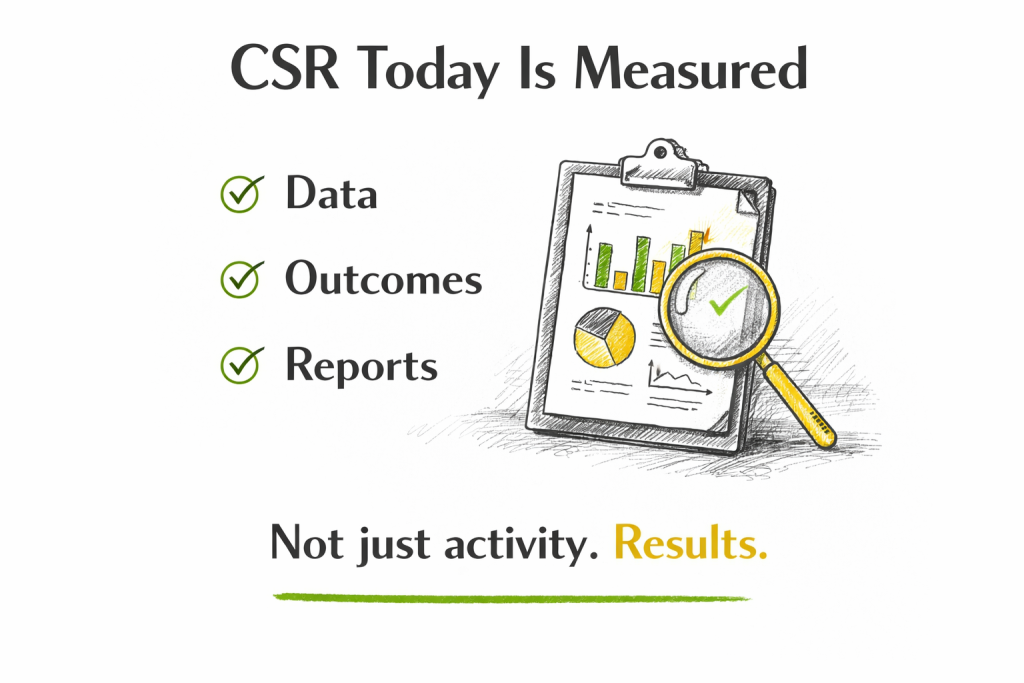
Today, corporate partnerships in the development sector operate in a far more demanding climate. Investors want ESG disclosures that withstand audit. Employees want to work for organisations that reflect their moral vocabulary and communities expect continuity rather than appearances. CSR is no longer a symbolic extension of corporate identity; it is increasingly part of its structural foundation. Companies are not simply asking how much to spend. They are asking what this spending means, how it integrates with business strategy, how it is measured and how it shapes long-term legitimacy.

In this reconfigured terrain, partnerships between corporations and development organisations are being rewritten, and it is within this shifting landscape that Smile Foundation’s 2025 corporate collaborations reveal something instructive about where the sector is headed.

The most visible shift is philosophical. CSR is moving away from isolated acts of philanthropy toward what might be described as collaborative capital. Corporations are no longer content to transfer funds and step aside. They want to co-design, co-monitor and co-own the narrative of impact. They want alignment with business geographies, workforce ecosystems and supply chain realities. They want data, dashboards and documentation. And they want employees to feel personally invested in the causes supported.

This transformation is perhaps most evident in the growing prominence of Cause Related Marketing. Where earlier CSR lived in a separate vertical from commerce, CRM dissolves that boundary. A product sold supports a classroom. A campaign funds mobile healthcare. A festive purchase translates into preventive screening in a semi-urban community. Consumption becomes contribution. The act of buying becomes intertwined with the act of giving. In 2025, Smile Foundation’s CRM partnerships reflected precisely this evolution. Brands integrated social outcomes into their marketing ecosystems, ensuring that visibility was not detached from verifiable impact. This model carries power because it scales, but it also carries responsibility because it demands transparency. Consumers today are acutely aware of performative philanthropy. Without measurable reporting and credible field execution, CRM risks eroding the trust it seeks to build.

Parallel to CRM, Payroll Giving has emerged as another quiet transformation in corporate engagement. Instead of CSR remaining confined to executive decisions, employees across hierarchies voluntarily contribute a portion of their monthly salaries toward development programmes. In partnerships such as those facilitated with Flipkart Foundation, this model institutionalises a culture of giving within corporate structures. The significance here is subtle but profound. CSR ceases to be an external activity undertaken by “the company” and becomes an internal practice embraced by “the workforce.” In an era where younger professionals increasingly evaluate employers through the lens of purpose and social alignment, Payroll Giving functions as both a funding mechanism and a cultural anchor.

Yet philosophy alone does not sustain partnerships; operational depth does. In education, corporate collaborations in 2025 extended beyond infrastructure symbolism. Partnerships with KONE Elevators and BMW India Foundation supported the establishment of STEM laboratories designed not merely as spaces but as pedagogical interventions. Teacher capacity building accompanied equipment installation. Curriculum integration accompanied infrastructure enhancement. Students from underserved communities were exposed to experiential learning models that attempt to bridge the gap between aspiration and access. Such interventions acknowledge a persistent truth: inequality in India is not only about enrolment; it is about the quality and relevance of learning.

Healthcare partnerships similarly reveal the changing expectations placed upon CSR. Smile on Wheels, the mobile medical initiative, operates as a response to geographic inequity, delivering primary care into communities where clinics remain distant or overstretched. In 2025, collaborations with HDB Financial Services expanded physiotherapy and health outreach to truck drivers in Indore, addressing occupational vulnerability often invisible in mainstream policy discourse. The Pink Smile Initiative, supported by Thermo Fisher Scientific India, focused on maternal and child health, anaemia detection, and preventive screening in Chakan. These interventions are less photogenic than ceremonial events but more structurally meaningful. Preventive healthcare, particularly in contexts of low awareness and high economic precarity, reduces long-term social and financial costs. It also signals that corporate capital can address systemic gaps rather than episodic crises.

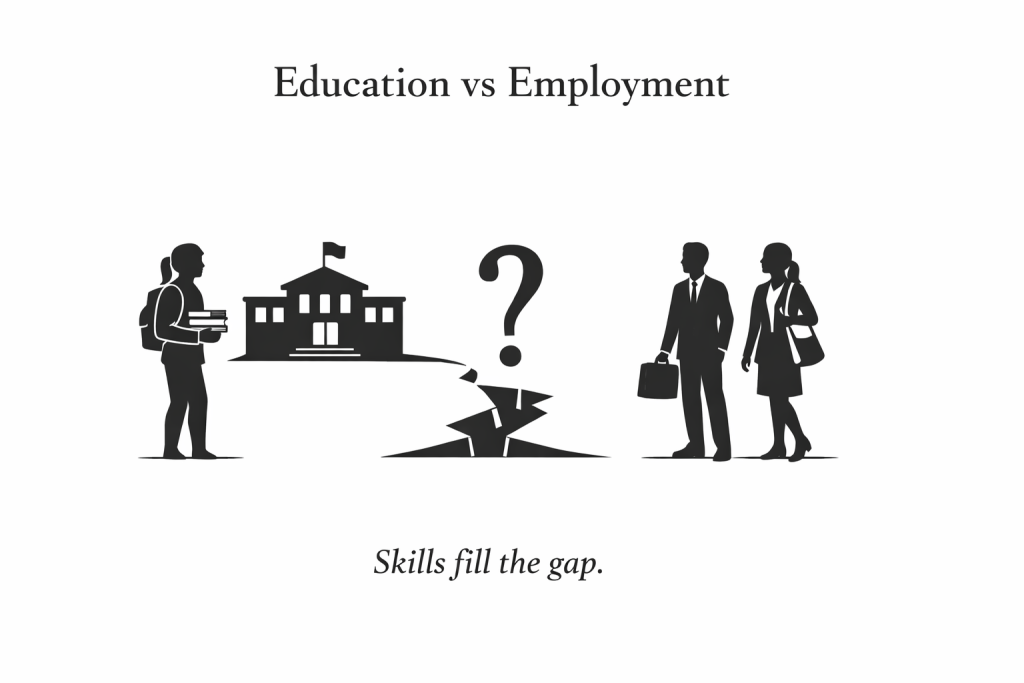
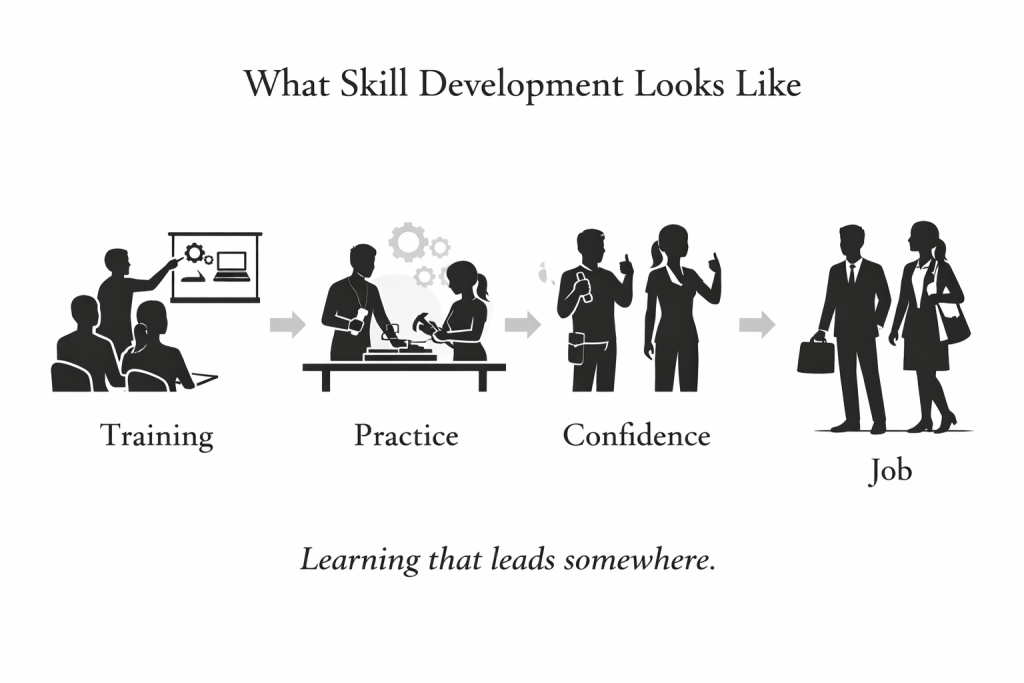
Skilling and livelihood partnerships perhaps touch the most sensitive nerve in India’s development narrative: the education-employment disconnect. Training without absorption produces frustration. Degrees without jobs produce instability. Collaborations such as those with Holiday Inn Express linked skill development directly to placement pipelines, ensuring that training translated into tangible employment outcomes. Meanwhile, initiatives like iTrain on Wheels, implemented with Berger Paints India, extended upskilling into the informal labour sector, enhancing productivity and income resilience for painters across hundreds of districts. Here CSR intersects with economic dignity, transforming livelihoods rather than merely supplementing them.

Beneath all of these interventions lies a less visible but more consequential variable: trust. Trust between corporations and NGOs, between communities and institutions and between employees and employers. In a global climate where institutional credibility is fragile, corporate-development partnerships serve as stabilising mechanisms. They demonstrate seriousness of intent, continuity of engagement and willingness to invest beyond optics. But trust cannot be manufactured through campaigns alone. It accumulates through transparency, reporting discipline and sustained presence.

The development sector, too, has had to adapt. Professionalised reporting systems, compliance rigour and impact documentation are no longer optional. Partnerships now demand longitudinal thinking, not annual cycles. They require organisations capable of operating across geographies without diluting accountability. Smile Foundation’s partnership architecture reflects this institutional maturation, combining thematic depth with operational scale.

Design Your CSR Strategy

Allocate your CSR approach and see how layered partnerships multiply impact.

The broader implication is that CSR in India has entered a stage of integration rather than isolation. Cause Related Marketing integrates consumer behaviour. Payroll Giving integrates employee identity. Structured volunteering integrates workplace culture. Education and health programmes integrate public systems. The boundaries between business and social responsibility are becoming porous, not because idealism has triumphed, but because interdependence has become undeniable.

India’s economic future will unfold within a society marked by inequality, demographic pressure, and infrastructural gaps. Corporations do not operate outside this reality; they operate within it. The seriousness with which they approach development partnerships increasingly shapes how they are perceived, regulated and trusted.

The grammar of giving has changed. It is less sentimental and more structural.

And in that shift lies the possibility that corporate partnerships, when thoughtfully constructed, may become not a peripheral obligation but a central expression of responsible capitalism.

Categories
Women Empowerment Employee Engagement

Why Is Women’s Day Celebrated? History, Impact & How to Act with Purpose

Every year on March 8, offices across India hang purple banners, HR teams plan panel discussions, and social media fills with appreciation posts. But why is Women’s Day celebrated, and does it go beyond the cupcakes and motivational quotes?

The answer is rooted in over a century of struggle. International Women’s Day was born from the courage of working-class women who risked their livelihoods to demand basic rights. Today, it carries forward that same urgency, translated into boardroom conversations, corporate CSR commitments, and grassroots activism.

Nowhere is this more visible than in the work of organisations like Smile Foundation India, which has spent over two decades building a lifecycle of support for India’s most underserved women and girls, from nutrition in pregnancy to income in adulthood.

For CSR decision makers, corporate leaders, and social impact donors in India, understanding why this day exists is the first step toward honouring it in a way that creates real change. This guide walks you through the complete history, the reasons IWD still matters today, what Smile Foundation is doing on the ground, and exactly how your organisation can turn this Women’s Day into a genuine force for transformation.

At a Glance

  • International Women’s Day originated from a 1908 New York garment workers’ strike and was formally established in 1910 by activist Clara Zetkin.
  • March 8 was chosen to commemorate a 1917 Russian women’s strike that helped spark the Russian Revolution.
  • The UN officially adopted IWD in 1977, making it a globally recognised observance.
  • In India, gender inequality remains acute. Women’s labour force participation stands at roughly 37%, and the country ranks 129th of 146 in global gender parity.
  • Smile Foundation’s Swabhiman programme, running since 2005, has reached over 560,000 women and girls across India through healthcare, nutrition, education, and livelihood interventions.
  • For CSR leaders and corporates, partnering with Smile Foundation this Women’s Day turns a calendar moment into a year-round, measurable impact strategy.

What Is International Women’s Day and Why Does It Matter?

International Women’s Day (IWD) is an annual global observance held on March 8 that celebrates the achievements of women across all spheres of life, political, social, cultural, and economic, while calling for urgent action to close gender gaps that persist worldwide.

It is neither a commercial holiday nor a simple appreciation day. IWD is a movement, backed by the United Nations, observed in over 100 countries, and increasingly adopted by the private sector as a cornerstone of ESG (Environmental, Social, Governance) and CSR strategy.

The Core Purpose of IWD

The three-part mission of International Women’s Day is:

  1. Celebrate: Recognise women’s achievements in leadership, science, business, arts, and activism
  2. Educate: Raise awareness about gender inequality, systemic barriers, and the data behind the gender gap
  3. Activate: Drive concrete change through policy, corporate action, donations, and community programmes

This tripartite structure is why IWD resonates differently with different audiences. For individuals, it is a moment of appreciation. For policymakers and NGOs, it is an advocacy platform. For corporates, it is an opportunity to demonstrate and deepen commitment to gender equity in the workplace and in the communities they operate within.

Why It Remains Relevant in 2026

Despite decades of progress, gender inequality remains one of the world’s most persistent challenges. According to the World Economic Forum’s Global Gender Gap Report 2024, at the current rate of progress, it will take 134 more years to close the global gender gap. In India specifically, the report ranked the country 129th out of 146 countries in overall gender parity.

These are not abstract statistics. They represent millions of women in India who face wage discrimination, limited career progression, barriers to education, and disproportionate domestic burden. IWD exists precisely because the work is not done.

The History of International Women’s Day, From 1908 to Today

Understanding why Women’s Day is celebrated begins with understanding where it came from. The history of International Women’s Day is a story of labour rights, suffrage, and the unstoppable momentum of collective action.

The 1908 New York Garment Workers’ Strike

The modern story of IWD begins on March 8, 1908, when approximately 15,000 women garment workers marched through New York City’s Lower East Side. These workers, many of them immigrant women, were demanding three things:

  • Shorter working hours (they routinely worked 12 to 16-hour days)
  • Better pay (earning a fraction of what male colleagues earned)
  • The right to vote

The march, organised partly by Theresa Malkiel, a socialist activist and labour organiser, became one of the defining moments in the American labour rights movement. The following year, in 1909, the Socialist Party of America declared the first National Women’s Day, observed on February 28.

Clara Zetkin and the Birth of IWD (1910)

The leap from a US national day to an international one came in 1910, thanks to Clara Zetkin, a German socialist activist and advocate for women’s rights. At the International Conference of Working Women held in Copenhagen, Denmark, Zetkin proposed that an annual Women’s Day be established internationally, the same day in every country, to build solidarity and amplify demands for women’s suffrage and labour rights.

The proposal was unanimously adopted by 100+ women delegates from 17 countries in attendance.

The first International Women’s Day was observed in 1911 in Austria, Denmark, Germany, and Switzerland, with over one million people participating in rallies and marches. Women demanded the right to vote, to hold public office, and to end gender discrimination in employment.

Just one year later, in 1912, the Triangle Shirtwaist Factory fire in New York killed 146 garment workers, mostly young immigrant women, reinforcing the urgent need for labour protections and cementing IWD’s connection to the cause of working women.

United Nations Recognition and Global Adoption

For decades, IWD was primarily observed by socialist and communist movements. Its transformation into a truly global day came through the United Nations.

In 1975, the UN designated it the “International Women’s Year,” and in 1977, the United Nations officially proclaimed March 8 as the International Day for Women’s Rights and International Peace. Member states were invited to observe the day annually.

Since then, IWD has evolved from a political protest day into a multi-dimensional global observance adopted by governments, civil society organisations, corporations, and individuals across every continent.

Why Is Women’s Day Celebrated on March 8?

This is one of the most commonly asked questions, and the answer lies in Russian history.

On March 8, 1917 (February 23 in the Julian calendar then used in Russia), thousands of women in Petrograd (now St. Petersburg) took to the streets demanding “Bread and Peace”, protesting food shortages and Russia’s continued involvement in World War I. This strike by women textile workers is widely considered one of the catalysts that ignited the Russian Revolution.

Just four days later, Tsar Nicholas II abdicated. The new provisional government granted Russian women the right to vote. Russia was one of the first major governments to do so.

This historic convergence of women’s protest and political transformation on March 8 gave the date its permanent, symbolic weight. When the UN formally adopted IWD in 1977, it chose March 8 to honour this legacy.

Today, March 8 is a public holiday in several countries including Russia, China, Uganda, and Vietnam, and a culturally significant day in India, even where it is not an official holiday.

Why Is International Women’s Day Still Celebrated Today?

Some argue that in an era of women CEOs, female heads of state, and widespread gender awareness, Women’s Day has become redundant. The data tells a starkly different story.

The Gender Gap in Numbers

  • According to the World Economic Forum (2024), the global gender gap in economic participation stands at 60.5%, meaning women have only achieved about 60% of economic parity with men.
  • The ILO (International Labour Organization) reports that women earn on average 20% less than men worldwide.
  • Women represent only 31.7% of senior management roles globally, according to Grant Thornton’s Women in Business Report 2023.
  • In India, women’s labour force participation rate stood at approximately 37% in 2023, compared to over 76% for men, according to World Bank data.

Women Empowerment in India: The Current Picture

India presents a complex picture. On one hand, the country has seen women lead major corporations, reach the Supreme Court, and win Olympic medals. On the other, ground-level realities are sobering.

  • India ranks 64th out of 67 countries surveyed in the Grant Thornton 2023 report for women in senior leadership.
  • The National Family Health Survey (NFHS-5) found that only 40% of women in India have a bank or savings account they use themselves.
  • Violence against women, limited access to quality healthcare, and educational disparities in rural India remain deeply entrenched.

These numbers make the case clearly: Women’s Day is celebrated not because equality has been achieved, but because it has not.

And they explain exactly why organisations like Smile Foundation are doing the work they do, every single day.

Smile Foundation and Women Empowerment in India

When we ask why Women’s Day is celebrated, the most honest answer is: because millions of women across India still need what Women’s Day stands for. Smile Foundation, established in 2002, is one of India’s most credible and impactful development organisations working to bridge that gap.

With over 400 active projects across 27 states, reaching more than 20 lakh children and families every year, Smile Foundation takes a lifecycle approach to social change. Women and girls are not a side programme. They are at the centre of everything Smile Foundation does. More than 50% of all beneficiaries across Smile’s programmes are female.

Swabhiman: Smile Foundation’s Women Empowerment Programme

The flagship women empowerment initiative of Smile Foundation is called Swabhiman, a Hindi word meaning self-respect. Launched in 2005, the programme was built on a simple but powerful insight: that women’s empowerment cannot be addressed through one intervention alone. A woman who receives a skill but has no access to healthcare is not truly empowered. A girl who gets a scholarship but faces child marriage pressure at home is not truly free.

So Swabhiman was designed as a lifecycle programme covering five interconnected areas:

  1. Healthcare and Reproductive Health: Awareness sessions, health camps, telemedicine services, and door-to-door visits covering maternal health, menstrual hygiene, nutrition, and reproductive rights
  2. Nutrition: Community nutrition workshops, cooking demonstrations, and support for pregnant and lactating mothers through Anganwadi partnerships
  3. Education and Scholarships: The Scholarships@Smile programme has supported over 1,00,000 students, mainly girls, with financial aid, life-skills workshops, and mentoring
  4. Livelihood and Entrepreneurship: Business skills training, financial literacy, micro-enterprise development, and linkages to self-help groups (SHGs) for economic independence
  5. Community Mobilisation: Identifying and training women as Change Agents who then drive awareness and behaviour change within their own communities, ensuring impact multiplies beyond the direct beneficiary

This is not a top-down programme. It is community-driven, government-aligned, and built to last.

Ground-Level Impact: What Smile Foundation Is Actually Achieving

The numbers behind Swabhiman are not projections. They are verified results from real communities across India.

Impact Area

Verified Achievement

Total women and girls reached (Swabhiman)

5,60,000+

Women sensitised on Reproductive and Child Health

76,000+

Women who received healthcare services

72,000+

Women-led micro enterprises initiated

68+

Students (mainly girls) supported through Scholarships@Smile

1,00,000+

States of operation

27

Villages and urban slums covered

2,000+

Source: Smile Foundation Annual Report 2023-24

Beyond Swabhiman, Smile Foundation’s Smile on Wheels mobile hospital programme has provided free healthcare to over 15,41,000 children and families, with women and children as the primary focus group. In remote villages and urban slums where no clinic exists, a Smile on Wheels vehicle brings a doctor, nurse, pharmacist, and medicines directly to the doorstep.

From Numbers to Real Lives: Stories from Swabhiman

Statistics matter, but the real case for Smile Foundation’s work is best understood through individual stories.

Ishwati, Palgarh, MaharashtraA widow with four children who struggled to feed her family on day wages. With initial support from Smile Foundation through Swabhiman, she began cultivating vegetables on a small plot of land. She then organised neighbouring women into a self-help group to expand the effort. Today, Ishwati not only feeds her family but has diversified her income and mentors other women in her village.
Ruby, Gurugram, HaryanaBorn in a remote village in West Bengal, Ruby moved to Gurugram after marriage and spent four years as a full-time homemaker. Through Swabhiman’s women’s entrepreneurship training, she learned garment stitching and enterprise development. She took a loan of Rs 1,00,000, opened a small boutique, and now runs a business with 10 employees.

These are not exceptional cases. They are the programme working as designed, at scale, across hundreds of communities.

Why CSR Partnership with Smile Foundation Is the Right Move This Women’s Day

For corporate India, Women’s Day is increasingly a moment of scrutiny as much as celebration. Employees, investors, ESG rating agencies, and civil society are watching whether your company backs its rhetoric with resources.

Partnering with Smile Foundation for your Women’s Day CSR initiative offers something most organisations struggle to deliver on their own: proven, measurable, ground-level impact that aligns with national development goals.

What Your CSR Investment Goes Into

When you partner with Smile Foundation for women empowerment, your funds are channelled into specific, trackable interventions:

  • Skill training and livelihood programmes for women from low-income urban and rural communities, leading to documented income generation
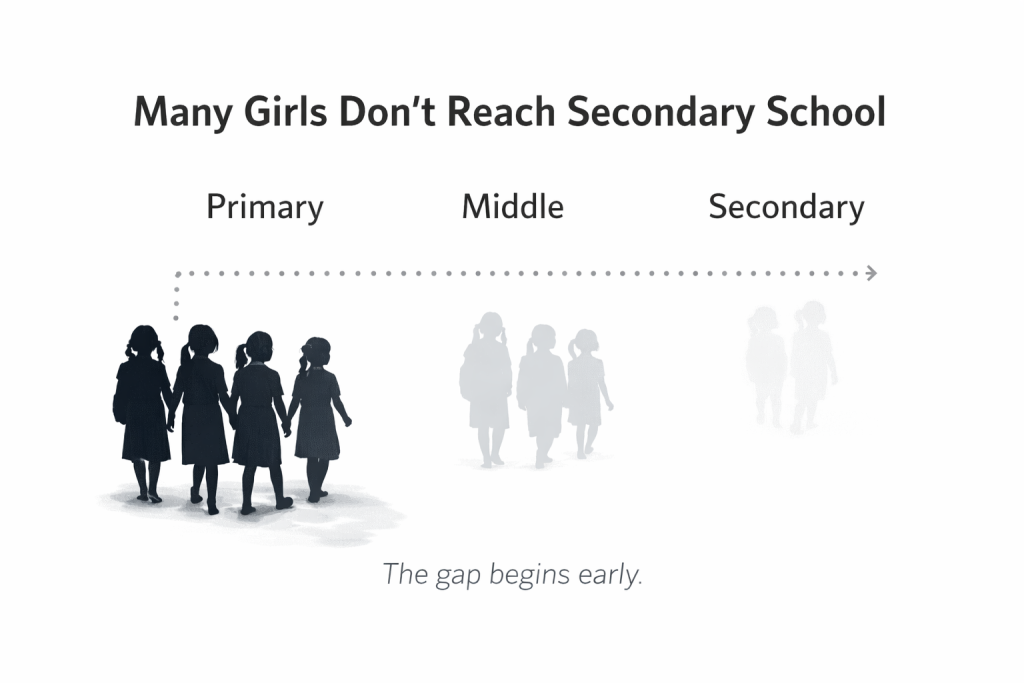
  • Scholarships for girls to complete secondary and higher education, breaking cycles of early marriage and dependence
  • Health camps and telemedicine services reaching women in communities where no healthcare facility exists
  • Entrepreneurship development including business training, financial literacy, and SHG linkages
  • Nutrition education and maternal health support reducing maternal and infant mortality in underserved areas
  • Community awareness campaigns on reproductive rights, gender-based violence, and government entitlements

Every project is implemented within a framework of FCRA compliance, transparent reporting, and SROI (Social Return on Investment) tracking, making it directly usable in your company’s CSR and ESG disclosures.

Smile Foundation is one of India’s few development organisations to be recognised with awards from ASSOCHAM, CSR Connect Summit, and the IHW Council specifically for healthcare and CSR excellence, providing an additional layer of credibility for corporate partners.

Business and Social Benefits of the Partnership

A CSR partnership with Smile Foundation for women empowerment is not philanthropy alone. It is a strategic business decision with tangible returns.

For ESG and annual reporting: Smile Foundation’s programmes align directly with the UN Sustainable Development Goal 5 (Gender Equality) and SDG 3 (Good Health). This gives your CSR team ready-made SDG alignment language for investor communications and annual reports.

For employee engagement: Volunteers from corporate partners have participated in Smile Foundation programmes, from awareness drives to mentoring sessions. Employees who engage with real impact work report significantly higher job satisfaction and organisational pride.

For brand credibility: In an era where greenwashing and CSR-washing are increasingly called out, associating with a 20-year-old NGO with verified impact numbers and FCRA compliance protects and strengthens your brand’s social equity narrative.

For supply chain and community: If your company operates in or sources from rural or peri-urban India, women in those same communities are likely Smile Foundation beneficiaries. Supporting their health, education, and economic independence builds a stronger, more stable operating environment for your business.

Corporates like Honda India Foundation and Berger Paints India have already demonstrated this model. Honda partnered with Smile Foundation on a Swabhiman project that reached approximately 40,000 women and girls through reproductive health education. Berger Paints’ collaboration on the iTrain on Wheels initiative earned the 7th ICC Social Impact Award 2025.

How Corporates Can Celebrate Women’s Day Meaningfully

For CSR decision makers and corporate leaders in India, Women’s Day is far more than a day for cake and Instagram posts. It is a strategic touchpoint to demonstrate your organisation’s commitment to gender equity, in the workplace and in the communities you serve.

Here are high-impact approaches, divided into internal and external action.

Women’s Day Celebration Ideas in the Office

1. Host a “Women Who Lead” speaker series

Invite women leaders from your industry, customer base, or NGO partners to share their stories. Bringing in a Smile Foundation programme beneficiary or field officer creates rare, powerful impact, connecting your employees directly to the communities your CSR supports.

2. Launch a mentorship matching programme

Use Women’s Day as the launch date for a structured mentorship initiative pairing senior women leaders with mid-level female employees. Research by McKinsey and Company shows that women with sponsors and mentors are 2x more likely to advance.

3. Run an unconscious bias workshop

Facilitated workshops that surface hiring, promotion, and salary biases have documented impact. These work best when mandatory for managers, not optional.

4. Create a “Women’s Wall of Impact”

A physical or digital display celebrating the achievements of women in your organisation, across departments, tenures, and roles, makes recognition visible and lasting.

5. Conduct a pay equity audit and share findings

Transparency is the most powerful statement. Use Women’s Day as the occasion to commit to, and communicate, your company’s equal pay policy.

6. Run a company-wide donation drive for Smile Foundation’s Swabhiman

Instead of gift hampers, let employees contribute to Smile Foundation’s women empowerment fund in honour of Women’s Day. Show the impact map: which states the funds will reach, which interventions they will support.

Donation and CSR-Driven Women Empowerment Activities

For companies with formal CSR budgets, Women’s Day is an ideal moment to fund or launch programmes with measurable social impact through Smile Foundation:

  • Sponsor a cohort of Swabhiman scholars (girls from low-income backgrounds completing secondary education)
  • Fund a health camp reaching 500 to 1,000 women in an underserved community
  • Support micro-enterprise development training for a group of women in your company’s operating geography
  • Contribute to Smile on Wheels to bring mobile healthcare to communities near your facilities
  • Fund nutrition education workshops for pregnant and lactating mothers in tribal or rural areas

Each of these interventions comes with defined beneficiary counts, geographic mapping, and impact documentation, giving your CSR team exactly what they need for reporting.

Step-by-Step Guide: Planning a Women’s Day Initiative with Smile Foundation

Executing a Women’s Day CSR initiative that moves beyond symbolic gestures requires intentional planning. Here is a practical framework for CSR and HR leaders.

Step 1: Define Your Goal

Before planning anything, answer: what do we want to achieve? Options include raising internal awareness, funding a ground programme, engaging employees in volunteering, or launching a year-long partnership. Your goal shapes everything else.

Step 2: Connect with Smile Foundation Early

Reach out to Smile Foundation’s corporate partnerships team at smilefoundationindia.org at least 4 to 6 weeks before Women’s Day. Discuss your focus area (education, health, livelihood), geography (which state or city), and budget. Smile Foundation will map a suitable Swabhiman project to your organisation’s objectives.

Step 3: Assemble Your Internal Planning Committee

Include women across seniority levels, departments, and backgrounds. A committee of only senior women or only HR representatives will miss perspectives that make the initiative meaningful to all employees.

Step 4: Design the Internal and External Programme

Pair an internal event (panel discussion, bias workshop, recognition ceremony) with the external CSR component (Smile Foundation donation, volunteer day at a Swabhiman project site). The internal event creates cultural change. The external component creates community change.

Step 5: Communicate Early and with Purpose

Send save-the-dates 3 to 4 weeks in advance. Build internal buzz with educational content about IWD history, the gender gap in India, and what Smile Foundation’s Swabhiman programme does on the ground. Make the cause tangible before asking for participation or donations.

Step 6: Execute with Inclusion

On the day, ensure men are meaningfully included, not just as audience members. Include actionable commitments, not just inspiration. If a Smile Foundation team member or beneficiary is participating virtually or in person, give them the space and dignity they deserve.

Step 7: Measure, Publish, and Follow Through

Collect feedback, share impact data from donations made, and publish a brief Women’s Day Impact update on your company’s intranet and social channels. Do not let this be a one-day event. Use Women’s Day as the launch of a year-round commitment, with Smile Foundation as your implementation partner on the ground.

Common Mistakes Organisations Make on Women’s Day

Even well-intentioned organisations fall into predictable traps. Avoid these:

Mistake 1: Performative gestures without structural change

Sending a cupcake to every woman employee while maintaining a gender pay gap is not celebration. It is cognitive dissonance, and IWD amplifies whatever your culture actually is.

Mistake 2: Excluding men from the conversation

Gender equity is not a women’s issue alone. Events and workshops that exclude men miss the most important audience for behaviour change. The UN’s HeForShe campaign was built on this insight.

Mistake 3: Treating Women’s Day as a one-day event

Real progress requires year-round commitment. If your only women-focused initiative is a March 8 panel discussion, your organisation is using IWD for optics, not impact. Smile Foundation’s Swabhiman programme runs 365 days a year. Your partnership should, too.

Mistake 4: Choosing token speakers or awards

Inviting a woman speaker because she’s available, not because she’s relevant and inspiring, signals that diversity is a checkbox. Curate with care.

Mistake 5: No connection to actual business or CSR goals

Women’s Day celebrations should connect to your company’s stated gender equity commitments, ESG goals, or CSR strategy. Disconnected events feel hollow to employees and investors alike.

Mistake 6: Choosing NGO partners without verifying credibility

Not all NGOs are equal. Partnering with an organisation that lacks transparency, FCRA compliance, or verified impact data exposes your company to reputational and legal risk. Smile Foundation’s two decades of operation, publicly available annual reports, and consistent award recognition from bodies like ASSOCHAM and the IHW Council make it a low-risk, high-credibility choice.

Mistake 7: No measurement or follow-up

If you cannot answer “What changed after our Women’s Day initiative?” you have not planned for impact. Work with Smile Foundation to define beneficiary counts, geographic reach, and outcome indicators before the programme begins.

Expert Tips for CSR Leaders and Corporates

Pro Tip 1: Align your Women’s Day CSR spend with SDG 5 through Smile Foundation

The UN’s Sustainable Development Goal 5 (Gender Equality) provides a globally recognised framework for measuring and reporting women empowerment impact. Smile Foundation’s Swabhiman programme is explicitly designed to advance SDG 5 indicators including women’s economic participation, reproductive health access, and educational attainment. Structuring your CSR reporting around these indicators, anchored by Smile Foundation’s field data, gives your ESG disclosures immediate credibility with global investors and rating agencies.

Pro Tip 2: Use Women’s Day to launch a year-round gender equity partnership, not a one-time donation

Instead of a one-day fund transfer, approach Smile Foundation about a structured, multi-year partnership within your CSR framework. Define annual targets, intervention areas, and reporting timelines. This signals institutional commitment and generates richer impact data for your annual reports.

Pro Tip 3: Publish a Women’s Day Impact Report with real numbers from Smile Foundation

After each Women’s Day, publish a brief impact report: how many women reached, which communities, what interventions funded. Smile Foundation provides this data as part of its corporate partnership reporting. This builds credibility with employees, investors, and civil society.

Pro Tip 4: Send employees to Swabhiman project sites as corporate volunteers

Nothing builds organisational empathy like first-hand exposure. Smile Foundation facilitates corporate volunteer days at Swabhiman project sites, where employees can participate in health camps, mentor scholars, or support community sessions. These experiences transform passive CSR donors into active advocates within your company.

Pro Tip 5: Tie executive performance to gender equity metrics and community investment

The most powerful lever of all: include gender representation, pay equity progress, and CSR community impact in executive KPIs. When leadership advancement depends partly on these metrics, change accelerates. Partnering with Smile Foundation gives you the external verification that makes these KPIs credible.

Frequently Asked Questions

Q: Why is Women’s Day celebrated?

International Women’s Day is celebrated to honour the social, economic, political, and cultural achievements of women worldwide, and to accelerate action toward gender equality. It grew out of early 20th-century labour rights protests and was formally established in 1910, later recognised by the United Nations in 1977. Today it serves as both a day of recognition and a global call to action.

Q: When was the first International Women’s Day?

The first International Women’s Day was observed on March 19, 1911, in Austria, Denmark, Germany, and Switzerland, following a proposal by German activist Clara Zetkin at the 1910 International Conference of Working Women in Copenhagen. Over one million people participated in that inaugural year. The date later moved to March 8 to commemorate the 1917 Russian women’s strike.

Q: Why is Women’s Day celebrated on March 8?

March 8 commemorates the women’s strike in Petrograd, Russia, on March 8, 1917, when women textile workers marched demanding “Bread and Peace”, a protest that helped trigger the Russian Revolution and led to women gaining voting rights in Russia. The United Nations chose March 8 as the permanent date for IWD in recognition of this historic event.

Q: What is the theme of International Women’s Day 2026?

The official theme for International Women’s Day 2026, as declared by the United Nations, is “Accelerate Action”, calling for faster progress toward gender equality, reflecting that at current rates it will take over 100 years to close the gender gap.

Q: What is Smile Foundation’s Swabhiman programme?

Swabhiman, meaning self-respect, is Smile Foundation India’s flagship women empowerment programme launched in 2005. It takes a lifecycle approach to empowering marginalised women and girls through five interconnected areas: healthcare, nutrition, education and scholarships, livelihood and entrepreneurship, and community mobilisation. As of the latest data, Swabhiman has reached over 560,000 women and girls across India.

Q: How can my company partner with Smile Foundation for Women’s Day CSR?

You can connect with Smile Foundation’s corporate partnerships team via smilefoundationindia.org. Smile Foundation works with corporates to design FCRA-compliant CSR programmes aligned with your industry, geography, and SDG reporting requirements. Programmes range from one-time health camps to multi-year livelihood and education initiatives with verified impact reporting.

Q: What are good Women’s Day celebration ideas for the office?

Effective office Women’s Day celebrations include hosting a women leader panel discussion, running an unconscious bias workshop for managers, conducting a pay equity audit, launching a company-wide donation drive for Smile Foundation’s Swabhiman, and sending employees to volunteer at a Swabhiman project site. The best initiatives combine internal culture-building with external community impact.

Q: Why is International Women’s Day still celebrated today?

International Women’s Day remains essential today because gender inequality persists globally. The World Economic Forum’s 2024 report found it will take 134 years to close the global gender gap at the current rate. In India, women’s labour force participation is around 37%, and only 40% of women have their own bank account according to NFHS-5 data. IWD is celebrated to maintain urgency, celebrate progress, and accelerate change.

Q: What are the best women empowerment activities for CSR in India?

The most impactful women empowerment CSR activities in India include funding scholarship programmes for girls, sponsoring livelihood skill training for women from low-income communities, supporting mobile healthcare services for women in remote areas, and backing community-based entrepreneurship development. Partnering with Smile Foundation’s Swabhiman programme provides access to all of these intervention types, with verified beneficiary counts and SDG 5-aligned impact reporting.

Conclusion

Why is Women’s Day celebrated? Because a century ago, women chose to march when the world told them to sit down, because that fight is not yet over, and because organisations like Smile Foundation are proof that change is possible when resources meet resolve.

International Women’s Day is a living reminder that gender equality is not a gift to be granted, but a right to be secured through sustained, collective action. From the garment workers of 1908 New York to the first-generation scholars in Smile Foundation’s Swabhiman programme today, the arc of women’s progress has always been shaped by those willing to speak up, show up, and stand behind meaningful commitments.

  • IWD began as a labour rights protest in 1908 and became a global movement by 1911
  • March 8 was chosen to honour the 1917 Russian women’s strike that helped trigger the Russian Revolution
  • Gender inequality remains acute globally and in India: 134 years to close the gender gap, 37% female labour force participation
  • Smile Foundation’s Swabhiman programme has reached 560,000+ women and girls across 27 states through healthcare, nutrition, education, and livelihood interventions
  • Partnering with Smile Foundation for Women’s Day CSR turns a calendar moment into verified, year-round, SDG-aligned social impact
  • Meaningful celebration goes beyond symbolism. It involves mentorship, pay equity, community investment, and accountability

If you are a CSR decision maker or corporate leader in India, use this Women’s Day not to perform commitment. Prove it. Partner with Smile Foundation, fund a Swabhiman intervention that reaches real women in real communities, and measure the change you create.

Take ActionThe women in your community, your workforce, and your supply chain are not waiting for acknowledgement. They are waiting for action. This Women’s Day, give them that. Visit smilefoundationindia.org to start.

Sources and References

  1. World Economic Forum. Global Gender Gap Report 2024
  2. United Nations. International Women’s Day Background
  3. UN Women. IWD 2026 Theme “Accelerate Action”
  4. International Labour Organization. Gender Equality
  5. Grant Thornton. Women in Business Report 2023
  6. World Bank. Female Labour Force Participation, India
  7. National Family Health Survey (NFHS-5), India
  8. Smile Foundation India. Annual Impact Report 2023-24
Categories
Health Women Empowerment

What Maternal and Child Health Really Looks Like in India

India has reduced its maternal mortality ratio to 97 per 100,000 live births, according to the Sample Registration System 2018–20 released by the Registrar General of India. Infant mortality has declined to 28 per 1,000 live births as per SRS 2020. Institutional deliveries now account for 88.6 percent of births, according to NFHS-5 (2019–21).

These are statistics that experts cite with justified confidence and they represent substantial progress in a country where childbirth was once one of the most dangerous events in a woman’s life.

But averages are polite. They summarise and smooth over edges but rarely linger long enough to show where the fractures remain.

Because beneath these national improvements lies a more complex reality. Fifty-seven percent of women aged 15–49 are anaemic and 67.1 percent of children under five are anaemic, according to NFHS-5. Only 58.1 percent of pregnant women receive four or more antenatal care visits and nearly 18 percent of babies are born with low birth weight. More than 35.5 percent of children under five remain stunted. Under-five mortality stands at 41 per 1,000 live births (NFHS-5).

The gap between access and actual health is where the deeper crisis resides.

Smile Foundation’s intervention for maternal and child health

In Koye village in Maharashtra, maternal health is a daily negotiation between tradition, access and information. Advice circulates within families. Pregnant women are told what to eat, when to rest and how to manage discomfort. Public health systems exist, but utilisation depends on awareness, proximity and household decision-making.

Smile Foundation’s community-based maternal health awareness initiative in Koye did not begin with a lecture. It began with dialogue. The sessions focused on antenatal care schedules, balanced nutrition, rest during pregnancy and the importance of regular check-ups. But the most important shift was social. Husbands and elders were involved deliberately, because pregnancy decisions are rarely made by women alone in many rural households.

Health experts increasingly agree that maternal health outcomes are shaped as much by social context as by clinical access. NFHS-5 shows dramatic improvement in institutional deliveries, rising from 78.9 percent in NFHS-4 to 88.6 percent in NFHS-5. Yet antenatal continuity remains uneven. When 57 percent of women are anaemic, the issue is not merely the availability of iron supplements. It is sustained adherence, dietary diversity, and follow-up.

Mobile healthcare addresses this continuity challenge.

Smile on Wheels delivers antenatal and postnatal care, anaemia screening, counselling and follow-up services directly to underserved communities. The relevance of this model becomes sharper when examined alongside state disparities in maternal mortality. While India’s national MMR is 97 (SRS 2018–20), certain states such as Assam report substantially higher ratios, while Kerala has achieved rates below 30. National averages conceal district-level vulnerability.

The devil called distance

Distance remains one of the most persistent health inequities in India.

When a mobile unit enters a village, it reduces physical and psychological barriers simultaneously. Women who might delay visits to distant primary health centres are more likely to attend doorstep clinics. Anaemia screening becomes routine rather than reactive. Postnatal care becomes structured rather than incidental.

Continuity of care is rarely celebrated in public discourse. Survival rates make headlines. Dignity does not.

In Chakan, Pune, the Pink Smile Initiative, implemented in partnership with Thermo Fisher Scientific India, expands this continuity model. Through a Mobile Medical Unit, the programme integrates maternal and child health services with anaemia prevention, nutrition counselling, non-communicable disease screening, and teleconsultations.

This integration reflects India’s epidemiological transition. Maternal health is no longer solely about managing haemorrhage and infection. It increasingly intersects with chronic conditions such as hypertension and diabetes. The World Health Organization has emphasised the importance of integrating reproductive health with broader preventive care systems. The Pink Smile model aligns with that understanding by embedding NCD screening within maternal services.

Anaemia illustrates the intergenerational stakes. NFHS-5 data shows that two-thirds of young children are anaemic. Maternal anaemia during pregnancy is linked to low birth weight, which in turn correlates with neonatal mortality, impaired immunity and developmental delays. Low birth weight affects nearly one in five Indian newborns. This is not a sequence of isolated risks. It is a systemic loop.

Breaking that loop requires more than supplementation drives. It requires counselling, dietary awareness, immunisation adherence and community support.

NFHS-5 also shows that 76.4 percent of children aged 12–23 months are fully immunised, an improvement from 62 percent in NFHS-4. However, full immunisation coverage still leaves nearly one quarter of children without complete protection. Community-level engagement plays a decisive role in closing this gap.

In Koye, involving husbands and elders addressed a structural truth. In many households, resource allocation and health decisions are collective. By expanding maternal health conversations beyond women alone, the programme redistributed responsibility.

The last-mile enforcement for maternal and child healthcare

India’s policy frameworks are extensive. The National Health Mission has strengthened rural infrastructure. Janani Suraksha Yojana incentivised institutional deliveries. Pradhan Mantri Surakshit Matritva Abhiyan promotes routine antenatal care. Anaemia Mukt Bharat targets iron deficiency across life stages. The gains are visible in declining mortality indicators.

But policy success is uneven without last-mile reinforcement.

Under-five mortality has declined significantly over the past three decades, from 88 per 1,000 live births in 1990 to 41 today. Maternal mortality has fallen from over 500 in the early 1990s to below 100. These achievements are substantial. But persistent stunting at 35.5 percent indicates that nutritional deprivation remains entrenched. Anaemia’s rise between NFHS-4 and NFHS-5 signals fragility in dietary adequacy and micronutrient interventions.

Mobile medical models are not substitutes for systemic reform. They are adaptive mechanisms within complex realities. They respond to terrain, poverty, gender norms and information asymmetry.

The economic dimension is often understated. Maternal complications impose catastrophic expenditure on low-income households. Preventive care, therefore, is both a health intervention and a poverty mitigation strategy.

The Pink Smile Initiative’s teleconsultation feature reflects an important shift toward longitudinal care. A single check-up does not secure a healthy pregnancy. Digital follow-up strengthens adherence and allows risk stratification.

Health experts recognise maternal and child health as composite indicators of governance quality. Every anaemia statistic reflects agricultural diversity and dietary access, every stunting percentage reveals long-term deprivation and every antenatal care gap reveals structural distance.

The distance between survival and dignity is often measured in kilometres, but sometimes it is measured in silence. When maternal health becomes a shared conversation, silence weakens.

We are close but the fight isn’t over for maternal and child healthcare

India is closer to achieving the Sustainable Development Goal target of reducing MMR to 70 by 2030, but acceleration is required, particularly in high-burden districts. The progress is real. The unfinished work is equally real.

The ultimate measure of success will not only be how many women survive childbirth, but how many experience pregnancy with continuity of care, informed choice and collective support.

Because a healthy mother does not simply deliver a child. She shapes the trajectory of human development itself.

Reduce the Risk

India’s Maternal Mortality Ratio: 97 (SRS 2018–20)
57% of women are anaemic (NFHS-5). Build a safer pregnancy journey.

Maternal Risk
100%
Child Health Index: 50%

Sources

• National Family Health Survey-5 (2019–21), Ministry of Health and Family Welfare, Government of India
• Sample Registration System (SRS) 2018–20 and SRS 2020, Registrar General of India
• National Health Mission programme data
• World Health Organization maternal health frameworks

Categories
Skill Development Education Livelihood

Degrees Without Destinations: India’s Education–Employment Gap

India is educating more young people than ever before, yet it is employing them unevenly. According to the All India Survey on Higher Education (AISHE 2022–23), total enrolment in higher education has crossed 4.46 crore students, with female Gross Enrolment Ratio rising significantly over the past decade. Access has expanded, campuses have multiplied, and policy frameworks such as the National Education Policy (NEP 2020) promise flexibility, multidisciplinary pathways and vocational integration. On paper, the architecture of human capital appears robust. But labour market data tell a less reassuring story. The Periodic Labour Force Survey (PLFS 2022–23) continues to show that unemployment rates are highest among educated youth, particularly graduates in urban India. The paradox is stark: educational attainment has risen, yet transition into stable employment remains fragile.

India’s higher education expansion was driven by access, not necessarily by employability design. Colleges proliferated across states, particularly in private sectors, but curriculum reform lagged behind the pace of enrolment growth. Recruiters across industries — from manufacturing and logistics to IT services and healthcare — routinely report skill mismatches. Graduates may possess theoretical knowledge, yet employers frequently cite gaps in applied competencies, digital literacy, communication skills and problem-solving capacity. The India Skills Report (2023) and various industry assessments indicate that only a portion of graduates meet job-readiness benchmarks without additional training. The result is a widening disconnect between degree production and job absorption.

The mismatch is exacerbated by the structure of India’s labour market. Over 80% of India’s workforce remains informal, according to PLFS estimates. Employment growth is concentrated in MSMEs, gig platforms, self-employment and district-level enterprise clusters. Yet higher education pathways often orient students toward formal salaried roles in corporate settings. Expectations are shaped by aspiration, but absorption capacity lies elsewhere. Without embedding entrepreneurship education, local industry mapping and vocational integration within mainstream degrees, the pipeline between education and employment remains disjointed.

Gender dynamics complicate the picture further. AISHE 2022–23 documents a substantial rise in female enrolment, with women now constituting a significant share of higher education students. Yet female labour force participation, while showing recent improvement, remains structurally lower than male participation. PLFS data reveal that social norms, mobility constraints, safety concerns and unpaid care burdens continue to limit women’s workforce entry, particularly in urban settings. Thus, educational gains do not automatically convert into economic participation. The gap between learning and livelihood widens disproportionately for women.

Regional disparities also shape outcomes. States with diversified industrial ecosystems and stronger private sector integration display relatively better graduate absorption rates. In contrast, districts with limited enterprise density struggle to translate educational expansion into employment creation. The Aspirational Districts Programme, led by NITI Aayog, has highlighted persistent disparities across health, education and skill indicators. Without district-level economic mapping and industry partnerships, degrees risk floating in administrative silos disconnected from local opportunity structures.

Policy responses acknowledge the challenge. NEP 2020 calls for vocational exposure from secondary school, credit mobility between academic and skill tracks, and stronger industry collaboration. Recent Union Budgets have emphasised “education-to-employment pathways,” sector-linked skilling missions, and apprenticeship expansion under the National Apprenticeship Promotion Scheme. Yet implementation remains uneven. Apprenticeship participation remains limited relative to the millions entering the labour force annually. Faculty retraining is slow. Curriculum redesign often lags technological shifts. Industry engagement remains concentrated in elite institutions rather than distributed across district colleges.

The deeper problem is one of synchronisation. India has largely solved the access question in education. It has not yet solved the alignment question. Curriculum reform, apprenticeship integration, faculty-industry exchange and district-level employment mapping must operate in tandem rather than isolation. The solution is not to abandon degrees in favour of short-term skills training, nor to romanticise vocational tracks at the expense of academic pathways. It is to dissolve the rigid divide between them. Hybrid models — where applied learning, internships and enterprise exposure are embedded within degree frameworks — have demonstrated success globally and in select Indian pilots. Scaling them requires systemic commitment.

India’s demographic dividend is time-bound. By the mid-2030s, the window of peak working-age population growth will begin to narrow. If the current transition gap persists, the dividend risks mutating into demographic pressure. Educated unemployment is not merely an economic statistic; it is a social risk. It erodes confidence in institutions, intensifies migration pressures and deepens intergenerational anxiety. When families invest in education with the expectation of mobility, stalled transitions produce frustration that reverberates beyond labour markets.

Bridging the education–employment gap, therefore, demands more than incremental reform. It requires structural redesign — one that treats employment pathways as integral to educational architecture rather than downstream outcomes. Degrees must be linked to district economies. Skills must be creditable within academic systems. Apprenticeship must be mainstream, not peripheral. And employability must be understood not as an individual deficiency but as a systemic alignment challenge.

India’s classrooms are fuller than ever. The question is whether its job markets are prepared to receive the graduates they produce. Until curriculum, capital and enterprise ecosystems move in concert, the distance between graduation and livelihood, the Education–Employment Gap will remain India’s most consequential development gap.

Design the College That Gets Students Hired
Allocate 100 curriculum credits. See how employable your graduates become. Based on India’s education–employment data (AISHE, PLFS).
Remaining Credits: 100
Categories
Smile

Delivering Care in India’s Most Difficult Terrains 

Khemraj and his wife Mangla lived in a remote village in Rajasthan, where recurring droughts destroyed their crops and pushed the family into severe financial distress. With no harvest to sustain them, Khemraj was forced to borrow from local moneylenders, gradually losing his land and eventually even his domestic animals to repay mounting debts. Healthcare was a luxury. In fact, the nearest medical facility was far away and daily survival took precedence over treatment. 

Their circumstances changed when Smile Foundation’s ‘Smile on Wheels’ initiative reached their village, bringing medical care directly to those who had long been excluded from it. Through mobile clinics offering consultations, diagnostics and free medicines, Khemraj and Mangla finally received the healthcare they had been denied for years. 

A cluster of obstacles 

In a country like India that is geographically vast and fragmented, delivering even basic services to remote regions remains a challenge. The right to health is written as a fundamental aspiration of the Constitution, yet its material realisation remains limited. The spatial inequity in India is not incidental but systemic—difficult terrains lengthens the travel time to the nearest health facility, weakens supply chains for medical resources, disincentivises skilled health professionals from serving the areas that most need them, among other problems. 

A case can be observed in the rural districts of the Jammu region, where geography shapes access to healthcare. Geospatial analyses of health infrastructure indicate that nearly one-third of villages lie beyond a 20-minute travel time to the nearest healthcare facility, even under regular conditions. In practice, this distance is often amplified by mountainous terrain, narrow roads, seasonal snowfall and landslides, all of which routinely disrupt mobility. For residents in these villages, accessing primary care frequently requires long, physically demanding journeys, as well as, emergency referrals can involve delays that increase health risks. The implications are especially severe for vulnerable populations, such as pregnant women, the elderly and patients requiring time-sensitive interventions. Limited public transport and the high cost of private vehicles further constrain healthcare utilisation, effectively converting geographic distance into a socio-economic barrier too. 

Another revealing case emerges from Odisha, where geography operates as a quiet but powerful determinant of health. Official estimates indicate that around 13.5 per cent of the state’s health facilities are classified as “hard to reach”. This is shaped by hilly terrain, dense forest cover, and absence of all-weather roads. These structural barriers are compounded by a persistent human-resource deficit. Remote districts such as Rayagada, Mayurbhanj, etc. continue to experience acute shortages of doctors, specialists, and paramedical staff, reflecting a broader pattern of workforce attrition in difficult terrains.

Rethinking the approach towards most difficult terrains

Strategic policy frameworks and digital innovations have reshaped how healthcare reaches geographically marginalised populations. The National Rural Health Mission was established in 2013 to reinforce rural health systems by upgrading infrastructure and enabling decentralised planning tailored particularly to vulnerable and hard-to-reach regions. Norms for service provision were adapted to improve accessibility, with sub-health centres established at a ratio of one per 3,000 population, primary health centres per 20,000 etc. To address workforce shortages, various incentives (such as the ‘Hard Area Allowance’ and ‘You Quote We Pay’ policies) were introduced to attract doctors and specialists in remote locations. 

By combining institutional reform with key experimental technological solutions, we can thus reduce distance-driven inequities. In regions where conventional healthcare infrastructure is ineffective due to geography, some specific terrain-responsive service models have been introduced that take care directly to communities. Growing evidence suggests that in geographically fragmented settings, health access improves not simply by constructing more hospitals, but by redesigning delivery systems to align with terrain and mobility patterns. Take for instance, in the flood-prone riverine belts of Assam, boat clinics function as floating health centres, navigating rivers to reach villages that remain cut off for months during monsoons. These clinics provide primary healthcare, maternal and child health services, immunisation, and basic diagnostics, ensuring continuity of care despite seasonal displacement. Similarly, in many Himalayan states, mobile mountain clinics operate through specially equipped vehicles and outreach teams that traverse steep terrain to serve remote settlements. More recently, drone-based medicine delivery pilots have emerged as an innovation to ensure last-mile healthcare access, particularly for vaccines, blood supplies and emergency medicines in areas without reliable road connectivity. The drones bypass physical barriers such as forests, mountains and floodwaters, significantly reducing delivery time during medical emergencies. 

These initiatives mark a shift from static, facility-centric healthcare systems toward mobile and community-embedded models of care. In a nutshell, such adaptive approaches can help healthcare systems become further resilient to geography, transforming distance as an obstacle into a design consideration. 

How far is healthcare?

In parts of India, distance determines survival.
65%
of India’s population lives in rural areas.
Access depends on geography.
30%
of villages in some hilly regions lie beyond 20 minutes from primary healthcare.
13.5%
of Odisha’s health facilities are classified “hard to reach”.
Terrain shapes access.

Emergency at 2:30 AM

Nearest PHC: 18 km (Mountain Terrain)
Travel time: 3 hours 45 minutes (on foot)
Risk increases as time delays care.

With Mobile Healthcare

Mobile unit arrives weekly.
Time to consultation: 20 minutes.
Access improves. Risk declines.

Design Changes Outcomes

Without Mobile Model

Time to Care: High
Cost Burden: High
Complication Risk: High
Trust in System: Low
With Mobile Model

Time to Care: Reduced
Cost Burden: Lower
Complication Risk: Lower
Trust in System: Strengthened

Infrastructure is not enough.

Healthcare must adapt to terrain.

Policy interventions for future 

Going forward, addressing these terrain-driven health inequities requires a shift away from uniform models toward decentralised solutions as addressed above. Mobile medical units such as the ‘Smile on Wheels’ initiative by Smile Foundation along with telemedicine services supported by last-mile digital connectivity and community-based health workers drawn from local populations offer scalable ways to overcome distance and workforce shortages.

Infrastructure investments must prioritise both human resources and material services. Crucially, planning must be guided by geospatial data rather than administrative convenience, ensuring that resources follow need rather than population averages. Policymakers need to treat geography as a core variable in health policy. It is only then that the country will come further closer to the constitutional promise of health equity, even in its most difficult terrains.

Categories
Smile

Up from the Margins: Building India’s Aspirational Districts

In the dusty lanes of rural Madhya Pradesh and Telangana, change is arriving in an unlikely form: a brightly painted van. Every week, Dr K. Shanti Kiran and her Smile on Wheels mobile clinic team roll into remote villages of Bhupalpally (Telangana) and Singrauli (Madhya Pradesh), a pair of India’s newly minted Aspirational Districts. Mothers clutch babies for vaccinations, schoolchildren are screened for anemia, and the anxious faces of parents are eased by free consultations. “Their smiles and giggles are the heartbeat of our mission,” says Dr Shanti, as children clamor for the van’s small stash of toothpaste and storybooks. This simple scene where health care is brought to the doorstep, reflects a crucial strategy in India’s latest development push: targeted investment in the nation’s most under-served districts.

Launched in 2018 by NITI Aayog, the Aspirational Districts Programme (ADP) zeroes in on 112 districts lagging on key social indicators. The idea is straightforward: concentrate resources and innovation where they are needed most. Four years in, early data suggest it’s working. Nationally, India’s infant mortality rate has plunged from 44 per 1,000 live births in 2011 to 25 in 2023[1], and under-five mortality has likewise fallen to 29[2]. India’s composite development score in these districts has improved by a remarkable 72% since the program began[3]. Gains are especially pronounced in health, education and agriculture – the very areas targeted by the program.

However, these national averages can hide stubborn gaps. In many aspirational districts, child malnutrition and school dropout still run well above the national norm. According to the latest health survey, roughly 77% of Indian toddlers are now fully immunized[4] (up from 62% in 2016), and the share of underweight children has fallen from 36% to 32%[4]. These are encouraging trends, but the remaining 23% of children who miss vaccines and one in three who are underweight all too often live in places like Singrauli or Siddharthnagar – districts with weak health infrastructure and deep poverty. In such places, a “healthy India” campaign meets its limits. Instead, NGOs like Smile Foundation have stepped in with doorstep health. Our mobile clinics provide regular antenatal checkups, oxygen for pneumonia cases, and outpatient treatment, ensuring that minor illnesses don’t fester into crisis. Early evidence is anecdotal but telling: as one Smile physician notes, fewer families now have to choose between staying home sick or losing a week’s wages for a distant hospital visit.

Education tells a similar story. India has pushed enrollment above 95% for ages 6–14, and a new government report finds school dropout rates plummeting (from 13.8% in 2022–23 down to 8.2% in 2024–25)[5]. But behind these gains lurk learning gaps. Rural India’s Annual Status of Education Report (ASER) still shows many children below grade level in basic reading and arithmetic. Aspirational districts are under particular strain: they are home to some of the country’s poorest schools, where one teacher may be responsible for 50 squirming students and no electricity. In Siddharthnagar (Uttar Pradesh), for example, classrooms often lack labs or libraries, and rote learning prevails.

To break this cycle, Smile Foundation’s education programmes are focusing on system strengthening rather than handouts. In 2025, we led a two-day workshop in Siddharthnagar for 100 government school teachers and resource officers. Through hands-on science and math activities – learning-by-doing projects with microscopes and measuring tapes – the training helped educators move away from chalk-and-talk. Teachers practiced experiments, built simple machines and shared techniques to make abstract concepts tangible. By the end of the session, even veteran instructors reported a boost in confidence: “Tomorrow, I’ll let my students actually handle the test tubes, not just look at me,” one remarked.

Simultaneously, Smile’s Aspirational Block Transformation in Siddharthnagar is working from the bottom up. Local officials, from the Sub-Divisional Magistrate to Block Education Officers, joined pupils in interactive STEM sessions, teaching digital safety and life skills alongside fractions and physics. Students built simple robots and enacted self-defense drills. Community members cheered as shy children presented their experiments. These events blur the line between school and village; one district coordinator noted that involving Panchayat leaders and officials “shows everyone that education extends beyond textbooks.” By empowering children to ask questions and solve problems, such programmes aim to make schooling relevant, not just compulsory. After all, it’s not enough for a child to be in class – she must be learning, and also gaining the confidence to shape her future.

Crucially, these interventions operate within government systems, not parallel to them. In Telangana’s Adilabad district, for instance, Smile Foundation signed a formal MoU with the state’s Department of School Education in late 2024. This partnership created an integrated plan for over 200 government schools in the tribal-aspirational region. The deal gave Smile teams official access to classrooms, and – in return – they helped set up a toll-free Education Helpline for 10<sup>th</sup> graders. The helpline, inaugurated by the Additional Collector, provides last-minute guidance to students before board exams – a lifeline where coaching centers are rare. By institutionalizing such projects, the government is effectively channeling NGO innovation into its own apparatus, rather than relying on one-off charities. District officials now cite the Helpline as a model of “coordinated action” in classrooms, and its launch with top officials underlines that aspirational districts demand a whole-of-government approach.

These successes underscore a fundamental point: developing backward areas takes more than good intentions – it takes money. Aspirational districts contain about 15% of India’s population, yet an India Data Insights analysis found they receive only about 2.15% of all corporate CSR funding[6]. This shortfall is stark in Madhya Pradesh and Uttar Pradesh, where needs are vast but companies have yet to invest heavily. (On the positive side, CSR flows rose by 50% in 2021–22, and over three quarters of that money targets education, health, rural development and environment[7].) But the 2% number drives home how mismatched current spending is. India’s own budget must fill the gap – a challenge when aspirational districts are often spread across states with tight finances. Fortunately, the ADP scheme itself offers a framework: district collectors now compete on a live “Champions of Change” dashboard, tracking 49 indicators from immunization to school mid-day meals[8]. Many districts have minted innovation prizes, while central schemes like Anganwadi nutrition and mid-day meals are intensified in these pockets.

The headline numbers suggest these efforts are moving the needle. Since 2018, the bulk of aspirational districts have seen double-digit gains in critical outcomes[9]. Nationally, institutional births are up, certified rural hospitals have multiplied, and farmer incomes are rising even in remote hamlets. An inspiring example comes from Himachal Pradesh’s Chamba district (now largely “aspirational blocks”), where concerted drilling of borewells brought tap water to 100% of homes by 2022 – a seemingly simple change that freed girls from hours of daily water-fetching and cut diarrheal disease[10][11]. Such narratives demonstrate that local fixes (water pipelines, school refurbishments, hygiene drives) compound into broader shifts. It is a model of “competitive cooperation,” as one NITI Aayog report calls it: district administrators learn from each other even as they strive to outrank their peers.

Internationally, India’s experiment is drawing attention. In May 2025 Singapore’s President Tharman Shanmugaratnam singled out the Aspirational Districts Programme as “a globally relevant model” for inclusive development[12]. He praised its data-driven tactics and the way it “empowers communities and strengthens local health systems.” Those words echo what Smile Foundation staff have experienced on the ground. In Adilabad and Singrauli alike, the interplay of government targets and grassroots participation is bringing services within reach. The digital dashboards and regular ranking reports certainly keep pressure on, but the real pressure comes from families who now expect delivery.

But caution is warranted. National surveys remind us how uneven India’s progress still is. For every 1,000 live births, 25 Indian infants die (now largely from preventable causes)[1], a tragic number given the country’s wealth. And though fewer children are quitting school, foundational literacy rates remain worryingly low in many villages. Nutrition remains a stubborn problem: child anemia is rising again[13] despite more feeding schemes, and one in three kids is still underweight. In aspirational districts, such challenges are magnified. Without sustained funding, skilled health workers and motivated teachers, the short-term gains risk stalling.

This is why investment in aspirational districts must be long-term. The hope is that social returns will far exceed input. A child who survives pneumonia because a nurse came to her door, or a girl who finishes secondary school thanks to a teacher trained in interactive math, can eventually contribute to the economy in ways that repay these interventions many times over. Economists often say that helping those at the bottom of the pyramid yields outsized impact on human development indicators – and the composite scores suggest India is indeed squeezing out more from the bottom. But the report from India Data Insights flags a sobering question: “Does a 2% allocation of CSR investment suffice to facilitate the transformation of aspirational districts?”[14]. The implied answer is no.

Put simply, aspirational districts are where India’s deficits are most concentrated – and where investments are most needed. The central government’s budget must prioritize these regions, states must match with decentralized reforms, and the private sector and philanthropies must step up. Public–private partnerships like the Smile on Wheels clinics show one approach, and district-level compacts (like Adilabad’s education MoU) offer another. Just as important is soft infrastructure: building trust between officials and citizens, empowering village health committees and school management councils, and making sure that data from the Champions dashboard is acted on at the grassroots.

For now, the true measure of progress is not found in a spreadsheet, but in moments: a toddler’s grin after her measles shot, a teen’s thumbs-up as she taps answers on a learning app, an exhausted doctor finally catching some sleep on a camp bed after a day’s rounds. These returning smiles are, in the words of Smile Foundation, everything. They remind us that up from the margins is not just a slogan – it’s the sound of possibility. But turning those smiles into sustainable success will take more than goodwill; it will take the hard work of mobilizing resources, reforming systems, and making sure every child in every aspirational district is seen and served. As President Shanmugaratnam suggests, this unfolding revolution in India’s hinterlands could indeed be a blueprint for the world. It must not be left unfinished.

You Are the District Collector
Allocate ₹100 crore across sectors and see how your Aspirational District performs over 5 years.
Remaining Budget: ₹100 crore

Sources: Government of India reports and analyses of the Aspirational Districts Programme[15][8][4][16][17]; District-level field reports from NGOs (Smile Foundation interventions).

[1] [2] [5] [17]  Press Release:Press Information Bureau

https://www.pib.gov.in/PressReleasePage.aspx?PRID=2171202®=3&lang=2

[3] [6] [7] [14] [16] Aspirational districts receive 2 percent of CSR funds | IDR

[4] [13]  Key findings from NFHS-5 India report: Observing trends of health indicators between NFHS-4 and NFHS-5 – PMC

https://pmc.ncbi.nlm.nih.gov/articles/PMC10657051

[8] NITI AAYOG, India | Aspirational Districts Programme / Aspirational Blocks Programme

https://niti.gov.in/aspirational-districts-programme

[9] India’s Aspirational Districts: Stories of Progress

https://www.ibef.org/blogs/india-s-aspirational-districts-stories-of-progress-and-people-led-change

[10] [11] [12] [15] static.pib.gov.in

https://static.pib.gov.in/WriteReadData/specificdocs/documents/2025/may/doc2025519557501.pdf

Categories
Health

Community Awareness on Respiratory Tract Infections Matters

ChatGPT Image Feb 18 2026 09 21 03 PM

In Ambedkar Nagar, Nizampura, Vadodara, houses stand close enough for conversations to drift from one balcony to another. Children zoom past narrow lanes and shared spaces double as gathering points, play areas and passageways. It is a community bound by proximity, and that proximity, while fostering social cohesion, also carries a vulnerability.

In densely populated settlements, a seasonal cough is rarely quickly becomes a community concern.

It was against this backdrop that the Smile on Wheels team organised an awareness session on Respiratory Tract Infections (RTIs), focusing on seasonal illnesses that frequently circulate in such environments. The objective was straightforward: to equip residents with knowledge that could prevent minor infections from escalating into serious health complications.

The session was about symptoms and their prescriptions. It was also about recognition of risk, of responsibility and of the thin line between preventable illness and avoidable suffering.

ChatGPT Image Feb 18 2026 09 21 19 PM

The Persistent Burden of Respiratory Tract Infections

Respiratory tract infections remain among the most common illnesses affecting communities across India. From the common cold and seasonal influenza to more serious lower respiratory infections such as pneumonia, these conditions account for a significant share of outpatient visits and hospitalisations, particularly among children and the elderly.

In urban settlements where living spaces are compact and ventilation is often inadequate, infections can spread rapidly through droplets, shared surfaces and close contact. Seasonal fluctuations, especially during monsoon and winter months, further increase vulnerability.

For children, elderly individuals and those with weakened immunity, respiratory infections can lead to complications that require hospitalisation. For families dependent on daily wages, illness can also translate into lost income and mounting expenses.

ChatGPT Image Feb 18 2026 09 21 33 PM

A Community Conversation in Nizampura

The awareness session in Ambedkar Nagar brought together residents in a structured yet informal setting. The Smile on Wheels doctor and Community Health Officer (CHO) led the discussion, focusing on practical information tailored to local realities.

They began by explaining the common causes of respiratory infections, viral and bacterial pathogens that circulate more intensely during seasonal transitions. Modes of transmission were outlined clearly: droplets expelled during coughing and sneezing, contaminated surfaces and prolonged exposure in poorly ventilated spaces.

Importantly, the discussion did not assume prior knowledge. Symptoms were described in accessible language like persistent cough, fever, sore throat, fatigue, breathing difficulty. Participants were encouraged to distinguish between mild, self-limiting symptoms and warning signs that require medical attention.

The session emphasised high-risk groups: young children, whose immune systems are still developing; elderly residents, who may have underlying conditions; and individuals with low immunity. In communities where multi-generational households are common, protecting the vulnerable requires collective vigilance.

ChatGPT Image Feb 18 2026 09 23 01 PM

Prevention as Collective Practice to deal with respiratory tract infections

Much of the conversation centred on simple, actionable prevention strategies.

Maintaining hand hygiene through regular washing with soap was reinforced as a first line of defence. Residents were encouraged to cover their mouths when coughing or sneezing and to wear masks when unwell to prevent transmission within households.

Ventilation emerged as a crucial theme. In compact homes where airflow is limited, even small measures like opening windows when possible, reducing overcrowding in enclosed spaces, can reduce infection risk.

The residents were advised to seek medical care early if symptoms persist, do not ignore breathing difficulty, avoid self-medication without consultation and use available services.

In a setting where minor symptoms are often tolerated until they become severe, timely consultation can prevent escalation.

ChatGPT Image Feb 18 2026 09 24 09 PM

The Role of Mobile Healthcare

The awareness activity also highlighted the importance of accessible healthcare. For many residents in densely populated urban pockets, healthcare access is constrained by distance, cost and time.

Smile on Wheels, as a mobile healthcare initiative, bridges this gap by bringing medical services directly into communities. But clinical care alone is not sufficient. Preventive education is equally critical.

Awareness sessions serve as extensions of care, transforming passive recipients into informed participants. When residents understand transmission pathways and early warning signs, they become active agents in preventing outbreaks.

This dual approach of treatment and education strengthens resilience at the community level.

ChatGPT Image Feb 18 2026 09 25 55 PM

Why Awareness Matters in Dense Urban Settings

Urban India’s growth has been accompanied by increasing population density in informal and low-income settlements. Crowded living conditions, limited ventilation and shared sanitation facilities create environments where respiratory infections can spread quickly.

In such contexts, awareness is not an optional supplement to healthcare delivery. It is foundational.

Information gaps often allow misconceptions to flourish. Coughs may be dismissed as “seasonal” without monitoring progression. Fever may be treated at home without understanding underlying causes. Delayed care-seeking can lead to complications that are otherwise preventable.

Community-level education reduces these delays. It encourages early detection, responsible behaviour during illness and protective measures for vulnerable family members.

Importantly, it also reduces stigma. Wearing a mask while unwell, for instance, becomes an act of consideration rather than embarrassment.

ChatGPT Image Feb 18 2026 09 26 53 PM

Beyond Symptoms: Building Health Literacy

The Ambedkar Nagar session underscores a broader public health imperative: strengthening health literacy in communities.

Health literacy goes beyond knowing what an illness is. It involves understanding risk, recognising symptoms, navigating care pathways and making informed decisions.

When residents are guided on when to seek medical attention and what treatment options are available, healthcare shifts from reactive to proactive.

In densely populated areas, this shift can significantly reduce the burden on hospitals and prevent avoidable complications.

A Model Rooted in Prevention

The awareness session in Nizampura may appear modest in scale. It did not involve advanced diagnostics or complex interventions. But its significance lies in its preventive orientation.

Public health gains are often measured in what does not happen: infections that do not spread, hospitalisations that are avoided, complications that never arise.

By addressing respiratory tract infections through community dialogue, the Smile on Wheels team reinforced an essential principle that prevention begins with information.

The Power of Community Engagement

In policy discussions, respiratory infections are often framed in terms of surveillance, vaccination and treatment protocols. These are vital components. But community engagement remains an equally important pillar.

When health professionals enter neighbourhoods not only to treat but to converse, they build trust. That trust enables earlier reporting of symptoms, greater adherence to preventive advice and more responsible health behaviour.

In Ambedkar Nagar, the session was not a lecture delivered from a distance but an exchange. Residents asked questions, concerns were addressed and myths were clarified.

Such interactions strengthen the social fabric of public health.

Looking Ahead

Respiratory tract infections will continue to circulate with seasonal cycles. Urban density is unlikely to decrease. Climate variability may further influence transmission patterns.

In this landscape, community-level awareness is not episodic work. It is continuous work.

The session in Nizampura illustrates how targeted, context-sensitive interventions can enhance preparedness at the grassroots level. It demonstrates that public health is most effective when it meets people where they are — in their neighbourhoods, in their daily environments.

A cough may travel quickly in dense communities. But so can knowledge.

And when knowledge spreads first, illness spreads less.

Categories
Women Empowerment

Digi-HER: The Missing Link in India’s Women Entrepreneurship Story

When the pandemic brought India’s informal economy to a standstill, Yashoda’s household income collapsed almost overnight. Her husband, a cab driver in Bengaluru, lost his job. Rent, school fees and groceries did not pause in solidarity. Faced with precarity, Yashoda did what millions of Indian women have always done in times of crisis — she adapted.

Through Smile Foundation’s Entrepreneur Development Training Programme, she acquired business skills and mobilised other women in her neighbourhood who were similarly affected. Together they launched Kadamba Naturals, a handmade organic cosmetics enterprise producing lip balm, kajal, bathing salt and herbal powders. What began as a coping mechanism has evolved into an enterprise with expansion plans and a collective vision of financial independence.

Yashoda’s story is both inspiring and unsettling. Inspiring because it reflects resilience. Unsettling because it exposes a systemic gap in India’s entrepreneurship narrative.

ChatGPT Image Feb 18 2026 06 49 57 PM

India today ranks among the world’s fastest-growing startup ecosystems, with over 110,000 DPIIT-recognised startups and a digital economy projected to reach $1 trillion by 2030. But women remain significantly underrepresented in this story. According to NITI Aayog and industry estimates, women account for roughly 14–18% of entrepreneurs in India, and even fewer operate within the formal, scalable sector. Access to institutional funding remains starkly unequal — global data suggests women-led startups receive less than 3% of venture capital funding, a pattern mirrored in India.

But the constraint is not only capital.

ChatGPT Image Feb 18 2026 06 50 01 PM

What’s Failing Beyond Funding?

For years, policy discourse has centred on the funding gap. Indeed, access to credit remains constrained by collateral requirements, documentation burdens and implicit bias. However, capital flows toward visibility, compliance, scalability and measurable performance. And those are increasingly digital metrics.

India’s digital transformation has been profound. Over 850 million internet users, the rapid adoption of UPI with over 10 billion transactions monthly, Aadhaar-enabled verification systems and expanding e-commerce platforms have reshaped economic participation. Yet the gender digital divide persists. According to NFHS-5, women are significantly less likely than men to use the internet. GSMA estimates that women in South Asia are around 40% less likely to use mobile internet than men.

This gap shapes entrepreneurial opportunity.

ChatGPT Image Feb 18 2026 06 50 09 PM

Government schemes offer credit lines and subsidies. But applying requires uploading documents, navigating portals, undergoing digital verification and maintaining transaction histories. For many first-generation women entrepreneurs, the barrier is not ambition — it is digital fluency.

Even after securing credit, growth demands digital marketing, online listings, customer engagement tools and digital bookkeeping. Without these, businesses remain hyperlocal and low-margin. In an economy increasingly governed by data trails and compliance frameworks, absence from the digital ecosystem translates into structural exclusion.

Mobility constraints, unpaid caregiving responsibilities and gendered norms further restrict risk-taking and time investment. Women are often channelled into low-investment sectors like tailoring, food processing, home-based production, with limited scale. The digital layer could unlock growth. Without it, stagnation is likely.

ChatGPT Image Feb 18 2026 06 50 10 PM

Why Digital Is the Structural Lever for Women Entrepreneurship Story

Accepting digital payments creates transaction histories. Listing products online expands geographic reach. Maintaining digital inventory improves supply chain reliability. Digital bookkeeping builds creditworthiness. These are not technical upgrades; they are gateways into formal finance and larger markets.

India’s policy architecture, from ONDC to Account Aggregator frameworks, is building a data-driven economy. Entrepreneurs without digital records are invisible to these systems.

Digi-HER responds to this structural reality.

ChatGPT Image Feb 18 2026 06 50 13 PM

1. Digital Access

Bridging device and connectivity gaps is foundational. Affordable smartphones, reliable internet, shared digital resource centres and mobile-first training content reduce entry barriers. In underserved districts, community-based digital hubs can serve as entry points into formal commerce.

2. Digital Capability

Skills training must go beyond theoretical literacy. Women entrepreneurs need applied, contextual learning — how to list products on e-commerce platforms, use WhatsApp Business, maintain GST-compliant records, analyse sales dashboards and manage online payments. Flexible, modular formats that accommodate caregiving schedules are critical.

3. Digital Confidence Linked to Capital

Digital fluency must connect to financial mobility. Transaction histories enable credit scoring. Financial dashboards build negotiation power. Digital pitch decks increase investor readiness. When women control their financial data, they strengthen their bargaining position within both markets and households.

Lessons from the Ground for Women Entrepreneurship Story

Self-Help Groups and collective enterprise models continue to demonstrate scale potential. When tailoring and food-processing groups combine skill development with digital market linkage, they move from neighbourhood sales to district-level contracts. When financial literacy is paired with digital tools, women gain control over income and savings.

Recent government data shows over 80 million women linked through SHGs under the National Rural Livelihoods Mission. The opportunity is to layer digital enterprise capability onto this existing social capital network.

The evidence is clear: credit alone does not transform businesses. Digital integration, market linkage and institutional support must operate together.

ChatGPT Image Feb 18 2026 06 50 16 PM

A Broader Economic Imperative

India cannot claim inclusive growth while half its entrepreneurial capacity remains digitally constrained. The IMF estimates that closing gender gaps in labour force participation could raise India’s GDP significantly. Yet entrepreneurship — a critical pathway to economic participation — remains unevenly distributed.

ChatGPT Image Feb 18 2026 06 51 34 PM

As India accelerates toward a $5 trillion economy, the question is not whether women can build enterprises. They already are. The question is whether the systems around them will evolve fast enough to recognise, finance and scale their efforts.

Digital empowerment is not an add-on to women’s entrepreneurship. It is its operating system.

Encouragingly, initiatives are beginning to reflect this shift. Smile Foundation’s Swabhiman programme integrates women entrepreneurship development with digital and financial capability building, alongside health and hygiene interventions. But systemic change will require alignment between public digital infrastructure, private platforms, financial institutions and grassroots training ecosystems.

ChatGPT Image Feb 18 2026 06 53 25 PM

If India’s digital public goods revolution has shown anything, it is that infrastructure can leapfrog barriers. The next leap must ensure that women entrepreneurs are not merely participants in this digital economy but architects of it.

Only then will stories like Yashoda’s move from resilience narratives to scalable economic transformation.

ChatGPT Image Feb 18 2026 06 55 39 PM
0%