New Indian Express (20 September 2014 )

New Indian Express (20 September 2014 )
These testing kits will be deployed across public and private healthcare laboratories identified by the Indian government to scale up access to COVID-19 testing, the company added.
( April 6, 2020 )

NEW DELHI: PepsiCo India, along with its parent company’s philanthropic arm PepsiCo Foundation, will provide 25,000 COVID-19 testing kits and over 5 million meals to support families impacted by the coronavirus outbreak in India, the company said on Monday.
The food and beverages major on Monday said it has partnered with Akshaya Patra Foundation for distribution of cooked meals, and with Smile Foundation for providing dry food ration to support meals for over 8,000 vulnerable families impacted by the coronavirus pandemic.
This initiative is part of parent company PepsiCo’s global programme called ‘Give Meals, Give Hope’.
Further, PepsiCo India has partnered with non-profit organisation Foundation of Innovative New Diagnostics (FIND) for providing 25,000 COVID-19 testing kits.
FIND is the World Health Organization’s (WHO) collaborating centre for laboratory strengthening and diagnostic technology evaluation. It works closely with the Indian government.
These testing kits will be deployed across public and private healthcare laboratories identified by the Indian government to scale up access to COVID-19 testing, the company added.
Stating that India, like the rest of the world, is facing an unprecedented challenge, PepsiCo India President Ahmed ElSheikh said, “Providing meals to the economically weaker sections and testing kits to the diagnostic units are critical requirements at this stage.” He added that the company stands committed to lending its full support to both the central and state governments in their fight to collectively overcome the global health challenge.
To further mobilise funds, PepsiCo India said it has launched a double matching gifts programme which involves its employees also lending their support to communities that are impacted by COVID-19.
As part of the programme, PepsiCo Foundation will match all employee donations by two-fold and give the total accumulated fund to the NGO partners working with the company. PepsiCo globally has announced its commitment to fight the coronavirus pandemic.
The major focus of this global effort includes providing protective gear to healthcare workers, testing and screening services as well as providing 50 million meals through various partnerships. There are over 4,000 COVID-19 positive cases in India at present, as per the government data.
The food and beverages major on Monday said it has partnered with Akshaya Patra Foundation for distribution of cooked meals, and with Smile Foundation for providing dry food ration to support meals for over 8,000 vulnerable families impacted by the coronavirus pandemic.
( April 6, 2020 )

NEW DELHI: PepsiCo India, along with its parent company’s philanthropic arm PepsiCo Foundation, will provide 25,000 COVID-19 testing kits and over 5 million meals to support families impacted by the coronavirus outbreak in India, the company said on Monday.
The food and beverages major on Monday said it has partnered with Akshaya Patra Foundation for distribution of cooked meals, and with Smile Foundation for providing dry food ration to support meals for over 8,000 vulnerable families impacted by the coronavirus pandemic.
This initiative is part of parent company PepsiCo’s global programme called ‘Give Meals, Give Hope’.
Further, PepsiCo India has partnered with non-profit organisation Foundation of Innovative New Diagnostics (FIND) for providing 25,000 COVID-19 testing kits.
FIND is the World Health Organization’s (WHO) collaborating centre for laboratory strengthening and diagnostic technology evaluation. It works closely with the Indian government.
These testing kits will be deployed across public and private healthcare laboratories identified by the Indian government to scale up access to COVID-19 testing, the company added.
Stating that India, like the rest of the world, is facing an unprecedented challenge, PepsiCo India President Ahmed ElSheikh said, “Providing meals to the economically weaker sections and testing kits to the diagnostic units are critical requirements at this stage.”
He added that the company stands committed to lending its full support to both the central and state governments in their fight to collectively overcome the global health challenge.
To further mobilise funds, PepsiCo India said it has launched a double matching gifts programme which involves its employees also lending their support to communities that are impacted by COVID-19.
As part of the programme, PepsiCo Foundation will match all employee donations by two-fold and give the total accumulated fund to the NGO partners working with the company.
PepsiCo globally has announced its commitment to fight the coronavirus pandemic. The major focus of this global effort includes providing protective gear to healthcare workers, testing and screening services as well as providing 50 million meals through various partnerships.
There are over 4,000 COVID-19 positive cases in India at present, as per the government data.
प्रवासी मज़दूरों की सबसे बड़ी शिकायत है कि अचानक से हुए लॉकडाउन की वजह से उनकी मज़दूरी नहीं मिली. उनकी सबसे बड़ी मांग है कि कोई उन्हें गांव पहुंचा दे.
( April 4, 2020 )
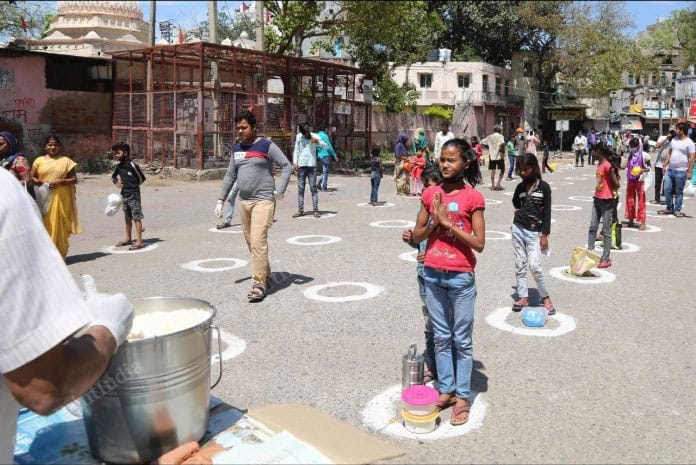
नई दिल्ली: प्रवासी मज़दूरों का दिल्ली समेत देशभर में जब पलायन शुरू हुआ तो इससे जुड़ी तस्वीरों ने सबको विचलित करके रख दिया. ऐसे में आमो-ख़ास लोग कोविड-19 जैसी महामारी के डर को दरकिनार करके इन लोगों की मदद करने सड़क पर आ गए. अब जब ये पलायन धीमा पड़ गया है, रोज़ कमा कर खाने वाले मज़दूरों की मदद में कई संस्थाएं अहम भूमिका निभा रही हैं.
ऐसा ही एक संस्था का नाम आजीविका ब्यूरो है. इसके निदेशक समूह की 41 साल की अमृता शर्मा ने कहा, ‘असली समस्या लॉकडाउन की समाप्ति के बाद शुरू होगी. इनमें रोज़ कमा के खाने वालों की बोरेज़गारी के अलावा गांव लौटे लोगों के पास अनाज की कमी बड़ी समस्याएं होंगी.’
उन्होंने दिप्रिंट से फ़ोन पर बातचीत में कहा कि शहरों से गांव पहुंचने वाले मज़दूरों को बीमारी साथ लेकर आने वाला समझा जा रहा है. चाहे तात्कालिक और भविष्य की बेरोज़गारी हो, खाने की कमी हो या इन मज़दूरों के साथ हो रहा व्यवहार हो, इनमें से किसी से निपटने को लेकर सरकार के पास कोई ठोस नीति नहीं है.
‘मज़दूरों को नहीं मिले उनके पैसे, सब बस इतना कहते हैं कि गांव पहुंचा दो’आजीविका ब्यूरो वाले प्रवासी मज़दूरों के साथ पिछले 15 सालों से काम कर रहे हैं. राजस्थान के उदयपुर स्थित ये संस्था गुजरात और महाराष्ट्र में मौजूद मज़दूरों के लिए भी काम करती है. इसे राजस्थान सरकार से मान्यता मिली हुई है.
अमृता ने कहा कि खाने की चीज़ें देने और अन्य मदद के साथ उनकी संस्था एक ‘लेबर लाइन’ चला रही है. इस लाइन पर उन्हें रोज़ 500-600 कॉल्स आते हैं. लॉकडाउन में अभी भी इन राज्यों में फंसे मज़दूर सबसे ज़्यादा ट्रांसपोर्टेशन की मांग करते हैं और कहते हैं किसी तरह उन्हें उनके गांव पहुंचा दिया जाए.
वहीं, ज़्यादातर मज़दूरों की शिकायत ये है कि अचानक से हुए लॉकडाउन की वजह से उन्हें उनके काम के पैसे नहीं मिले. अमृता ने कहा, ‘लॉकडाउन के पहले दिन से अब तक 8000 कॉल्स आई. इंडस्ट्री का गढ़ माने जाने वाले सूरत और बॉम्बे जैसे शहरों से सबसे ज़्यादा शिकायतें आई हैं.’
आजीविका सूखा राशन और पका हुआ खाना देकर आफत में फंसे मज़दूरों की मदद कर रही है. हालांकि, बातचीत में ये भी पता चला कि मज़दूरों को कई तरह की ज़्यादती का सामना करना पड़ रहा है. ऐसी ही एक घटना का उदाहरण देते हुए अमृता ने कहा कि राजस्थान के मज़दूर जब महाराष्ट्र से पैदल अपने राज्य को आ रहे थे तब उनके साथ काफ़ी ज़्यादती हुई.
अमृता ने कहा, ‘पैदल आ रहे मज़दूरों को रास्ते में पुलिस ने पीटकर कंटेनर में भरकर वापस महाराष्ट्र भेज दिया.’ उन्होंने ये भी कहा कि भारत सरकार की नीति में प्रवासी मज़दूरों तक पहुंचने का कोई रास्ता नहीं है और कोविड- 19 से जुड़े इस लॉकडाउन में ये बात साफ़ तौर पर निकलकर सामने आई है. किसी को नहीं पता की इनकी तुरंत की जरूरतें क्या हैं.
आजीविका ने बताया कि क्या करे सरकार
जानकारी देते हुए उन्होंने कहा कि उनकी संस्था अभी तक 10,000 के करीब कमागरों तक पहुंची है और उनकी समस्याओं को समझते हुए सरकार के लिए सुझाव वाला एक चार्टर बनाया है. इसमें मांग की गई है कि भटक रहे मज़दूरों के मामले केंद्र अंतरराज्यीय सामंजस्य बिठाकर इन्हें घर भेजने का काम करे.
अन्य अहम सलाहों में कहा गया है कि जो मज़दूर मज़दूरी न मिलने की शिकायत कर रहे हैं. ऐसे में इस मामले के लिए लीगल सेल की स्थापना हो, यूनिवर्सल एक्सेस टू राशन यानी जो जहां है वहीं उसके राशन की व्यवस्था की जाए. नरेगा के तहत स्थानीय स्तर पर इन लोगों के हाथ में पैसे दिए जाएं जैसी अन्य सलाहें भी दी गई हैं.
पके खाने के अलावा अपने सूखे राशन की किट में मास्क भी दे रहा स्माइल फॉउंडेशन
दिल्ली स्थित स्माइल फॉउंडेशन और गुड़गांव स्थित एम-थ्री-एम फॉउंडेशन जैसी संस्थाएं भी लॉकडाउन की वजह से असहाय हो गए इन लोगों को सूखा राशन, पका हुआ खाना और सैनिटाइज़ेशन से जुड़े सामान देने का काम कर रही हैं.
15 साल साल पुरानी संस्था स्माइल फॉउंडेशन के को-फॉउंडर शांतनु मिश्रा ने कहा, ‘हमारे ड्राइ राशन के एक किट में चार से पांच लोगों के एक परिवार के एक महीना का काम चल जाता है. इसमें दाल, चावल, आटा, साबुन, टूथपेस्ट जैसी 12 चीज़ें होती हैं. हर किट में कम से कम चार मास्क भी होते हैं.’
ये भी पता चला कि सैनिटाइज़र के मार्केट से ग़ायब होने की स्थिति में लोगों को साबुन दिया जा रहा है और भोजन जितना ही अहम हो चुकी साफ़-सफ़ाई के बारे में जागरुक करते हुए उन्हें बताया जा रहा है कि 20 सेकेंड तक हाथ धोना, मुंह ढंक कर रखना और एक-दूसरे से दूरी बनाए रखना क्यों ज़रूरी है.
संस्था टेली कॉलिंग और टेली काउंसिलिंग के जरिए भी कोरोना महामारी को लेकर जागरूकता फैलना का काम कर रही है. इनमें ये समझाने की कोशिश होती है कि बीमारी के लक्ष्ण क्या हैं और इलाज का रास्ता क्या है. उन्होंने कहा, ‘हमारा लक्ष्य 1.5 लाख़ परिवारों तक पहुंचना है. पहले लॉकडाउन में 10 राज्यों के 40 हज़ार परिवारों तक पहुंचने का प्रयास जारी है.’
Alleviating Poverty & Malnutrition
(December 2014 Issue)
(December 2014 Issue)

Smile Foundation launches a special programme for providing nutrition support for the families affected by COVID-19 lockdown.
( April 2, 2020 )
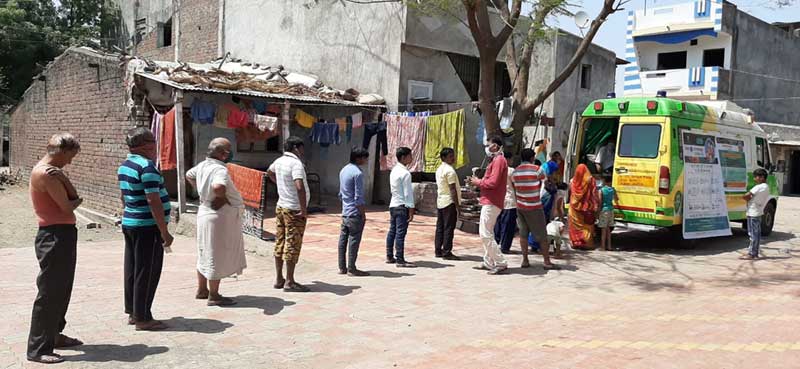
With the economic distress and ongoing lockdown, Smile Foundation is distributing free ration to the underprivileged society and also providing tele-consulting and tele-counseling. Through these sessions, Smile will be talking about how to prevent COVID-19 by practicing social distancing and maintaining the hygiene of self and surroundings.
Approximately 40,000 families (more than 2 lakh+ people) across 10 worst-hit states, namely Delhi, Haryana, Uttar Pradesh, Maharashtra, Gujarat, Karnataka, Telangana, Tamil Nadu, West Bengal and Punjab will benefit in the first phase of ration and essential services distribution.
National Sample Survey Organization (NSSO), 2011 denotes that close to 30 million workers in India are constantly on the move and more workers are added each day. With the lockdown in place, over the last few weeks dependence on daily wages has been erratic and is on a slowdown. Scores of migrant workers are looking to leave the cities as they see no hope of income or food. With Governments across the nation looking to provide food and shelter, reaching out to everyone is essential at this stage, and that needs to be done with all stakeholders including NGOs, corporates, and civil society.
“During the last 15 years we must have worked with more than 12 disasters and every time we have reached out to the ones in need. This is something far bigger than anything that has happened in the past, and our strength that is community reach has become our weakness in this scenario as being physically present on the ground is challenging. We are constantly guiding and training our health teams to deliver primary health needs to the underserved community by way of tele-counselling. Safety for one and all is our priority.” said Mr. Santanu Mishra, Co-Founder, and Executive Trustee, Smile Foundation.
Smile Foundation has developed a two-pronged strategy to mitigate this crisis and aims to reach 1,50,000 such families in phases by providing dry ration thus, securing them against goods scarcity in the wake of a possible virus outbreak and basic necessity kit as part of immediate relief for a month in the current times arising out of COVID-19. The kits include rice, dal, salt, oil, sugar, masks, sanitary pads, soap to name a few and other essentials.
Smile Foundation has now started providing online medical assistance and tele-consultation across affected areas of the country thereby providing healthcare services at home digitally and increasing awareness towards social distancing and hygiene.
Prior to the lockdown, more than 180 healthcare professionals (including doctors, paramedical staff, community health workers) were on the field every day through Smile’s mobile unit “Smile on Wheels“ to spread awareness about protection from #COVID-19 to the most vulnerable population, living in 1000 communities spread across 19 States.
Hindustan Times (14 December 2014 )

( July 28, 2020 )
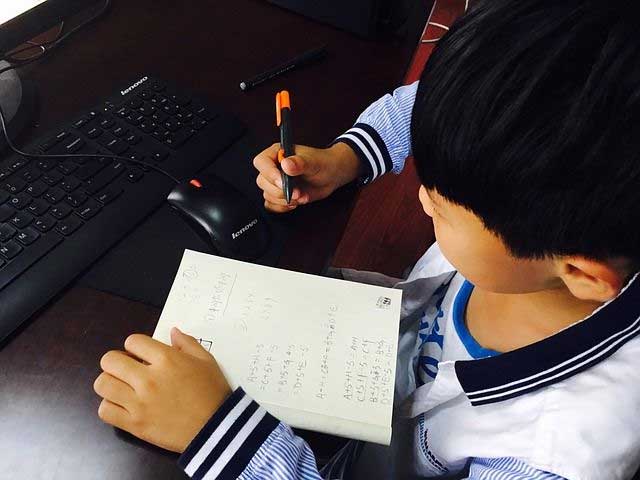
Challenges to education have been exacerbated by restrictions due to COVID-19, especially for those from poorer backgrounds or in remote areas. It has become a challenge for government, caregivers, teachers and parents to ensure in providing quality education in the pandemic.
The need for physical distancing has suddenly led to most schools resorting to online teaching, for which the country was absolutely unprepared. Several NGOs are taking care of vulnerable children who are unable to meet educational needs. These NGOs are helping them through every possible resource.
Here’s looking at some NGOs in India that are helping vulnerable children through online education:
Miracle Foundation India, along with CCI (child care institution) teams, is educating kids at child care institutes since the lockdown started. Through Miracle’s support, all the CCIs have set up computer labs with internet connection and electricity back-up. Now, they are in the process of providing tablets and smartphones to children who have returned home their families and do not have access to any technology.
Miracle Foundation is ensuring connectivity and providing data support for these children. They are educating kids with the existing staff of CCI and remote learning to cover their syllabus.
The Bangalore-based NGO focuses on imparting education to students of rural government schools in India by crowdsourcing volunteer teachers and connecting them to the schools using the power of IT. During the pandemic, the foundation is focusing on provide education through remote learning with the access of internet and electronics. E-Vidyaloka believes educating kids online will be the way forward in the future.
Magic Bus foundation equips children and young people in the age group of 12 to 18, with the skills and knowledge they need, to grow up and move out of poverty. The foundation has partnered with Classplus mobile OS for online education to poor kids enrolled in the Magic Bus Livelihood programme. Through the partnership, they will help over 2,000 youngsters across 22 states.
Smile Foundation provides education to thousands of children from Class I to Class XII running across 23 states. The foundation found that about 56% of Indian children lack smartphones. In this scenario, amidst Covid-19, they are providing possible solutions to access education.
Source: https://thecsrjournal.in/ngos-educating-children-remote-learning-india/
Deccan Chronicle (18 December 2014 )