
In this essay
- World Environment Day 2026 focuses on urgent climate action and sustainability.
- Rising temperatures, biodiversity loss and water scarcity are major global concerns.
- Reducing fossil fuel dependence and adopting renewable energy is essential.
- Ecosystem restoration, afforestation and conservation can strengthen climate resilience.
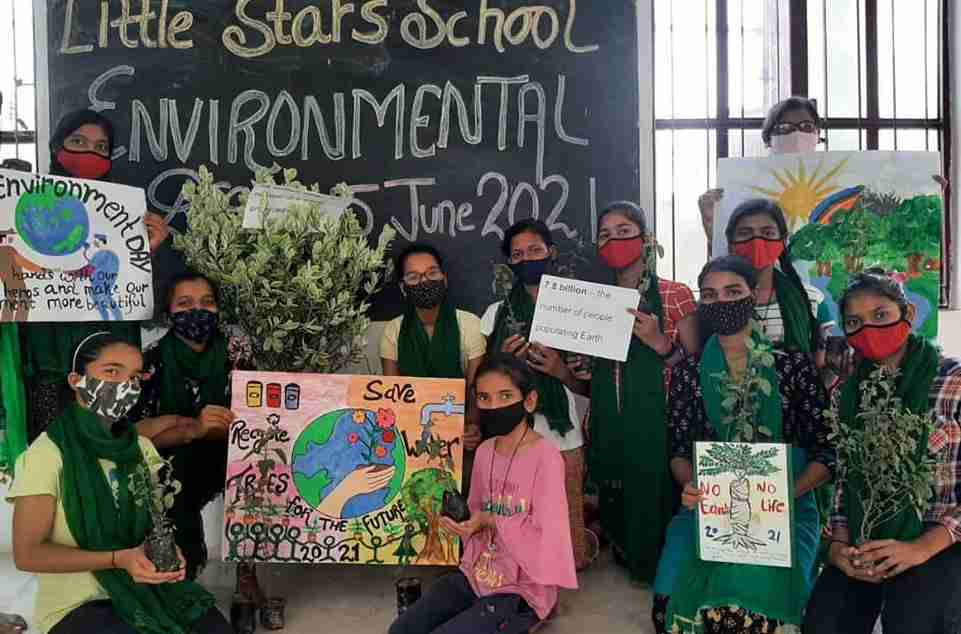
- Smile Foundation promotes tree plantation drives, green awareness and community-led environmental initiatives.
World Environment Day is an annual event held on June 5th that brings together millions of people from around the world to raise awareness and take action to protect the environment. Led by the United Nations Environment Programme (UNEP), World Environment Day has become the largest global platform for environmental outreach.
History and Present of World Environment Day
The history of World Environment Day dates back to the United Nations Conference on the Human Environment, held in Stockholm, Sweden, in 1972. At the conference, the United Nations General Assembly established the United Nations Environment Programme (UNEP) to promote environmental protection and sustainable development. The first celebration of World Environment Day took place in 1973, under the theme”Only One Earth,” and it has been held annually on 5th June since then.
Over the course of 50 years, World Environment Day has explored various themes, encompassing topics such as ‘Give Earth a Chance’ and ‘Green Cities- Plan for the Planet’. While some themes have shared similarities, none have been explicitly repeated.
Importance of This Day
Today global warming, biodiversity loss, deforestation and declining water levels are no longer distant environmental concerns. Across the world, climate change is becoming increasingly visible through rising temperatures, unpredictable weather patterns and worsening natural disasters. As the world observes World Environment Day 2026, the urgency to move beyond conversations and towards meaningful climate action has never been greater.
According to the United Nations University Institute for Environment and Human Security (UNU-EHS), 2026 is expected to witness intensifying environmental challenges including extreme heatwaves, biodiversity loss, water scarcity, urban climate vulnerability and the growing impacts of fossil fuel dependence. These challenges are not isolated environmental events; they directly affect livelihoods, economies, healthcare systems and food security across the globe.
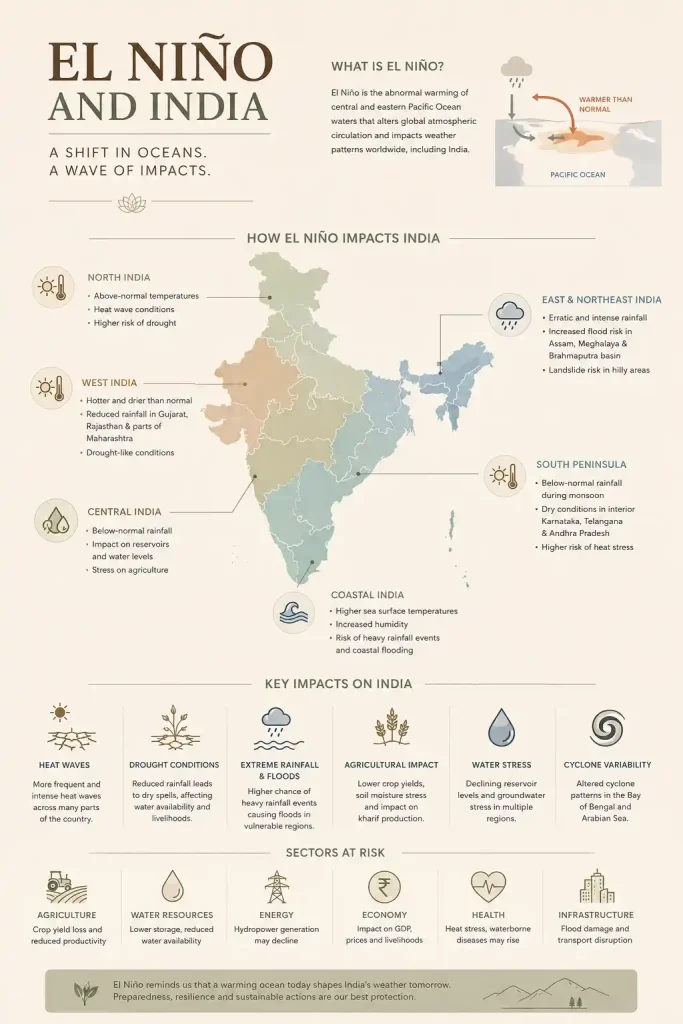
One of the most alarming climate concerns in 2026 is the rise in global temperatures. Early summers, prolonged heatwaves and record-breaking temperatures are already affecting several parts of the world. Scientists have warned that El Niño conditions are likely to intensify further, increasing the risks of droughts, wildfires and climate-related disasters. These changing climate conditions are disproportionately affecting vulnerable communities that have limited access to healthcare, clean water, sustainable livelihoods and climate-resilient infrastructure.
Environment Issues that Shouldn’t Be Ignored
At the same time, climate inaction continues to remain a major global concern. While countries and organisations have announced ambitious climate commitments over the years, implementation remains slow and inconsistent. The gap between climate pledges and measurable action continues to widen, delaying progress towards global sustainability goals. World Environment Day 2026 therefore serves as a crucial reminder that climate commitments must translate into long-term action and accountability.
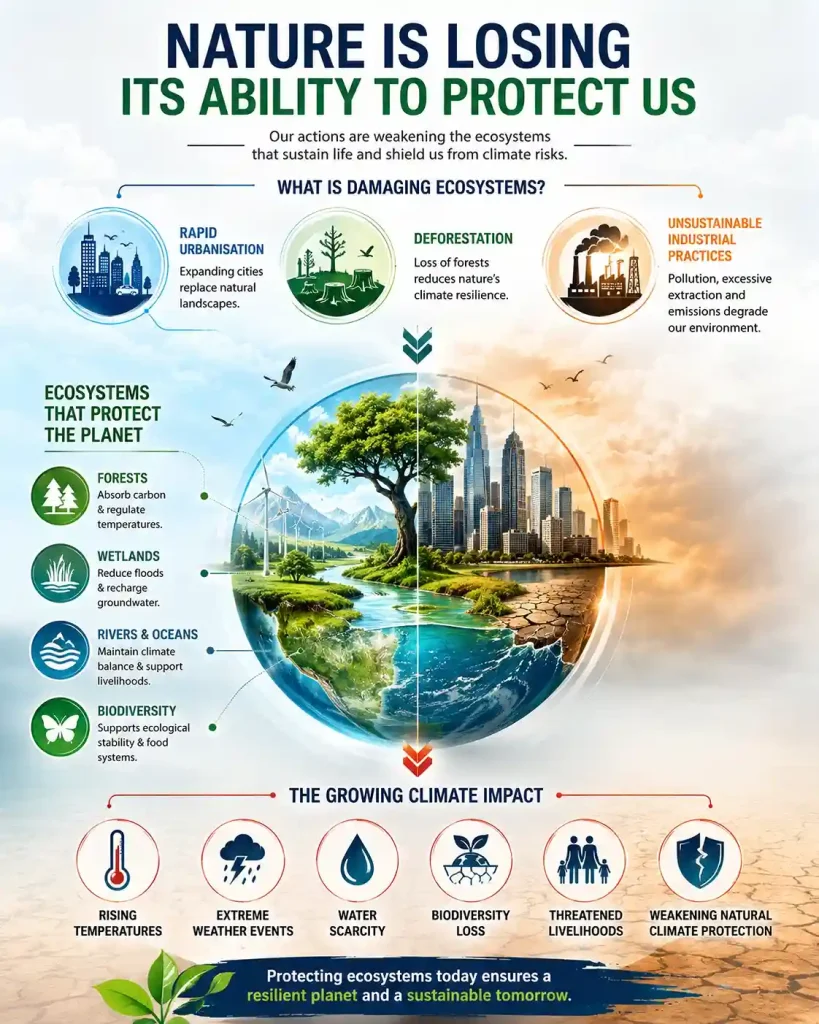
Another pressing issue highlighted in 2026 is biodiversity loss and ecosystem degradation.
Water scarcity is also emerging as one of the defining climate challenges of the decade. Declining groundwater levels, irregular rainfall and rising drought conditions are threatening agriculture, food production and public health. In many regions, communities are already facing severe water stress, making access to clean water an urgent humanitarian and environmental concern.
Urban areas too are becoming increasingly vulnerable to climate change. Rising heat stress, flooding, poor air quality and pressure on infrastructure are affecting millions of people living in cities. As urban populations continue to grow, there is a greater need for climate-resilient planning, sustainable infrastructure and green urban development.
In the face of these growing climate challenges, World Environment Day 2026 highlights the importance of collective action. Governments, businesses, civil society organisations and citizens all have a role to play in building a sustainable future.
Climate action and emissions reduction must become immediate priorities. Reducing dependence on fossil fuels and accelerating the transition towards renewable energy sources such as solar and wind power are essential for limiting greenhouse gas emissions. Organisations and industries must adopt sustainable business practices, invest in clean energy solutions and strengthen environmental accountability.
Ecosystem restoration and biodiversity conservation are equally important. Protecting forests, restoring degraded land, conserving water bodies and preserving biodiversity can help strengthen climate resilience while supporting livelihoods and environmental sustainability.
Nature-based solutions must also become central to climate strategies. Sustainable agriculture, afforestation, wetland restoration and community-led conservation initiatives can help address environmental degradation while creating long-term social and economic benefits.
Most importantly, climate resilience for vulnerable communities must remain at the centre of environmental action. Climate change impacts are not experienced equally, and marginalised communities often face the greatest risks. Investments in healthcare, sustainable livelihoods, disaster preparedness and climate-resilient infrastructure are critical for protecting vulnerable populations.
Conclusion
World Environment Day 2026 is therefore not just an environmental observance but a global call for accountability, urgency and collective responsibility. The climate crisis can no longer be addressed through isolated efforts or delayed implementation. It demands immediate and collaborative action across sectors and societies.
The future of the planet will depend on the choices made today. Whether through renewable energy adoption, responsible consumption, ecosystem restoration or community-led climate initiatives, every action towards sustainability matters.
This World Environment Day 2026, Smile Foundation encourages and reminds us that protecting the environment is no longer optional; it is essential for securing a healthier, safer and more sustainable future for generations to come.
FAQs
1. What is World Environment Day 2026?
World Environment Day 2026 is a global environmental awareness event observed on 5th June to encourage climate action, sustainability and environmental protection.
2. Why is World Environment Day important?
It raises awareness about pressing environmental challenges such as climate change, biodiversity loss, pollution and water scarcity while encouraging collective action.
3. What is the theme of World Environment Day 2026?
The day focuses on accelerating climate action, ecosystem restoration and sustainable environmental practices to build a healthier future.
4. How is climate change impacting communities in 2026?
Climate change is causing rising temperatures, heatwaves, droughts, floods, biodiversity loss and water shortages, especially affecting vulnerable communities.
5. How does Smile Foundation support environmental sustainability?
Smile Foundation conducts tree plantation drives, environmental awareness campaigns and community-based green initiatives across rural and urban areas.
6. What green activities does Smile Foundation organise?
The organisation promotes afforestation, waste management awareness, clean environment drives and sustainability education among children and communities.
7. Why is tree plantation important for climate action?
Planting trees helps absorb carbon dioxide, improve air quality, conserve biodiversity and strengthen climate resilience.
8. How can individuals contribute on World Environment Day 2026?
People can reduce plastic use, conserve water, plant trees, adopt sustainable lifestyles and participate in community environmental initiatives.