
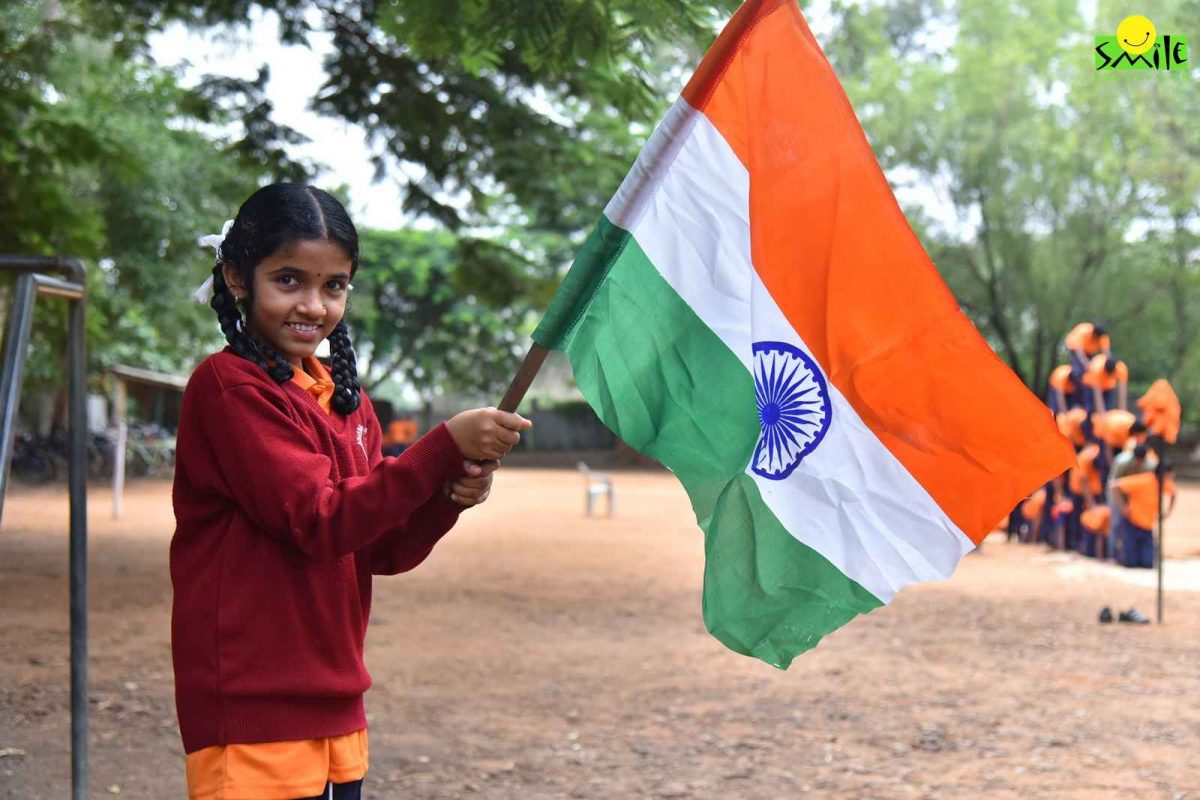
As India celebrates its 78th year of independence in 2025, millions across the nation and diaspora unite to commemorate this historic milestone. The Prime Minister hoists the tricolor at Red Fort while Chief Ministers and district officials perform similar ceremonies across states and districts respectively.
Celebrating Freedom and Remembering Sacrifice
Independence Day serves a dual purpose: celebrating our liberty while honoring the countless freedom fighters who sacrificed their lives over nearly two centuries of resistance against British colonial rule. The British Empire controlled India for approximately 200 years before finally departing in 1947.
The Rise and Fall of British Colonial Rule
Initially, the British East India Company arrived in India with commercial ambitions, seeking to establish profitable trading networks for spices, silk, tea, and cotton. India represented an attractive market rich in natural resources and commercial potential. The company aimed to dominate Indian Ocean trade routes.
Gradually, the company expanded beyond commerce into political and military control, officially ruling from 1757. Following the widespread 1857 rebellion against English rule, authority was transferred to the British Crown.
Throughout two centuries of struggle, Indian freedom fighters organized numerous resistance movements including the Quit India Movement, Swadeshi Movement, and Satyagraha. Many gave their lives as martyrs while thousands made tremendous sacrifices. This struggle persisted until India achieved freedom at midnight on August 15, with Jawaharlal Nehru becoming the first Prime Minister as British forces withdrew.
The Curious Choice of August 15
Why was August 15 specifically selected for India’s independence declaration? The answer lies in historical circumstances and personal decisions.
Facing overwhelming pressure from Indian freedom fighters, the British Parliament decided to grant India independence. They mandated Lord Louis Mountbatten, the final British Governor-General, to transfer power by June 30, 1948. According to C. Rajagopalachari, India’s first Governor-General, delaying until 1948 would have left Britain with no meaningful power to transfer.
Instead, Mountbatten moved the date forward to August 15, 1947. He initially justified this acceleration as necessary to prevent further violence and bloodshed, though riots and violence occurred regardless. He later acknowledged that bloodshed typically accompanies the end of colonial rule, calling it “the price you pay.”
A Date with Personal Significance
Mountbatten’s choice of August 15 held personal meaning – it marked the second anniversary of Japan’s surrender in World War II. As he later revealed in “Freedom at Midnight,” the date came spontaneously during questioning. When pressed about timing, he knew it needed to be soon and impulsively suggested August 15, specifically because it commemorated Japan’s surrender.
Japan’s Emperor Hirohito had announced surrender to the Allies via radio on August 15, 1945, following the atomic bombing of Hiroshima and Nagasaki.
Based on Mountbatten’s recommendation, the British Parliament introduced the Indian Independence Act on July 4, 1947, which passed within two weeks. This legislation ended British rule on August 15, 1947, and created the separate dominions of India and Pakistan.
Educational Transformation Post-Independence
Pre-independence education was severely limited, primarily serving urban elites and specific communities. Access depended on gender, caste, and religious factors. The colonial education system aimed to create clerical workers for British administration, emphasizing British standards while discouraging local languages and regional culture.
Independence brought educational revolution. Indian leaders developed curricula celebrating Indian history, culture, and freedom struggle alongside global knowledge. Regional languages gained prominence, reflecting India’s linguistic diversity. Education became universally accessible regardless of gender, caste, or religion.
The government mandated education for all children up to a certain age, with reserved seats ensuring marginalized communities’ participation. Educational institutions expanded nationwide without geographical barriers. The focus shifted from rote memorization to holistic development, promoting critical thinking and creativity. Vocational education and skill development programs emerged to enhance employability and economic growth.
Economic and Livelihood Revolution
The transformation in Indian livelihoods over 78 years has been remarkable. Pre-independence, most people depended on agriculture or hereditary occupations, lacking access to formal or vocational education. Limited industrialization existed, with the economy serving British interests rather than Indian development. Landlords and zamindars exploited farmers while workers faced poor wages and long hours without labor rights.
Post-independence India evolved into a diversified economy with multiple sectors and industries. Rising GDP improved household incomes and living standards. Industrial growth created employment opportunities while education and skill development fostered innovation and modernization across all sectors, including agriculture.
Labor rights implementation prevented worker exploitation and ensured fair wages. Economic reforms promoted growth, attracted foreign investment, and strengthened domestic businesses. Government welfare programs enhanced quality of life for citizens.
Modern Freedom: Beyond Political Independence
For today’s children, especially those supported by organizations like Smile Foundation, freedom extends beyond political definitions. It encompasses educational access – the joy of literacy and knowledge as pathways from poverty. It means health and safety, growing up free from preventable diseases and malnutrition.
Freedom includes the power to dream ambitiously. Children now envision careers as doctors, engineers, teachers, and leaders – possibilities their parents could barely imagine. These aspirations, fueled by daily support and care, represent hope for India’s future.
As we celebrate Independence Day 2025, we honor both our nation’s hard-won freedom and the individual freedoms today’s children are experiencing. These personal liberties form the foundation for their futures and contribute to building a more equitable society. Ensuring children not only understand freedom but live it daily remains our ongoing mission. Their growth and potential to contribute to a better India represents a victory worthy of continuous celebration.