Summary:
- A study estimated that limited education for girls costs countries between US$15 trillion and US$30 trillion in lost lifetime productivity and earnings.
- Almost all the benefits of educating girls arrive with secondary education which many girls from lower-income communities cannot afford to receive.
- India’s numbers are genuinely moving in the right direction, but enrolment is not the same as staying enrolled.
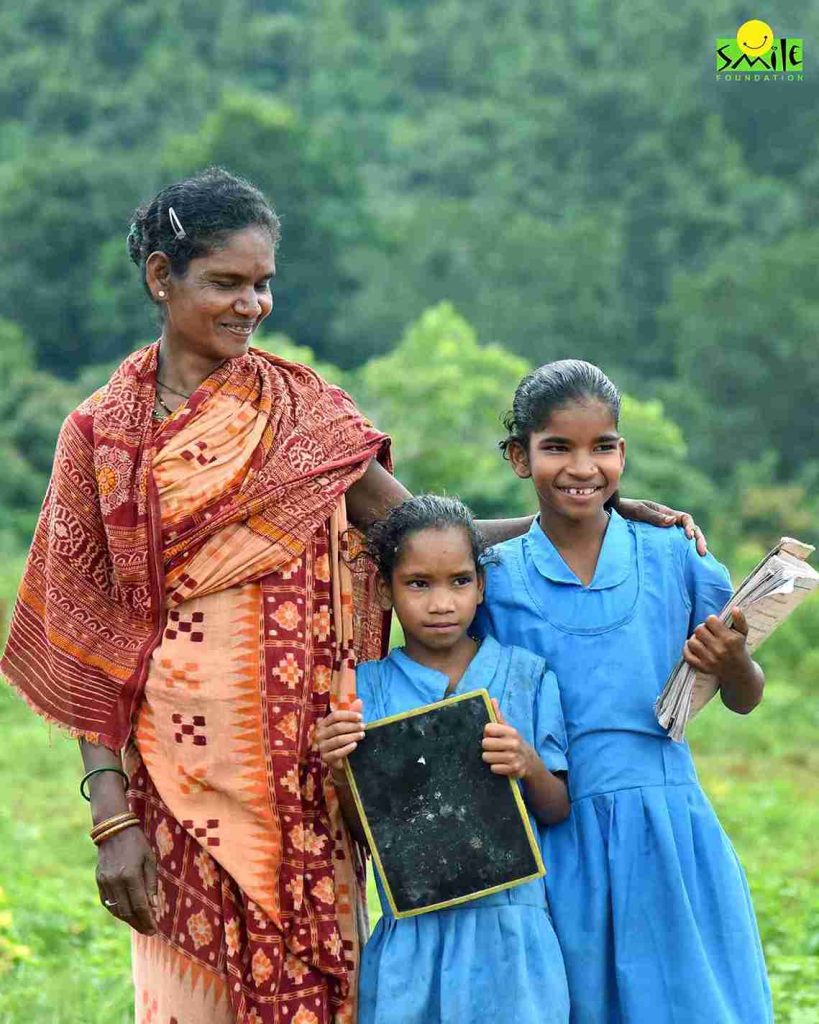
Naina Kumari is one of five sisters. In the village where she grew up, that sentence alone was considered a misfortune. Neighbours told her parents what they told most parents of daughters: marry them off early, a girl’s worth is her marriage. Her parents heard it constantly but they chose differently. There were days they skipped their own meals so the girls could eat and stay in school.
Without any grand gesture or a turning point, the family absorbed the cost of an unpopular decision, year after year, in a place where everyone around them had made the opposite one.
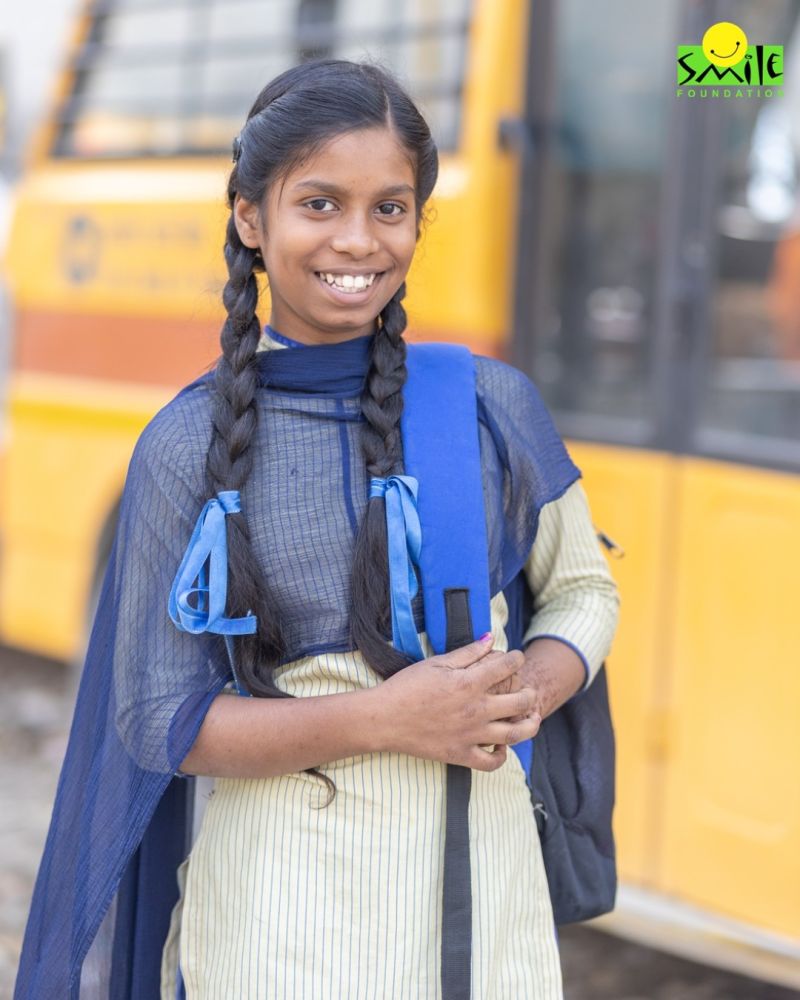
What did that decision buy? Not just for Naina, but for everyone downstream of her. When a girl finishes school, the benefits don’t stop with her. They compound outward for a generation.
More Than a Girl’s Own Story
We tend to frame girls’ education as a matter of fairness. It is one. But fairness arguments let people treat it as optional, a nice thing to support when budgets allow. The economics tell a harder story.
World Bank researchers, studying more than 100 countries, put a number on what happens when girls don’t finish school: between US$15 trillion and US$30 trillion in lost lifetime productivity and earnings globally.
And buried in that same research is a finding that should change how we think about the goal. Primary school barely moves the needle. Women with only a primary education earn just 14%-19% more than women with no schooling at all. Women who complete secondary education earn nearly twice as much. The gains from educating a girl are real, but they arrive late, in Classes 9 to 12. Which is precisely where most girls in poor households drop out.
Getting a girl into Class 1 was the last generation’s fight. Keeping her through Class 12 is this one’s.
What the Research Says Actually Changes
The evidence on educating girls is unusually consistent across countries. When a girl completes secondary school, several things shift at once, and most of them have nothing to do with her report card.
Her children are more likely to survive, and to grow. Children of mothers with secondary education face sharply lower risks in their earliest years. The World Bank analysis found that universal secondary education for mothers could cut under-five deaths by about a fifth and childhood stunting by more than a third, in the developing countries studied. A girl’s school years, in other words, show up a decade later in the height and health of children who haven’t been born yet.

Child marriage collapses. Each additional year of secondary school reduces a girl’s risk of marrying before 18 by roughly six percentage points. Across fifteen developing countries studied, only 2.4% of girls aged 15 to 19 were married and still in school. School and child marriage barely coexist: a girl in a classroom is, overwhelmingly, a girl who is not a child bride. Universal secondary education could virtually eliminate child marriage.
The family ledger changes, and so does a woman’s standing within her own household. A woman with secondary education is more likely to work and earns close to double what she would have without schooling. Research tracking girls’ education reforms in India found a real protective effect: women who received more schooling as girls faced lower rates of domestic violence later in adulthood. In a patriarchal society, that matters beyond the household budget. Education itself, sustained through the secondary years, is one of the few levers shown to actually shift a woman’s position within her marriage and her home.
Fertility falls, by choice. Universal secondary education could reduce total fertility by about a third, partly through education itself, partly through the near elimination of child marriage that comes with it. Smaller families started later with healthier children. This is the pattern that has preceded nearly every major fall in poverty anywhere in the world.
There is a simpler way to say all of this. The more a mother gets to enjoy her own motherhood, rather than survive it, the more a child gets to enjoy their own childhood, rather than grow up too fast alongside her.
And the effect repeats. An educated mother is far more likely to send her own children, daughters included, to school, and to keep them there. This is the arithmetic of it all: educate one girl, and you have very likely educated her children too. It’s the same intergenerational cycle we’ve written about before, running in reverse.
None of these outcomes was purchased separately. They came bundled with the same investment: a girl, in a classroom, staying there.
What This Looks Like in India Right Now
Girls’ gross enrolment at the secondary level reached 80.2% in 2024 to 25, up from around 75.5% a decade earlier. Female enrolment in higher education rose 38% between 2014 to 15 and 2022 to 23. Women now make up 43% of India’s STEM enrolments, among the highest shares in the world.
That progress is real, and it belongs to families like Naina’s more than to any single policy.
Where Smile Foundation Fits In
This is the logic behind Smile Foundation’s work on educating girls. Through Mission Education and its girl focused initiative She Can Fly, the organisation works on:
- Remedial support so a girl who falls behind doesn’t drop out
- Engage with parents reinforcing staying in schools against an early marriage
Naina’s family made that decision alone, against their neighbours’ advice, at the cost of their own meals. The work is making sure the next family doesn’t have to make it alone.
The Long Arc of Educating Girls
The research on educating girls can feel almost too tidy, every arrow pointing the same direction. But it holds because a girl who completes school stands somewhere different when every later decision arrives. Whom to marry, and when. When to have children, and how many. What to accept, what to refuse, what to insist on for her own daughter.
Frequently Asked Questions (FAQs)
- Why is educating girls considered important for whole communities, not just the girls themselves?
The benefits of educating girls extend well beyond her: her future children are more likely to survive and be well nourished, household incomes rise, child marriage declines and her own children are more likely to be educated. These are effects that compound across a community over a generation.
- What is the economic cost of not educating girls?
A World Bank study estimated that limited educational opportunities for girls cost countries between US$15 trillion and US$30 trillion in lost lifetime productivity and earnings globally.
- Is primary education enough?
Women with only primary schooling earn just 14 to 19% more than women with no education, while women with secondary education earn nearly twice as much. Most measurable benefits, on earnings, child marriage, health and fertility, arrive with secondary education.
- How does girls’ education affect child marriage?
Each additional year of secondary education reduces the risk of marrying before 18 by around six percentage points, and researchers estimate universal secondary education could virtually eliminate child marriage. In the countries studied, only 2.4% of girls aged 15 to 19 were both married and in school.
- How does a mother’s education affect her children’s health?
Universal secondary education for mothers could reduce under five mortality by about a fifth and childhood stunting by more than a third in the developing countries studied, because educated mothers marry later, give birth later, and are better placed to access care and nutrition.
- How is India doing on girls’ education?
Enrolment is improving: girls’ secondary level gross enrolment reached 80.2% in 2024 to 25, female higher education enrolment rose 38% over the past decade, and women now form 43% of STEM enrolments. Completion remains the challenge, particularly for rural girls at the secondary level.
- Does educating girls reduce domestic violence?
Research tracking girls’ education reforms in India found that women who received more years of schooling faced lower rates of domestic violence later in adulthood. Researchers caution that economic independence alone does not guarantee safety, but sustained education through the secondary years is one of the more consistent protective factors identified in the literature.
- How does Smile Foundation support girls’ education?
Through Mission Education and its She Can Fly initiative, Smile Foundation focuses on retention: remedial learning support, engagement with parents, and sustained follow up, so that girls who enrol in school are able to stay and complete it.
Sources
- Wodon, Q., Montenegro, C., Nguyen, H., and Onagoruwa, A., “Missed Opportunities: The High Cost of Not Educating Girls,” World Bank, 2018
- Agarwal, N. et al., “How Investing in Girls’ Education Can Reduce Domestic Violence in India,” Ideas for India, 2024
- UDISE+ 2024 to 25 data via Press Information Bureau, Government of India, National Girl Child Day backgrounder, January 2026
- All India Survey on Higher Education (AISHE), 2014 to 15 to 2022 to 23
- Smile Foundation: “Why Children Dropout Even When Schools Are Free”
- Smile Foundation, Stories of Change (Naina Kumari’s account)