Categories
Smile

Building Sustainability into NGO Initiatives

It is said that innovation and invention are the children of necessity. But how often have we noticed that inventions always give birth to new challenges in the ever-evolving landscape? Non-Governmental Organisations (NGOs) work hand-in-hand with the government in tackling the issues, be they economic, environmental, or social. Their role becomes vital since, most of the time, they come up with a solution or another in resolving the issues.

One can certainly not question their effectiveness, and many times they end up making visible short-term impacts. The actual struggle for NGOs is ensuring long-term impact and resilience. No longer building sustainability into NGO initiatives is a choice. In recent times, it has become an essential and fundamental necessity to create enduring positive changes in society.

Understanding sustainability

According to the Cambridge dictionary, sustainability is the quality of being able to continue over a period of time. In detail, it is the ability to meet present needs without compromising the ability of future generations to meet their own needs independently. In simple terms, it is nothing but the ability to maintain a process continuously in the long run without compromising on natural or physical resources.

To build sustainability, one needs to encompass a wide set of concepts and practices. These practices should aim at both maintaining and improving the health and stability of the environment, economy, and society in the long run. It is usually explained with the concept of Triple Bottom Line (TBL), which encompasses three core dimensions – environmental (planet), social (people), and economic (revenue) sustainability. 

To build environmental sustainability, one needs to ensure that natural resources are used in such a way that they can be replenished and support both the ecosystem and human needs. Individuals need to ensure that people have access to basic needs and opportunities to attain social sustainability. The third and important thing to remember is building economic sustainability by developing economic systems that provide prosperity even while ensuring endurable stability and resilience. One needs to be cautious enough not to deplete resources or create disparities in communities while trying to attain economic growth.

The goal is to achieve a balance where each of these three dimensions is addressed harmoniously, leading to overall sustainable development. Only then can one ensure long-term visibility in the projects that they take up and also protect the environment, ensure economic stability, and promote equality in society. Only by ensuring sustainability can one keep the project alive in the long run.

Sustainable Development Goals (SDGs)

In 2015, the United Nations set a set of 17 global objectives as the sustainable development goals as a part of its 2040 agenda for sustainable development. Following the visible success of the Millennium Development Goals (MDGs), including improving global health and reducing extreme poverty, the UN developed the SDGs both to address MDG shortcomings and to include broader integrated goals. These goals were aimed at addressing a broad spectrum of complex global issues. It is designed in such a way to guide international efforts to create an equitable, sustainable, and resilient world for all.

The SDGs provide a clear and actionable framework for governments, individuals, and organisations to follow while trying to tackle one of the global issues. The SDGs offer targets and indicators to measure progress, ensuring accountability apart from providing a roadmap for implementation. Some of the SDGs are no poverty, zero hunger, quality education, gender equality, affordable and clean energy, reducing inequality, and good health and well-being.

Strategies for building sustainability

Now that we know what sustainability is and how important it is to integrate sustainability into projects, we should also figure out how to integrate sustainability. There are a few key strategies for integrating sustainability in all the projects that NGOs take up so as to ensure that they remain alive for a long time.

Goal setting

NGOs should do a detailed field study that covers multiple aspects before attempting to find a solution for one of the existing issues. It is always wiser to use the local language of the community not just to get acquittal with the people but also to understand their requirements clearly. Setting measurable and achievable goals is important. But understanding the pressing demand of the community before setting goals is even more important. Only then will the goal remain sustainable. It is always better if the goals are set in collaboration with the people from the community. Making use of the local resources and local language has become a must while taking up initiatives.

Strategic planning

To achieve those goals, strategic and detailed planning is a must. NGOs should also consider cultural, social, religious, and gender aspects of the community while making plans. Without a proper plan and attainable goal, the project might either have no kick-off or become fragile. Organisations can use various frameworks, including the Sustainable Development Goals (SDGs) of the United Nations, to guide their moves and broaden their knowledge on issues.

Community engagement

For an initiative to be effective, relevant, and long-lasting, it should need at least minimum support and involvement from the community. Only by engaging with people, a volunteer organisation can gain insight into the specific needs, priorities, and cultural contexts of that particular community. It will come in handy in the long run to tailor the initiatives based on their requirements. Thereby, it reduces the risk of being irrelevant or ineffective. When people are actively involved in the planning and implementation of initiatives, they tend to feel a sense of ownership and responsibility. It in turn helps in integrating sustainability into projects. Not just that, community engagement will also strengthen the trust between the organisation and the community, facilitate adaptation and resilience, provide accountability and transparency, and promote inclusivity and equity.

Partnerships and collaborations

Collaborating with government, businesses, or other organisations is equally important, mainly because of their ability to enhance effectiveness, amplify the reach and impact, and leverage resources. At times, it will also help us gain additional funding sources in terms of grants, donations, or even investments. Roping in different partners into an initiative means bringing in diversified experts and skills. For instance, by collaborating with a tech company, an NGO can get access to innovative and modernised equipment. Collaborative environments will not just let you share resources, including manpower and infrastructure, but also help you to generate creative solutions to complex problems.

Monitoring and evaluation

Continuous monitoring and evaluating the implementation of the projects are basic to integrating sustainability. Not just that, they also need to assess the outcomes and impact on the community. For which, NGOs should develop robust systems to track progress, measure outcomes, and even identify areas for improvement. With the help of the obtained data, the NGOs can tune their strategies to address emerging challenges even as they ensure that initiatives are relevant and effective.

Integrating sustainability into NGOs initiatives is one of the best ways to create long-lasting impact in the community. So, no longer it is an option for the organisations to dwell upon the idea of building sustainability. It has become the basic necessity to achieve meaningful impact. The notion to address immediate needs and to contribute to long-term positive change should begin from the beginning. For which, strategies to build sustainability should be incorporated right from the planning stage. As NGOs continue to tackle the world’s most pressing challenges, a commitment to sustainability will be essential in driving effective, thriving and transformative solutions.

What about Smile Foundation integrating SDGs into its work areas?

The areas that Smile Foundation works on align closely with several Sustainable Development Goals (SDGs) set by the United Nations. Here’s how each area contributes to specific SDGs:

Education

SDG 4: Quality Education

Smile Foundation’s focus on providing quality education to children from low-income families directly supports this goal. By ensuring inclusive and equitable education, the foundation is helping to promote lifelong learning opportunities for all through its Mission Education programme.

Health

SDG 3: Good Health and Well-Being

The healthcare services provided by Smile Foundation align with this goal, which aims to ensure healthy lives and promote well-being for people of all ages. Our health initiatives like Smile on Wheels, telemedicine, dental care, health camps etc. contribute to reducing mortality rates, improving maternal and child health, and combating diseases.

Women Empowerment

SDG 5: Gender Equality

Our women empowerment programme Swabhiman are in line with SDG 5, which seeks to achieve gender equality and empower all women and girls. By promoting equal opportunities and financial independence for women, Smile Foundation supports this goal.

Skilling (STeP: Smile Twin e-Learning Programme)

SDG 8: Decent Work and Economic Growth

The skilling and livelihood programe STeP contributes to this goal by promoting sustained, inclusive, and sustainable economic growth, full and productive employment, and decent work for all. By equipping youth with vocational skills, Smile Foundation is helping to reduce youth unemployment and foster economic opportunities.

These areas collectively support a broader agenda of sustainable development, ensuring that low-income communities have the resources, opportunities, and support they need to thrive.

Categories
Women Empowerment

More Working Women, Companies Improve Gender Diversity

Every morning, Sundari Ammal gets up at 5am, cooks for her daughters, drops them off at school and then takes a share auto to a garment factory nearby. The money she earns every month is not fancy but enough to keep her daughters in school and meet the basic needs of her family. 

As the manufacturing sector grows in India, companies are now looking to hire more women on shop floors that were once dominated by men. 

Changing face of the workforce: More women in manufacturing sector

According to a Economic Times report, a recent Quess Corp survey has revealed that women constitute approximately 20% of the manufacturing workforce in India, with around 80% representation in electronics manufacturing. 

Another Randstad report shows that there is a growing demand for women in traditionally male-dominated sectors like manufacturing. According to it, apart from Bengaluru and Mumbai, cities such as Chennai, Hyderabad and Pune are emerging as key locations for hiring women employees. 

Feminisation of the workforce

Why are more women entering the manufacturing sector?  “Feminisation of the workforce in the textile sector began more than a decade ago. There was a demand for more women as they are considered docile, are trained to follow instructions, and will not unionise,” says Meera Sundararajan, team leader, Gender and Policy Lab, Greater Chennai Corporation. “In fact, diversity and inclusion actually makes business sense as women are sincere, come on time, and there is less absenteeism.”

Manufacturing jobs move from China to India

As a New York Times report pointed out, international brands are trying to limit their dependence on China by shifting some manufacturing work to India. This means that more manufacturing jobs are generated, especially for women who have largely been excluded from the ranks of formal employment.

Less women in paid jobs

Yet in India, less than 33% of women are engaged in paid work in jobs. According to the World Bank’s Gender Data Portal, India was 165th out of 187 countries in terms of female labour force participation rate (LFPR) in 2023.  The country’s female LFPR was only 32.7%.

The challenges to put women in manufacturing sector and beyond

The demands of physical labour, safety concerns, fear of sexual harassment are limiting factors where women are concerned. There is also the issue of “time poverty”. Since women are expected to take care of all the household chores, and care for children and elders, many are unable to step out of the house and go to work.

“The dropout rate is high. But if the employers were to provide childcare facilities, at least in smaller towns where workers live in clusters, it would make a huge difference,” says Sundararajan.

R Geetha, president, National Federation of Unorganised and Migrant Workers, says, “In many manufacturing units, women are employed, most of them unmarried, inter-district migrants. They stay in hostels and are made to work for over eight hours. In Tirupur, women in the textile sector are made to work for 12 hrs and more a day.” 

Technology ushers in change

But with technological advances, more companies are looking at hiring women, especially when dexterity is an integral part of the production process.

“An electronics company in Hosur employed a huge number of women for watch assembly as women have nimble fingers,” says Sundararajan. “The work was outsourced, and many self-help groups benefited.”

Government initiatives to boost women’s participation in the workforce

The government has been making efforts to encourage participation of women in the workforce. While presenting the Union Budget 2024-25, finance minister Nirmala Sitharaman said that more than ₹3 lakh crore has been allotted for schemes directed towards women and girls and fostering women-led development.  To foster the participation of women in the workforce, the government will collaborate with industry to establish working women hostels and creche-facilities, she added.

The Finance Minister also allocated ₹500 crore for Namo Drone Didi, an  initiative that aims to provide 15,000 selected women self-help groups (SHGs) with drones from 2023-24 to 2025-2026 for rental services to farmers.

The government has also increased budget allocation for schemes under Mission Shakti (Mission for Protection and Empowerment for Women ) from ₹2,325 crore to ₹3,146 crore. It includes schemes like Beti Bachao Beti Padhao, Nari Adalat, Mahila Police, etc.

Smile Foundation has also been working for women empowerment and to increase the participation of women in the workforce. We have adopted a lifecycle approach, supporting child education, family health, livelihood, and women empowerment. This is because ensuring the education of children cannot be done in isolation.

Companies follow suit

According to an article on SHRM, a member-driven catalyst for creating better workplaces where people and businesses thrive together, a few companies have been working to increase gender-diversity in the workforce. They have been seeing to it that some of their assembly lines are run only by women. For instance, at Elgi Equipments, a maker of air compressors, three of the assembly lines in Coimbatore are now being run by women.

Empower women, empower the nation  

The promotion of gender equality and women empowerment is a key aspect of UNDP’s Sustainable Development Goals. It is believed that a community, society, and country prosper when women are empowered. 

Smile Foundation’s women empowerment programme, Swabhiman, which was launched in 2005, reaches out to marginalised and socially excluded women with interventions in nutrition, healthcare and livelihood. 

We also provide entrepreneurship and skill development training to women from urban slums and rural areas with limited means owning low scale businesses. This gives them access to opportunities for economic empowerment, independence, and leadership.

More women in manufacturing sector and the workforce at large with pay equalling men is the near future we should all look forward to. The future is everyone, only when females forefront it.

Categories
Health

How Travelling Doctors are Changing the Health Status of India?

India’s healthcare system, with its vast and varied landscape, faces significant challenges in delivering quality medical services to its 1.4 billion inhabitants. Despite various progressive initiatives, the country still struggles with inadequate infrastructure, a shortage of healthcare professionals and urban-rural disparities. 

In such a context, travelling doctors offer a promising solution. These healthcare professionals equipped with their mobile medical units (MMUs) provide essential healthcare services directly to remote and underserved communities, bridging gaps in accessibility and delivering specialised services where they are most needed.

Why are travelling doctors necessary?

The Indian healthcare system, encompassing both public and private sectors, offers a broad range of services. Government initiatives like the National Health Mission enhance the availability of medical equipment and supplies while also encouraging community involvement and participation in healthcare decision-making and service delivery. The Ayushman Bharat scheme provides health insurance coverage per family for hospitalisation. 

Despite these improvements, the system encounters major obstacles such as insufficient infrastructure, a lack of healthcare professionals, disparities between urban and rural areas, limited insurance coverage and inadequate public funding. Fragmented healthcare services and poor transportation further exacerbate these issues. To address these challenges and improve service delivery, more robust healthcare delivery methods are needed. Evidence shows Outreach health practitioners and MMUs can offer a viable solution in areas with inadequate local healthcare.

How Travelling Doctors Impact the Health Scenario of India?

Enhancing Accessibility

Rural areas, home to 69% of the population, have only 26% of hospital beds and a third of healthcare professionals. With over 65% of rural Indians lacking access to essential medicines and many forced to travel over 30 kilometers for primary healthcare, the disparity is stark. 

The challenges of uneven terrain, infrequent transportation and financial constraints further limit access to basic health services, often driving individuals to seek care from the unorganised, informal and expensive private healthcare sector. By offering both primary health services and specialised treatments right at the doorstep, mobile healthcare delivery is transforming healthcare accessibility in rural India. 

Improving Affordability

Travelling to a healthcare facility often means taking time off work resulting in a loss of daily wages. This financial burden compounded by the potential out-of-pocket expenses for medical treatment, can be catastrophic for those with limited resources. As a result, many choose to forgo medical care altogether, leading to worsened health outcomes and a vicious cycle of poverty and illness. 

Travelling doctors are breaking these barriers by bringing healthcare directly to economically and geographically disadvantaged communities. These units eliminate the need for arduous travel, providing high-quality, low-cost care at the doorstep.

Strengthening Public Health System

Preventive care is essential for reducing disease burden and traveling doctors can play a key role in this. MMUs help deliver vaccines to remote areas, preventing outbreaks and engaging in health education, enhancing hygiene, nutrition and disease prevention to improve overall health.

Outreach doctors and mobile health units help enhance public health systems by providing services where government facilities are limited. They improve the reach and effectiveness of health programmes, especially in maternal and child health, thereby supporting underserved communities and strengthening overall healthcare delivery.

Travelling Doctors vs. Telemedicine: Can One Replace the Other?

Telemedicine offers a cost-effective and sustainable way to deliver healthcare, especially in urban areas with good connectivity. However, in rural areas, it faces significant limitations like poor networks and slow response times. In India, patients are accustomed to physically visiting the hospital and consulting with the doctor directly for their treatment needs. Thus, the unavailability of doctors for real-time consultation might lead to patient frustration. In addition, even a minor communication error during a telemedicine session could have serious consequences.

Moreover, people from lower socioeconomic backgrounds may lack access to smartphones or struggle with digital literacy, reducing the effectiveness of telemedicine. On the other hand, traveling doctors address these challenges by providing direct, in-person care, building trust and ensuring accurate diagnosis and treatment. Therefore, while telemedicine has its merits, travelling doctors are often a more practical and effective solution in rural and underserved regions. 

Smile On Wheels: Delivering Healthcare to the Last Mile

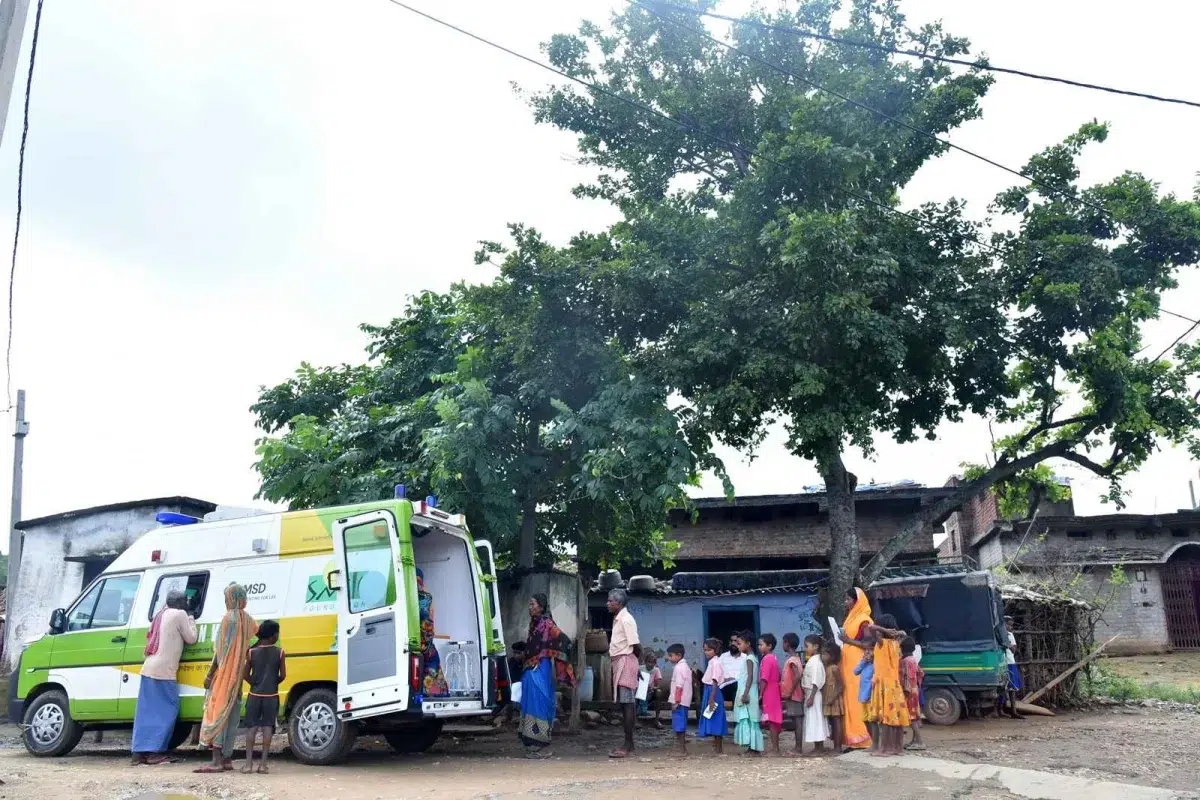
Smile Foundation’s Health Cannot Wait initiative is bringing healthcare directly to those who need it most. Our Smile on Wheels programme uses mobile healthcare units to reach underserved and remote areas, where accessibility is limited. These mobile clinics equipped with medical facilities and staffed by healthcare professionals, deliver essential services like check-ups, vaccinations and health education right to people’s thresholds. By offering both preventive and curative care in these hard-to-reach areas, Smile on Wheels helps bridge healthcare gaps, encourages health-seeking behaviour and ultimately improves overall well-being among very low-income populations.

Identifying the Barriers 

Despite their benefits, outreach doctors and MMUs face several challenges. Limited resources and funding can affect their sustainability and effectiveness. Ensuring that mobile units are well-equipped and adequately staffed requires significant investment. Additionally, logistical issues such as maintaining the functionality of vehicles and managing supplies in remote areas can be challenging. There are also cultural and communication barriers that can affect the acceptance and effectiveness of mobile health services. Addressing these shortcomings is fundamental to maximising the impact of travelling doctors.

Way Forward

In a developing country like India, with vast geospatial diversity, utilising innovative methods of healthcare delivery is integral. Travelling doctors providing medical services on wheels represents a significant advancement in addressing India’s healthcare challenges, particularly in rural and underserved areas. 

While challenges remain, a focused effort to strengthen and expand mobile healthcare services can lead to a more equitable and effective healthcare system. Training local health workers to operate and manage MMUs can enhance their effectiveness and acceptance in communities. In addition, collaboration between the government and non-governmental organisations can help improve logistical coordination and further optimise mobile healthcare delivery, ensuring that all Indians, regardless of their location, have access to the care they need.

Categories
Partners In Change

Atmanirbhar Bharat: Making Community-based Organisations self-reliable

India, with its vast and diverse population, faces significant socio-economic challenges, including extreme poverty affecting 34.4 million people. Many struggle with limited access to education, healthcare and livelihood opportunities. In this context, community-based organisations (CBOs) become indispensable allies. They operate at the grassroots level, bridging gaps and empowering marginalised communities to build self-sufficient and sustainable progress. 

Atmanirbhar Bharat envisions strengthening these grassroots efforts to help advance local development. This article explores how CBOs, supported by organisations like the Smile Foundation, can become self-reliable agents of change in the pursuit of a self-sufficient India.

Understanding Atmanirbhar Bharat

Atmanirbhar Bharat, translated as “Self-Reliant India”, is an ambitious initiative launched by the government of India to transform India into a self-sufficient and resilient nation. Announced on May 12, 2020, this vision emphasises the need for economic self-reliance and local empowerment. Atmanirbhar Bharat is a comprehensive strategy aimed at enhancing India’s self-sufficiency across various sectors. 

The initiative revolves around five key pillars: Economy, Infrastructure, System, Vibrant Demography and Demand. These pillars are designed to build a robust economic framework, enhance infrastructure, streamline systems, leverage India’s demographic advantage and stimulate domestic demand. The core objective is to reduce dependency on imports and bolster domestic production, which in turn will boost economic growth.

By supporting small and medium enterprises, investing in infrastructure, and fostering skill development, Atmanirbhar Bharat aims to build a robust, self-sustaining economy and ensure viable, equitable growth for all communities. For community-based organisations, this vision provides an opportunity to align their efforts with national goals. By focusing on local empowerment and resourcefulness, these organisations can contribute significantly to achieving the broader objectives of Atmanirbhar Bharat.

Role of Community-based Organisations in Atmanirbhar Bharat

Community-based organisations (CBOs) are grassroots entities that operate at the local level to address specific needs and challenges within their neighborhoods, facilitating engagement and collaboration. They ensure that government welfare programmes and policies effectively reach the most underserved communities. They work to improve quality of life by providing resources, support and advocacy tailored to their community’s unique context. These organisations, often founded and run by local visionaries, possess an innate understanding of community needs. 

Community-based Organisations support Atmanirbhar Bharat by

  • Empowering Local Communities: Through various initiatives, CBOs enhance local capacities and skills, enabling communities to become independent and economically stable.
  • Promoting Indigenous Solutions: They offer tailored solutions that address the unique needs of their communities, thereby reducing dependency on external resources.
  • Driving Economic Development: By supporting local businesses and entrepreneurship, CBOs stimulate economic activity and create job opportunities.

However, despite their crucial role, community-based organisations often face significant challenges, such as,

  • Funding Constraints: Many CBOs struggle with securing consistent and adequate funding, which hampers their ability to expand and maintain their programmes.
  • Capacity Building: Limited resources and expertise can hinder the ability of CBOs to build their organisational capacity and implement effective solutions.
  • Bureaucratic Hurdles: Navigating complex regulatory environments and bureaucratic processes can be challenging for grassroots organizations.

How does Smile Foundation play its part for community-based organisations?

Smile Foundation, rooted in the ethos of social justice and inclusivity, champions the cause of Atmanirbhar Bharat through its unwavering support to community-based organisations. Our approach goes beyond providing financial aid and includes skill development, mentorship and advocacy to equip these organisations with the tools they need to succeed independently.

By cultivating autonomy among CBOs, we catalyse positive change at the grassroots level. At the core of this movement lies the belief that local solutions yield lasting results. By leveraging indigenous knowledge and solidarity among community members, these local organisations drive significant change, tackling deep-rooted inequalities and promoting inclusive growth.

Empowering Grassroots

Empowering Grassroots, a programme by Smile Foundation, supports the Government of India’s Atmanirbhar Bharat initiative. This programme helps grassroots social entrepreneurs become self-sustaining and less reliant on external resources. It enhances the efficiency of their welfare operations and encourages the use of local resources. We assists CBOs in two main ways:

1. Matching Grants: We provide critical investments to support the sustainability of social initiatives and encourages local fundraising.

2. Support and Capacity Building: We enhance CBOs’ organisational planning and local fundraising capabilities through effective communication, monitoring and reporting systems. Training covers areas such as good governance, leadership, project management, communication, local action and resource mobilisation.

Unlike traditional grant-making, this approach builds partner capacity throughout the project. It goes beyond one-time training sessions by helping partners apply and uphold their new skills. Matching grants also increase the social return on investment by doubling donor contributions and enhancing community ownership.

Success Stories

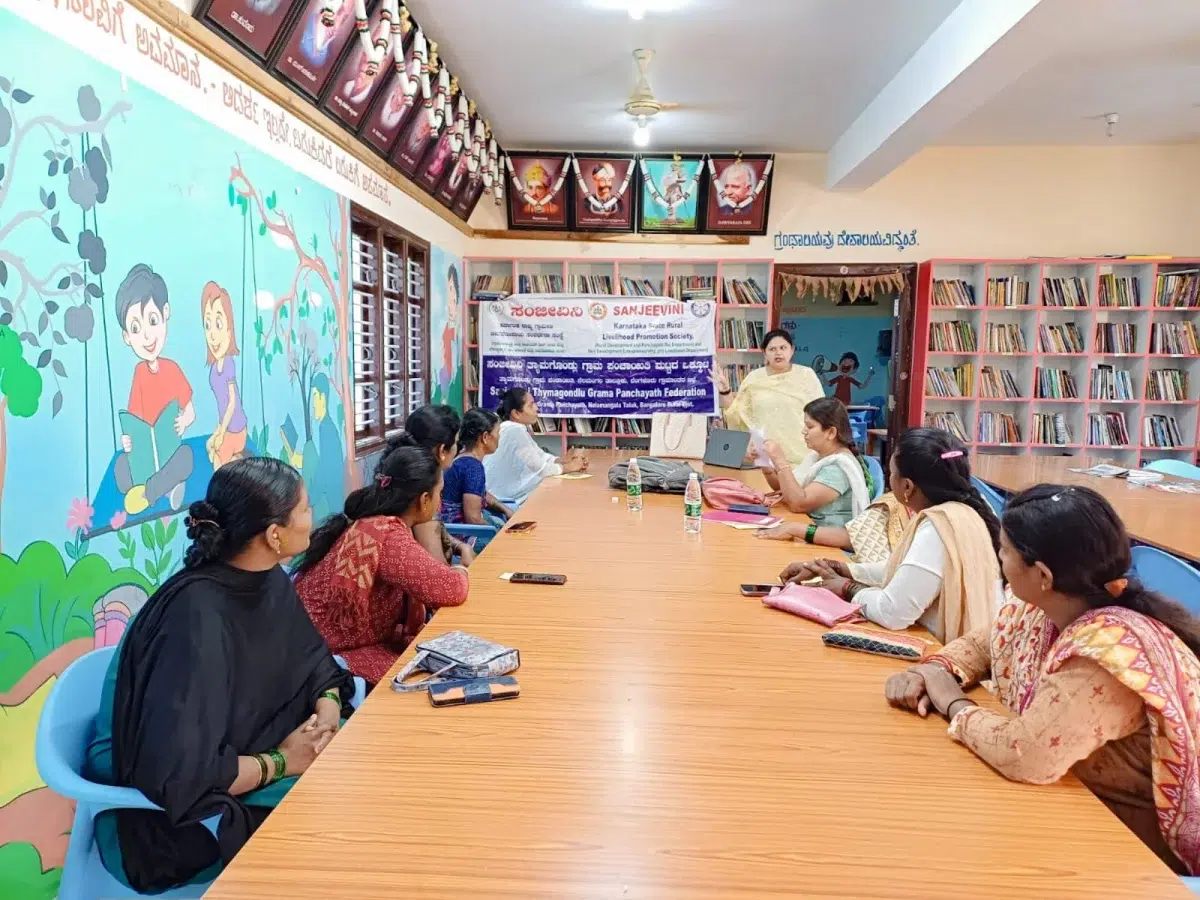
BMV Education Trust, a primary school in Bhakthrahalli, Karnataka, founded by Kalappa Lakshmaiah and friends, aimed to provide quality education within the village. When this school risked closure in 2008, Smile Foundation intervened by offering essential facilities like transportation, computer labs, libraries, nutritious meals, sports and extracurricular activities. Today, BMV continues to thrive as a fully operational school.

The Way Forward

As India navigates the complexities of development, the role of CBOs becomes increasingly pivotal. They are the architects of change, advocating for sustainable practices, preserving cultural heritage and promoting inclusive policies. Smile Foundation stands shoulder to shoulder with these organisations, offering financial aid, capacity building and other necessary support.

In conclusion, the vision of Atmanirbhar Bharat through CBOs, captures the essence of empowerment and resilience. It highlights the lasting impact of community-driven efforts and the significant role of grassroots leadership. With strong commitment and continuous support, we are working towards a fairer and more sustainable future where each community can flourish independently. Together, we embark on a journey towards an Atmanirbhar Bharat, where self-reliance is a reality nurtured by the collective strength of empowered communities and organisations like ours.

To learn more about forging a partnership with Smile on Empowering Grassroots, write to us at eg@smilefoundationindia.org

Categories
Education

The ASMITA Project: A Leap Towards Inclusive Higher Education

In a pioneering move set to reshape the landscape of higher education in India, the Ministry of Education and the University Grants Commission (UGC) have announced the ASMITA project. This ambitious initiative aims to develop 22,000 higher education books in various Indian languages over the next five years.

A Vision for Inclusive Education

Bridging the Language Gap

India is a linguistically diverse nation with over 1,600 spoken languages. For many students, learning in their native language can significantly enhance understanding and academic performance. The ASMITA project recognises this and aims to make higher education more accessible by providing textbooks in regional languages.

Empowering Regional Languages

By translating and creating educational content in multiple Indian languages, ASMITA not only makes higher education more inclusive but also supports the preservation and promotion of regional languages. This is crucial in a country where language is deeply intertwined with cultural identity.

How ASMITA Will Transform Education

Wide-Ranging Impact

Over the next five years, ASMITA will focus on producing textbooks across a broad spectrum of subjects. This ensures that students pursuing diverse fields of study will have access to quality educational materials in their preferred languages.

Enhanced Comprehension

Studies show that students learn better and retain information more effectively when taught in their native language. According to research, students taught in their mother tongue are 30-50% more likely to understand and retain information. ASMITA aims to leverage this by providing resources catering to the linguistic preferences of students. This will lead to improved educational outcomes.

Increased Accessibility

Many students in rural and semi-urban areas face barriers to higher education due to language differences. By making textbooks available in local languages, ASMITA will help quality education reach more learners.

The Broader Impact

ASMITA is set to democratise higher education by making resources available to a much wider audience. It’s a significant step towards reducing educational disparities and promoting fairness in academic opportunities. By embracing this inclusive approach, ASMITA is also contributing to cultural enrichment as well. As regional languages gain prominence in academic settings, students and educators alike will engage with educational materials that reflect their cultural contexts and traditions. This, in turn, nurtures a sense of pride and connection to one’s roots, even as students prepare to take on the global stage.

StatisticsValue
Number of textbooks to be developed22,000
Project duration5 years
Number of Indian languages to be included22 major languages
Increase in comprehension and retention rates30-50%
Potential reach (students)200 million
Annual budget₹500 crores (approx. $67M)
Number of subjects covered100+
Estimated increase in higher education enrollment15%
Projected job creation in publishing sector10,000+
Key Statistics of the ASMITA Project

Looking Ahead

The ASMITA project is a forward-thinking initiative that addresses one of the core challenges in Indian education—language diversity. By making higher education more accessible and equitable, the project promises to bring significant improvements in learning experiences and educational outcomes for students throughout the country.

As ASMITA unfolds, it will be exciting to see how this initiative transforms the educational landscape and empowers students to reach their full potential in an environment that respects and reflects their linguistic and cultural backgrounds.

While the ASMITA project is set to revolutionise higher education in India, it’s important to recognise the role of organisations like ours in laying the groundwork for such inclusive educational initiatives. For over two decades, Smile Foundation has been at the forefront of providing quality education to underserved children across India. Through our Mission Education programme, we have reached out to millions of children, ensuring they have access to basic education, healthcare and a nurturing environment that promotes holistic development.

In addition to foundational education, we are also deeply committed to vocational training through our education programme. This initiative bridges the gap between education and employment by equipping young people with the skills needed to secure jobs. By focusing on skill development, we help individuals achieve economic independence. This also contributes to the overall socio-economic development of communities that we work with.

Our ongoing efforts in primary education and vocational training serve as a vital support system, ensuring that all children, regardless of their background, have the opportunity to pursue their dreams and aspirations.

Categories
Health Nutrition

Making Healthcare Easy for Pregnant Women

Pregnancy can be a transformative and rewarding journey for women. However, at the same time, it can be a big challenge because it requires optimal health management for both the expectant mother and her unborn child. During the entire pregnancy period, it becomes extremely important that the expecting mothers have access to good quality healthcare facilities because of the many complications that may arise in that time.

In India, where maternal health indicators have improved significantly, these challenges persist. Innovative solutions are vital to simplify healthcare access for pregnant women, ensuring safety, convenience and empowerment. Also, the rural-urban divide when it comes to healthcare is stark in India where a large population is still deprived of basic health infrastructure. In such cases, women mostly have to rely on traditional remedies or midwives who may not be skilled enough to deal with complex medical issues.

Therefore, in this article, we are going to look at the ways in which healthcare can be made easy and accessible for pregnant women in India and around the world:

Community-Based Antenatal Clinics: Bringing Care Closer for Pregnant Women

One of the best ways to ensure last-mile delivery of optimal healthcare facilities for expecting mothers is to ensure establishment of highly localised and community-based antenatal clinics. These facilities should be specifically designed and dedicated to the needs of pregnant women. Community-based antenatal clinics serve as vital touchpoints for pregnant women. These localised centres offer essential services, including regular check-ups, nutritional counselling and health education. By bringing care closer to home, these clinics ensure that pregnant women can access quality services without travelling long distances.

In some cases, where setting up community-based clinics is not desirable for any reason, an alternative solution can be mobile clinics. Mobile vans equipped with medical staff can reach even the most remote villages. These mobile clinics can provide antenatal care, vaccinations and health awareness programs. By bridging geographical gaps, they empower pregnant women in underserved regions.

Telemedicine and Virtual Consultations

One of the essential needs for pregnant women is to receive regular consultation opportunities with qualified doctors and professionals. This does not only help them manage their pregnancy better but also helps in detecting any problems at the right time and taking the necessary action before it is too late. This is where telemedicine and teleconsultation can play a pivotal role. For geographies where premium healthcare facilities cannot be provided in a short time, technology can be leveraged to establish teleconsultation and telemedicine facilities through which pregnant women can receive guidance from the best medical professionals from across the country.

Through video consultations, expectant mothers can discuss concerns, receive advice and monitor their progress—all without leaving their homes. These platforms are especially valuable for women in rural areas or those with limited mobility. Another solution can be the use of technology is mobile applications.

Considering the smartphone usage in India is increasing rapidly and internet facilities are also reaching the remotest parts of the country, these user-friendly applications can offer a wealth of important information regarding pregnancy to women. From tracking pregnancy milestones to providing nutritional tips, these apps can empower pregnant women. Some apps even feature live chats with doctors, ensuring timely answers to queries.

Skilled Birth Attendants and Midwives: A Human Touch

As mentioned in the introduction of this article, a large section of women in India, especially those in rural regions, are dependent on midwives who help them manage their pregnancy and even giving birth to the child. Skilled birth attendants and midwives play a crucial role in maternal and neonatal health. Their expertise ensures safe deliveries and postnatal care. They are also trusted by the local population because of the personal connect that they have with the communities where they operate. Therefore, this large network of birth attendants and midwives can be leveraged by providing them necessary training so that they can handle certain situations effectively or identify an issue at the early stage and alert the expecting mothers so that they can access medical support at the right time.

Apart from this, all of us can focus on initiatives engaging communities to highlight the importance of skill attendants during childbirth. By involving husbands, families, and community leaders, we create a supportive environment. Trust in skilled professionals encourages more women to choose institutional deliveries.

Maternal Health Awareness Campaigns: Knowledge Is Power

One of the biggest tools that we have at our disposal today is the reach of the media. By using local radio channels or television, governments as well as NGOs can create awareness regarding maternal health, provide education and support, and organise communities. Maternal health awareness campaigns play a pivotal role. These campaigns educate pregnant women about nutrition, hygiene, danger signs during pregnancy and the importance of regular check-ups. By disseminating knowledge, we empower women to make informed decisions.

Engaging husbands, families and community leaders is crucial. When men understand the significance of maternal health, they become advocates for their wives’ well-being. With everyone’s support and participation, we can create a supportive network encouraging timely healthcare-seeking behaviour.

Financial Support and Insurance

Lastly, and perhaps most importantly, what is needed is that necessary financial support is provided to those pregnant women who cannot afford to access expensive medical facilities. Many general health insurance schemes in India also do not include maternal health support or childbirth as part of the product. This creates a difficult situation for women as the burden of expenses falls entirely upon them in case they face any complication during this period. High hospital bills can discourage these women to access quality healthcare services and put them in a difficult situation. 

Making antenatal care, delivery and postnatal services affordable is essential. Subsidies or financial incentives encourage pregnant women to seek professional care. Maternity insurance schemes further reduce financial barriers. Promoting maternity insurance ensures that women receive comprehensive care without worrying about costs. These insurance schemes cover prenatal, delivery and postnatal expenses, fostering a sense of security.

Initiatives to Provide Support to Expecting Mothers

There are a number of initiatives both by the government and non-government sector to make necessary interventions in this area for the benefit of pregnant women. The Pradhan Mantri Surakshit Matritva Abhiyan (PMSMA), launched by the Ministry of Health & Family Welfare (MoHFW), Government of India, aims to provide assured, comprehensive, and quality antenatal care, free of cost, universally to all pregnant women on the 9th of every month. The programme focuses on high-risk pregnant women and those in hard-to-reach, vulnerable and socially disadvantaged communities.

Another initiative is Janani Shishu Suraksha Karyakram (JSSK) under which every pregnant woman gets free delivery, including caesarean section, in public health institutions. The scheme also provides free transport, diagnostics, medicines, blood, other consumables and diet. Apart from these, there are startups that have launched products that help women during various phases of pregnancy and childbirth. Several NGOs have also been playing a crucial role in this area for decades.

Making healthcare easy for pregnant women involves a collaborative effort from startups, government programmes and healthcare providers. By leveraging technology, innovative solutions and targeted interventions, we can empower pregnant women, enhance maternal health and create a nurturing environment for both mothers and their unborn children.

Smile’s Nutrition Enhancement Programme (NEP) for Pregnant Women and Infants

The Nutrition Enhancement Programme (NEP) is a collaborative initiative by PepsiCo Foundation, Smile Foundation and government agencies that has made a significant impact on maternal and child nutrition in Sangrur, Punjab. Rooted in the belief that communities hold the key to their own well-being, the NEP under our Swabhiman programme promotes healthy behaviours and lifestyles for holistic health.

The programme’s approach centers on two core objectives: improving maternal and child nutrition and engaging the community in these efforts. Through a blend of awareness campaigns, capacity-building activities, health camps and infrastructure enhancements, the NEP has achieved remarkable progress.

The Impact

The initiative has empowered communities by conducting over a thousand activities, such as community sessions and household visits, with a focus on educating adolescents about anaemia and nutrition. Eight specialised training sessions between 2021-23 for Anganwadi workers have strengthened their skills in growth monitoring and nutrition practices, while a two-day anaemia awareness workshop, conducted in collaboration with the District Administration and Education Department, equipped teachers from 21 government schools with important knowledge.

Health camps, a crucial aspect of the NEP, provided screenings and services to pregnant women, lactating mothers and children under six, with high-risk cases receiving targeted counseling. Additionally, the refurbishment of 27 Anganwadi Centers and the distribution of growth monitoring registers, furniture and learning kits have created welcoming and informative spaces for the community.

The programme also introduced innovative educational materials, including recipe booklets, audio tools and demonstration sessions, to promote nutritional diversity. The distribution of 21,231 nutrition recipes has positively impacted the nutritional status of pregnant women, lactating mothers, and young children.

During the pandemic, the NEP adapted by offering telephonic counseling and recipe videos, ensuring continued support for beneficiaries. Looking ahead, the programme’s community-driven initiatives and local ownership promise to sustain its positive impact on maternal and child nutrition in Sangrur, Punjab, for years to come.

If you’re interested in partnering with Smile Foundation on nutrition-based initiatives, we’d love to hear from you. Reach out to us at cp@smilefoundationindia.org to get started!

Categories
Women Empowerment

Women’s Equality Day 2024: Voting to decision-makers

Clad in an elegant blue tussar silk saree, the 64-year-old woman with grey hair held her chin up while entering a room with a red suitcase. The woman took her assigned seat in a room filled with men and presented her budget proposal amid much awe and expectation. The woman was Indian finance minister Nirmala Sitharaman. The scene unfolded when she presented the budget in Parliament in July. In the last 77 years since its independence, India has come a long way for this to happen. Sitharaman is the first woman to head the finance ministry– not just that– Sitharaman is the first finance minister to table seven consecutive budgets. She even surpassed Moraji Desai, who presented six budgets.

Despite holding the important position, Sitharaman is just one of the two women ministers in Prime Minister Narendra Modi’s 30-member cabinet. Women’s participation in the political arena is very important for the number of women in the cabinet to actually increase. From being mere voters, women should step out of their comfort zone and grab the opportunities to become true decision-makers. But there seems to be the continuous struggle for women’s participation and equality in all the spheres of life.

Without equality, women get no opportunities. Without equality, there is no end to the women’s struggle. There will be no women decision-makers and women will still be confined within four walls of their houses. It is to insist on the importance of treating women equally in all aspects and to bridge the gaps for the greater good, Women’s Equality Day has been commemorated annually. The day also serves as a reminder of the progress the women have made over the years.

Women’s Equality Day 2024

The first step towards creating a way for women leaders was taken in 1920, when the 19th Amendment was passed in the United States Constitution. The amendment granted women the right to vote. The right, which is believed to be the cornerstone of democracy, did not come easily. Until the early 19th century, women in the US couldn’t inherit property. Most of them were not allowed to work at all. Even those who worked made only half of men’s wages. That’s when women began to demand political representation. To gain political representation, they needed the right to vote.

The amendment was first introduced in the US constitution in 1878, but it was not ratified. Because it required approval from at least two-thirds of the states. It means 36 of the states had to ratify the amendment for it to pass. However, after a long struggle, the US Congress adopted the amendment—also known as the Susan B. Anthony Amendment—on August 26, 1920, and let the women vote.

The US Congress designated August 26 as Women’s Equality Day in 1971.

From voting to becoming true decision-makers

From voting to becoming true decision-makers, women have a long way to go. Though almost all the countries have allowed their women to vote and make political representations now, the country’s head post is still unattainable for women in many countries. In several other countries, women had managed to grab the post just once or twice.

For instance, Indira Gandhi is the first and only woman prime minister India has had till date. Though the country has seen a significant rise in the number of women chief ministers and women union cabinet ministers, the prime minister post remains unattainable after Gandhi. Likewise, the United States hasn’t had a single woman president till date, though women continue to be active and influential in its politics. Not just that, the only woman vice-president of the US is Kamala Harris, who took office in 2021 under President Joe Biden.

However, it is also true that the world has seen many women heads in the last few decades and women are holding important posts in many countries. For the number to increase significantly, Women’s Equality Day 2024 should not just be observed, but also fervent steps to ensure equality on the ground should be taken.

Smile Foundation’s role

How can a woman become a leader when she is struggling even to make her ends meet? How can she spare a thought about society if she has seen nothing but the walls of her house? That’s why empowering women has become essential now more than ever. Smile Foundation believes that gender equality to be vital for both the social and economic development of a nation. The country prospers only when its women are empowered. Because a healthy mother ensures her family is healthy; a skilled woman joins the workforce and contributes significantly towards economic development; an educated mother makes sure her children are educated.

Realising its importance, Smile Foundation launched its women empowerment programme – Swabhiman – in 2005. As a part of the initiative, the teams reach out to women in marginalised and socially excluded communities to offer nutritious, healthcare and livelihood benefits. Not just that, we also implement projects that make women aware, skilled and financially independent.

Our Gurugram initiative

In one of our initiatives that integrate both nutritional and entrepreneurship needs of women, we have   been supporting about 3,500 women in Sarhaul and Dundahera villages in Gurugram to make them self-reliant by educating them on reproductive health and providing entrepreneurial support. In these villages, we have made 104 safe institutional deliveries, immunisation of 460 infants and vaccination of 85 pregnant women.

Last year, we sensitised over 75,000 women on reproductive and child health, offered healthcare services to more than 80,000 women and supported about 54 women to start their own businesses and enterprises across the country.

One of the women whose livelihood was uplifted was Pramila from Haryana. Grabbing the opportunities bestowed upon her, she upskilled herself. Noticing her potential, the team supported her in setting up a boutique and financially assisted her to purchase required items, including sewing machines. Motivated by the immense change in their lives, Pramila’s husband Amul volunteers with the programme as a community change agent. Now he conducts door-to-door visits regularly and counsels men in creating a gender-equal society. 

Women’s Equality Day 2024

In the ongoing journey toward true equality, Women’s Equality Day serves as both a celebration and a call to action. The progress women have made—from gaining the right to vote to breaking barriers in leadership roles—reflects the strides taken over the decades. Yet, the path to full equality remains long, with many challenges still ahead. For every Nirmala Sitharaman in the finance ministry, there are countless women still fighting for basic rights and opportunities.

Women’s Equality Day 2024 is a reminder that true equality means every woman has the chance to step out of the shadows, claim her rights and become a decision-maker in her own life and community.

Categories
Education

How has Education changed over the years in India?

  • the establishment of the University Grants Commission (UGC) in 1953
  • and the implementation of the National Policy on Education (NPE) in 1968 and 1986.
  • National Education Policy (NEP) 2020: In recent times, with the introduction of the National Education Policy (NEP) 2020, a significant focus is ensuring that education is accessible and fair for all.
  • ICT Integration: The integration of Information and Communication Technology (ICT) has had a significant impact on learning in India. The use of computers, tablets and the internet has completely transformed the educational landscape. Schools often incorporate technology such as interactive whiteboards, projectors and audio-visual aids into their classrooms. These digital tools create an immersive and engaging learning environment.
  • E-learning Platforms: E-learning platforms have been making great strides in providing digital content for students and teachers. One such initiative is DIKSHA, which offers a wide range of resources including textbooks, video lessons and quizzes.
  • Online Education: The COVID-19 has greatly expedited the adoption of online platforms like Zoom, Google Classroom and Microsoft Teams for educational purposes.
  • Government Programs: The National Digital Literacy Mission (NDLM) is a government program that strives to promote digital literacy in every household. The BharatNet project is playing a crucial role in bridging the digital divide by connecting villages with high-speed internet. This initiative is proving to be a game-changer for rural education.
  • Quality of Education: The quality of education varies greatly across different regions, highlighting the disparities between urban and rural areas. Private schools emerged due to the absence of government schools in the village or locality, but unfortunately, many of them are primarily motivated by financial gain.
  • Infrastructure: Unfortunately, numerous schools face a shortage of essential amenities like clean drinking water, functional toilets and adequate classrooms. This lack of infrastructure hampers the learning environment and poses challenges for students and teachers alike.
  • Teacher Training: Insufficient professional development opportunities for teachers lead to outdated teaching methods.
  • Access and Enrollment: Despite improvements, significant portions of the population, especially girls, children with special needs and marginalized communities, still face hurdles in access to education. (Smile Foundation’s Shiksha Na Ruke initiative has been helping children from difficult circumstances continue their education.)
  • Curriculum Relevance: The alignment between the curriculum and the skills required for contemporary jobs is often lacking. There seems to be a dearth of emphasis on critical thinking and practical knowledge. 
  • Evaluation of Policies: When it comes to policies, we should thoroughly evaluate their impact before suggesting any future policy prescriptions.

Support She Can Fly today to educate a girl – She Can Fly Campaign.

Categories
Disaster Relief

Personal and Economic Impact of Floods

Climate change, driven primarily by human activities like burning fossil fuels and deforestation, is one of the most critical challenges we face today. It impacts nearly every aspect of life on Earth. From our health to our economy, the consequences of climate change are becoming increasingly apparent. Climate change affects individuals personally and economically, with a particular focus on recent floods and their wide-ranging impacts.

Understanding Floods and Their Triggers

Climate-Related Factors

Climate change significantly impacts the frequency and severity of floods. Warmer temperatures increase evaporation, leading to more intense and frequent rainfall. Additionally, melting glaciers and ice caps contribute to rising sea levels, which can exacerbate coastal flooding. These climate-related factors make extreme weather events, such as hurricanes and typhoons, more severe and frequent, often resulting in devastating floods.

Extreme Weather Events

Hurricanes, typhoons and heavy rainstorms are becoming more common due to climate change. These extreme weather events bring intense rainfall and storm surges, which can overwhelm drainage systems and lead to severe flooding. The increasing frequency and intensity of these events pose significant risks to communities worldwide.

Personal Impacts of Floods

1. Health Risks

Floods can lead to immediate and long-term health issues. Standing water can spread waterborne diseases such as cholera and typhoid. Additionally, exposure to contaminated water and debris can cause infections and exacerbate chronic conditions. The mental health impacts, including stress, anxiety and PTSD, are also significant, as individuals cope with the trauma of losing homes and belongings.

2. Mental Health Strain

The psychological toll of flooding can be profound. The stress and trauma associated with evacuation, loss of property and uncertainty about the future can lead to mental health issues. The long-term emotional impact of floods can affect personal well-being and community cohesion.

3. Displacement and Loss

Floods often result in the displacement of individuals and families. Those in flood-prone areas may face evacuation and temporary relocation, leading to a loss of home and community. This displacement can have lasting effects on personal identity and stability, creating feelings of insecurity and loss.

Economic Impact on Individuals

1. Property Damage and Infrastructure Costs

The financial impact of floods is substantial. Property damage from floods can be extensive and the cost of repairs and rebuilding can strain personal finances. Additionally, ongoing repairs and maintenance of infrastructure due to climate-induced damage can lead to higher household expenses.

2. Impact on Agriculture and Food Prices

Floods can disrupt agricultural production, affecting crop yields and food prices. Unpredictable weather patterns and heavy rainfall can damage crops, reduce harvests and drive up food costs. For individuals, particularly those in low-income households, this can lead to financial hardship and reduced access to essential goods.

3. Job Loss and Economic Instability

Floods can disrupt local economies and lead to job losses, particularly in sectors like agriculture, fisheries and tourism. The broader economic impact, including increased costs for disaster response and recovery, can strain local economies and reduce overall stability.

Community-Level Economic Impacts

1. Infrastructure Destruction

Communities face significant economic challenges due to the destruction of infrastructure. Roads, bridges and public buildings are vulnerable to flooding, and repairing or replacing them requires substantial investment. This can divert funds from other essential services and impact daily life and economic productivity.

2. Changes in Local Economies

Floods can alter the economic landscape of communities. For example, coastal towns that rely on tourism may see declines in visitors due to eroded shorelines and increased storm activity. Similarly, fishing communities may experience reduced fish stocks and changes in marine ecosystems, affecting their livelihoods.

3. Social Inequality

Floods often exacerbate existing social inequalities. Vulnerable populations, including low-income families and marginalised communities, are disproportionately affected by flood-related disasters and economic disruptions. These groups typically have fewer resources to adapt and recover, leading to greater social and economic disparities.

Recent Floods and the Urgent Need for Support

The recent floods in Kerala, Assam, Himachal Pradesh, Uttarakhand and Maharashtra have affected around 30 lakh people. These devastating floods have caused extensive life losses, property damage, displacement and severe disruptions to daily life. The affected regions are in urgent need of relief and support.

How You Can Help – Kerala Flood Donation

In light of these urgent needs, all of us need to support the affected communities. Your support can make a real difference by providing immediate relief and aiding in long-term recovery efforts.

Your help can provide essential supplies to the affected families, help rebuild homes and support those who have lost so much. Together, we can make a meaningful impact and help communities recover and rebuild stronger in the face of climate change.

Floods, exacerbated by climate change, present significant challenges on both personal and economic fronts. The health risks, mental strain and displacement individuals face are compounded by the economic impacts on infrastructure, agriculture and local economies.

Addressing these challenges requires collective action from individuals, communities, nonprofits and governments to mitigate climate change and adapt to its effects. By understanding the multifaceted impacts of floods and supporting those in need, we can work towards a more resilient and sustainable future for everyone.

Categories
Disaster Relief

Flood Donation: How You Can Support Affected Families

Devastating floods have struck several parts of India, impacting over 30 lakh people and leaving thousands of families in Kerala, Assam, Himachal Pradesh, Uttarakhand and Maharashtra in desperate need of help. In particular, the situation in Wayanad, Kerala has been dire. Landslides triggered by torrential rains have claimed nearly 200 lives, with many more still missing. Houses are reduced to rubble, entire neighborhoods have drowned in water and countless lives are disrupted, with many losing both their homes and means of earning a living.. Chief Minister Pinarayi Vijayan described it as

“one of the worst natural calamities Kerala state has ever witnessed.”

Rescue efforts have been challenging due to continuous rains. Rescuers, using machinery to sift through debris, have found casualties downstream and hopes of finding more survivors are fading. Over 5,500 people have been rescued and nearly 8,300 have been moved to relief camps. However, the need for immediate relief is most needed as more rains are expected.

On the ground: Smile Foundation’s Disaster Relief Response

Smile Foundation’s disaster response team is on the ground, reaching out to the worst affected children and families, assessing critical needs and procuring relief material. Your generous contribution to the Wayanad flood donation campaign can help us deliver essential food kits, hygiene kits and mobile health camps. These efforts will greatly help to sustain affected families, prevent disease outbreaks and provide immediate medical care.

Food kits:

We are providing essential food kits designed to sustain a family of five for a month. These kits include staples like rice, wheat flour, dal, salt, oil, sugar, chili powder, turmeric powder, biscuits, milk powder and oral rehydration solutions.

Hygiene kits:

To prevent the outbreak of diseases, we are distributing hygiene kits containing sanitary napkins, soaps, chlorine tablets, candles, soap boxes, mosquito repellent and bleaching powder. These basic items can make a huge difference in maintaining health and hygiene in flood-hit areas.

Health camps:

Mobile health camps are providing immediate medical care. These camps are crucial in addressing the urgent health needs of flood-affected populations and preventing the spread of diseases.

The torrential rains caught everyone by surprise

The ongoing disaster highlights the severe impact of extreme weather conditions in recent years, often attributed to climate change. The region hit by the landslides was forecasted to receive 204mm of rainfall but ended up with a deluge of 572mm over 48 hours. This unexpected and extreme weather has intensified the suffering of the affected communities.

0%