Categories
Education Livelihood

National Technology Day 2023 and STEM/STEAM Education

In 1998, India made history by conducting a successful nuclear test at Pokhran under the leadership of Atal Bihari Vajpayee. India’s former President was the man who spearheaded the project and helped India in proving its mettle around the world. National Technology Day is celebrated in India on May 11th every year to commemorate the successful Pokhran nuclear tests conducted in 1998. National Technology Day 2023 will be celebrated this year to mark the same.

The day honors the important role that Indian scientists and engineers have played in the growth of the nation’s technology sector. The occasion is observed nationwide with a variety of activities that emphasise the value of technology in contemporary society. It gives the most recent technical developments a platform and inspires young people to seek careers in science and technology.

Reason for Celebrating National Technology Day

The Indian government recognises scientists, researchers, and engineers who have made major contributions to the development of the nation’s technology on this day. It also acknowledges the effort and commitment put forth by those responsible for the nuclear tests at Pokhran. Every year, National Technology Day has a different topic. The goal is always to raise awareness of technology and its advantages for society.

The day promotes the expansion of the technology industry and serves as a reminder of the value of spending money on research and development. In conclusion, National Technology Day honours the contributions made by Indian scientists and engineers to the technological sphere. It emphasises the significance of technology in forming a contemporary society and promotes innovation, research, and progress.

As we prepare ourselves to celebrate May 11 National Technology Day, we are living in the era of STEM/STEAM. These fields are transforming our world and are creating new opportunities for the future. This is the reason why we must discuss the need for improving STEM/STEAM education and professional opportunities in India as we celebrate this day.

Why is STEM/STEAM Important?

The world is evolving at an unprecedented rate, and it’s more important than ever to focus on STEM/STEAM education. STEM stands for Science, Technology, Engineering, and Mathematics, while STEAM incorporates the Arts, which include design and creativity, into the traditional STEM subjects. STEM/STEAM education is important as it helps prepare students for the demands of the 21st-century job market. 

As technology continues to advance, there is a growing need for individuals who have a deep understanding of these subjects. STEM/STEAM education provides students with the skills and knowledge required to excel in high-demand fields such as engineering, computer science, biotechnology, and robotics. Moreover, STEM/STEAM education helps to nurture critical thinking and problem-solving skills, which are essential in today’s world. 

By encouraging students to think creatively and analytically, STEM/STEAM education prepares them to face real-world challenges and come up with innovative solutions. STEM/STEAM education also helps to close the gender gap in these fields, where there is still an under-representation of women By promoting diversity and inclusivity, STEM/STEAM education creates opportunities for all students, regardless of their gender or background.

STEM/STEAM Education and India

Nearly 80% of employment in the upcoming ten years, according to the National Science Foundation, will require science and math expertise. India has made significant progress in the field of STEM/STEAM education in recent years. According to a report by the World Economic Forum, India ranks third in the world in the number of graduates in science, engineering, and technology fields. 

The government has launched several initiatives such as Atal Innovation Mission, Swachh Bharat Abhiyan, and Smart Cities Mission to promote STEM/STEAM education and research. However, there is still a need to focus on quality education, teacher training, and infrastructure development to ensure that students receive a world-class education in these fields. Additionally, there are visible efforts to promote diversity and inclusivity in STEM/STEAM education to bridge the gender and socioeconomic gap.

India has a large pool of talented students with a strong interest in science and technology. There is a growing demand for skilled professionals in these areas. India is already a global leader in the IT industry, and the country is well-positioned to become a leader in other high-demand fields such as biotechnology, engineering, and robotics. 

The government’s initiatives such as Digital India, Make in India, and Startup India are providing a boost to the technology sector, leading to a surge in innovation and entrepreneurship. Moreover, there is a growing emphasis on promoting STEM/STEAM education among girls and underrepresented communities, leading to a more diverse and inclusive workforce in these fields.

Significance of STEM/STEAM on National Technology Day 2023

The awareness of why national technology day is celebrated is still not common in India. However, in today’s world, where the importance of technology is paramount, we must celebrate this day and work towards making technology education in India the best. As we observe National Technology Day 2023, it is essential to reflect on the importance of STEM/STEAM education in India. The country’s progress in these fields has been remarkable, but there is still a long way to go. 

For India to be at the forefront of innovation and technology, there is a need to focus on quality education. Infrastructure development and research are important elements in that cause. Additionally, there should be efforts to promote diversity and inclusivity in STEM/STEAM education to provide equal opportunities for all students, regardless of their gender or background. By investing in STEM/STEAM education, India can prepare its students for the demands of the 21st-century job market. This can help build a prosperous and equitable society. 

National Technology Day is a reminder of the significant contribution of Indian scientists and engineers. We must continue to build on their legacy by focusing on STEM/STEAM education in the years to come.

Smile Foundation and STEM/STEAM Education

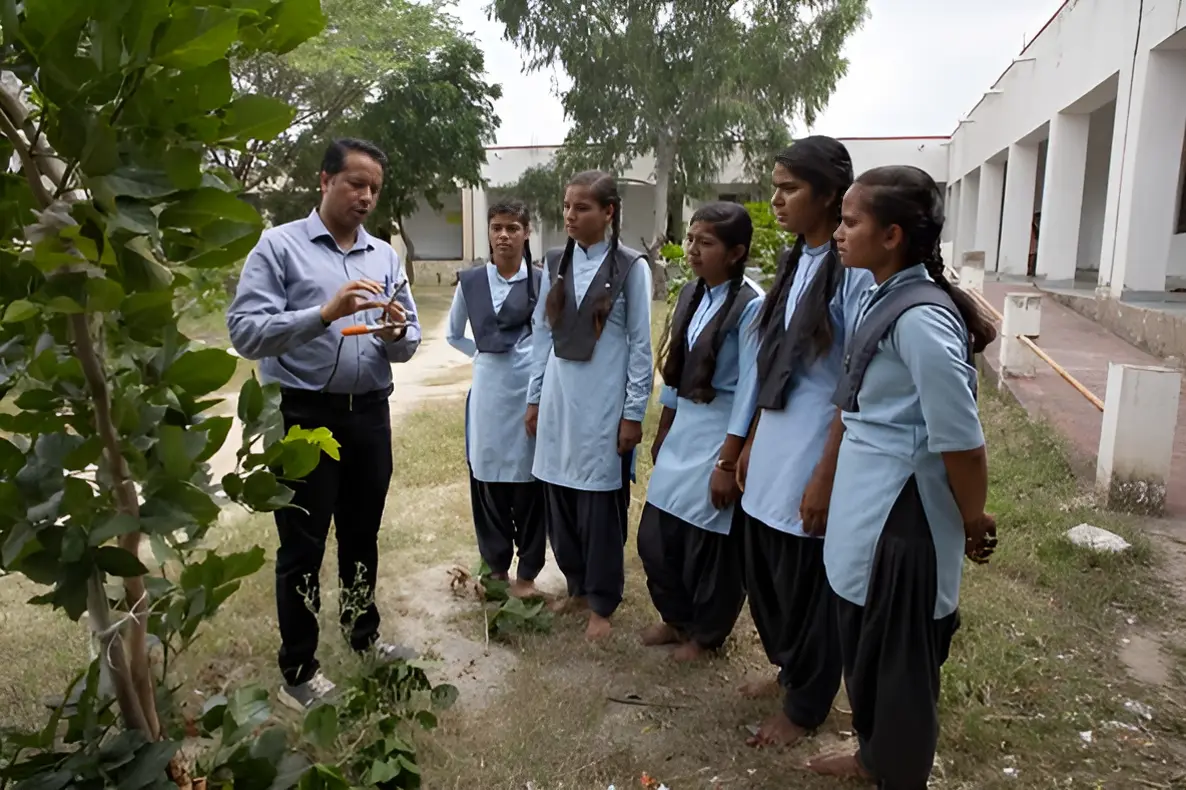
STEM Learning envisions developing skills to innovate along with critical thinking and reasoning. Smile Foundation in collaboration with many organisations promotes this through their Mission Education and Child For Child programmes.

With an aim to align students with STEM-based education, workshops on programming languages, and robotics take place. The workshops also include interactive rounds of queries and discussions with the trainers. It’s a great learning and fulfilling experience for the children and everyone else in these STEM-related projects.

Categories
Health Nutrition

Food Security and Learning Outcomes in Children 

A hungry child is an angry child, and an angry child’s attention and interest in learning and getting an education are adversely impacted. Though the Indian Constitution does not provide for a clear and detailed provision stating the right to food for all, the assumption is that the fundamental right to life outlined in Article 21 of the Constitution has more than one meaning. Its interpretation includes not just the right to live with human dignity, but also that said life must have the right to food and other basic necessities.

It’s no secret that there is a link between food and education among children. The fuller the stomach the better one’s progress at school. Food insecurity amongst children can have an adverse effect on their education. This impacts their overall growth and development. It can have harmful consequences for the children and the fabric into which humanity is sewn.  

Child food insecurity, while being a national problem and the responsibility of the governing leaders, is also an educational problem.  Children facing food insecurity often do worse in school. Food insecurity negatively affects their ability to concentrate and achieve academically. Children facing food insecurity often struggle with social and behavioral problems.

Many studies have shown established patterns that link food insecurity with higher rates of a wide range of adolescent mood, behavior and substance abuse issues. Research has also thrown up examples that connect food insecurity starting as early as infancy. This weakens a child’s attachment to the parents in later years. This also negatively affects children’s mental health as they grow and attempt adjustments later in life. 

Delayed or stunted development in young children; emotional angst and feelings of abandonment, fear of chronic illnesses like asthma and anemia; as well as other behavioral problems like hyperactivity, anxiety and aggression in school-going children are observed to be some of the common issues that plague children who are affected by lack of proper meals and nutrition during their growing years.

India’s Initiative

Whilst the government has continuously tried to address the issue of food supplies to marginalised communities, through schemes such as the Targeted Public Distribution System, it was the landmark act of the National Food Security Act, (NFSA) 2013 on July 5, 2013. Its implementation saw a paradigm shift in the approach to food security from welfare to becoming a constitutional rights-based approach.

The Act legally entitled up to 75% of the rural population and 50% of the urban population to receive subsidized foodgrains under Targeted Public Distribution System. In this manner, the government aims to provide about two-thirds of the population to receive highly subsidized food grains.  

The Act also puts the power of food distribution into the hands of women of the households. It has a mandate making the oldest woman of the household of age 18 years or above act as the head of the household. It gives her the authority mandate to apply and get a ration card for her family. 

Taking it Further

The main points for any legislation to achieve its target rest on the following factors– 

Availability

Adequate availability is the primary cornerstone of any programme or scheme. It’s imperative that staples and basic food grains are manufactured in abundance to ensure proper and equitable distributions. Especially amongst the households that need them the most. Availability of these should also be enough to cater to specific initiatives. A good example is the ‘mid-day meal’ which targets school children and their nutritional needs. 

Accessibility

Easy accessibility is another key factor. The targeted public distribution system which is in place, caters to both urban and rural regions of the country.  While reaching within urban areas is not difficult and poses no problems for distribution, it is the far-flung and remote rural lands deprived of essential food supplies. Even though there is a robust framework to provide marginalised households with subsidised food grains, more often than not, this endeavor fails due to poor distribution systems and accessible channels.

Affordability

Even though the government offers subsidised staples and food grains to the households that need them most, they must factor in the cost and evaluate if the subsidised costs are affordable to the targeted households. It’s very possible that marginalised households in the urban metros and smaller cities are able to afford the subsidies offered but that may not hold true for similar households in rural areas and villages. 

Useful Takeaways about Food Security and Children’s Learning Outcomes

All these factors can influence a child’s behavior and prevent a positive educational impact. There are laws and schemes in place to provide for children’s food security and ensure that they stay in school. But families still have constraints that make them pull out their kids from a learning environment to a working environment. 

At the grassroots level, the observation is that subsidies, midday meals at schools and other such positive programmes still need a lot of work. There are still children who indulge in child labour in order to provide for their families and themselves. As a country, we collectively need to work harder to put each child in school and place timely nutritious meals on their plates every day without fail.

Smile Foundation and Healthy Diets of Children

Smile Foundation in its education programme, Mission Education also ensures that the children are provided with healthy meals for their holistic development and growth. Children, after all, are the ones who will carry the baton of the nation’s responsibilities tomorrow. Every effort should be made to equip them with great intelligence and healthy bodies.

Categories
Women Empowerment

Women Betting Big on Boardrooms 

Stories give us perspective and context. Inspiration gives us hope and encourages belief that if you believe enough then no wall is strong enough to stop your progress. Here are a few stories of women on boards and in leadership positions of businesses that will inspire us all. 

Stories of Inspiration

Kiran Mazumdar Shaw is India’s richest self-made woman. She is the founder of Biocon. In terms of revenue, Biocon is  India’s largest listed pharmaceutical firm.  She has earned two of India’s highest civilian awards, the Padma Shri and the Padma Bhushan. Her net worth is more than Rs 36000 Crores.

Indra Nooyi was CEO of Pepsico. for 12 years. She was the first woman to lead the company. Under her leadership, Pepsi reached new heights. She introduced a large number of strategic changes that led to the company’s net revenue growing at an annualized rate of 5.5%, reaching $63.5 billion last year while $79.4 billion was returned to shareholders in the form of dividends and share repurchases.

Urvi A Piramal After her husband passed away, although devastated, she chose to venture into the world of business. After a family split in 2005, she inherited a loss-making business. But, with her utter ingenuity, within the span of six years, she paved the way for establishing the successful and famous Ashok Piramal Group with textile, real estate and auto components. 

Introduction: Beginning of Women on Boards

Unsaid and largely disregarded is the contribution of women to India’s and the world’s success. Behind every success story, there is a woman. A woman, in her many roles as a mother, wife, sister, etc. leads households, nourishing us. They take care of the family’s needs, teach us core cultural and moral values, and make the best decision for homes. 

In addition to all these, they are great at savings too. Having said so, we are positive that women on boards work wonders for businesses worldwide.

Women in Workforce: The More, the Merrier 

Presently, the women’s contribution to GDP in India is merely 18%. In the formal sector, Indian women’s participation is abysmal 24%, the lowest among developing nations. Research shows that if equal opportunities are given to women then India could add US$ 770 billion to its GDP by 2025.  It is also estimated that if women’s participation in the formal sector is the same as that of men, the Indian economy could grow by an additional 60% adding 2.9 trillion by 2025. 

An economy’s growth has a direct positive relationship with the number of women participating in the workforce, having equal opportunities and fair workplace policies. So it’s only logical that female leadership in the workplace will be effective and productive. Women lead companies are doing great. Women are now being touted as the economic foundation of new-age India. 

The popular TV reality show Shark Tank India includes women judges, Vineeta Singh, Namita Thapar and Ghazal Alagh. These women judges in our humble opinion are better entrepreneurs than their male counterparts in many aspects. These women are strong, erudite, and financially sound; they have come a long way in the male-dominated patriarchal society of India.

We all know that traditionally mainly men provided for the families however when the women also work then there are two pairs of hands providing for the family. Studies have shown that the inclusion of women in the workforce has created jobs and assisted millions of families in escaping destitution.

The Power of Women in Boards: Formula for Success

According to a study, globally, women hold only 19.7 percent of board seats, only 6.7 percent of board chair positions, only 5 percent of CEO, and only 15.7 percent of CFO positions. In India only 17.1% of board members are female. 10% of Fortune 500 companies’ CEOs are women. These numbers are growing but in reality, a snail moves faster than these numbers. 

In India, women-led businesses are 10% of all formal enterprises. As per recent figures, women comprise 14 % of the total entrepreneurs in India, which works out to 8 million. The MSME industry comprises 20.37 % women-led businesses that employ about 23.3 percent of the labor population. Around 14  million businesses in India are owned by women, who hire between 22 and 27 million individuals. 

The world does not only need more female participation in the labor force but in leadership roles as well. It is seen that women-led companies are doing as well as any other company, often better. Studies show the importance of female leadership in the workplace. 

Women in leadership positions in businesses are positively correlated to both financial and non-financial parameters. A gender-diverse board and women in leadership positions contribute positively to a company’s environment, social & governance (ESG) performance and overall growth.

Women Leadership—  Shot at Long-lasting Success 

49.58 % of the world’s population are women. However, as shown above, women in leadership positions, either in the workforce or in leadership roles in businesses are nowhere close to the population they comprise of. Women taking care of households are in control of household consumption. So naturally businesses target women consumers however the very same businesses do not have women on boards. 

The importance of women in leadership positions in the workplace simply lies in the fact that it would bring a diversity of perspectives in business. More diversity would foster more creativity. Women by virtue of their biological setup bring with them special skill sets, knowledge and values. Different perspectives will lead to better foresight and risk assessment, mitigation and management. 

Women-led companies would have women-friendly policies. It would inspire confidence in the female workforce. Women will feel safe and represented. This ultimately would lead to companies overall growth. 

Women apply certain leadership behaviors such as employee development, expectations and rewards, role model, inspiration and participative decision making which makes companies having women in leadership positions outperform the companies that do not. 

This blog started with stories of inspiration. Therefore, it is only befitting to end with such stories. 

Advanced Micro Devices (AMD), a semiconductor company, got a woman employee called Lisa Su in 2012. Under her leadership as AMD’s CEO in 2014, the world witnessed one of the greatest recent turnarounds in the tech industry. AMD’s stock value has increased more than 25-fold since Su became CEO

Asma Ishaq is CEO of Modere, a consumer products company that develops and markets clean, health and wellness products. Forbes included Modere in the top 10 Health & Beauty e-commerce companies. Under Ishaq’s leadership, company revenue has skyrocketed, growing by over 1,700 percent from 2016 to 2020.

Smile Foundation and Women in Leadership Roles

Smile Foundation through its women empowerment programme, Swabhiman is making continuous efforts to create women leaders by investing valuable resources in women from vulnerable backgrounds who show great potential in entrepreneurship. Many workshops and other activities are held for enabling women to reach their true potential and goals.

Not only this, but many of the female employees of Smile Foundation are also in leadership roles heading various programmes and departments of the organisation.

Categories
Education

Movement from STEM to STEAM: Upholding The Culture of Art

As the world has evolved so must our learning techniques and knowledge offerings. What was relevant a decade ago may not necessarily be equally relevant today. Change happens not just in the way we live but also in the way we think, learn and work.  Recently, one of the most important changes has been observed in our education system. 

Traditionally, our education gives strong emphasis on Science, Technology Engineering and Math, commonly called STEM education. While this has worked well in the past, sweeping changes in technology, fluid work environments and the rise of new-age professions have given a certain level of redundancy to STEM education.

Today we are desiring more from our educational framework and curriculum.  That’s why the movement from STEM to STEAM.

STEM to STEAM Education

STEAM is an educational discipline that engages students in the subjects of Science, Technology, Engineering, the Arts and Mathematics. The tenets of STEM have been retained and Arts has been added so as to provide a more holistic and collaborative approach to education.

With the addition of Arts, giving education a cultural edge, today’s students and tomorrow’s professionals have unlimited scope and flexibility. They can now explore opportunities that have arisen in today’s modern changing world, opportunities that have a greater degree of great socio-cultural resonance.

STEAM Approach to Education

STEAM-related fields are redefining educational priorities. Today we see global shortages in the skilled workforce, especially for new-age professions. Keeping this in mind, academic institutions are starting STEAM-based learning programmes to equip students with the skills and knowledge needed to thrive in the 21st century.

Positive STEAM learning outcomes will not only produce tomorrow’s designers and engineers; it will develop innovative mindsets and the ability to problem-solve, ensuring that today’s students become creators of technology, not just passive consumers. 

The STEAM discipline allows students to leverage both hard and soft skills to solve problems. Collaboration, joint problem solving and a hands-on approach make the students connect with each other. This helps them work as an integrated unit with a single-minded focus on a common cause or issue.

Encouraging these collaborations amongst students gives them freedom and space to think laterally and progress in a manner that’s best suited for their capabilities and not get stuck in a conservative format of learning.  

STEM Vs STEAM

It would not be correct to draw lines of comparison between the two disciplines. As STEAM is an advanced version of STEM, one can safely say that both old and new hold a relevant place in educational frameworks. However, with the addition of Art, we can see tremendous benefits that come from understanding and inculcating culture within this framework. 

Benefits of Adding Art to STEM Learning

  • Out-of-the-box thinking 
  • Empowered to express innovative and creative ideas 
  • Feels comfortable doing practical training and learning hands-on. 
  • Innovative and takes take ownership over their learning
  • Works collaboratively and collectively with others
  • Is curious to understand how science, math, arts, and technology can work together and what solutions can they provide
  • A heightened sense of responsibility makes the STEAM students more aware and empowered to change the world for/ the better.

The benefits to students and the world from adopting STEAM education are vast and unlimited. With the new economy – whose foundations are knowledge and digitalization- newer skills,  newer professions and new requirements will keep cropping up.

75% of today’s fast-growing careers require STEAM skills and 82% of today’s employees say they value STEAM skills, even if they are not required for the job. And we as a society should cater to these demands easily and successfully.

Even at the educational level, embracing STEAM-based curricula will promote an atmosphere of culture, democracy, critical thinking and integral development of human beings who are ready and fit to meet the needs and demands of our current and future society. 

Smile Foundation and STEAM Learning

Smile Foundation realises that STEAM Learning envisions developing skills to innovate along with critical thinking and reasoning. We promote this through our national-level initiatives like Mission Education by conducting interactive workshops and providing training material pertaining to STEAM education.

Categories
Education Health

Child NGOs in India

Children all over the world are a vulnerable lot, they are the ones that need the most protection and care. We as a society have a collective duty towards the less fortunate for their growth and safety. 

This is where NGOs step in. Nonprofits everywhere in the world play a significant role and are key partners to identify the gaps and fill the cracks that children tend to fall into. The cracks of neglect, poverty and exploitation. Social development workers are able to provide basic ground-level support to kids and their families to help build a better and brighter future.

Role Of Child NGOs in India Towards Child Support, Protection and Development

NGOs contribute mainly towards child education, healthcare, women empowerment, livelihood and nutrition. All our welfare schemes are based on these pillars. India has many NGOs that are leading in their efforts toward child welfare by ensuring access to the above-mentioned facilities. Let’s list a few— 

  • Smile Foundation has supported over 15,00,000 children and their families every year, through more than 400+ live welfare projects on education, healthcare, livelihood, and women empowerment. This presence is in over 2000 remote villages and slums across 25 states of India. Ensuring that children eat healthy food and are in schools, we are trying to keep children out of the poverty, neglect and exploitative child labour cycles. Reaching the urban village and rural populations, the organisation is making efforts for making facilities available in spaces of great difficulty.
  • CRY (Child Rights and You) provides kids with free and quality education as well as primary healthcare. They ensure that children are safe from violence, abuse, and exploitation. They also work towards reducing the rate of child malnutrition in India. 
  • Pratham is an education initiative that focuses on quality and affordable learning programs that address gaps in the education system. The Pratham programmes reach millions of lives every year, both children and youth as well through strong rural collaborations with governments.

NGOs form the bedrock of childcare services. Their contribution towards ending society’s evils like child labour, infant mortality rates, and improving child education is noteworthy. 

The fruitful partnerships of nonprofits with the government has made deep inroads into the upliftment of childcare and child welfare. We, at Smile Foundation, pledge to keep working tirelessly to create a more humane society for all keeping child education and healthcare central to all our projects and activities.

Categories
Health Nutrition

Blue Foods and The Food Systems in the World

Just as the name suggests, Blue foods (also known as aquatic foods) comprise fish, invertebrates, algae, and aquatic plants that are either captured or cultured in freshwater or marine ecosystems. Even though they have been consumed in the diets of many coastal communities for hundreds of years, it’s now become more important than ever to promote the consumption and production of blue foods to combat world crises such as food security, climate, and environmental degradation. 

Wondering why? Let’s look at some of their benefits and nutritional value. 

Being extremely diverse, blue foods consist of more than 2500 species of marine and freshwater animals and plants. They are supported by a wide range of ecosystems and harvesting practices. Examples include large-scale trawlers to small-scale fish ponds integrated into agricultural systems. Their diversity supports the many economic transitions that occur in fishing communities.

Blue Foods and Nutrition Parameters

Blue foods also offer good nutrition & health. They are rich in micronutrients that help fight maternal and infant mortality, stunting, and cognitive deficits. They are also considered to be a healthier animal source of protein as compared to terrestrial livestock. Their dishes contain nutrients that can help reduce obesity and non-communicable diseases. Most importantly, natural blue foods are more accessible and affordable than other animal-source foods. 

In fact, according to the study published in nature, these foods generate lower emissions as compared to terrestrial meats. Rich in nutrients and proteins, they are a great alternative to red meat. Moderate consumption of blue foods in every diet can help about 82 percent of the 22 countries that face risks from cardiovascular disease. Moreover, access to affordable sources of blue foods can fight micronutrient deficiencies in over 166 million people across the world. 

Besides nutrition, blue foods offer a source of livelihood for many belonging to vulnerable communities. Almost 800 million people start their day with healthy blue breakfast foods. A variety of small-scale fisheries and aquaculture farms offer a wide range of healthy blue foods that support diets during difficult times such as the recent COVID-19 pandemic and other market fluctuations. 

Blue foods also play a key role in cultural and socio-economic practices. People from the Arctic to the Amazon are known to have the highest per capita aquatic food consumption rates in the world. 

To capitalise maximum on the potential of such foods decision makers across the world need to make significant changes. 

How to Protect and Develop the Potential of Blue Foods

The demand for blue foods is going to grow exponentially by 2050 due to the increasing population and incomes. If produced responsibly, these foods can help end malnutrition and build healthy and resilient food systems. This can aid people who reside on lands that are marginal for agriculture such as forests, wetlands, and tiny islands. 

But to realise that potential, the governments/policymakers need to focus on three important imperatives: 

  1. Include Blue foods in decision-making for food systems 
  2. Protect and promote Blue foods in combating malnutrition 
  3. Support the key role of small-scale actors in fisheries & aquaculture 

The state should help fisheries and aquaculture manage as food systems to accomplish society’s goals to combat nutrition, health, and sustainability. Ensuring the availability of nutrient-rich aquatic foods to those for whom they are most important, both nutritionally and culturally, is of great significance. A food systems approach will let the decision-makers address the potential threats that blue foods face. This includes overfishing pollution, and distribution. 

A system needs to be built that ensures equitable participation in production, more access to consumption, and gives more room for broad representation in decision-making. A great way is to come up with ideas across the value chain to shift production and consumption to species and technologies that have fairly lighter footprints and to encourage diversity in production systems. 

Innovating The Foods System Landscape

Allocating funds to help in the development of innovations and investments in fisheries and aquaculture enterprises that could lower returns or greater short-term risk but promise long-term nutrition, livelihoods, and sustainability benefits is a strong step toward nutrition goals.

Awareness needs to be created about the importance of blue foods in fighting malnutrition. Encouraging sustainable fishing practices like catch limits to protect the marine population and promote long-term food security is the way forward.

Increasing access to such foods for communities through different programmes that provide subsidies for fishing equipment or establish markets for blue foods in areas where they are not currently available also helps the blue foods consumption cause.

Small-scale actors play a crucial role in fisheries and aquaculture. They usually use low-impact and sustainable fishing practices to help maintain healthy fish populations and ecosystems. Additionally, small-scale aquaculture operations can help provide valuable sources of protein for local communities and also support global security. It is important to support small-scale actors to promote sustainability, reduce poverty,

Ways to Support Small-scale Actors in Fisheries and Aquaculture

Small-scale actors often struggle to obtain monetary help for their businesses. The state and development agencies can provide loans and grants to help them start or expand their businesses.

Governments, NGOs, and other organisations can also provide training and technical assistance to help small-scale actors improve their fishing and aquaculture practices.

Small-scale actors often struggle to access markets for their products. The state and NGOs can provide support to help small-scale actors market their products effectively and connect with buyers.

However, while primary decision-makers and executive powers can help set objectives, programmes, regulations, and laws, government policies alone are not enough to drive this transformative change. Food system transformation will require a simultaneous and synergistic shift of government, market, and financial institutions to help adopt sustainable and nutritive practices.

Besides, citizens, civil society organisations, and academics play a crucial role in articulating values and goals. This can help outline possible futures for blue foods integration in everyday life. 

Smile Foundation and Healthy Families

Smile Foundation through its various campaigns Shiksha Na Ruke and Swabhiman tries to imbibe a culture of nutritious diets into the consumption habits of families, especially children from lower-income backgrounds. Any development and growth story is incomplete without the individual and their families consuming food that can ensure that they have healthy lives and we realise our role in the holistic growth process of every family without any privileges.

Categories
Livelihood

Social Class and Pay Gap: How Are They Related?

India is firmly on the growth path. It is among the few countries worldwide to resist recession and will be the fastest-growing economy in 2023, per the International Monetary Fund (IMF) estimates.

Collectively, the Indian economy can do no wrong, but financial problems exist individually. Most Indian households face inflation, low appraisals, and questionable asset performance. The Government of India (GOI) changed the tax rates to leave more money for lower-income groups. A big relief for many.

Marginalisation Problem in India

The social class system has been a long-standing issue in India. It originated centuries ago to organise society based on occupation and birth.

Untouchability was abolished by the Indian government a year after independence, but the problem somehow persists in society. Discrimination and oppression are still common in India and make it difficult for marginalised communities to access education, employment, and political representation.

The problem is ingrained in Indian culture, with discrimination against marginalised castes continuing in various facets of living, such as in the workplace, education, and politics. It results in less opportunity and access to resources for marginalised communities.

Unfortunately, social status and income are closely interlinked, with an individual’s class determining their progress in the professional world.

Social Status and Income in India

Social status is sadly a key determinant of working-class salary in India, with those from privileged social classes generally having better economic prospects. Several studies and surveys have looked into the link between social class and pay, with most drawing the same conclusion.

Such disparity in pay affects the confidence of individuals from marginalised sections, making them doubt their abilities. Additionally, it affects their household income as individuals in higher positions are paid higher than regular employees.

A similar 2019 report by the India Human Development Survey proves it, revealing that higher social class households earn thrice the average income of marginalised households. This class pay gap directly affects asset creation, with several studies proving that higher social classes hold most of India’s wealth.

Why does the Social Class Pay Gap exist in India?

The social class pay gap is the result of several factors, including social networks. Networks are extremely valuable as they open doors to opportunities.

Privileged individuals often have better access to job opportunities through their social networks. Due to their better economic conditions, they head to events and other gatherings and meet individuals from different industries. It gives them the conditions to build connections, which other marginalised groups lack.

Education is an equally vital factor affecting income and social status in India. Marginalised individuals are more likely to drop out of school due to discrimination and a lack of resources.

It limits their job prospects as education is the key to opening the first door to professional life. Limited job prospects lead to less earning potential, which affects asset creation.

India Wage Gap’s Impact on the Economy

The persistence of social inequality in India has significant implications for the country’s economic growth and development. A report recently found the top 1% in the country own more than 40.5% of total wealth in 2021.

The bottom 50% of the population (700 million) has around 3% of total wealth. This extreme concentration of wealth can lead to social unrest, political instability, and slower economic growth.

Furthermore, the exclusion of marginalised groups from the formal economy limits their purchasing power and can impede the growth of domestic markets. This, in turn, can limit job creation and economic growth overall. As a result, addressing social inequality and expanding opportunities for marginalised groups is critical for India’s long-term economic development.

Final Thoughts on Social Class Pay Gap

The social status continues to play a significant role in determining income and opportunities in India. Discrimination against marginalised groups persists, limiting their earning potential and preventing them from building wealth.

The social class pay gap also weighs indirectly on the economy as less pay to the marginalised groups reduces their purchasing power. Their contribution to the economy decreases, reducing the speed of the Indian economy.

Smile Foundation and Closing The Pay Gap

Smile Foundation believing in the concept of ‘learn to earn’, has a well-structured and dynamic livelihood programme, STeP (Smile Twin e-Learning Programme) that trains the Indian youth from marginalised backgrounds in the sectors of healthcare, core employability, retail management, digital marketing, BPO, and BFSI.

Thousands of the trained youth from this programme have been placed in global brands of high repute and social value.

Categories
Insights

The Value of Creativity in Employee Development

The value of programming, marketing, and videography in the 21st century is common knowledge. They’re the most in-demand skills as they can help businesses from almost all industries gain competitive advantages and achieve their goals.

But having skills means little without creativity, an alarmingly overlooked skill. Creativity keeps employees and employers relevant, ensuring they grow steadily and increase their value in the professional world. It is valuable now more than ever to succeed in the rapidly-changing world.

While creativity is vital in every aspect of professional life, its importance in strategic decisions stands out.

Creativity in Business

Creativity isn’t an elusive skill found in writers, marketers, designers, etc. Everyone, from programmers to product managers, is creative in their own way.

The key for businesses is to find a way to get creative solutions from their employees regularly. Creativity in business decisions is particularly vital, as it can help:

1. Spark Innovation

History is proof that innovation rarely, if ever, comes from conventional thinking. An unorthodox approach to the problem statement has almost always been the first step towards innovation.

Promoting creativity and freedom of thought in every department can help businesses spark innovation and become leaders. When employees have the space to think about solutions and make strategic decisions without getting judged, they can present unique ideas that can help businesses stay ahead of the curve.

Fostering an environment of free thinking is vital for companies to get the creative best out of their employees.

2. Increase Productivity

Productivity is a significant problem for businesses. Employees can often get demotivated and feel lethargic due to outdated business processes and mundane work.

Less room for free thinking can also spark such feelings, making employees disinterested in their work and move towards the exit door. Getting a replacement isn’t always a solution, as training someone new on the job requires time.

Giving employees the space to make creative, strategic decisions can keep them motivated and ensure they’re always looking for ways to derive joy from their work. Employees can thrive when they’re allowed to work outside a structure and prioritise creativity over routine.

3. Increase Adaptability

The 21st century is a century of rapid change. Technology is at the forefront of it, but the divided world and the race to become the next superpower are driving rapid transformation in how the world works.

Health emergencies like the 2020 pandemic are equally responsible for making the 21st century unpredictable. Businesses must adapt to such changes, but creativity at every level can ensure companies stay relevant.

When employees think for themselves and how they contribute to the organisation’s success, they can find ways to deliver results even in adversity. The ‘Work From Home’ era triggered due to the 2020 pandemic is a perfect example.

Employees found a way to deliver results and ensure smooth business functioning in the face of a fatal health emergency. They found ways to do justice to their work despite staying in busy households and having to do everything by themselves.

4. Trigger Growth

Encouraging creativity in business decisions triggers employee development and growth. Employees thrive when they’re allowed to think outside the box and present ideas to their managers and clients without fear of judgement.

Companies grow only when their employees do. Businesses leading in their respective industries have an open culture where new ideas and creativity are encouraged. It helps them stay relevant and operate at the top of their potential.

Businesses losing market share must do an internal review and understand if cognitive fixedness or the idea that there is only one way to do something dominates their corporate culture.

How to Foster a Creative Environment for Employee Development

The benefits of creativity in the workplace and strategic decision-making have been established. Creativity is critical for businesses to stay relevant, increase market share, and overall employee training and development.

However, few businesses and leaders know how to develop creative thinking skills in the workplace and leverage it to produce groundbreaking solutions regularly. There isn’t a manual anyone can follow, as individuals thrive in unique settings. Still, leaders can practise the following to achieve creativity in the workplace:

Listen Carefully

Corporate life isn’t all rosy. Employees can often feel burned out or lose motivation doing the same thing repeatedly.

A lack of motivation might prevent employees from finding creative solutions, which may impact business growth. This is where leaders must step in.

They must listen carefully to their juniors and understand their professional as well as personal concerns. Employees feel confident and less stressed about their work when they know their leaders have their back.

When motivation is low, leaders can reinforce the reason why their teams are engaged in their respective fields, their personal goals, and the importance of hard work.

Encourage Critical Analysis

Leaders can embed creativity in everyday thinking in the workplace by encouraging critical analysis. They must give employees the freedom to present their unfiltered views on a product or project.

Employees investigate a product more thoroughly and invest themselves in it when their views are heard. This approach can also help improve the product or project.

Minor details missed during the development or implementation phase might get picked up during a critical analysis session.

Promote a Perpetual Search

Creativity in the workplace comes with a perpetual search for perfection. While it is impossible to create a product everyone likes, teams can create something the majority loves.

Leaders can develop creativity within their teams by promoting this search. They must ask and help their team members find ways to improve their product or project during, between, and after its launch.

Don’t Judge Too Quickly

Many corporate leaders promote creativity, yet there are few creative workplaces around. One of the reasons could be measuring success too soon.

While several leaders give their teams time and resources to experiment with a product or project, few give their work the patience to succeed.

Leaders must give new ideas time to produce the desired results. Not doing so could result in a lost opportunity and affect employees’ confidence.

Encourage Diversity

Many studies have looked at the relationship between diversity and creativity. Several have concluded diverse team compositions can lead to unique and impactful ideas.

Leaders looking to build creative teams should take diversity into account. Hiring individuals with varying backgrounds or letting members from several teams collaborate can yield excellent results.

Employees step out of their comfort zone when working with new team members and may present better ideas. Without the thought of working together daily for the rest of life, employees can better collaborate and ensure they bring out their best.

Closing Note

The 21st century is a century of change and transformation. The pace of change is truly startling and is a warning for companies and employees that they may not be relevant a few years or months down the line.

However, creativity can help them achieve their respective employee development targets. It is a skill that sets humans apart and makes them special. Therefore, organisations and individuals must embrace creativity as a core value and ensure they work towards improving their creative skills.

Smile Foundation believes in infusing creativity in every work area; be it programmatic interventions or communication strategies. Reinventing the self and keeping our values and traditions alive is central to our work and business/employee development. We do everything to keep the fire of creativity and innovation alive in all our efforts. 

Categories
Insights Education Health

7 Ways to Make Children Physically Activity in a Digital World

The world wasn’t the same a decade ago. A lot has changed, fueled by rapid innovation and technology. Many facets of life, like healthcare and transport, have significantly improved with technological integration, but new problems have emerged. Reduced physical activities for teens and young adults is an alarming consequence of the age of technology.

In the past, children spent most of their after-school hours running about with their friends. Daily life revolved around playing time, which kept kids and adolescents healthy.

But with the rise of technology and the emergence of video games, smartphones, and tablets, children hardly engage in physical activity. Digital screens take precedence over time in the field, with the problem exacerbated due to the pandemic.

The COVID Effect

COVID had a devastating effect on lives worldwide. Millions lost their lives with many facing life-threatening situations and health complexions.

Children suffered as well, both from the disease and its impact on their already sedentary lifestyle. With schools shut and playgrounds deserted, children and adolescents spent almost all their time at home, playing video games and attending online classes.

Physical activity dropped to near zero as more than 330 million youngsters stayed home till March 2021. Per several reports, children’s moderate-to-vigorous physical activity decreased by 17 minutes per day during the pandemic. It represented a reduction of almost one-third of the recommended daily activities, but the situation hasn’t improved in 2023 despite the reduced effect of COVID.

It is a huge problem for parents as sedentary behaviour can cause:

  • Weight gain
  • Poorer cardiometabolic health, fitness, behavioural conduct behaviour
  • Reduced sleep duration

How to Improve Physical Activities for Teens

Lack of physical activity in children can cause obesity, diabetes, and heart disease later in life. Mental issues might also emerge in children and adolescents, making college and professional life difficult.

Parents must take action while they still have time and encourage children to take up physical activities, even in an age of technology. A few ways to promote physical activities for teens include:

1. Leading by Example

The best way to teach kids is to show them what you want. They often learn by imitating the behaviour of adults around them, making it one of the best ways to get them moving physically.

Parents must set daily physical goals for themselves and show their success daily to their kids. Any form of physical activity, including sports, jogging, hiking, cycling, or swimming, can help parents build the right habits in their kids. Kids are more likely to take up the activity if they see their parents moving daily.

Physical movement is also great for parents as it keeps them healthy and prevents chronic illnesses.

2. Add Fun

Children are anything but boring. They avoid mundane tasks and look for ways to have fun with anything. Parents can use this characteristic to engage their kids in physical activities.

They can make physical movements like walking or running fun by offering rewards for each achievement. For instance, parents can give children their favourite book, bag, or toy if they play for an hour in the playground daily for a week.

Another way to encourage children to play physical games is to involve their friends. Parents can join together with others and organise a soccer or cricket game, with prizes on offer for everyone. This way, kids will engage in physical activity and improve their social skills.

3. Limit Screen Time

Phones, laptops, and tablets are a disease for kids. The devices serve to watch videos, play online games, or enjoy cartoons. It limits their physical activity and affects their mental state, as they may see content unsuitable for their age.

They may see violence and other forms of content not fit for kids. Therefore, parents need to limit screen time for their kids. Parents must set strict screen time limits and encourage children to engage in physical activities instead of spending time on screens.

They must gradually reduce screen time monthly and aim to remove digital screens from their children’s life altogether.

4. Encourage Outdoor Activities

Due to their age, children’s lives are limited to their school and home. They rarely go out, even more in the age of technology.

Parents must address this problem and ensure their kids spend time outdoors. They must encourage their kids to explore nature and try hiking, camping, or gardening. If kids find it challenging to get their friends along, parents must take the initiative and take their kids themselves.

They can organise family outings to local parks or nature reserves, where their children can engage in cycling or walking. Doing so can help kids engage in physical activity as well as affect their mental health.

5. Add Physical Exercise to the Routine

Kids have a challenging routine. They have school, tuition, assignments, extracurricular activities, etc., to deal with daily. Adding physical activity randomly to their routine may disrupt their flow and promote stress.

Therefore, parents must gradually add physical exercise to their children’s routines. They must slowly increase the hours their children dedicate to physical activity of any kind. It can help add physical exercise or sports to kids’ routines, which may yield better results.

Also, parents must ensure their children stick to the routine. Kids can get bored following the same routine but parents must ensure they complete their physical movement goal daily.

6. Encourage Team Sports

The benefits of regular exercise and movement are well established. They can help kids stay active, improve their body development, and keep them away from toxic digital screens.

However, parents may sometimes find it hard to encourage kids to swim, run, or play football alone. Kids need someone beside them, which is not always possible for parents with busy schedules.

Hence, parents must encourage team sports. It offers several benefits, including physical exercise, and can help parents focus on their work without worrying about their kids’ movement goals.

Children hooked to team sports make time in their schedules and play with their friends. Team sports keep kids fit and build social skills such as teamwork and communication. Parents can make their kids join a local sports team or club to ensure they have regular access to team sports.

7. Celebrate Success

Everyone deserves recognition, including kids. They’re more likely to repeat something if it brings recognition or happiness of some kind.

Parents can use this inherent trait in kids to promote physical activity. They must encourage kids to achieve their daily physical movement goal and celebrate it when their kids achieve the milestone.

Buying a treat, toy, or gift is one of several ways to ensure kids stay active physically and away from phones.

Closing Thoughts

The benefits of physical activities for teens and the risks of a sedentary lifestyle for children are enough to prompt parents into action. They must take the lead and ensure their kids move enough daily to prevent illnesses.

While hard work and focus are key, a fit body and mind is the most basic need for kids and teens to succeed in the challenging world.

Smile Foundation in its flagship programme, Mission Education focuses on the holistic growth of children from lower-income communities. Children engaging in physical activity is one of the important aspects of this learning and growth cycle that we try to focus on.

Categories
Health

The Importance of Data in Healthcare

Data can change lives. It is a vital part of daily living, with businesses also relying on data sets to improve product offerings and customer experience.

The growth in data consumption worldwide is proof. Research suggests the amount of data worldwide grew by 5000% between 2010 and 2020. Such is the consumption and importance of data that its total amount generated has doubled every three years.

And it is set to increase: the total installed global data storage capacity base could increase to approximately 13.2 zettabytes (2024) from 6.8 zettabytes (2020). The total amount of data in utilised storage will reach 8.9 zettabytes by 2024.

From manufacturing to aviation, every industry relies on data sets and analytics to derive results. The healthcare sector is no different, using raw data to find better diagnoses and treatment methods.

Introduction to Data in Healthcare

Data is invaluable in healthcare. Pharma and healthcare companies use data sets to improve their financials as well as produce products and solutions to improve healthcare facilities.

Health data collated from health information systems and technological tools help healthcare professionals, insurance companies, and government organisations understand what troubles people.

Data from diagnosis and surgeries provide a holistic view of patients’ health and is used to find trends, basis location, socioeconomic status, race, and other factors. Healthcare organisations form datasets and research ways to address the lingering health problems.

Electronic Health Records (EHRs), Master Patient Indexes (MPI), and Health-Related Smartphone Apps are tools used to collect, store, and analyse data. While each step is equally vital to find better health outcomes, data analysis requires special care.

Data Analytics in Healthcare

The healthcare industry is always in demand. As a result, public and private companies engaged in healthcare directly or indirectly generate a tremendous amount of data.

It is challenging to analyse it manually and find trends and solutions. Data analytics in healthcare is a sound solution, helping organisations overcome obstacles and build solutions that matter.

With data analytics, colleagues and external partners can effectively share data amongst themselves, making it easier to visualise for public consumption. It can also provide accurate data-driven forecasts in real-time, ensuring healthcare providers respond quickly to changing healthcare markets and environments.

Thanks to data analytics tools, companies can innovate faster by converting analytics-ready data into business-ready information. 

Key Benefits of Data in Healthcare

Data in healthcare has massive scope. It can improve every aspect of the industry, including research and improving health outcomes. Still, a few benefits stand out for their impact on patients, employees, and the industry.

1. Improved Medical Research

Data analytics techniques have already revolutionised research efforts in health-related fields, gathering and analysing clinical data. Electronic Health Records (EHRs) are one example.

Electronic Health Records (EHRs) are one of the most significant sources of clinical information. They store patients’ X-rays, medical images, diagnoses, treatment plans, allergies, and test results in standard digital formats.

However, EHRs bring privacy and regulatory compliance requirements that restrict data use. Electronic Medical Records (EMRs) are like EHRs, but they only contain information from patients’ paper charts created in medical offices, clinics, and hospitals. EMRs are used for diagnosis and treatment and track patients’ healthcare over many visits and screenings.

Data analytics can also revolutionise personal health records (PHRs). PHRs maintain a patient’s health treatment history that the patient manages instead of healthcare providers. While PHRs do not legally replace the medical records maintained by healthcare providers, they assist patients in managing their health.

Public health records, such as the Cancer Research Data Commons, are promising health data sources for medical research. They serve as cloud-based data science platforms linking data analytics tools with data repositories storing genomic, proteomic, comparative oncology, and other data types.

2. Better Health Outcomes

Better health outcomes are one of the key goals of healthcare organisations and personnel. Doctors, surgeons, and nurses aspire to treat patients safely and effectively while minimising the trauma that comes with their treatment.

An analytics system can help healthcare professionals collect and analyse patient data in real time. Examples of patient data used for analysis include blood sugar level, temperature, and blood test results.

Analysing these with a system can help professionals better understand complex healthcare environments, develop systematic approaches to improve patient outcomes, and continuously enhance healthcare processes. Thanks to health data management systems, professionals see lower readmission rates, reduce errors, and better identify at-risk populations.

However, challenges exist. Healthcare professionals often struggle with choice as data-backed systems factor in and monitor several health parameters. One way to avoid the problem is to focus on key performance measures and collect the minimum data needed to track those measures.

3. Actionable Operational Insights

Healthcare providers directly impact the quality of care patients receive and the likelihood of positive outcomes through their work processes and organisational structures. Analysing healthcare provider data related to these processes in complex healthcare environments is crucial for measuring the effect of process changes on outcomes and operational efficiencies.

To improve the quality and efficiency of healthcare, healthcare providers conduct an organisation-wide assessment of current conditions, followed by aligning the institution’s strategies and goals for improvement. Employee scheduling, charting, emergency preparation, administration, financial management, and compliance are among the operational areas that benefit the most from data analytics.

Healthcare providers adopt various approaches to enhance operational efficiencies and maintain a high standard of care. These include reducing waste, tech integration to reduce costs, increasing hospital capacity, improving project management, and sustaining outcome improvements.

To cost-effectively implement data analytics, organisations measure and improve those operations that help the most for improved outcomes.

4. Efficient Staffing

Staffing is vital in healthcare as employees engage with several patients daily. Finding the right employees can help healthcare organisations build better connections with patients and understand their needs deeply.

Many companies rely on data analytics to address staffing issues and facilitate recruitment, hiring, training, and retention of healthcare workers. Data analytics tools help healthcare providers balance costs, efficiency, and patient outcomes with the growing scarcity of qualified medical professionals.

Intelligent data systems help manage labour costs in healthcare settings while boosting the quality of care patients receive and the efficiency of service delivery.

On the Growth Curve

Data analytics and healthcare have a promising future, per a report by Allied Market Research. The study estimates the global healthcare analytics market size will touch $96.90 billion by 2030 from $23.51 billion in 2020, indicating a 15.3% CAGR growth.

Several factors, including the need for laboratory automation and the increased prevalence of chronic diseases, have pushed healthcare companies to integrate big data into their thinking.

It is also essential as intelligent health data management improves patient care and health outcomes. Collecting and analysing health data can help healthcare providers diagnose illnesses, develop treatment plans, and improve the quality of care for patients.

Data in healthcare can also push public health policymakers to adapt quickly to problems and provide better care. While challenges exist, the potential benefits of data in healthcare are significant.

Smile Foundation and Healthcare

Smile Foundation’s comprehensive and community-centric health programme takes primary healthcare services to the doorsteps of underserved communities in both rural and urban India. Following a two-pronged approach, our health programme provides curative as well as preventive services, addressing the gaps in the availability, accessibility, and affordability of healthcare.

0%