Categories
Livelihood

How livelihood defines our lives?

Livelihood refers to a person’s means of subsistence. In simple terms, it is the means by which people, either as individuals or families, secure the necessities of life, such as clothing, shelter and food. It encompasses various resources, including assets and activities that a person uses to earn a living, like farming, trading and sewing, among others, required to live and sustain oneself. Wikipedia says that a person’s livelihood revolves around his capacity to satisfy the basic necessities of oneself and their families.

The livelihood is sustainable when other necessary factors like health, education and community support are given a serious note. These factors enable an individual not just to maintain their well-being over a period of time but also cope with and recover from stresses like natural and economic disasters or social upheavals. Sustainable livelihood will not just enhance their livelihood but also of future generations without undermining the resource base. Livelihood not just reflects the economic activities that sustain individuals and families but also the cultural, social and emotional dimensions that are associated with their work.

Various ways in which livelihood shapes our life

  1. Livelihood and self-reliance

The United Nations defines self-reliance as the ability of a person, family or community to meet basic needs and enjoy both economic and social rights with dignity in a sustainable manner. Livelihood and self-reliance play a vital role in empowering individuals and communities. Because a sustainable livelihood not just helps one to secure basic necessities but also fosters independence, resilience and confidence.

A stable livelihood means a person is getting a stable income. It in turn helps him to meet his own needs without having to rely solely on external assistance. The gained economic independence will foster self-esteem and confidence. With profound confidence, an individual can develop new skills and engage in diverse livelihood activities. A diverse livelihood portfolio can provide a safety net during a crisis.

  1. Livelihood and self-respect

As scholars say, livelihood is not just about earning a living; it is intrinsically linked to one’s sense of self-respect and dignity. The work an individual does shapes their identities, influences how they view themselves and impacts how they are perceived by others. A regular and stable livelihood provides financial independence to individuals. It in turn enables them to make choices that reflect and are in line with their beliefs, values and aspirations. Without financial autonomy, one cannot foster self-respect, as it reduces dependence on others.

Also, doing a meaningful and satisfying job fosters a sense of dignity. When individuals feel that their contributions are valued, their self-respect grows inevitably. Works that align with personal values and skills enhance this sense of dignity. Only when a person has a stable income and is capable of securing his essential amenities can he think of contributing to society. Contributing to society through their work can foster a sense of purpose and pride. Knowing that one’s efforts have created a positive impact enhances feelings of self-worth and respect.

  1. Livelihood and economic stability

Both livelihood and economic stability play a vital role in the well-being of individuals and society as a whole. For both are interconnected concepts. By economic stability, experts mean the ability of a person or community that allows him to maintain consistent and predictable levels of income and employment in any situation. Only when an individual has consistent income will he be able to meet the basic needs of their family. This financial security to meet the basic requirements is fundamental for economic stability at both individual and community levels. Individuals with stable livelihoods are likely to invest in their local economies through their spending, savings, or by starting businesses. This investment stimulates growth and development of the local economy. This in turn will foster employment opportunities, thereby reducing unemployment rates. It enhances overall economic resilience and breaks the cycle of poverty. When individuals can find stable work, communities are less likely to experience economic volatility.

  1. Livelihood and lifestyle choice

A person’s livelihood significantly influences how they live. Because their jobs and income sources shape their daily routines, spending habits and overall quality of life. It is only based on an individual’s income that he can make lifestyle choices like housing, food, education and leisurely activities, among others. People with higher incomes can even opt for expensive hobbies and entertainment. But people with lower incomes have to limit extracurricular activities. Jobs with flexible hours can lead to healthier work-life balance. It in turn allows a person to allocate more time for family, hobbies and self-care.

At the same time, high-stress jobs with long hours can negatively impact health and personal relationships, influencing lifestyle choices related to wellness and leisure. Also, it can lead to burnout and affect one’s lifestyle, like exercise, diet and social interaction.

Smile Foundation’s role in uplifting the livelihood of marginalised communities

Understanding the importance of uplifting the livelihoods of communities, Smile Foundation has been making a significant contribution in the field. The foundation believes that it is vital to channel the energy of youngsters in a proper direction to assist economic growth and nation-building. We have been connecting both the unemployed and underemployed youths from marginalised communities with the sectors that have growth potentials in terms of employment and revenue generation. Since many are struggling to grab employment opportunities due to the lack of requisite qualifications and training, we have been making efforts to upskill, uplift and mainstream the youth. We upskill youths in various sectors like banking, financial services, insurance, digital marketing and healthcare. To ensure youth are getting jobs, we have also tied up with various industrial giants, including HDFC Life, ICICI Lombard, Curodoc, BLK Super speciality Hospital, Jaipur Golden Hospital and Apollo Pharmacy. 

Our programmes are not just aligned with the sustainable development goals but also widen the vision of the Indian government’s Skill India mission. In 2022–23, we have trained over 10,000 youths, of which more than 6,400 are placed in jobs. Around 1 lakh painters were upskilled in 24 cities across the country. We have conducted over 800 career counselling sessions and industry exposure visits, and have been implementing 82 projects in 16 states.

Conclusion

Livelihood is one of the basic and fundamental aspects of life that goes beyond security’s basic necessities. It defines our identities and influences our social dynamics. In this drastically changing era, valuing and following sustainable livelihoods is vital for fostering individual fulfilment, social cohesion and economic resilience. It is also important for an individual’s self-respect and physical and mental well-being.

Categories
CSR

CSR initiatives help increase employability of the youth

This year’s Union Budget unveiled a new initiative: over the next five years, internships at 500 leading companies will be offered to 10 million youth, with each receiving ₹5,000 monthly and an additional one-time ₹6,000 assistance. Companies will contribute to training costs and cover 10% of intern allowances using their CSR funds—a strategy highlighted by The Times of India.

Governments have long focused on youth employment and skilling—and now CSR initiatives are playing a pivotal role in preparing young Indians for the workforce.

What Is CSR?

Corporate Social Responsibility (CSR) is a business model where companies embed social, environmental, and ethical priorities into operations and decision-making. It includes eco-friendly practices, fair work policies, community engagement, and philanthropy.

In India, CSR is legally mandated under the Companies Act, 2013 (effective April 2014). Corporates with certain financial thresholds (net worth ₹500 crore+, turnover ₹1,000 crore+, or profit ₹5 crore+) must spend at least 2% of their average net profits on CSR activities.

The Youth Employability Challenge

By 2024, India’s youth population is projected at 420 million (29% of the nation). By 2047, the working-age population (15–64) will reach 1.1 billion. Despite this, UNICEF and the Education Commission report over 50% of youth lacking necessary education and skills. According to the India Skills Report 2021, nearly half of graduates are deemed unemployable. The unemployment rate also tripled between 2012 (2.1%) and 2018 (6.1%).

Why Skill Gaps Persist

Dr. Prahalathan KK of Chennai-based nonprofit Bhumi explains: students from top-tier institutions typically have no difficulty finding work, but those in lesser-known colleges often lack employable skills. Philanthropy and CSR can help these vulnerable students gain skills and experience, closing the opportunity gap.

Government Skilling Programmes

  • Pradhan Mantri Kaushal Vikas Yojana (PMKVY) offers industry-relevant vocational training.
  • Skill India Mission, launched in 2015, strengthens skilling infrastructure to meet market demands.

CSR’s Role in Enhancing Employability

CSR programmes align corporate resources with skill needs. For example, Bhumi collaborates with government schools to improve learning, provide scholarships, and deliver vocational training in smaller towns. Such initiatives boost employability in Tier‑2 and Tier‑3 areas.

Some notable corporate CSR programmes include:

  • Tata STRIVE: Offers domain and soft-skills training to underprivileged youth for employment or entrepreneurship.
  • Infosys Springboard: Aims to train over 10 million individuals in digital literacy by 2025, through courses in collaboration with Coursera and Harvard Business Publishing.

CSR Beyond Monetary Support

CSR isn’t limited to funding. Tarun Mahadevan of Advantage Foods highlights non-monetary contributions: his culinary training helps youth—including those with special needs—develop practical vocational skills. Popcause, led by two SPASTN-trained students, shows how skill-focused CSR can transform lives.

NGO-Led Youth Upskilling

The Smile Foundation promotes STEM and experiential learning to nurture critical thinking, creativity, and problem-solving—skills essential for future-ready youth.

Project Manzil in Rajasthan:

  • Focuses on counselling and vocational skills for 90,000+ girls.
  • Training provided in areas such as IT, healthcare, beauty, retail, agriculture, tourism, and more.
  • Currently reaching 44,000+ girls in grades 9–12 across six districts.

Categories
Health

As urbanisation increases, healthcare challenges multiply

According to the World Health Organisation (WHO), over 55% of the world’s population live in urban areas. This is projected to rise to 68% by 2050. However, almost 40% of urban dwellers have no access to safely managed sanitation services and many lack access to adequate drinking water.

An estimated 91% of people in urban areas also breathe polluted air. Road traffic injuries, air and noise pollution and barriers to safe physical activity also lead to higher levels of noncommunicable disease and injuries. Continued urbanisation is expected to lead to cities becoming epicentres of disease transmission, including vector-borne diseases, says WHO.

Rapid urbanisation and its pitfalls

With India getting urbanised rapidly, there is also a growth in the number of slums coming up in cities. According to a paper, ‘Urban Health – unique problems, need unique solutions’, by Dr Sanjiv Kumar, a large chunk of poor population has moved into environmentally deprived urban areas which are overcrowded, have no access to safe water, sanitation, safe accommodation and often lack access to basic services. The urban population in India has increased from 28.53% (2001) to 31% (2011) and projected to be 46% (2030). It is estimated that 30 to 40% of the population in metros live in slum or slum-like habitation.

Naturally, this poses many complex challenges as far as urban healthcare is concerned.

Overcrowding

“Our cities don’t have the necessary infrastructure for expansion and growth. Every city is saturated and overpopulated. With apartments coming up, where one house stood you now have 20 households, which in turn puts a strain on resources, be it water or electricity,” says Sunil Menon, founder of Sahodaran, a male sexual health project in Chennai.

The high population density puts immense pressure on existing healthcare infrastructure, often leading to inadequate facilities and services. Healthcare facilities such as hospitals and clinics are overcrowded, leading to long wait times.

Urban lifestyle and disease burden

Urban areas face a high prevalence of chronic diseases like diabetes, hypertension and heart disease, which require long-term management and resources. This is because city dwellers usually lead fast-paced lives, have sedentary jobs and unhealthy food habits that predisposes them to non-communicable diseases, as Dr Kumar’s report points out. 

“After 60, many people suffer from diseases, which I categorise as A (arthritis, acidity, Alzheimers), B (blood pressure), C (cancer, cerebrovascular accidents, cardiovascular instances, coronary artery disease), D (diabetes, depressive, dementia) and E (elevated cholesterol and epilepsy),” says Dr A V Srinivasan, Emeritus Professor, Tamil Nadu Dr. M.G.R. Medical University. “These disorders are common in urban areas where stress levels are high.”

Poor sanitation

Cities also have seasonal outbreaks of vector-borne diseases such as malaria, dengue and chikungunya as well as outbreaks of waterborne diseases due to contamination of water supply. Many of these diseases spread much faster in urban areas as they are densely populated, especially slums and slum-like areas that have poor sanitation.

High levels of air and water pollution cause various health issues, including respiratory and cardiovascular diseases. Inadequate waste management and sanitation infrastructure can lead to the spread of disease.

“In urban areas, people live in cramped quarters where contagious diseases spread very fast. The air and water quality are also often poor and waste disposal, especially medical waste disposal, is a big issue,” says Menon.

Accidents and injuries

Road traffic accidents and injuries are high in urban areas. India recorded the highest number of road crash fatalities in 2022, with over 1.68 lakh deaths, averaging 462 deaths per day or one every three minutes. According to a report in The Times of India, cities such as Delhi, Indore, Jabalpur, Bengaluru, Chennai, Bhopal, Malappuram, Jaipur, Hyderabad and Kochi accounted for almost 46.4% of the total road accidents in India in 2021 and 2022.

Lack of access to healthcare

As Dr Kumar’s report points out, “the rapid increase in urban population due to migration has stretched the infrastructure, often moving the neo-migrants and the poor into unhygienic environment making then more vulnerable to diseases increasing their need for healthcare which is neither in their reach nor affordable for them

According to a report, ‘Urban health in India: many challenges, few solutions’, in The Lancet, while urban India may have a high concentration of healthcare providers, not everyone has easy access to health care. For instance, lack of empowerment and financial barriers prevents women from accessing healthcare.

Healthcare is often not affordable/ The affordability factor

The cost of healthcare can be prohibitively high for many urban residents, especially in private hospitals, which is why many people hesitate from accessing necessary medical care. While government schemes exist, insurance coverage is still limited and many individuals do not have medical insurance.

Government schemes

The Government of India has taken several steps to address urban health challenges. The National Urban Health Mission (NUHM), launched in 2013, aims to improve the health of the urban population, especially the poor and disadvantaged. It includes initiatives such as establishing urban primary health care centres, recruiting a workforce, and providing referral services.

Launched in 2018, Ayushman Bharat – Pradhan Mantri Jan Aarogya Yojana (AB-PMJAY) aims to improve access to primary health care by establishing Health and Wellness Centres (HWCs) in urban and rural areas. Accredited Social Health Activists (ASHAs) and Auxiliary Nurse Midwives (ANMs) are deployed to connect the community with health facilities.

Nonprofits address ground realities

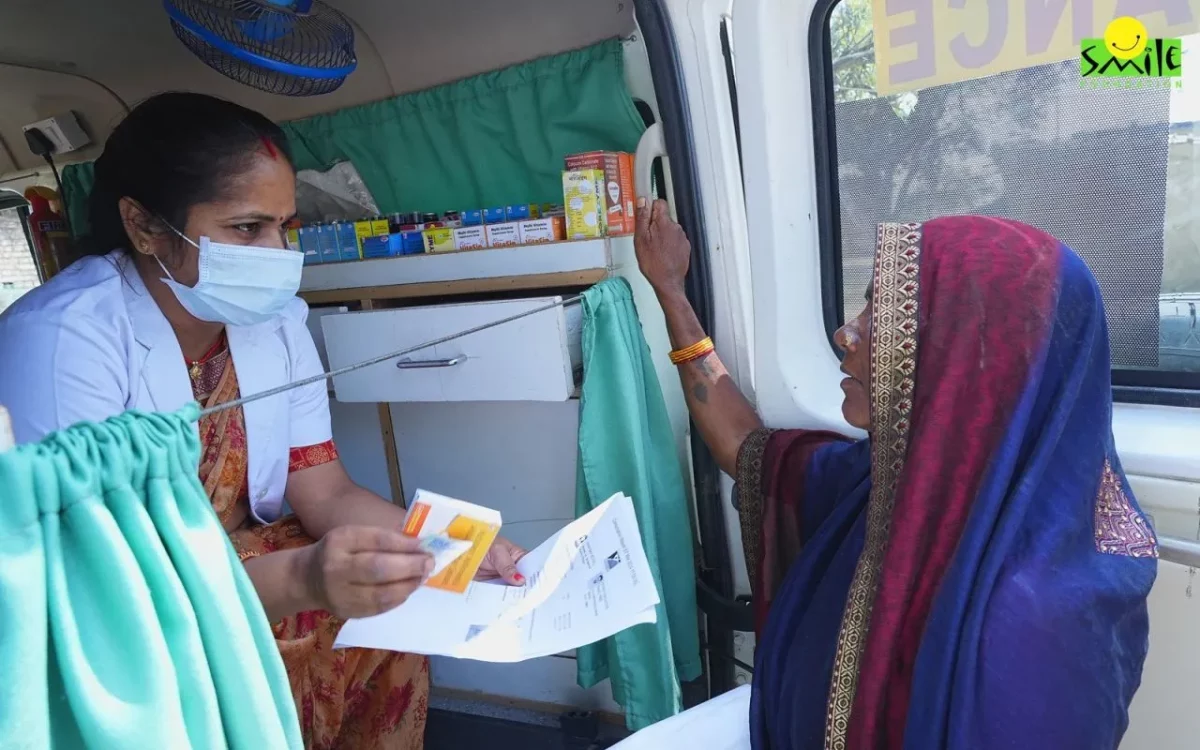
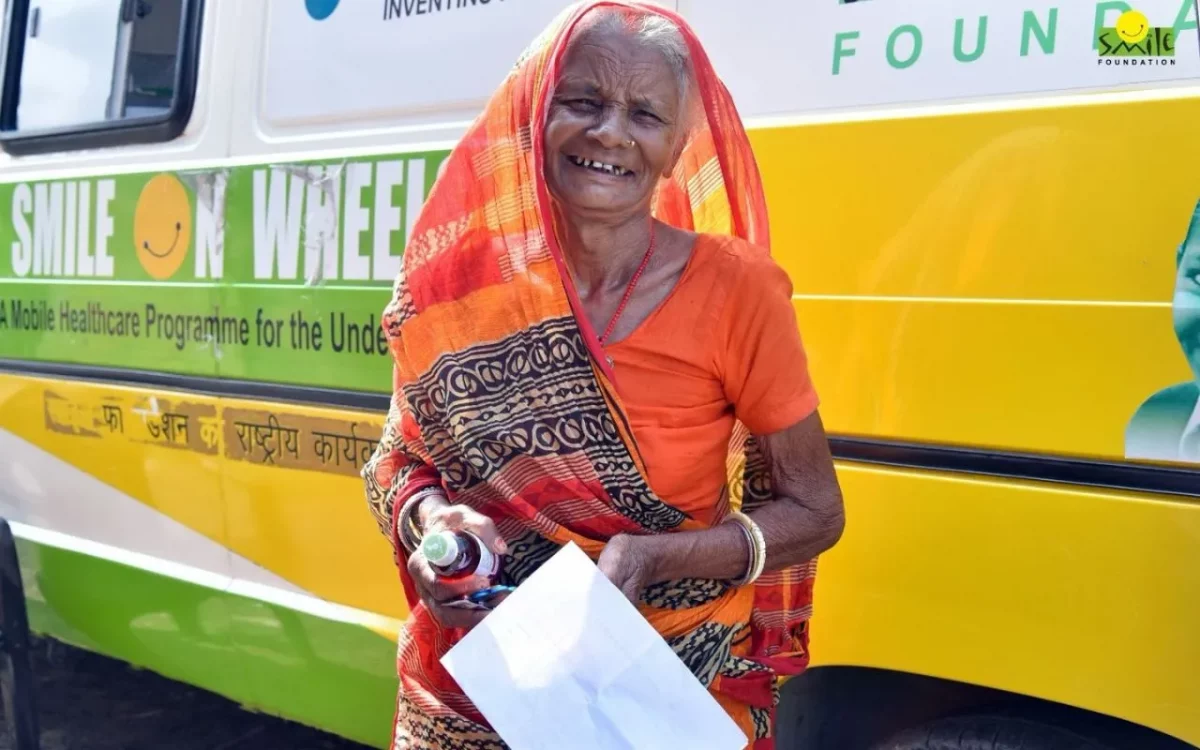
Organisations such as Smile Foundation have been working to supplement the efforts of the government. Our healthcare intervention provides primary healthcare facilities at the doorsteps of the underserved communities in the identified rural areas and urban slums. The aim is to reach the vulnerable population who cannot afford basic healthcare facilities.

The urban slum dwellers suffer from adverse health conditions as they lack education and awareness and also are unwilling to lose a day’s wage to reach the nearest medical facility.

Following a two-pronged approach, Smile Foundation’s comprehensive and community-centric health programme provides curative as well as preventive services, addressing the gaps in availability, accessibility and affordability of healthcare.

We joined hands with GlaxoSmithKline Asia Private Limited (now Haleon) to make dental treatment affordable and accessible and to address the gaps existing in dental healthcare at the community level.

The dental health units have been providing diagnostic as well as curative services through roster based OPDs. Another very important component of the Smile on Wheels Dental HealthCare is the School Oral Health Programme that includes awareness sessions on oral health and hygiene followed by regular dental check-ups.

Two new technology platforms have been integrated in the healthcare programme. ReMeDi is an integrated telemedicine solution that enables teleconsultation where doctors are remotely connected to see the patient, talk to the patient and can access past medical records. The device enables doctors to conduct over 30 point-of-care diagnostic tests in real-time. Results from these tests are transmitted automatically to the EMR. Doctors can prescribe medicines and also refer for follow-up visits and continuous care.

Health Cube, a state-of-art portable diagnostic system, provides results in 3 to 30 minutes for over 30 tests across various parameters. The system allows smart diagnostics and artificial intelligence to facilitate rapid screening of patients.

Categories
Skill Development

Unemployment in India over the years

When India gained Independence in 1947, there were numerous challenges that the new republic was facing. Creating appropriate employment opportunities for its population was one of those biggest challenges. The long British colonial rule had wrecked the economy, which meant that India had to begin from the beginning to rebuild.

Over the decades, the nature and structure of unemployment in India has changed. It has reflected the economic transformation in the country and the policy interventions. At the same time, shifts in global power, technological advancements and other factors have also had a huge impact on India’s employment landscape.

Historical Trends

During the early years of Independence, as mentioned above, India faced many challenges including high unemployment rates. The measurement of unemployment during this time was also done through rudimentary methods, mainly based on census data and some surveys. This meant that the nuances of unemployment were not observed at the time while the focus was solely on finding out how many people were out of work. It took India some time to develop the right tools and processes to gauge the depth of the problem in order to create effective solutions.

In the 1970s and 1980s, the National Sample Survey Office (NSSO) began conducting more comprehensive surveys, providing a clearer picture of unemployment. Some new processes like understanding the Current Daily Status and the Usual Status helped with more nuanced exploration of unemployment patterns in the country.

One of the biggest shifts in the Indian employment landscape happened after the liberalisation of the economy in 1990. The policy change created big changes in the labour market as the Indian economy was opened to international trade which meant companies from around the world could now establish their presence in the country. This led to widespread employment generation in the following decades. The shift from an agrarian economy to a more industrial and service-oriented one led to changes in employment patterns.

During this time, the NSSO surveys also kept evolving with new methodologies introduced in them to improve efficiency of the data collected. In 2017, Periodic Labour Force Survey (PLFS) was introduced which further refined the measurement process of unemployment in the country through quarterly assessment and including informal employment too.

Unemployment in India and Changes in Labour Market

While the measurement of employment saw massive shifts in the decades following Independence, the labour market also evolved with changing conditions. One of the biggest shifts was moving from a predominantly agrarian economy to creating opportunities in the industrial sector. In the 1950s, agriculture accounted for over 70% of employment, but this has declined to around 42% in recent years.

Another change that has happened in the last two decades is the impressive growth in the services sector like Information Technology (IT). This has created new opportunities for Indian youth and has also established India as a reliable centre for skilled workforce in these industries.

Another factor that has played a crucial role during this time is urbanization. As more and more people migrated from rural parts of the country to the cities, it led to an expansion of the informal sector. According to the International Labour Organization (ILO), around 81 per cent of India’s working population is employed in the informal sector. While it is a great source of employment for millions of Indians, there are also concerns regarding the poor working conditions and lack of job security.

Lately, with the rise of technology-based startups in the country, the gig economy has also ballooned which has created more employment. However, it has also been mostly informal in nature, not providing the workers necessary benefits and security.

Unemployment Numbers Over the Years

Now that we have understood the changes in the unemployment landscape and measurement techniques over the decades, let us see how the unemployment rate in India has fluctuated over time.

1960s-70s: While the data is sparse and not reliable, some estimates suggest that the majority of the population was employed in the agriculture sector, which meant that the actual unemployment rate at the time was relatively low, around 2-3 percent. However, there was no way to measure issues like seasonal unemployment and nuances of poverty at the time.

1980s: During this decade, the recorded unemployment rate remained low at around 2.8 per cent according to the World Bank data. This can be attributed to the same factors that majority of people were employed in the agriculture sector and the measurement of employment was primarily done through rudimentary tools like surveys.

1990s: This was the time of post-liberalisation which witnessed the biggest shifts in the labour market. New opportunities created by liberalisation pushed people from rural areas to migrate to cities in search of better jobs and incomes. It could also be that the government had gauged the rural distress and brought this significant change in India’s economic policy due to the increasing unemployment which was not being measured by the surveys in the past. This is perhaps the reason behind the increase in unemployment rate at the time which reached around 7 per cent.

2000s: The Indian economy benefitted from liberalisation in the following decades and the unemployment rates fell in the following years. At this time, the recorded unemployment rate was between 4-5 per cent. However, it fluctuated a lot as the world witnessed the global financial crisis in 2008.

2010s: During this decade, the unemployment rate remained stable at around 5-6 per cent. However, the introduction of PLFS revealed a bleaker picture with the unemployment rate at 6.1 per cent in 2017-18.

2020s: The unemployment rates peaked at this time because of the covid-19 pandemic and the subsequent impact on the world economy as well as Indian economy. The lockdown halted all the activities severely impacting those working in the informal sector. The unemployment measurement also paused during this time. However, the economy has recovered gradually since 2022 and the unemployment rate is again stabilising.

Challenges in Addressing Unemployment

Even today, with all the transformations and policy interventions, India continues to struggle with the problem of unemployment. The growth is often seen as V-shaped with the rich becoming richer and the poor becoming poorer. The unemployment rate for the younger population is higher than the national average and the lack of new opportunities is a grave concern for the country.

At the same time, the dominance of the informal sector in providing the majority of jobs is a concern too because of the job security issues and the poor working conditions. Gender disparities in employment also persist. Women’s labour force participation rate in India is among the lowest in the world, with cultural and social norms often restricting women’s access to employment opportunities. Addressing these disparities is crucial for achieving inclusive economic growth.

Solutions and Future Scenario

To address these challenges, there needs to be a concerted effort to improve the measurement techniques and to provide better job opportunities. Here are some of the immediate steps that can be taken:

  1. Skill development: Investing in education and skill development is essential to bridge the skills gap and enhance employability. There are many initiatives like the Skill India Mission which aim to provide vocational training to millions of young people to prepare them for the modern job market. Putting stronger emphasis on STEM (Science, Technology, Engineering and Mathematics) education can also prepare the workforce for emerging industries.
  2. Promoting Entrepreneurship: A good way to create job opportunities is to start new businesses. Government programmes like Startup India and the Atal Innovation Mission provide support to startups and entrepreneurs. Access to credit and financial services for small and medium enterprises (SMEs) is also crucial for promoting entrepreneurship. More work should be done in this area to support entrepreneurs from rural areas and those who are not connected to the urban networks.
  3. Strengthening Rural Economy: Rural unemployment is one of the biggest challenges for India and it also needs to reduce the burden of migration to ensure that the growth is sustainable. Initiatives like MNREGA work towards addressing this issue. However, bringing in more investments in rural areas can further help with strengthening the rural economy.
  4. Supporting Informal Sector: Government needs to come forward and institute checks and balances ensuring that the workers in the informal sector have the right security and benefits. More and more work should be done to formalize the informal sector by providing social security benefits, access to credit and skill development. Minimum wages and redressal mechanisms for workers can also help in bringing in more structure to the informal sector.
  5. Leveraging Technology: One of the biggest opportunities available to us today is the new technology that is rapidly changing and how we can use it for our benefit. We have already seen innovations in India in digital payments that have provided a boost to the economy. Also, the growth of the gig economy, driven by platforms like Uber and Swiggy, has created flexible job opportunities for many. However, ensuring fair wages and social protection for gig workers is essential.

By addressing the challenges and implementing these solutions, India can make the most of the demographic dividend that it has right now. The country can use its young population to grow the economy and improve the lives of millions in the near future.

Categories
Skill Development

Why Should India Care About R&D?

Research and Development (R&D) is the backbone of innovation, economic growth, and societal progress. It drives advancements across industries, leads to new products, and fosters technological growth. For a country like India, with its vast pool of talent and growing economic potential, investing in R&D is crucial. Innovation is rightly acknowledged as a driver of economic growth, and Prime Minister Narendra Modi appropriately extended Lal Bahadur Shastri and Atal Bihari Vajpayee’s slogan, “Jai Jawan, Jai Kisan, Jai Vigyan,” to include “Jai Anusandhan” (research and innovation).

While India has made notable strides in sectors like IT and pharmaceuticals, the broader landscape of R&D still needs to catch up with the global standards. Countries that prioritise R&D, such as the United States, South Korea, and Germany, have emerged as leaders in technology, industry and global influence. In contrast, India’s R&D spending remains underwhelming, which holds back its potential for innovation and development. Thus, exploring why India needs to pay more attention to R&D is a necessity.

The current landscape of R&D in India

India’s R&D landscape has witnessed improvements, yet it remains a mixed bag. According to data, India spends less than 1% of its GDP on R&D, whereas countries like Israel and South Korea spend over 4%. The government and public sector are the main contributors, with private sector investment lagging. India has also developed strong institutions like the Indian Institutes of Technology (IITs) and the Council of Scientific and Industrial Research (CSIR). However, the connection between academic research and industrial application is still weak, limiting the practical impacts of these institutions’ innovations. Furthermore, while India’s talent pool is vast, the brain drain to countries with better research infrastructure remains a significant challenge.

Why does India still lag?

India’s lower investment in R&D is often cited as the primary reason for its lagging innovation landscape. However, the problem runs deeper. Bureaucratic red tape, a risk-averse private sector, and a focus on short-term returns over long-term innovation are key hurdles. There is inadequate collaboration between academic institutions and industries, making it difficult to convert theoretical research into practical applications. Moreover, the education system is often criticised for prioritising rote learning over creative problem-solving, hindering innovation at its roots.

Additionally, India’s focus on labour-intensive industries means less emphasis is placed on automation and research-heavy sectors. Thus, even though India produces a significant number of engineers and scientists, the opportunities for them to engage in cutting-edge research within the country are limited.

Where do India stand in comparison with global R&D leaders

When comparing India with countries that have excelled in R&D, the differences are stark. Countries like the United States, Germany, Japan and South Korea are global leaders in R&D, not just because of their investment but also because of the collaborative ecosystems they have built. In these countries, there is a seamless connection between academia, government, and the private sector, ensuring that research leads to innovation.

For instance, South Korea invests heavily in R&D, focusing on electronics, telecommunications, and advanced manufacturing. This has transformed it into a global tech giant, home to companies like Samsung and LG. The country’s emphasis on innovation-driven growth has allowed it to create high-paying jobs, boost exports, and significantly raise its standard of living. Similarly, Germany’s focus on engineering, automotive, and green technologies, combined with government incentives for private sector R&D investment, has made it a leader in industrial innovation.

Why should India prioritise it?

India’s demographic dividend presents a unique opportunity that can only be harnessed through innovation. With a population largely under 35 years of age, the potential to drive technological change is immense. However, without a strong R&D framework, India risks becoming a mere consumer of technologies developed elsewhere rather than a producer.

R&D is essential for solving some of India’s most pressing issues, including healthcare, energy security, climate change, and sustainable agriculture. For example, India’s pharmaceutical industry, known as the “pharmacy of the world,” could push boundaries in drug discovery and biotechnology with more robust research support. In agriculture, improved research could revolutionise water conservation techniques, crop resilience, and yield improvement—vital for a country whose livelihood depends so heavily on farming.

How can India enhance its R&D capabilities?

To fully realise its potential, India needs a multi-faceted approach to strengthening R&D. The current 0.7% of public R&D spending should be increased to at least 3% of India’s GDP to facilitate innovations. Strategies should be developed to reclaim India’s intellectual capital by promoting collaborations and knowledge transfer. Collaborating with countries that are strong in R&D will provide Indian researchers with access to cutting-edge technologies and methodologies.

Mandating 2% of CSR funds for joint research projects with academic institutions will strengthen the industry-academia linkage, while developing a national portal can allow industries to post research problems while academia offers solutions. Introducing mandatory research methodology and scientific writing courses in PhD curricula, alongside a national mentorship program pairing early-career researchers with eminent scientists, will improve the quality of Indian research.

In addition, “Women in STEM” program, gender-sensitive policies can help foster inclusivity. Further, establishing A national IP bank could ease patent licensing, promoting translation of research into marketable innovations. Higher education should be promoted with availability of fellowships and grant programs  to fund research projects spanning multiple disciplines. These steps would significantly improve India’s ecosystem for research and innovation.

In conclusion, for India to thrive in the global economy and tackle its domestic challenges, a robust R&D framework is non-negotiable. While the country has made progress in certain areas, significant gaps remain in terms of investment, industry collaboration, and innovation culture. By enhancing its R&D capabilities, India can transform into a hub of global innovation, creating opportunities for future generations and ensuring sustainable growth for its economy.

Categories
Education

Quality Education in India, Greater Engagement with the World

Quality education is central to any country’s development and growth. When we think about the greatest institutions of the world, we think of Harvard, Oxford and many others that highlight the tradition of knowledge that has been cultivated in these countries over the centuries. Even in India, we hear of the great universities of the past like Takshshila and Nalanda which not only promoted a culture of learning within the local population but also attracted visitors from far away lands.

This shows that quality education has a significant potential of enhancing a country’s engagement with the rest of the world. It is especially true in today’s world because we are more connected than ever, with ease of movement, and the exposure everyone is seeking to understand global issues. As India continues to grow economically and politically, the role of education in shaping its future becomes increasingly critical.

Current State of Education in India

Since the time of Independence, when most of the Indian population was not literate, we have come a long way and have made impressive progress in this field. However, even after all these decades, several challenges remain. According to UNICEF, poor quality education in India is leading to poor learning outcomes, pushing children out of the education system and leaving them vulnerable to child labour, abuse and violence.

Not just that, while India has built good infrastructure to match its growing demands for quality education, the implementation remains lacklustre. The Annual Status of Education Research (ASER) has shown a grim picture year-on-year about the level of learning in students enrolled in public-funded schools across the country. Additionally, the National Achievement Survey (NAS) 2017 revealed that only 45.2% of students achieved the targeted performance levels across all subjects and classes at the national level.

It is also true that many Indian students are preferring to go abroad for higher education because of an extremely strict competition for seats in premiere institutions like IITs, IIMs and AIIMS. There is an urgent need to develop more such institutions to fulfil the demands of a growing population.

Link between Quality Education and Global Engagement

First and foremost, when an individual receives quality education, they are equipped with the necessary knowledge, skills and competencies that are needed to thrive in a constantly evolving world. The need for newer skills keeps coming up in our globalised world because of constantly changing technology and the requirements of the world.

It is through quality education that critical thinking, creativity and problem-solving abilities are fostered. These are essential for innovation and economic growth. Moreover, education promotes an understanding of diverse cultures and helps build tolerance among individuals. This is extremely important for global engagement and learning effectively from individuals coming from diverse backgrounds and perspectives.

This is why the National Education Policy (NEP) of India also highlights the importance of making education more holistic, flexible, multidisciplinary, aligned with the needs of the 21st century. It aims to bring out the unique capabilities of each student. The policy also aspires to elevate the learning standards of Indians to match the international levels in order to transform India into a hub of excellence.

Challenges in Achieving Quality Education

There are a number of challenges that hinder the process of achieving quality education in India. Let us look at them individually–

  1. Infrastructural challenges While India has made a lot of progress in this area, there are still institutions, both schools and colleges, that lack basic facilities like adequate classrooms, clean drinking water, desks for students, and functional and clean toilets. This makes it difficult for students to receive quality education, especially girl students who need access to properly functioning toilets because of their specific needs. In today’s world, where smart classrooms are becoming essential in schools and colleges, this huge digital divide exacerbates the inequalities.
  2. Quality of teachers – Over the years, several media reports have suggested that the quality of teaching in many schools across the country is not at par with basic standards. Rote learning approach continues to dominate where students are more focused on scoring good marks rather than learning the necessary skills and building qualities among them. Therefore, the need is for training the teachers in newer pedagogical methods.
  3. Curriculum development – Even today, the curriculum in many schools and universities across India is not aligned with the requirements of industry and society. This creates a huge gap between what is being taught in the classroom and what the students need to function effectively in the real world. There is an urgent need to revamp the curriculum to align it with the requirements of the changing world.
  4. Equity and inclusion – Even today, students belonging to marginalised sections of the society and those from economically weaker backgrounds do not have easy access to education which is available to those coming from privileged backgrounds. This creates a significant barrier in the paths of a large majority. Therefore, the need is to promote inclusive education in the country.

Role of Higher Education

While school education is essential for building the right foundation, higher education plays a pivotal role in preparing the individuals for thriving in the world. This is why the NEP 2020 emphasises the need for multidisciplinary and holistic education, institutional autonomy, and the promotion of quality research through the establishment of the National Research Foundation.

It is needed that higher education institutions actively focus on international partnerships and collaborations to facilitate exchange of knowledge, research and best practices among students and faculty. This is how India can play an active role in the global knowledge economy. For instance, the IITs and IIMs have established partnerships with leading global universities, enhancing their research capabilities and global standing.

Conclusion

Quality education is essential for India’s development and its engagement with the global community. India can achieve educational excellence by investing in education, enhancing teacher quality, reforming curriculum and pedagogy, addressing infrastructure deficiencies, promoting equity and inclusion, and strengthening higher education. Further, this can drive economic growth, foster cultural exchange and equip individuals with the knowledge and skills needed to address global challenges. As India continues to grow and evolve, quality education will play a pivotal role in shaping its future and enhancing its global engagement.

Categories
Girl Child

Modifying policies for gender equality

Last month, the Gujarat government updated the existing ‘Naari Gaurav Neeti 2024’ and released a reformulated version. This revision aims to enhance women’s economic upliftment and empowerment in today’s context. A Times of India article reported that the goal was to adapt the law to meet the needs of evolving times. The policy guarantees equal opportunities for both men and women in various activities of state government departments and seeks to prevent any discriminatory practices. Chief Minister Bhupendra Patel reiterated that the objective of this reformed policy is to create an enabling environment for women and young  girls. This initiative aims to promote equitable opportunities, eliminate gender discrimination and achieve inclusive development and empowerment through transformations in social structures. There has also been a larger attempt to incorporate sustainable development goals into the ambit of the policy.

This case highlights the urgent need to revise policies to achieve true gender equality in evolving times. Many existing policies established in the past often overlook the pressing issues of contemporary gender inequality. They may have been crafted without a thorough understanding of the unique needs of diverse gender groups. Additionally, specific laws and regulations can inadvertently perpetuate stereotypes and systemic barriers, hindering opportunities for marginalised genders. The intersectionality of gender with factors such as race, class, and disability complicates matters further, revealing that a one-size-fits-all approach does not work. Thus, it is essential to modify policies to reflect the intricate realities of gender dynamics, fostering inclusive environments that promote equality for everyone.

Envisioning a gender-equal nation

According to the Global Gender Gap Report 2023 published by the World Economic Forum, countries like India, Türkiye, and China have less than 7 percent of women serving as decision makers in the parliament. This statistic highlights a significant gender imbalance in political representation, underscoring India’s urgent need to incorporate gender considerations into its policies. To foster a more equitable society, it is crucial for the government to modify existing policies and create new frameworks that prioritise gender equality. This includes promoting women’s participation in politics, enhancing access to education and healthcare, and implementing measures that can ensure their equal participation in the workforce. By embedding gender considerations into all policy-making levels, the country can work towards a more inclusive and just society, ultimately benefiting the entire population.

Early this year, the Women’s Reservation Bill— which has experienced a tumultuous history since its introduction—was reissued in Parliament. This legislative proposal aims to reserve 33 percent of seats for women in the Lok Sabha and state legislative assemblies, marking a significant step toward enhancing women’s political representation in India. This serves as a critical example of how periodic policy changes can pave the way for a more robust democracy.

Overcoming Challenges Along the Way

Modifying policies for gender equality presents several challenges that cannot be overlooked. Resistance to change often arises from deeply rooted cultural norms and beliefs that perceive gender roles as fixed. Furthermore, policymakers frequently encounter a lack of necessary data to guide effective reforms. They may face opposition from stakeholders who perceive gender equality initiatives as threatening their interests.

A pertinent example of this complex dynamic is the ongoing discourse surrounding period leave. The central question remains: Is granting special leave for women during their menstrual cycle a progressive measure that will encourage more women to join the workforce, or does it risk becoming another excuse for employers to avoid hiring women altogether?

While many women have welcomed the idea of period leave as a way to acknowledge their needs, the conversation continues to be fraught with challenges. The debate surrounding this policy has illuminated critical issues regarding how workplaces can become more accommodating of women’s biological realities. Advocates argue that discussions on gender inclusivity must also consider the intersections of gender with factors such as age, socioeconomic status, and organisational hierarchy. By considering these dimensions, policymakers can work towards more nuanced and practical strategies that promote gender equality in a truly inclusive manner. This underscores the necessity for improved policies that facilitate greater inclusion of women in the workplace.

Onward and Upward

Even when policies are modified, their implementation can become a significant obstacle. Well-designed policies may falter if there is inadequate training, insufficient resources, or a lack of commitment from those responsible for enforcement. A notable example is the Maternity Benefit (Amendment) Act of 2017, which extended women’s maternity leave from 12 to 26 weeks. However, its implementation has encountered various challenges. Many organisations, especially in the informal sector, struggle with the resources and training necessary to comply with the new regulations. Additionally, there has been little commitment from the side of the employers in the formal sector.

In response to these challenges, adopting an approach that considers all stakeholders is essential. A multi-faceted strategy could involve collaboration among government officials to ensure adequate oversight, businesses to promote compliance and raise awareness, and civil society to advocate for women’s rights and offer support for those navigating these changes.

Furthermore, there is also a need to establish precise mechanisms for accountability and evaluation. Regular monitoring of policy implementation and outcomes can help identify gaps and areas for improvement, paving a way for gender equal mechanisms to thrive.

Categories
CSR

Issues that CSR in healthcare are trying to address

As per Section 135 of the Companies Act 2013, it is mandated that companies meeting specific size and revenue criteria invest at least 2 per cent of their average net profits from the previous three annual years into Corporate Social Responsibility (CSR) projects. Introduced a decade ago, this regulation has significantly transformed the CSR landscape in our country. Companies now actively channel funds into public service projects, elevating discussions on social impact to a higher level.

Traditionally, CSR expenditure has been concentrated in six primary areas: education and skill development, healthcare, rural and urban slum development, livelihood enhancement, environmental sustainability and poverty alleviation. However, increasingly novel areas, such as gender inequality, animal rights, etc., are also being catered to via CSR projects. This shift has not only broadened the scope of CSR activities but also emphasised the role of businesses in addressing societal challenges.

Among the recent research, a 2024 study conducted by SoulAce, a prominent CSR consulting and monitoring firm, highlights the significant impact of CSR initiatives on India’s healthcare sector. As per this research, these projects have substantially alleviated the strain on public healthcare institutions and played a crucial role in fortifying India’s healthcare framework. Through investments in various healthcare-related CSR activities, companies have not only been supporting the enhancement of medical facilities and services. Still, they are also contributing to improving overall public health outcomes. This growing emphasis on CSR in healthcare underscores the evolving role of businesses in addressing critical social issues and supporting national health priorities.

A push to access and equity

India has one of the lowest healthcare expenditures as a percentage of GDP. Over the last two decades, most development with regard to healthcare facilities has taken place in the private sector or through public-private partnerships, with minimal progress in the public sector. In this context, CSR initiatives are crucial in addressing disparity in access to medical services. Despite advances in medical technology and healthcare delivery, significant gaps remain, especially in underserved and low-income areas.

CSR programmes often work to bridge these gaps by funding free clinics, providing mobile health units, or partnering with nonprofits to offer subsidised treatments. For instance, the Hyundai Motor India Foundation (HMIF) has introduced the Sparsh Sanjeevani Telemedicine Clinics in Maharashtra, creating a network of telemedicine clinics in remote areas to offer essential healthcare services. Patients can consult specialists for a nominal fee of Rs. 100, with medications provided by an in-clinic nurse. Similarly, the SBI Foundation’s Sanjeevani initiative deploys mobile medical units to deliver primary healthcare directly to rural, tribal, and remote communities. Between 2022 and 2023, the SBI Foundation rolled out 30 mobile units across seven states, improving healthcare access in these regions.

These CSR efforts go beyond merely improving access to healthcare; they play a pivotal role in promoting equity across the healthcare sector. By supporting programs that target vulnerable populations, advocating for equitable health policies and investing in research to address disparities, these initiatives contribute to greater equality in healthcare in India. A notable example herein is Tata Steel Limited’s Maternal & Newborn Survival Initiative (MANSI), which aims to reduce neonatal and infant mortality by strengthening the capacity of government health volunteers—ASHAs workers.

Overall, CSR programmes play a vital role in overcoming barriers such as cost, transportation, and service availability, ensuring that more individuals receive the care they need.

Furthering environmental sustainability in healthcare

The environmental impact of healthcare practices is coming under increasing scrutiny due to the sector’s significant carbon footprint, which includes high levels of waste generation, energy consumption, and reliance on non-renewable resources.

In India, the healthcare sector accounts for about 2 percent of global healthcare emissions, and as the country invests more in healthcare, this figure is expected to rise. Given this context, it is crucial for healthcare CSR initiatives to address sustainability concerns as well. In this case, a notable example is Apollo Hospitals, which has incorporated environmentally sustainable practices into its CSR strategy. Their green initiatives focus on reducing, reusing, and recycling medical and non-medical waste. They have implemented specialised systems for safely disposing of hazardous and biomedical waste to minimise environmental impact.

Additionally, Apollo Hospitals has adopted water conservation measures such as rainwater harvesting and wastewater recycling to reduce water wastage and promote sustainable water use in their operations. This forms a critical case study as to how CSR initiatives can promote the environmental cause while serving those in need of the right services.

Most importantly, it must be remembered that effective healthcare involves providing quality medical care and creating environments that enhance patient well-being. Several studies suggest that green buildings—designed with natural lighting, proper ventilation, and soundproofing—contribute significantly to a positive therapeutic environment. By incorporating these features, hospitals can improve patient comfort and recovery. This is how they can further strike a balanced commitment to environmental sustainability and patient care.

Forging community engagement 

The right interventions can also help create community engagement by working closely with local populations to understand their specific health needs and concerns. This often includes sponsoring health education programs, supporting local health initiatives, or fostering partnerships with community-based organisations. Project Jeevan Aastha by HDFC Life Insurance Company demonstrates a comprehensive approach to community health. The initiative organises free health camps that offer essential medical screenings and consultations to people in remote and underserved areas. It also conducts workshops and educational sessions to raise awareness about preventive healthcare, hygiene, and disease management. Additionally, HDFC Life collaborates with local NGOs and healthcare providers to expand its reach and enhance its impact within specific communities.

CSR initiatives in India are addressing some key issues and will only continue to have a profound impact as they evolve. By focusing on organising free health camps, educational workshops and fostering partnerships with local organisations, these programmes not only improve immediate conditions but also foster long-term development of the country.

Categories
Health

Having a peaceful mind: World Mental Health Day 2024

What provides greater joy than discovering peace in the little things in life, when your thoughts are clear and your mind is concentrated on what you’re doing? Perhaps it’s grabbing a cup of coffee in the morning, having a fancy lunch with your coworkers during a busy workday, going for a run after a demanding day or preparing your favourite dinner at the end of the day. Our tiny steps of achieving inner peace are to discover contentment and calm in otherwise mundane, everyday routines.

A calm and peaceful mind may feel like a friend you don’t often find in our “hustling culture”. At a time, when hustle culture has been glorified to be the only way to feel “productive” in life, we’re often exhausted and worn out from its commotion and grind. We don’t have enough time for the things that are meaningful to us, the things we truly want to accomplish, the activities we like doing, and the time we spend with our loved ones.

However, things don’t have to always work that way. One might choose to lead a simpler life, where they take pleasure in every task, are present in most of their activities, and are content rather than racing through tasks to get them done. And that is where the journey to feeling inner peace begins.

A peaceful mind – a better mental health

On this World Mental Health Day, let’s make peace of mind at workplaces a priority.

Keeping the mind, body, soul and spirit youthful is essential to maintaining a peaceful and healthy mind. Managing a lot of stress in today’s fast-paced existence, and finding some kind of tranquillity seems to be getting harder and harder. But let’s remember that peace of mind is very closely connected with your mental health because it helps you to make smarter choices, manage stress and anxiety, and stay positive even when life gets tough.

When you feel calm, you feel more centred, and you’re going to be much better equipped to handle whatever challenges come your way. When you feel centred and at ease with yourself and your surroundings, you are probably far more capable of managing obstacles that are constant. You’re also much more likely to have healthy relationships, develop good communication skills and a sense of purpose in your life.

On the other hand, a lack of peace of mind can cause you to feel overburdened and tense, which can result in a variety of mental health issues like PTSD, depression and anxiety. It may also negatively impact your physical well-being, leading to conditions like hypertension and cardiac disorders.

One of the most effective ways to cultivate and preserve a sense of peace of mind is to be true to yourself and make your own decisions about the world and your life. To do this deed, you must travel within and locate the areas of yourself that require forgiveness, acceptance, healing and numerous self-loving acts that promote inner peace.

Help yourself and feel at peace

You see, life shall always be unpredictable. From time to time various challenges will surface, complicating your daily routine and leaving you anxious, drained or even afraid. As the normal practice goes, Ignoring those feelings to just get on with things generally doesn’t help in the long run. Suppressed emotions can intensify, leaving you far less calm down the line.

Instead, practising acceptance has a far-reaching impact. Accepting your ideas and feelings, and feeling calm with them, is an effective way to find peace in your situation. It might take some time to develop the habit of acceptance because it’s human nature to have the desire to run from pain. But with acceptance on the other hand, you’ll probably notice that you’re feeling more at ease as it grows on you.

In the same vein, practising the act of self-forgiveness is a way to nurture peace of mind. It won’t do much good to hold onto slights or resentments to aid your inner serenity. In the end, letting go could help you in more ways than you may imagine by forgiving oneself; this takes acceptance, tolerance and compassion.


Further, why not attempt mindfulness meditation for mental clarity? This age-old Hindu practice has several potential advantages, some of which include improved brain chemistry, lowered stress levels and enhanced self-awareness. Research indicates that practising mindfulness meditation in particular might help people become more aware of their current situation, whether it’s happy or painful. It generally aids in the management of emotional discomfort – a vital regulator for your peace of mind.

Categories
Women Empowerment

Women can finally cheer; the glass ceilings have been cracked

From the earliest civilisations to the modern era, women have played vital roles in various industries, contributing to economic growth, social progress and cultural innovation. But, despite decades of progress, sizable gender gaps remain in most indicators of economic success. Throughout the history of women in the workplace, women have engaged in an uphill battle for equality. And, while there is still work to be done, it is admirable to see how women have altered these standards over time.

Today women stand 180 from where they stood decades ago

According to a 2018 report from the Institute of Fiscal Studies, as the proportion of women in work has seen a continual rise from roughly 52% to 72% in the last 50 years since equal pay legislation was introduced, this increase of women in the workplace is largely the result of a huge change in working patterns at particular points in the life cycle. There are far more women in employment today throughout their mid-to-late 20s and early 30s. This is in part because women are now cohabiting and having children both less frequently and later in life.

While some may think things like the biological clock and pregnancy would slow down women’s pace in the workforce, it has shown to be the complete opposite. Women are edging the gap in a lot of ways to strive for equality and diversity in all areas. From 1980 through 2018, it was found that women are narrowing the disparity of pay and advancement through education and skills. This is a complete 180 from where women stood just a couple of centuries ago.

The fight continues for the remaining 180

In earlier periods, the societal norm placed women as being primarily the homemakers and the family caregivers to children or older loved ones. The spouse was considered the “head of the household” who went into the workplace to earn a living for the family. In some cultures, and regions of the world, gender-specific norms or traditions may still be intact. However, as certain social and economic changes occurred, such as the rise of the Industrial Revolution and the creation and development of public education, the role of women in the workforce began to expand. These historic events evolved the former convention that women belonged at home and created a need and desire for women in the workplace.

A recent Deloitte study reported that the remuneration for women independent directors in Nifty50 companies has seen a significant rise, doubling over the past five financial years, compared to a 1.7-times increase for their male counterparts. From fighting for equal pay as their male co-workers, they are now getting higher pay.

Independent Directors: What, why and Women? Empowering Women in the Workplace

In a Corporate the effectiveness of a system of corporate governance cannot be legislated by law nor can any system of corporate governance be static. Rather, in a dynamic environment, systems of corporate governance need to continually evolve. Good corporate governance is the manifestation of beliefs, values and actions to ensure maximum value creation for the stakeholders. Factors like globalisation, global competitiveness, technology, regulatory changes, shareholders, activism, etc. have considerably expanded the role and duties of directors.

The decision-making and governance at the highest level in any company vests with its Board of Directors (The Board). Hence, a group of trustworthy and respectable people particularly denoted as Independent Directors who are not directly involved in the management of the company or have any kind of relationship with the company that may affect the independence of his/her judgment were needed. As per the Companies Act,2013 a listed company shall have at least one-third of independent directors of the total no. of directors on its board and at least one should be a woman.

True independence of women directors

Aparna Mittal, founder of the Samana Centre for Gender, Policy, and Law said, “A large number of companies retain women independent directors because a minimum number on board is now mandated for certain types of companies in India”. She added that for many companies, this requirement remains a checkbox exercise. Reports also suggest that various companies also appoint successful women directors to enhance their brand image. Though the discussion remains open-ended, various studies prove that while the law requires mandatory women directors, independent or otherwise, the necessity should be appreciated more in the context of the contribution that a woman on the Board brings to the Company culture and contributes to the company’s performance. 2019 McKinsey study mentions that there is a positive correlation between a more diverse leadership team and financial outperformance.

Women Directors are above the glass ceiling

Jing Dong Hua, VP World Bank said that “Empowering women is not only the right thing to do. It is also the smart thing to do”. It can add trillions of dollars to global GDP, boost productivity, generate higher returns on investment and promote greater organisational effectiveness.

The demand for experienced and highly skilled independent women directors is increasing as Nifty50 companies continue to grow, because of the evolving roles of the directors in the dynamic corporate environment. Here are a few behavioural traits that only a women director is better at:

  • A woman is more detail-driven, focused, patient and prudent in their reviews, and the one with better communication skills.
  • They are more inquisitive and inclusive which makes her relationship with the stakeholders more in tune as they are less risk-averse, so her presence leads to better procedures and policies for cross-checks, second opinions, etc. which results in perfection.
  • They are better equipped to handle decisions regarding HR policies, CSR policies, Marketing strategies for consumer goods, advertising and PR now increasingly on compliance-related issues.
  • A woman director, being highly educated and experienced, is also perceived as a cultural change agent and role model by other women stakeholders. Her presence can empower and groom future women directors from within.

Upskill women in the workplace to become the right fit

With the rise in demand and increase in qualified candidates, the right fit remains challenging. Though the core skills remain human-centered including empathy, ethnographic research, customer co-creation, rapid prototyping, active customer listening, etc., there are a few skills that need to be developed throughout along with the technical knowledge and know-how. These include intensive, immersive and continuous learning of line-of-work and economy-related updates with industry experts and leaders; peer networking to gain unique opportunities to exchange ideas with a diverse set of other experiences; updates on real-world problems and applications; gaining a global perspective through personalised development offered by mentors, leaders, international collaborators, etc. These help in improving strategic decision-making, leadership, influence, innovation and creativity, and legacy building for personal fulfillment of future goals. From managers to partners, CXOs to Directors, women will continue to fight their way to get an equal seat at the roundtable.

As Bill Shankly said, “Aim for the sky, and you’ll reach the ceiling. Aim for the ceiling, and you’ll stay on the floor.” Glass ceilings have been broken, but more need to be broken. It’s already got numerous cracks, though.

0%