
A woman in a village sells vegetables every morning, contributes to the family’s income, manages household expenses and even saves money by setting aside a few hundred rupees every month. But when she walks into a bank, she hesitates to sign a form because she has never been taught how an account works. She may own a mobile phone but not know how to use digital payments safely. She may be eligible for government benefits but remain unaware of the schemes available to her. Her challenge is not a lack of intelligence or willingness to learn — it is a lack of financial literacy.
Financial literacy is the foundation of economic empowerment in any country. It simply refers to the combination of financial awareness, knowledge, skills, attitudes and behaviours needed to make informed financial decisions and ultimately achieve financial well-being. While financial literacy is certainly important for all, it holds particular significance for rural women, who often navigate multiple forms of economic and social exclusion across communities and regions.
Therefore, strengthening their financial capabilities will have an impact that extends beyond individual households.

Beyond saving money
Financial literacy is often mistaken for simply knowing how to save money. But, in reality, it encompasses a broad range of things. It includes understanding how to budget household income, distinguish between needs and wants, access formal banking services, use digital payment systems safely, compare loan products, understand insurance, invest for the future, recognise financial fraud, etc. In today’s increasingly digital economy, financial literacy also includes digital financial literacy. The rapid adoption of Unified Payments Interface (UPI), Aadhaar-enabled banking, mobile wallets, and online banking has transformed how financial services are delivered in India.
However, using these tools effectively requires awareness, especially in rural areas where digital adoption often outpaces digital understanding. Financially literate individuals are more likely to save regularly, borrow responsibly, invest productively and recover more effectively from economic shocks. Yet, studies by the Securities and Exchange Board of India (SEBI) indicate female financial literacy is even lower at roughly 20 per cent, compared to 27 per cent for men.
Several structural barriers contribute to this gap. Rural women generally have lower levels of formal education and restricted access to financial information. The situation is further complicated by the existent gender digital divide. According to the GSMA Mobile Gender Gap Report, women in low- and middle-income countries continue to have lower access to smartphones and mobile internet than men. Without digital access, women are less likely to benefit from online banking, digital payments or even government services delivered electronically.
Pathway to create economic independence
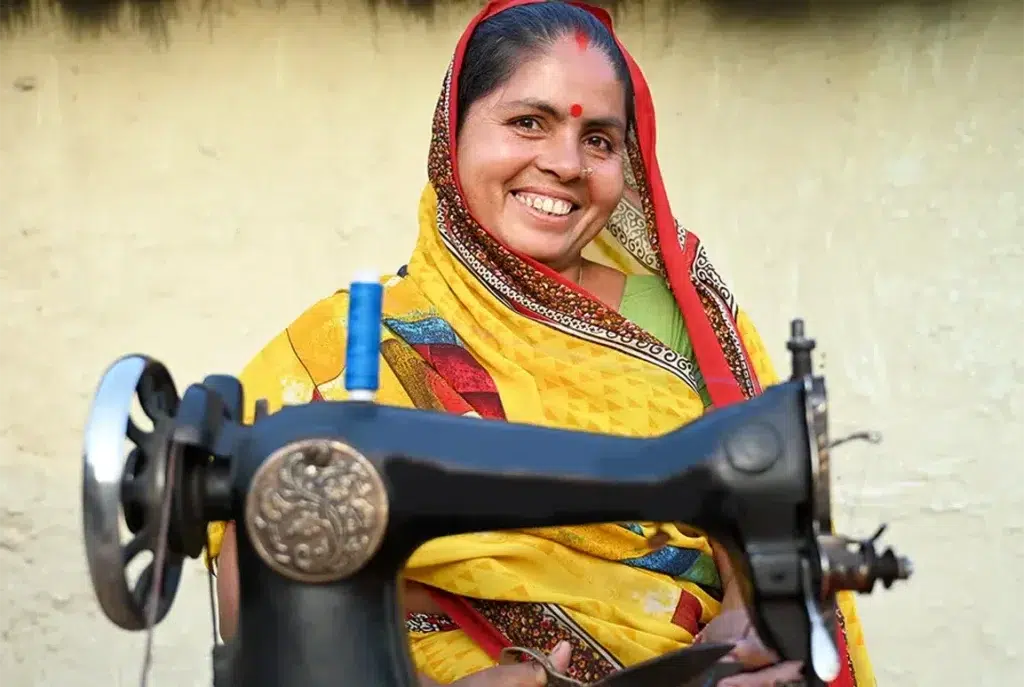
Financial literacy equips women to move from just managing money to actively making financial decisions, sometimes for the entire family. Evidence from self-help group (SHG) programmes across India demonstrates this clearly. Millions of women associated with SHGs have learned bookkeeping, budgeting, credit management and collective saving practices. Studies examining SHGs linked under the National Rural Livelihoods Mission (NRLM) have found improvements in women’s decision-making power and entrepreneurial activity.
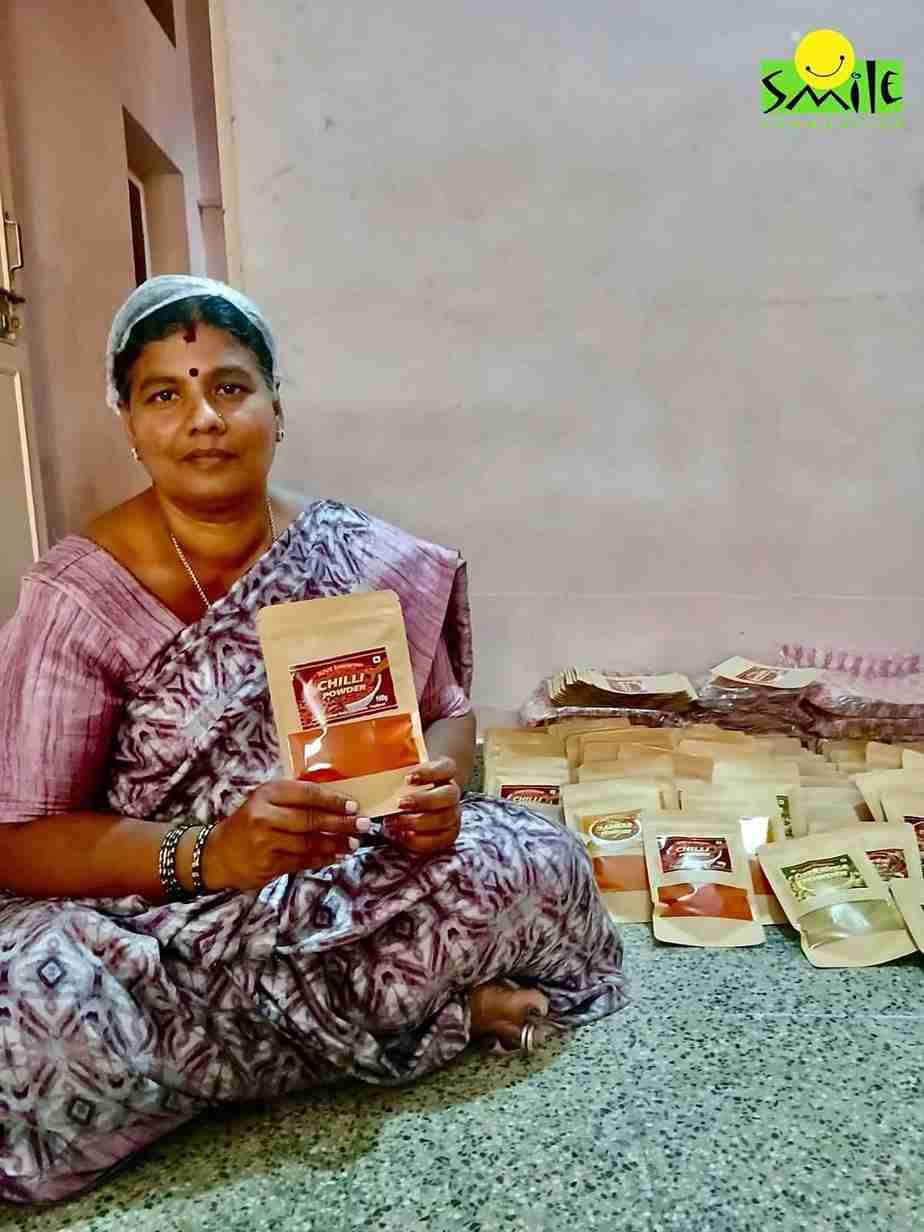
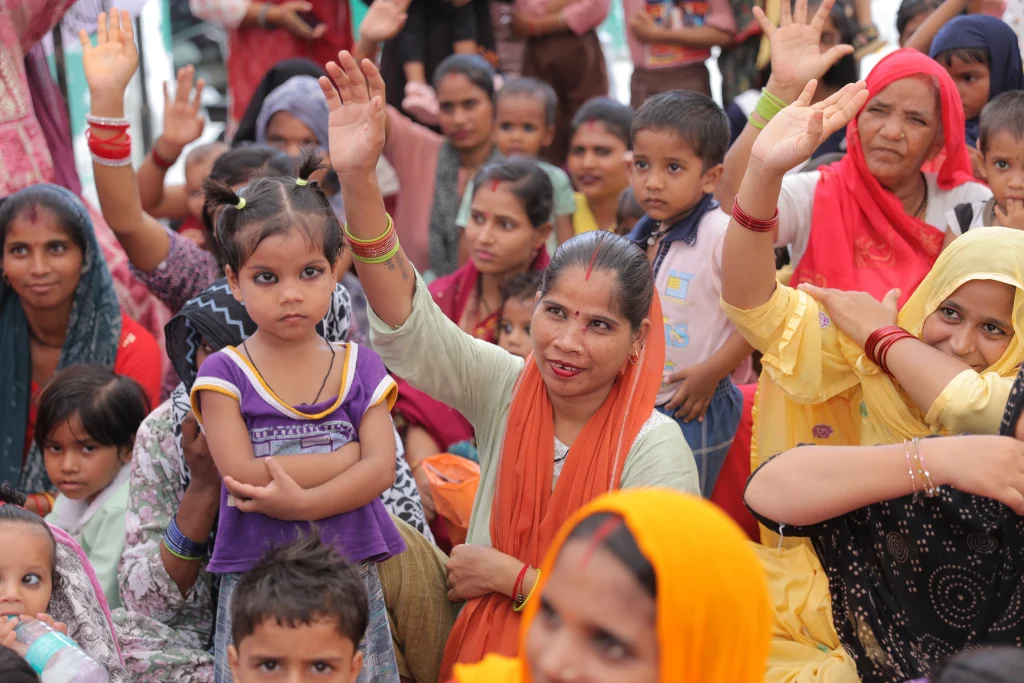
Smile Foundation’s Swabhiman programme equips women from rural and underserved communities with the knowledge to take charge of their financial futures. The programme delivers hands-on training in areas such as budgeting, banking, savings, credit management and digital financial tools, in order to encourage women to identify viable local business opportunities and build the entrepreneurial capabilities needed to start or strengthen their own enterprises. The programme also facilitates connections to seed funding and formal financial institutions, to create pathways for women to establish sustainable livelihoods.
An overall benefit to families & nation
The United Nations has repeatedly argued that women’s economic empowerment is essential for achieving the Sustainable Development Goals, particularly those related to poverty reduction, gender equality, health, education and inclusive economic growth. Financially literate women are better positioned to diversify income sources.
At the same time, through adequate financial literacy, women are less likely to fall for frauds. India’s financial landscape is changing rapidly since the last few years. Welfare transfers increasingly arrive directly into the bank accounts of beneficiaries. Farmers receive subsidies digitally. Rural entrepreneurs sell products through online marketplaces. Digital lending and mobile banking continue to expand.
While these developments create new opportunities, they also introduce new risks. Financial scams, phishing attacks, fraudulent loan offers and misinformation disproportionately affect first-time digital users. Rural women who lack digital financial skills may become vulnerable to such exploitation. Equipping them with financial knowledge allows them to exercise greater control over their lives.
As India seeks inclusive economic growth, financial inclusion must move beyond opening bank accounts to enabling meaningful financial participation. Rural women already manage households and sustain communities. Equipping them with financial knowledge allows them to exercise greater control over these contributions. Because, ultimately, financial literacy is an investment not just in individuals but also in stronger families and eventually a more equitable economy. When rural women gain the confidence to make informed financial decisions, the benefits ripple across generations, transforming economic opportunity in ways that no single financial scheme can achieve.
FAQs
1. What is financial literacy?
Financial literacy is the knowledge, skills and confidence needed to make informed financial decisions. It includes budgeting, saving, banking, borrowing responsibly, using digital payment systems, understanding insurance, recognising financial fraud and planning for the future.
2. Why is financial literacy important for rural women?
Financial literacy helps rural women manage household finances, access formal banking services, use digital financial tools, make informed financial decisions and participate more actively in economic activities. It also strengthens their financial independence and decision-making within the family.
3. What challenges do rural women face in achieving financial literacy?
Many rural women face barriers such as limited access to formal education, lower levels of financial awareness, restricted access to banking services and a persistent digital gender gap. These challenges reduce their ability to benefit fully from financial services and government schemes.
4. How does financial literacy contribute to women’s empowerment?
Financial literacy enables women to budget effectively, save regularly, access credit responsibly, start businesses and make independent financial decisions. It also increases their confidence and participation in household and community decision-making.
5. Why is digital financial literacy becoming increasingly important?
As services such as UPI, Aadhaar-enabled banking, mobile wallets and online banking become more common, understanding how to use them safely is essential. Digital financial literacy helps women access financial services while protecting themselves from fraud, scams and cybercrime.
6. How do Self-Help Groups (SHGs) improve financial literacy among rural women?
Self-Help Groups help women learn practical financial skills such as bookkeeping, budgeting, collective savings and credit management. They also encourage entrepreneurship and improve women’s confidence in managing money and participating in economic activities.
7. How does Smile Foundation promote financial literacy for rural women?
Through its Swabhiman programme, Smile Foundation trains women in budgeting, banking, savings, credit management and digital financial tools. The programme also supports entrepreneurship by helping women identify business opportunities, access seed funding and build sustainable livelihoods.