


More often, a girl’s education is worn down gradually: by the secondary school that is too far away from home, the school toilet that does not work, the younger siblings who need care, the household income that cannot stretch to uniforms or the marriage proposal that arrives before the school certificate does.
This is what makes school dropout such a difficult problem to address. It is not just one barrier but an accumulation of many reasons, each making it harder for a girl to remain in the classroom.
Over the years, central government schemes have attempted to intervene in this chain of exclusion through several measures like scholarships, residential schooling, nutrition support, infrastructure and campaigns that frame girls’ education as a public priority. These measures have proved significant not in increasing enrolment and in making continuity possible.
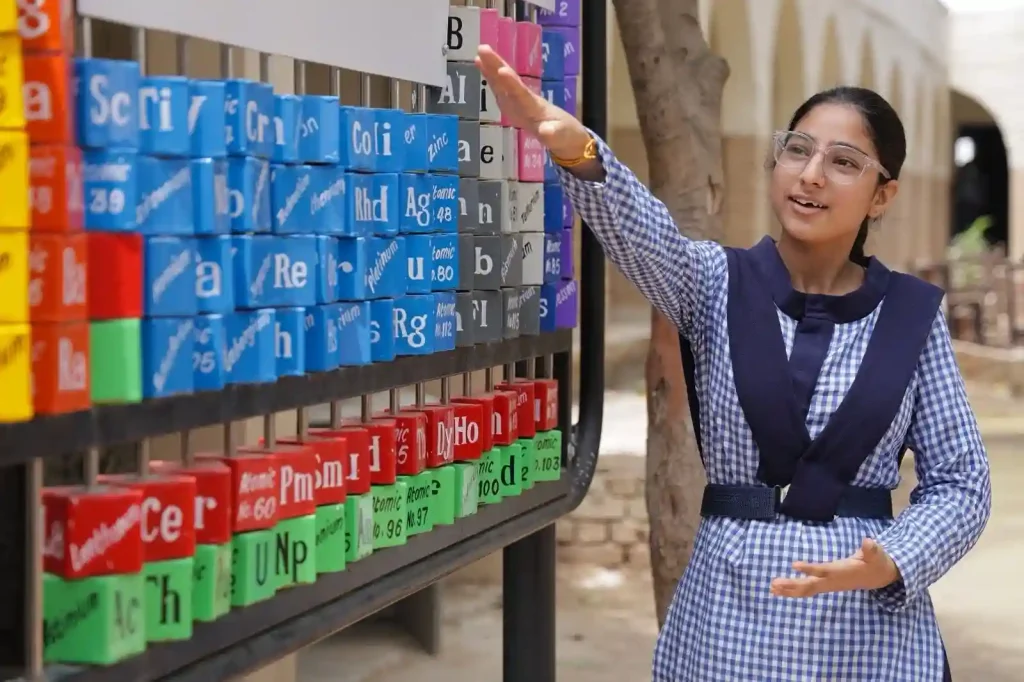
Taking account of all aspects: Central Government Schemes
A series of central government schemes have sought to address the many pressures that push girls out of school by treating dropout not simply as an educational problem, but as the outcome of economic hardship, social discrimination and unequal access to secondary schooling. At the foundation of this effort lies the Right to Education (RTE) Act, which guarantees free and compulsory elementary education and prohibits discrimination within schools, creating a legal framework that has helped keep millions of girls enrolled through the age of fourteen. Yet the sharpest risk of dropout often emerges after the elementary years, when the costs of continued education rise and social pressures intensify. It is at this stage that targeted schemes become especially significant.
The National Scheme of Incentive to Girls for Secondary Education (NSIGSE), thus, offers a financial incentive to girls who complete Class 8 and enrol in Class 9, helping offset the opportunity costs that frequently shape household decisions about whether a daughter should continue studying.
Similarly, the Kasturba Gandhi Balika Vidyalaya (KGBV) scheme addresses one of the most persistent barriers to girls’ retention, distance, by providing residential schooling for girls from marginalised communities in educationally backward areas, thereby reducing the likelihood that long travel, domestic responsibilities or the threat of early marriage will interrupt their education.
The thing about messaging
The Beti Bachao, Beti Padhao (BBBP) campaign has, in many ways, evolved into a broader social movement. Conceived to confront another deeply entrenched barrier: the persistent
devaluation of the girl child, it emerged in response to declining child sex ratios and enduring gender discrimination. By doing so, BBBP sought to frame girls’ survival, education and dignity not as matters of private family choice, but as questions of national urgency and collective responsibility. Unlike scholarship or cash-transfer schemes, it does not offer direct financial support to individual beneficiaries.
Its significance lies instead in the realm of public messaging and administrative convergence. By mobilising ministries, district administrations, schools and local communities around issues such as female foeticide, gender bias and girls’ education, the campaign attempts to reshape the social environment in which educational decisions are made. This matters because dropout is not driven by poverty alone; it is also sustained by cultural assumptions that daughters are temporary members of the household, that their education matters less than marriage or that investment in them yields limited returns.
In that sense, BBBP operates less as a conventional welfare scheme than as a state-backed effort to alter the moral and symbolic value attached to girls. Its success, therefore, cannot be measured only in budgetary disbursals, but in whether it helps produce a wider climate in which families, schools and governments’ treat girls’ education as non-negotiable rather than optional.
Lowering the cost of staying in school
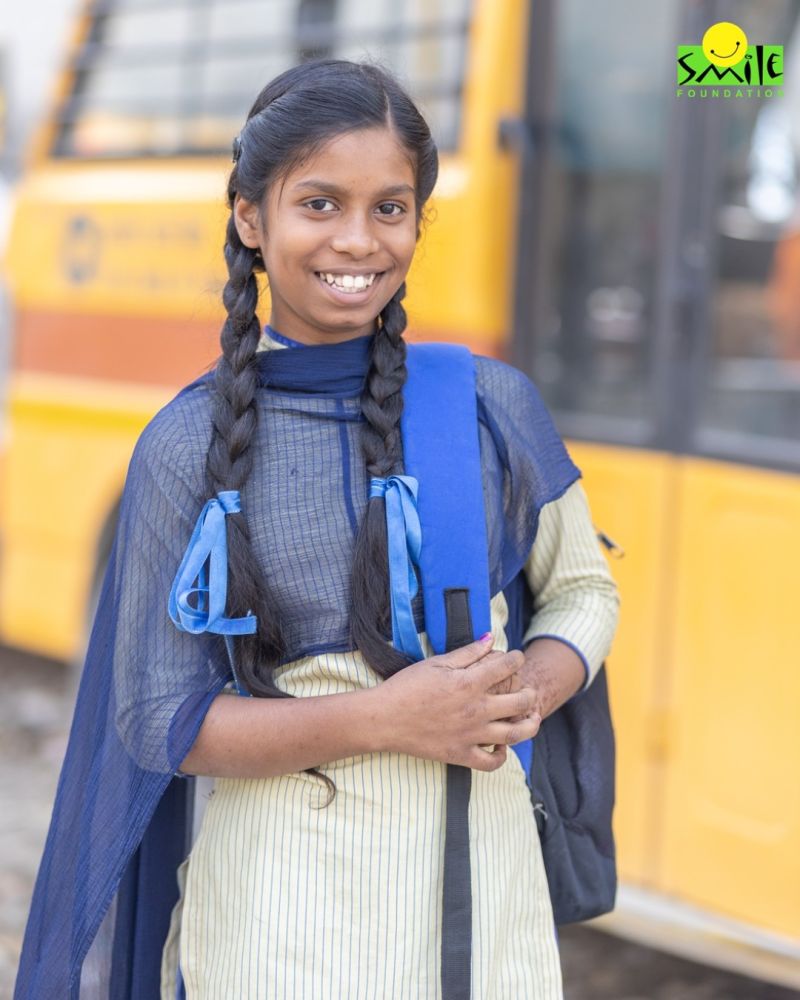
Alongside these financial and residential interventions, the state has increasingly recognised that retention depends on whether schools are materially equipped to support adolescent girls. Samagra Shiksha has been central to this shift, funding gender-sensitive infrastructure and support systems such as separate toilets for girls, stipends and self-defence training.
The provision of functional toilets, in particular, has become one of the clearest examples of how infrastructure intersects with gender equity. Even when over 90 thousand schools are For adolescent girls, the presence of a safe and usable toilet can determine whether school remains a viable space after puberty; sanitation is not a peripheral concern but one closely tied to dignity, menstrual health, absenteeism and dropout.
A similar logic underpins the significance of the Mid-Day Meal Scheme, now continued as PM POSHAN. Although often discussed primarily as a nutrition programme, its educational effects are equally important. A cooked meal in school reduces classroom hunger, improves concentration, and eases pressure on household food budgets, making regular attendance more feasible for children from low-income families.
Seen from this perspective, the significance of central government schemes lies not merely in boosting enrolment figures or fulfilling policy targets, but in extending the time a girl is allowed to remain a student. This points to a larger truth about these schemes: their effectiveness depends not only on design but on delivery. Reducing dropout, then, is not just about preventing educational discontinuity; it is about widening the horizon of what girls can imagine for their own lives.
With these government schemes — despite uneven implementation and persistent gaps — there has been at least an effort towards reducing costs and improving infrastructure. The challenge now is to continue these interventions and strengthen them with greater accountability.

FAQs
1. Which central government schemes help reduce dropout rates among girl students in India?
Several central government schemes aim to improve girls’ retention in school, including the National Scheme of Incentive to Girls for Secondary Education (NSIGSE), Kasturba Gandhi Balika Vidyalaya (KGBV), Beti Bachao Beti Padhao (BBBP), Samagra Shiksha, PM POSHAN and the Right to Education (RTE) Act.
2. Why do girls drop out of school in India?
Girls often leave school because of multiple overlapping challenges, including financial hardship, long distances to secondary schools, lack of safe sanitation facilities, domestic responsibilities, early marriage and gender discrimination. These factors accumulate over time, making it difficult for girls to continue their education.
3. How does the National Scheme of Incentive to Girls for Secondary Education (NSIGSE) help?
NSIGSE provides financial incentives to eligible girls who complete Class 8 and enrol in Class 9. The scheme helps reduce the financial burden on families and encourages girls to continue their education during the critical transition to secondary school.
4. What is the role of Kasturba Gandhi Balika Vidyalaya (KGBV) in girls’ education?
KGBVs provide residential schooling for girls from disadvantaged communities in educationally backward areas. By offering safe accommodation and access to education closer to home, the scheme helps overcome barriers such as distance, safety concerns and early marriage.
5. How does Beti Bachao Beti Padhao (BBBP) support girls’ education?
Unlike scholarship schemes, BBBP focuses on changing social attitudes towards girls. Through awareness campaigns and coordination between government departments, schools and communities, it encourages families to value girls’ education and challenges gender discrimination.
6. Why are school toilets and nutrition programmes important for reducing dropout rates?
Basic facilities such as separate functional toilets and nutritious school meals make it easier for girls to attend school regularly, particularly during adolescence. Programmes like Samagra Shiksha and PM POSHAN help address practical barriers that often contribute to absenteeism and dropout.
7. How does Smile Foundation help girls stay in school?
Through Mission Education, Smile Foundation works with children, families and communities to improve access to quality education, encourage regular attendance and reduce school dropout. By addressing educational, social and economic barriers together, the programme supports girls in completing their schooling and building brighter futures.