Categories
Health

Healthcare of the Rapidly Ageing Population of India 

India is experiencing a demographic transition with a marked increase in the elderly population. According to projections, the number of individuals aged 60 and above is expected to rise significantly in the coming decades. This demographic shift is attributed to improved life expectancy and declining birth rates, leading to a higher proportion of elderly individuals within the population. 

The ageing population presents several challenges for the healthcare system, including increased demand for medical services, a higher prevalence of chronic diseases and the need for long-term care. Addressing the healthcare needs of the rapidly ageing population of India requires a comprehensive and strategic approach to ensure that the elderly receive adequate care and support. 

Challenges in Healthcare of Ageing Population

Chronic Diseases and Comorbidities 

The elderly population is more susceptible to chronic diseases such as diabetes, hypertension, heart disease and arthritis. Managing these conditions often requires ongoing medical care, regular monitoring and medication management. Additionally, many elderly individuals suffer from multiple chronic conditions simultaneously, known as comorbidities, which complicate their healthcare needs. 

Mental Health Issues 

Mental health is a significant concern among the elderly. Conditions such as depression, anxiety and dementia are prevalent in this age group. However, mental health services are often inadequate or inaccessible, leading to unmet needs and a lower quality of life for many elderly individuals. 

Access to Healthcare Services

Access to healthcare services is a major issue for the elderly in India, especially in rural areas. Limited availability of healthcare facilities, shortage of healthcare professionals and financial constraints hinder the ability of elderly individuals to receive timely and appropriate care. 

Long-Term Care and Support 

The need for long-term care and support is growing as the population ages. Elderly individuals often require assistance with daily activities, mobility support and continuous medical supervision. The lack of structured long-term care facilities and trained caregivers poses a significant challenge in providing comprehensive care for the elderly. 

Strategies to Improve Healthcare for the Elderly 

Strengthening Primary Health Care 

Strengthening primary health care is essential to address the healthcare needs of the elderly. Primary healthcare centres should be equipped to provide preventive, curative and rehabilitative services tailored to the elderly. Regular health check-ups, early diagnosis and management of chronic diseases can significantly improve health outcomes for the elderly. 

Expanding Geriatric Care Services 

Expanding geriatric care services is crucial to cater to the specific needs of the elderly population. This includes establishing specialised geriatric wards in hospitals, training healthcare professionals in geriatric care and developing comprehensive care plans for elderly patients. Geriatric care services should also focus on mental health support and palliative care. 

Promoting Preventive Health Measures 

Preventive health measures play a vital role in maintaining the health and well-being of the elderly. Health education programmes that promote healthy lifestyles, regular physical activity and a balanced diet can help prevent or delay the onset of chronic diseases. Vaccination programmes targeting the elderly, such as flu and pneumococcal vaccines, are also important preventive measures. 

Enhancing Accessibility to Healthcare Services 

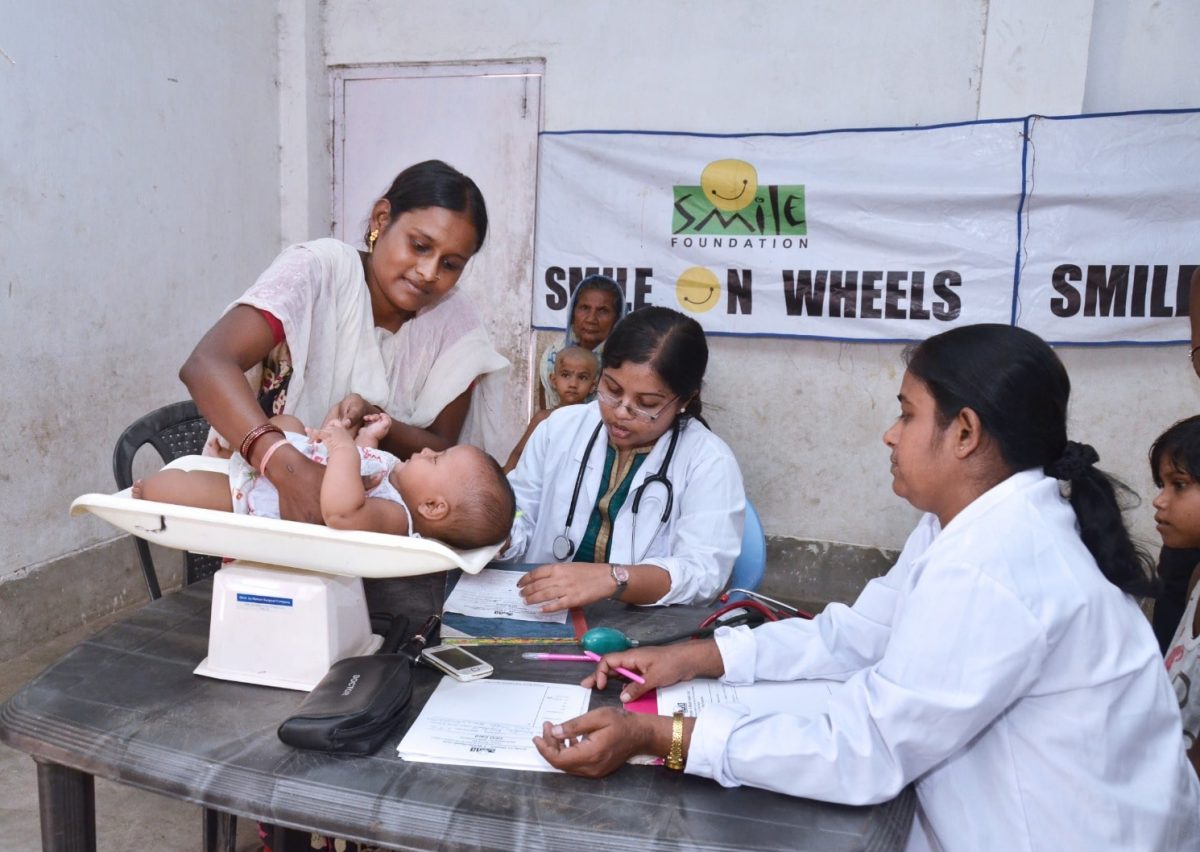
Improving access to healthcare services for the elderly requires a multi-faceted approach. This includes increasing the number of healthcare facilities in rural and underserved areas, providing mobile health units, and implementing telemedicine services. Financial support mechanisms, such as insurance coverage and subsidised healthcare services, can also make healthcare more affordable for the elderly. 

Developing Long-Term Care Infrastructure 

Developing a robust long-term care infrastructure is essential to provide continuous care and support for the elderly. This includes establishing long-term care facilities, training caregivers and promoting home-based care models. Integrating long-term care services with primary and secondary healthcare can ensure a seamless continuum of care for elderly individuals. 

Case Studies: Successful Models of Elderly Care 

Japan’s Integrated Care Model 

Japan, with one of the world’s oldest populations, has developed an integrated care model that provides comprehensive services for the elderly. This model includes community-based care centres that offer medical services, social support and rehabilitation. The integration of healthcare and social services ensures that elderly individuals receive holistic care. 

Singapore’s Eldercare Services 

Singapore has implemented a range of eldercare services, including daycare centres, home-based care and residential care facilities. The government also offers financial assistance and subsidies to make eldercare services more affordable. Singapore’s approach emphasises the importance of community support and family involvement in elderly care. 

India’s National Program for Health Care of the Elderly (NPHCE) 

NPHCE aims to provide accessible, affordable and high-quality healthcare services to the elderly. The programme focuses on strengthening geriatric care at all levels of the healthcare system, promoting healthy ageing and providing long-term care services. NPHCE is a significant step towards addressing the healthcare needs of India’s ageing population. 

The Role of Technology in Elderly Healthcare 

Telemedicine and Remote Monitoring 

Telemedicine and remote monitoring technologies have the potential to revolutionise elderly healthcare. These services enable elderly individuals to consult with healthcare professionals from the comfort of their homes, reducing the need for travel and making healthcare more accessible. Remote monitoring devices can track vital signs, medication adherence and health conditions, allowing for timely interventions and continuous care. 

Assistive Technologies 

Assistive technologies, such as mobility aids, hearing aids and smart home devices, can significantly enhance the quality of life for the elderly. These technologies help elderly individuals maintain their independence and perform daily activities more easily. Innovations in assistive technologies are continually improving, offering new solutions for elderly care. 

Digital Health Platforms

Digital health platforms that provide health information, appointment scheduling and electronic health records can streamline healthcare services for the elderly. These platforms can facilitate better communication between healthcare providers and patients, ensuring that elderly individuals receive coordinated and efficient care. 

Policy Recommendations for Improving Healthcare for Ageing Population

Investing in Healthcare Infrastructure 

Investing in healthcare infrastructure is essential to meet the growing demand for elderly healthcare services. This includes building new healthcare facilities, upgrading existing ones and ensuring they are equipped with the necessary resources and technologies to provide high-quality care for the elderly. 

Training Healthcare Professionals 

Training healthcare professionals in geriatric care is important to address the specific needs of the elderly population. Medical and nursing curriculums should include comprehensive training in geriatric care and continuous professional development programs should be implemented to keep healthcare workers updated on the latest practices and technologies in elderly care. 

Promoting Research and Innovation 

Promoting research and innovation in elderly healthcare can lead to the development of new treatments, technologies and care models. Government and private sector investment in research initiatives can drive advancements in geriatric care and improve health outcomes for the elderly. 

Strengthening Social Support Systems for our Ageing Population

Strengthening social support systems is vital for the well-being of the elderly. This includes community-based programmes like Smile Foundation’s healthcare programme, support groups and initiatives that promote social engagement and reduce isolation. Family support systems should also be encouraged and supported to ensure that elderly individuals receive care and companionship. 

The healthcare of the rapidly ageing population of India presents both challenges and opportunities. By adopting a comprehensive approach that includes strengthening primary healthcare, expanding geriatric care services, promoting preventive health measures, enhancing accessibility and developing long-term care infrastructure, India can effectively address the healthcare needs of its elderly population.

Innovations in technology, successful models of elderly care, and robust policy recommendations can further enhance the quality of care for the elderly. As India navigates this demographic transition, prioritising the health and well-being of the elderly will build a healthier and more inclusive society.

Categories
In The Spotlight Insights

Data-Driven to Data-Informed: The Evolution of CSR Partnerships

In the world of big data, it is easy to drown in a sea of information. In the space of Corporate Social Responsibility (CSR), the influx of data has revolutionised how companies approach philanthropy and community engagement. The transition from being data-driven to data-informed marks a significant shift in strategy, one that acknowledges the complexity of social issues and the need for a more nuanced application of data.

Data-Driven vs Data-Informed

Traditionally, CSR initiatives were heavily data-driven, relying on quantitative metrics to guide decision-making. This approach prioritised measurable outcomes such as the number of people reached, the amount of money donated or the percentage reduction in carbon emissions. While these metrics are important, they often fail to capture the full impact of CSR efforts on communities and the environment.

A data-driven mindset can inadvertently lead to a narrow focus on what can be easily measured, rather than what should be measured. It can encourage short-term thinking and overlook the qualitative aspects of social change, such as community empowerment, skill development and long-term sustainability.

A data-informed approach, on the other hand, integrates both quantitative and qualitative data. It involves using data as a tool to inform decisions, rather than the sole determinant of what actions to take. This shift allows companies to consider the broader context of their CSR activities, including the voices and experiences of the communities they aim to serve.

Qualitative data, such as community feedback, case studies and narrative reports, provide depth and insight that numbers alone cannot offer. They help companies understand the nuances of social issues and the real-world implications of their CSR initiatives. By incorporating this type of data, companies can design more effective and responsive programmes.

In essence, while data-driven CSR relies heavily on hard numbers and metrics, data-informed CSR adopts a more nuanced approach that values both data and qualitative insights, ensuring decisions are well-rounded and consider the complexities of social impact. Therefore, the difference between data-driven and data-informed CSR partnerships lies in how data is utilized in decision-making processes. Here’s an overview-

Data-Driven CSR Partnerships

  • Decisions are made solely based on data.
  • Emphasis on quantitative metrics and measurable outcomes.
  • This can lead to tunnel vision, focusing only on what can be easily measured.
  • May result in data overload and analysis paralysis.
  • Often lacks the human context and may overlook qualitative insights.

Data-Informed CSR Partnerships

  • Data is used as one of several inputs in decision-making.
  • Qualitative insights and human judgment are integrated with quantitative data.
  • Encourages holistic decision-making that considers a broader range of factors.
  • Allows for flexibility and intuition in dynamic situations.
  • Aims to enhance understanding by combining data with human context.

Qualitative approach leads to long-run benefits

A qualitative approach in CSR partnerships enriches the understanding of the complex social dynamics at play and fosters a more holistic and empathetic engagement with CSR activities. A key advantage of being data-informed is the ability to adapt and evolve.

Companies can use data to test assumptions, learn from experiences, and refine their strategies. This iterative process ensures that CSR initiatives remain relevant and impactful in a changing world. Major benefits include:

  • Qualitative data provides insights into the social and emotional aspects of CSR initiatives, offering a deeper understanding of their impact on communities.
  • It encourages active engagement with stakeholders, leading to stronger relationships and more effective collaboration. It also helps in a higher level of commitment and participation from employees and community members.
  • It allows for more flexibility in adapting to local needs and conditions, making CSR efforts more responsive to real-world challenges.
  • It helps companies foster innovation and creativity in addressing social issues, leading to more impactful CSR strategies.
  • It ensures that CSR initiatives are more closely aligned with a company’s core values and mission, enhancing the authenticity of their efforts.

Balance is the key

In a data-informed model, the emphasis is on aligning CSR activities with the company’s core mission and values. It’s about striking a balance between achieving measurable targets and making a meaningful difference.

Companies can set goals that are both ambitious and attainable, without being constrained by what is easily quantifiable. Companies can strike a balance between quantitative and qualitative data in their CSR decisions by implementing the following practices-

  • Establishing clear objectives to define what success looks like under both qualitative and quantitative goals of CSR initiatives.
  • Using a mixed-method approach by employing both quantitative and qualitative research methods to gather comprehensive data.
  • Invest in technology that can analyse both data, providing a holistic view of CSR impacts and guiding informed decision-making.
  • Involve all the stakeholders, employees, customers and community members in the CSR process and get their feedback as valuable qualitative insights that complement quantitative data.
  • Encourage a culture of continuous learning where both types of data are used to inform decisions, adapt strategies and improve CSR practices over time.
  • Share the numbers and the stories behind CSR initiatives with stakeholders to build trust and demonstrate the company’s commitment to social responsibility.

Accountability and Transparency

Companies must be open about their CSR efforts and impact to ensure transparency and accountability. It is important to measure the impact of qualitative efforts in CSR to gain a richer understanding of their efforts. To measure the impact of their qualitative efforts we can use the following ways:

·   Develop in-depth case studies that document specific instances of impact.

·   Use storytelling to share the experiences of individuals and communities impacted by CSR efforts.

·   Gather feedback from those directly affected by CSR initiatives, such as community members, employees, and customers.

·   Conduct social impact assessments to evaluate the direct and indirect effects of CSR activities on communities and the environment.

·   Involve stakeholders in the evaluation process to ensure their perspectives are included and the impact is validated.

·   Develop qualitative indicators that reflect the goals of CSR initiatives, such as levels of community engagement or changes in stakeholder perceptions.

·   Engage with external experts or organisations to conduct independent evaluations of CSR programmes, this will also add credibility to the findings.

Embrace the Holistic View to Transition Smoothly

Companies can become more data-informed, making decisions that are not only based on data but also on a comprehensive understanding of their CSR impact. To transition from being purely data-driven to more informed approaches companies need to embrace a holistic view.

Companies need to move beyond metrics and incorporate a broader perspective that includes stakeholder feedback, social impact, and long-term sustainability goals. They should encourage innovation and experimentation in CSR practices, allowing for flexibility and adaptation based on real-world feedback and results.

Companies should utilise digital solutions to manage and analyze data effectively, providing actionable insights that align CSR efforts with business objectives. Be open about CSR efforts and outcomes, and hold the company accountable for its social and environmental impact. Companies must ensure that CSR initiatives are not just side projects but are integral to the company’s mission and business strategy.

The journey from data-driven to data-informed CSR is not just about changing how data is used- it’s about changing the mindset of corporate philanthropy. It’s a move towards a more holistic, empathetic and strategic use of data that prioritizes long-term impact over short-term gains. As companies embrace this evolution, they will be better equipped to create CSR partnerships that truly make a difference.

Categories
Smile

The Evolving Role of Civil Society Organisations in India

Civil society organisations (CSOs) are a broad array of non-governmental entities as a part of the “third sector” of society They are known for their work in advancing the interests and will of citizens, promoting civic values and enhancing democratic processes.

CSOs play diverse roles in addressing social, economic and environmental challenges in India. They are not only responding to immediate needs but are also focusing on sustainable impact and empowerment through their dedicated efforts.

CSOs have played a big role in enabling the transition of Electric Vehicles (EVs) in India by supporting implementation policy, spreading awareness and mobilising resources at the grassroots level to sensitise stakeholders including government, manufacturers and consumers. Indian CSOs have also extended their expertise internationally, particularly in Asia and Africa, contributing to development cooperation.

Projects undertaken by CSOs cover thematic areas such as education, healthcare, sustainable agriculture, rural development and governance, demonstrating the collaborative efforts of the corporate sector and civil society. Today, they include a vibrant range of organised and unorganised groups, such as-

  • Community Groups
  • Non-Governmental Organisations (NGOs)
  • Labour Unions
  • Indigenous Groups
  • Religious or Spiritual Organizations
  • Professional Associations

The Evolving Role of CSOs Trackback from the pre-independence Period

  • The genesis of CSOs in India can be traced back to the freedom struggle during the pre-independence period when various movements and organisations played an important role in the freedom struggle and social reform. These also included the Brahmo Samaj and the Arya Samaj, which worked towards social and religious reforms.
  • After gaining independence in 1947, the focus of CSOs shifted towards nation-building. They engaged in various development activities, including education, health and rural development. The evolution of CSOs in India reflects a shift from a focus on independence and social reform to a broader engagement with development and advocacy.
  • The 1970s and 1980s witnessed a surge in the number of CSOs, spurred by the Green Revolution and increased awareness of human rights. This period saw the rise of grassroots movements, advocating for land rights, environmental conservation and women’s empowerment.
  • The 1990s saw the rise of social enterprises and a shift from welfare to development, where CSOs began to play a larger role in public service delivery.
  • In the early 2000s, CSOs transformed into more diverse entities, including non-profit organisations and social enterprises. They began to engage more in advocacy, policy influence and service delivery, addressing contemporary issues like climate change, digital rights and urban governance.
  • Today, the landscape of CSOs in India is diverse, ranging from community-based groups to large non-governmental organisaations (NGOs) with international affiliations. They operate in various domains, including but not limited to, education, healthcare, environmental sustainability, and social justice. They are increasingly using technology and social media to mobilise support and advocate for change. They are also collaborating more with the government and private sector to achieve sustainable development goals. However, As India continues to face new challenges, the role of CSOs is likely to evolve further, adapting to the needs of a rapidly changing society.

Resilience can help fight the challenges

Despite their contributions, CSOs face numerous challenges, including regulatory hurdles, funding constraints and questions of accountability. These challenges require CSOs to be resilient, innovative, and adaptive in their approaches to ensure the successful implementation of their projects and the achievement of their mission. A few challenges are as follows:

  • The recent tightening of regulations on foreign funding has prompted CSOs to explore sustainable funding models and strengthen transparency mechanisms.
  • The advent of technology has necessitated a digital transformation among CSOs. Social media and online platforms have become vital tools for fundraising, advocacy and networking.
  • A lack of clear governance structures can hinder the effectiveness of CSOs due to the dominance of techno-managerial approaches over volunteerism.
  • Restrictions on administrative expenses and the ability to subgrant have also posed challenges, particularly for organisations working for the rights of the dispossessed.
  • The state’s withdrawal from partnerships with CSOs and a move towards market-based institutions have privatised welfare and redistribution functions, leading to distortions and gaps.

Roles of Civil Society Organisations are evolving

  • Advocacy and Policy Influence

One of the most significant roles of CSOs is their ability to influence public policy. By conducting research, engaging in advocacy and mobilising public opinion, CSOs have been instrumental in the enactment of landmark legislation such as the Right to Information Act, the Right to Education Act and the National Food Security Act.

  • Service Delivery and Development

CSOs have also been important in service delivery, especially in areas where government presence is minimal. They have filled gaps in education, health and disaster relief, often reaching the most marginalised communities. Their grassroots presence allows them to tailor interventions to local civil society needs, ensuring more effective outcomes.

  • Empowerment and Capacity Building

Empowerment remains a core objective of many CSOs. By equipping individuals and communities with the necessary skills and knowledge, CSOs enable them to assert their rights and participate actively in democratic processes. This empowerment is particularly evident in the rise of self-help groups and microfinance institutions that have transformed the lives of millions of women.

  • Research and Evidence-Based Interventions

There is a growing emphasis on research and data-driven approaches among CSOs as they collect and analyse data from the grassroots level to implement programmes and drive decisions rooted in evidence, which is effective policy-making.

  • Innovation and Social Entrepreneurship

CSOs are becoming key players in developing and scaling innovative models of change. They are not just addressing immediate needs but are also focusing on sustainable impact through social entrepreneurship and innovative solutions.

  • Collaboration and Networking

CSOs are increasingly collaborating with the government, private sector and international bodies to amplify their impact. Networking has become a significant aspect of their strategy to share resources, knowledge and best practices. With regulatory changes affecting funding, CSOs are exploring sustainable models and diversifying their funding sources. They are also working on strengthening transparency and accountability to build trust among donors and stakeholders.

Adaptivity and Innovation will keep it relevant

Civil society organisations in India have come a long way, evolving from the sidelines of social change to becoming its drivers. As they navigate the complexities of the 21st century, their role will undoubtedly continue to evolve. Those will reflect the aspirations and challenges of a nation in constant flux.

The future of CSOs in India hinges on their ability to remain relevant and responsive to the changing socio-economic context. Collaborations with the government, private sector and other stakeholders are crucial for amplifying their impact including ours, Smile Foundation‘s. Additionally, embracing innovation and technology will be key to addressing contemporary challenges.

The journey of CSOs in India is a testament to the power of collective action and the enduring spirit of democracy. As they adapt and innovate, their contributions will remain integral to India’s pursuit of equitable and sustainable development.

Categories
Livelihood

Upskilling Rural Youth: Way for Sustainable Development

A youthful nation like ours must leave an impact on the entire world, said our Head of the State. With over 68% of India’s population residing in rural areas, the need to harness this demographic dividend through upskilling is more pressing than ever.

For rural youth, this means acquiring skills that are relevant to the evolving job market and the specific needs of their communities. As agriculture undergoes a transformation, with many farmers transitioning to non-farming jobs, upskilling becomes important for those seeking alternative employment opportunities. We are also hoping that with better incentives, there will come a generation of modern farmers who lead our agricultural potential.

Upskilling rural youth is not just about enhancing employability- it’s about fostering a generation that can contribute to the economic, social and environmental sustainability of their communities.

The rural youth in India face a unique set of challenges. Limited access to quality education, lack of exposure to diverse career paths and the traditional reliance on agriculture for livelihoods have often kept them from realizing their full potential.

With the reports predicting about 50% of the population residing in urban areas by 2047, it becomes an alarming threat toward the agrarian crisis with the increase in migration and shift to non-farming jobs for better opportunities.

Shift to Non-Farming Jobs and Migration 

Rural youth are increasingly choosing non-agricultural jobs due to a variety of factors. These factors contribute to a shift in employment patterns, with rural youth seeking opportunities that promise better economic and social outcomes. Major reasons include-

  • Educational aspirations for better education that offers more stable and higher incomes.
  • The allure of urban life and white-collar jobs seems to be more prestigious and rewarding.
  • Non-agricultural jobs tend to provide regular and assured income compared to uncertainties of farming, especially true due to the effects of climate change.
  • Rising opportunities for more non-farm employment in urban areas due to improved infrastructure and industrialisation attract rural youth.

Most importantly myriad challenges farmers face that impact their productivity and livelihoods act as the biggest discouragement to the youth to move towards non-farming jobs and migrate to urban areas. A few major issues include-

  • Limited access to credit to adopt new technologies and crop diversification.
  • Lack of proper marketing channels price fluctuations in the market.
  • Inadequate insurance coverage to protect small farmers against crop failures.
  • Lack of capacity-building programmes for farmers to equip them with modern agricultural practices and equipment.
  • Small-size land holdings and Inadequate availability of irrigation water make them dependent on monsoon rains.

Specialized Training is required to make agriculture aspiring youth

  • Develop opportunities like Agri-tourism and showcase success stories of young farmers to serve as inspiration and role models.
  • Training in sustainable and organic farming methods and introducing youth to the latest agricultural technologies such as farm management software, precision farming, drones, etc. can make it more tech-oriented and appealing.
  • Courses on Agri-Entrepreneurship can teach farm management, agricultural marketing and finance, which can empower youth to see farming as a viable business venture.
  • Specialised training in horticulture and floriculture can open up opportunities in landscaping, nursery management, etc.
  • Vocational training in Dairy and Poultry Farming, Fisheries and Aquaculture can help diversify income sources.
  • Skills in food processing, packaging and preservation can lead to opportunities in the growing food industry.
  • Technical courses on the operation and maintenance of farm machinery can lead to employment in the agricultural equipment sector.
  • Skills in inefficient water use and irrigation systems are critical for sustainable agriculture and can offer specialised career paths.

Strategic ways to create better opportunities for upskilling rural youth

Identify in-demand non-agricultural skills in the local job market and map them against the current skill levels of the rural youth.

  • Establish vocational training centers to provide practical, hands-on training that aligns with industry standards.
  • Implement digital literacy programs to ensure that rural youth are comfortable with technology.
  • Foster public-private partnerships to create apprenticeship and internship opportunities and promote entrepreneurship.
  • Improve infrastructure in rural areas, such as transportation and internet connectivity, and organize networking events that connect rural youth with industry professionals.
  • Facilitate access to finance for rural youth, leverage government initiatives, and advocate policies to support rural youth.

Development Organisations upskilling the Indian youth

Development organisations like Smile Foundation play a significant role in upskilling youth. This is especially true for areas where government programmes need strengthening with active convergences. We tailor training programmes relevant to the local youth, depending on the job market. By providing learning resources and tools through partnerships, we bridge the gap between skills and resources. This helps them navigate career paths and connect them to potential employers.

A few programmes and initiatives of Smile Foundation to upskill rural youth are as follows-

Upskilling rural youth is an educational, social and economic imperative. It can lead to personal growth, economic empowerment and community development.

While the path to upskilling rural youth is laden with challenges, it also presents immense opportunities. The key lies in tailoring education to meet the technical and life skills required in rural areas. Collaboration between NGOs and the private sector is essential to create a sustainable ecosystem for skill development.

Categories
Partnerships

Corporate India Leads in Investments for Social Causes 

The commitment of corporate India has transitioned from peripheral corporate philanthropy to a robust, strategic integration of social initiatives with core business operations. By redirecting resources for societal betterment, Indian corporations are setting a global benchmark for corporate social responsibility (CSR). 

Evolving from voluntary donations to a well-structured mandatory obligation integrated with strategic business goals, corporate social responsibility (CSR) in India has truly evolved. The Companies Act of 2013 was a landmark in Indian corporate history, introducing stringent CSR guidelines mandating companies meeting certain financial thresholds to spend at least 2% of their three-year annual net profit towards CSR activities. This legislative framework not only mandated compliance but also encouraged Indian corporations to adopt a more organised approach towards CSR, ensuring accountability and systematic action. 

Legislative Catalysts and Corporate Governance 

The introduction of CSR legislation acted as a catalyst for companies to institutionalise social responsibility. Transparency and accountability in became the keywords in corporate India’s approach to social welfare. Annual reporting requirements under the Act pushed companies to not only invest but also measure the impact of their CSR initiatives, thus embedding these efforts within their corporate governance frameworks. 

Major Domains of CSR Investments

Indian companies have diversified their CSR efforts across several critical areas, reflecting their commitment to addressing broad societal issues through targeted interventions. Here are the major domains where Indian corporations are actively making a difference: 

Transforming Healthcare Landscapes 

Companies have invested in creating and expanding healthcare facilities, pioneering affordable treatments and promoting preventive healthcare through widespread immunisation and health awareness campaigns. These efforts have enhanced the quality of life and reducing mortality rates across various segments of the population. 

Pioneering Educational Initiatives 

Corporate investments are significantly shaping India’s educational landscape. Initiatives range from building and supporting schools and universities to offering scholarships and developing digital education technologies. During the COVID-19 pandemic, these contributions ensured the continuity of education through online platforms, thus mitigating the impact of widespread school closures. 

Advocating for Environmental Sustainability 

Indian corporates are also leading significant efforts in environmental conservation. Investments in renewable energy, eco-friendly technologies and sustainability projects underscore a commitment to the planet. These initiatives not only aim to reduce environmental footprints but also foster a sustainable model of growth that other global corporations can emulate. 

Corporate India in Action 

Tata Consultancy Services: Shaping the Future Through Education 

Tata Consultancy Services (TCS) has revolutionised education through technology-driven initiatives. Their programmes, focusing on digital literacy and access, have bridged educational gaps across socio-economic divides. TCS’s commitment extends beyond basic education, encompassing higher education and vocational training, thus equipping young Indians with the necessary skills for a digital future. 

ITC Limited: Leading Environmental Stewardship 

ITC Limited’s environmental initiatives demonstrate a comprehensive approach to sustainability. From aggressive reforestation campaigns to substantial investments in water conservation and sustainable agricultural practices, ITC has been at the forefront of ecological CSR. Their efforts not only support environmental health but also enhance community livelihoods, proving that environmental responsibility and business excellence can go hand in hand.

Impact Analysis and Future Outlook of Corporate India doing Social Good

The collective impact of these initiatives contribute to broader economic and social development goals. The strategic CSR efforts by Corporate India facilitate deep-rooted changes, influencing global CSR practices. 

The future of CSR in India is poised for greater innovation with advancements in technology and an increased focus on sustainable development. The potential integration of AI and blockchain in tracking and managing CSR projects promises more transparency and effectiveness, paving the way for smarter, more accountable social investments. 

Corporate India’s leadership in CSR is a powerful narrative of transformation and commitment. Through their sustained efforts, Indian corporations are not only enhancing their global standing but also contributing to a more equitable and sustainable world.

As this leadership continues to evolve, it serves as a robust model for global businesses, proving that corporate success and societal well-being can be mutually reinforcing. The proactive stance of these corporations in CSR not only shapes a better future for India but also sets a precedent for businesses worldwide, demonstrating the role of corporate entities in spearheading social change.

Categories
Education

Technology transforming STEM education in India

Investment in humans leads to better quality of living through a boost in economy, hopefully making the country a better one to live in. A well-educated population is more likely to produce and embrace technological advancements maintaining a competitive edge globally.

Gone are the days of rote memorisation and passive learning. The digital era means interactive learning reigns supreme. Digital tools and platforms have become the new playgrounds for knowledge, offering hands-on experiences that bring STEM concepts to life. Virtual simulations and educational games are not just add-ons- they make learning more engaging and impactful.

Technology adding wings to STEM education

STEM education provides students with innovative tools and methods that make learning more interactive, engaging and personalised. Technology enriches STEM education by making it more accessible, engaging, and tailored to individual learning needs. It encourages students to become active participants in their education, preparing them for the challenges of the future workforce. Here are a few ways in which technology is transforming the STEM educational landscape-

·       Access to a Vast Repository of Knowledge:

The internet- the democratized space to access information. Students can now tap into a global repository of knowledge, ranging from scientific journals to educational videos. This unprecedented access ensures that learners from every corner of India can explore the depths of STEM without the constraints of geography or socio-economic status.

·       Real-time Collaboration and Connectivity:

Collaboration is the lifeblood of STEM, and technology has removed the roadblocks of distance and time. Real-time collaboration tools enable students to work together on projects, exchange ideas and solve problems collectively.

·       Personalised Learning Journeys:

The one-size-fits-all approach to education is becoming obsolete. Adaptive learning technologies are tailoring educational experiences to meet individual needs based on their strengths and weaknesses. By analysing data on students’ performance, these platforms can customise lessons, ensuring that every learner’s potential is maximised and no one is left behind.

·       Harnessing the Power of Visualisations:

Visualisations transform abstract STEM concepts into tangible experiences. Interactive graphs, 3D models and virtual experiments allow students to visualiSe theories, enhancing understanding and retention. With technology, students can also embark on virtual field trips to distant or inaccessible locations, such as space stations, deep-sea environments or historical sites relevant to STEM learning.

·       Interactive Simulations and Labs:

Technology enables the creation of virtual simulations and labs, allowing students to conduct experiments and explore scientific concepts in a safe and controlled environment. This hands-on approach helps in deepening their understanding of complex STEM subjects.

·       Gamification for Interactive Learning:

Gamification is turning education into an adventure. Complex STEM concepts become interactive challenges that stimulate critical thinking and problem-solving skills by incorporating game elements into learning. This approach not only makes learning fun but also prepares students for real-world applications of their knowledge.

·       Using Artificial Intelligence:

AI technologies in STEM education can support personalised learning, automate assessments and provide intelligent tutoring. AI can analyse large sets of educational data to identify trends and insights, helping educators tailor their teaching strategies.

Collective efforts are necessary

Implementing technology in STEM education comes with several challenges that need to be addressed to ensure effective integration and utilisation. Challenges such as

  • limited access to resources and budget constraints,
  • inadequate teacher training and their resistance to adaptability,
  • infrastructural development of classroom environment to facilitate technology-based learning, and
  • accessibility of technology to all students.

However, with concerted efforts of all the stakeholders, government, schools, educators and students we can successfully integrate technology into STEM education through strategic planning and investment.

The Indian government has also launched several successful projects to integrate technology into STEM education, aiming to create a tech-savvy and innovative nation. Projects like Atal Tinkering Labs (ATL), The DIKSHA platform as a national e-learning portal, reforms under NEP 2020 and the Digital India campaign that promotes digital literacy and supports the development of digital infrastructure and the creation of a digital ecosystem.

These projects reflect the government’s commitment to enhancing the quality of STEM education through technology, ensuring that students are well-prepared for the demands of the future workforce.

What are development organisations doing about STEM education?

Development organisations like Smile Foundation take their initiatives to the remotest locations through collaborative efforts of partners, government, schools, etc. We are actively involved in integrating technology into STEM education in schools across India.

It focuses on STEM-focused and tech-driven teacher training programmes to empower educators with the skills required to incorporate technology into their teaching methods. It conducts hands-on workshops and interactive sessions to incorporate innovative learning methods. Further to integrate technology and enhance the STEM learning experiences it also encourages students towards project-based learning through collaborations with models such as 3-D printing, Aero-modelling, Energy (Solar Lamp making), robotics, astronomy, etc.

Smile conducts pilot projects that focus on integrating relevant technological applications in education, especially in remote and underserved locations. It has also collaborated with IIT Bombay to make learning fun and fostering scientific intelligence from early school days. Through these efforts, Smile Foundation is contributing significantly to the enhancement of STEM education in India. With the integration of technology, these initiatives equip students with the necessary skills for the future.

Technology- a catalyst for innovations in STEM Education in India

With the integration of technology into STEM education learning is aligned with the demands of the modern workforce that enhances employability and equips students for a wide array of sectors and careers. It also acts as a catalyst for innovations as it encourages students to think beyond textbooks, fostering a culture of creativity and exploration.

The journey has begun, and there’s no looking back.

Categories
Health

Converting Primary Health Centres to Family Healthcare Centres

The healthcare system in India faces numerous challenges, including inadequate infrastructure, lack of accessibility and disparities in the quality of care between urban and rural areas. To address these issues, transforming Primary Health Centres (PHCs) into Family Healthcare Centres (FHCs) presents a promising solution. This transition can significantly enhance healthcare delivery by providing comprehensive, continuous and family-centered care. This blog explores why converting PHCs to FHCs is crucial for improving health outcomes in India.

1. Addressing Comprehensive Health Needs

Holistic Approach to Healthcare

Primary Health Centres have traditionally focused on maternal and child health, immunisation and basic treatments. However, this limited scope often neglects the broader health needs of families and communities. Converting PHCs to FHCs allows for a holistic approach, addressing a wide range of health issues, including chronic diseases, mental health and preventive care. This comprehensive care model ensures that all family members, regardless of age or gender, receive appropriate medical attention.

Chronic Disease Management

India faces a growing burden of chronic diseases such as diabetes, hypertension and cardiovascular diseases. FHCs can play an important role in managing these conditions by providing continuous monitoring, education and support to patients and their families. This approach helps in early detection and better management of chronic illnesses, reducing complications and improving quality of life.

2. Enhancing Accessibility and Equity

Bridging Urban-Rural Disparities

One of the major challenges in the Indian healthcare system is the disparity between urban and rural areas. Rural populations often have limited access to quality healthcare services. By converting PHCs to FHCs, healthcare services can be made more accessible to rural communities. FHCs can offer a wider range of services closer to where people live, reducing the need for long and costly travel to urban centers.

Equitable Healthcare for All

FHCs can promote equity in healthcare by ensuring that all individuals, regardless of their socio-economic status, receive comprehensive and continuous care. This is particularly important in rural and underserved areas, where healthcare facilities are often scarce and inadequately equipped. FHCs can provide an inclusive healthcare environment, addressing the needs of marginalised populations and reducing health disparities.

3. Improving Maternal and Child Health

Continuity of Care

Continuity of care is essential for improving maternal and child health outcomes. FHCs can provide continuous care throughout pregnancy, childbirth, and postnatal periods, ensuring that mothers and children receive timely and appropriate medical attention. This integrated care model helps in early identification and management of health issues, reducing maternal and infant mortality rates.

Family-Centered Care

FHCs emphasise family-centered care, where the health needs of the entire family are considered in the context of the family unit. This approach is particularly beneficial for maternal and child health, as it involves family members in care processes, providing support and education to promote healthy practices and prevent diseases.

4. Promoting Preventive Healthcare

Focus on Prevention

Preventive healthcare is important for reducing the burden of diseases and improving overall health outcomes. FHCs can play a pivotal role in promoting preventive healthcare through regular health check-ups, screenings, vaccinations and health education programmes. By focusing on prevention, FHCs can help in early detection and management of diseases, reducing healthcare costs and improving quality of life.

Health Education and Awareness

FHCs can serve as centers for health education and awareness, providing communities with information on healthy lifestyles, nutrition, hygiene and disease prevention. These educational initiatives can empower individuals and families to take charge of their health, leading to healthier communities and a reduction in the incidence of preventable diseases.

5. Strengthening Primary Health Centres

Capacity Building and Training

Transforming PHCs to FHCs requires capacity building and training of healthcare providers. This process can strengthen the overall health system by enhancing the skills and knowledge of healthcare workers. Trained personnel can deliver higher quality care, manage complex health issues and provide better patient education and support.

Integration of Health Services

FHCs can integrate various health services, including primary care, specialty care, mental health and social services, creating a seamless and coordinated healthcare system. This integration ensures that patients receive comprehensive care without fragmentation, improving health outcomes and patient satisfaction.

6. Leveraging Technology for Better Care

Telemedicine and Digital Health

Incorporating telemedicine and digital health solutions into FHCs can enhance healthcare delivery, particularly in remote and underserved areas. Telemedicine can provide access to specialist consultations, follow-up care and health education, bridging the gap between urban and rural healthcare services. Digital health records can improve continuity of care, facilitate data sharing and support decision-making processes.

Data-Driven Healthcare

FHCs can leverage data analytics to monitor health trends, evaluate the effectiveness of interventions and identify areas for improvement. By collecting and analyzing health data, FHCs can implement evidence-based practices, optimise resource allocation and enhance the overall quality of care.

7. Case Study: The State Government’s Initiative Conversion from Primary Health Centres into Family Health Centres

The Transformation Journey

The Kerala government’s initiative to enhance the quality of health services is well on track. Out of a total of 886 PHCs in the state, 630 have already been converted into FHCs, with the remaining 256 slated for transformation in the coming months as reported in 2023. This ambitious project aims to revamp existing PHCs, making them more comprehensive and user-friendly to provide improved health services to the public.

Funding and Implementation

The project, supported by the National Health Mission (NHM) funds and the state’s plan funds, is part of the Aardram Mission carried out in three phases. The first phase received NHM funds, while the subsequent phases were funded by the state plan. Regular evaluations are conducted by a team led by the chief secretary to track progress and ensure coordination among departments such as health, education and local governments.

Enhanced Facilities and Services

The transformed FHCs offer a broader range of medical facilities and services compared to traditional PHCs. These include laboratory facilities, pre-check counseling, non-communicable disease clinics, mental health consultations and yoga and wellness centers. By providing comprehensive health care services at the local level, the initiative aims to reduce the burden on major hospitals and promote better healthcare accessibility.

Objective and Impact

The ultimate goal of the project is to ensure that people in the respective regions receive the best available primary health care services, promoting better health outcomes and overall well-being. The conversion began in 2017 and has shown promising results, highlighting the importance of this transformative approach.

The Goodness of Converting Primary Health Centres

Converting Primary Health Centres to Family Healthcare Centres is a vital step towards improving healthcare delivery in India. This transformation can address comprehensive health needs, enhance accessibility and equity, improve maternal and child health, promote preventive healthcare, strengthen health systems and leverage technology for better care.

The Kerala government’s successful initiative serves as a model for other regions, demonstrating the benefits of this approach. By adopting the FHC model, India can move closer to achieving universal health coverage, ensuring that all individuals and families receive the care they need to lead healthy and productive lives.

Categories
Smile

Empowering Women Through Economic Education 

Women’s empowerment through economic education can help achieve gender equality and foster societal growth. In today’s world, where financial independence is a cornerstone of personal freedom, it is essential to equip women with the knowledge and tools they need to manage their finances effectively. Let’s understand the significance of economic education for women, the current state of financial literacy among women, and the potential impact of empowering women through economic education. 

The Importance of Economic Education for Women 

Economic education is not just about teaching women how to manage their money. It encompasses a broad spectrum of skills, including budgeting, investing, understanding credit and planning for retirement. Financial literacy supports women in making informed decisions about their lives, from choosing a career to managing a household. 

Such an education empowers women by giving them the confidence to navigate financial challenges and seize opportunities. This empowerment leads to greater financial independence, which in turn enhances their ability to support themselves and their families. Moreover, economically empowered women can contribute more significantly to the economy, driving growth and innovation. 

Current State of Financial Literacy Among Women 

Despite the importance of financial literacy, many women still lack basic economic education. According to a survey highlighted in Livemint, 86% of working women are eager to improve their financial knowledge, indicating a significant gap in their current understanding. This gap can be attributed to various factors, including traditional gender roles, limited access to financial education and societal norms that discourage women from taking control of their finances. 

The lack of financial literacy among women has far-reaching consequences. It can lead to poor financial decisions, increased debt and a lack of preparedness for retirement. Additionally, financially illiterate women may be more vulnerable to financial abuse and exploitation.

Initiatives to Promote Economic Education for Women 

Various organisations and initiatives are working to bridge the financial literacy gap among women. Financial literacy programmes tailored specifically for women are being developed to address their unique needs and challenges. These programmes often include workshops, online courses and one-on-one coaching sessions. 

For instance, some initiatives focus on teaching women about investment and wealth management, which are areas where women have traditionally been underrepresented. By providing women with the knowledge and confidence to invest, these programmes help them build wealth and secure their financial futures. 

The Role of Technology in Economic Education 

Technology plays a pivotal role in making economic education accessible to women. Online platforms and mobile applications offer financial education resources that women can access at their convenience. These tools provide interactive lessons, simulations and quizzes to enhance learning and retention. 

Moreover, social media and online communities allow women to share experiences, ask questions and seek advice from peers and experts. This support network is invaluable for women who may feel isolated or intimidated by financial matters. 

Case Study

Real-life success stories demonstrate the transformative power of economic education. For example, consider the story of Laxmi who started with a small investment in cosmetics and is now doing well in her business inspiring other women of her community to become independent and own their own small/big businesses.

This growth of Laxmi expanded her business after gaining financial knowledge. Through our women empowerment programme- Swabhiman, Laxmi learned about business financing, managing cash flow and strategic planning. Armed with this knowledge, she secured a loan to expand her business, increased her revenue and even created jobs in her community. 

Barriers to Financial Literacy for Women 

Several factors hinder women’s access to financial literacy. These include cultural norms that prioritise men’s financial education, lack of time due to caregiving responsibilities and limited access to financial resources. Additionally, many women may lack confidence in their financial abilities, further discouraging them from seeking education.

Strategies to Overcome Barriers 

To overcome these barriers, inclusive and supportive learning environments for women are a must. Flexible learning options, such as online courses that women can complete at their own pace is one of those great learning options. Additionally, programmes should be designed to address the specific financial needs and challenges faced by women. 

Mentorship and peer support encourage women to pursue financial education. By connecting women with mentors who can guide and support them, we can help build their confidence and competence in managing their finances. 

The Impact of Financially Empowered Women on Society 

Financially independent women are better equipped to leave abusive relationships, reducing the prevalence of domestic violence. Economic education thus plays a vital role in promoting gender equality and social justice. 

Governments and policymakers have a critical role to play in promoting economic education for women. Policies should be implemented to ensure that financial education is included in school curricula from an early age. Additionally, public awareness campaigns can highlight the importance of financial literacy and encourage women to seek education. 

Subsidies and incentives for financial education programs can also increase accessibility for women, particularly those from low-income backgrounds. By investing in women’s economic education, governments can foster a more equitable and prosperous society. 

The Future of Economic Education for Women 

The future of economic education for women looks promising, with increasing recognition of its importance and more resources being dedicated to this cause. As more women become financially literate, we can expect to see effects across society.

Financial education will continue to evolve, leveraging technology to reach more women and provide personalised learning experiences. With continued support from governments, organisations, and communities, we can ensure that all women have the opportunity to achieve financial independence and empowerment. 

Empowering women through economic education is a powerful catalyst for change. By equipping women with the knowledge and skills they need to manage their finances, we can promote gender equality, drive economic growth and create a more just and equitable society.

The journey towards financial empowerment for women is ongoing, but with continued effort and dedication, we can achieve significant progress. Let us commit to supporting and advocating for economic education for women, ensuring that every woman has the opportunity to thrive financially.

Categories
Women Empowerment

Why 3% Funding for Women Entrepreneurs is Too Little ?

Women are stepping up, launching innovative ventures and contributing significantly to economic growth. Despite their remarkable strides, women entrepreneurs face a persistent issue- they receive too little of venture capital funding. The low numbers reflect deep-seated systemic biases and missed opportunities for economic and social advancement.

The potential of women entrepreneurs

Women entrepreneurs are not just business leaders- they are innovators, job creators and community builders. Studies have shown that women-led businesses often outperform their male counterparts in terms of return on investment and revenue generation. Companies with female founders are more likely to prioritise social responsibility, sustainability and inclusive practices, leading to broader societal benefits.

Despite these strengths, women entrepreneurs remain significantly underfunded. The low figures are a reflection of the broader challenges that women face in the entrepreneurial ecosystem. These challenges include limited access to networks, mentorship and opportunities that are readily available to their male counterparts.

Insights from the RBI Innovation Hub White Paper

The Reserve Bank of India’s Innovation Hub (RBIH) subsidiary recently conducted an event in collaboration with mysaltapp and the FICCI Ladies Organisation, where they released a white paper titled ‘At The Helm: Women Entrepreneurs Transforming Middle India’. This white paper sheds light on the funding discrimination faced by women entrepreneurs, particularly in Tier 2 and 3 cities.

Rajesh Bansal, CEO of the Innovation Hub, highlighted the lack of gender-disaggregated data. He noted that only 3% of women entrepreneurs in these cities have access to external funding. This low level of funding is a severe impediment to the growth of women-led businesses in less urbanised areas. Mr. Bansal also pointed out that when women design products, they cater to the needs and perspectives of other women, often overlooked by male counterparts in the industry. This underscores the importance of promoting women in entrepreneurship and fintech.

The white paper revealed other critical data about the state of women entrepreneurs in India. Only around 20% of India’s MSMEs are women-led and majority of them are sole proprietorships. Within these, 5.2% of small enterprises are women-led and just 2.6% of medium enterprises are women-led. Additionally, women often shoulder the majority of care responsibilities in the family, which significantly impacts their entrepreneurial ventures. This is especially true in Tier 2 and 3 cities, where scalable employment opportunities are limited.

Systemic bias and barriers leading to low finding of women entrepreneurs

The underfunding of women entrepreneurs can be attributed to several systemic biases and barriers-

  1. Gender Bias: Investors, predominantly male, often have subconscious biases that lead them to favor male entrepreneurs. This bias is reflected in the questions they ask, the assumptions they make and ultimately, the funding decisions they make.
  2. Network Gaps: Women often lack access to the same professional networks as men. These networks are crucial for securing funding, as investors tend to fund entrepreneurs within their circles.
  3. Risk Perception: There is a pervasive belief that investing in women-led businesses is riskier. This myth persists despite evidence to the contrary and hampers women’s access to capital.
  4. Limited Role Models: The scarcity of successful women entrepreneurs in the media and industry circles limits the visibility of female role models. This lack of representation can discourage potential women entrepreneurs from pursuing their ventures and makes it harder for them to gain investor confidence.

Economic and social implications

By not investing in women-led businesses, we are missing out on innovative solutions and perspectives that could drive economic growth and address societal challenges. Women are more likely to reinvest their earnings into their families and communities, amplifying the positive impact of their success.

Moreover, diverse leadership teams lead to better decision-making and problem-solving. Companies with gender-diverse leadership are in a better position to understand and serve diverse markets, leading to increased profitability and market share.

Steps Toward Change

Addressing the funding gap requires concerted efforts from multiple stakeholders-

  1. Awareness and Education: Investors need to be educated about the benefits of investing in women-led businesses and the biases that affect their decision-making processes. NGOs like Smile Foundation play a major role in this.
  2. Policy Interventions: Governments can bridge the gap by implementing policies that promote gender equity in funding, such as tax incentives for investments in women-led businesses or dedicated funding programmes.
  3. Support Networks: Building and supporting networks for women entrepreneurs can provide them with the mentorship, resources and opportunities needed to succeed.
  4. Showcasing Success Stories: Highlighting successful women entrepreneurs and their journeys can inspire others and change perceptions about women in business.
  5. Investor Diversity: Increasing the diversity of investors, including more women in decision-making positions within venture capital firms, can help mitigate bias and broaden the scope of investment opportunities.

The 3% funding statistic for women entrepreneurs is an indicator of systemic inequality in the entrepreneurial ecosystem. Addressing this imbalance is not just a matter of fairness- it is an economic imperative. By ensuring that women entrepreneurs receive equitable funding, we can unlock a wealth of innovation, drive economic growth and foster a more inclusive and equitable society. It is time to recognise the untapped potential of women entrepreneurs like in our women empowerment programme Swabhiman and invest in their success. ​​

Categories
Health

Anaemia contributing to the Status of Maternal Health

As per a recent National Family Health Survey (NFHS) more than one out of two women of reproductive age in India are anaemic. The report reveals that this burden of anaemia is even grave in the aspirational districts of the country. This is a staggering number of women who are facing a health challenge which can impact them and their babies.

Anaemia is a condition which involves the body’s lack of capacity to produce enough red blood cells or haemoglobin. It is a widespread issue in India, impacting both men and women. However, the health concern is bigger in the case of women of reproductive age because it can cause complications in childbirth and even affect the health of the baby who is born of an anaemic mother.

There are a number of factors that cause anaemia in women and nutritional deficiency is the biggest contributor to that. Inadequate intake of iron, vitamin B12, and folate is the biggest reason for anaemia among reproductive women. However, heavy menstrual bleeding in women can also lead to a depletion of iron levels in the body. Therefore, a healthy and balanced diet is the most important intervention to bring down cases of anaemia.

Anaemia and maternal health

There are many complications that may arise for both the mother and the baby in case the former is anaemic. Some of these complications are:

  1. Child health – A baby born of an anaemic woman can be premature, with low weight at the time of birth, or have nutritional deficiencies.
  2. Mother’s health – Excessive bleeding during childbirth can happen in case of anaemic women and it can also increase the risk of postpartum depression. Anaemic women are also more likely to struggle with managing daily activities after childbirth because of reduced stamina and excessive fatigue.

However, when it comes to this, India is not the only country that is fighting the burden of anaemia. World Health Organization data suggests that about one in every three women of reproductive age globally are anaemic. Regions like Sub-Saharan Africa and South Asia are struggling the most with this issue. The reason, primarily, is poverty and lack of nutritious food in the diets of people.

Developed countries have a very high burden of anaemia and the causes for the existing cases are also not the poor access to nutritious food, but things like dietary restrictions, poor food choices, or existing medical conditions.

India has been trying to fight this problem through various government and non-government initiatives, including schemes like National Iron Plus Folic Acid Supplementation Program (NIFAS) under which pregnant women are provided iron supplements in order to ensure they are not anaemic.

At the same time, there is a general growing awareness around the importance of a healthy diet. This is because of access to information in the remotest parts of the country using the latest technology. Therefore, people are also willing to make better dietary choices, provided they have access to nutritious food options.

Ways to solve the problem

As mentioned above, there is an ongoing effort to decrease the anaemia burden in India through many interventions. Here are some solutions to deal with the problem:

  1. Iron supplementation: One of the biggest contributors to anaemia in pregnant women is lack of iron and folic acid in their diet. Therefore, the first level of intervention has to be about providing them supplements that can fulfil this dietary requirement. 
  2. Changes in diet: The second intervention has to be about overall dietary changes because that will create a sustainable solution for the problem. Consumption of iron-rich foods can lead to reduction in anaemia cases over a long period of time.
  3. Awareness: Lastly, people should be aware of the reasons behind anaemia, its effects on pregnant mothers and their babies, and the ways in which they can deal with it. Once we achieve awareness and knowledge, it becomes a significantly easier task to deal with any problem.

Other initiatives in India

One of the biggest campaigns to solve this problem was launched in 2018 by the government of India and it was named the Anaemia Mukt Bharat Campaign. The mission behind the campaign, as the name suggests, was to reduce the anaemia burden in the country through a series of interventions. The campaign was designed to have a deep impact on the ground by targeting six beneficiary age groups, implementing six interventions, and utilising six institutional mechanisms.

Apart from this, other initiatives by non-government organisations, CSRs, and private sector have also been taken to contribute towards the reduction of anaemia burden. 

Anaemia is a preventable condition. By working together – government, healthcare providers, NGOs including Smile Foundation, and communities – significant progress can be made. Increased awareness, improved access to iron and folic acid supplementation, promoting healthy dietary habits, and addressing underlying health issues can significantly reduce the burden of anaemia in India.

Investing in maternal health is not just about healthy mothers and babies – it’s about building a healthier and stronger future for the nation. Improved maternal health can lead to better child development, increased economic productivity, and women empowerment.

0%