Categories
Insights

Can Science Accelerate Social Development?

In an age dominated by technological advancements and groundbreaking discoveries, science has become the driving force behind societal transformations. While technology is often seen as the face of change, it is the deeper scientific knowledge and research that fuels technological growth, influencing every aspect of life.

From healthcare to education, agriculture to industry, science is present in almost all mediums of modern living. But the question remains: can science truly accelerate social development? Let’s understand how scientific progress shapes economic growth, human rights, environmental sustainability and overall quality of life, and whether it serves as a transformative agent in reducing inequalities and enhancing social well-being or not?

The Power of Scientific Innovation

Science can create a more just, equitable and advanced society when effectively harnessed. Economic growth is closely linked to scientific advancements, as seen in countries like the U.S., Japan and South Korea, which invest considerable portions of their GDP in R&D. Such investments drive innovation, create jobs, improve healthcare and enhance educational standards These, collectively, help reduce income inequality and promote inclusive development. Notably, nations with higher investments in education and R&D consistently perform better on human development indices, underscoring the link between science and social progress.

India, despite investing only around 0.7% of its GDP in R&D, has seen significant social benefits from its scientific focus. The country’s pharmaceutical sector has produced affordable, high-quality medicines that enhance healthcare accessibility for millions. Reports suggest India supplies over 60% of the world’s vaccines, highlighting its strength in public health. Successful vaccination campaigns against diseases like polio have greatly increased life expectancy and lowered child mortality, leading to significant improvements in healthcare in India.

Addressing Health Disparities

Health disparities represent a critical barrier to social development. In India, despite advancements in medical technology, access to healthcare remains uneven. Scientific research can bridge these gaps, particularly through innovative solutions like telemedicine, which expands healthcare access to rural populations.

Globally, data analytics and artificial intelligence are revolutionising disease prevention and management. The strategic use of these technologies could significantly reduce healthcare costs while improving health outcomes. By harnessing the power of science, nations can develop more equitable healthcare systems that cater to the needs of their most vulnerable populations.

The Issue of Environmental Sustainability

Environmental sustainability is another area where science can drive social development. The global threat of climate change has spurred scientific innovation in renewable energy, conservation, and sustainable practices. Solar and wind energy technologies, largely born out of scientific research, have the potential to mitigate climate change and reduce dependence on fossil fuels, especially in countries like India, where coal still plays a dominant role in energy production. India ranks fourth globally in installed renewable energy capacity, with a target of generating 50% of its energy from non-fossil sources by 2030. This shift is not only critical for reducing environmental degradation but also for promoting social development, as it creates jobs, improves health outcomes, and ensures long-term economic stability.

Scientific research also addresses social and environmental issues, particularly in rural areas of India and Africa where waterborne diseases are common. Affordable water filtration systems and smart irrigation techniques are improving access to clean water, reducing health risks, and boosting agricultural productivity. These advancements enhance quality of life and promote social justice by meeting the basic needs of underserved communities.

Agriculture

Agriculture, another critical component of social and economic development in India, has also seen massive transformations through science. The Green Revolution of the 1960s and 70s, driven by scientific advancements in crop breeding and irrigation technologies, lifted millions out of poverty. In the global context, similar scientific interventions, such as genetic modification of crops, have enabled countries to ensure food security, even amid population explosions and climate change challenges. Feeding an expected 2 billion more people by 2050 will require agriculture to become more productive and sustainable. This calls for increased investment in productivity-boosting technology, especially in developing countries.

Education and Entrepreneurship

Education is vital for social development, and science can greatly enhance educational outcomes. India’s Digital India initiative seeks to improve digital literacy and information access, especially in rural areas. As of 2021, internet penetration in India reached 56%, creating new opportunities for learning and innovation. The Atal Innovation Mission (AIM) in India fosters a culture of entrepreneurship among youth, aligning with Sustainable Development Goal 9, which promotes industry and innovation. 

Globally, educational technologies such as online learning platforms have the potential to democratise education. Integrating science education into curricula can help foster critical thinking and problem-solving skills, essential for nurturing future innovators. By prioritising science education, nations can empower individuals to contribute meaningfully to their communities, ultimately driving social progress.

Bridging the Digital Divide

While science has the potential to accelerate social development, it is essential to acknowledge that progress is not inherently equitable. A significant digital divide exists both between countries and within societies, leaving women, rural populations, and marginalised communities at a disadvantage. Women represent only 33% of the global research community, with India seeing only 14% of its R&D workforce comprising women. This disparity limits the potential of scientific advancements to drive inclusive development. Efforts to promote gender parity in education and increase the diversity of thought in research can ensure that scientific developments address broader societal needs.

Conclusion

The interplay between science and social development is complex yet promising. As we face the challenges of the 21st century, leveraging scientific progress is essential for promoting sustainable and inclusive growth. In India and around the world, embracing innovative solutions can bridge the gap between progress and equity. By prioritising scientific research and education, we can create a future where everyone has the opportunity to thrive. The journey toward a more equitable society is not only possible; it is imperative for our shared future. By harnessing science’s power like Smile Foundation has done in its many interventions related to education, health and skilling, we can pave the way for a more just and sustainable world.

Categories
Livelihood Skill Development

The Youth Is Skilled, Where Are the Jobs?

As per the India Employment Report 2024, which was jointly published by the International Labour Organisation (ILO) and the Institute of Human Development (IHD), the youth of India are still struggling with the country’s increasing unemployment rates. Specifically, nearly 83% of the unemployed population are part of this demographic. Despite the increase in skill development programmes and the expansion of the educational infrastructure, a substantial number of young Indians are still unemployed. This is a significant obstacle, and there is some hindrance in obtaining meaningful and productive employment. 

The COVID-19 pandemic compounded the issues facing youth in the labour market. Although there was some recovery following the lockdowns, it was marked by a spike in substandard work.

Disparity Between Industry Demand and Skills

Comprehending the discrepancies between industry demand and skills is critical in order to develop a workforce that is adequately equipped to navigate the economy of the future. Digital capabilities are surpassing the current capabilities of the workforce. Frequently, young people are unable to determine the abilities they require for future employment opportunities. Academic curricula must train them to know how to navigate the job market and prepare them for the relevant jobs. Educational curriculum should also be more closely aligned with industry requirements. The employability of graduates could be substantially enhanced if institutions were to collaborate closely with industries to develop courses that were more pertinent.

Structural Issues in Employment 

With India’s growing youth population, the formal work sector has not kept up. The youth workforce frequently ends up working on a contract basis or in the informal economy with no stability. This also leads to many people working in industries unrelated to their degree or in jobs that do not allow them to make the most of their educational background. In the case of government posts, thousands apply for a small number of positions, and only a handful are selected. Furthermore, many government jobs require giving competitive tests for which not all candidates are prepared. Then, due to the amount of paperwork, or bureaucracy, many young people are unable to pursue such careers. 

Concentration of Jobs in the Services Sector

The growth observed in recent decades has largely been fuelled by the rapid development of India’s services sector, which is less labour-intensive compared to the manufacturing sector. Inclusive growth necessitates the swift creation of employment opportunities at the lower end of the economic spectrum, rather than solely focussing on higher wage and skill levels. 

Unemployment Due to Technological Advancements

Technological advancements present a risk of automation, potentially leading to significant job losses. The advent of artificial intelligence and high-precision robotics poses an unprecedented threat to cognitive skills, resulting in a heightened level of concern compared to prior technological advancements. Automation does create new opportunities; however, it simultaneously heightens the demand for highly skilled workers in emerging roles. Furthermore, securing employment in such positions poses challenges for many young individuals, particularly those from rural backgrounds.

What’s the Impact on Women?

The IHD/ILO report indicated that a greater proportion of educated unemployed youth were women (76.7%) compared to men (62.2%). India has one of the lowest female labour force participation rates globally, approximately 25%. The absence of a comprehensive care economy, characterised by insufficient affordable childcare and family support, alongside inadequate infrastructure policies, rigid social norms, and a shortage in necessary skills are constant obstacles for women that hinder their participation in the workforce.

Absence of Jobs in Small Towns and Rural Areas

Individuals from small towns and rural regions often have to relocate to larger cities in pursuit of improved employment opportunities. Private employment opportunities are absent in their hometowns. Furthermore, these youth must contend with candidates who have received their education from more prestigious and recognised institutions located in the cities, which lessens their chances of getting jobs. There is a necessity to develop initiatives that generate local employment in sectors such as agriculture, textiles, housing, healthcare and education. 

Government Employment Initiatives

The Government of India has implemented various schemes and programs designed to generate employment and enhance employability across multiple sectors. Initiatives include the Mahatma Gandhi National Rural Employment Guarantee Act (MGNREGA), Pradhan Mantri Rojgar Protsahan Yojana (PMRPY), Skill India Mission, and Startup India.
Administrative processes and laws frequently result in delays in the execution of projects and heightened costs.

The lack of strong support systems for skill development and entrepreneurship is another significant factor leading to the outcome of government employment initiatives. The quality of skill training provided through various schemes frequently does not meet industry requirements, leaving beneficiaries inadequately prepared for the job market. 

Doing Our Bit

Re-skilling and continuous learning initiatives should be promoted, especially in light of rapid technology improvements. A reduction in gender imbalance is also required. More areas, such as energy, transportation, science, technology, engineering, and mathematics (STEM), should create work opportunities for women. Skilling and livelihood programmes of different entities including nonprofits like Smile Foundation should be customised to specific area and sector needs and more emphasis should be placed on guaranteeing that rural youths have equal chances as those who live in cities.

Categories
In The Spotlight

Remembering Dr. A.P.J. Abdul Kalam

October 15th, is celebrated every year as World Students’ Day. On this day former president Dr. A.P.J. Abdul Kalam, also know as the Missile Man of India was born in Rameswaram. His father was a boat-owner and imam of a local mosque and his mother was a house-wife. From an early age he had to struggle hard to keep up with his education but that did not deter him from being one of the greatest scientist, thinker and teacher of all times. Today, this day is celebrated as World Students’ Day to honour him and his role as a teacher.   

Seen as a role model for students across the country he constantly encouraged and motivated students to dream and work towards those dreams to turn them into reality. One of his famous quotes is; “Dream is not that which you see while sleeping it is something that does not let you sleep.

He was an example for poor and underprivileged students. His struggle was similar; there was a time when he had to sell newspapers from door to door to support his education and yet his sheer hard work and determination made him the Missile Man of India and he served as the President of India from the 25th of July 2002 to 25th of July 2007.

Inspired by his engagement with children, Smile Foundation produced I am Kalam traces the story of a little boy who dreams of becoming like the Missile Man. The boy who is poor and underprivileged and cannot afford an education because of the lack of money changes his name to Kalam and harbours a dream of meeting the visionary. The easy-going but hard-hitting plot of the movie delivers the most important message, one that of children working as labourers and the many dreams they harbour. Will they ever be able to come out of the cycle? Will they get a chance like other privileged children? Will their dreams take flight? Many question and one answer, dream like Dr. Kalam says you must and then work hard to turn them into reality.

Smile Foundation’s Mission Education programme also aims at providing education to underprivileged and poor children to help them realise their dreams. This World Students’ Day children from Smile Foundation’s Mission Education programme have pledged to work hard to achieve their aims and shine like the sun.

Categories
Girl Child Women Empowerment

Early Age Marriage: A means to have control over women

Early-age marriages popularly known as child marriage persist in our country. Here in the 21st century, in the enlightened era of robotics, machine learning, artificial intelligence etc., we are still discussing the consequences of early-age marriage in a girl’s life despite the global efforts to eradicate it. Latest figures suggest that even today 23% or every one in four girls are married before they could celebrate their 18th birthday.  

In the era where we have Kalpana Chawla, Marry Kom, PV Sindhu, Falguni Nayar and so many great Indian women thriving in their fields of work, we also have girls who are still fighting for equal educational opportunities and the right to choose their life partner, equal pay and say at the workplace and largely, right to live their life on their terms.

For decades women have been burdened with a lot of expectations and norms to live by, without questioning. Though there has been a lot of development and improvement for women, the race is still not even half done.

Early-age marriage disproportionately affects girls, with far-reaching social, economic, health, educational and psychological impacts. It perpetuates gender inequality, limits opportunities and poses significant risks to their health and well-being. Here we will discuss this in detail. 

Early-age marriage leads to gender inequality

Girls who are married at an early age, even before they can think or dream of a bright future are deprived of the basic aspects of life. They are often removed from their peer groups and communities and put into adult roles and responsibilities before they are emotionally or mentally prepared which usually leads to significant psychological stress and trauma. Early-age marriage perpetuates gender inequality and limits a girl’s ability to participate in social, economic and political life.

Education is a powerful tool that can delay marriage, childbearing and provide better opportunities to women and hence, Girls are often forced to drop out of school, which significantly reduces their future earning potential thus making them financially dependent and the ones with lower authority in decision making. 

Lack of education limits their critical thinking, and problem-solving skills, making them vulnerable to social evils of the society. This often leads to early childbearing, which can be life-threatening for both mother and the child, leading to long-term health issues, premature delivery, and other pregnancy complications. Lack of awareness and education also contributes to domestic violence, sexual abuse and lack of power to negotiate safe sexual practices. And because of economic dependency and added responsibility of a child forces them to live in a difficult relationship even if it’s abusive, as it becomes difficult for them to support their child and pursue a career post that. And it all becomes a vicious circle of her life even before she realizes it. 

The perception: Marrying off early can mean one less mouth to feed and a valuable virgin girl

In regions where women have limited educational and job opportunities, parents believe that marrying off their daughter early can ensure her economic safety in the future especially when they are poor. The patriarchal society also views it as a means to control women’s sexuality and reproductive rights ensuring that they remain confined in their traditional gender roles which also ensures security from sexual violence in a way.

As the cultural norms promote gender-specific roles, they expect girls to marry off early to fulfill their roles as wives and mothers which limits their opportunities for personal growth and development. Societal pressure and traditional beliefs that place a high value on a girl’s virginity compel families to marry their daughters early to ensure they remain “pure”.  

The sudden transition from childhood to adulthood, coupled with the responsibilities of marriage and motherhood, can be overwhelming and traumatic for young girls. Lack of autonomy, agency and control over their own lives leads to low self-esteem that can have long-term psychological effects, impacting their mental health and overall well-being. 

Address the root cause of ending Early Age Marriage

Implementing solutions to eradicate early-age marriage requires collaborative efforts between government, nonprofits, communities and the society at large to address its root causes.

The government has imposed various laws and policies to protect the rights and well-being of girls and to prevent early-age marriage but the legal initiatives are often not enforced effectively. The state has established a minimum legal age for marriage at 18 years, criminalised child marriage and provides legal assistance, counseling and provisions to support girls who are at risk of or subjected to early marriage.

The government also runs regular awareness programmes and campaigns to educate communities about the harms of early marriage and the benefits of delaying marriage. Programmes that provide scholarships, cash transfers or other forms of support can help families prioritise education over marriage. Effective enforcement of laws, strengthening legal frameworks to minimize loopholes and establishing monitoring mechanisms to ensure compliance is crucial.

Nonprofits play a vital role in raising awareness among the communities and individuals as they have the resources and networks to support victims and advocate for stronger enforcement.  They work among the masses and understand the ground issues which allows them to address issues that may undermine the effectiveness of the laws. 

Nonprofits empower communities by strengthening systems that protect against child marriage, such as education and social protection. They can also annul child marriages and help survivors recover. They also help in implementing community projects that focus on improving girls’ access to education and healthcare. Smile Foundation also helps empower women by spreading awareness about education and women’s rights reducing the probability of child marriage and improving their self-esteem thus facilitating stronger decision-making. 

Community leaders can advocate change

Working with community leaders, elders and influencers who hold sway in their communities can help shift cultural norms. Providing girls with education and vocational training can empower them to make informed decisions about their lives. When girls are educated and economically independent, they are more likely to resist early marriage. Providing access to reproductive health services and knowledge at community healthcare centers can help girls understand their rights and the health risks associated with early marriage and childbirth more profoundly.

Change is a gradual process

Though people who promote early-age marriage often argue with benefits such as financial stability for the couple where they can combine their resources from an early age; they can be an emotional strength for each other during tough days of adulating; longer time together; and most argued is that women should have an early marriage so they can have kids at the right age. However, considering the long-term implications always weighs the cons on the higher side, thus affecting a girl’s life disproportionately.

Promoting change is a gradual process that requires sustained effort and collaboration among various stakeholders including legal reformers, policymakers, nonprofits, the community and society at large. By addressing the root causes and working within cultural contexts, to ensure that all girls have the opportunity to reach their full potential, it is possible to create a more supportive environment for girls to thrive and live healthy and empowered lives. 

Categories
Girl Child

Inequality Starts with a Word or a Book

Gender inequality and sexism are deeply ingrained in society, often perpetuated through language, literature and cultural norms. The words we use, the books we read, and the stories we tell play a significant role in shaping our understanding of gender roles and upholding patriarchal structures. Globally, patriarchal systems have marginalised women and gender minorities for centuries. This problem is particularly pervasive in India, but progressive policies and changing attitudes are slowly beginning to challenge these deeply rooted norms.

A global overview

Patriarchy has historically defined societal expectations for men and women, and language reflects these gendered norms. Phrases like “breadwinner” for men and “homemaker” for women reinforce traditional gender roles. Gendered language perpetuates stereotypes globally, where women are often described as “emotional” or “nagging,” while men are seen as “rational” or “decisive.” This bias in language has real-world consequences, contributing to a culture where women’s voices and contributions are undervalued or dismissed.

Evidence highlights the magnitude of this issue. The 2023 Global Gender Gap Report from the World Economic Forum reveals it will take another 131 years to close the gender gap at current rates. Women hold only 26% of parliamentary positions worldwide, and their presence in executive roles remains minimal. The global gender pay gap averages around 20%, and although some progress has been made, patriarchal norms remain entrenched. Educational materials, particularly textbooks, continue to reinforce these stereotypes, hindering progress toward gender equality.

The Indian scenario and the fight against sexism

In India, patriarchy shapes nearly all aspects of life, with gender norms influencing career choices, family roles and access to education and healthcare. Language, literature, and media reinforce these biases, often portraying women in stereotypical roles, which limits their opportunities and perpetuates the belief that their value is tied to men.

Indian textbooks play a significant role in perpetuating these stereotypes. Recent research reveals that Indian schoolbooks are among the worst in the English-speaking world when it comes to reinforcing gender biases. A 2024 analysis by Crawfurd, Saintis-Miller, and Todd found that textbooks in India emphasise male achievements and work while focusing on female appearance. Despite efforts by the National Council of Educational Research and Training (NCERT) to address these biases, progress has been limited. An analysis of NCERT books from 2020 to 2022 revealed that only 34% of gendered words were female, compared to 66% male.

These biases are mirrored in the Indian workplace. World Bank data shows that female labour force participation in India peaked at 31% in 2000. Since then, it has steadily declined, reaching a low of 21% in 2018. Even though progressive measures like the Maternity Benefit (Amendment) Act of 2017 extended maternity leave to 26 weeks, barriers such as unequal pay, lack of childcare, and rigid gender roles still prevent women from advancing in their careers.

Shifting attitudes: Progressive measures and changing narratives away from sexism

Efforts to combat patriarchal language and gender norms are gaining momentum both globally. Several countries have implemented policies to address sexism in language. Sweden, for example, encourages using gender-neutral pronouns, while France has banned gender-specific job titles. While these measures may seem small, they contribute to a broader shift in how societies view gender roles.

In India, both government and non-government organizations are working to change societal attitudes toward gender equality. Research has found that state board textbooks generally feature fewer mentions of women and girls than NCERT books. Gujarat, however, stands out for having the highest female representation in textbooks.

Interestingly, this gender bias in textbooks does not always align with societal attitudes. For example, Mizoram, which has progressive gender norms, has only 22% female representation in textbooks, while Gujarat, with higher female representation in books, has more conservative societal attitudes. This suggests that educational content alone does not determine societal norms.

In 2015, the Ministry of Women and Child Development launched the “Beti Bachao, Beti Padhao” (Save the Daughter, Educate the Daughter) campaign, to change societal attitudes towards girls and women by promoting education and empowerment through public awareness programs. The National Book Trust of India has published several books aimed at promoting gender equality. Additionally, works of feminist writers addressing the intersection of caste and gender oppression are increasingly included in academic syllabi, signaling a shift in societal understanding of caste and gender issues.

Progressive workplace policies are also emerging. The Sexual Harassment of Women at Workplace Act of 2013 marked a milestone in addressing workplace sexism. Despite progress, cultural change remains slow. A 2022 report by the Pew Research Center found that 84% of Indians believe that women should always obey their husbands, underscoring the persistence of patriarchal norms. However, the same report also found that younger generations are more likely to challenge these beliefs, suggesting that attitudes are slowly shifting.

Role of education and literature in shaping future narratives

One of the most effective ways to challenge patriarchy is through education that Smile Foundation does in its girl child campaign. Schools and universities play a critical role in shaping young minds and the inclusion of progressive literature in curricula can help dismantle long-standing stereotypes. The Indian government’s National Education Policy (NEP) 2020 promotes gender inclusion and critical thinking, encouraging students to question traditional gender roles. Organisations like NCERT have revised textbooks to incorporate chapters on gender equality and women’s empowerment, making education more inclusive and fostering change in societal attitudes.

The bottom line

While patriarchy and gender inequality remain deeply embedded in societies globally and in India, change is on the horizon. Language, books, and education—once tools of oppression—are now being used to challenge patriarchal norms and push for a more equitable world. Progressive policies, changing attitudes and the rise of feminist literature are slowly dismantling patriarchy’s foundations. Although the journey toward gender equality is long, these conversations are reshaping the future for generations to come.

Categories
Girl Child Education

Every girl who is not in school affects every other girl in the world

Have you ever wondered what life would have been if education and educational institutions were not part of our lives? It feels horrible even to imagine, right? But that horrible has been the life of many, especially across the globe. According to the monitoring tool of United Nations Educational, Scientific, and Cultural Organizations (UNESCO), 244 million children and youth are still out of school due to social, economic and cultural reasons.

Of the number, 130 million are girls. This is the scenario despite recognising education as the basic human right and is believed to be essential to come out of poverty and inequality and to ensure sustainable development. But several countries in Latin America, the Caribbean, Europe and North America explicitly protect the rights to education.

How good would it have been if all the countries had specific and stringent laws that protected the right to education of children? Because in many households, especially those in the lesser-developed countries, sending a girl to school has been considered a waste of time and money, while in many other countries, educating girls has been against their tradition.

The tool also found that at least 2% of countries across the world restrict the right to education of married, pregnant and parenting women and girls in their legal framework. The restriction is that they are either prohibited from attending schools or appearing for examinations. Data also says about 62% of countries do not have specific legislation that protects girls’ right to education in case of pregnancy. However, 33% of them do have such provisions that are sometimes protective.

Can you believe that the right to education for women and girls is still not taken seriously by many countries despite the fact that UNESCO adopted the ‘convention and recommendation against discrimination in education’ way back in 1960? As of now, 109 countries have ratified the convention that aims to fight discrimination in education and ensure equal access to educational opportunities for all.

Toughest places for girls’ education across the globe

Due to the combination of cultural, religious, political and economic factors, several countries around the world face significant challenges in ensuring girls’ education. Some of the countries are listed below.

Afghanistan

Decades of progress have been rolled back in Afghanistan ever since the Taliban regain control of the country in 2021. Millions of Afghan women and girls stare at uncertain future as they were denied their fundamental right to education. According to UNESCO data published in 2024, at least 1.4 million girls have been restricted from attending secondary school since 2021. Though the Taliban has allowed girls under the age of 12 to attend schools, the primary enrolment rates have also been reduced from 6.8 million in 2019 to 5.7 million in 2022. Women have also been restricted from attending universities to pursue higher education from December 2022. As a result, more than 1 lakh women had to quit their higher education. The 2021 UNESCO report says that Afghans have made significant improvements in the quality and enrolment of education despite 40 years of war, chronic poverty, drought and the COVID-19 pandemic. But the de facto authorities have steadily erased all the improvement and put their education system in jeopardy. The current generation is facing an uncertain future.

Pakistan

Data released by the World Bank in 2023 mentions Pakistan as one of the countries with the highest out-of-school population. Estimates put the number between 20.3 million and 26.2 million, and more than half of the school population are girls. Of the numerous barriers a girl has to face to attend a school, poverty takes the first and foremost seat. Research cites that over 13% of parents attribute the cost of education to taking girls out of school and the effect of poverty on education begins at the primary school level itself. Other factors like lack of sufficient number of schools for girls, long travel to reach schools, shortage of female teachers and safety concerns also play a major role in taking girls out of schools.

South Sudan

One of the important factors that limit the enrolment of girls in schools is child marriage. For it is a must practice in the South Sudanese communities. Not just that, it has been a cultural practice for parents to marry their daughters off in exchange for dowry. Since it becomes financially unbearable to educate multiple children at a time, most parents prefer to keep their girls at home and send boys to school. Also, the girls drop out of school and limit themselves to household affairs after the marriage. In addition, the ongoing conflict and instability have also been affecting the educational system.

Impact of girls being taken out of school

Whenever a girl child is taken out of school for a reason or another, the society indirectly contributes to the rise in child mortality rate, child marriage rate, maternal mortality rate, child stunting rate and decline in national growth rate and lifetime earnings of girls. Educated girls are more likely to provide significant contributions to their communities through advocacy, economic participation and leadership. Their absence can stifle community growth and development.

Also, when girls are out of school, it discourages another girl child from attending school. As a result, a large number of girl children end up quitting school. When girls sit idle at home, parents often tend to marry them off at a young age. Child marriage paves the path to raising mother-and-child mortality rates. This in turn creates gender inequality in society. Taking a girl child out of school is equivalent to pushing the country downwards by several decades.

Smile Foundation’s contribution to increasing girls’ enrolment at schools

Understanding that education is the only tool to push the country forward, the Smile Foundation has been striving hard to keep girls at educational institutions. Through our flagship programme, Mission Education, they provide education, nutrition and wellness support. The programme is well aligned to the sustainable development goals and to the New Education Policy (2022).

Our volunteers work closely with children living in difficult circumstances, children from poor families, differently abled children, disaster-struck children, abandoned and street children and children living in tribal belts, remote villages, and hard-to-reach areas. In 2022–23, about 1.20 lakh children have received quality education, over 44,000 girls received vocational training and more than 2000 girls received scholarships to pursue quality education.

In conclusion, educating girls is a must for the economic growth of family, society, and the nation at large. It is also important for women’s empowerment and gender equality, to ensure the health and well-being of society, for social and societal development and for peace and harmony.

Categories
Skill Development

What Can We Do Differently With Upskilling?

According to PwC, 93% of CEOs who implement upskilling programmes see improved retention as well as increased productivity. The same source revealed that implementing digital training and education programmes resulted in significantly higher employee engagement levels. If your workforce lacks the full set of skills required to do their jobs properly, you will either be in trouble or, if you choose to construct your upskilling programme in the right way, you will be celebrating your successes.

Identifying the specific new skills your workforce lacks or the existing capabilities they need to enhance can be quite challenging. As a result, there is a lot of uncertainty about the best methods for developing these skills effectively. It’s essential to create a thorough upskilling plan that allows for the development of skills at the necessary pace to stay relevant, efficient and effective in the global market.

Why Companies Are Upskilling!

It can be very challenging to find the best people to hire, so companies often invest a significant amount of money into hiring services to attract qualified candidates. However, external recruiting can be costly and time-consuming. Many companies are realising that their current employees already possess valuable skills that are in demand or could acquire these skills with the appropriate training, as they aim to retain their top talent. Let’s read on to see what are the essentials of upskilling and how it can be done differently.

Analysing the Skill Gap Is a Must

We must first understand the reasons for our gaps before attempting to analyse them. Otherwise, our efforts to improve and our energy could be wasted. First, it’s important to align with your business and team goals and ensure a thorough understanding of them. 

This is crucial as it sets the stage for the subsequent steps. Begin by identifying your business and team goals and translating them into actionable steps. Additionally, it’s beneficial to assess if decent progress is already being made towards a particular goal, enhancing the training of select team members could expedite its attainment—a quick win strategy.

Think ahead 

Planning for the future is crucial. By investing in the ongoing development of your employees, you can cultivate a culture of innovation, increase job satisfaction and loyalty and enhance productivity. Adapt to changes by staying informed about industry research, studies and surveys. A data-driven comprehension of the skills required by your organisation will enhance your readiness for the future.

Personalise your learning and upskilling programmes

The structure of each upskilling programme should be customised to accommodate the workforce’s specific needs. Certain factors must considered for upskilling programmes: 

  • The current level of knowledge and skills among the employees.
  • Establish personalised upskilling paths for each employee by their skills assessment and the organisation’s skill requirements. 
  • Offer a variety of learning options and empower employees to select the method that is most appropriate for their learning style and requirements.
  • Monitor the advancement of each employee and modify the upskilling path as necessary. 
  • The efficacy of upskilling efforts can be improved by utilising a variety of training modalities, including on-the-job training, workshops and online courses, to accommodate a wide range of learning preferences.

Keep it engaging 

People learn through observation, collaboration and sharing experiences with peers, mentors or communities, rather than learning alone. This can involve guiding them through theory, allowing them to shadow calls, participating in simulated client meetings and troubleshooting workplace challenges. 

Create low-stress practice environments

Establish practice environments that are minimal in stress.
Segment your upskilling programmes to ensure that the training is divided into distinct courses, rather than being comprehensively covered in a single course. This is microlearning, which concentrates on the acquisition of micro-sized pieces of information. These bitesize training modules are both quick and simple to consume, allowing your employees to continue their daily tasks without interruption while learning.

This has the potential to enhance engagement and alleviate the tension that can occasionally accompany training requirements. It is effective for certain learners; however, it can be distressing and isolating for others. One potential solution to these challenges is to incorporate social components into your online training. This could manifest as group activities, achievement-sharing features, or messaging features that enable learners to engage with their peers and instructors.

Offer On-demand content

Provide content that is available for immediate consumption, like employees may require information to use immediately during emergencies. This is where the concept of microlearning resurfaces in the context of upskilling. Individuals must have the ability to access the resources they require on demand. You may conduct monthly live sessions on vital subjects.

In conclusion, we must refrain from viewing technology as the sole solution. We are all human beings. We employ a variety of methods for upskilling, but it is crucial to consider the human aspect to develop a distinctive approach to upskilling.

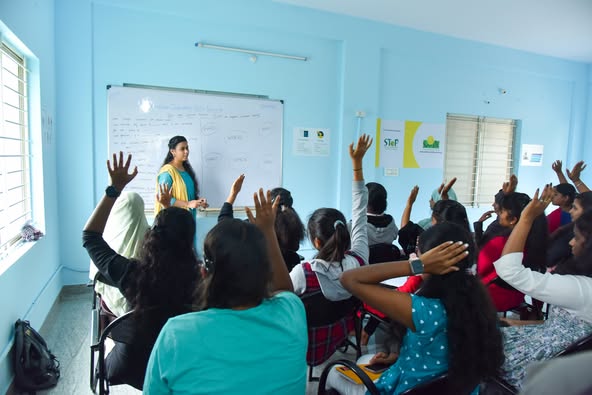
Smile Foundation’s skilling programme Smile Twin e-Learning Programme (STeP) is dedicated to empowering underserved communities by equipping individuals with market-relevant skills and creating sustainable livelihood opportunities. Recognising the importance of upskilling in today’s fast-evolving job market, the programme focuses on offering training that bridges the gap between the skills people have and the demands of modern industries. Through courses in areas like IT, healthcare, retail and digital literacy, Smile Foundation ensures that participants are prepared to meet the expectations of employers, enhancing their employability and job security.

One of the key components of this programme is its focus on personalised learning paths, much like the modern corporate upskilling model. By assessing each individual’s current skill level and tailoring the training to meet industry requirements, Smile Foundation ensures that participants receive targeted education, preparing them for specific roles in the workforce. This approach, combined with hands-on training, workshops and on-demand learning opportunities, helps create a robust foundation for long-term employment and career growth. Through this programme, Smile Foundation is fostering an environment where individuals can not only secure jobs but also build lasting careers, thereby contributing to economic growth and societal development.

Categories
Women Empowerment

Increasing women representation to achieve gender equality 

Women in India spend an average of 7.2 hours on unpaid domestic work compared to 2.8 hours spent by men. This naturally impacts their ability to participate in paid work.

Equal participation and leadership of women in political and public life are essential to achieving the Sustainable Development Goals by 2030. However, data show that women are underrepresented at all levels of decision-making worldwide and that achieving gender parity in political life is far off, says a report on the UN Women’s official website.

In India, this has been seen in the recent elections. The 18th Lok Sabha comprise only 74 women compared to 469 men, says a Firstpost report, adding that “this share is not only abysmally skewed but also lower than the 14.4% share of female representation during the 2019 election, where 78 women were elected as MPs.”

Women’s representation paves way for gender equality

Gender equality can be achieved if there is more representation of women in all sectors. For women’s representation can improve democracy, improve decision-making, provide role models for young women, lead to more sustainable policies like those that focus on environmental policies and sustainability. 

However, the UN estimates that it will take 140 years for women to be equally represented in leadership positions in the workplace.

More women in the workforce boosts economic growth

According to an article in the Observer Research Foundation, India, which has the largest working-age population in the world that is expected to touch nearly 70%, cannot afford low participation of women in the workforce anymore.

A recent report has forecast that the next five years are crucial for the country to achieve a GDP growth rate of 8%, and to ensure that growth, women must account for more than half of the new workforce which will be created by 2030, says the article.

Decrease in gender disparities

The State of Working India Report 2023 says that there is a decrease in gender disparities in employment trends in India. According to it, older women with lower levels of education are exiting the workforce while younger women with higher levels of education are entering it. The number of women in salaried employment is increasing, while women in informal wage work are decreasing. While the share of women working in agriculture is decreasing, the proportion of women entering the services sector is increasing.

As the number of women in salaried employment increases, it has a positive impact on the gender gap in earnings, which decreases with more women leaving casual wage work. 

Women are engaged in unpaid work

Though there is an increase in women entering the workforce, the burden of domestic and care work on women has not decreased. Women in India spend an average of 7.2 hours on unpaid domestic work compared to 2.8 hours spent by men. This naturally impacts their ability to participate in paid work.

“Many women, though competent, are unable to put in long hours at work as they are the ones who are responsible for childcare as well as caregiving,” says HR consultant Sathya Rajeev. “So some women quit even though they are performing well at the workplace.”

According to State Bank of India (SBI)’s Ecowrap report, the total contribution of unpaid women’s work to the economy is around 22.7 trillion rupees ($276.8bn; £216.7bn), almost 7.5% of India’s total GDP.

The NGO International Development Organisation estimates that Indian women spend 150 million workdays every year fetching water. If women can spend this time in paid activities, they can be financially independent, which would give a boost to the economy.

Having women in leadership roles helps the nation

There is established and growing evidence that women’s leadership in political decision-making processes improves them, says the UN Women’s article. According to it, research on panchayats in India discovered that the number of drinking water projects in areas with women-led councils was 62% per cent higher than in those with men-led councils. 

Change is in the air: More representation of women

The female labour force participation rate (FLFPR) was recorded at 24.1% shortly after Independence in 1955. In 1972, the FLFPR increased to 33 percent, after which it steadily declined and fell to its lowest level in 2017 at 23%. 

There has, however, been an improvement in the FLFPR in the last six years. Data from the Periodic Labour Force Survey (2022-23) indicates that FLFPR is at 37%, an increase of 4.2 percentage points from the last survey (2021-22).

Stumbling block: Conservative social and cultural norms 

The participation of women in the workforce varies depending on the industry. For instance, you will find more women in the IT sector while there are fewer in the manufacturing sector. This is due to conservative social and cultural norms, and patriarchal attitudes.

For the last four years, I worked in the renewable energy field. I found that there were very less women entering the field as the men in their families weren’t allowing them to go and work,” says DEI consultant Chandra Duraiswamy. “The factory was outside Bengaluru and the men were worried about safety of the women though the company had safety protocols in place. They also didn’t women to wear the uniform (trousers and shirts), work night shifts or use the same cabs as men.”

Companies get proactive

“To change the men’s perception, the company conducted an open house where the men and families got to tour the facilities available for women, and speak to the female employees,” says Duraiswamy. “There were special transport facilities for women and changing rooms and toilets that were far away from similar facilities for men.”

The women were willing to come and work, he says, but once they get married there are fresh challenges. “We have to once again convince their husbands and in-laws, and once they have children, they quit work,” says  Duraiswamy. “Even in the IT industry, which has more women, not many are in leadership roles as women leave work when they have children, when their husbands move cities or countries or since they are the primary caretakers in the family.”

How to bridge the gender gap through representation of women

“Just setting up a quota for women is not enough. We need to convince men that it is ok for them to take on more responsibilities at home, and be the primary or secondary caretaker,” says Duraiswamy.

The problem is there are gendered roles, he says. “Society should move to a space where roles are not gendered. Men and women should focus on doing the tasks that they are good at,” he says. 

Also, though lots of policies are made for women, it’s often men who decide what women need. “Women are never consulted. Policies should be drafted with inputs from women for it to be effective,” says Duraiswamy.

Smile Foundation’s Swabhiman programme

Smile Foundation’s Swabhiman programme is at the forefront of empowering women and creating pathways to gender equality in India. Focused on building self-respect and confidence among women, the initiative addresses key issues that hold women back from participating in the workforce, leadership roles and public life. Through targeted interventions like health camps, skill development workshops and community mobilisation, Swabhiman works to break down the barriers that often limit opportunities for women—whether that’s due to unpaid domestic work, cultural norms or a lack of education.

By enabling women to access healthcare, financial independence and educational resources, Swabhiman not only uplifts individual women but also strengthens entire communities. The program has reached over 500,000 women and adolescent girls across India, offering them the tools to take charge of their futures. With more women entering the workforce and becoming leaders in their communities, the Swabhiman programme is playing a critical role in closing the gender gap and creating a more equitable society.

Categories
Education

Reimagining schools in India

Reimagining schools in India is a multi-dimensional but complex process. It involves a deep understanding of the country’s infrastructure challenges, a dedicated effort to bridge the digital divide and a commitment to fostering holistic development and inclusivity.

“Educate a boy, and you educate an individual. Educate a girl, and you educate an entire community,” New York-based architect Diana Kellogg shared with Architectural Digest while discussing the Rajkumari Ratnavati Girls School. Located near the village of Kanoi in Jaisalmer, the school spans 35,600 square metres and serves 400 girls from kindergarten through class 10. Built from local Jaisalmer stone, the sustainable facility provides a comfortable environment for study and play, regardless of extreme weather. In addition to classrooms, the complex features a textile museum, a performance hall, and an exhibition space for artisans, offering students training in traditional arts like weaving and textiles to help preserve these dying crafts.

Paving a way for better infrastructure

This school serves as an exemplary model for reimagining school structures in India, where many institutions struggle with inadequate infrastructure and unequal educational opportunities. Numerous schools in India face significant disparities in resources, facilities, and teaching quality. The Unified District Information System for Education Plus (UDISE+) Report for the 2019-20 year highlighted that 6,000 schools in India lack proper buildings, while 4,417 schools are still under construction. As the educational landscape evolves, it becomes essential to create inclusive environments that address diverse learning needs, including those of children with disabilities. Moreover, schools need to act as community hubs, enhancing engagement from parents and local organisations in the educational process. By addressing these challenges, reimagining schools can bridge existing gaps and ensure that all students, regardless of socioeconomic background, have access to high-quality education. 

A notable example of how schools can be reimagined in our country is OSAAT: One School At A Time, a volunteer-led organisation dedicated to reconstructing and modernising schools in rural areas. To date, OSAAT has rebuilt nearly 100 schools across Karnataka, Maharashtra, Andhra Pradesh, Tamil Nadu, Uttar Pradesh, Jharkhand, and Meghalaya and has implemented digital infrastructure in over 60 rural schools.

According to a Times of India article, the initiative was inspired by Vadiraj Bhatt, who, during a visit to his village school in Karnataka, saw firsthand its dilapidated condition—crumbling roofs and unwelcoming student environments. Moved by this experience and motivated by his educational background in a similar government school, Bhatt and his colleagues from Silicon Valley founded OSAAT. Their mission was to rebuild and reconstruct schools, offering a meaningful way to contribute to their communities. Initially, the team raised funds through crowdfunding—Vadiraj organised two mridangam performances in the early 2000s. They utilised the proceeds from these events to support school rebuilding efforts in Karnataka.

Address the foundational issues for reimagining schools

Government schools frequently face severe shortages of essential resources, such as desks, chairs, and blackboards, and often deal with issues like open defecation. A 2021 investigation by the Times of India uncovered troubling conditions at a Government Higher Primary School on the outskirts of Mysore. The only toilet available for the school’s 446 students was deemed unusable. Teachers reported that due to the dilapidated state of the toilet facilities, students resorted to defecating openly. The poor maintenance, inadequate water supply and neglect reflect insufficient attention to school infrastructure and development. When discussing rebuilding schools, it is crucial to address these foundational issues as well. 

Going back to OSAAT’s example, their initiatives prioritise creating a healthy and supportive learning environment. Rather than allowing schools to suffer from inadequate amenities and deteriorating infrastructure, OSAAT attempts to undertake comprehensive transformations. They revitalise schools by demolishing the old, unsuitable building and constructing a new facility such that the updated school boasts of modern classrooms with a dedicated toilet block, providing functionality and improved aesthetics and thus ascertaining a better educational experience.

Bridging the digital divide 

The COVID-19 pandemic also starkly exposed the deep digital divide between rural and urban areas. While private schools swiftly transitioned to online learning, many rural schools were temporarily shut down due to insufficient digital infrastructure. According to research by the Azim Premji Foundation, nearly 60 per cent of schoolchildren in India lack access to online learning opportunities. Similarly, Oxfam India found that even among students in urban private schools, over half of the parents struggled with internet connectivity issues, and one-third faced challenges affording mobile data.

Bridging this digital divide is crucial for ensuring equitable access to education. In response to this urgent need, several NGOs focused on digital skills have been working to address the gap. OSATT launched ODiSI—OSAAT Digital Infrastructure—to provide laptops for teachers and tablets for students, aiming to level the playing field and enhance educational opportunities regardless of geographical or economic constraints. Meanwhile, Muskaan Dreams, a technology-driven non-profit, also tackled the digital literacy gap through partnerships with state governments. This organisation works to improve digital access, empower educators, and upgrade schools with modern technology and customised educational resources.

Reimagining schools in India is a multi-dimensional but complex process. It involves a deep understanding of the country’s infrastructure challenges, a dedicated effort to bridge the digital divide and a commitment to fostering holistic development and inclusivity. This approach aims to prepare students for the future by creating educational environments that not only deliver quality instruction but also inspire and empower students to realise their full potential. This transformation goes beyond merely updating physical spaces and curricula; it is fundamentally about cultivating an educational culture that values every student and equips them for a successful and thriving future.

Smile Foundation does its part in reimagining schools

In many parts of India, the state of school infrastructure leaves much to be desired. Dilapidated buildings, lack of basic resources like desks and chairs, and inadequate sanitation facilities paint a stark picture of the challenges faced by students and teachers alike. Smile Foundation understands that a lively, conducive learning environment is not just about books and blackboards—it’s about creating spaces that make space for curiosity, growth, and safety.

In partnership with various communities, Smile Foundation has been working towards reimagining schools into hubs of holistic learning. By focusing on foundational infrastructure, we try for schools to be safe, have well-ventilated classrooms, clean and functional toilets, and designated spaces for students to engage in play and extracurricular activities. These changes make schools not just places of learning, but spaces where children can thrive.

Beyond physical spaces, Smile is also addressing the digital divide that many rural schools face. With initiatives aimed at incorporating digital tools and resources into everyday learning, Smile Foundation helps ensure that children in underserved areas have access to the same opportunities as their urban counterparts. Equipping classrooms with computers and tablets, and training teachers to use digital platforms, are all part of a broader mission to prepare students for a fast-changing world.

But it doesn’t stop there. Smile Foundation believes that schools must be lively, engaging environments. Beyond the basics, we advocate for green spaces, playgrounds, and cultural programmes that enrich students’ experiences and support their emotional well-being. Schools that nurture creativity, health, and academic achievement help build a brighter future for every child that walks through their doors.

Through these efforts, Smile Foundation is reimagining what a school can be—a space that not only educates but also empowers children to dream beyond the confines of their circumstances.

Categories
Education

How Is India Keeping Its Education System Relevant?

Haven’t we all just read textbooks, completed loads of homework, memorised notes and taken exams? The Indian education system has long emphasised the necessity of getting marks through rote learning and exams. There is little emphasis on developing critical thinking and problem-solving abilities or generating new ideas. Admission to esteemed colleges has become extremely challenging, with only a handful of students securing acceptance.

The rest of the students enrol in private colleges that charge high fees. As a result, traditional schools and systems are being abandoned by parents, who are now willing to pay high prices for private schools that offer a more modern curriculum aligned with the Western educational system.

The necessity of the hour is to make the educational system relevant by combining the best of both worlds. In addition to studying from books, participating in real-world activities and experiences will offer students the knowledge and confidence they need to excel in the workplace. 

The Evolving Education System in India

Schools  and colleges in India are gradually modifying their curriculum and instructional techniques. Some initiatives that have been taken following government guidelines include the use of digital technologies in classrooms, professional development for teachers, a concentration on project work in disciplines, introduction of new subjects, multiple ways of doing project work and student exchange programmes. The common entrance test across central universities is another step forward to make education accessible and inclusive. Let us explore some ways that India is keeping its education system relevant.

Digital Education

The recent COVID-19 Pandemic has formalised the use of digital technologies in education. These digital tools have caused a fundamental change across the education sector. Adoption of digital tools in classrooms (e-learning platforms, smart classrooms) help to increase students’ enthusiasm for schoolwork and classroom learning.

E-learning educates students in essential digital literacy skills, enabling them to navigate digital environments, utilize various technologies, and critically assess online information efficiently. It promotes accessibility, adaptability, and diversity, and employs diverse multimedia resources to make learning dynamic and engaging. It also bridges the divide between theoretical concepts and practical applications.

The National Education Policy (NEP) 2020

The National Education Policy (NEP) 2020 is an important reform launched to improve education countrywide. It is consistent with India’s commitment to SDG 4: ensuring inclusive, equitable, and excellent education and fostering lifelong learning opportunities for all by 2030.

The NEP aims to transform India into a global knowledge powerhouse by providing high-quality education rooted in Indian values. The policy emphasises a number of critical issues, including: recognising and nurturing the unique capabilities of students, holistic development, multidisciplinary education, etc. Key skills include creativity, critical thinking and innovation. NEP 2020 seeks to integrate vocational education into regular education across all boards in India. 

Making the Youth Employable

According to the India Skills Report, Indian youth’s employability was about 50.3% in 2023. Universities recognizse the importance of skill development, upskilling and hands-on learning. They are developing apprenticeship degree courses in collaboration with an industry for a specific job function to train the apprentice in both the theoretical and practical parts of the job. It combines a standard academic curriculum with on-the-job training under the expert supervision of master trainers, craftsmen, or supervisors from the appropriate industry. These programmes promote socially disadvantaged youth’s access to school by allowing them to contribute to their families’ income while learning.

Introduction of New Subjects 

Several CBSE and ICSE schools have introduced new subjects in Classes XI and XII, like fashion designing, mass media and communication, informatics practices, entrepreneurship biotechnology and legal studies in the past couple of years. The introduction of new subjects allows students to supplement their regular stream-related subjects, opening up more prospects for them. To prepare students for the future AI economy, the NEP emphasised the importance of imparting technological expertise as well at all levels of education. 

Exchange Programmes

Public and private Indian universities have contributed to evolving Indian higher education through exchange programmes. International collaborations play a crucial role in keeping India’s education system relevant by fostering global exposure and knowledge exchange. Partnerships with prestigious global institutions facilitate student exchange programs, joint research initiatives and the adoption of best practices from around the world. 

Inclusivity in Education

India’s focus on inclusivity in education is aligned with the UN Sustainable Development Goals (SDGs), particularly SDG 4: Quality Education. Efforts include gender equality initiatives like Beti Bachao Beti Padhao, scholarships for marginalised communities and programmes for children with special needs. By enhancing access to education in rural areas through satellite schools and mobile classrooms, India aims to ensure that no child is left behind. These efforts contribute to reducing inequalities (SDG 10) and empowering all learners with quality education.

Way Forward

Regular curriculum evaluations and feedback from industry stakeholders will help to maintain the relevance of various programmes like Smile Foundation‘s Mission Education to market demands. A progressive strategy that balances academic quality and practical applicability should be highlighted. Staying up-to-date with trends, encouraging innovation, integrating technology and upskilling educators, schools and institutions will prepare students for the professional world, today’s challenges and future success.

0%