
The way the world is moving towards a changing work pattern is changing rapidly. Digital technologies, automation, artificial intelligence and new business models are transforming how organisations hire, operate and manage their workforce. While these changes are creating new opportunities, they are also changing the skills employers expect from young people entering the job market. A degree or vocational qualification alone may no longer be enough to secure employment. Young people also need communication skills, digital confidence, problem-solving abilities and an understanding of workplace expectations. This is where job readiness programs can make a difference by helping young people connect their education and training with the practical demands of employment.
Why job readiness programs matter in a changing workplace
India has a large young population, but helping young people move from education to meaningful employment remains a challenge. The India Employment Report 2024, published by the International Labour Organisation and the Institute for Human Development, highlights the challenges of youth employment, skills mismatches and limited access to vocational training. It points to the need for a stronger skills development system that responds to changing labour market requirements.
The challenge is not simply about whether young people have the right qualifications. Many first-time jobseekers may have completed school, college or vocational training but lack the confidence and practical experience needed to navigate recruitment and workplace environments. Some may struggle to prepare a professional resume, communicate effectively during an interview or understand how to work in a team. Others may not know how to identify suitable opportunities or use digital platforms to apply for jobs.
These gaps can be particularly difficult for young people from low-income households, rural communities and underserved urban neighbourhoods. They may have limited access to career guidance, professional networks, internships and industry exposure. As a result, their ability to find and retain employment can be affected by factors beyond their educational qualifications.
How job readiness programs prepare young people for employment
Effective job readiness programs go beyond teaching a specific trade or technical skill. They help young people develop the knowledge, confidence and practical abilities required to enter and adapt to the workplace. A well-designed programme usually combines technical training with soft skills, career guidance and opportunities for practical learning.
1. Building communication and interpersonal skills
Communication is an important part of almost every job. Employees need to explain their ideas, listen to instructions, interact with colleagues and respond to customers. For young people entering the workforce for the first time, communicating in a professional setting can take practice.
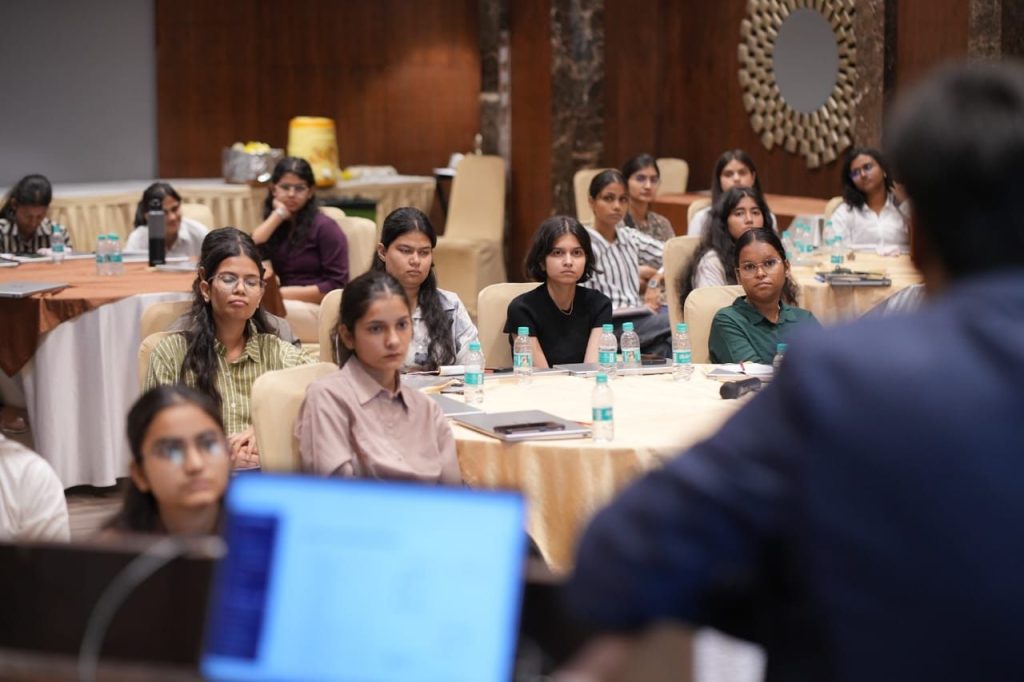
Training in spoken communication, active listening, teamwork and conflict resolution can help participants become more comfortable in different workplace situations. These skills are particularly useful in sectors such as retail, hospitality, customer service and business process outsourcing, where employees regularly interact with customers and teams.
2. Developing digital and technical skills
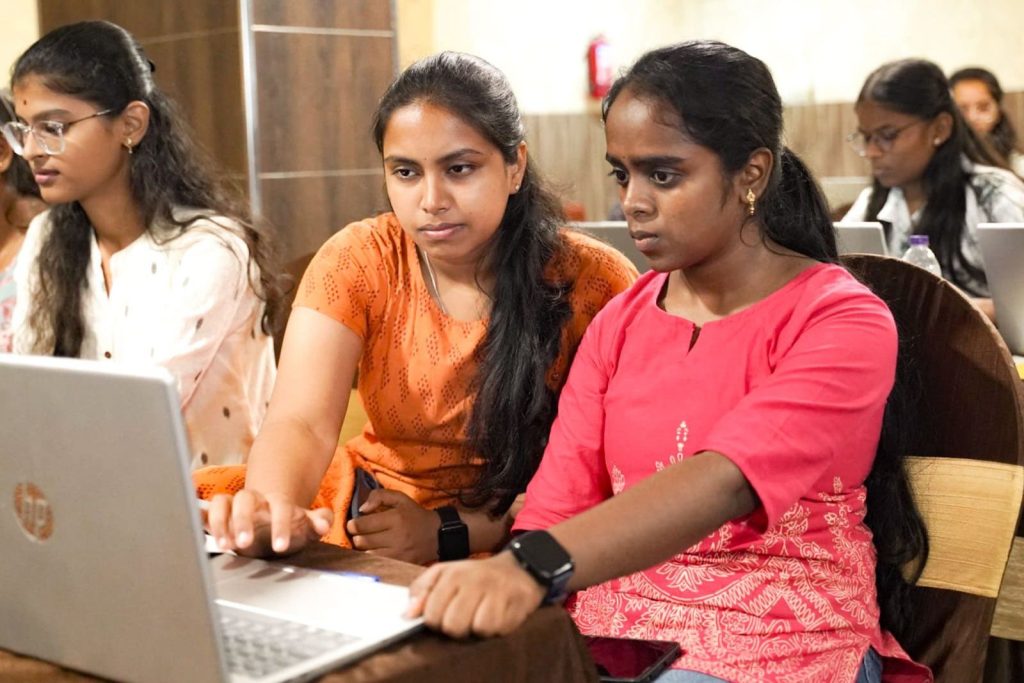
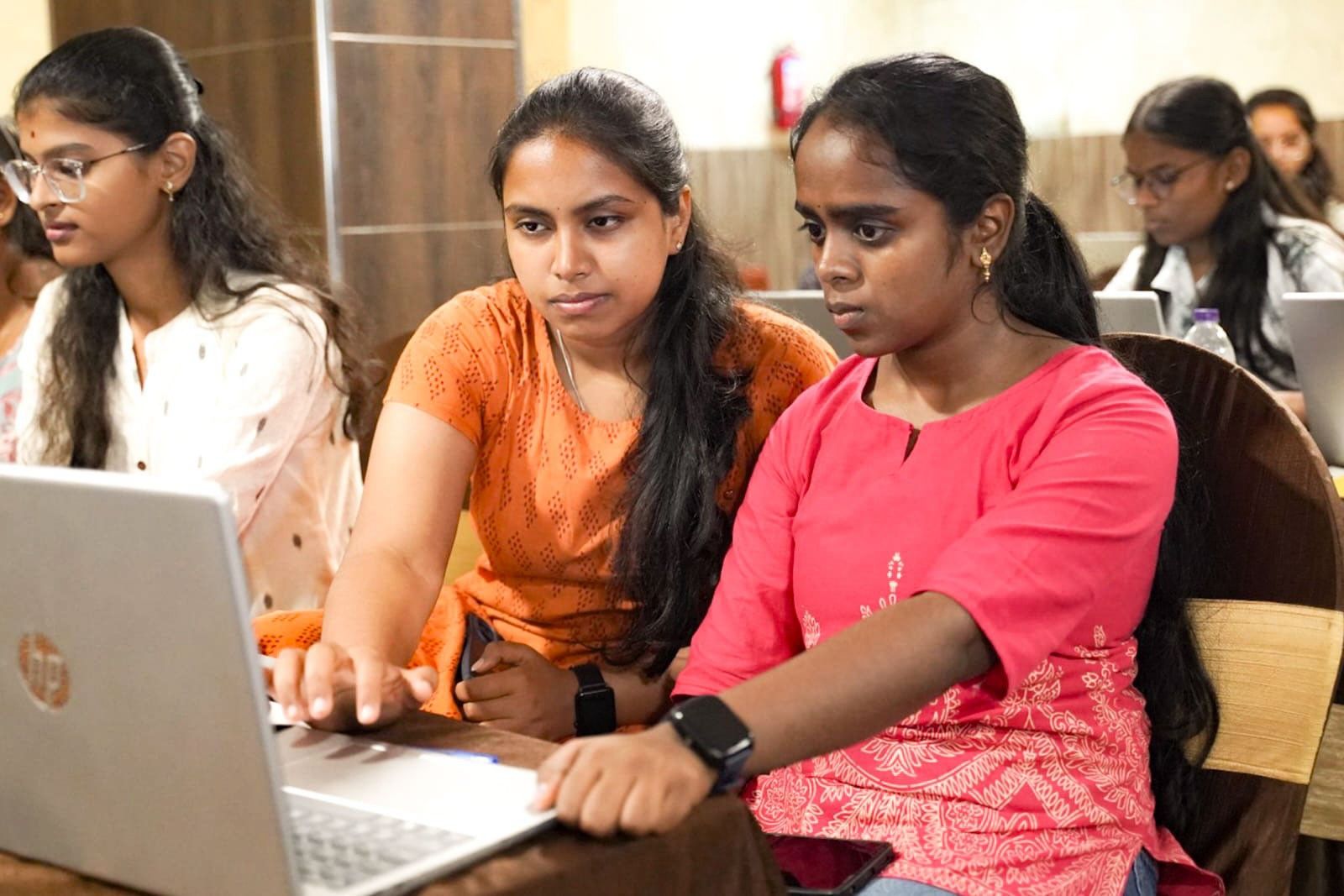
Digital literacy is no longer limited to jobs in the technology sector. Employees across industries are increasingly expected to use computers, online platforms, digital payment systems and workplace software. Basic skills such as creating documents, using spreadsheets, managing emails and navigating online communication tools can improve a young person’s ability to apply for and perform a job.
The growing use of artificial intelligence and automation also means that workers must be willing to learn new tools and adapt to changing work processes. The World Economic Forum’s Future of Jobs Report 2025 identifies technological change, including AI and information processing, as an important factor shaping the skills employers will need. It also highlights the continuing importance of analytical thinking, resilience, flexibility and creative thinking.
For young jobseekers, this makes continuous learning essential. Training programmes should therefore help participants develop both basic digital skills and the confidence to learn new technologies as their roles evolve.
3. Improving resume writing and interview skills
Many young people are unfamiliar with formal recruitment processes. They may not know how to present their qualifications, describe their strengths or answer common interview questions. Job readiness programmes can help them understand how to write a clear resume, complete application forms and communicate their experience to potential employers.
Mock interviews and group discussions allow participants to practise in a supportive environment. They can receive feedback on their communication, body language and ability to explain their skills. Understanding workplace etiquette, punctuality and professional conduct can also make the transition into a first job easier.
4. Providing practical exposure and industry experience
Classroom training is important, but young people also need opportunities to understand how workplaces function. Internships, apprenticeships, workplace visits and hands-on assignments can help them apply what they have learnt in real situations. Practical exposure also gives participants a clearer idea of the expectations associated with different roles. It can help them identify their interests, understand the demands of a particular industry and make more informed career choices.
The Government of India’s Skill India Mission supports skill development through initiatives such as the Pradhan Mantri Kaushal Vikas Yojana, Jan Shikshan Sansthan and the National Apprenticeship Promotion Scheme. These efforts underline the importance of connecting training with industry requirements and improving young people’s access to employment opportunities, and improving job readiness programs.
The role of NGOs in making workplace preparation accessible

Access to quality training is not equal for everyone. Young people from economically disadvantaged communities may not be able to afford professional courses, career counselling or additional qualifications. They may also lack access to computers, reliable internet connections and networks that can help them find employment.
NGOs can help address these barriers by taking training opportunities closer to communities. They can identify young people who need support, understand local employment opportunities and design courses that respond to the needs of both participants and employers.
Their role can extend beyond classroom training. NGOs can provide career counselling, digital literacy sessions, communication workshops and guidance on recruitment processes. They can also work with employers to identify suitable vacancies, arrange interviews and connect trained candidates with job opportunities.
For young women, people with disabilities and those from marginalised communities, additional support may be necessary. Safe transport, flexible training schedules, accessible learning spaces and family counselling can help more young people participate. These measures are important because completing a training course does not automatically guarantee that someone can enter or remain in employment.
How Smile Foundation supports youth employability
At Smile Foundation, we work to improve livelihood opportunities for young people from underserved communities through skill development and employment-linked training. Our livelihood programme focuses on helping young people build skills that can support their entry into the workforce. One of our initiatives is the Smile Twin e-Learning Programme (STeP), which provides vocational training and employability support to young people. The programme focuses on equipping participants with skills relevant to employment opportunities in sectors such as retail, hospitality and other service-based industries. Alongside vocational training, the programme places importance on communication, computer literacy and workplace behaviour.
This combination is important because technical knowledge is only one part of being prepared for a job. A young person applying for a customer-facing role, for example, may need to understand the product or service they are working with while also communicating clearly, responding to customers and working effectively with colleagues.
Through our skilling initiatives, we seek to help young people improve their employability and access opportunities for economic independence. Such interventions are especially relevant for those who may not have access to formal career guidance or industry exposure. The approach also recognises that training must respond to the realities of the employment market. Regular interaction with employers, an understanding of sector-specific requirements and support during the transition from training to work can make vocational programmes more relevant to young jobseekers.
What makes a job readiness programs effective?
A successful job readiness programs should begin by understanding the needs of the young people it aims to support. Their educational backgrounds, interests, existing skills and local employment opportunities can vary widely. Training should reflect these differences rather than follow a single approach for everyone.
It is equally important to involve employers in the design of these courses. Industry consultations can help training providers identify the skills required for different roles and update course content as workplace expectations change. This can reduce the gap between what participants learn and what employers need.
Job readiness programs should also offer support beyond the completion of training. Career counselling, job application assistance, interview preparation and placement support can help participants navigate the recruitment process. Follow-up support after placement is useful too, as young employees may need guidance while adjusting to workplace responsibilities.
Finally, the success of a programme should not be measured only by the number of people trained. It is important to understand whether participants find suitable jobs, retain employment, improve their earnings and have opportunities to grow professionally. Tracking these outcomes can help organisations improve the quality and relevance of their interventions.
Frequently Answered Questions (FAQs): Job readiness programs
1. What are job readiness programs?
Job readiness programs are training initiatives that prepare young people for the practical demands of employment. They combine technical and vocational training with communication skills, digital literacy, resume writing, interview preparation and workplace etiquette.
2. Why are job readiness programs important for young people in India?
Job readiness programs help address the gap between educational qualifications and employer expectations. Many young people complete school, college or vocational training but lack practical experience, professional communication skills and knowledge of recruitment processes. These programmes help them build the confidence and abilities needed to enter the workforce.
3. What skills do young people need to become job-ready?
Young people need a combination of technical and interpersonal skills. These include digital literacy, communication, teamwork, problem-solving, analytical thinking, adaptability, resume writing and interview skills. As workplaces adopt new technologies, the ability to learn and adapt to changing tools is equally important.
4. How do job readiness programs prepare young people for employment?
These programmes typically combine vocational training, digital skills development, communication workshops, career counselling and interview preparation. Internships, apprenticeships, workplace visits and practical assignments also help participants understand industry expectations and apply their learning in real-world settings.
5. What role do NGOs play in youth employability and job readiness?
NGOs make skill development and employment preparation more accessible to young people from underserved communities. They can provide vocational training, career guidance, digital literacy sessions and recruitment support. They also work with employers to identify vacancies and connect trained candidates with suitable employment opportunities.
6. How does Smile Foundation support job readiness among young people?
Smile Foundation supports youth employability through its livelihood programme and initiatives such as the Smile Twin e-Learning Programme (STeP). These initiatives provide vocational training and employability support, including communication skills, computer literacy and workplace behaviour, to help young people prepare for opportunities in sectors such as retail, hospitality and other services.
7. How can the effectiveness of job readiness programs be measured?
The effectiveness of job readiness programs should be measured through more than the number of participants trained. Important indicators include the number of participants who secure suitable employment, retain their jobs, improve their earnings and access opportunities for professional growth. Follow-up support after placement can also help young employees adjust to workplace responsibilities.