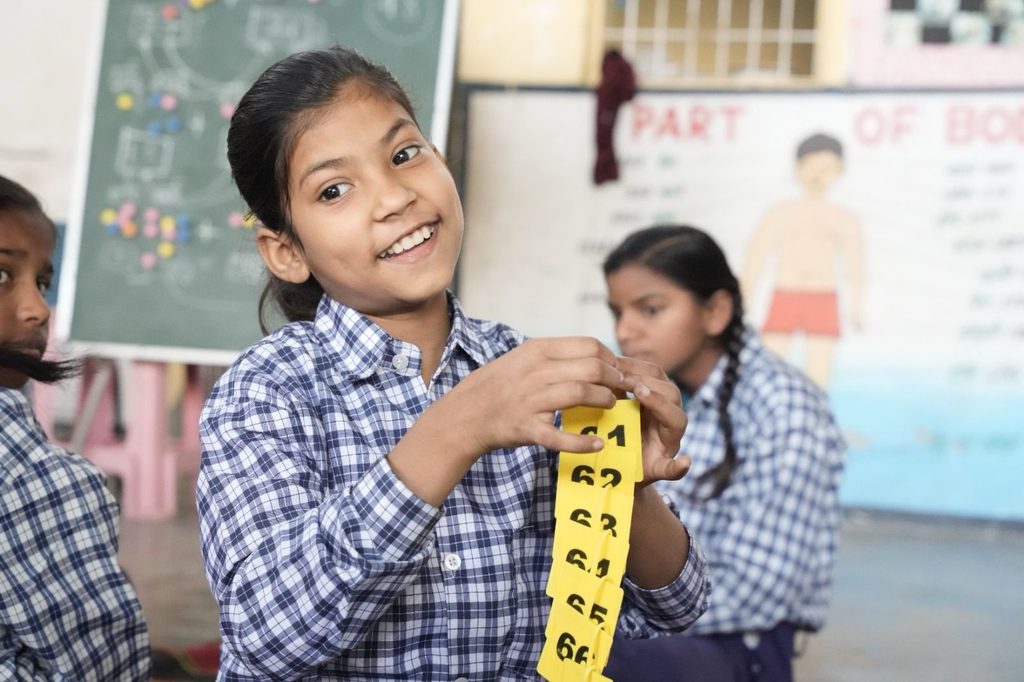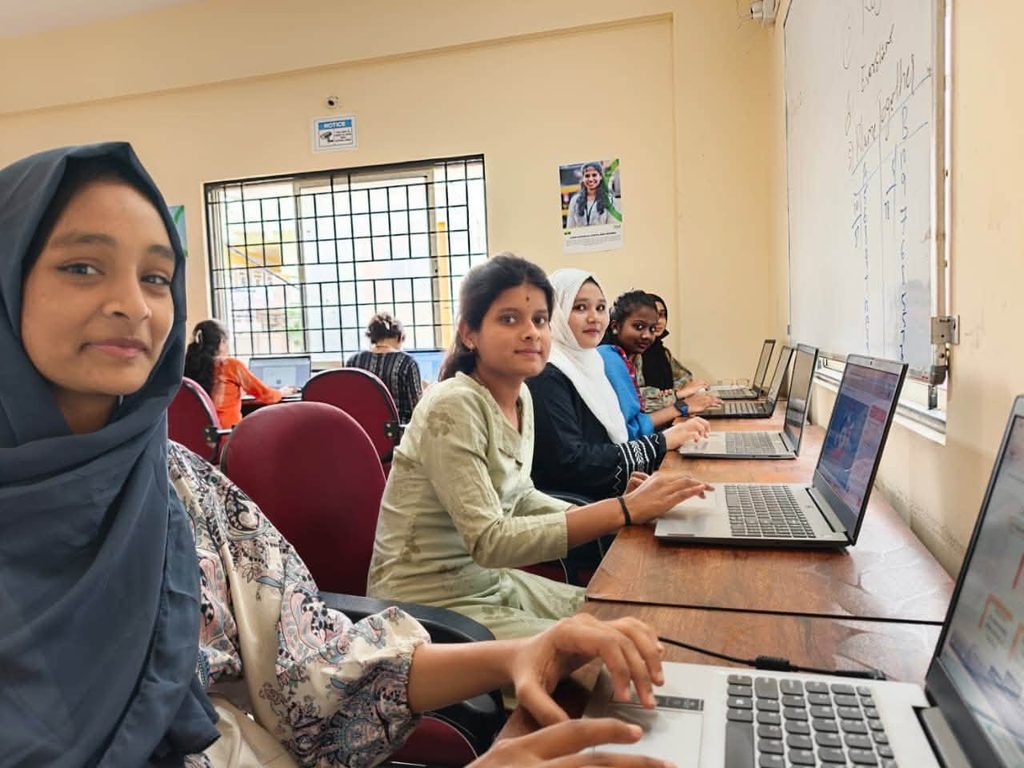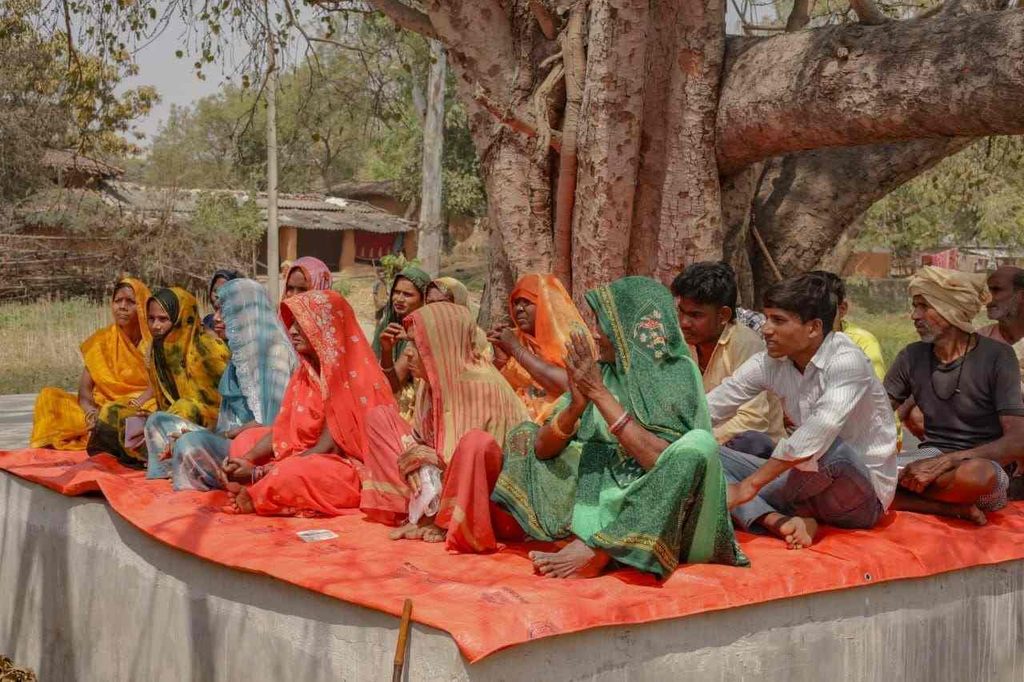
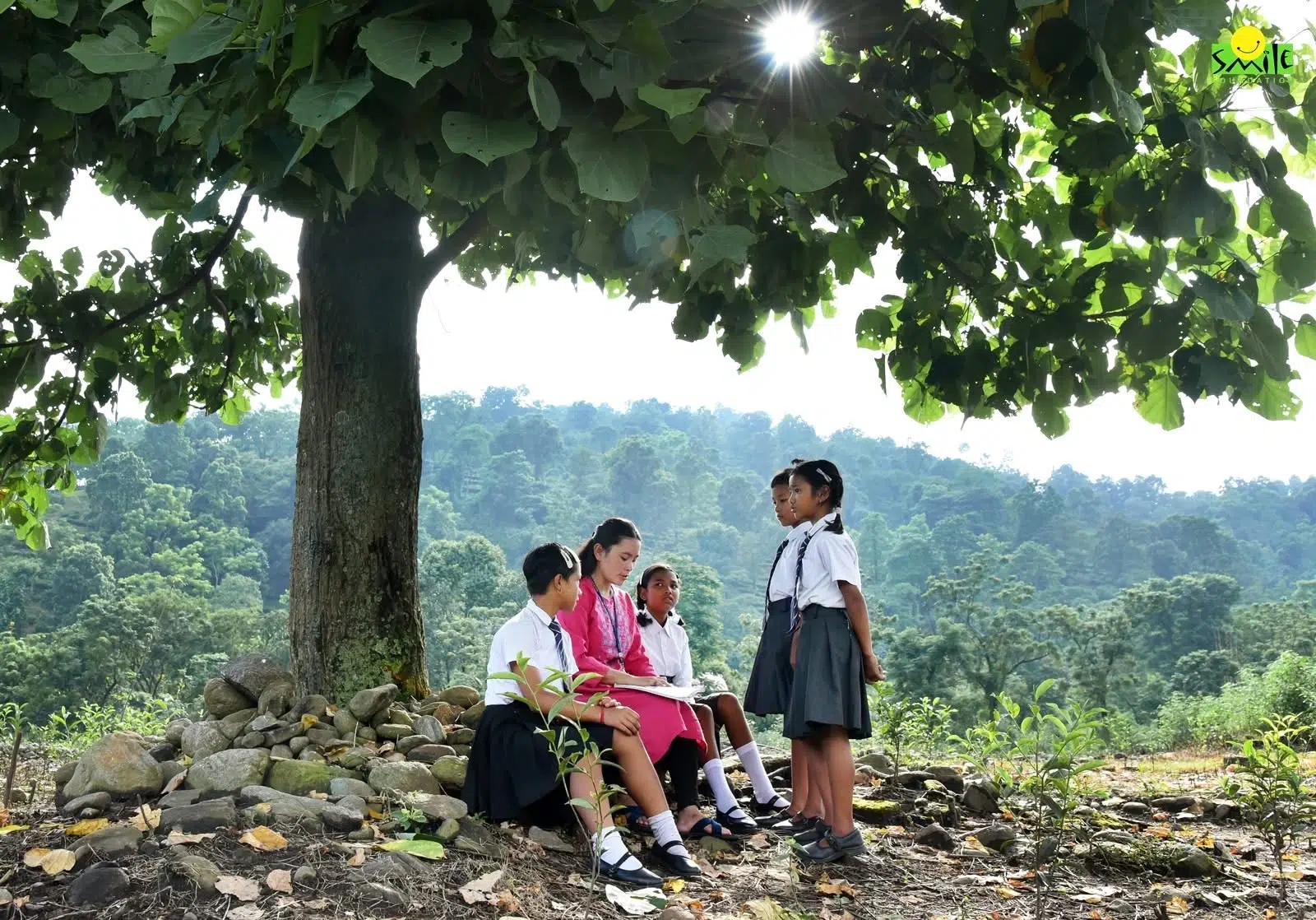

Environmental education becomes fun and meaningful only when children can connect what they learn in the classroom with the world around them. A lesson on water conservation becomes more relevant when students can learn to fix a leaking tap in their schools or homes and understand how water gets wasted. Learning about waste management becomes more engaging when they volunteer in neighbourhood clean-ups. Through practical learning and school projects, children can better understand local environmental problems, explore possible solutions and take small steps toward change.
For schools and organisations working with children towards teaching environmental learning school projects, the goal is not only to teach environmental awareness but also to help young learners develop habits, skills and a sense of responsibility towards the places they live in.

Why Environmental Learning Should Begin with Local Action
Environmental challenges can sometimes feel too complex and distant for children to understand. Climate change, air pollution, deforestation and biodiversity loss are important topics, but students may struggle to comprehend them with their everyday experiences. Starting with familiar surroundings can make these issues easier to understand.
For instance, children who study water scarcity can begin learning from observing how water is used at home and school. Students learning about plastic pollution can learn by observing how disposable packaging is used in local markets. A class studying plants and biodiversity can document the trees, birds and insects found around the school or the nearest parks. This approach encourages children to ask questions, observe patterns and think critically about possible solutions. It also helps them recognise that environmental problems are connected to everyday choices, public infrastructure and community practices.
India’s National Curriculum Framework for School Education 2023 recommends environmental education as an interdisciplinary area of learning. This means environmental concerns can be explored through science, mathematics, languages, social science and creative straying away positively from the confinement of a single lesson.
Five Environmental Learning School Projects That Children Can Lead
1. Conduct a School Waste Audit
A waste audit is a simple way to help students understand how much waste their school produces and what happens to it. Under teacher supervision, students can observe the waste generated in classrooms, the canteen, playgrounds and school events. They can record how much is recyclable, compostable or difficult to dispose of responsibly.
Students can then suggest practical changes, such as placing clearly labelled waste bins, reducing unnecessary paper use, carrying reusable water bottles or avoiding disposable plates at school events. They can compare observations before and after introducing these measures.
The Eco Clubs for Mission LiFE initiative encourages schools to take action on themes such as reducing waste, managing electronic waste and avoiding single-use plastic. Such initiatives can give students a structured way to turn classroom learning into everyday environmental practices. The purpose of a waste audit is not to blame students or school staff but to help children understand how waste is generated and how collective action can reduce it.
2. Start a School Garden or Composting Project
A school garden can teach children about soil, plant growth, food systems, biodiversity and the importance of water. Students can grow seasonal vegetables, herbs or native plants, depending on the space and resources available. Schools with limited outdoor space can use pots, recycled containers or small vertical gardens.
Children can record plant growth, observe insects and compare how different plants respond to sunlight and watering. Kitchen scraps and fallen leaves can also be used to introduce composting, provided the school has a safe and suitable system.
The Ministry of Environment, Forest and Climate Change’s Environment Education Programme promotes experiential learning through activities such as nature camps, projects, workshops and school eco-clubs. Its emphasis on learning through experience supports the use of practical activities to complement classroom teaching.
A garden can also help children understand food waste and sustainable food choices. It teaches patience and responsibility while showing that environmental action often begins with small, consistent efforts.
3. Investigate Water Use in the School and Neighbourhood
Water conservation is especially relevant in communities that experience shortages, irregular supply or falling groundwater levels. Students can begin by identifying how water is used in their school and whether taps, toilets or water storage facilities have leaks.
They can maintain a simple water-use diary, interview school staff about water management or prepare posters explaining ways to reduce wastage. Older students may compare local rainfall information with seasonal water availability or study how different households access drinking water.
These projects can connect science with mathematics and social science. Students can calculate approximate water use, present their findings through charts and discuss why access to water differs across neighbourhoods.
Schools must ensure that such activities are safe and do not place responsibility for public infrastructure failures on children. Students can document concerns and share them with teachers, school management or the relevant local authority.
4. Map Local Trees, Birds and Other Living Things
Environmental learning is also about understanding the living world. Students can conduct a biodiversity walk around their school or neighbourhood to record the plants, birds, butterflies and insects they observe.
They can prepare a local biodiversity map, maintain a nature journal, photograph plants where permitted or invite a local naturalist to explain how different species contribute to the ecosystem. Younger children can draw what they see, while older students can research native species and investigate how construction, pollution or the loss of green spaces affects them.
These activities encourage observation rather than rote learning. Children begin to notice the natural world around them and understand why local habitats need protection. Schools should avoid disturbing nests, handling unfamiliar animals or collecting plants and insects unnecessarily. The aim is to observe and protect biodiversity, not interfere with it.
A school biodiversity project can also create opportunities for families to participate. Students may ask grandparents or other residents about changes in local trees, birds or seasonal patterns, bringing community knowledge into classroom discussions.
5. Study Local Pollution and Suggest Solutions
Children can investigate environmental problems that affect their daily lives, including traffic-related air pollution, littering, noise or the burning of waste. Teachers can help them conduct safe observations at school or in approved public spaces.
For instance, students might record the types of litter found near the school gate, identify where waste accumulates or survey classmates about how they travel to school. They can present their findings through charts, drawings, photographs or short reports.
Based on the evidence, students could suggest better waste collection, safer walking routes, more trees in suitable locations or awareness campaigns for families and local shopkeepers.
These projects should be designed carefully. Children should not be asked to handle hazardous waste, enter unsafe areas or collect air-quality samples without appropriate equipment and supervision. Their role is to observe, investigate and communicate, while adults and public authorities remain responsible for addressing larger environmental risks.
How Schools Can Make Environmental Projects More Effective
A successful project does not need expensive equipment or a large budget. It needs a clear question, a manageable activity and opportunities for children to reflect on what they discover.
Teachers can begin by asking students to identify one environmental concern they notice in their surroundings. The class can then investigate the issue, collect simple evidence, discuss possible responses and agree on one action they can realistically take.
Projects should also be age-appropriate. Younger students may learn through storytelling, drawings, gardening and observation. Older students can conduct surveys, analyse data, prepare presentations and engage with local institutions.
Environmental activities become more useful when they are connected to regular lessons. A waste audit can involve mathematics through measurement and percentages, language through report-writing, and science through material classification. This interdisciplinary approach reflects the direction of India’s National Curriculum Framework for School Education.
The Role of NGOs in Making Environmental Education Inclusive
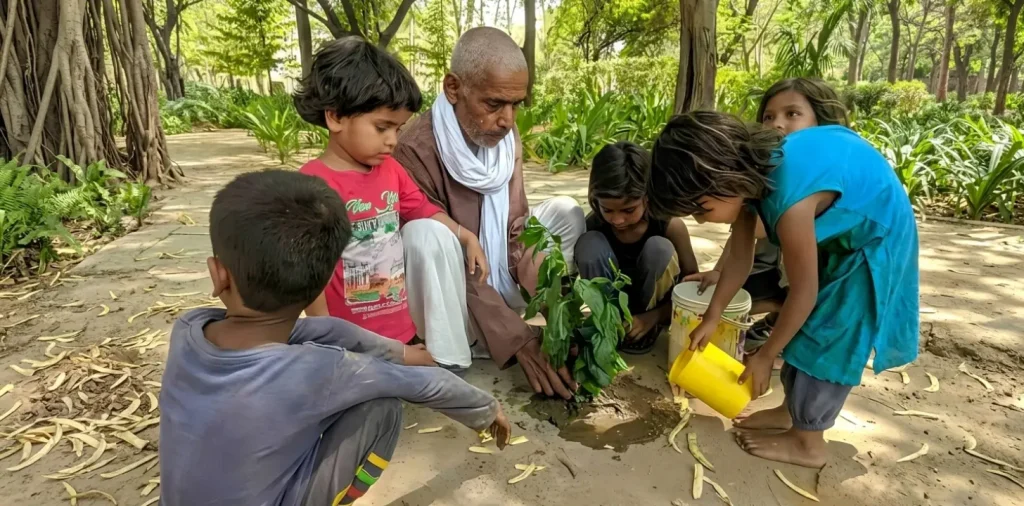
NGOs can help schools turn environmental awareness into sustained learning, particularly in communities where educational resources, safe outdoor spaces or teaching materials are limited. They can support teacher training, provide project materials, organise nature-based activities and connect schools with local environmental experts.
Our work on nature-based learning offers a relevant example of how NGOs can help children connect education with their immediate surroundings. Through our article on Nature-Based Learning for Children, we try to explain how children can learn about the natural world through outdoor activities, observation and direct experiences. Rather than limiting environmental education to textbook lessons, the approach encourages children to explore the plants, birds and other forms of life around them.
Earlier this year, we organised a learning visit by Mumbai students to the Bombay Natural History Society (BNHS), where children explored wildlife, scientific collections and natural history. Such exposure gives students an opportunity to connect classroom concepts with the living world and encourages curiosity about biodiversity and conservation.
In 2024, Smile Foundation’s environmental education interventions also reached more than 75,000 children across 500 schools in nine states. Students participated in activities such as tracking household water use, exploring local plants and birds, and caring for saplings planted through school eco-clubs. These activities help children understand environmental issues through experiences they can relate to in their everyday lives.
This approach can also be supported through our STEM programmes, which encourage children to learn science through experimentation, problem-solving and hands-on activities. In 2025, our STEM labs at 32 locations engaged more than 22,000 students in experiential learning. Through science experiments, robotics, model-making and DIY activities, students can explore scientific concepts beyond theoretical lessons.
From Classroom Awareness to Lasting Change
Environmental education is most effective when children are encouraged to move from understanding a problem to exploring what they can do about it. Through environmental learning school projects, students can investigate local challenges, learn to work with others and recognise the value of evidence-based action.
Schools do not need to solve every environmental problem at once. A class that reduces paper waste, a group that maintains a small garden or students who document water wastage can all take meaningful first steps. What matters is that these activities are connected to learning, supported by teachers and followed by reflection.
Environmental learning school projects can help children develop habits that extend beyond the classroom, but they should also teach an important lesson: environmental responsibility is shared. Children, families, schools, NGOs, businesses and public institutions all have a role to play.
By giving children the tools to observe, question and act, schools can help them grow into informed citizens who understand both the challenges facing their communities and their capacity to contribute to a more sustainable future.
FAQs: Environmental learning school projects
1. What are environmental learning school projects?
Environmental learning school projects are hands-on activities where students investigate a local environmental issue, such as waste, water use or biodiversity, gather simple evidence and take a small, practical action in response.
2. Why should environmental education start with local action?
Global issues like climate change can feel distant to children. Observing water use at home, litter near the school gate or trees in a nearby park makes these problems easier to understand and connects them to everyday choices.
3. What environmental learning school projects can students lead at school?
Five simple options are a school waste audit, a garden or composting project, a water-use investigation, a local biodiversity map and a study of neighbourhood pollution with suggested solutions.
4. Do these environmental learning school projects need a big budget or special equipment?
No. A successful project needs a clear question, a manageable activity and time for reflection. Pots, recycled containers, notebooks and posters are usually enough.
5. How can these environmental learning school projects fit into the regular curriculum?
Environmental learning school projects are naturally interdisciplinary, which aligns with India’s National Curriculum Framework for School Education 2023. A waste audit, for example, involves maths (measurement, percentages), language (report writing) and science (material classification).
6. How do schools keep children safe during these activities?
Children should observe, investigate and communicate, not handle hazardous waste, enter unsafe areas, disturb wildlife or collect samples without supervision. Adults and public authorities remain responsible for larger environmental risks.
7. How do NGOs support environmental education in schools?
NGOs can train teachers, provide materials, organise nature-based visits and link schools with local experts. In 2024, Smile Foundation’s environmental education interventions reached over 75,000 children across 500 schools in nine states.