

Summary
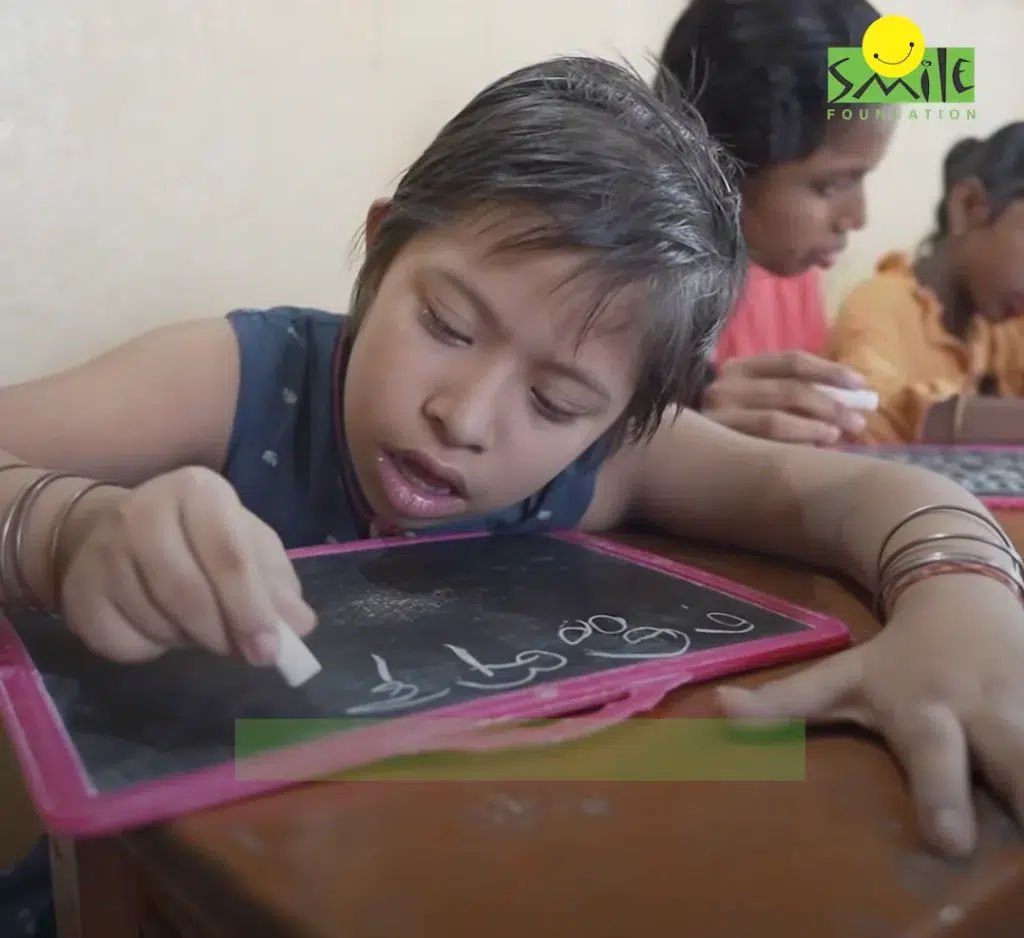
- After school programs give children somewhere to go once the school day ends, and a facilitator who has time to sit with them over their homework while parents are still at work.
- Close to 80% of a child’s waking hours are spent outside the classroom. In India, roughly half of all Class 5 children could not read a text meant for Class 2, and patient help after school lets many of them catch up.
- Regular attendance is linked with better results in class and greater confidence. In one long-running program, 63% of teenagers finished high school, against 42% of those outside it.
- Many centres serve a hot meal or a snack, and staff keep an eye on how each child is doing outside their studies too.
- Cost and distance still keep many children from reaching a centre, and programs funded by short-term grants can close when the money runs out.
“Every child deserves a champion.” — Rita Pierson
For many children in India, that champion is someone they meet only after the school day is over.
They come home in the afternoon with homework they cannot finish on their own. Their parents are usually at work until evening, and some never had the chance to study themselves. If a child got stuck on a sum in class, there is often nobody at home who can help work it out.
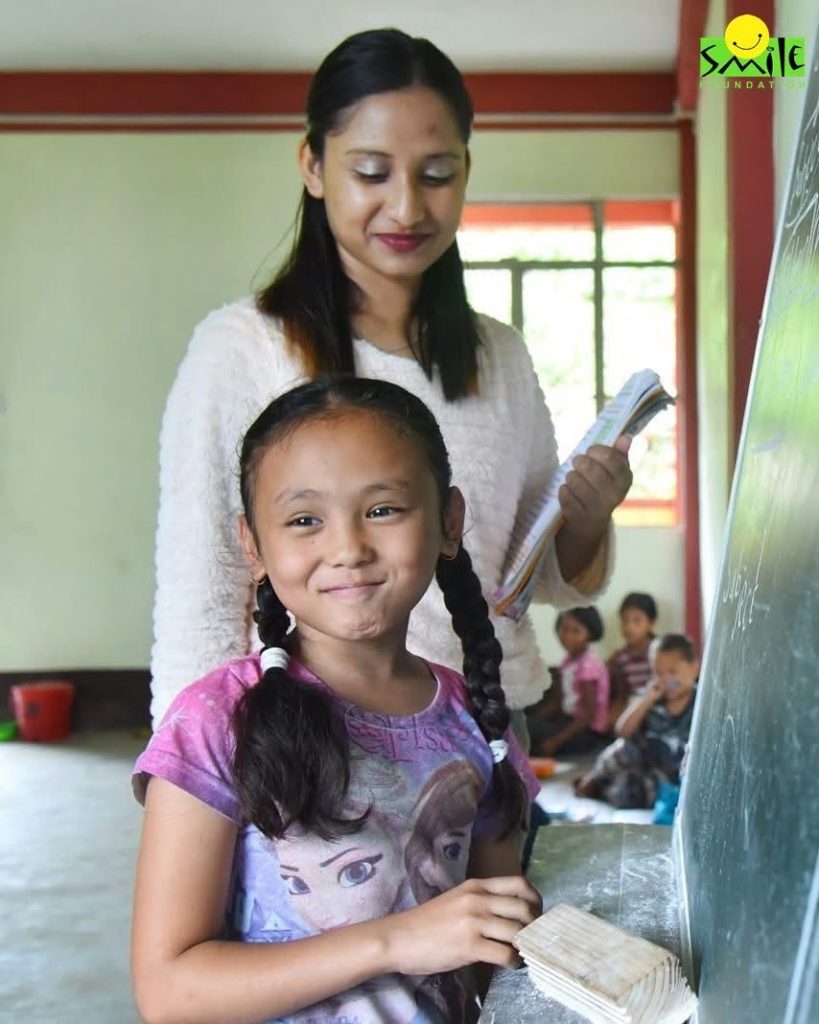
After school programs for children give them a place to take that sum. A facilitator sits beside the child and goes through it again at a slower pace, and there is still time to play outside before heading home with the homework done. Many of these children are the first in their families to study beyond primary school, and an hour of steady help each afternoon makes it easier for them to keep going.
What Are After School Programs?
After school programs for children are regular sessions held once school is over, usually in a school building or a community centre a short walk from home. What each centre offers depends on the children who come and what it can afford, though most have some mix of the following.
- Homework help and remedial classes: support with the day’s homework, and extra classes in reading and maths for children who need them.
- Creative activities: drawing, music, storytelling and drama, where children can try something new without worrying about marks.
- Sport and play: a chance to run around and play as a team after hours of sitting still.
- Digital learning: for some children, their first go on a computer.
- Meals and health support: a snack or a meal, and occasional health check-ups.
Why the Hours After School Matter
Children spend close to 80% of their waking hours outside the classroom. Most of what they learn in class needs practice during those hours before it sticks, and when that practice is missed year after year, the gaps grow wide. National learning surveys have found that roughly half of all Class 5 children in India could not read a text meant for Class 2.
How After School Programs Help Children Learn
Strengthening the basics
Reading and basic maths come into almost every other subject. A Class 6 child who is still unsure of multiplication will find fractions very hard, and may start to feel the whole subject is beyond them. Remedial classes go back to what the child has not yet mastered and build up from there in small steps, with plenty of practice. A 1994 study of low-income families in the United States found that children who went to after school programs earned better grades, and got on better with classmates, than those who went home alone or to a relative.
Confidence and a willingness to try
Children who struggle at school for long enough often decide they are simply bad at studying. They stop putting their hands up, and some start finding reasons to stay home. In a small group, a facilitator has time to notice when a child reads a whole paragraph alone for the first time and to tell them how well they did. Evaluations of programs over a decade found that children who attended regularly had higher self-esteem and fewer behaviour problems.
Creativity and life skills
A storytelling circle or a group drawing project gives children practice in speaking up in front of others, and in listening while someone else has their turn. For a shy child, being asked to tell one small part of a story can be the first time they have spoken to a group at all.
Staying in school
Household chores and money worries can keep a child away from school for a few days at a time, and the missed days slowly build up. Facilitators who see a child every afternoon, and know the family, are often the first to notice when something is wrong and can talk to the parents early. In one long-running program for teenagers from low-income families in the United States, 63% of those who stayed for four years finished high school, compared with 42% of similar teenagers outside it.
Looking After the Whole Child
A child who last ate at the school’s midday meal is often hungry again by four o’clock, and it shows in how long they can sit with a book. Many centres keep a hot meal or a simple snack ready for when the children arrive, and some help families find a doctor if a child seems unwell.
Staff at a good centre are carefully screened and trained before they work with children, and clear child-protection rules mean that a child or parent who is worried about anything knows who to go to.
A child who has gone quiet may be grieving someone at home, or worried about something they find hard to put into words. A facilitator who notices can ask what is wrong, and if the child needs more help than a chat can give, make sure they are put in touch with a trained counsellor.
What Makes After School Programs for Children Work
Programs that help children over several years usually have the following in place.
- Trained, steady facilitators: staff who stay for a few years come to know each child’s strengths and gaps, and good training helps them teach a group where every child is at a different level.
- Activities suited to each child: play-based learning for the youngest, and help with subjects or career choices for older children.
- Regular attendance: children who come often, for a year or more, see the biggest gains.
- Tracking progress: a simple reading and maths check at the start, repeated every few months, shows facilitators where each child still needs help.
- Access for every child: sessions held at times children can manage, in rooms a child with a disability can get into. Girls and children from migrant families often need a little extra encouragement to join.
The Access Gap
Private tuition and coaching cost money that most families on daily wages do not have. In poorer neighbourhoods, a free after school program is often the only extra help a child can get, if there is one close enough to reach.
Distance is a worry in villages and in settlements with poor transport, and parents are understandably wary of sending young children far from home. Many programs also run on short-term grants, so a centre doing good work can close when the money runs out, and the children who relied on it then have nowhere to go in the afternoons.
How Smile Foundation Supports Children’s Education Beyond the Classroom
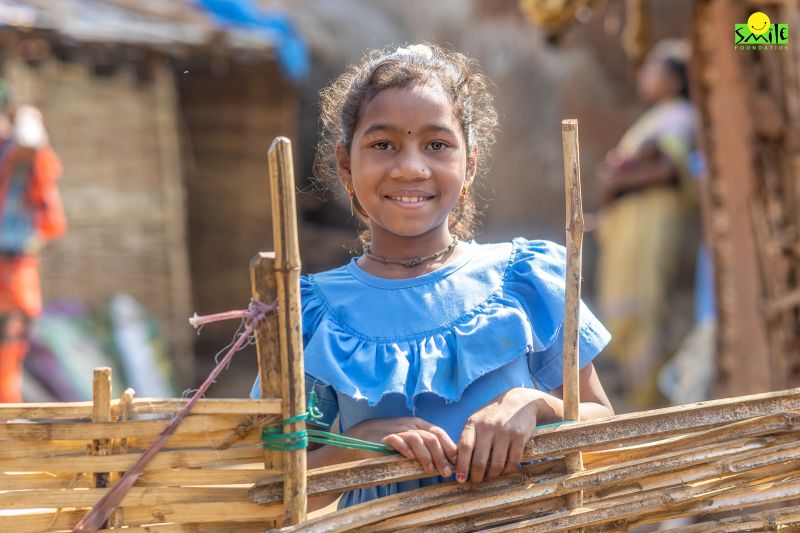
Smile Foundation’s Mission Education works with underprivileged children across India and supports their nutrition and wellness alongside their learning. Its work covers foundational literacy and numeracy, STEM and digital learning, teacher training and scholarships. Parents and local communities are involved as well. In 2025, Mission Education reached more than 185,000 children through 242 centres and 1,008 government schools, and that figure covers all of its work across schools and centres.
After school programs for children give a child an adult who believes they can finish school and perhaps go further. Mission Education works towards the same goal in classrooms and centres across the country, because every child deserves that kind of support wherever they live. Anyone who would like to help can donate or volunteer through Smile Foundation’s donation page.
FAQs
- What are after school programs?
They are regular sessions held once school is over, in a school building or a community centre near children’s homes. Most offer help with homework and extra reading and maths classes, along with time for sport and creative activities.
- How do after school programs help children from underserved communities?
Many of these children have nobody at home who can help with schoolwork. A program gives them that help every afternoon, and many centres also provide a meal and basic health support.
- Are after school programs only for children who are struggling?
No. Children who are doing well in school also enjoy the sport and creative activities, and some get their first chance to use a computer.
- What should a good after school program include?
Trained facilitators who stay long enough to know each child, and activities suited to the children’s ages and levels. Regular checks on reading and maths also show where a child still needs help.
- Are after school programs safe for young children?
A good centre screens and trains its staff before they work with children. It also has clear child-protection rules, so children and parents know who to go to with a worry.
- How long should a child attend to see a difference?
Children who come regularly, for a year or more, usually gain the most, because facilitators can build on what was covered the week before.
- Do families have to pay for after school programs?
Many programs run by NGOs and community groups are free for families who cannot afford fees. Some charge a small amount to cover materials or meals.
Sources:
- Every Kid Needs a Champion, TED, May 2013
- Out-of-School Programs Play an Outsized Role in Child Development, The 74, May 2025
- Annual Status of Education Report 2018, ASER Centre, January 2019
- Low-Income Children’s After-School Care: Are There Beneficial Effects of After-School Programs?, Child Development
- The Secrets of Successful Afterschool Programs, Harvard Graduate School of Education, August 2008
- After-School Opportunities, National Dropout Prevention Center
- Components of Effective After School Programs in Under Resourced Communities, University of Northern Iowa, May 2024
- Education Impact Report 2025, Smile Foundation, 2025