
SWABHIMAN | HEALTH & NUTRITION
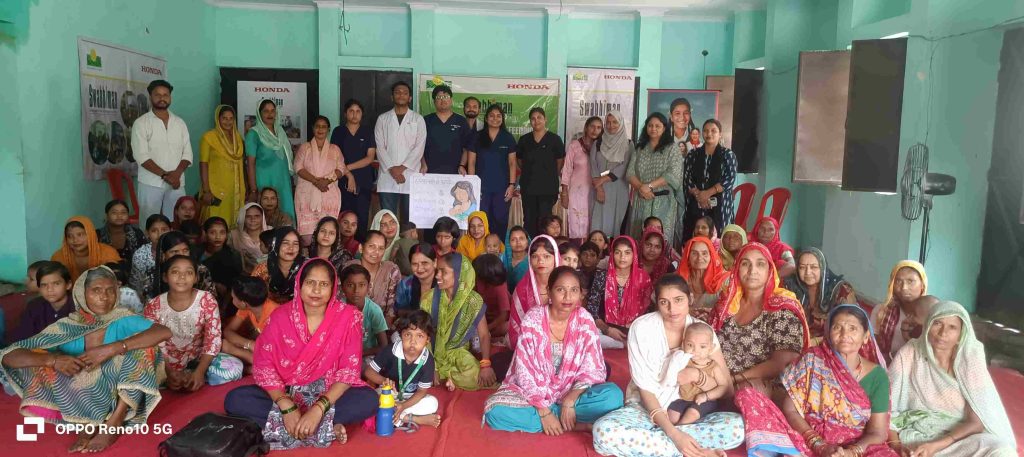
During World Breastfeeding Week 2026, 389 mothers, mothers-in-law, husbands and neighbours in Greater Noida and Bhiwadi came together to learn something simple and powerful – that a mother who is supported can give her baby the healthiest possible start.
Ask a young mother in a village near Greater Noida what she has been told about feeding her newborn, and you will often hear a long list. Wait until the milk “comes properly”. Throw away the first thick yellow milk. Give a little water in the summer heat. Start other foods early so the baby grows strong.
None of this advice is given unkindly. It is handed down with love, from one generation to the next. But it can stand between a baby and the best protection available anywhere in the world – free, ready and already with the mother.
From 1 to 7 August 2026, the Swabhiman team of Smile Foundation marked World Breastfeeding Week 2026 across our project locations in Greater Noida and Bhiwadi, supported by Honda India Foundation. The idea was to sit with families, listen to what they believe and share what works – in language everybody could follow.
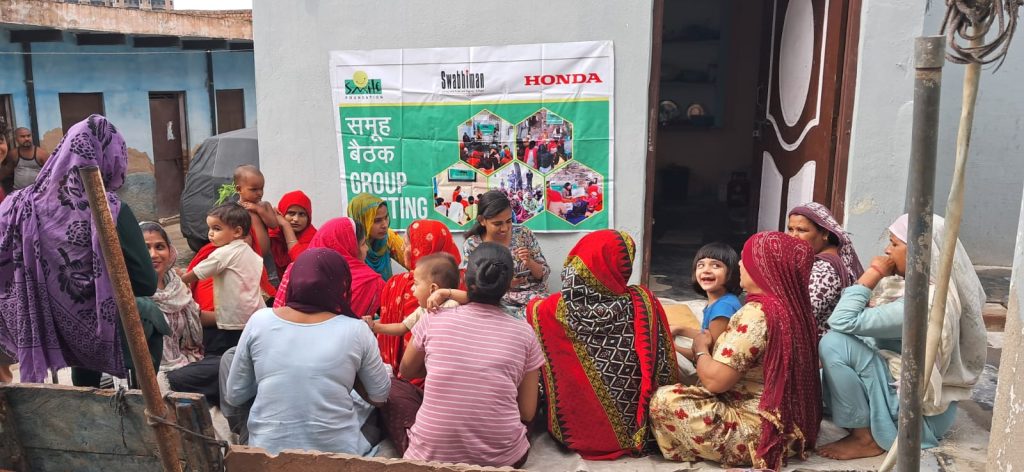
Eleven meetings, 389 people, one message
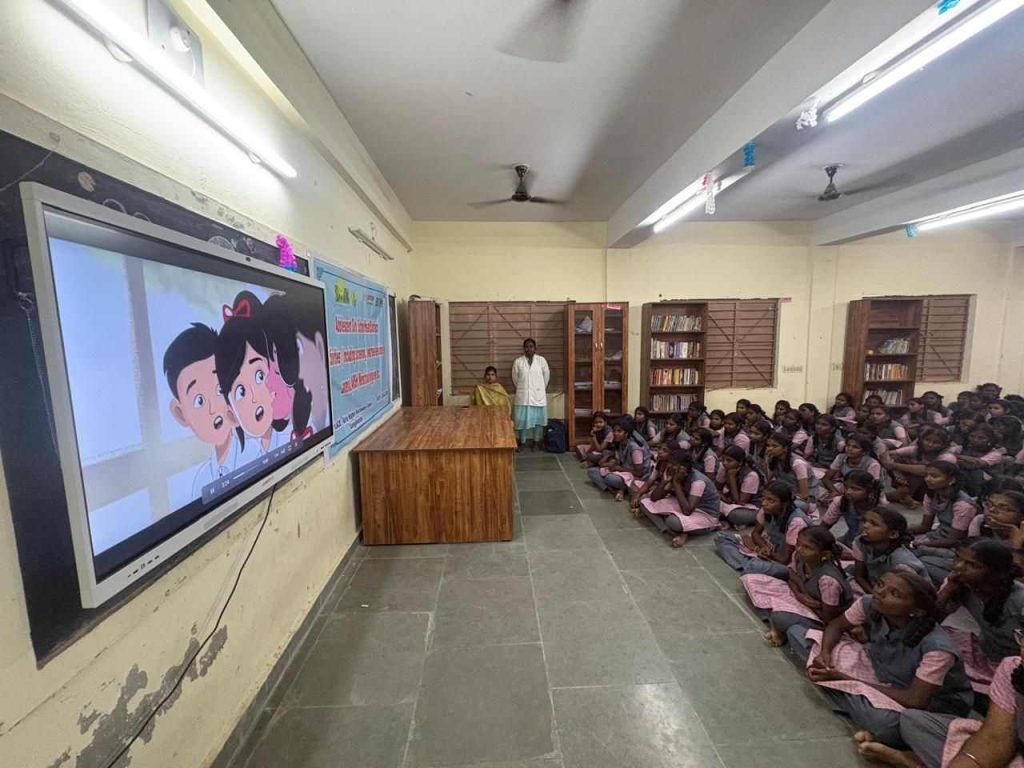
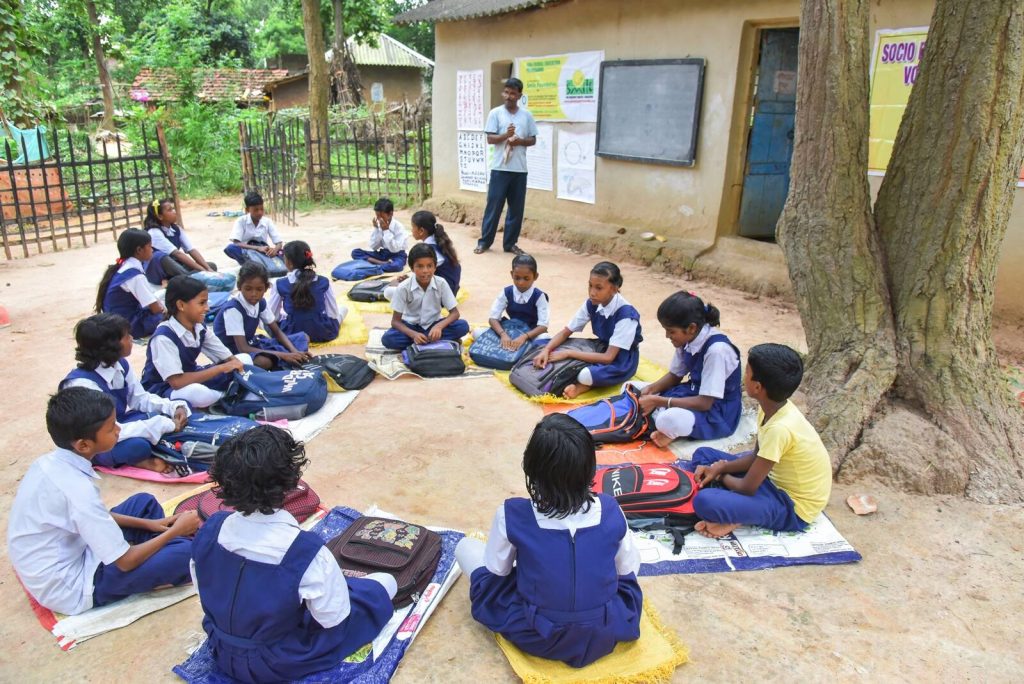
Over seven days, the team held awareness sessions, antenatal counselling, street plays and group meetings with women. Together, these reached 389 people.
| Activity | Locations | Meetings | People reached |
| Breastfeeding Week celebration | Salarpur, Dadha | 2 | 127 |
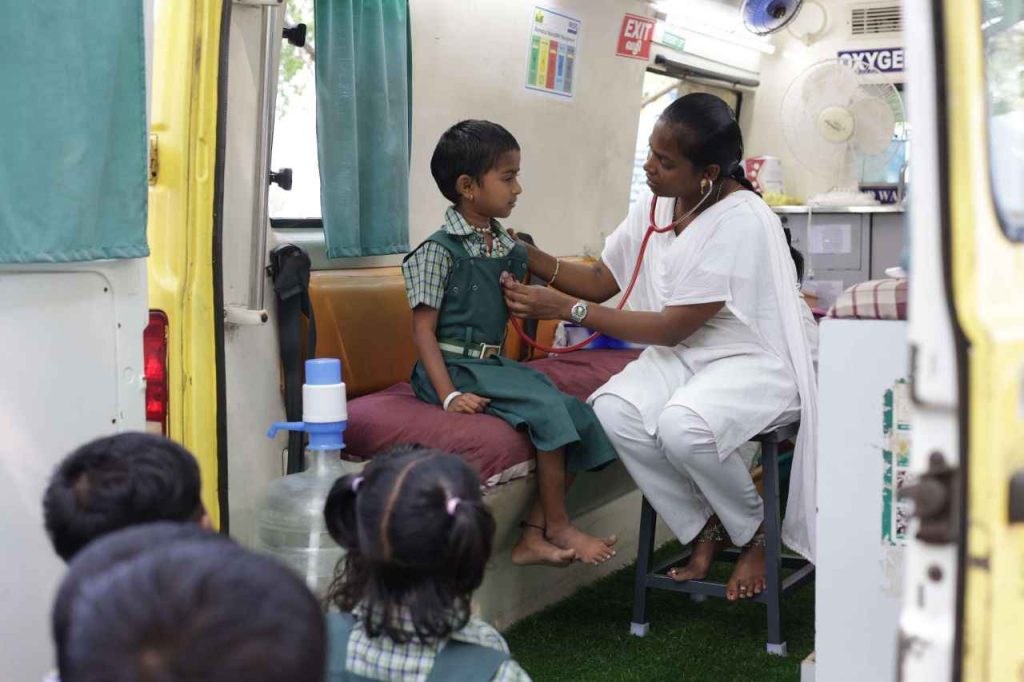
| Antenatal care sessions | Khanpur, Sahapur | 2 | 51 |
| Street plays | Dadha, Salarpur | 2 | 100 |
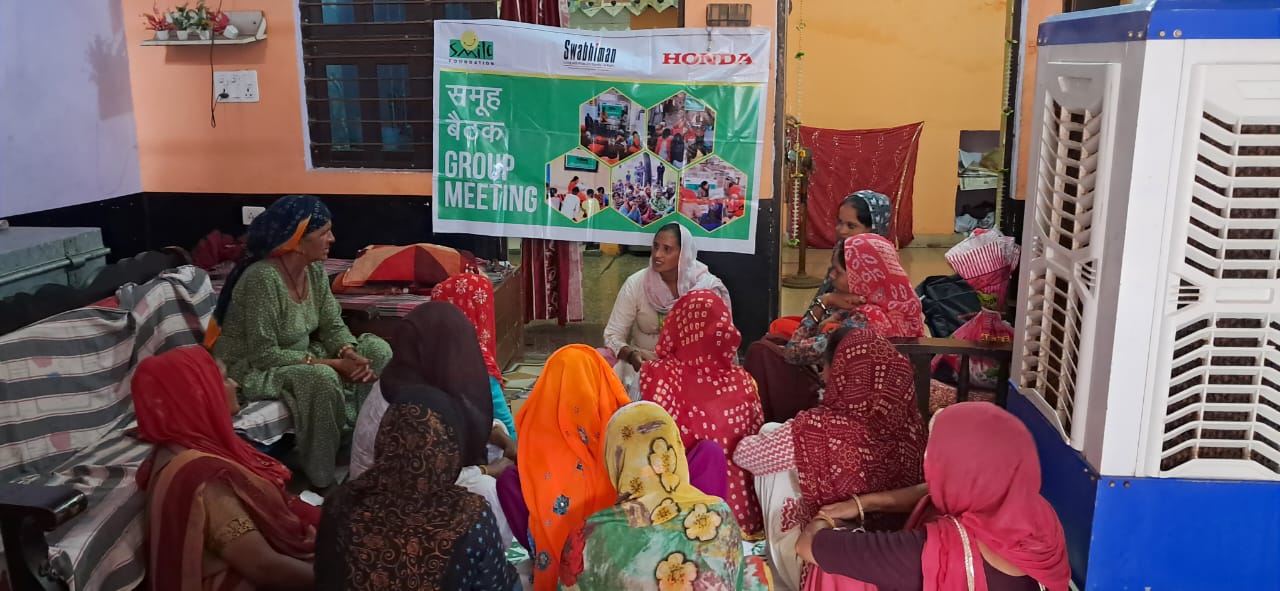
| Group meetings with women | Banveerpur, Salarpur, Sahapur, Bibipur, Karoli | 5 | 111 |
| Total | Greater Noida & Bhiwadi | 11 | 389 |
Learning by doing, not by listening
With the help of a child, the team showed mothers how to hold a baby comfortably, how to check that the baby is properly latched, and how to burp the little one afterwards – the small mechanics that decide whether feeding feels like a struggle or a settled routine.
Then came the part everyone remembers. A quiz turned the morning’s lessons into a game. A short play on colostrum – that first golden milk so often discarded – made the point far better than any poster could. When a familiar myth was acted out on a village street and gently corrected in front of everyone, the correction travelled.
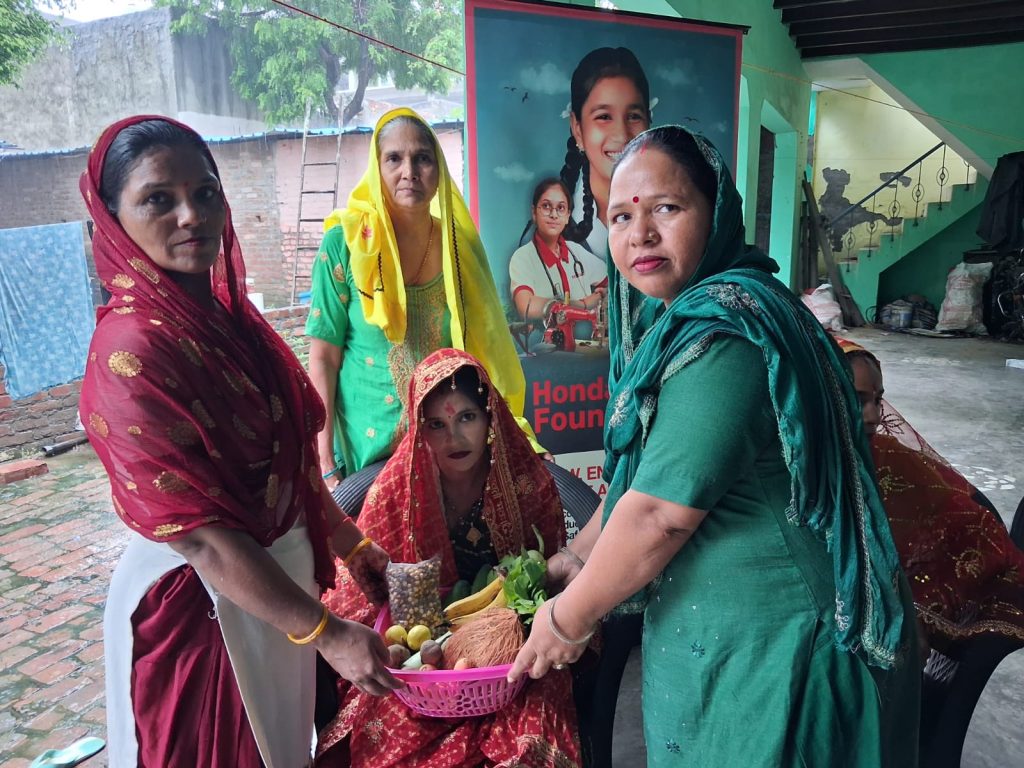
| What we shared, in seven simple messages Begin breastfeeding within one hour of birth. Give colostrum – the first milk is the baby’s first vaccine, not something to throw away. Breastfeed exclusively for the first six months. No water, no other milk. Get the position and attachment right; it makes feeding easier for both. Continue breastfeeding alongside complementary foods after six months. A breastfeeding mother needs good food, iron, calcium, protein and plenty of water. Family support is not a favour. It is part of the feeding. |
The conversation we are most proud of during the World Breastfeeding Week 2026
One session for the World Breastfeeding Week 2026 was set aside entirely for husbands and mothers-in-law.
It is easy to treat breastfeeding as something that happens between a mother and her baby, in a quiet corner of the house. In practice, whether it goes well often depends on the people around her. Who takes the older child for an hour. Who makes sure she eats before everyone else. Who decides, in the first confusing hours after a delivery, whether the baby is put to the breast or given something else.
So the team asked families directly: what would help her? The answers were practical and immediate – and in several homes, they became small changes the very same week.
Mothers also received nutrition counselling of their own, because a woman who is feeding a baby is feeding two people. And because knowing about a service is the first step to using it, the sessions shared clear information on JSY, PMSMA, Poshan Abhiyaan and Village Health and Nutrition Days, along with the ASHA, ANM and Anganwadi workers who make these real in every village.
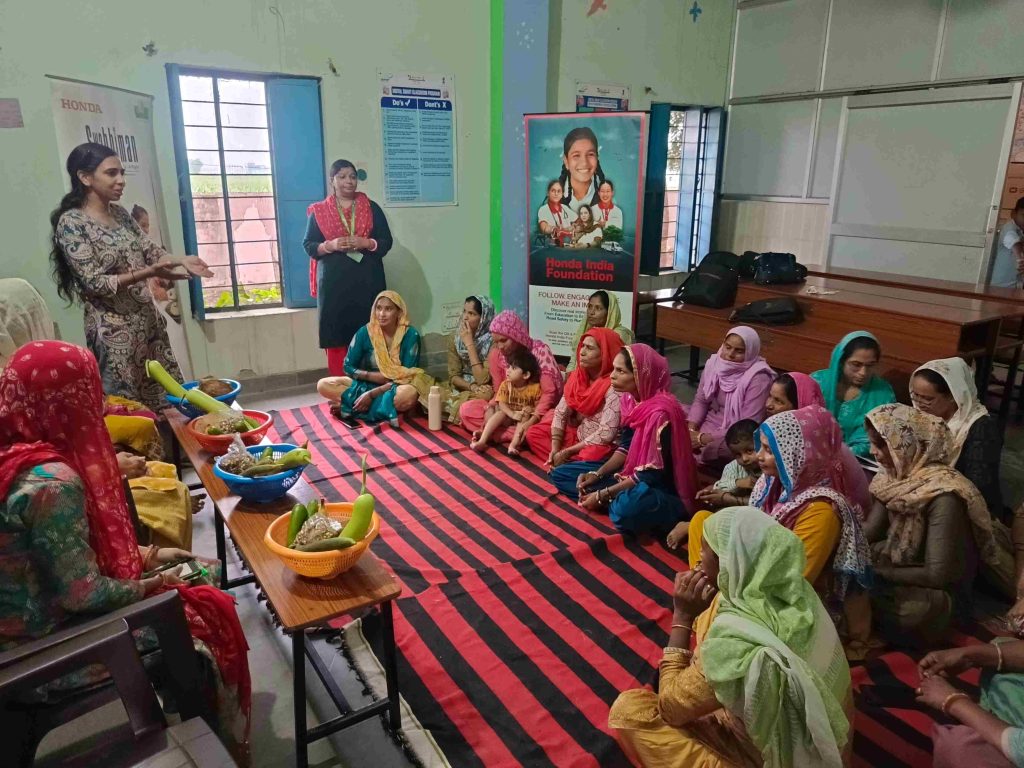
What changed, and what comes next after World Breastfeeding Week 2026
By the end of the World Breastfeeding Week 2026, mothers could describe correct positioning and attachment in their own words. Long-held myths had been discussed openly rather than dismissed. Families had begun to see support for a breastfeeding mother as a shared responsibility rather than her private task.
We are honest about the limits of a single week. Habits that have been passed down for generations are not undone in seven days, and the family members who most need to hear these messages are not always in the room. That is exactly why the work continues.
The Swabhiman team will keep following up through home visits with pregnant and lactating women, regular women’s group meetings, and close coordination with ASHA, ANM and Anganwadi workers – returning again and again to the same four things: early initiation, exclusive breastfeeding, correct attachment, and a family that stands with the mother.
| Every mother deserves support, not just advice. Smile Foundation works with underprivileged children, youth and women across 25 states in India through relevant education, innovative healthcare and market-focused livelihood programmes. Join us in taking this support to one more village, one more mother, one more child. smilefoundationindia.org |
L E T T H E R E B E S M I L E S
World Breastfeeding Week 2026: FAQs
1. When should breastfeeding begin?
Within one hour of birth. This first feed helps the baby get colostrum and supports the mother’s milk supply.
2. What is colostrum, and why does it matter?
Colostrum is the thick yellowish milk produced in the first few days. It is rich in antibodies and is often called a baby’s first vaccine. It should never be discarded.
3. Should a baby be given water in hot weather?
No. For the first six months, breast milk alone meets a baby’s full need for food and fluid, even in Indian summers. Water can displace milk and introduce infection.
4. How long should exclusive breastfeeding continue?
For the first six months. After that, complementary foods are introduced while breastfeeding continues — ideally up to two years or beyond.
5. Why does positioning and attachment get so much attention?
Because most feeding difficulties trace back to it. Correct attachment means the baby feeds effectively and the mother feeds comfortably, which is what makes exclusive breastfeeding sustainable.
6. What can a husband or mother-in-law actually do?
Take on the older children for an hour, make sure the mother eats and drinks enough, protect her rest, and back her decision to feed early and exclusively in the first confusing hours after delivery.
7. Which government schemes support mothers and newborns?
Janani Suraksha Yojana (JSY), Pradhan Mantri Surakshit Matritva Abhiyan (PMSMA), Poshan Abhiyaan and Village Health and Nutrition Days (VHND). ASHA, ANM and Anganwadi workers are the first point of contact for all of them.