Summary
- Development impact is usually counted in numbers. The numbers matter, but they miss most of the story.
- One health intervention rarely stops with one person. A treated child misses fewer school days. Parents lose fewer working days. The family avoids debt.
- Health shapes education. Education shapes livelihoods. The sectors do not stay separate.
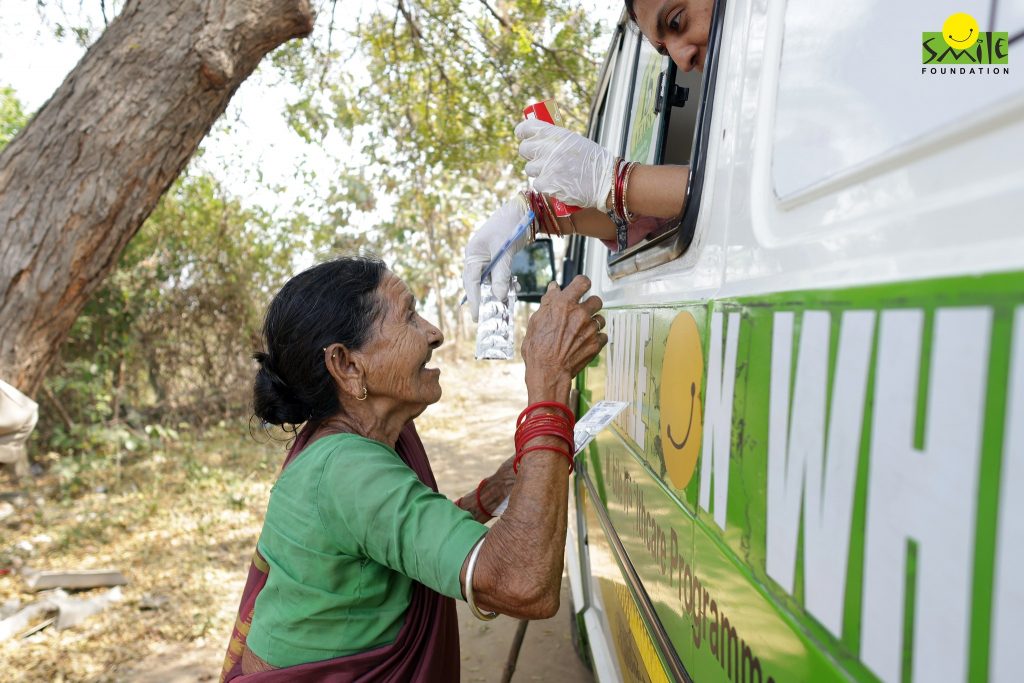
- Smile Foundation’s Smile on Wheels takes primary healthcare to the doorstep. In 2025, its healthcare initiatives reached over 1.7 million people across 17 states, 70 districts and 1,140 locations, through 109 mobile units.
- The principle is simple. Healthcare works best when it meets people where they are.
In development work, change is almost always measured in numbers. When the work is a health intervention, those numbers usually ask: how many children were vaccinated? How many women received antenatal care? How many villages were covered? How many people visited a health camp?
These numbers matter, but they rarely tell the whole story.
The real impact of a health intervention travels well beyond the village where it begins. A child who receives a vaccination is less likely to fall seriously ill. A mother who receives timely antenatal care is more likely to deliver a healthier baby. A family that learns to recognise the symptoms of tuberculosis may seek treatment earlier. A person who gets access to medicines for hypertension may avoid a future medical emergency.
One intervention can therefore set off another. A healthier child attends school more regularly. A healthy mother is better able to care for her family. A family that avoids a costly hospitalisation may have more money for food and education. A community that becomes more aware of preventive healthcare may begin seeking treatment sooner.
This is the butterfly effect of development, where a relatively small intervention in one place can produce consequences that spread across households, communities and, eventually, entire districts.
The idea borrows from chaos theory, where a small change in one part of a system can contribute to much larger consequences elsewhere. Development is, of course, far more complex than a weather system, but the metaphor is useful. Social change does not move in straight lines, and it rarely stays where it starts.
It is never just a village
A village may appear as a single unit on a government map, but it is really a network of interconnected households with shared resources. People draw water from the same sources. Children attend the same schools. Families depend on the same health centres. Women exchange information about pregnancy and childcare. Workers travel to the same markets. Most importantly, communities often share the same local health workers, transport systems and public institutions.
This means a health intervention within such a community does not stop with the individual who receives it.
Consider a simple example. A child in a remote village receives timely treatment for a preventable illness. The immediate impact is on that child, but the consequences extend further. The child misses fewer days of school. The parents lose fewer days of work. The family spends less on medical treatment. The child is less likely to fall behind academically.
Now multiply that intervention across hundreds of children.
The result is not simply better health statistics. It can shape school attendance, household income and the economic productivity of an entire community.
The World Health Organization’s work on the social determinants of health makes this connection clear: health outcomes are shaped by the conditions in which people are born, grow, live, work and age. Healthcare is therefore tied to education, employment, housing, food security and social protection. A health intervention can consequently become a development intervention.
From health to household economics: Butterfly effect in development
One of the most immediate ways healthcare creates wider change is through household finances. For poor families, illness is not only a health crisis but also an economic one.
A serious illness brings medical expenses, transportation costs and lost wages, pushing families to borrow money, sell assets or cut back on food and education.
The World Bank has highlighted the importance of financial protection in healthcare, particularly because out-of-pocket health spending can push vulnerable households into financial hardship.
This is why something as simple as early diagnosis can have a far larger development impact. If a health worker identifies an illness early and helps a person access treatment, the family may avoid a more expensive hospitalisation later. The person may recover sooner and return to work. Children may stay in school because their parents are not forced to spend limited resources on prolonged medical care.
The intervention may have taken place in a single village, but its impact begins to travel through the household economy.
A healthier child is a better learner
The relationship between health and education is equally powerful.
A child who is frequently sick is more likely to miss school, and repeated absences can affect learning, concentration and long-term educational outcomes.
UNICEF notes that children’s health and nutrition are closely connected to their ability to survive, grow and learn. This relationship becomes especially important in communities where children face several disadvantages at the same time.
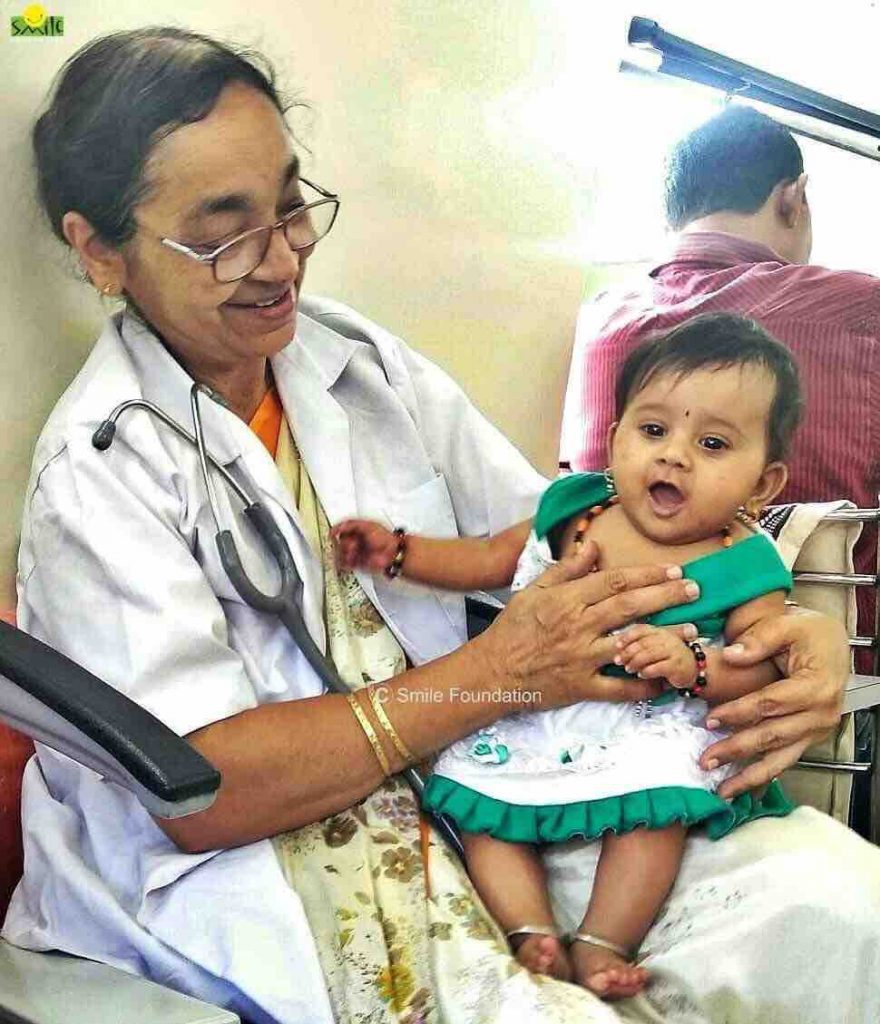
Imagine a village where a primary healthcare programme improves childhood immunisation, nutrition awareness and early treatment. The immediate outcome may be fewer illnesses. The longer-term outcome could be better school attendance.
The effect reaches education and, eventually, livelihoods. This is why development cannot always be divided neatly into sectors. A health programme may ultimately contribute to education. An education programme may improve health literacy. A nutrition programme may influence productivity. Social protection may improve healthcare access.
When women become the centre of change
When a woman has access to healthcare, the benefits often extend to her entire family.
A pregnant woman who receives timely antenatal care is more likely to identify potential complications early. A mother who understands the importance of immunisation is more likely to ensure her children are vaccinated. A woman with access to reproductive healthcare may have greater control over the timing and spacing of pregnancies.
The World Health Organization’s maternal health guidance emphasises the importance of quality care before, during and after childbirth in preventing avoidable maternal and newborn deaths.
Women’s health influences household stability, children’s nutrition and education, and economic participation. When women are healthy, they are better able to take part in household decisions and in paid and unpaid work.
This creates another ripple. One intervention directed at a woman can influence the health and future of an entire family. That family can influence a community. And when thousands of families experience similar changes, the cumulative effect can begin to reshape a district.
Prevention is better than crisis
One of the most important lessons of public health is that prevention is usually more effective than a cure delivered after a crisis.
A hospital is essential when someone is seriously ill. But a fully functioning primary healthcare system can prevent many illnesses from reaching that stage. This is why investments in primary healthcare matter, along with vaccination, screening, health education, nutrition counselling and early diagnosis.
Primary healthcare is often described as a whole-of-society approach that brings essential health services closer to where people live and addresses health needs across the life course.
Preventing an illness is usually less costly than treating a severe one. Detecting a disease early is usually easier than managing it after complications develop. And teaching a community about prevention can reach far more people than treating individuals one by one.
This is where a small intervention becomes a large one.
Trust transforms healthcare-seeking behaviour
Development interventions often fail when they are designed only from the perspective of institutions. A health centre may exist, medicines may be stocked and doctors may be appointed, yet people may still not use the services.
This is where awareness matters. Villagers may not trust the institution or fully understand the treatment on offer, and stigma can build around a particular intervention. They may also be unable to afford the cost of travelling to a health facility, women may face restrictions on their mobility, and communities may have developed their own ways of understanding illness.
This is why community-based healthcare is so important.
Research on India’s Accredited Social Health Activists (ASHAs) shows how community health workers can act as a bridge between households and formal health systems. Their role goes beyond delivering information: they help people navigate the healthcare system, encourage preventive practices and connect families with health facilities.
When trust increases, healthcare-seeking behaviour changes, and people begin seeking treatment earlier.
Taking healthcare to communities
At Smile Foundation, we work to improve healthcare access in underserved communities through community-based initiatives.
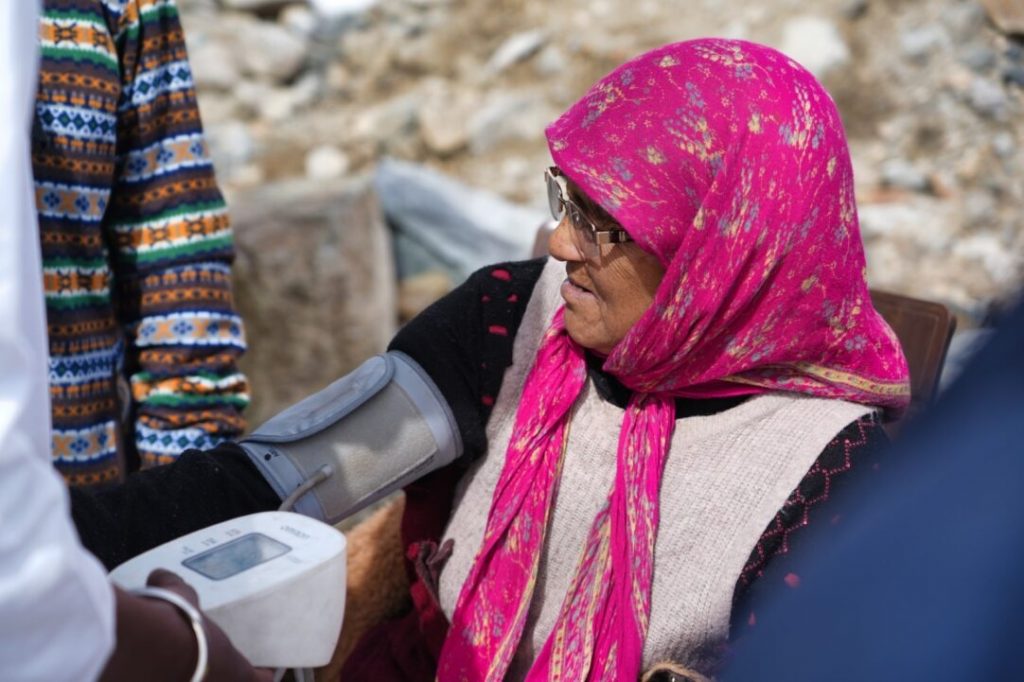
Our Smile on Wheels programme uses mobile healthcare units to bring primary healthcare services closer to communities that would otherwise face significant barriers in reaching hospitals and health facilities.
According to our 2025 healthcare impact information, these initiatives reached more than 1.7 million people across 17 states, 70 districts and 1,140 villages and underserved urban locations, through 109 mobile healthcare units.
The significance of this approach lies in its ability to create multiple layers of impact.
A mobile health unit may begin with a consultation, but that consultation can lead to early diagnosis. Early diagnosis leads to treatment, and treatment can prevent complications. Preventing complications reduces household expenditure and protects a family’s financial stability, which in turn makes further preventive action possible.
We believe that a community which interacts regularly with healthcare providers gradually becomes more aware of preventive health. Our interventions have therefore focused on bringing primary healthcare to underserved communities while promoting health awareness and encouraging people to seek care closer to the point at which illness begins.
The larger idea is simple: healthcare becomes more effective when it meets people where they are.
FAQs
1. What is the butterfly effect in development? It describes how a small intervention in one place can set off consequences that spread far beyond it. In healthcare, treating one child can influence school attendance, household savings and, when repeated across many families, the wellbeing of an entire district.
2. How does a health intervention affect household income? For low-income families, illness is also an economic shock. It brings treatment costs, travel expenses and lost wages, often forcing families to borrow money or sell assets. Early diagnosis and timely treatment can prevent an expensive hospitalisation later, helping families protect their savings, their assets and their children’s education.
3. What is the link between children’s health and education? A child who falls ill frequently misses school, and repeated absences affect learning and concentration over time. Immunisation, nutrition awareness and early treatment reduce illness, which supports steadier school attendance and better long-term educational outcomes.
4. Why is women’s health central to community development? Benefits to a woman’s health tend to extend to her whole family. Antenatal care helps identify complications early, awareness of immunisation improves children’s health, and access to reproductive healthcare gives women greater control over the timing and spacing of pregnancies. Healthier women are also better able to participate in household decisions and in work.
5. Why is primary healthcare more effective than treating illness later? Prevention is usually less costly than treating a severe illness, and early detection is easier than managing complications. A functioning primary healthcare system, including vaccination, screening, health education and counselling, can stop many illnesses from ever becoming emergencies.
6. Why do people avoid health services even when they are available? Availability is not the same as access. People may distrust an institution, may not understand a treatment, or may face stigma. Travel costs, restrictions on women’s mobility and local understandings of illness also shape behaviour. Community health workers help by acting as a bridge between households and the formal health system.
7. What is Smile on Wheels? Smile on Wheels is Smile Foundation’s mobile healthcare programme, which brings primary healthcare services directly to communities that face barriers in reaching hospitals and clinics. In 2025, Smile Foundation’s healthcare initiatives reached more than 1.7 million people across 17 states, 70 districts and 1,140 villages and underserved urban locations, through 109 mobile healthcare units.