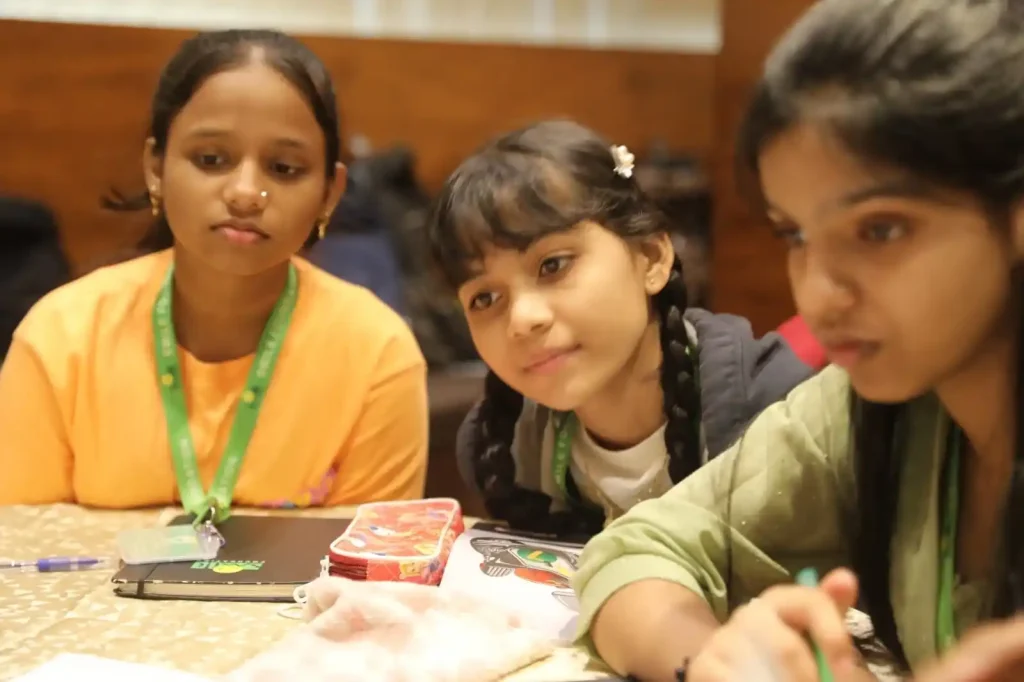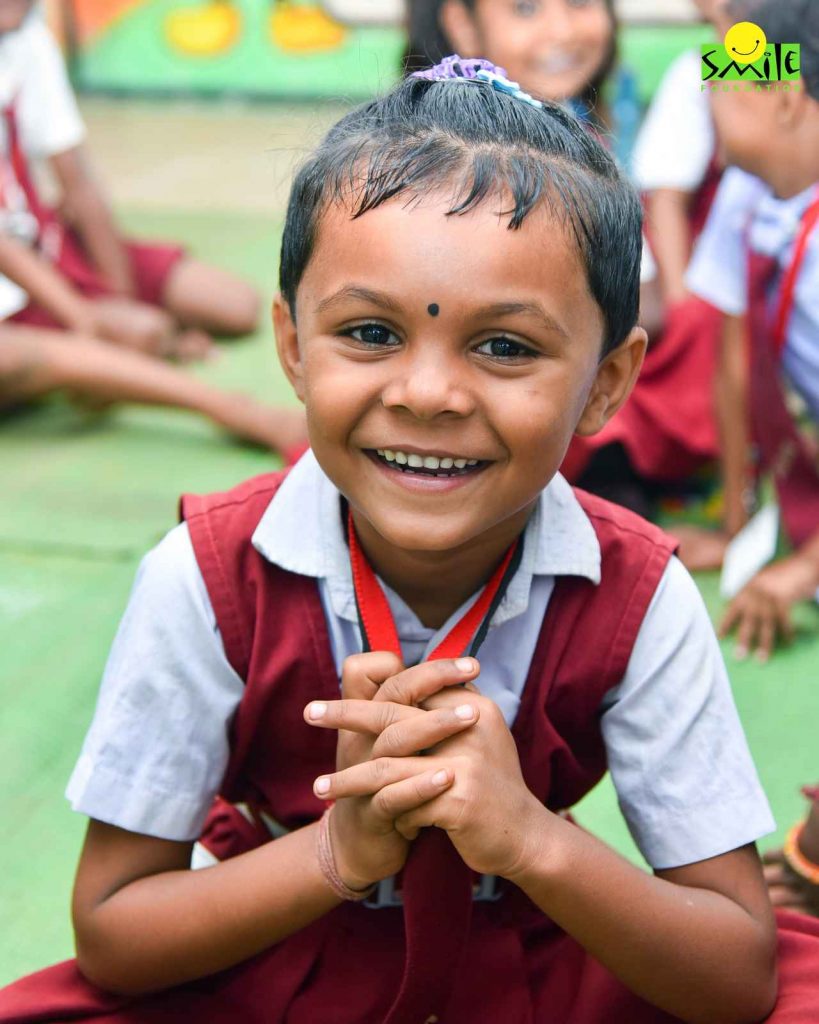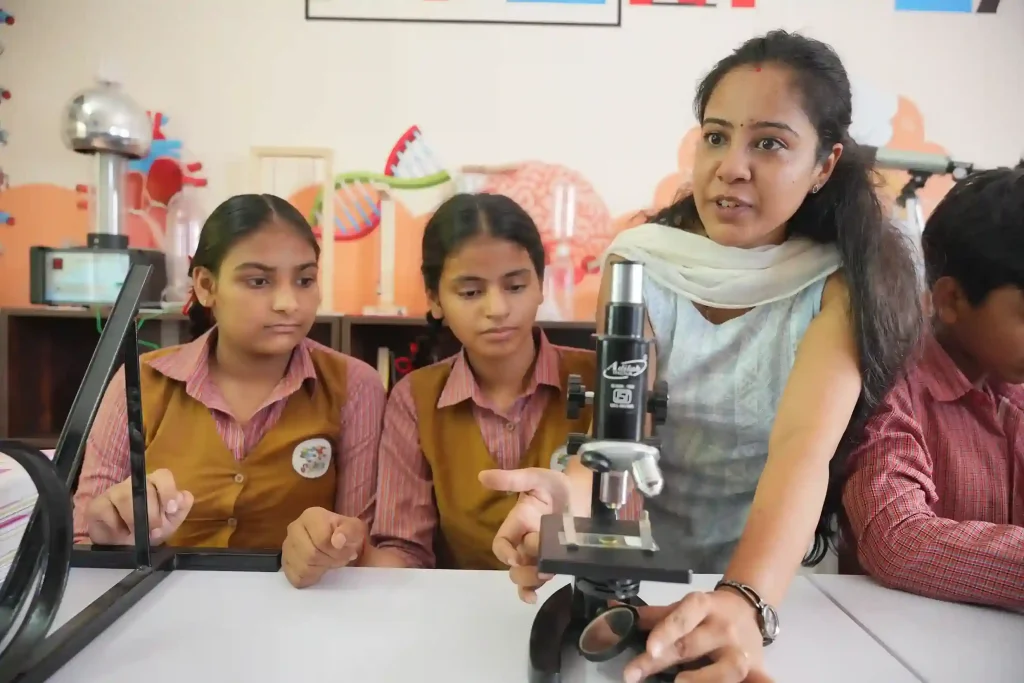

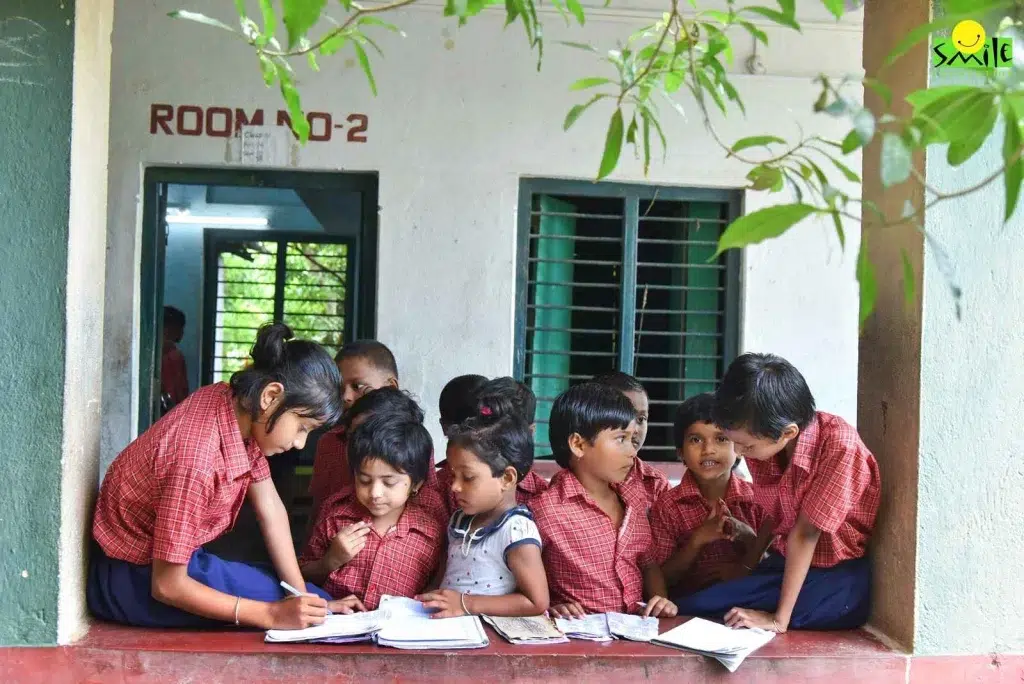
It’s always been debated whether it is better to educate girls and boys together or separately. Today, if you step into any urban classroom in India, you’ll likely see boys and girls sharing benches, debating the day’s lesson and growing up together. In big cities, this is now routine. In small towns and many villages, it’s fast becoming the norm. Just a generation ago, this would have seemed improbable. Co-education, once a rarity, is steadily transforming into the way our children see themselves and one another.
Co-Education: A Brief Global and Indian History
The story of co-education stretches back farther than most of us imagine. In the West, it took root after the Reformation, when a handful of Protestant groups insisted that girls, too, deserved to read the Bible. Early experiments in Scotland, the north of England and in colonial New England saw young children — regardless of gender — learning together in dame schools. By the late 1700s, more girls were admitted to public schools. Meanwhile, Quaker communities in both Britain and the United States offered rare glimpses of genuine gender equality in education, teaching boys and girls side by side.
Scandinavia, too, was ahead of its time. Denmark’s schools began mixing genders in the 18th century, and Norway passed a co-education law in 1896. In many parts of Europe, though, the idea met stiff resistance. Well into the last century, girls often found themselves excluded from secondary education or steered towards “suitable” subjects.
India’s journey was different—and in many ways, tougher. For many generations, formal education was largely reserved for boys, while girls were often confined to the home. However, things started to change in the late 1800s, thanks to trailblazers like Savitribai Phule, who bravely opened a school for girls in Pune, facing significant backlash in the process. After India gained independence, the vision of universal education became a national priority, and gradually, the concept of boys and girls learning side by side began to take hold. This shift was fundamentally about challenging outdated mindsets.
What’s Driving This Change?
To some extent, it’s pragmatic. Running a single school for all children makes economic sense, especially in places where resources are stretched. But that’s only part of the story.
Co-ed schools offer several important benefits. They often achieve better academic results than single-sex schools, with girls in particular performing strongly. Learning together helps boys and girls see each other as equals, breaking down gender stereotypes and encouraging mutual respect. Daily interaction builds confidence, communication, and teamwork skills, while exposing students to different viewpoints.
Real-World Skills for a Changing India
In a co-educational classroom, students learn how to collaborate with the opposite gender, break down social barriers, and challenge the old rules that once confined them. They speak up, debate, and learn to listen. These are the skills that matter in modern India, whether you’re aiming for a tech job in Bengaluru, a government posting in Bhopal, or simply hoping for a more equal society.
Global Support for Co-Education
Around the world, evidence is mounting that co-education has distinct social advantages. An influential study from Penn State University found that students in co-ed schools were more comfortable expressing their views among peers of the opposite sex, and often had healthier self-esteem. Here in India, many teachers say much the same: co-education encourages adaptability and open-mindedness, qualities every parent hopes to see in their children.
Single-Sex Schools Still Matter
Yet the debate is far from over. A lot of parents, particularly in more conservative areas, hold the view that single-sex schools provide a safer and more concentrated environment for girls. They believe that when girls aren’t weighed down by social pressures or stereotypes, they can really shine in academics and leadership roles. For these families, the choice is deeply rooted in personal values and traditions.
School Culture: The Key to True Equality
Which brings us to the real heart of the matter: school culture. Co-education, at its best, chips away at the rigid gender roles that still shape so much of Indian life. When boys and girls grow up learning together, they’re more likely to respect each other as equals, not rivals. Schools that embrace this spirit have a rare chance to nurture genuine equality, but it takes effort. Teachers must watch for subtle biases, encourage every voice, and create an environment where everyone feels safe to dream big.
Progress Is Clear
Challenges are definitely still out there, but the progress we’re seeing is undeniable. Change isn’t always easy, especially in some communities where co-education still faces pushback. Issues like discipline, safety, and concerns about “mixing cultures” continue to be hot topics. However, these hurdles, while significant, can be overcome. Many schools across India have demonstrated that with clear guidelines, supportive staff, and open conversations, co-educational settings can truly empower everyone involved.
The Potential of Co-Education
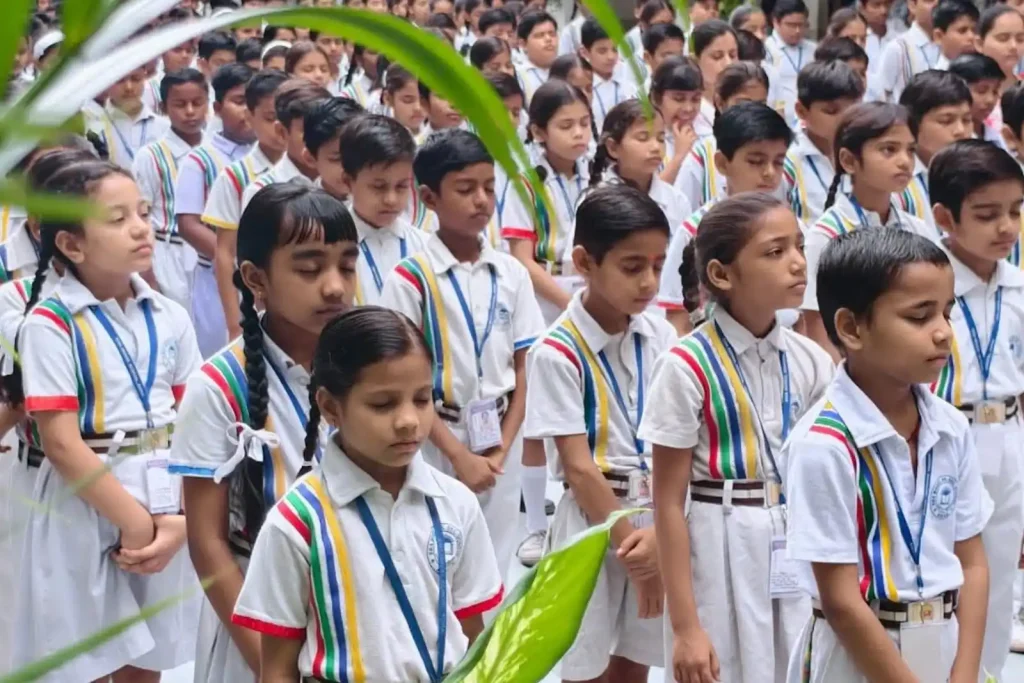
The future of India will be shaped by women and men collaborating side by side. It only makes sense for our schools to mirror this reality from the start. equips the next generation for a world where gender doesn’t stand in the way of teamwork or ambition.
Instead of debating which educational system is “better,” maybe we should focus on a more crucial question: What kind of individuals do we want our children to grow into? If we envision them as confident, compassionate, and ready to navigate a complex world, then co-education is an opportunity that India simply cannot afford to overlook.