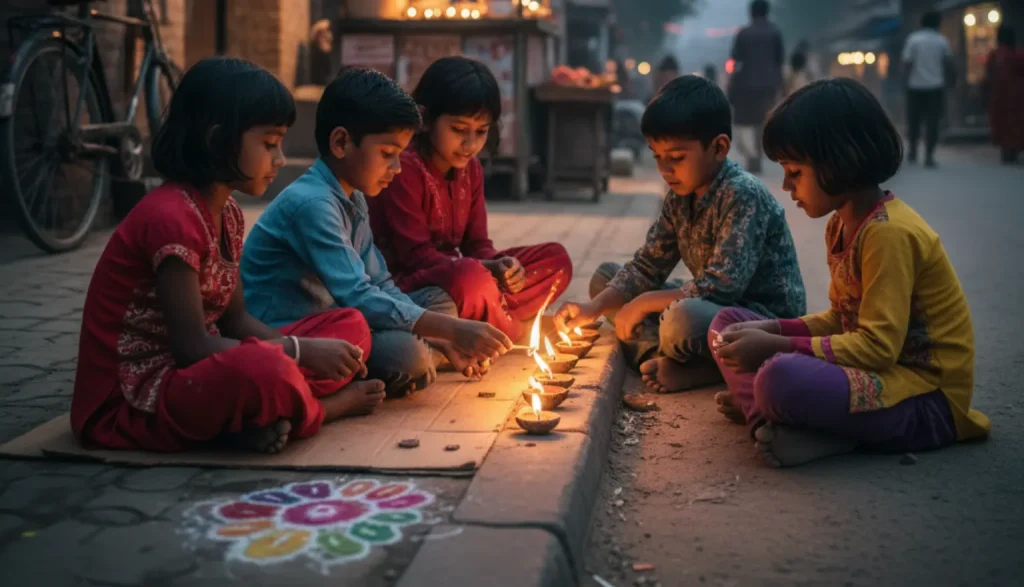
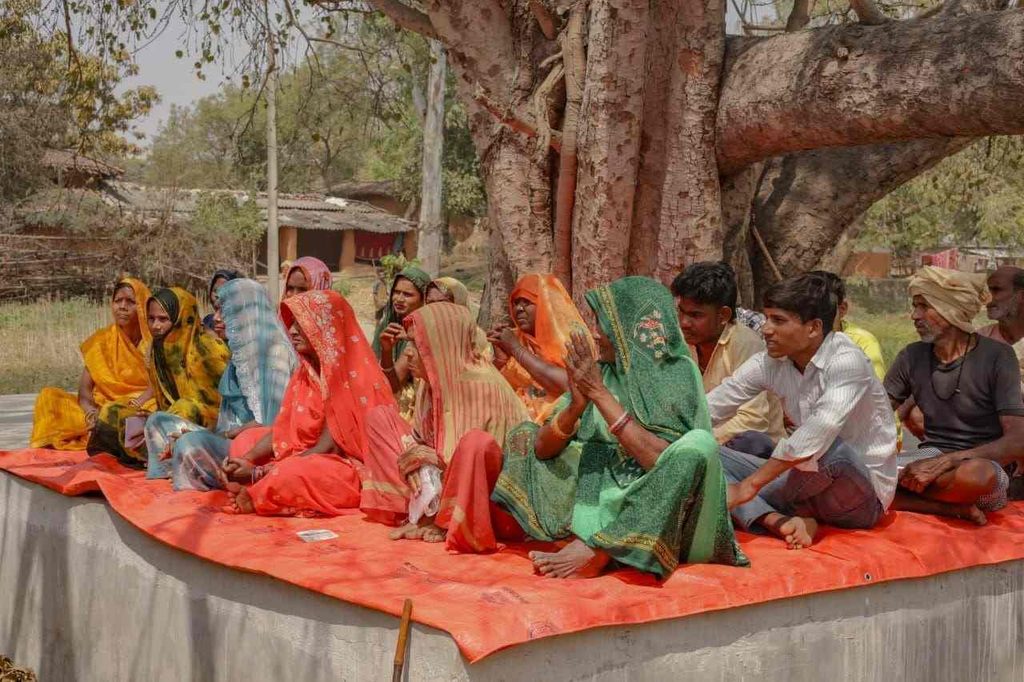
Imagine a young student from a small town or village who is the first in their family to go to college. Their parents never went to school, but they made sure their child did. But, when they walk into college in a city, they feel adrift. Everyone spoke English, had fancy phones, dressed properly and did not worry about everyday finances. This is a journey echoed in countless villages and slums across India. These are first-generation learners, the first in their family tree to enter the formal world of education. Their presence is a silent cry for recognition and support.
Many of us could be first-generation learners or you may have come across one. Walk into a government school in rural India or even into a city college, and you’ll meet children who are quietly rewriting their family’s history. They make up a large chunk of India’s much-talked-about demographic advantage. Even though there has been notable progress in improving access to education, deep-seated inequalities tied to caste, class, gender and geography continue to linger in India. In numerous rural and marginalized communities, education often takes a backseat due to poverty, limited access or traditional expectations.
So, what does it mean to be a first-generation learner in today’s India? And, more importantly, how can we, as teachers, mentors, policymakers and neighbours, help these young trailblazers thrive?
Who Is a First-Generation Learner?
A first-generation learner is a child whose parents have not completed formal schooling, often making them the first in their family to attend school or college. But the reality is far more layered. In India, this often means being the bridge between a world shaped by oral traditions, crafts, and seasonal work and another dominated by textbooks, English, online forms and structured classrooms.
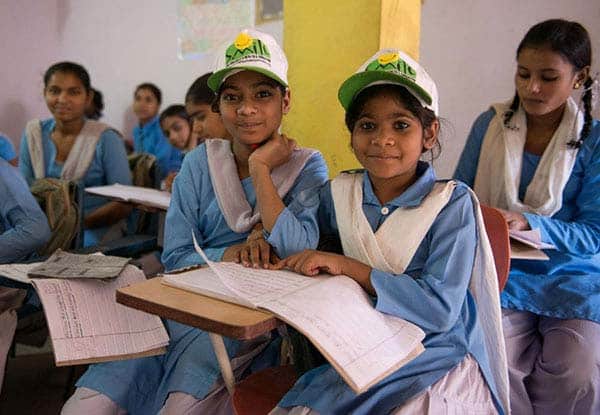
Ten Signs a Child Is a First-Generation Learner
1. Limited Educational Support at Home
For many students, tackling homework can feel like a lonely struggle. While parents are often encouraging, they might not be able to assist with schoolwork since they never had the opportunity to learn those skills themselves.
2. Financial Constraints
The costs associated with school, like tuition, uniforms, and even bus fares, can be quite overwhelming. Many children find themselves balancing their studies with work, whether that’s helping out at home, in a job after school or college or in the fields.
3. Language Barriers
For some students, English and even the state language can feel like a huge hurdle, especially if they come from a home where a local dialect or tribal language is spoken.
4. Lack of Guidance on Academic Choices
When it’s time to pick subjects, apply for scholarships, or even fill out an admissions form, no one at home knows the ropes.
5. Low Confidence in Formal Settings
Imagine a child sitting in a classroom, surrounded by peers from more privileged backgrounds or who speak English fluently. It’s easy to see how they might feel out of place, lowering their confidence levels and impacting how they respond in a classroom or participate in other academic or co-curricular activities.
6. Irregular Attendance
First-generation learners often find themselves missing school more frequently. Whether it’s due to family obligations, illness, or the need to migrate for seasonal work, their education can take a backseat.
7. Social Exclusion
The divide between “us” and “them” is palpable. When some kids have the latest gadgets and money to spend, while others are stuck with hand-me-down uniforms and little or no money to spend, it creates invisible barriers that can be hard to break down. These can act as a barrier in forming meaningful friendships.
8. Pressure to Drop Out Early
For girls, the looming threat of early marriage can overshadow their educational aspirations; for boys, the temptation of earning daily wages can be hard to resist. Sometimes, family needs just seem to outweigh the dream of education.
9. Overwhelmed by Administrative Processes
Navigating application forms, digital logins, and scholarship paperwork can feel like wandering through a dense jungle without a map. It’s daunting and can easily discourage those who are already struggling.
10. Motivation and Resilience
Despite all these challenges, these children show incredible resilience. They know that each step they take not only gets them closer, but lifts their families, siblings and sometimes the entire community.
Why Is This Important?
First-gen learners are change agents for national progress. Every child who walks through the door of education carries the hopes of generations and the promise of social mobility. The Annual Status of Education Report (ASER) says children from families with low parental literacy consistently lag in basic literacy and numeracy skills. If these gaps are not closed early, they persist, trapping families in cycles of disadvantage.
However, support brings transformative change. Studies and stories alike show that when first-generation learners succeed, they often become the first in their families to enter professional jobs and many reach back to support others in their communities.

Recognise Homegrown Learning
Let’s appreciate the unique skills that children bring from their homes, whether it’s farming, crafts or languages. We should create space for these rich stories in our classrooms.
Mentorship and Role Models
Connect students with mentors who have walked a similar path. Alumni networks, community leaders, and dedicated teachers can offer priceless insights and guidance that make a real difference.
Financial and Academic Support
It’s important to champion and utilize programs like the First-Generation Graduate Scholarship in Tamil Nadu, which provides tuition discounts for the first graduate in a family. Organizations such as the Smile Foundation, through their Mission Education programme, not only focus on education but also offer nutritional and health support for children from low-income families.
Engage Families and Communities
Holding regular meetings, providing language assistance and ensuring clear communication can really help bridge the gap between school and home. Let’s bring parents on board as active partners in this journey, rather than just passive observers.
Celebrate Success Stories
Let’s highlight the achievements of first-generation learners during school assemblies, in local newspapers, and on social media. There’s nothing quite like hearing an inspiring story from “one of our own” to motivate others.
The Path Forward
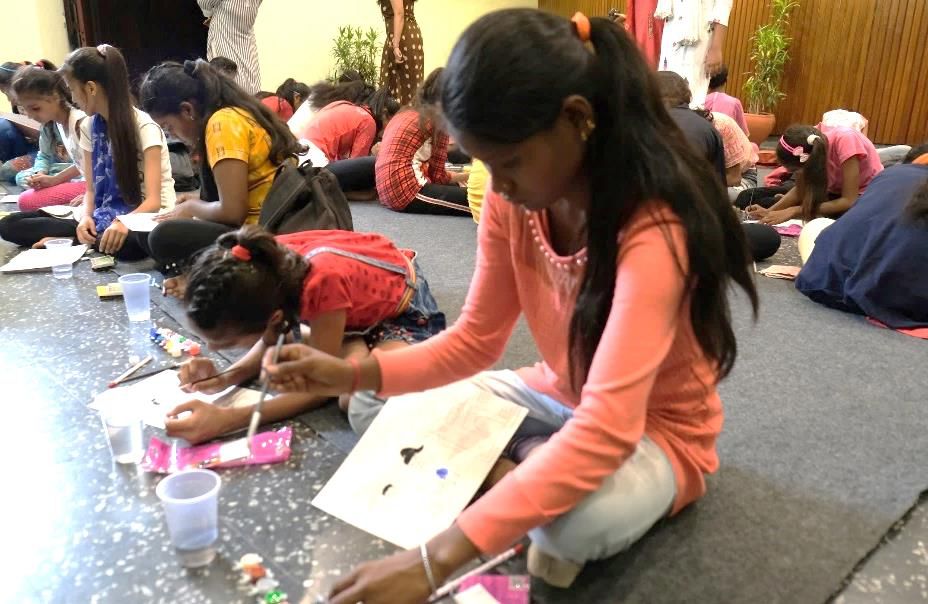
First-generation learners are building a bridge that connects India’s past with its future, a better one at that. Their struggles are real, but so is their promise. Every act of support, whether from a teacher who offers extra help, a neighbour who lends a book or a government that makes policy inclusive, helps make things better for them.
Let us not wait for another generation to pass before we make the journey easier. By recognising, supporting and celebrating our first-generation learners, we take a bold step towards a more equitable and dynamic India.