
Summary
- Literacy means basic reading, writing and numeracy skills.
- Education is broader, building critical thinking, values and life skills.
- Rising enrolment in India hasn’t always meant stronger learning outcomes.
- ASER data shows many enrolled children still struggle to read.
- Smile Foundation’s Mission Education supports over 160,000 children across 27 states.
When talking about human development, the terms literacy and education are often used interchangeably. While they are closely related, they are not the same. Understanding the difference between literacy and education is essential for policymakers, educators, development practitioners and organisations working to improve lives through learning.
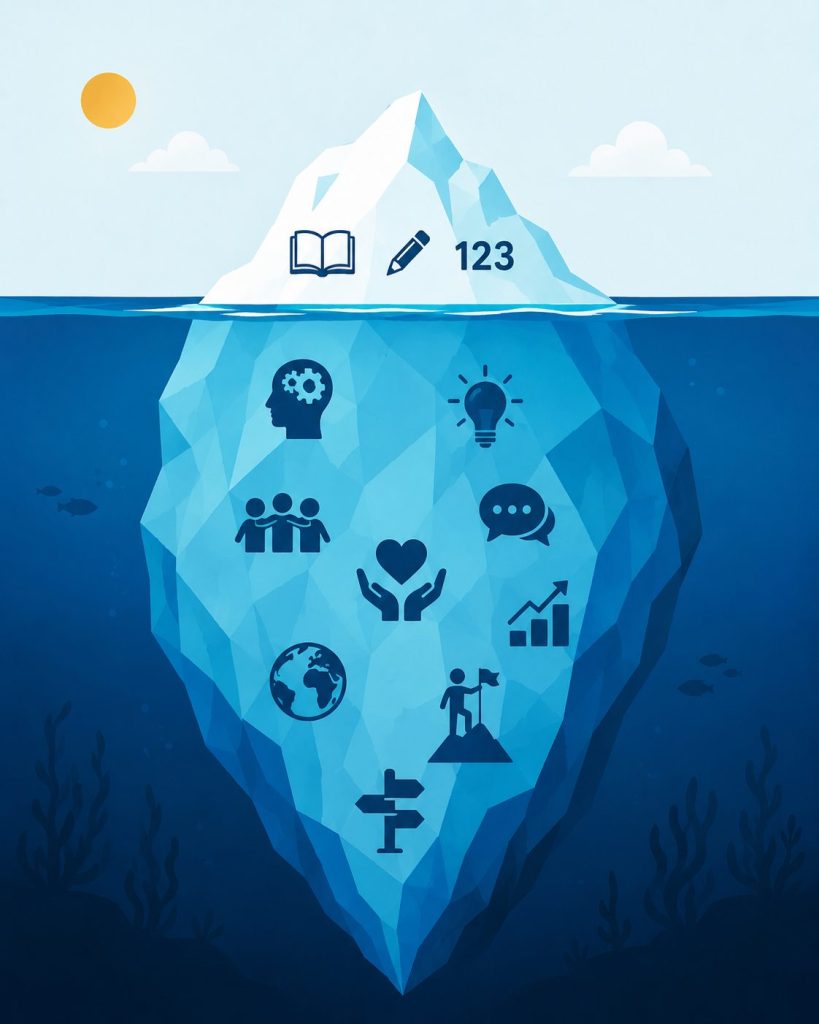
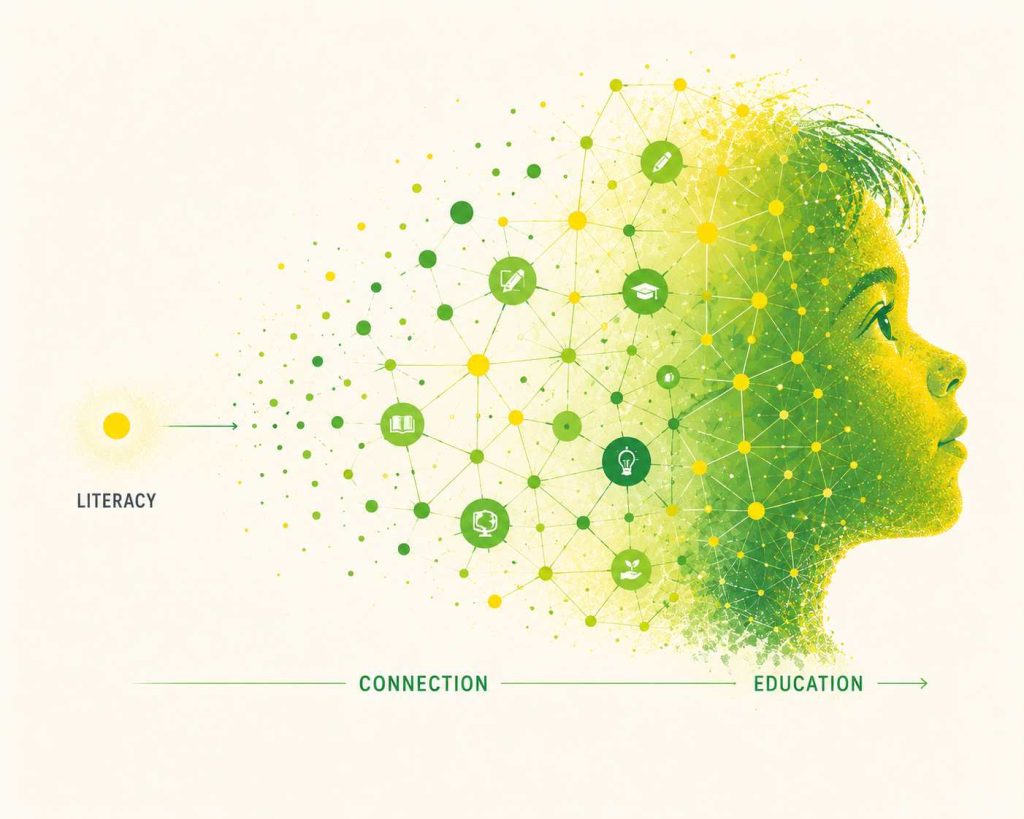
At its simplest, literacy refers to the ability to read, write and use basic numerical skills in everyday life. Education, on the other hand, is a broader lifelong process that equips individuals with knowledge, critical thinking, values, life skills and the capacity to participate meaningfully in society. A person may be literate without being truly educated, just as someone may have years of schooling but lack functional literacy if foundational skills are weak.
Recognising the difference between literacy and education is particularly important in countries like India, where increasing enrolment rates have not always translated into stronger learning outcomes or improved life opportunities.

Literacy is the foundation of learning
Literacy is often described as the first building block of development. According to UNESCO, literacy extends beyond simply recognising words on a page; it enables people to identify, interpret, create, communicate and compute using written materials in different contexts. It empowers individuals to participate effectively in their communities and continue learning throughout life.
Being able to read a medicine label, complete a bank form, understand a bus schedule or send a written message can significantly improve daily life. For millions of adults around the world, literacy is the first step towards greater independence and inclusion. Yet literacy alone has limitations. It provides access to information but does not necessarily ensure understanding, analysis or informed decision-making.
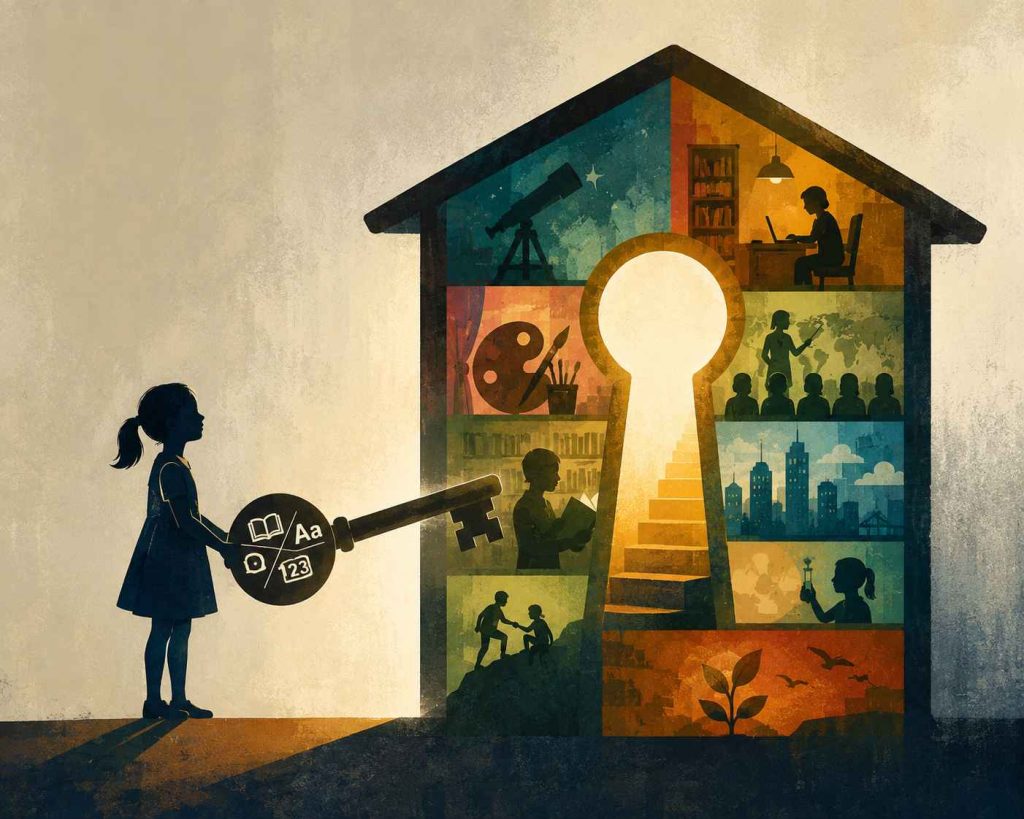
Education goes beyond reading and writing
Education includes formal schooling, vocational training, higher education and lifelong learning experiences that shape knowledge, attitudes, values and capabilities. The Organisation for Economic Co-operation and Development (OECD) has consistently highlighted that quality education aids in developing problem-solving, creativity, collaboration and adaptability. These are skills increasingly necessary in modern economies.
This broader instance sheds more clarity on the difference between literacy and education. While literacy enables a child to read a science textbook, education enables that child to question ideas, apply scientific reasoning and use knowledge to solve real-world problems.
Further, education also plays a vital role in promoting democratic participation, gender equality, environmental awareness, financial literacy and social mobility. It equips people not only to earn a livelihood but also to make informed choices and contribute positively to society.
Why human development depends on both
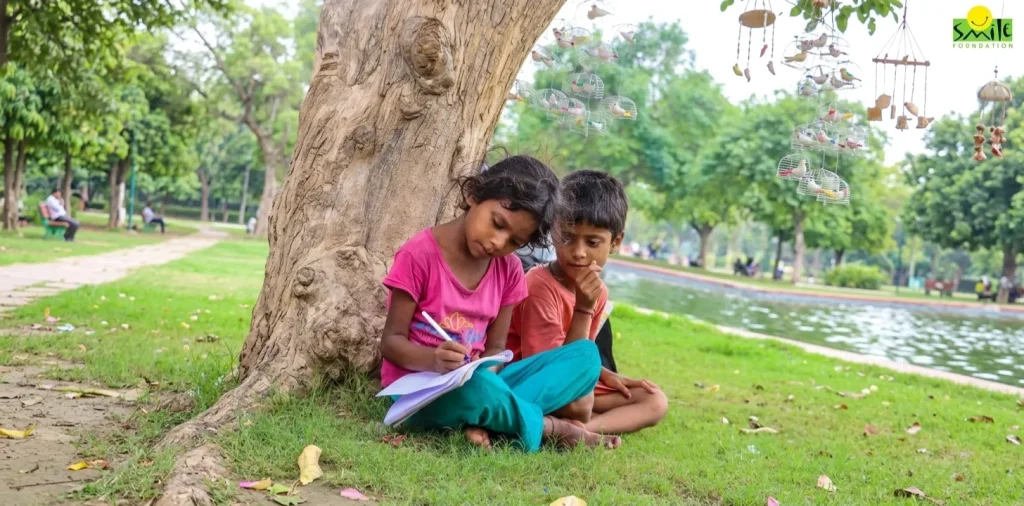
The United Nations Development Programme defines human development as the process of expanding people’s freedoms, capabilities and opportunities so they can lead healthy, knowledgeable and fulfilling lives. In this framework, education is not merely a social service but a fundamental driver of progress, influencing everything from employment prospects and health outcomes to civic participation, gender equality and economic mobility.
Yet meaningful education cannot exist without a strong foundation in literacy. A child who struggles to read and comprehend in the early years is far more likely to face difficulties across subjects, fall behind academically and eventually disengage from learning altogether. Foundational literacy, therefore, is not the end goal but the gateway through which all subsequent learning takes place. At the same time, literacy alone is insufficient to unlock human potential; it must be complemented by quality education that fosters critical thinking, creativity, problem-solving and lifelong learning.
Recognising the difference between literacy and education is crucial for governments, educators and development organisations alike. It enables them to design interventions that address immediate learning deficits while simultaneously building the broader knowledge, skills and capabilities that empower individuals to participate fully in society and shape their own futures.
Schooling does not always guarantee education
Over the past few decades, progress has been made in getting children back to classrooms. School enrolment rates have risen across much of the world, reflecting sustained investments in access to education. However, being present in school does not necessarily mean that meaningful learning is taking place. The World Bank has characterised this challenge as a global “learning crisis,” noting that millions of children complete several years of schooling without acquiring even basic reading, writing or numeracy skills.
This reality underscores an important aspect of the difference between literacy and education. Enrolling children in school and ensuring regular attendance are essential first steps, but they do not automatically result in quality education. A student may spend years in a classroom yet struggle to comprehend a simple passage, think critically about information or apply concepts to real-life situations. In such cases, schooling risks becoming a process of earning certificates rather than developing capabilities.
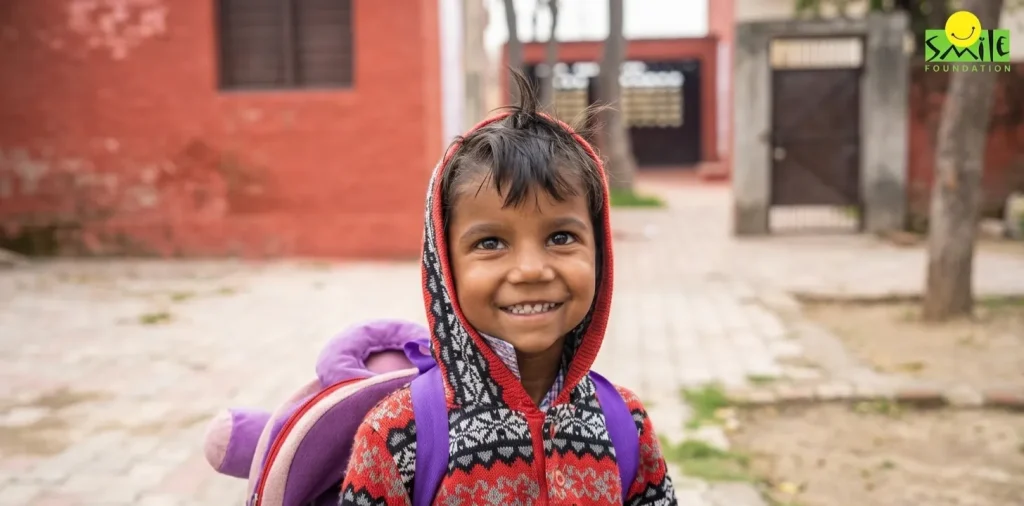
For education to be able to contribute to human development, the focus must be beyond access and infrastructure to include the quality of learning itself. Strengthening foundational literacy, improving teaching practices, encouraging curiosity and analytical thinking and creating supportive learning environments are all essential. Ultimately, the goal should not be merely to keep children in school, but to ensure that their time there equips them with the knowledge, skills and confidence to navigate the world and shape their own futures.
Literacy as a tool for social inclusion
Literacy has the power to transform lives in meaningful ways. Adults who can read and write are often better equipped to access healthcare information, understand their legal rights, manage finances and actively support their children’s education.
The impact is especially significant for women. Research by UNESCO and UNICEF has shown that when girls and women are educated, the benefits extend far beyond the individual. Higher literacy levels among women are associated with better maternal health, lower child mortality and improved educational outcomes for the next generation, creating positive ripple effects across families and communities.
At the same time, literacy by itself is not enough to overcome deep-rooted social and economic inequalities. Lasting empowerment requires an education that also nurtures critical thinking, confidence, leadership, problem-solving abilities and practical skills that enable people to participate fully in society and the workforce.
To understand in the Indian context
India has made significant progress in getting more children into schools, but ensuring that they actually learn remains an ongoing challenge. The Annual Status of Education Report (ASER) has consistently shown how many children in elementary grades struggle to read texts appropriate for their age, even though they are enrolled in school.
These findings highlight why literacy and education are not the same. Being able to read is a vital first step, but true education goes beyond decoding words. It involves developing comprehension, critical thinking, communication skills and the ability to apply knowledge in everyday life.
This also suggests that expanding access alone is not enough. While investments in enrolment and infrastructure are essential, they must be matched by efforts to improve the quality of teaching and learning if children are to receive a meaningful education.
The role of community organisations
Civil society organisations often play a vital role in bridging the gap between literacy and meaningful education, especially in communities where children face social and economic barriers to learning.
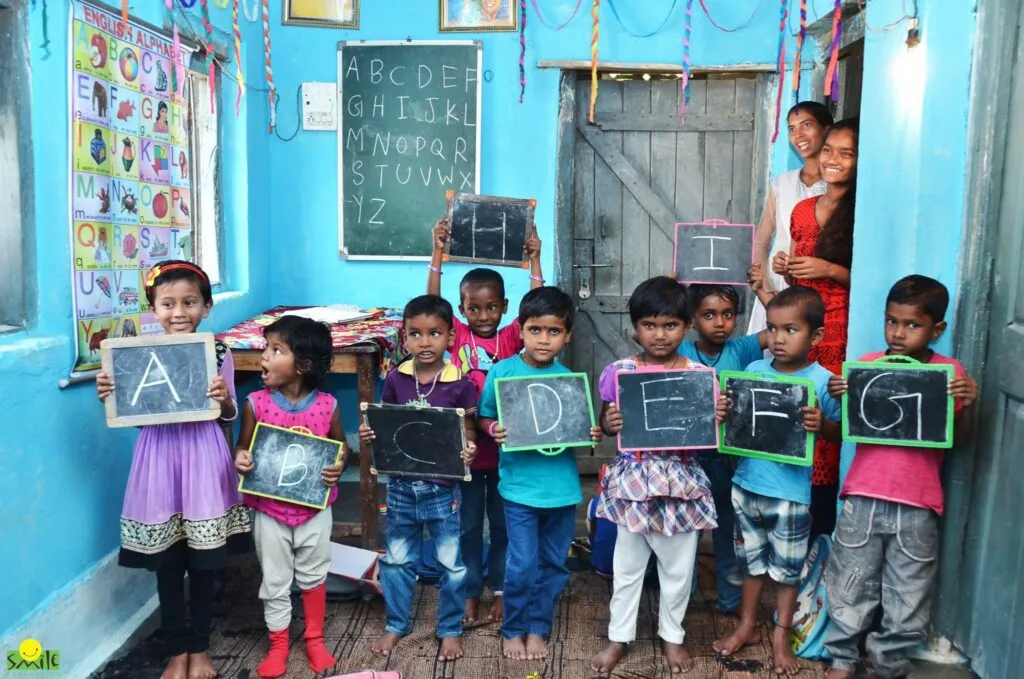
One such example is Smile Foundation’s Mission Education programme, which works to expand educational opportunities for children from disadvantaged backgrounds. Through remedial learning support, digital education, teacher engagement and community participation, the programme seeks to create an environment where children can learn, grow and stay connected to education. Rather than focusing only on enrolment or basic literacy, it aims to strengthen the overall learning experience and support children throughout their educational journey.
This commitment is further reflected in our ‘Shiksha Na Ruke’ initiative, which helps children from vulnerable circumstances continue their education and work towards a brighter future. Today, Smile Foundation directly supports the education of more than 160,000 children across 27 states in India.
At the heart of these efforts is the belief that education is about more than academic achievement. Children need opportunities to develop confidence, curiosity, life skills, and a sense of responsibility alongside foundational literacy. By involving families, teachers, volunteers and local communities, such initiatives help build a supportive ecosystem where learning can flourish and children are empowered to realise their full potential.
Beyond the numbers
Literacy rates and school enrolment figures are often used to measure educational progress because they are relatively easy to track and compare. While these indicators are important, they tell only part of the story. Numbers can show how many children are in school or how many adults can read and write, but they do not necessarily reveal the quality of learning taking place.
A community may report high literacy levels and still face challenges such as unemployment, misinformation, or limited opportunities if education has not equipped people with critical thinking, problem-solving abilities, and practical skills. On the other hand, quality education can have far-reaching effects, contributing not only to individual growth but also to better health outcomes, stronger economies, greater gender equality and more active civic participation.
Recognising the difference between literacy and education encourages a more holistic view of development. It reminds policymakers, educators and development practitioners that the goal is not simply to improve statistics, but to ensure that learning empowers individuals and communities to thrive in an increasingly complex world.
Frequently Asked Questions (FAQs)
1. What’s the difference between literacy and education?
Literacy is the ability to read, write and use basic numeracy. Education is broader and lifelong.
2. Can someone be literate but not educated?
Yes. A person may read and write but lack critical thinking or problem-solving skills.
3. Why does India face a “learning crisis”?
Many children stay in school for years without gaining basic reading or numeracy skills.
4. Why is literacy especially important for women?
Educated women show better maternal health outcomes and improve learning for the next generation.
5. How does Smile Foundation address this gap?
Through Mission Education and Shiksha Na Ruke, supporting deeper, sustained learning, not just enrolment.