
In this essay:
- Girl child education in India continues to face barriers beyond enrolment.
- Sanitation, social stigma and lack of infrastructure still affect girls’ learning continuity.
- Cause related marketing is helping brands create measurable educational impact.
- Purpose-led partnerships can build safer and more inclusive classrooms for girls.
- Campaigns by Whisper, Amara, Lakshita and Nike Foundation highlight the power of cause marketing.
- Supporting girls’ education helps reduce generational poverty and strengthen communities.
Education for all is a universally accepted vision, yet the reality continues to remain uneven. Across the globe, female literacy still progresses at a slower pace, with the global average standing at 87.74%.
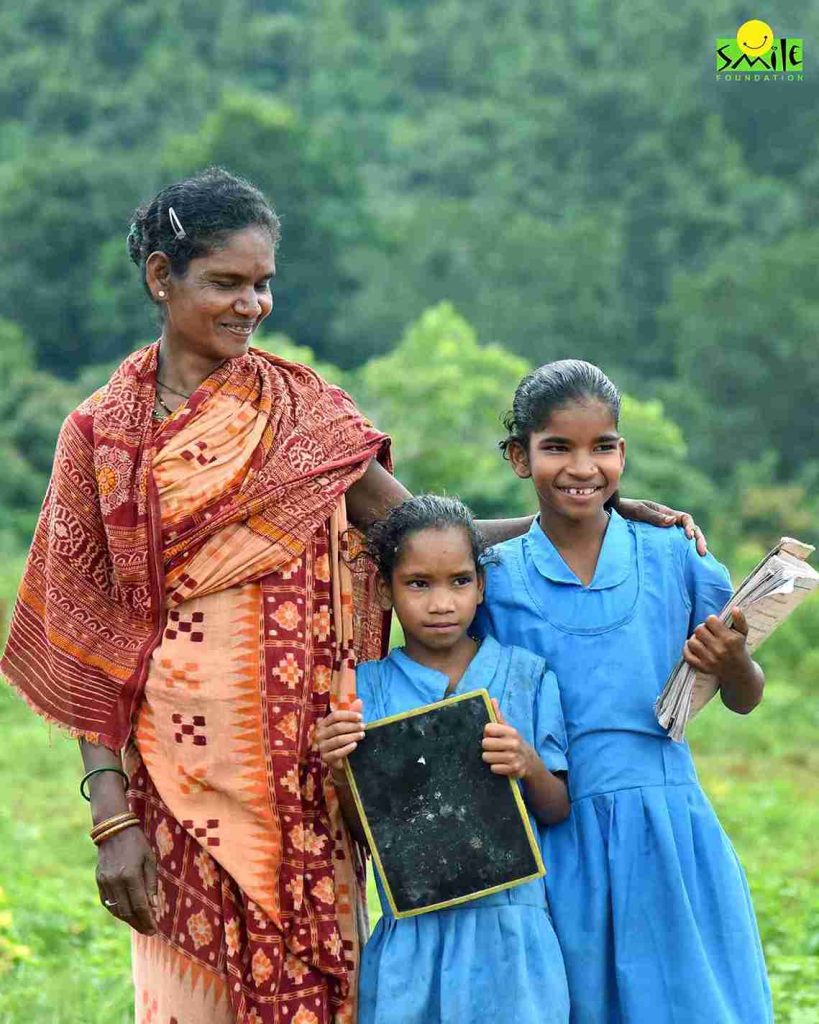
In India, the challenges surrounding girl child education continue to extend beyond academics and enrolment figures. One such struggle reflects in Nikhita and Bhagyashree’s mother’s story.
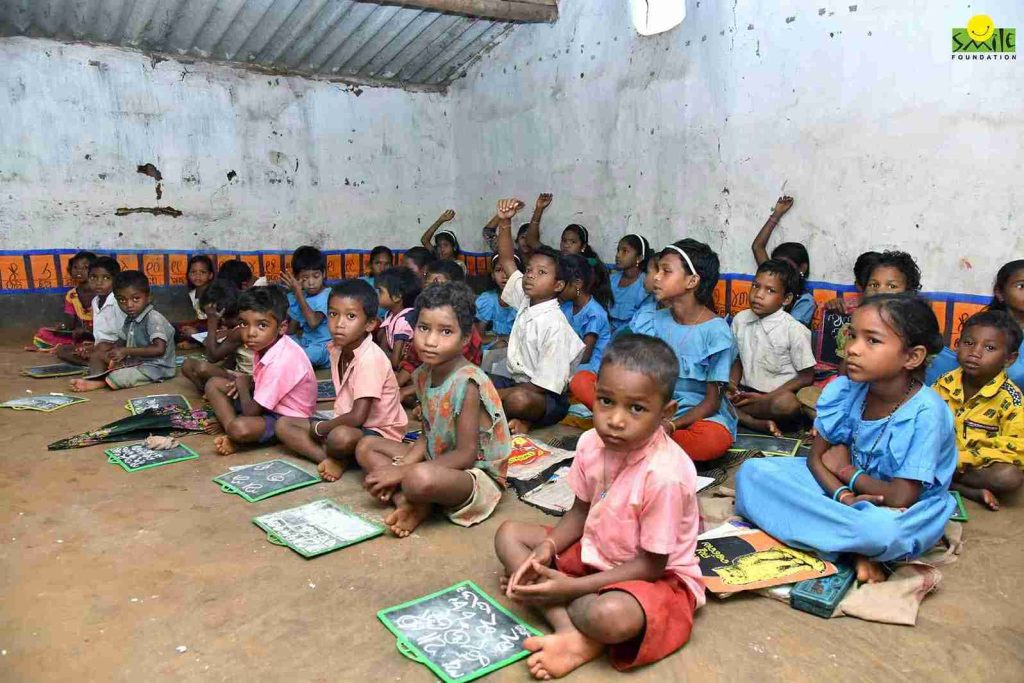
Today she works as a labourer to ensure that her daughters do not face the same reality she once did. As a young girl, she too wanted to study, but financial constraints and early marriage forced her to discontinue her education. Currently, her daughters study at Smile Foundation’s Mission Education centre, alongside many girls who walk into classrooms carrying not only books, but also the aspirations of their mothers who believe education can protect their daughters from child labour, illiteracy, trafficking and early marriage.
However, understanding girl child education in India requires recognising that education and accessible education are not the same. Education is often discussed through enrolment numbers, literacy rates and policy reforms. But these questions remain—
- Do girls from underserved and rural communities feel safe to attend school?
- Can they continue learning consistently ?
- Can they remain in school without social, infrastructural or economic barriers forcing them to drop out?
When girls are unable to continue their education, the impact extends beyond individual loss, as it affects workforce participation, community development, economic growth and intergenerational progress.
Rural Reality: Why Dropping Out of School Continues ?
India has made significant progress in improving education with increased enrolments and number of schools, however retention continues to remain one of the biggest challenges, especially for girls hailing from tribal and marginalised communities.
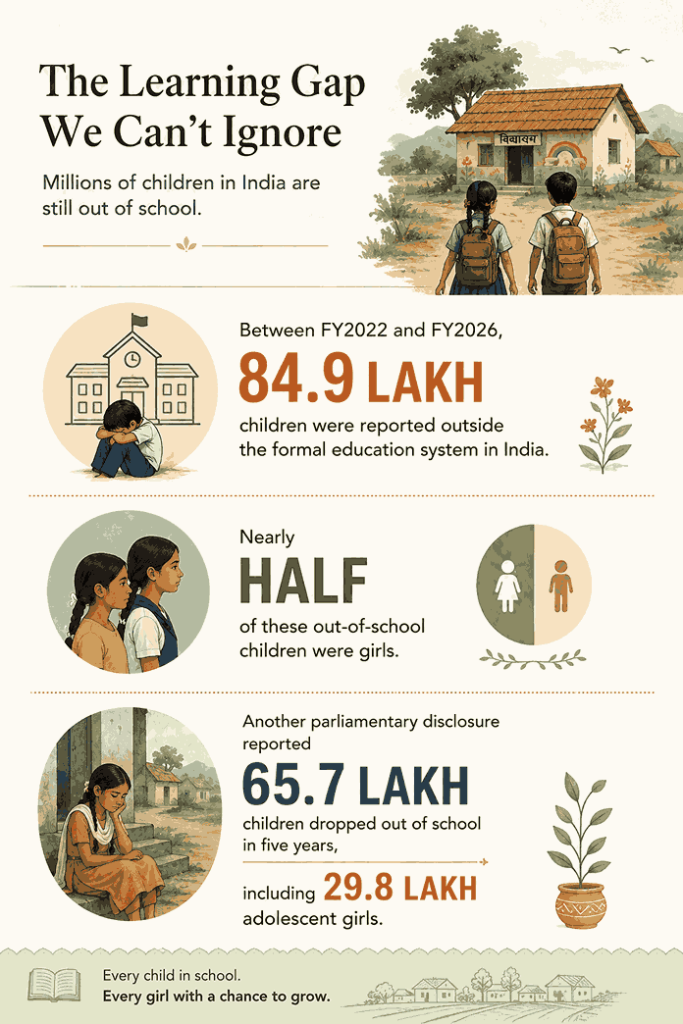
Infrastructure gaps and social norms continue to influence many girls’ educational continuity. Factors like –
- Inadequate sanitation
- Lack of electricity
- Limited digital access
- Insufficient educational resources such as functional toilers for adolescent girls
All these become a reason for irregular attendance and eventual drop out. `
Yet, while these challenges are deeply rooted, they are not impossible to overcome.
This is where cause related marketing (CRM) partnerships can redefine collaborative action by combining brand building goals with principals and examples of awareness, accessibility and sustained community support.
Beyond Profit: Can Cause Marketing Drive Social Change?
Consumers today increasingly support brands that stand for a larger social purpose. Today businesses are increasingly being evaluated not only by the products they sell, but also by the social impact they create. This shift has made cause related marketing partnerships an important part of modern business.
Across industries, brands are now focussing to support causes rather than transactional communication; the intention– to make a measurable community impact and build a stronger relationship with their consumer’s ethos.
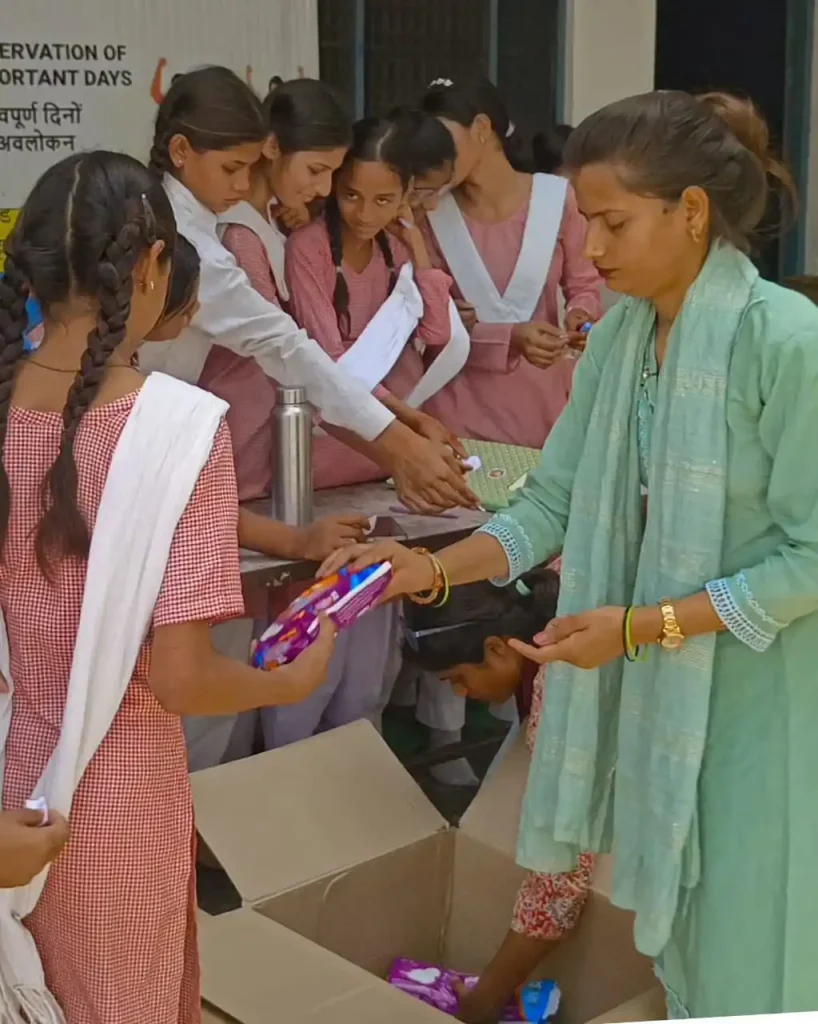
1. Whisper – #KeepGirlsinSchool Campaign
Addressed menstrual hygiene as a barrier to girl child education in India by improving awareness, access and confidence. The initiative has played a pivotal role in shifting conversation from stigma to school retention, helping girls to continue learning with dignity.
2. Amara Organics Periods Care- Smile Foundation #Swabhiman
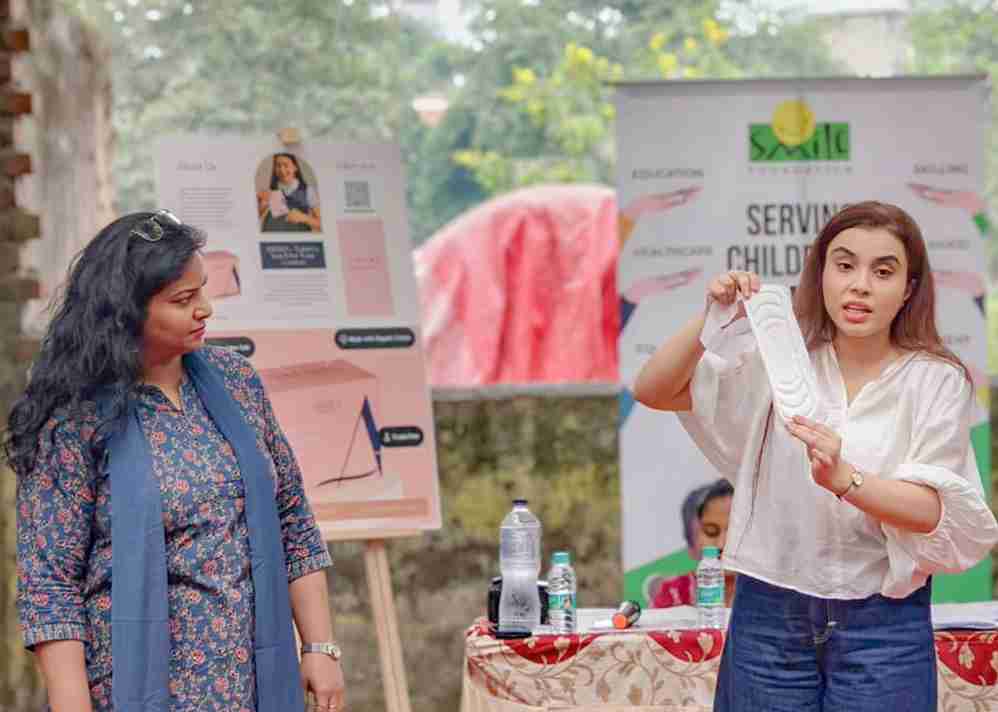
Amara’s cause marketing partnership with Smile Foundation helped create an environment where women and adolescent girls could speak openly about menstrual health without hesitation or stigma. Beyond awareness, the initiative encourages confidence, dignity and informed understanding – helping participants challenge long-held taboos and take a positive step towards healthier and more empowered futures.
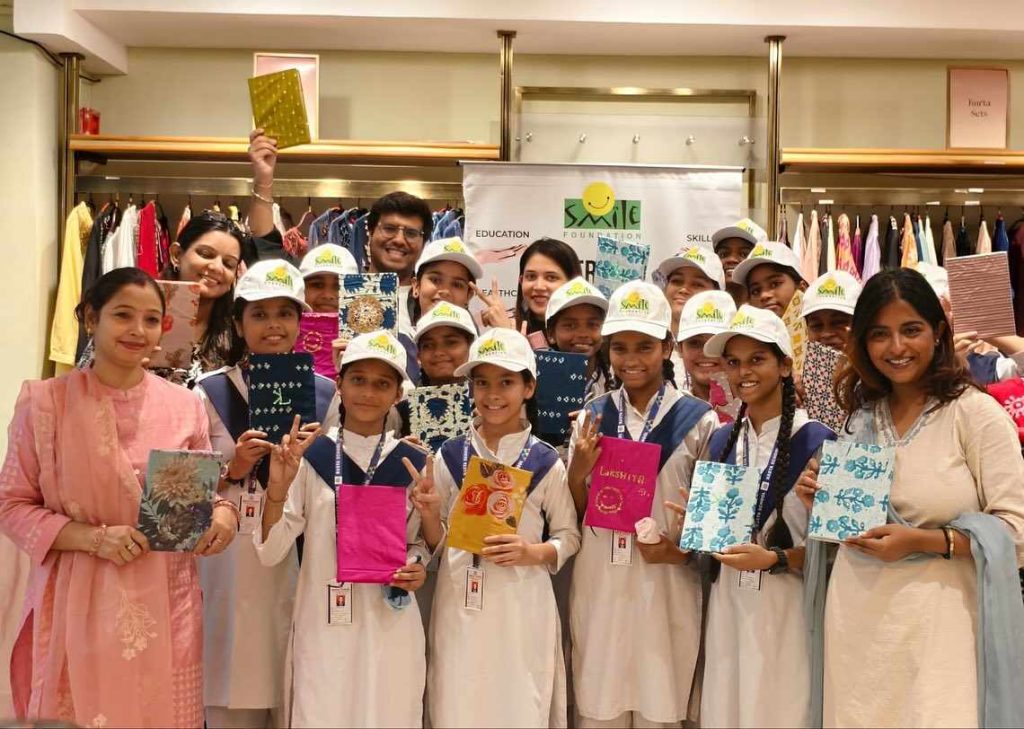
3. Lakshita for education with Mission Education
Hosted by Lakshita on Children’s Day, the workshop gave children from Smile Foundation an opportunity to explore creativity through fabric design and sustainable crafting. As they transformed leftover fabric into journals and bangles, the experience encouraged hands-on learning, self-expression and sustainability awareness, while helping children discover possibilities for learning beyond traditional classrooms.
4. Nike Foundation- Girl Effect Initiative
The Nike Foundation’s Girls Effect Initiative positions adolescent girls as drivers of social and economic progress. Through storytelling and community engagement, the campaign highlights how investing in girls’ education can transform families, livelihoods and communities.
Brands Must Act Now for Girl Child Education
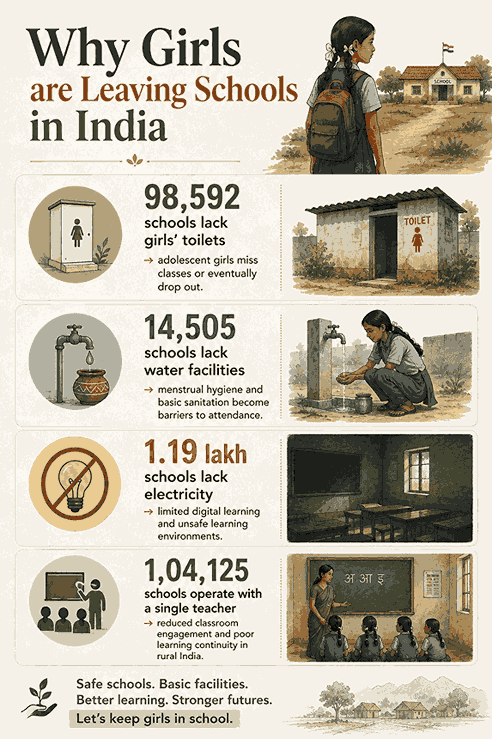
These are not distant developmental concerns anymore, but a daily reality that many young girls are facing across India. As conversations around ESG, equity and social impact grow, businesses today have an opportunity to move beyond awareness and contribute towards solutions that directly improve educational continuity for girls.
Through cause related marketing partnership, with NGOs like Smile Foundation, brands can support the continuity of girl child education by partnering for targeted actionable intervention areas that create long term impact creating classrooms where
girls feel safe—> included —> encouraged to continue learning.
Cause Marketing That Helps Girls Stay in School
India’s education challenges cannot be solved through policies alone. In the context of the abovementioned Niti Aayog report 2026, we must also acknowledge that India’s education ecosystem has witnessed progress. A result of policy-driven efforts have improved access to learning across the country.
However, challenges such as difficult geographical terrains, limited school infrastructure, teacher shortages and social barriers around adolescent girls’ education continue to affect learning in many communities.
“Today, the opportunity before us is not just to improve education access, but to strengthen an ecosystem where every child can learn with dignity, equality and inclusion.”
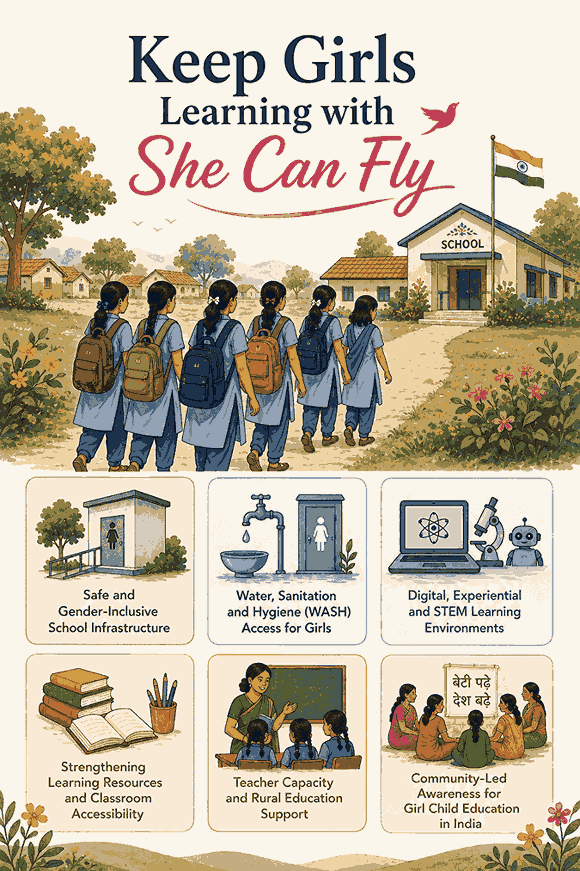
Create Inclusive Learning Spaces with Smile
Brands through CRM partnerships with Smile can transform schools into safer and more inclusive ecosystems for girls. Beyond improving infrastructure, brands can create real access to education through-
- Quality classrooms support
- Hygiene and health support
- Educational tools
- Stronger community awareness
When girls are empowered to continue learning safely and confidently, they move closer towards building independent, dignified and self reliant communities.
FAQs
1. What is cause related marketing in education?
Cause related marketing is a partnership between brands and social organisations where businesses support social causes like girl child education while engaging consumers through purpose-driven campaigns.
2. Why is girl child education still a challenge in India?
Many girls continue to face barriers such as poverty, inadequate sanitation, early marriage, infrastructure gaps and limited access to safe learning environments.
3. How can cause marketing help girls stay in school?
Cause marketing partnerships can support sanitation facilities, safe classrooms, digital learning access, educational resources and community awareness initiatives that improve educational continuity for girls.
4. What is the “She Can Fly” initiative about?
She Can Fly by Smile Foundation highlights how collaborative efforts between brands and nonprofits can help create inclusive educational ecosystems where girls can learn safely and confidently.
5. Why are safe schools important for girls’ education?
Safe schools with proper sanitation, hygiene facilities and supportive learning environments reduce dropout risks and encourage girls to continue their education consistently.
6. How do CRM partnerships create long-term educational impact?
CRM partnerships combine brand influence, community engagement and social investment to support sustainable educational access and awareness at scale.
7. Why should businesses invest in girl child education?
Investing in girl child education contributes towards stronger communities, workforce participation, gender equality and long-term economic development.
8. How is Smile Foundation supporting girls’ education in India?
Through initiatives like Mission Education, She Can Fly, Engineering Scholarships for girls and community-based interventions, Smile Foundation works towards improving accessibility, inclusive learning and educational continuity for girls from underserved communities across India.
Sources: