In India, where 65% of the population lives in rural areas, access to basic medical care remains out of reach for millions of people. When you choose to donate for healthcare in rural India, you are not funding a distant problem. You are helping a mother reach a doctor before a treatable illness becomes fatal.
Rural healthcare in India has improved in patches. But the gaps remain deep, and for many communities, a doctor visit still means a half-day journey on an empty stomach. This article explains why the crisis persists, who suffers most and how donations are directly changing lives on the ground.
Why Rural Healthcare in India Is Still a Crisis
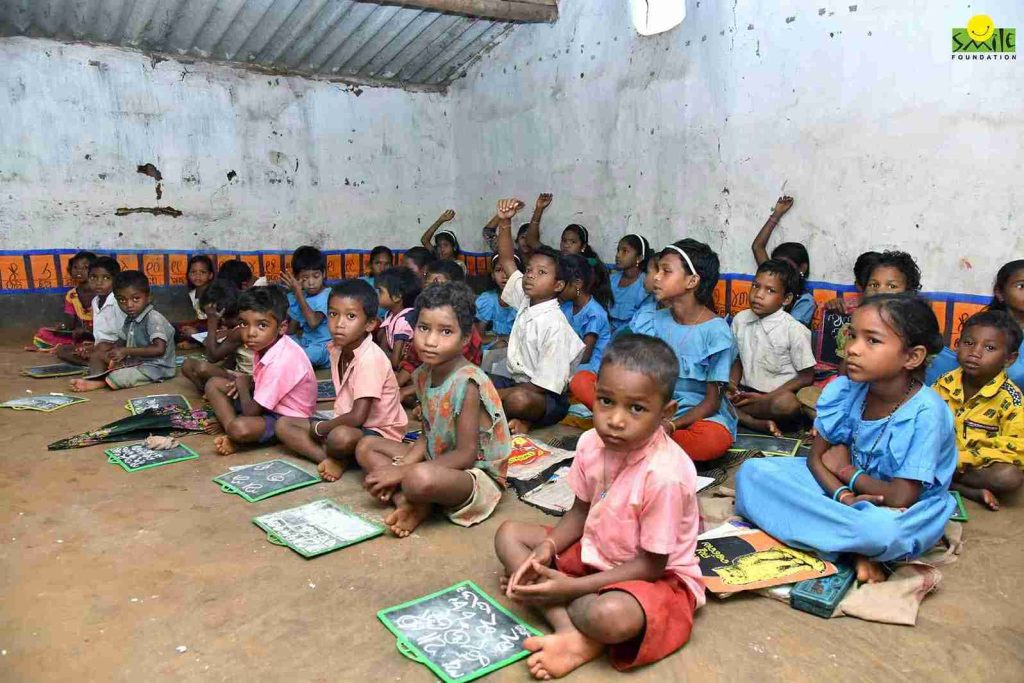
Rural India is home to over 900 million people. Yet only about 30% of the country’s hospitals, 20% of its beds and a fraction of its specialists serve this population.
The National Health Mission has made genuine progress since its launch in 2005. Immunisation rates have improved. Maternal mortality has fallen. More health sub-centres exist today than ever before.
But the fundamentals remain broken. Distance, cost, lack of trained staff and poor infrastructure continue to keep basic medical care away from hundreds of millions of people who need it most.
Doctor and Infrastructure Shortage in Rural Areas
India has one of the world’s most severe rural doctor shortages. According to government data, the doctor-to-population ratio in rural India falls far below the WHO-recommended standard of 1 doctor per 1,000 people.
The situation on the ground reflects this starkly.
- Over 25,000 primary health centres across India face staff shortages
- Specialist doctors in rural sub-district hospitals are available at less than 50% of required capacity
- Many health sub-centres operate without a nurse or trained birth attendant
- Rural hospital infrastructure remains inadequate in over half of India’s districts
Young doctors trained in cities have little incentive to relocate to villages. The infrastructure to support them often does not exist. And the communities that need them most have no practical alternative.
Telemedicine is beginning to fill some of this gap. But connectivity limitations and low digital literacy mean that even this solution reaches only a portion of those who need it.
Who Suffers the Most — Women, Children and the Elderly
The burden of rural healthcare inequality does not fall evenly. Three groups carry a disproportionate share.
Women face the greatest risk around pregnancy and childbirth. India still accounts for a significant share of global maternal deaths. In rural areas, many women deliver without skilled attendance and post-natal follow-up is often non-existent.
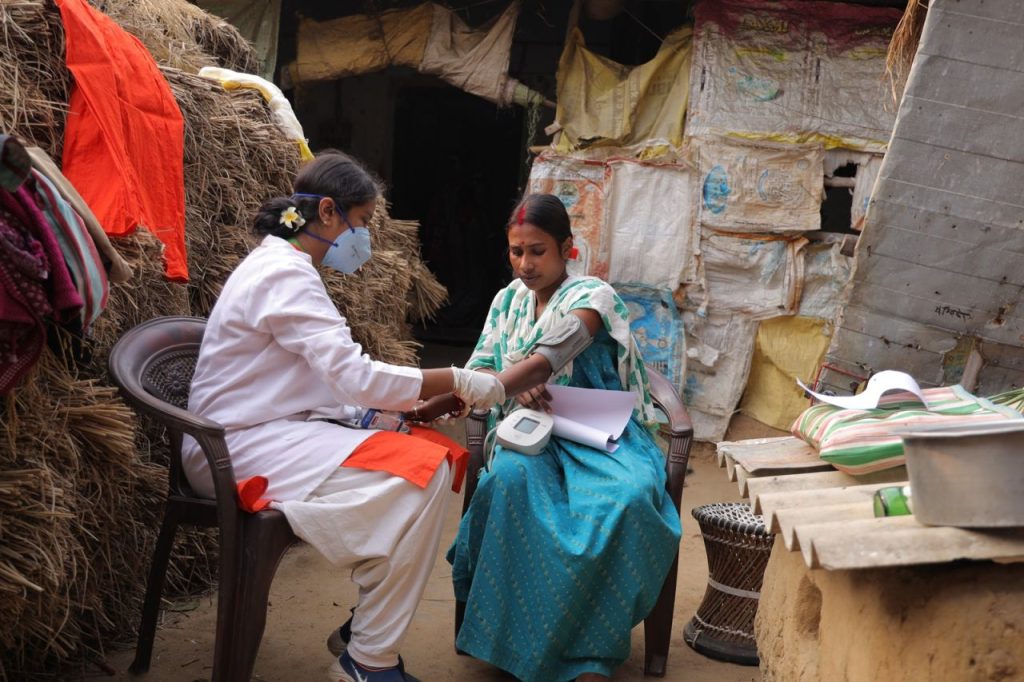
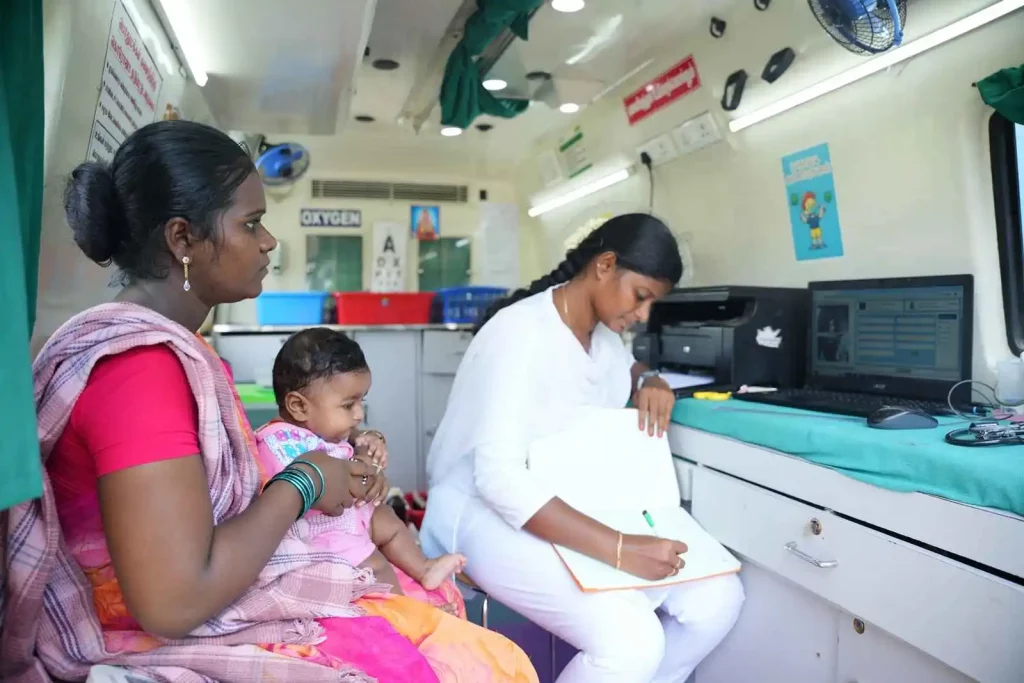
Children under five remain vulnerable to diseases that are entirely preventable. Diarrhoea, pneumonia, malnutrition and vaccine-preventable infections continue to claim lives in communities where a health worker’s visit is the only medical contact a family ever receives.
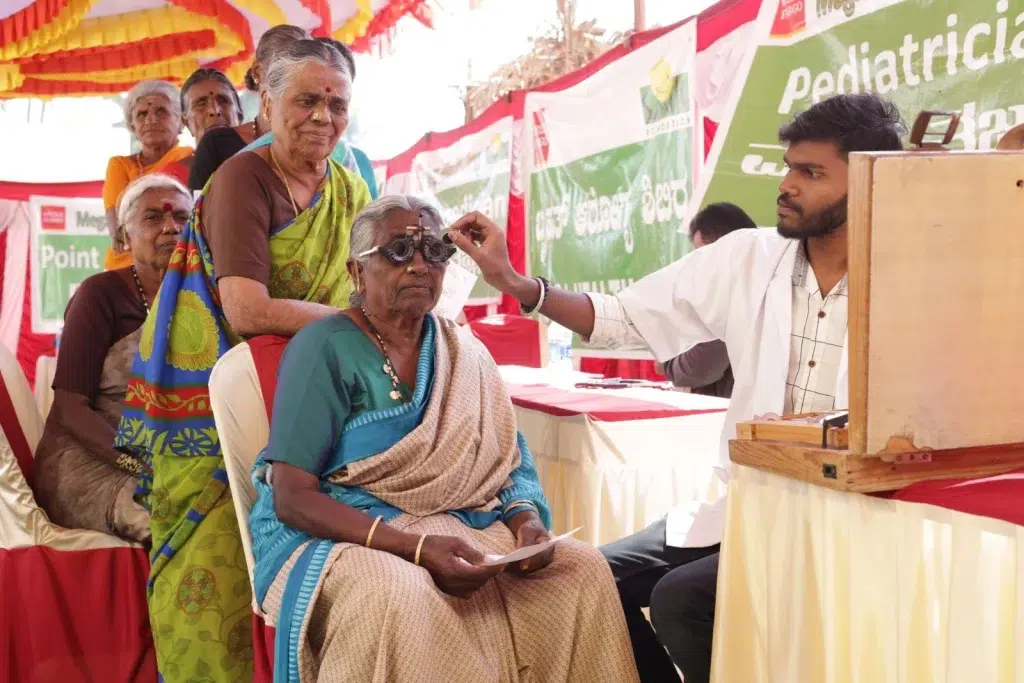
The elderly in rural India often manage chronic conditions like diabetes, hypertension and tuberculosis without consistent care or medication. A condition that is manageable with regular treatment becomes life-threatening when care is interrupted for months.
These are not abstract statistics. They describe the daily reality of communities that live hours away from the nearest functioning public hospital.
What Happens When Basic Medical Care Is Out of Reach
When healthcare is inaccessible, the consequences compound quickly.
A family that cannot afford the transport cost to reach a district hospital waits. A cough becomes tuberculosis. A high fever becomes cerebral malaria. A difficult pregnancy ends in preventable tragedy.
The economic impact is equally serious. Out-of-pocket health expenditure is one of the leading causes of household poverty in rural India. Families sell land or livestock to pay for emergency care. One hospitalisation can wipe out years of savings.
According to World Bank data, catastrophic health expenditure pushes tens of millions of Indian households below the poverty line every year. Most of these households are rural and most are already economically fragile.
The cycle is clear. Lack of preventive care leads to emergency hospitalisation. Emergency hospitalisation leads to catastrophic spending. Catastrophic spending leads to deeper poverty. Deeper poverty makes the next health crisis even harder to survive.
How Donations Are Making Healthcare Accessible in Rural India
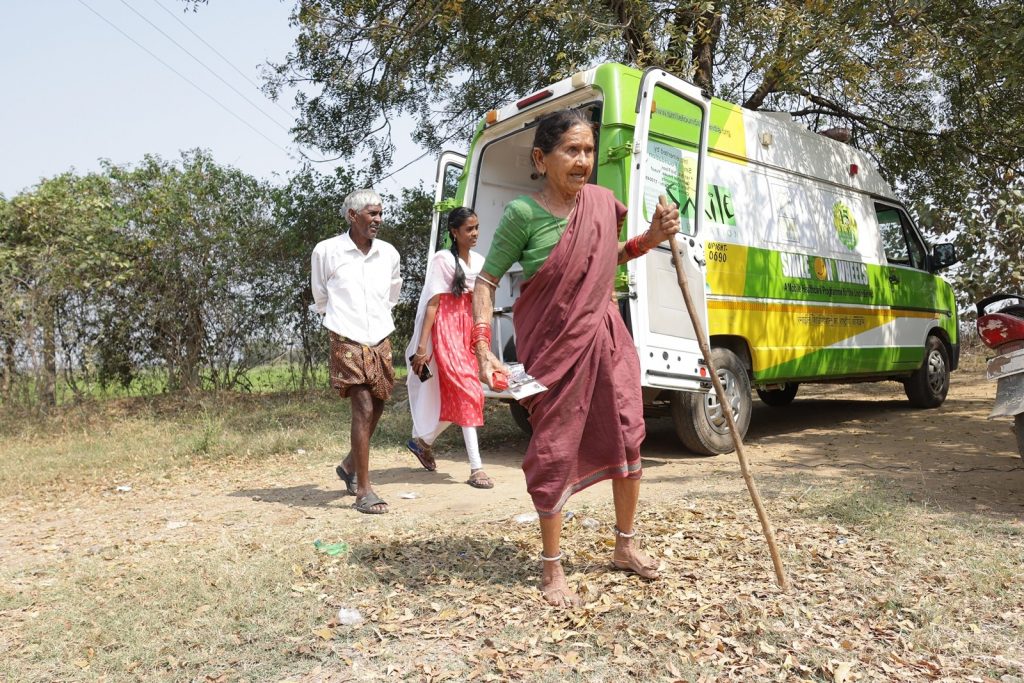
Alongside government systems, NGO-driven healthcare programmes are filling the gap in ways that policy alone cannot.
Donations fund the infrastructure that government budgets often cannot reach. They pay for trained community health workers, mobile diagnostic equipment, medicine stocks and the logistics of reaching villages that public services miss.
The most effective programmes combine multiple approaches. Mobile clinics bring diagnostics and consultations directly to communities. Community health workers provide follow-up, referrals and health education. Telemedicine connects village-level workers with specialist doctors in cities. Together, these layers create a basic but functional healthcare network where none previously existed.
Mobile Health Clinics and Telemedicine
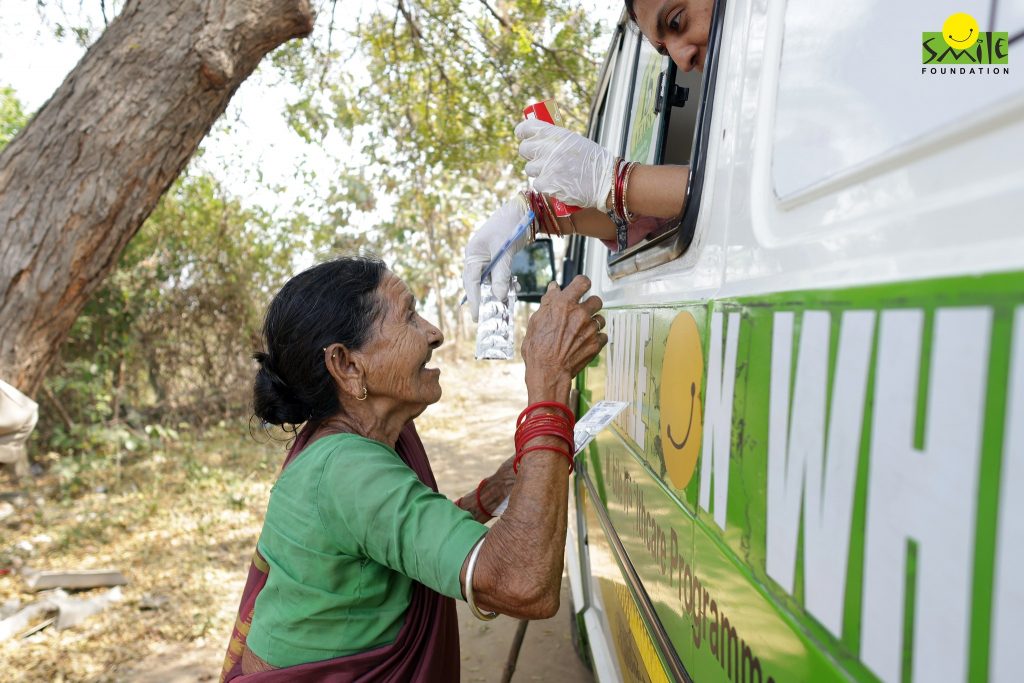
A mobile health clinic is not simply a vehicle with medicines. It is a fully equipped unit that brings diagnostics, consultations and referral services to communities that may not have seen a doctor in years.
In the right hands, a mobile clinic can conduct basic blood tests, identify early-stage TB or anaemia, provide maternal health screenings and refer critical cases before they become emergencies. Across rural India, mobile units are reaching hundreds of villages each year that no permanent facility serves.
Telemedicine adds another layer. When a community health worker in a remote village can connect a patient to a doctor via a tablet or phone, the barrier of distance is partially overcome. Early evidence from several rural health programmes in India suggests that telemedicine consultations can significantly reduce both emergency hospitalisations and out-of-pocket costs.
Community Health Workers and ASHA Support
No healthcare system in rural India works without the ASHA — the Accredited Social Health Activist. These frontline workers are the connective tissue between villages and health systems. They conduct home visits, track maternal and child health, encourage immunisation and refer patients to facilities.
But ASHA workers need support. Training, supervision, diagnostic tools and reliable medicine supplies all depend on resources that government budgets do not always provide consistently.
Donations that fund ASHA support — training materials, basic diagnostic kits, mobile connectivity — multiply the reach of every programme they back. One well-supported community health worker can meaningfully improve the health outcomes of hundreds of households.
How Smile Foundation’s Smile on Wheels Brings Health to Villages
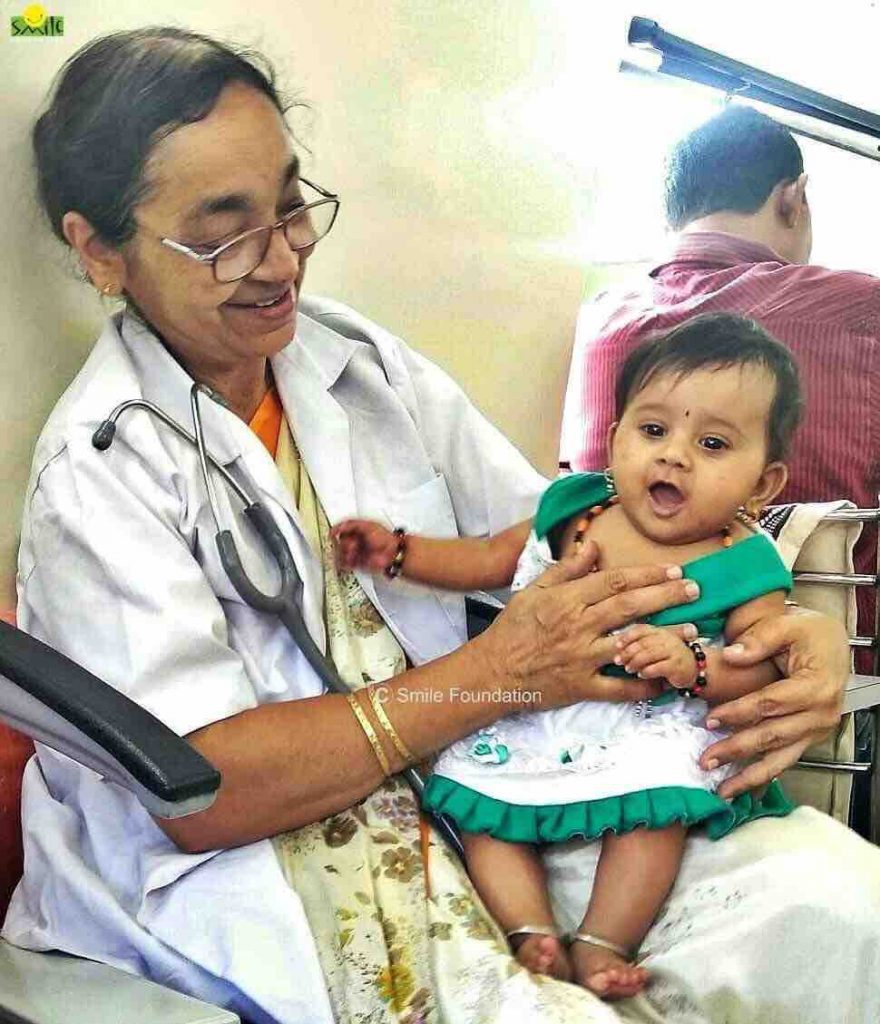
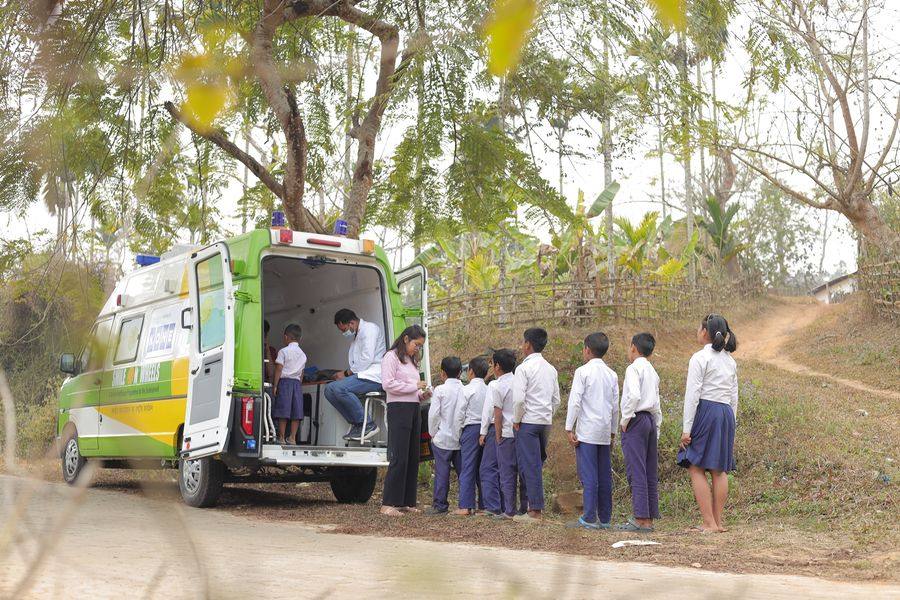
Smile Foundation’s Smile on Wheels programme is one of India’s most established mobile healthcare initiatives. It operates a fleet of fully equipped mobile medical units that deliver free primary healthcare, diagnostics and medicine to underserved rural and peri-urban communities.
Each unit is staffed by a doctor, a nurse and a health educator. Services include general consultations, maternal and child health check-ups, basic diagnostics, health education sessions and referrals for specialist care.
Smile on Wheels reaches communities where the nearest public health facility may be hours away. It operates in alignment with NHM priorities and works in coordination with ASHA workers and local health systems to ensure continuity of care rather than one-off visits.
The programme also addresses health literacy — equipping communities with the knowledge to recognise symptoms early, understand preventive practices and seek care before conditions become emergencies. This is where long-term health change actually begins.
If you are considering where to donate for healthcare in rural India, Smile Foundation’s Smile on Wheels offers a transparent, impact-verified model with decades of on-ground evidence behind it.
How to Donate for Rural Healthcare in India
Supporting rural healthcare through a trusted NGO is straightforward. Here is what the process typically looks like through Smile Foundation.
- Visit the Smile Foundation donation page and select the healthcare programme
- Choose a one-time or recurring contribution — even small monthly donations add up significantly over time
- Receive a confirmation and tax receipt for your records
- Track the impact of your donation through Smile Foundation’s regular programme updates
Donations can be made online through the Smile Foundation website, which accepts UPI, cards, net banking and international transfers.
Tax Benefits Under 80G
Donations to Smile Foundation qualify for tax deductions under Section 80G of the Income Tax Act. This means your contribution reduces your taxable income while directly funding healthcare access for people who have none.
For corporate donors, CSR contributions to healthcare programmes through registered NGOs like Smile Foundation qualify under Schedule VII of the Companies Act, making them eligible for CSR reporting.
How to Donate for Healthcare in Rural India — Making Your Contribution Count
When you choose to donate for healthcare in rural India, the impact goes further than a single consultation.
Your donation funds mobile units that visit villages every month. It trains community health workers who follow up with families between visits. It stocks medicine supplies that might otherwise be unavailable for weeks. It pays for the diagnostic equipment that catches a treatable condition before it becomes a crisis.
A contribution of any size matters. Recurring monthly giving — even a small amount — is particularly valuable because it allows programmes to plan, staff, and operate consistently rather than relying on unpredictable one-off funding cycles.
The communities that benefit most from your generosity are the ones least able to ask for it. They do not have the connectivity, the voice or the proximity to urban institutions that might otherwise reach them. Your donation brings the healthcare system closer to them.
Frequently Asked Questions
Why is healthcare access still a problem in rural India?
Rural India faces a combination of structural challenges — severe doctor shortages, inadequate health infrastructure, high transport costs and low health literacy — that public systems have not fully overcome. Despite progress under the National Health Mission, many communities still have no reliable access to basic medical care, diagnostics or specialist referral. The gap between policy intent and ground-level delivery remains significant.
What are the biggest healthcare challenges in rural India in 2026?
In 2026, the most pressing challenges include the shortage of trained medical staff in rural areas, inadequate primary health centre infrastructure, high out-of-pocket healthcare costs that push families into poverty, limited availability of medicines and diagnostics at the village level and persistent gaps in maternal and child health services. Telemedicine is growing but connectivity barriers continue to limit its reach.
How does donating help improve healthcare in villages?
Donations fund the practical infrastructure that government systems often cannot sustain — mobile medical units, community health worker training, medicine stocks and diagnostic equipment. They also fund health education, which builds the awareness and behaviours that reduce illness in the first place. Every donation to a credible healthcare NGO translates into direct, measurable services for underserved communities.
What is a mobile health clinic and how does it help rural areas?
A mobile health clinic is a vehicle-based medical unit staffed by doctors, nurses, and health educators. It travels to villages and communities that have no permanent health facility nearby, providing free consultations, basic diagnostics, maternal and child health screenings and referrals for specialist care. Mobile clinics are particularly effective in reaching last-mile populations where even primary health centres are inaccessible.
How does Smile Foundation provide healthcare in rural India?
Smile Foundation’s Smile on Wheels programme operates mobile medical units staffed by qualified healthcare professionals. These units visit underserved rural and peri-urban communities on a regular schedule, providing free primary care, diagnostics, health education and referrals. The programme works in coordination with ASHA workers and government health systems to ensure continuity and community integration rather than isolated visits.
What is Smile on Wheels and how does it work?
Smile on Wheels is Smile Foundation’s flagship mobile healthcare initiative. Each unit carries a doctor, nurse and health educator and is equipped with basic diagnostic tools and medicines. Units visit specific communities on a scheduled basis, providing free consultations and screenings. The programme prioritises maternal health, child health and the management of chronic and infectious diseases in communities with no other reliable healthcare access.
Can I get 80G tax benefits on healthcare donations?
Yes. Donations made to Smile Foundation qualify for deductions under Section 80G of the Income Tax Act of India. This allows individual donors to reduce their taxable income by the eligible donation amount. Smile Foundation provides donation receipts that can be used when filing your income tax return. Corporate donors can also claim CSR eligibility for qualifying contributions.
How is donated money used in rural healthcare programmes?
Donations are used to fund mobile medical unit operations including fuel, staff salaries, medicines and diagnostic consumables. They also support community health worker training and supervision, health education materials, telemedicine infrastructure and programme monitoring. Reputable NGOs like Smile Foundation publish impact reports that show donors exactly how funds are deployed and what outcomes they produce.
What is the doctor-to-patient ratio in rural India?
India’s rural doctor shortage is severe. Government data shows that doctor availability in rural primary health centres falls well below WHO-recommended standards. Many health sub-centres operate without any doctor at all, relying on nurses or trained health workers to manage basic care. This shortage is one of the primary reasons that mobile health clinics and community health worker programmes are so critical in rural settings.
How can I donate to support rural healthcare through Smile Foundation?
You can donate through the Smile Foundation website, which accepts UPI, debit and credit cards, net banking and international transfers. You can choose a one-time donation or set up a recurring monthly contribution to the healthcare programme. Smile Foundation provides a tax receipt under 80G and regular programme updates so you can see the impact of your support.
Support Smile Foundation's Smile on Wheels programme and help bring healthcare to the communities that need it most. Every contribution — however small — funds a consultation, a screening, or a referral that might save a life.