Quick Summary
- Child marriage in India has declined overall, but regional disparities remain sharp.
- Telangana’s data reveals high rates of child marriage even among relatively privileged communities.
- Economic progress does not automatically dismantle patriarchal social norms.
- Education without agency often fails to shift decision-making power for girls.
- Development indicators frequently measure access, not autonomy or choice.
- Behavioural change and community engagement are essential to reducing child marriage.
- Life skills, mentorship and girls’ empowerment programmes can strengthen agency.
- Sustainable progress requires addressing both economic inequality and social attitudes.
In 2025, there was a real reason to celebrate the decline in child marriage. Between April 2022 and March 2025, child marriages dropped sharply by 69% among girls and 72% among boys. State-level figures revealed Assam leading the way, followed by Maharashtra and Bihar, while Rajasthan and Karnataka also dropped.
Even so, the picture is far from uniform. In Telangana, the Congress government’s 2024–25 caste survey found that around 5% or 2.16 lakh of girls under 18 were married. The Telangana Socio, Economic, Educational, Employment, Political and Caste (SEEEPC) Survey 2024 also found that nearly two-thirds of women in the state had not studied beyond secondary school. The number is hard to ignore.
Rethinking Data
What is even more unsettling is that deprivation is not the only cause; the highest rates appear among groups often regarded as educated, urban and economically secure. This points to something India’s development story struggles to see, i.e. a blind spot. The failure lies in interpretation. We assume progress in income, education and urban exposure naturally weakens regressive practices.
Telangana’s data tells a different story. It shows how development can advance while leaving core social norms intact. It shows that social outcomes do not always follow economic indicators in predictable ways.
Cultural Persistence Beneath Economic Mobility
Social norms and gender expectations remain difficult to dismantle. Even when families know the law, traditional beliefs around protecting a girl’s “honour” or getting her married “at the right age” often override legal deterrents.
Child marriage is often explained through poverty. But poverty alone cannot explain the pattern seen in Telangana. If it did, higher rates would not appear among relatively privileged groups. The deeper drivers lie in regressive social norms. Marriage is still seen as a parental responsibility.
Moreover, while research shows that economic mobility dilutes regressive social practices, in reality, it does not hold. Typically, in Indian society, delaying it invites scrutiny and becomes a source of concern. Her presence is tied to ideas of honour, purity and family standing. These beliefs operate in both rural and urban contexts. As families move up, their anxieties may reduce, but they do not disappear. Concerns around status, reputation and social control remain strong.
Thus, marriage becomes a way to manage these concerns. It regulates a girl’s autonomy and reinforces family expectations. Urbanisation changes lifestyles. It does not automatically dismantle patriarchal authority. The survey reflects that communities with access to education and economic resources still report high rates of early marriage, where families and society still make the decisions, rather than the girls themselves.
Education Without Agency
There’s a crucial piece missing in India’s approach to education: agency. For too long, progress has been measured by the number of girls attending school, rising literacy rates and the push for higher enrolment. These are steps forward, no doubt, but they don’t tell the whole story.
In Telangana, 65.5 per cent of women have not studied beyond Class 10. That points to a serious access gap among marginalised groups. Yet the persistence of early marriage among better-performing communities points to an agency gap.
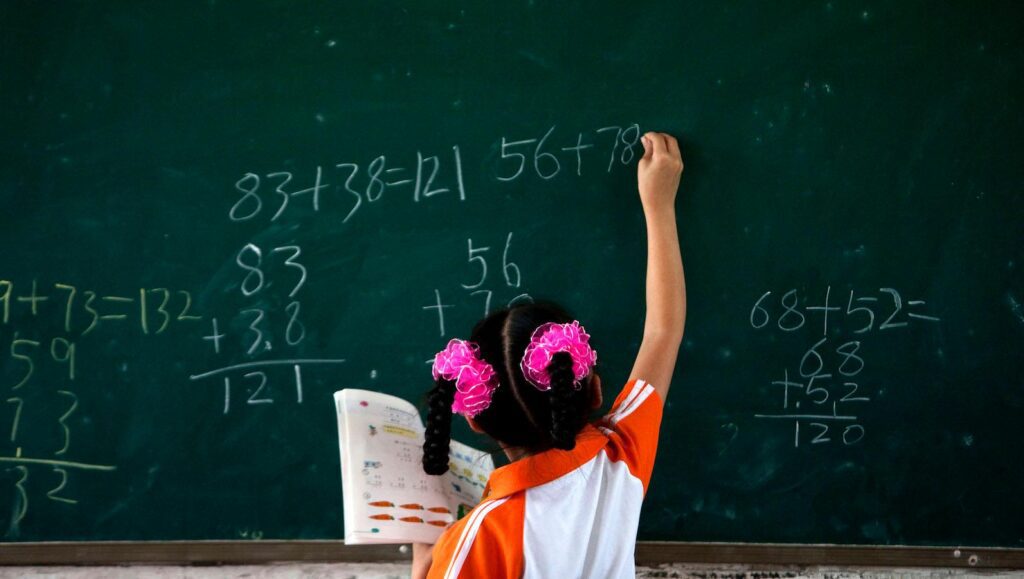
A girl may attend school, even complete higher education. Yet she may still have little say in when she marries. Education, in such cases, improves qualifications but does not shift decision-making power. For girls to have real agency and act on their aspirations, they need to know that they are capable of taking action, and that their actions will make a difference in the world around them. Without that confidence, they are less likely to act. They also need the right skills to do so effectively, both to manage themselves and to lead and influence others.
India tracks how long girls stay in school. It does not track whether education translates into control over life choices. Without that shift, education coexists with early marriage instead of preventing it.
Where the System Falls Short
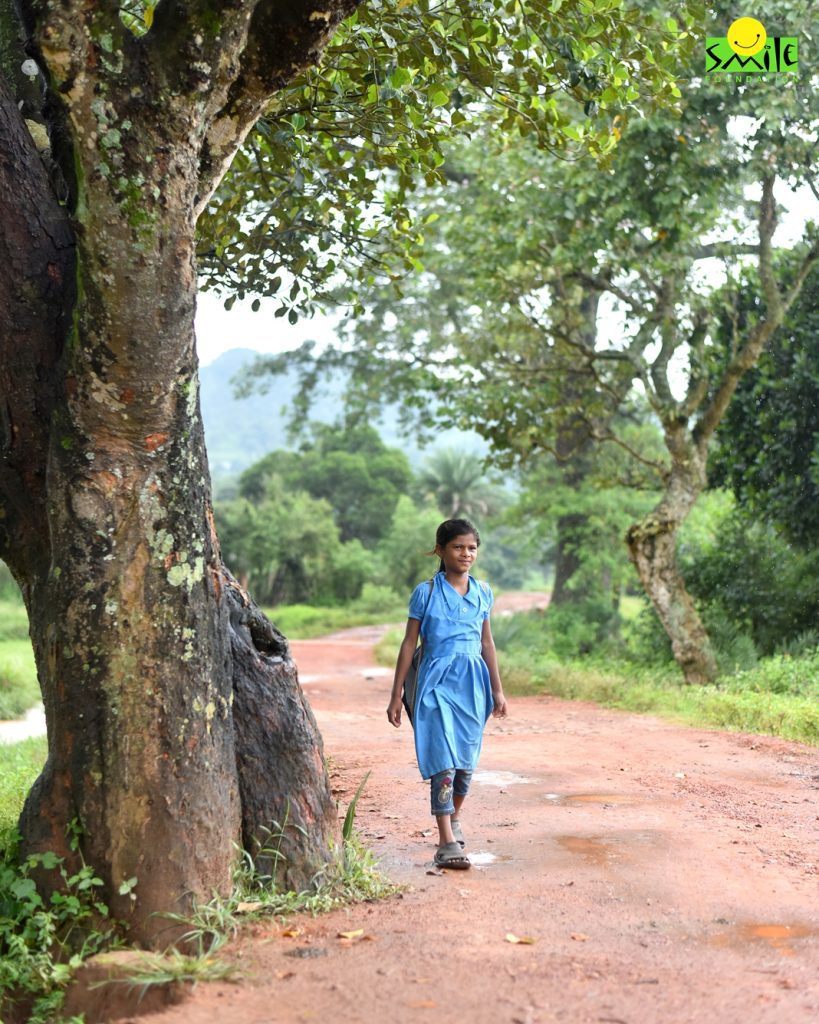
India has laws, policies and awareness campaigns to prevent child marriage. National data shows a decline over time. However, the Telangana findings reveal uneven progress.
Policy tends to focus on visible vulnerability. It targets poorer regions and marginalised communities. Moreover, education and financial incentives are more focused on. These interventions matter, but they do not engage deeply with social norms. Education needs a bigger change in curriculum, for instance, life skills would be more impactful. Policies also overlook communities where the problem is assumed to be minimal.
The Better Approach
The consequences of these blind spots are severe and far-reaching. We have known this forever that early marriage exposes girls to serious health risks. Adolescent pregnancies increase complications; infants face higher risks of low birth weight and long-term health challenges. Girls who marry early are more likely to leave school, remain outside the workforce, and depend financially on others.
- It’s time to recognise that lasting change depends on behaviour as much as access. Involving families, community leaders, and local networks that influence everyday decisions is a must. It also means using granular data to identify where high rates persist, without relying on assumptions on caste or class.
- India must improve birth and marriage registration through stronger laws and support systems, so that proving a girl’s age at marriage is possible.
- Greater government investment is needed to build enforcement capacity in vulnerable communities, districts, and states. Police, judicial officials, and local representatives in high-prevalence areas should receive better training to enforce child marriage laws effectively.
- Increasing girls’ access to education is central to reducing child marriage. Special attention should be given to the transition from primary to secondary school, where dropout rates are high.
- Programmes that offer adolescent girls life skills training, mentorship, and economic empowerment have shown strong positive results. Life skills should focus on improving girls’ confidence and aspirations, allowing them to envision different alternatives for their lives; giving girls tools to negotiate for what they want; and helping girls build stronger social networks to support their decision-making process. These can be scaled up by the government in partnership with non-governmental organisations.
- Public education and mass media campaigns on the harms of child marriage and the laws against it should focus on high-risk areas. Religious and Panchayat leaders should be actively engaged, as they influence community attitudes and can help discourage child marriage and dowry practices.
Redefining Progress
What will it take for us to realise that child marriage is a violation of a girl’s rights? It seriously undermines efforts to reduce gender-based violence, advance education, alleviate poverty and improve health indicators. Telangana’s data show that development is taking place, but it is failing to address some critical issues. A society cannot claim to be truly advancing if girls do not have freedom and choice.
Smile Foundation is working to break the cycle of child marriage through its flagship programme, Mission Education, which supports children aged 3 to 18 living in challenging circumstances, especially girls who are at greater risk of early marriage. Recognising the strong connection between education and child marriage, the foundation believes that keeping girls in school gives them the confidence and strength to resist pressure to marry young. Through the Swabhiman scholarship initiative, first-generation girl learners who may otherwise drop out because of marriage are supported to continue and complete their education, and to build essential life skills such as decision-making, saying no, and managing conflict. Smile also supports families and communities through health interventions, women’s empowerment and livelihood training.
FAQs
1. What does Telangana’s child marriage data reveal?
The data reveals that child marriage persists even among educated and economically stable communities, highlighting how social norms can survive despite economic development.
2. Why is child marriage still prevalent in India?
Child marriage continues due to deeply rooted gender norms, concerns around honour and social expectations that often outweigh legal deterrents and educational progress.
3. How does education fail to prevent child marriage?
Education may improve qualifications, but without agency and decision-making power, girls may still have little control over when and whom they marry.
4. What is meant by “development blind spots”?
Development blind spots refer to the gap between economic progress and social transformation, where indicators like income and schooling improve while regressive social practices continue.
5. Why is behavioural change important in reducing child marriage?
Behavioural change addresses the social norms, beliefs and community attitudes that sustain child marriage, making long-term prevention more effective than policy interventions alone.
6. How does child marriage affect girls’ futures?
Child marriage increases health risks, limits educational opportunities, reduces workforce participation and weakens girls’ long-term economic independence.
7. What interventions help reduce child marriage?
Life skills training, mentorship, community engagement, secondary education support and economic empowerment programmes have shown strong results in delaying early marriage.
8. How is Smile Foundation addressing child marriage?
Through Mission Education and Swabhiman, Smile Foundation supports girls’ education, scholarships, life skills development and community-based interventions that strengthen agency and reduce the risk of early marriage.