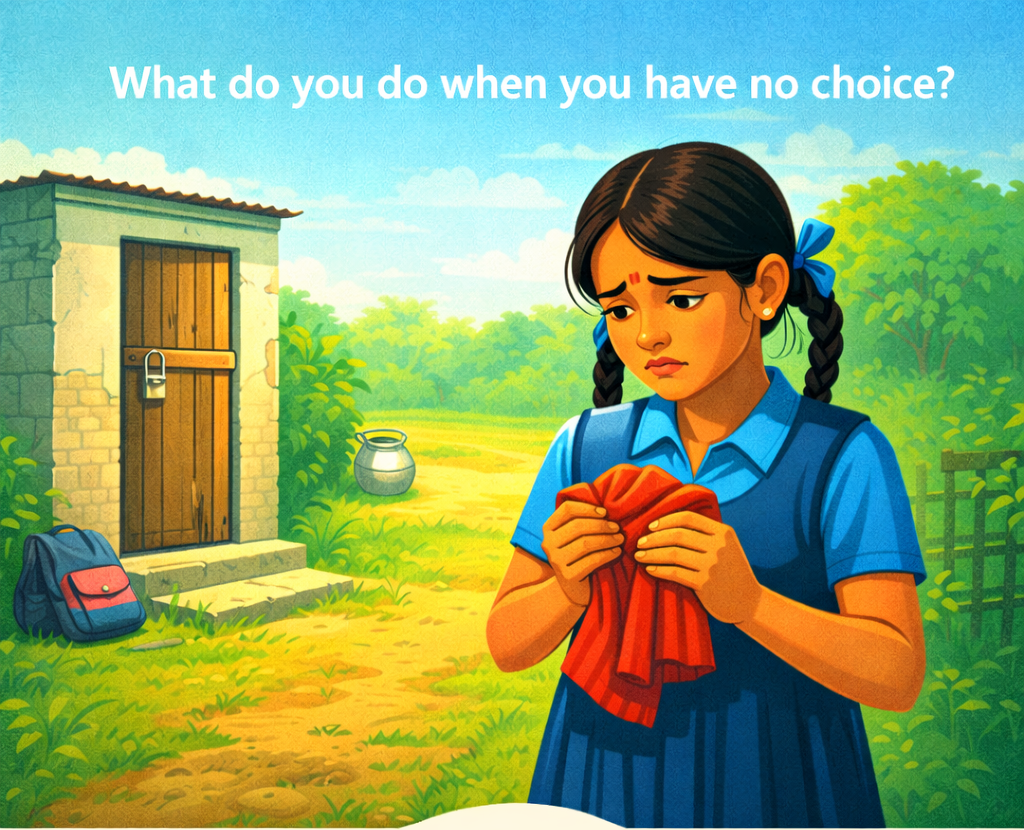
Picture yourself waking up one morning to head off to school or work, and you realise that you’ve started your period and don’t have sanitary napkins (aka pads). You have no private toilet or clean water. Now imagine this happening every month influencing all aspects of your plans, decisions and if you allow me to stretch it a bit, even your dreams. That’s the reality for many girls and women across the world.
The issue gets exacerbated for women and girls living in conflict-affected areas where their menstrual concerns are pushed back at the bottom of the list of essentials.
Although menstruation is a normal and healthy part of life, for most women and girls in many societies, the experiences are still limited by cultural taboos and discriminatory social norms.
Summary: Key Takeaways
- In Bangladesh and Egypt, only 32 per cent and 66 per cent of girls, respectively, said they were aware of menstruation before they got their first period, many were shocked and afraid
- A fifth of women in Nepal and a third of women in Kenya did not always have enough menstrual materials while working outside their homes
- In the United States of America, 1 in 4 teens and 1 in 3 adults struggle to afford period products, especially teens of colour and lower-income households.
What Does ‘Invisible Labour’ Mean in Menstrual Health?
Invisible labour is the work that often goes unnoticed or undervalued. When it comes to menstruation, this can mean:
- Finding or creating makeshift menstrual products, like rags, old clothes or natural materials.
- Planning your day around where you can find toilets and water.
- Dealing with pain, anxiety and the constant worry about leaks or stains.
- Navigating societal taboos that demand secrecy and limit your freedom to move or participate.
- Quietly educating yourself, often without the benefit of open conversations or formal guidance.
- This silence and isolation can be draining, emotionally challenging and, most importantly, it shouldn’t have to be this way.
Affordability and Availability
For many families, particularly in rural areas, the cost of sanitary pads remains a significant barrier to menstrual health management. This financial constraint often forces women and girls to use cloth or other unsafe alternatives, which increases their risk of infection and discomfort. Furthermore, millions of adolescent schoolgirls face unequal access to essential hygiene resources, such as water and soap. By ensuring access to safe and affordable sanitary materials, we can significantly reduce the risk of infections and improve the overall well-being of girls and women.
The Weight of Silence, Stigma on Reproductive Health
For generations, taboos have led girls to hide their periods and suffer in silence. In many households, girls are discouraged from entering kitchens, visiting places of worship or even talking about their own bodies. This culture of silence leaves many girls unprepared for their first period, resulting in confusion and anxiety. Myths and misinformation thrive, while practical knowledge is overshadowed by feelings of shame.
This silence also adds to the burden. Girls and women have to plan how to wash and dry clothes without anyone noticing, how to dispose of waste discreetly, and how to explain any stains without revealing the truth.
These taboos get passed down through generations, influencing how women view their bodies and reproductive health. When menstruation is seen as something to be ashamed of, that silence also creeps into conversations about contraception and maternal care, which in turn limits knowledge, confidence and autonomy. Consequently, many women end up fearing or avoiding contraception, often feeling unsure or misinformed about their own bodies. The Supreme Court’s push to include menstrual health in school curricula acknowledges that breaking down these early taboos is crucial for empowering girls and ensuring they have dignity, participation and informed choices throughout their reproductive journeys.
The Education and Opportunity Gap
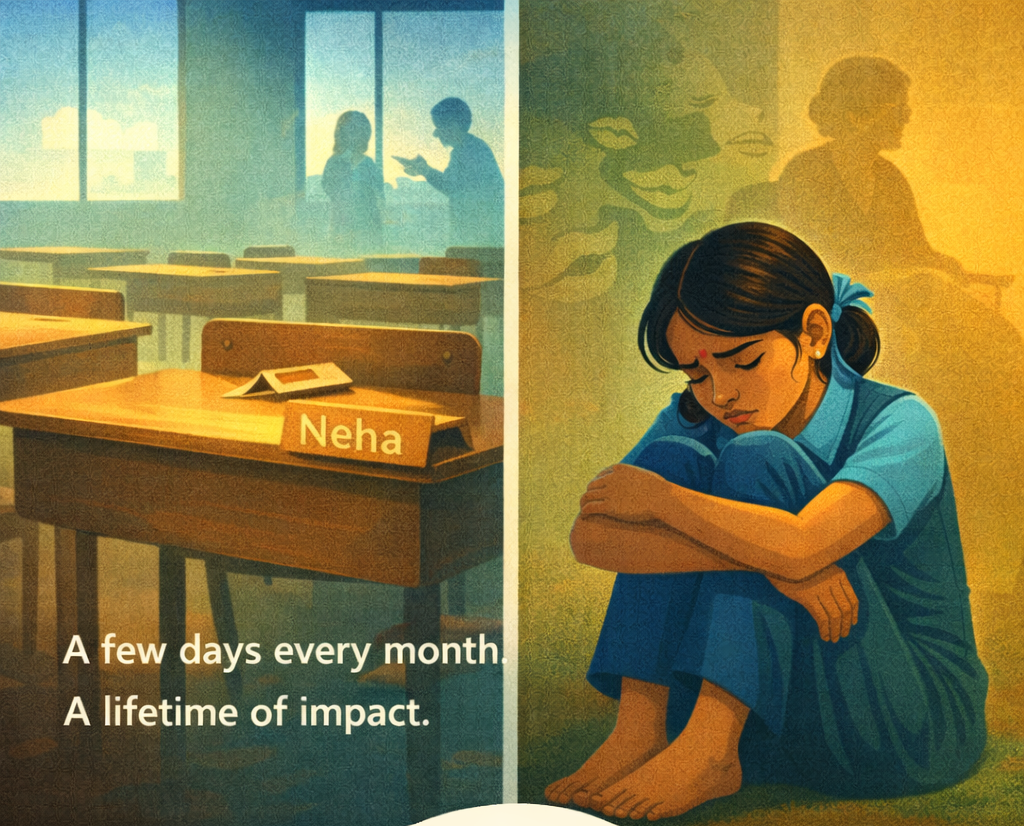
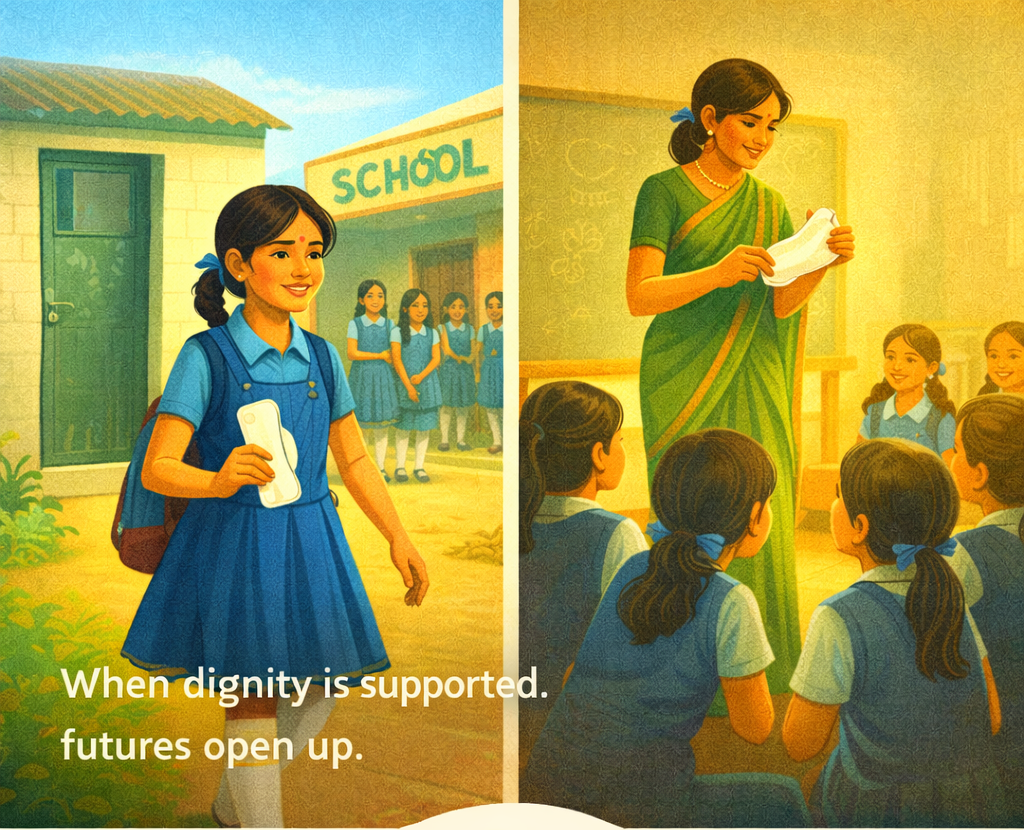
For many girls, the onset of menstruation can feel like the beginning of a restricted world. In India, UNICEF reports that a significant number of girls miss school during their periods, and tragically, many drop out after reaching puberty. The reasons for this are clear: they often lack access to sanitary products, private or functioning toilets, and safe disposal options for used products. Additionally, many face the fear of embarrassment, teasing or feeling isolated from their peers.
Globally, only about 39% of schools provide menstrual health education. When girls miss school, it can diminish their engagement in learning, often leading to permanent dropout. For countless young women, this situation can lead to early marriage and a marked decrease in economic and social mobility. The overwhelming burden of managing menstruation becomes a significant obstacle in their lives.
Gender Equality
Promoting menstrual health and hygiene is an important means for safeguarding women’s dignity, privacy, bodily integrity and, consequently, their self-efficacy. Awareness of MHH contributes to building an enabling environment of non-discrimination and gender equality in which female voices are heard, girls have choices about their future and women have options to become leaders and managers.
Dignity Is Non-Negotiable
Over the past decade, India has made notable progress in menstrual health. Governments, NGOs and social enterprises have expanded access to sanitary products, while initiatives like Smile Foundation’s programmes have helped normalise conversations and dispel myths. Under the Pradhan Mantri Bhartiya Janaushadhi Pariyojana (PMBJP), sanitary pads are available at just ₹1 per pad through Jan Aushadhi Kendras nationwide.
However, invisible labour still burdens millions. The task now is to turn rights into lived realities, with stronger systems, inclusive infrastructure and sustained community engagement. Only by reducing this invisible labour can we unlock real opportunities and the full agency of every girl and woman, and claim genuine progress.
FAQs
1. What challenges do women face when managing menstruation without resources?
Many women lack access to sanitary products, clean water, private toilets and safe disposal systems. This forces them to use unsafe alternatives, manage hygiene discreetly and plan daily activities around limited facilities.
2. What does ‘invisible labour’ mean in menstrual health?
Invisible labour refers to the hidden effort involved in managing menstruation, such as finding materials, maintaining hygiene, coping with pain, navigating stigma and planning routines around restricted access to resources.
3. How do cultural taboos impact menstrual health?
Taboos create silence and shame, leaving girls unprepared for menstruation. They restrict mobility, limit open conversations and perpetuate misinformation, affecting confidence, health and participation in daily life.
4. Why do girls miss school during menstruation?
Lack of sanitary products, private toilets, disposal facilities and fear of embarrassment often lead girls to miss school or drop out entirely, affecting their long-term education and opportunities.
5. How does menstrual health relate to gender equality?
Access to menstrual hygiene is directly linked to dignity, mobility, education and economic participation. Without it, women and girls face systemic barriers to equality.
6. What steps can improve menstrual health management?
Ensuring affordable sanitary products, building safe sanitation infrastructure, promoting menstrual education and breaking societal taboos are key to improving menstrual health outcomes.
7. What role do organisations like Smile Foundation play?
Smile Foundation supports menstrual health through awareness programmes, access to hygiene resources and community engagement, helping reduce stigma and improve dignity and participation for women and girls.