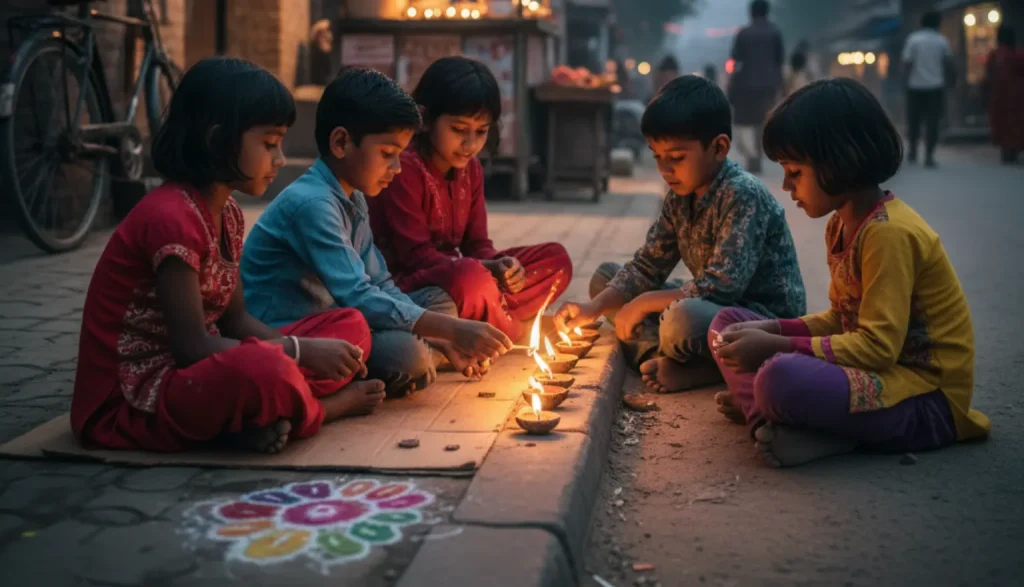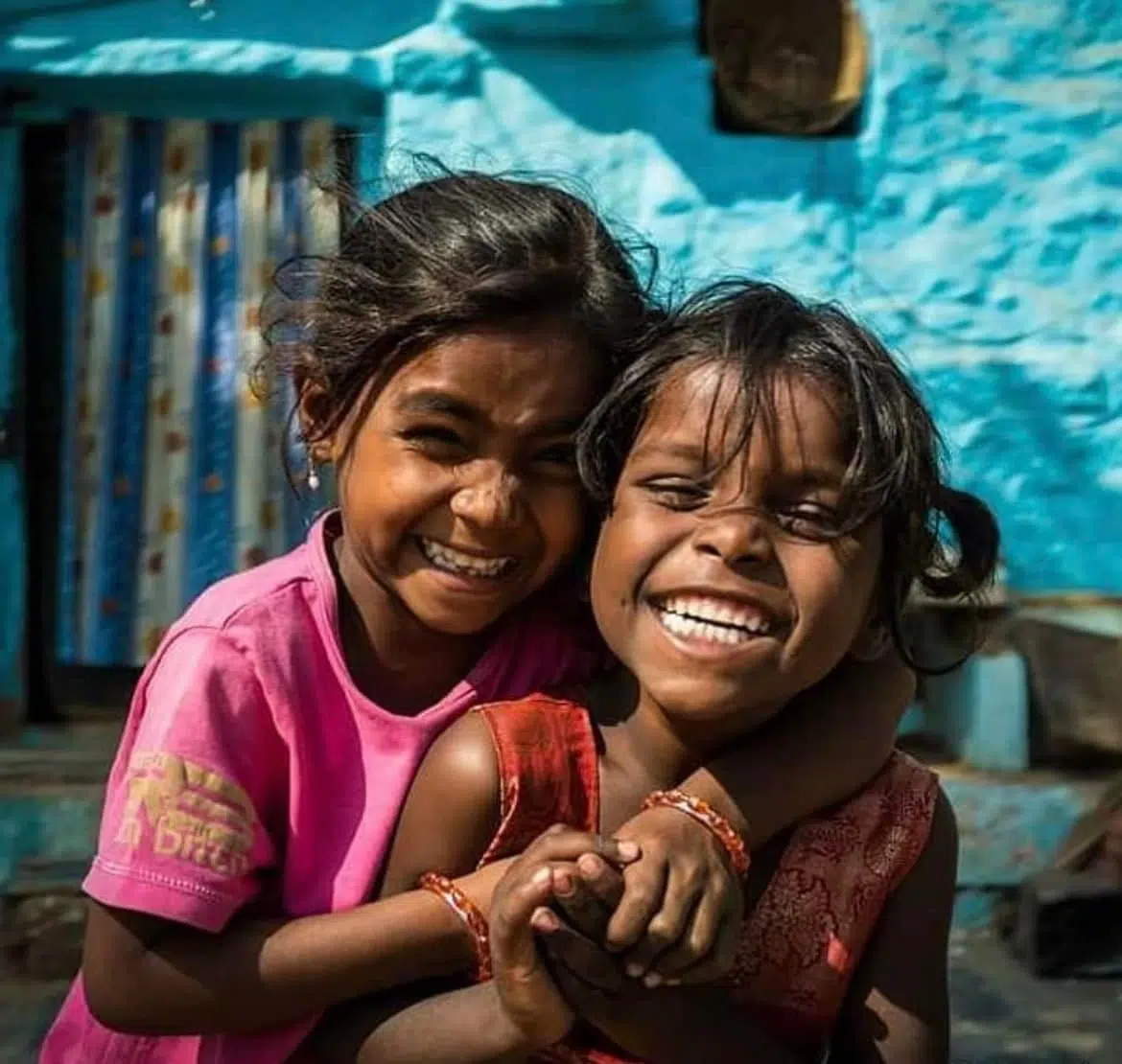

Child labour in India continues to affect millions of children, limiting their access to education, safety and opportunity. Despite legal frameworks and policy efforts, the issue persists across sectors and regions. The most effective way to break this cycle is through consistent access to education and community-level intervention.
For many children, work begins where childhood should. Not because they choose it, but because circumstances leave little room for alternatives.
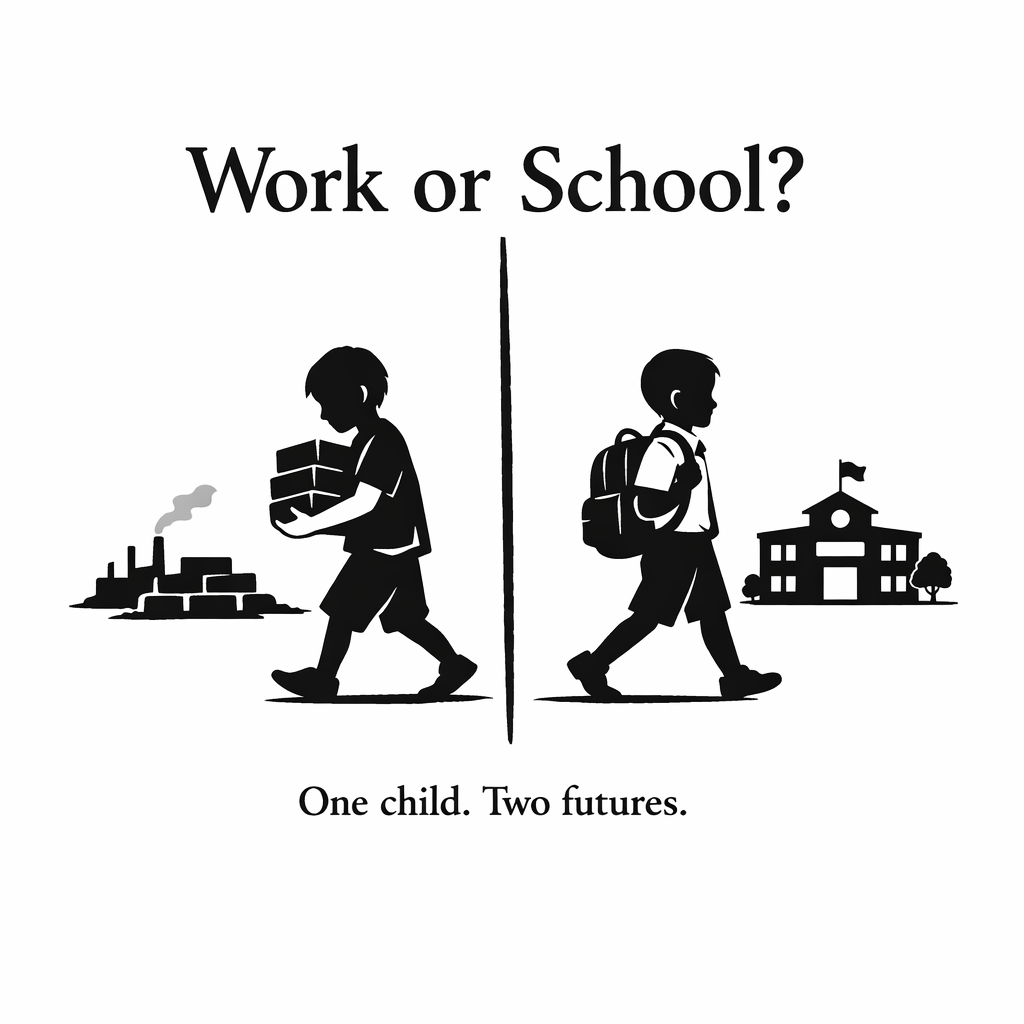
What Is Child Labour — Definition and Legal View in India
Child labour refers to work that deprives children of their childhood, potential and dignity. It interferes with schooling and is harmful to their development.
In India, the definition is guided by the Child Labour Prohibition Act India, which regulates where and how children can work.
What Indian Law Says About Child Labour
Under the Child Labour Prohibition and Regulation Amendment Act, 2016:
- Children below 14 years are prohibited from working in any occupation
- Adolescents (14–18 years) are restricted from hazardous occupations
- Family-based work is allowed under certain conditions, which remains debated
India also aligns with international standards through the International Labour Organization and UNICEF frameworks.
Child Labour in India — Numbers That Cannot Be Ignored
According to Census 2011 data, India had over 10 million working children between the ages of 5 and 14. More recent estimates from international agencies suggest that while numbers have declined, the problem remains significant, especially in informal sectors.
Globally, the International Labour Organization estimates around 160 million children are engaged in child labour.
Which States Have the Highest Child Labour Rates?
Certain regions continue to report higher prevalence due to socio-economic factors.
These include:
- Uttar Pradesh
- Bihar
- Rajasthan
- Madhya Pradesh
In many cases, child labour Bihar UP patterns are linked to migration, poverty and lack of schooling infrastructure.
Sectors Where Child Labour Is Most Common
Child labour in agriculture India remains one of the largest segments.
Other sectors include:
- Domestic work
- Small manufacturing units
- Street vending
- Construction
Bonded child labour India cases also exist, often tied to debt cycles.
Root Causes of Child Labour in India
Poverty and Lack of Access to Education
The strongest link is economic.
Families facing financial hardship often rely on children to supplement income. When schools are far, under-resourced or perceived as low value, children drop out.
This creates a direct child labour poverty link.
Social and Cultural Factors
In some communities, child work is normalised.
Factors include:
- Intergenerational labour patterns
- Gender roles
- Early responsibility expectations
Without intervention, these patterns continue across generations.
How Child Labour Affects a Child’s Future
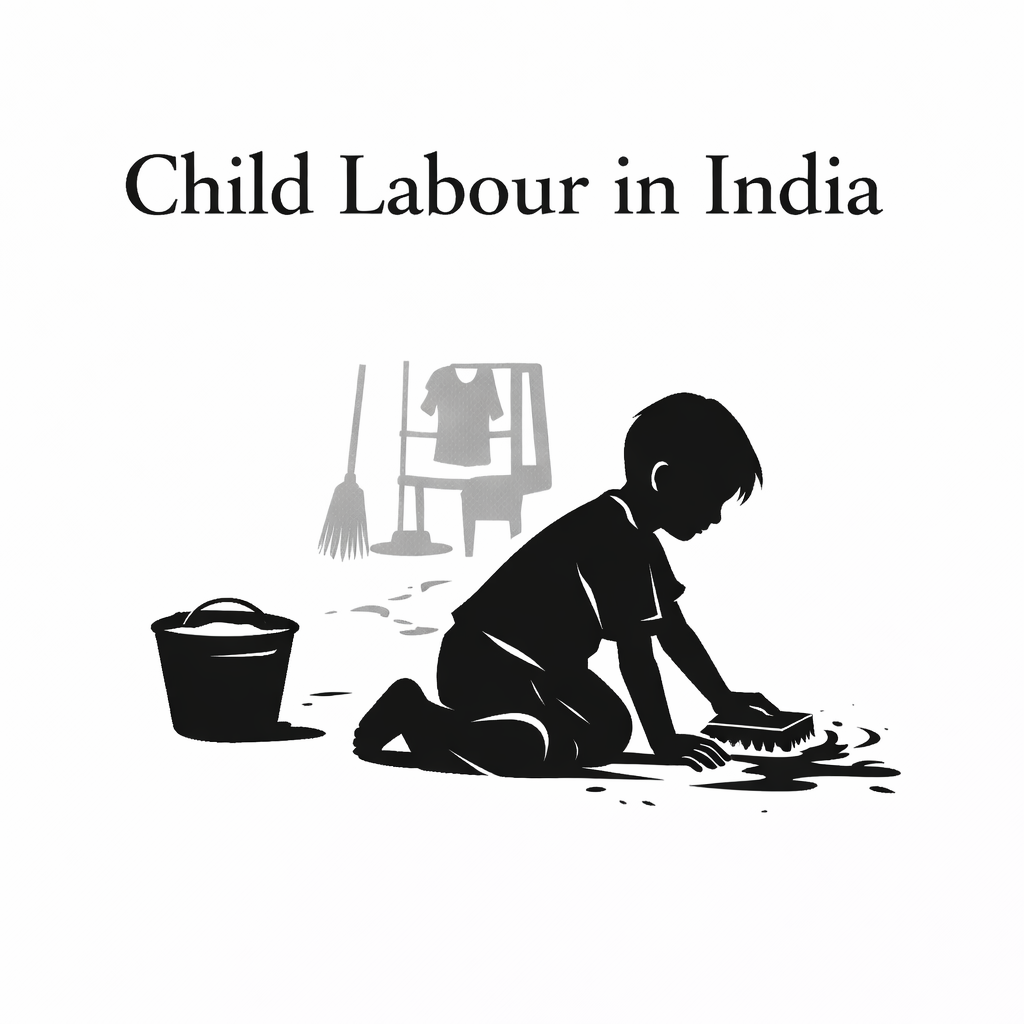
Child labour effects are long-term and often irreversible.
Children who work early:
This reinforces cycles of poverty.
The absence of education limits opportunity, making it harder to break free from the same conditions that caused child labour.
What Is Being Done to End Child Labour in India?
India has taken multiple steps through policy and programmes.
Government Schemes and the PENCIL Portal
The Government of India launched the PENCIL portal (Platform for Effective Enforcement for No Child Labour) to:
- Track child labour complaints
- Ensure enforcement of laws
- Facilitate rehabilitation of child labourers
Other initiatives include:
- National Child Labour Project (NCLP)
- Right to Education Act India, ensuring free education for children 6–14
These systems aim to combine prevention with rehabilitation.
How Education Breaks the Cycle of Child Labour
Education is the most sustainable solution.
When children are in school:
- They are less likely to enter labour
- Families begin to see long-term value
- Communities shift expectations
Access to quality education reduces vulnerability.
Studies from the World Bank show that each additional year of schooling increases future earning potential significantly.
Child education India programmes that combine schooling with nutrition and support systems are especially effective.
How Smile Foundation Works to Eliminate Child Labour
Smile Foundation works at the grassroots level to address the root causes of child labour.
Its approach focuses on:
- Ensuring access to quality education
- Supporting families through awareness and livelihood initiatives
- Bridging gaps between communities and schools
By working with children before they enter labour, the focus shifts from rescue to prevention.
If you want to support efforts that keep children in classrooms and out of labour, you can explore Smile Foundation’s education programmes.
Why This Issue Still Needs Attention in 2026
Child labour exists in small workshops, homes, farms and streets. Often hidden in plain sight.
Ending it requires:
- Stronger enforcement
- Better education systems
- Community awareness
Most importantly, it requires consistent attention.
Stopping the cycle
Understanding child labour in India means looking beyond numbers.
It means recognising the conditions that push children into work and the systems that can pull them back into education.
The solution is not immediate, but it is clear.
Keep children in school. Support families. Strengthen systems.
And where possible, contribute to organisations working on the ground.
FAQs — Child Labour in India
What is the legal definition of child labour in India?
It refers to work that harms children’s development and interferes with education, prohibited under Indian law for children below 14.
How many children are involved in child labour in India?
Over 10 million children were recorded in Census 2011, with ongoing efforts to reduce this number.
What are the main causes of child labour in India?
Poverty, lack of education access and social norms are key drivers.
Which states in India have the highest child labour rates?
Uttar Pradesh, Bihar, Rajasthan and Madhya Pradesh report higher prevalence.
What is the Child Labour Prohibition Act in India?
It restricts employment of children and regulates adolescent work in hazardous sectors.
What is the PENCIL portal and how does it help?
It is a government platform to report and track child labour cases.
How does poverty contribute to child labour?
Families rely on children’s income when financial resources are limited.
What is the role of education in ending child labour?
Education provides long-term alternatives and reduces vulnerability.
How can I report child labour in India?
Through the PENCIL portal or local authorities.
How does Smile Foundation help children escape child labour?
By providing education, community support and preventive interventions.