
On April 11, India observes National Safe Motherhood Day, a moment to reflect on a simple truth: no woman should lose her life while giving life.
Over the past two decades, India has made measurable progress in reducing maternal mortality. More women are delivering in institutions, antenatal care coverage has improved and national programmes have expanded the reach of services. However, for many women, especially in underserved and aspirational districts, safe motherhood is still shaped by distance, delay and decisions made far beyond the clinic.
Safe motherhood is not a single intervention or a single moment. It is a system, one that begins long before pregnancy and continues well after childbirth.
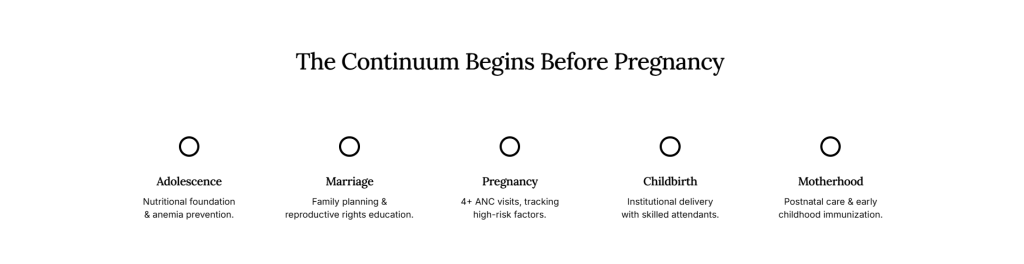
The Continuum of Care: Where Gaps Still Exist

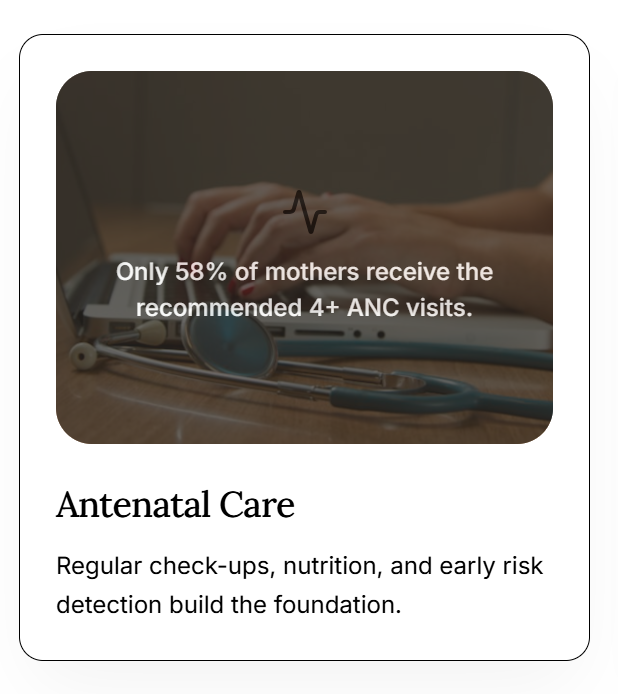
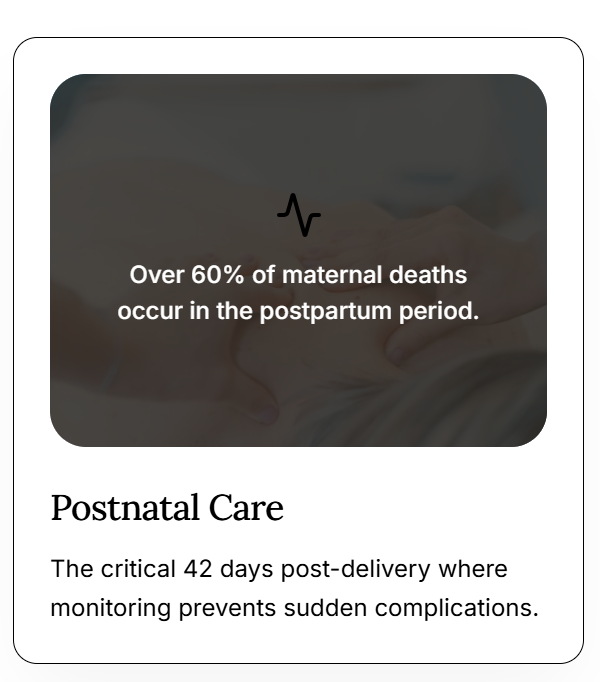
Policy frameworks often describe maternal health as a continuum: antenatal care, safe delivery and postnatal support. In practice, however, this continuum is fragile.
A woman may attend one antenatal check-up but miss follow-ups due to distance or cost. She may deliver at a facility but return home without postnatal monitoring. The first 48 hours after childbirth, often the most critical window for both mother and newborn, remain one of the least supported phases.
The challenge is not just access to services, but continuity between them.
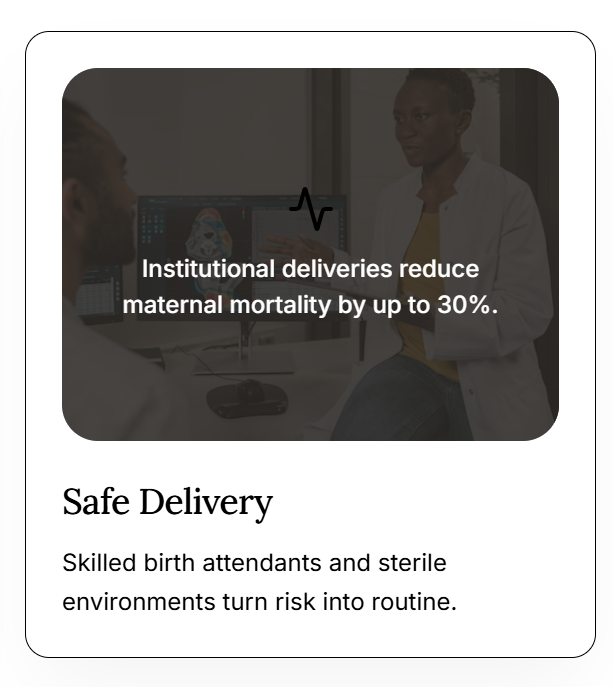
The Backbone of Last-Mile Care
In many parts of India, the face of maternal healthcare is not a hospital. It is a person.
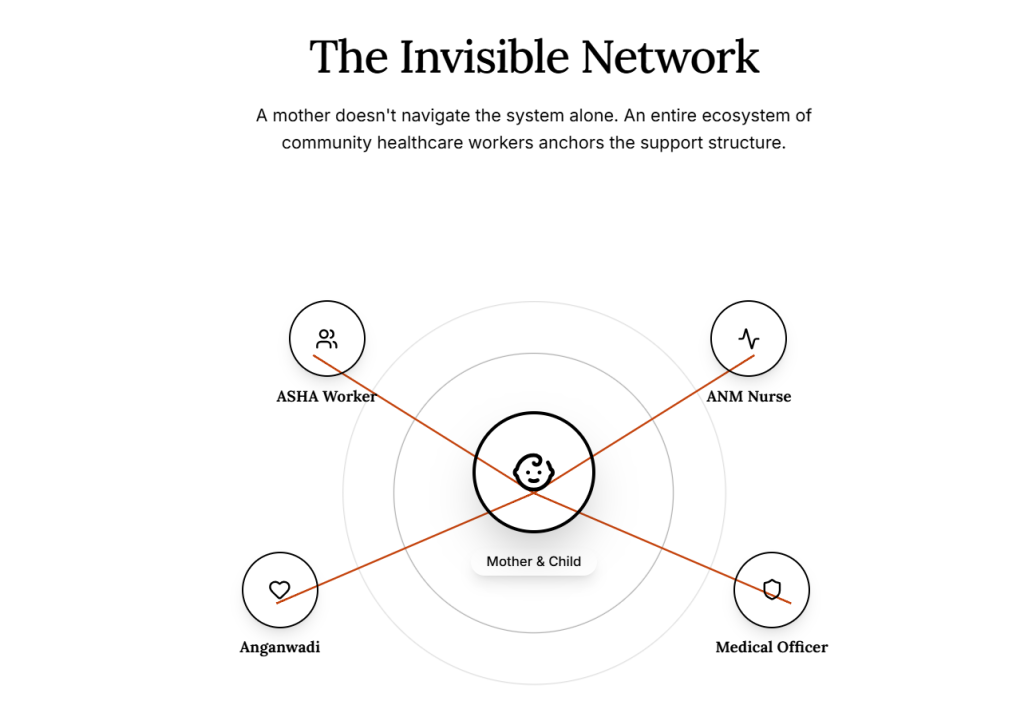
ASHA workers, ANMs and Anganwadi workers form the backbone of last-mile delivery. They identify pregnancies, counsel families, track high-risk cases and often accompany women to health facilities. Their work bridges the gap between public health systems and communities that may otherwise remain excluded.
And yet, their role is frequently under-recognised and under-resourced.
Strengthening safe motherhood outcomes means investing in these workers not just as implementers, but as decision-makers and leaders within community health systems.
When Distance Becomes Risk
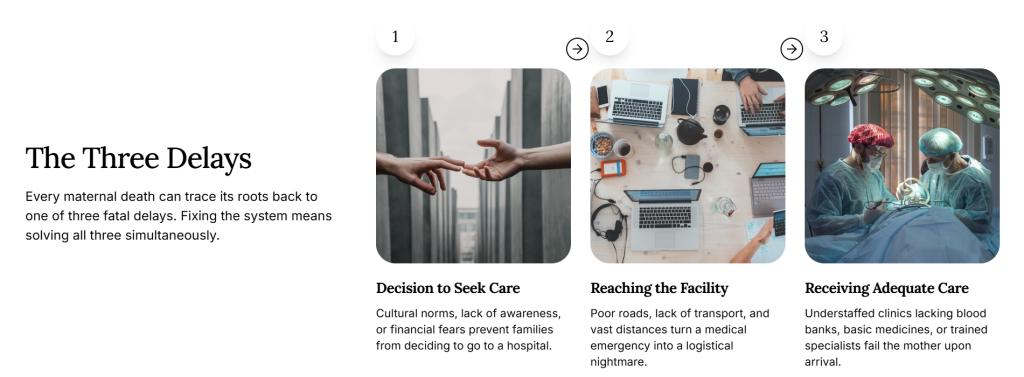
One of the most preventable causes of maternal deaths is delay.
Delay in recognising complications, deciding to seek care and reaching a facility.
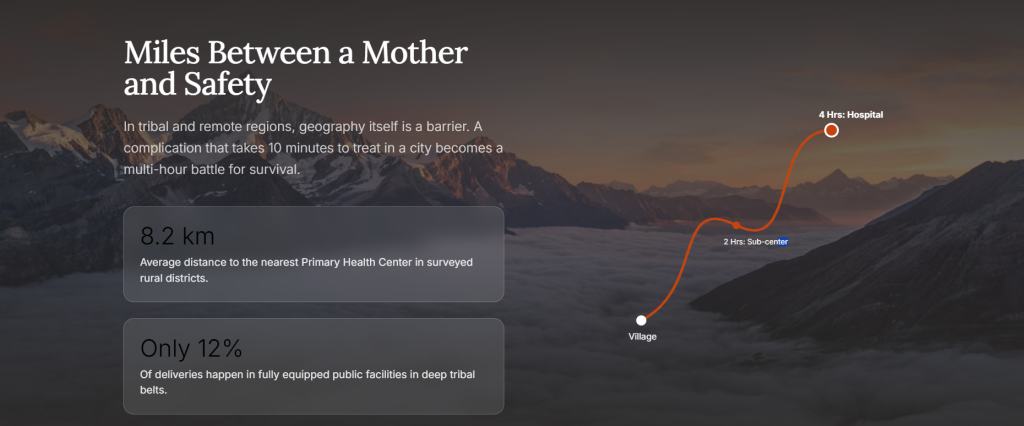
For women in remote geographies, transport is not a logistical detail, it is a matter of survival. The availability of ambulances, all-weather roads and functional referral systems can determine outcomes in moments of crisis.
Safe motherhood, therefore, is as much about infrastructure as it is about healthcare.
The Decisions That Happen at Home
Maternal health outcomes are shaped long before a woman reaches a health facility.
In many households, women do not make independent decisions about their own care. Early marriage and early pregnancy increase health risks. Financial constraints and social norms often delay or prevent timely care-seeking.
This is why safe motherhood cannot be addressed through clinical interventions alone. It requires engaging families, especially men, and shifting community norms around women’s health and agency.
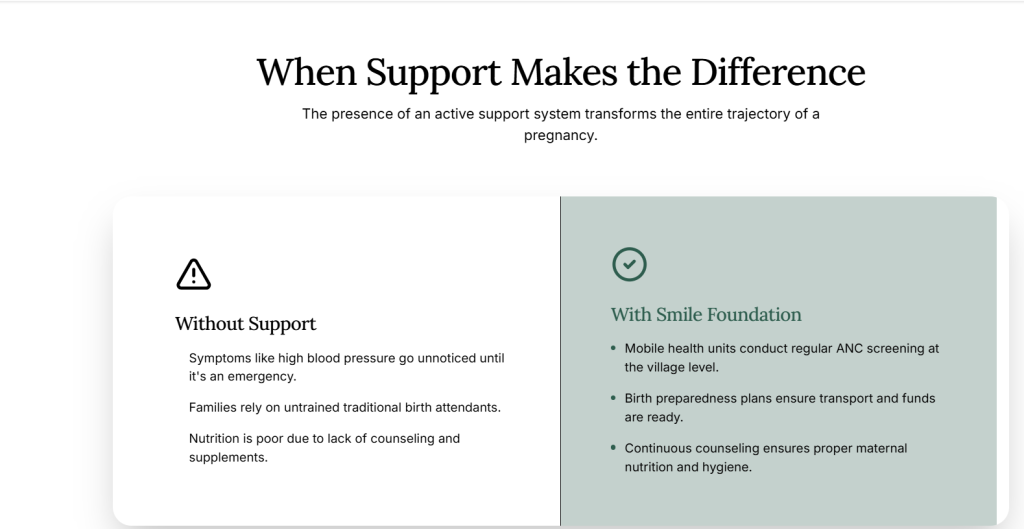
It Starts Before Pregnancy
By the time a woman becomes pregnant, many determinants of her health are already in place.
High rates of anaemia among adolescent girls, poor nutrition and limited awareness about reproductive health contribute to increased risks during pregnancy. Delaying the age of first pregnancy and improving adolescent health are among the most effective ways to improve maternal outcomes in the long term.
Safe motherhood, in this sense, begins in adolescence.
Making the Invisible Visible
Data has quietly become one of the most powerful tools in maternal health.
Digital tracking of pregnancies, identification of high-risk cases and real-time monitoring at the district level are enabling more targeted interventions. In aspirational districts, where resources are often stretched, such tools can help prioritise care where it is needed most.
But data only works when it is coupled with action at the last mile.
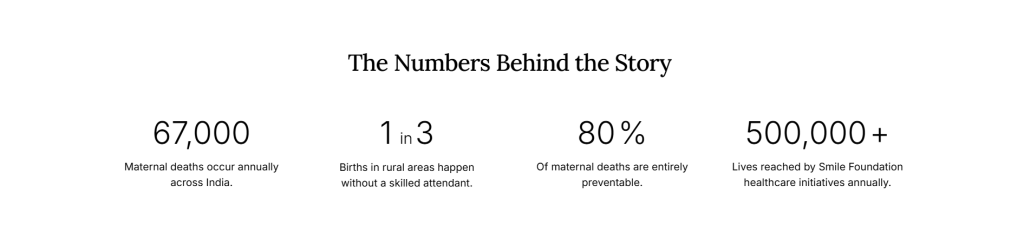
Beyond Survival: The Case for Dignity
Safe motherhood is often discussed in terms of survival rates. But survival alone is not enough.
Women deserve respectful, consent-based care during pregnancy and childbirth. Experiences of neglect, lack of privacy or poor communication can discourage future care-seeking and erode trust in the system.
Ensuring dignity in care is not an add-on. It is central to improving outcomes.
The Role of Partnerships
No single institution can address maternal health in isolation.
Government programmes provide the framework, but their effectiveness often depends on partnerships. Civil society organisations, CSR initiatives and community platforms play a critical role in extending reach, building trust and innovating at the grassroots.
Where Smile Foundation Fits In
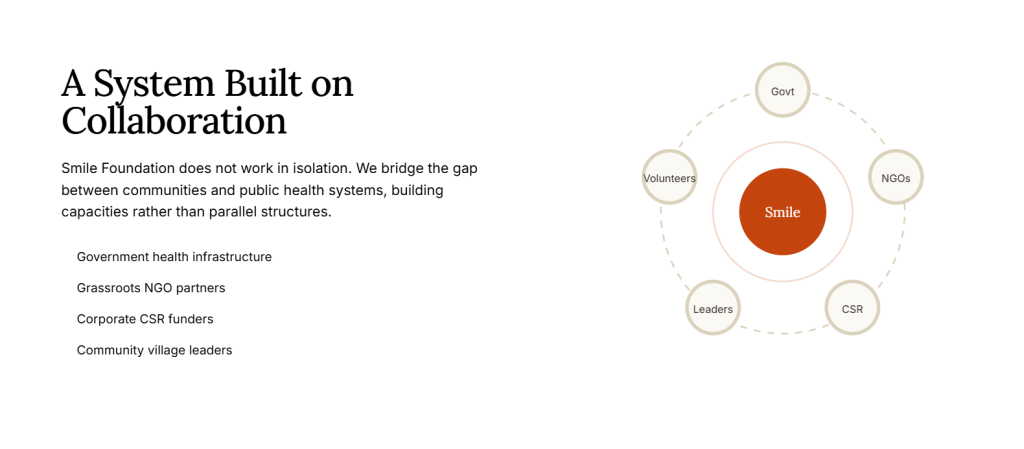
For organisations like Smile Foundation, safe motherhood is not a standalone issue. It intersects with nutrition, primary healthcare, adolescent health and community awareness.
Through initiatives like mobile healthcare delivery, community engagement and last-mile service provision, Smile Foundation works within this broader ecosystem, addressing not just the medical aspects of pregnancy, but the conditions that shape it.
Whether it is reaching underserved communities through mobile health units, supporting frontline workers or enabling awareness at the household level, the approach recognises a fundamental truth: maternal health cannot improve in isolation.
A Day That Must Lead to Action
National Safe Motherhood Day is an important reminder. But its real value lies in what it prompts us to do beyond April 11.
It asks policymakers to strengthen systems,
organisations to deepen engagement,
and communities to shift norms.
Because safe motherhood is not achieved in hospitals alone. It is built in homes, in communities, and across systems that work, or fail, together.
And until every woman, regardless of where she lives, has access to safe, respectful, and timely care, this day will remain not just relevant, but necessary.
Here are clear, human-centred FAQs tailored for your Smile Foundation blog. The tone is informative, grounded, and aligned with development-sector writing:
Frequently Asked Questions (FAQs)
1. When is National Safe Motherhood Day observed?
National Safe Motherhood Day is observed every year on April 11 in India. The day marks the birth anniversary of Kasturba Gandhi and is dedicated to raising awareness about maternal health and access to safe pregnancy and childbirth services.
2. Who started National Safe Motherhood Day in India?
National Safe Motherhood Day was initiated by the White Ribbon Alliance India in 2003. It was later officially recognised by the Government of India as a national observance focused on maternal health awareness.
3. What are the 5 pillars of safe motherhood?
Safe motherhood is often understood through five key pillars:
- Antenatal care – regular check-ups during pregnancy
- Skilled care at birth – trained professionals during delivery
- Emergency obstetric care – timely intervention in complications
- Postnatal care – support for mother and newborn after birth
- Family planning – spacing and informed reproductive choices
4. What is the theme of National Safe Motherhood Day 2026?
As of now, there is no widely announced official national theme for 2026. However, campaigns typically focus on improving maternal health outcomes through access, awareness and quality of care, especially for underserved communities.
5. What is the difference between Safe Motherhood Day and Mother’s Day?
While both centre around mothers, their purpose is very different:
- National Safe Motherhood Day focuses on health, rights and access to care during pregnancy and childbirth
- Mother’s Day is a celebratory occasion to honour mothers and motherhood
One is about systems and survival, the other about appreciation and celebration.
6. What is the role of White Ribbon Alliance in India?
The White Ribbon Alliance India works to ensure that every woman has access to safe and respectful maternal healthcare.
Its role includes:
- Advocacy for maternal health rights
- Community mobilisation and awareness
- Promoting respectful maternity care
- Influencing policy and accountability
7. How does the government support safe motherhood in India?
The Government of India runs several programmes to improve maternal health outcomes, including:
- Janani Suraksha Yojana – financial incentives for institutional deliveries
- Pradhan Mantri Surakshit Matritva Abhiyan – free antenatal check-ups on designated days
- LaQshya Programme – improving quality of care in labour rooms
These efforts aim to strengthen both access and quality of maternal healthcare services.
8. What is the maternal mortality rate in India in 2026?
As of the most recent available estimates, India’s maternal mortality ratio (MMR) stands at approximately 97 deaths per 100,000 live births (Sample Registration System data, 2018–20).
While newer consolidated national data for 2026 is not yet available, the trend shows a steady decline, reflecting improvements in healthcare access and interventions.
9. How can communities support safe motherhood?
Communities play a critical role in improving maternal health outcomes. They can:
- Encourage timely antenatal check-ups
- Support institutional deliveries
- Recognise danger signs during pregnancy
- Promote nutrition and anaemia prevention
- Involve men and families in decision-making
Safe motherhood is not only a health system issue, it is a community responsibility.
10. How does Smile Foundation support maternal health?
Smile Foundation supports maternal health through an integrated, last-mile approach:
- Delivering healthcare through mobile medical units
- Supporting antenatal and postnatal care in underserved areas
- Strengthening community awareness and engagement
- Working with frontline health workers
- Addressing nutrition, primary healthcare and access gaps
By embedding maternal health within a broader development framework, the organisation works to ensure that safe motherhood is accessible, continuous and dignified.