World Malaria Day is observed every year on April 25, reminding the world that malaria, though preventable and treatable, continues to affect millions. In 2026, the day carries renewed urgency as countries like India push toward ambitious elimination goals.
Despite progress, malaria still persists in vulnerable communities, where access to prevention, diagnosis and treatment remains uneven. Understanding the disease, and the systems around it, is key to addressing it effectively.
What Is World Malaria Day?
World Malaria Day is a global health observance that focuses on raising awareness about malaria prevention, control and elimination.
When Is World Malaria Day Observed?
It is observed every year on April 25, marking a global commitment to reduce malaria cases and deaths.
History and Origin of World Malaria Day
World Malaria Day was established by the World Health Organization in 2007, evolving from Africa Malaria Day. It reflects a broader global effort to address malaria beyond regional boundaries.
Over the years, the day has become a platform for governments, organisations and communities to share progress and strengthen action.
World Malaria Day 2026 — Theme and Global Focus
The 2026 focus continues to emphasise equity, access and innovation in malaria prevention and treatment, especially in regions where the disease remains endemic.
According to the World Health Organization World Malaria Report, progress has been significant but uneven. The challenge now lies in reaching the last mile, where cases are concentrated.
Global efforts are increasingly centred on:
- Strengthening surveillance systems
- Expanding access to treatment
- Addressing climate-linked transmission risks
- Improving community awareness
What Is Malaria — A Simple Explanation
Malaria is a life-threatening disease caused by parasites transmitted through mosquito bites.
Causes of Malaria
Malaria is caused by parasites such as Plasmodium falciparum malaria, the most severe form. These parasites enter the human bloodstream through the bite of an infected Anopheles mosquito India.
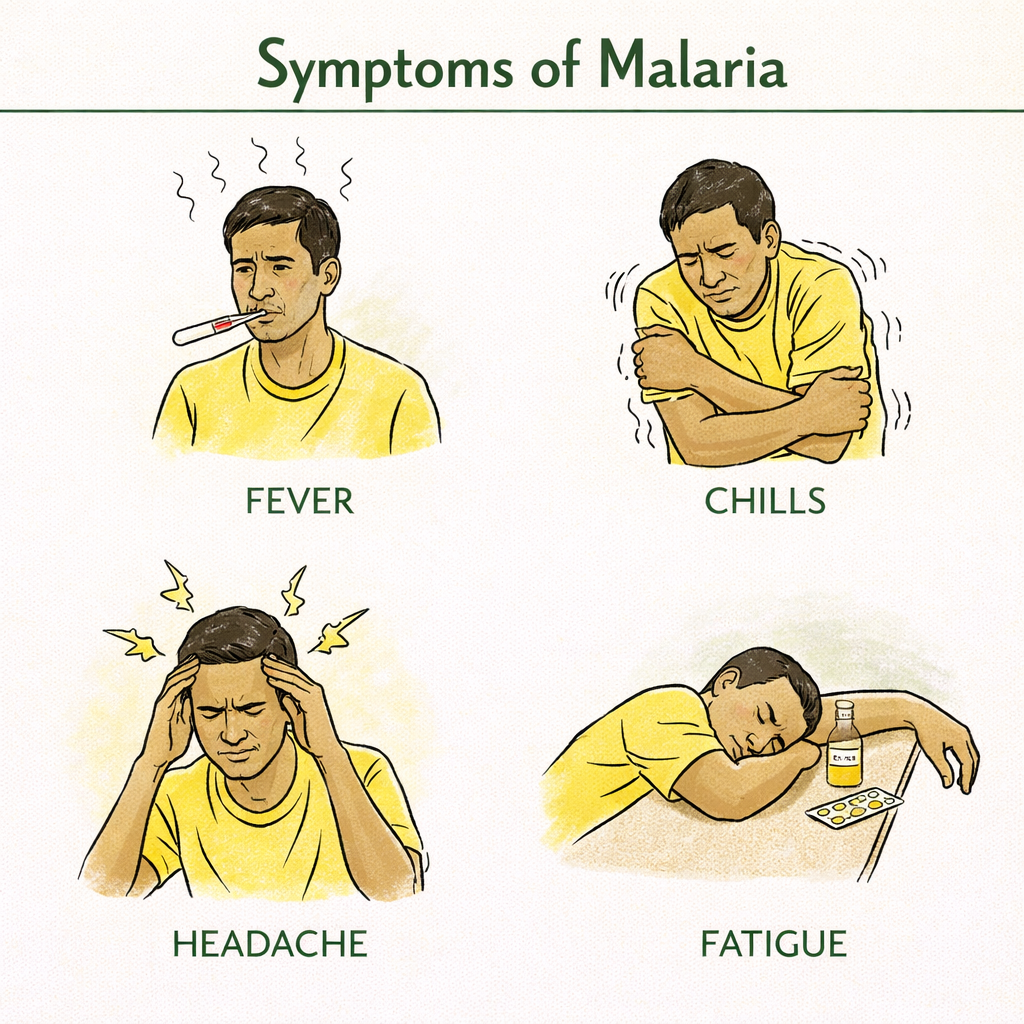
Common Symptoms of Malaria
Symptoms usually appear within 10 to 15 days of infection and may include:
- High fever and chills
- Sweating
- Headache
- Fatigue
- Nausea and vomiting
Early diagnosis is critical, especially in children.
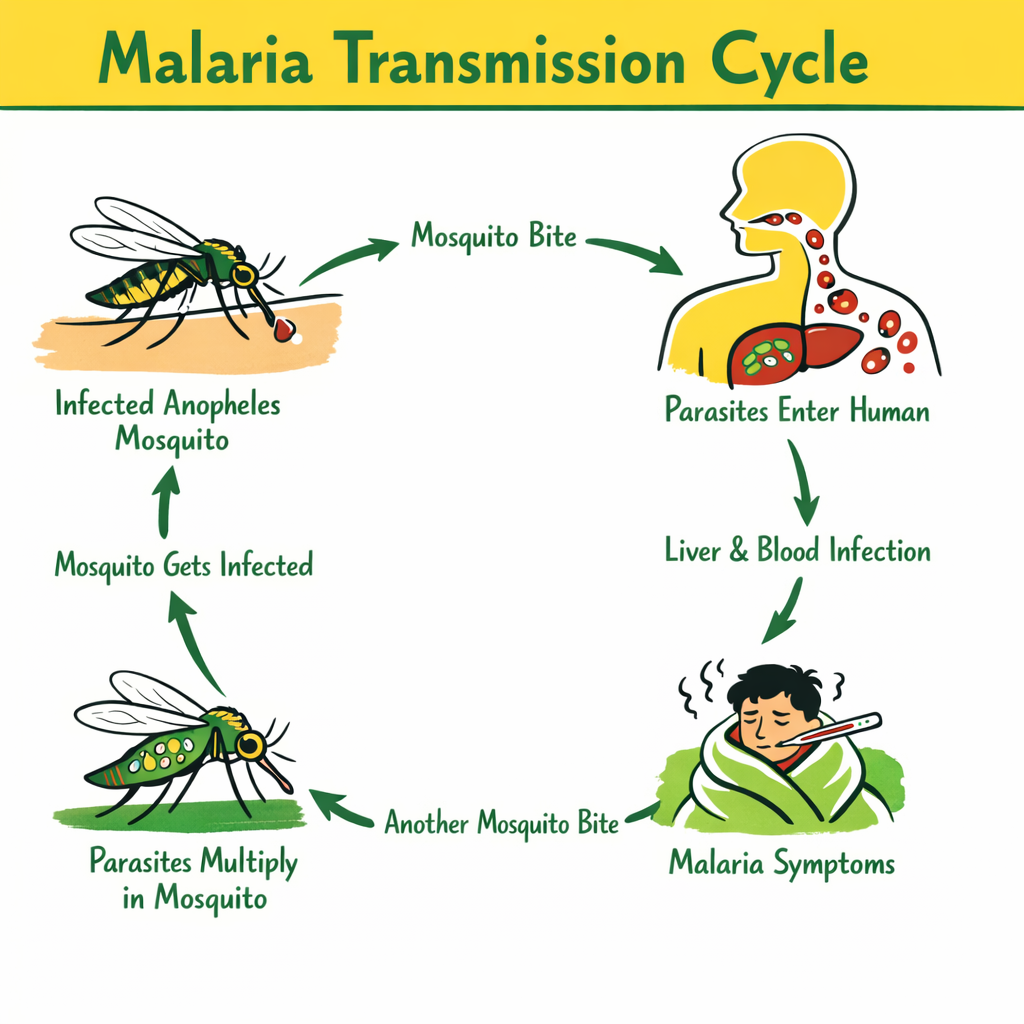
How Malaria Spreads
Malaria spreads through the bite of infected female Anopheles mosquitoes.
Transmission is influenced by:
- Climate and rainfall
- Water stagnation
- Poor sanitation
- Lack of preventive measures
Malaria in India — Current Situation
India has made steady progress in reducing malaria cases, but challenges remain.
The disease is now more concentrated in specific regions and populations, making elimination more complex.
States Most Affected by Malaria
Malaria is largely concentrated in:
- Odisha malaria cases
- Chhattisgarh
- Jharkhand
- Northeastern states
These areas often have:
- Forested terrain
- Limited healthcare access
- Higher vulnerability
Impact on Children and Pregnant Women
Certain groups are more at risk:
- Children under five
- Pregnant women (malaria in pregnancy increases complications)
In these cases, malaria can lead to severe illness or even death if untreated.
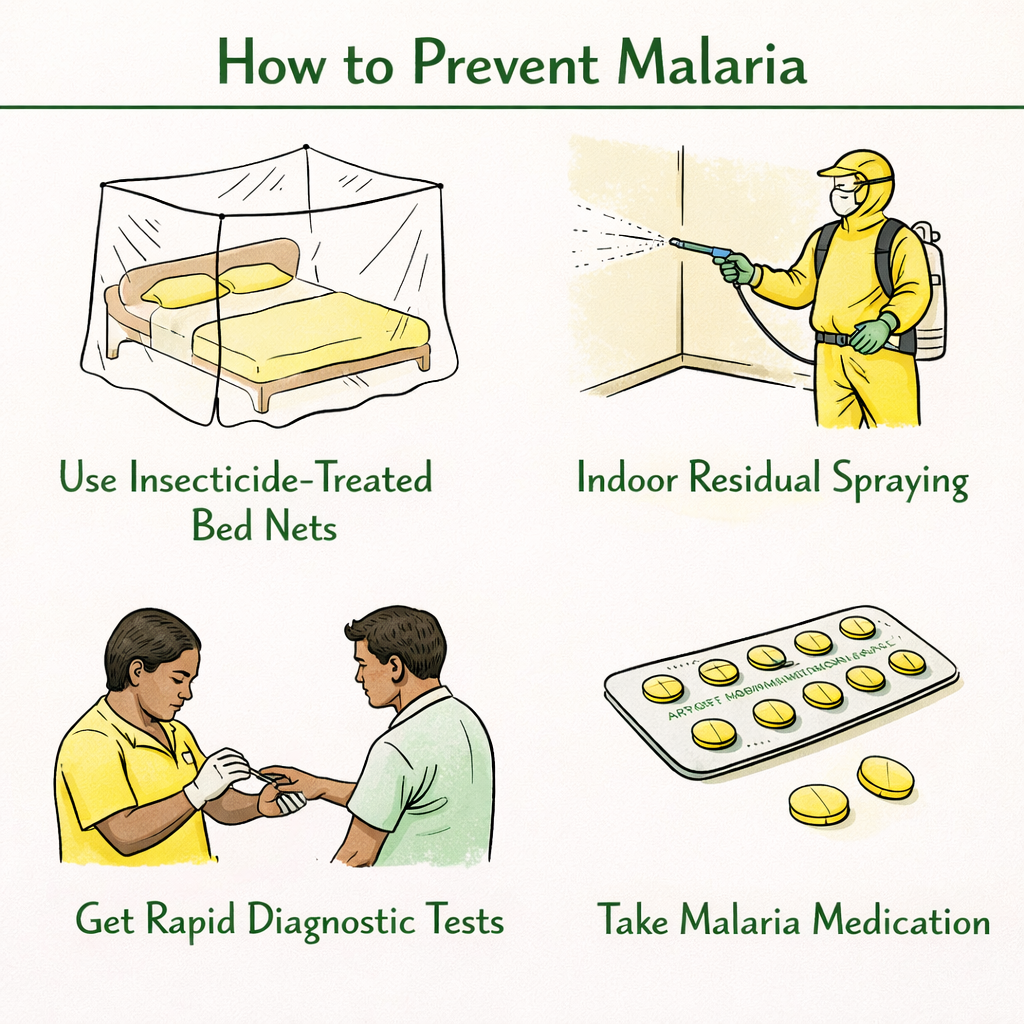
How to Prevent Malaria — Practical Tips
Preventing malaria requires consistent effort at both individual and community levels.
- Use insecticide treated bed nets while sleeping
- Ensure proper drainage to avoid water stagnation
- Use mosquito repellents
- Install screens on windows and doors
- Participate in community cleanliness drives
Public health measures such as indoor residual spraying malaria also play a key role.
Government Initiatives to Eliminate Malaria in India
India has set a target for malaria elimination India 2027, supported by national programmes.
Key initiatives include:
- NVBDCP programme (National Vector Borne Disease Control Programme)
- Distribution of bed nets in high-risk areas
- Use of malaria rapid diagnostic test kits
- Treatment with artemisinin combination therapy
- Strengthening surveillance systems
These efforts focus on both prevention and timely treatment.
How Smile Foundation Works Towards Healthier Communities
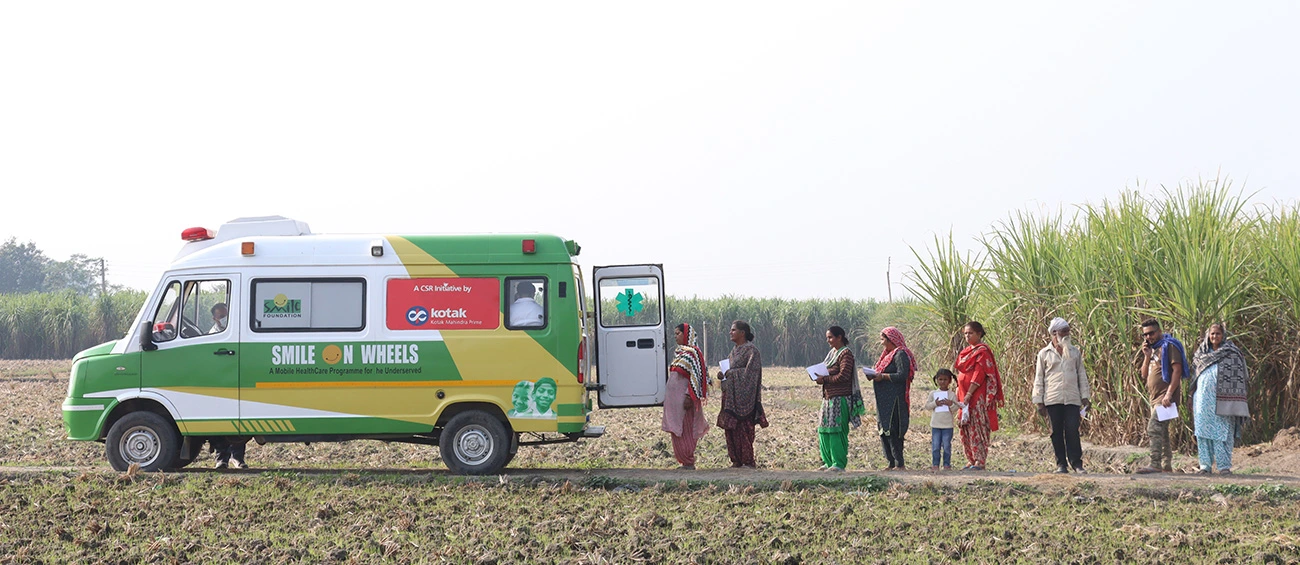
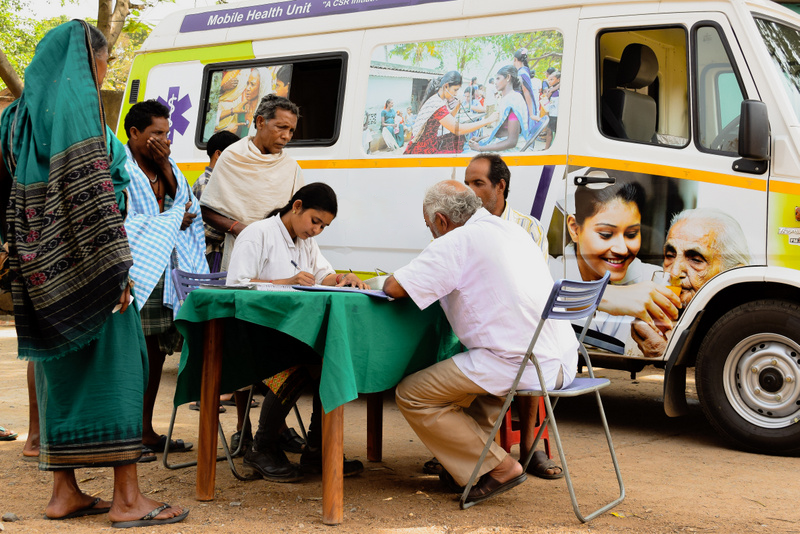
For many communities, access to healthcare remains a challenge.
Smile Foundation works at the grassroots to address this gap through:
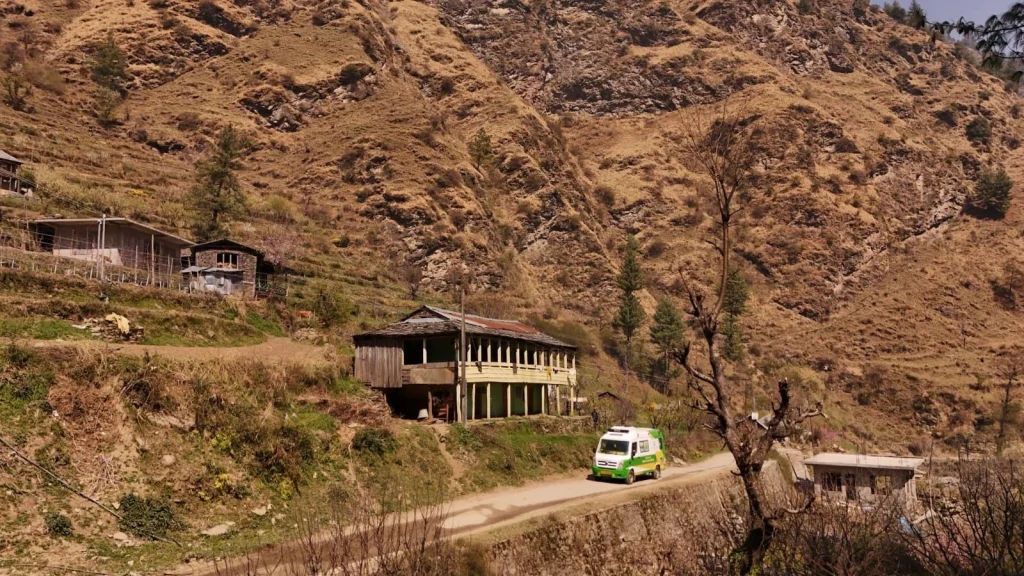
- Mobile healthcare units
- Awareness programmes on vector borne disease prevention India
- Early detection and referral support
- Community engagement initiatives
If you are looking to support meaningful health interventions, exploring Smile Foundation’s programmes can be a starting point.
Why This Day Still Matters
Even as cases decline, malaria continues to affect those who are hardest to reach.
The challenge today is not just reducing numbers, but ensuring that:
- Prevention reaches vulnerable populations
- Treatment is timely and accessible
- Awareness translates into action
This is what makes World Malaria Day relevant year after year.
FAQs — World Malaria Day
What is World Malaria Day and why is it celebrated on April 25?
It is a global awareness day observed on April 25 to highlight efforts to control and eliminate malaria.
What is the theme of World Malaria Day 2026?
The 2026 focus continues to emphasise equitable access to prevention, diagnosis and treatment.
What causes malaria and how does it spread?
Malaria is caused by parasites transmitted through infected mosquito bites.
What are the early symptoms of malaria in children?
Fever, chills, vomiting and fatigue are common early signs.
Which states in India have the highest malaria cases?
Odisha, Chhattisgarh, Jharkhand and north-eastern states report higher cases.
How can malaria be prevented at home and in communities?
Using bed nets, avoiding stagnant water and maintaining hygiene are key steps.
Is malaria curable? What is the treatment?
Yes, malaria is curable with timely treatment using medicines like artemisinin-based therapies.
What is India’s goal for malaria elimination and by when?
India aims to eliminate malaria by 2027.
How does WHO track and report malaria globally?
Through reports like the World Malaria Report by the World Health Organization.
How can NGOs and communities help in malaria prevention?
By spreading awareness, supporting prevention efforts and improving access to healthcare.