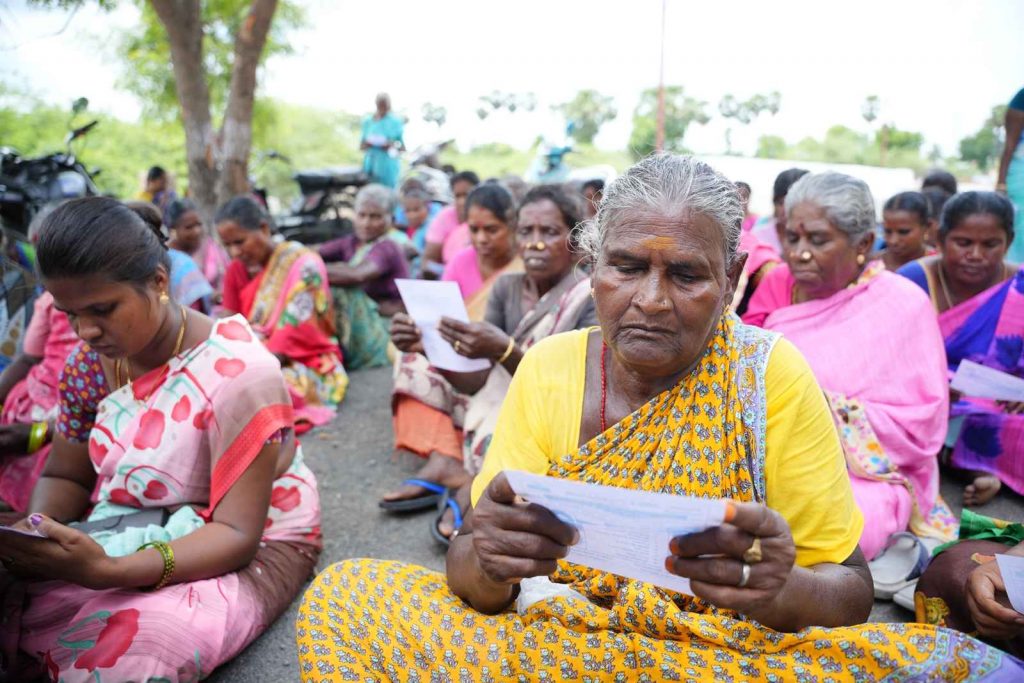
World Earth Day is a global reminder that the planet we depend on is under pressure, and that action cannot wait.
Observed every year on April 22, World Earth Day brings together governments, communities and individuals to reflect on environmental challenges and act collectively. In 2026, the urgency feels sharper. Climate change is no longer distant. It is visible in the air we breathe, the water we use and the seasons we depend on.

What Is World Earth Day?
World Earth Day is an international environment awareness day dedicated to protecting the planet and promoting sustainable practices.
It focuses on:
- Climate change awareness
- Environmental protection India efforts
- Community-driven action
It is one of the largest civic observances globally, with millions participating each year.
When Is Earth Day Celebrated?
Earth Day April 22 is observed every year across the world.
The date remains fixed and serves as a global checkpoint to reflect on environmental progress and challenges.
How World Earth Day Started — A Brief History
Earth Day history goes back to 1970.
It was first organised in the United States by Senator Gaylord Nelson, following growing concerns about pollution and environmental degradation.
Key milestones:
- 1970: First Earth Day with 20 million participants
- 1990: Global expansion to over 140 countries
- Today: Observed in more than 190 countries
What began as a movement has become a global environmental platform.
World Earth Day 2026 — Theme and Global Focus
The Earth Day 2026 theme continues to centre on climate action, sustainability and restoring ecosystems.
While themes evolve each year, the focus remains consistent:
- Reducing carbon emissions
- Promoting renewable energy India efforts
- Protecting biodiversity
Why This Year’s Theme Is Important
In 2026, environmental challenges are more interconnected than ever.
Key concerns include:
- Rising global temperatures
- Extreme weather events
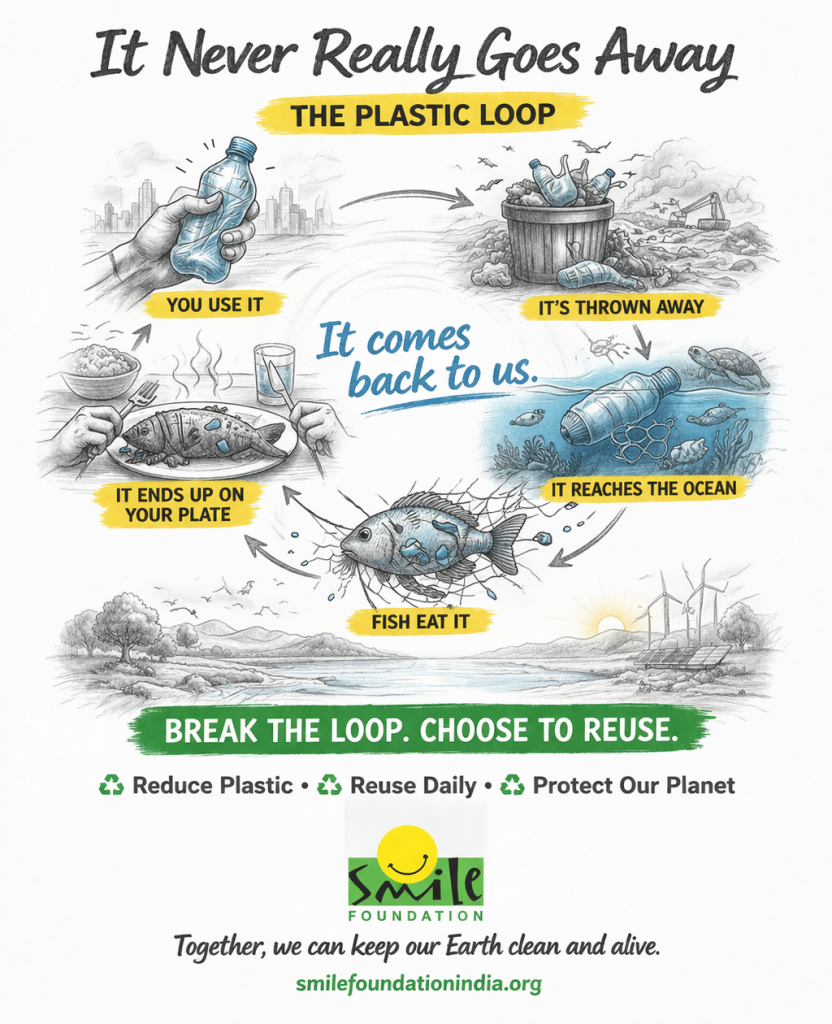
- Increasing plastic pollution India crisis
Reports from organizations like Intergovernmental Panel on Climate Change highlight that urgent action is needed to limit global warming.
This year’s focus is about accelerating solutions, not just awareness.
Environmental Challenges India Is Facing in 2026
India is one of the most climate-vulnerable countries.
Its large population and diverse geography make environmental protection both complex and critical.
Air and Water Pollution
Air pollution India remains a major public health issue.
According to global estimates:
- Several Indian cities rank among the most polluted
- Air quality impacts millions of lives
Water pollution is equally concerning:
- Rivers face contamination from industrial waste
- Access to clean drinking water remains uneven
Deforestation and Loss of Biodiversity
Deforestation India is driven by:
- Urban expansion
- Infrastructure development
- Agricultural pressure
This leads to:
- Loss of biodiversity conservation systems
- Increased human-wildlife conflict
India is home to rich ecosystems, but they require active protection.
What Is India Doing to Protect the Environment?
India has taken several steps toward environmental protection India goals.
Government Schemes and Green Initiatives
The government has introduced multiple initiatives:
- National Action Plan on Climate Change
- International Solar Alliance
- Expansion of renewable energy India capacity
- Swachh Bharat Mission for sanitation
India is also a signatory to the Paris Agreement, committing to reducing emissions intensity.
These efforts aim to balance development with sustainability.
How Communities and NGOs Are Driving Change
Beyond policy, grassroots action plays a critical role.
Across India:
- Tree plantation drive India campaigns are increasing
- Local groups promote waste segregation
- Environmental NGO India networks are raising awareness
These initiatives bring environmental action closer to everyday life.
Simple Ways You Can Celebrate Earth Day
You do not need large resources to make a difference.
Here are practical sustainable living tips:
- Reduce single-use plastic
- Conserve water at home
- Use public transport or carpool
- Plant trees or support local green initiatives
- Practice waste segregation
Even small changes contribute to carbon footprint reduction.
How Smile Foundation Promotes Environmental Awareness
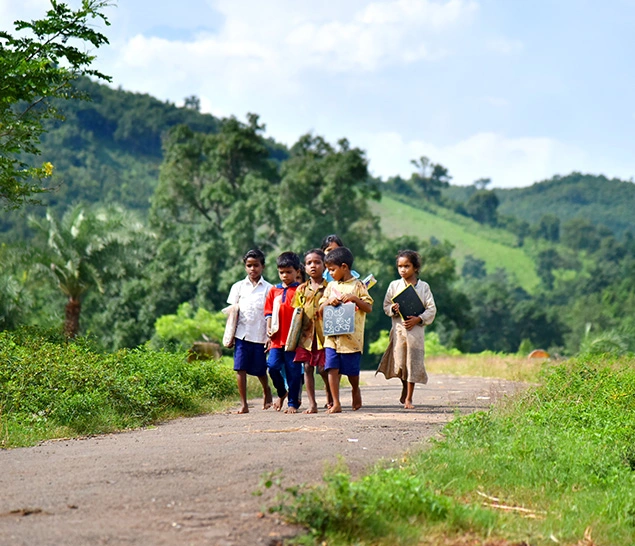
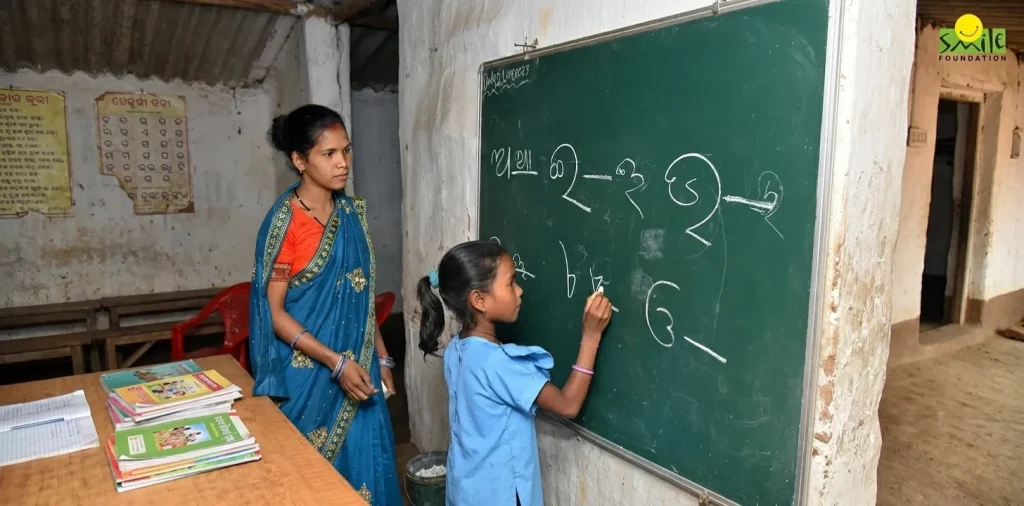
Smile Foundation integrates environmental awareness into its education and community programmes.
Their approach includes:
- Promoting hygiene and sanitation practices
- Encouraging environmental responsibility among children
- Supporting community-level awareness
By linking education with sustainability, the focus is on long-term behavioural change.
👉 You can support initiatives like these by engaging with organisations working at the grassroots level.
What the Future Demands
The conversation is shifting from awareness to accountability.
The next phase of climate action will depend on:
- Policy implementation
- Corporate responsibility
- Individual behaviour change
World Earth Day is not just a reminder. It is a call to act consistently.
Conclusion
World Earth Day brings the planet into focus for a single day. But its message extends far beyond April 22.
India is making progress through policy, innovation and community action. Yet, challenges remain.
The responsibility is shared. Governments can create frameworks. Organisations can drive programmes. But individuals also play a role.
Every decision matters. Every action adds up.
FAQs — World Earth Day
What is World Earth Day and why is it celebrated on April 22?
It is a global day to raise awareness about environmental issues and encourage action to protect the planet.
What is the theme of World Earth Day 2026?
The theme focuses on climate action, sustainability and ecosystem restoration.
Who started Earth Day and when did it begin?
It was started by Gaylord Nelson in 1970 in the United States.
What are the biggest environmental challenges India is facing?
Air pollution, water pollution, deforestation and climate change impacts.
How can individuals contribute to Earth Day?
By adopting sustainable habits like reducing waste, conserving resources and supporting green initiatives.
What is India’s role in fighting climate change?
India contributes through renewable energy expansion, policy frameworks and international commitments.
How does deforestation affect communities in India?
It impacts biodiversity, livelihoods and increases environmental risks.
What are some sustainable habits everyone can adopt?
Reducing plastic use, saving water and lowering energy consumption.
What government schemes support environmental protection in India?
Schemes include climate action plans, solar initiatives and sanitation programmes.
How does Smile Foundation promote environmental awareness?
Through education programmes and community engagement initiatives.