
On the streets of urban India, the warning signs often go unnoticed. A middle-aged security guard at a gated colony in Noida feels exhausted but shrugs it off as “long hours.” A domestic worker in Mumbai dismisses her dizzy spells as dehydration. A rickshaw driver in Patna ignores a persistent wound that refuses to heal. These are not just stories of hardship — they are symptoms of a growing health crisis sweeping silently across India’s poorest neighbourhoods: type 2 diabetes.
As we mark World Diabetes Day, the numbers are staggering. India now has more than 101 million people living with diabetes, the second-highest in the world after China. And yet, what is often missing from this conversation is the geography and inequality of this burden. The disease no longer belongs only to the affluent or elderly. It is now hitting the poor, the young and those least equipped to manage it — making it one of the most pressing yet under-recognised public health challenges in the country.
A Lifestyle Disease No Longer Limited to Lifestyle
Type 2 diabetes, once known as a “lifestyle disease,” is increasingly fuelled by urbanisation, poor nutrition and unequal access to care. As cities grow and rural populations migrate for work, food systems and daily routines shift in deeply unhealthy ways. Home-cooked meals give way to processed snacks. Long days of physical work are replaced by sedentary labour with erratic schedules. Sugary tea, cheap fried foods and white rice become staple sources of energy. And regular health check-ups remain an unaffordable luxury.
In these conditions, the body rebels — gradually, but with consequences that last a lifetime.
The latest National Family Health Survey (NFHS-5) data confirms that the prevalence of high blood sugar has increased across all socio-economic groups, including the lowest wealth quintiles. And yet awareness, treatment and control remain alarmingly low. A Lancet Global Health report recently noted that only 50% of people with diabetes in India are even aware they have the condition, and fewer than 10% achieve adequate control.
Cost of the Unseen
Diabetes is often described as a “silent” disease because its symptoms can remain unnoticed for years. But its impact is far from silent. It slowly corrodes health systems and family savings. Unchecked, it leads to complications: kidney failure, heart attacks, strokes, blindness, foot amputations. For those already struggling with precarious jobs and incomes, the costs are catastrophic — not only medically, but socially and financially.
Ironically, the places where diabetes is rising fastest — low-income urban neighbourhoods — are the least served by India’s overstretched public health infrastructure. There may be a Primary Health Centre a few kilometres away, but the wait times are long, the diagnostics limited and awareness about chronic illness low. In urban slums and peri-urban settlements, there is often no system to catch diabetes early or monitor its progression. The result is that millions fall through the cracks, diagnosed only when it’s too late.
Gendered and Generational
The burden of diabetes is also deeply gendered. Women, particularly in poor households, tend to prioritise the health of others — husbands, children, elders — above their own. Symptoms are ignored. Medical appointments are postponed. In some families, a woman’s diabetes is not even acknowledged until it affects her ability to cook or work.
There is also growing evidence that children and adolescents in urban poor families are not immune. Rising obesity and poor diet have led to a small but growing number of early-onset diabetes cases in Indian teens — many of whom have little understanding of what the condition entails or how to manage it. In the absence of school-based screening or community awareness, these numbers will likely rise.
Community-level Solutions are the Missing Link
If India’s diabetes crisis is to be tackled, the response must extend beyond hospitals and metros. It must reach the frontlines: neighbourhoods, schools, workplaces, homes. And that means equipping communities themselves to become part of the solution.
Community health workers — ASHAs, ANMs, trained volunteers — have long been central to maternal and child health in India. But in recent years, they have also been instrumental in bringing chronic disease education, blood sugar screening and follow-up support into low-resource settings. Across states, pilot programmes are showing that non-communicable diseases (NCDs) like diabetes can be addressed effectively at the grassroots — if the model is proactive, trusted and continuous.
This is where several NGOs and health initiatives have stepped in to fill the gap — particularly in urban poor settlements where the government’s reach remains inconsistent.
From Awareness to Action: A Grassroots Response
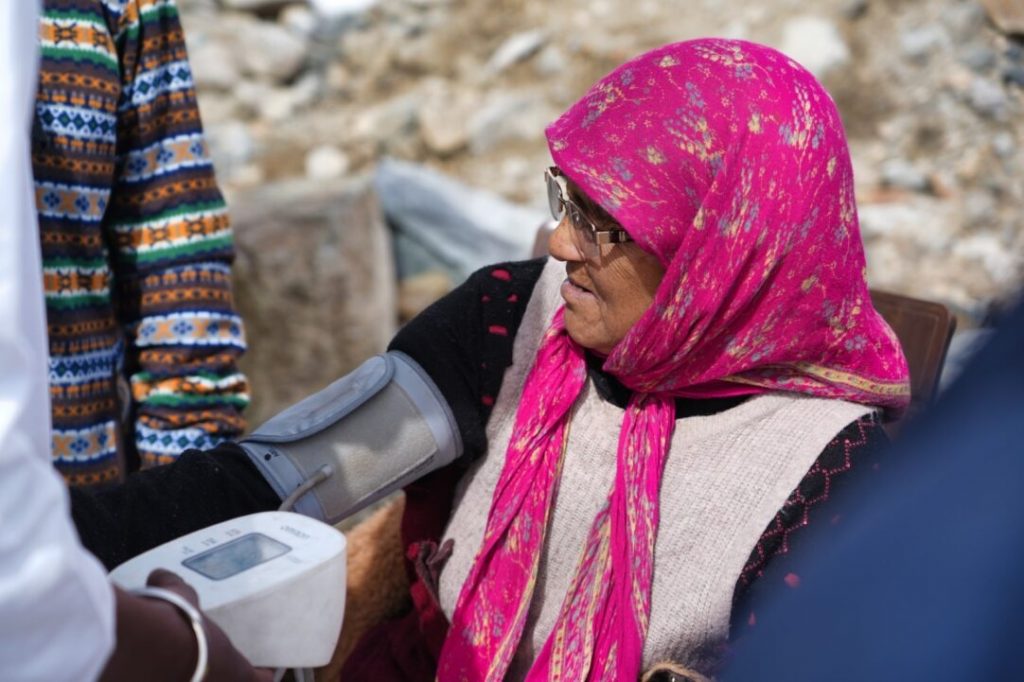
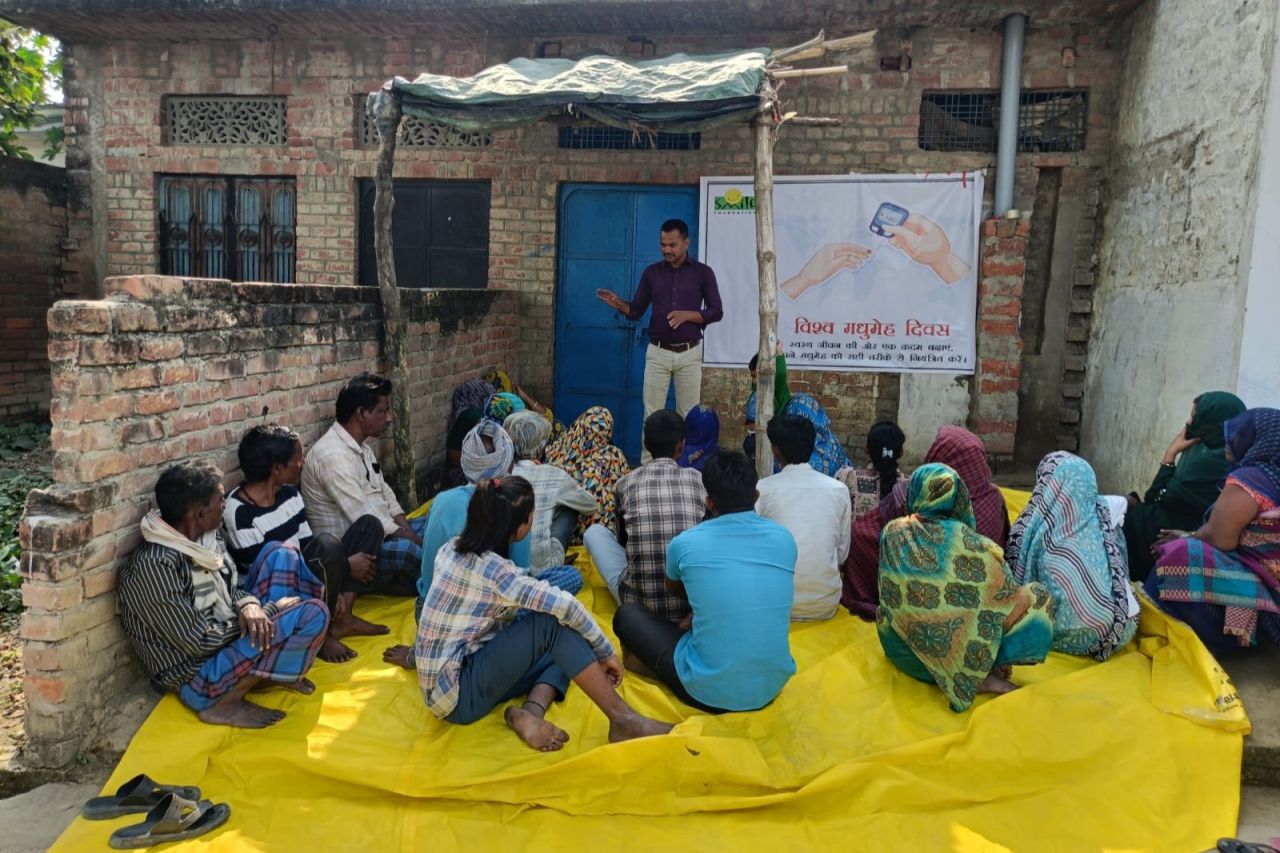
In the cluttered alleyways of East Delhi or the narrow lanes of Old Agra, teams of health educators now go door-to-door, explaining the signs of diabetes in plain language: “thirst that won’t go away,” “wounds that don’t heal,” “getting tired without reason.” In small schoolrooms and community halls, group sessions explain the role of food, exercise and regular blood sugar checks. Local women are trained as peer educators. Free screening camps identify early cases and refer them for follow-up.
In one community session in a peri-urban cluster near Gurugram, a woman in her fifties stood up after her sugar was checked and simply said: “I never knew this was a disease. I thought I was just aging.” That realisation — quiet but life-changing — is what these sessions aim to achieve.
Crucially, these efforts don’t end with diagnosis. Follow-up is the differentiator. Community health workers check in regularly, reinforce behaviour change and help patients navigate government schemes. Some programmes even provide support for basic medicines and nutritional guidance, ensuring that the first step — awareness — leads to sustained care.
How Smile Foundation is Stepping In
Over the past few years, one such effort has grown in reach and impact. Smile Foundation, known for its mobile health programmes and community development work, has made diabetes prevention and care a key part of its urban health strategy.
Through its Smile on Wheels mobile health initiative and urban outreach efforts, the Foundation is running diabetes screening and awareness sessions in underserved parts of Delhi, Agra and other cities. Their model blends health education with on-site blood sugar testing, medical counselling and free distribution of basic medicines when needed.
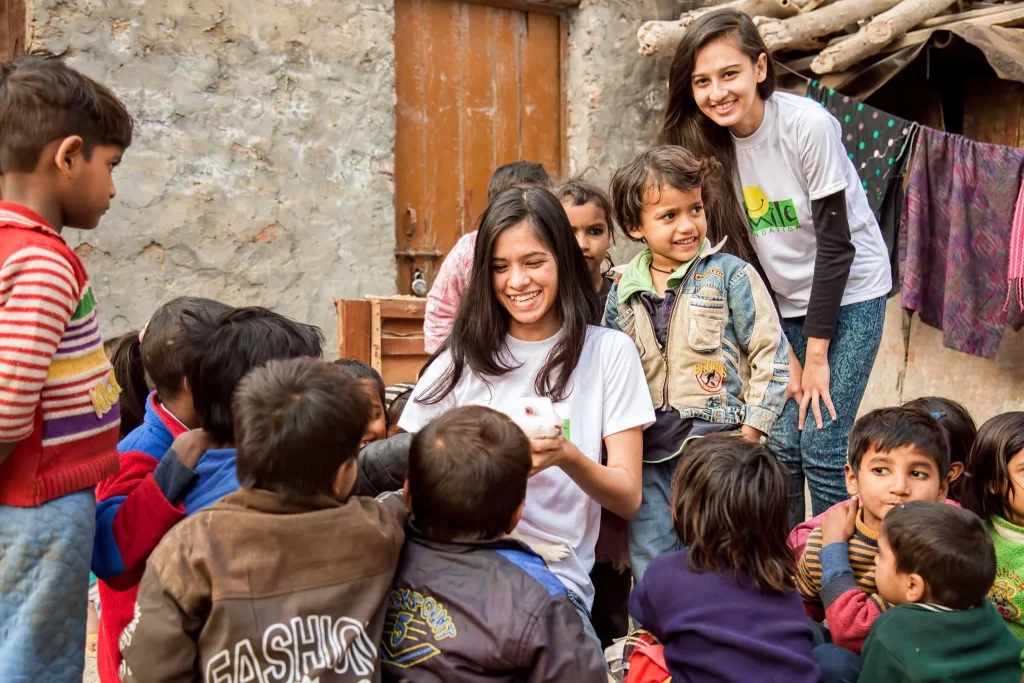
In low-income settlements where most residents have never had a preventive health check-up, Smile Foundation’s teams are often the first to explain the concept of diabetes in a relatable way. From using pictorial aids to explain dietary swaps to demonstrating how to walk daily for heart health, the approach is local, empathetic and patient.
Their community health workers — many of whom are women from the neighbourhoods themselves — also serve as long-term guides. They help families understand how to manage diabetes with limited resources: how to cook with less oil, how to reduce sugar without giving up flavour and how to keep moving even in tight spaces.
In schools, Smile Foundation’s team is beginning to work on preventive education as well, explaining the links between sugar, snacks and long-term health. As awareness rises, so too does the demand for more regular check-ups and access to medicines — a positive sign that prevention is beginning to take root.
The Way Forward
India’s National Health Mission has recognised non-communicable diseases like diabetes as a rising priority. Yet, bridging the urban poor health gap requires more than policy. It needs more mobile clinics, more community workers and stronger partnerships with NGOs and corporates who are already in the field.
As Smile Foundation’s work shows, change does not always need grand declarations. Sometimes, it begins with a health educator sitting beside a woman on a charpai, explaining that what she thought was age might be something treatable. Sometimes it’s a glucometer at a street corner that reveals what a hospital never reached. And sometimes, it’s a mobile van that brings care — and clarity — right to someone’s doorstep.
As India races toward urbanisation, we must ensure that healthcare — especially for chronic diseases like diabetes — keeps pace. Because no one should lose a foot, a livelihood or a life simply because they didn’t know what was wrong.