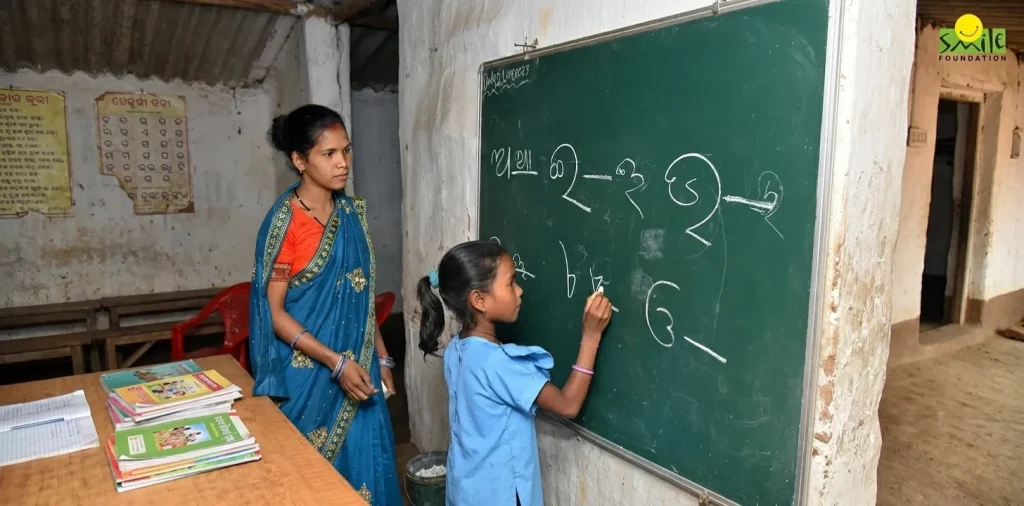
Every March 8, organisations across India mark International Women’s Day with cakes, banners, and one-hour panel discussions. By March 9, the conversation is over. The gender gap is not.
India now ranks 131st out of 148 countries on the WEF Global Gender Gap Index 2025 — two places lower than the previous year — with a gender parity score of just 64.4%. At the current global pace, full gender parity will take 123 more years. And within India’s own corporate boardrooms, women hold only 20% of board seats in the top 200 NSE-listed companies, with a mere 9% serving as board chairs (Russell Reynolds Associates, 2025).
Women’s Day employee engagement activities — when designed with intention — can change that. Not through symbolism, but through direct, measurable connection between your workforce and women who need structural support the most.
This guide outlines how corporates can use International Women’s Day 2026 to create employee engagement experiences that go beyond the office — reaching women beneficiaries of Smile Foundation’s Swabhiman programme, building lasting CSR impact, and contributing to workplace gender equality in a way that is visible, reportable, and real.
Why Women’s Day Corporate Engagement Matters in 2026
India’s Gender Gap: The 2025–26 Data
International Women’s Day is observed globally, but in India the scale of the gender equality challenge makes corporate participation structurally necessary. Here is where India stands as of 2025–26:
- Global Gender Gap Index 2025: India ranks 131st out of 148 countries with a parity score of 64.4% — below the global average of 68.8%. India dropped two places from 129th in 2024. Source: WEF Global Gender Gap Report 2025.
- Female Labour Force Participation (FLFPR): Rose from 23.3% in 2017–18 to 41.7% in 2023–24 (PLFS Annual Report). The Economic Survey 2025–26 calls expanding female workforce participation ‘a key driver of India’s long-term economic transformation.’
- Women on Corporate Boards: Women hold only 20% of board seats in India’s top 200 NSE-listed companies in 2025 — a dip from 21% the previous year — with just 9% serving as board chairs. Source: Russell Reynolds Associates India Board Analytics 2025.
- Women in Parliament: Women’s representation in Parliament fell from 14.7% in 2024 to 13.8% in 2025, despite the Nari Shakti Vandan Adhiniyam guaranteeing one-third reservation. Source: WEF Gender Gap Report 2025.
- Time to Full Parity: 123 years at the current global pace — the longest forecast in recent years. Source: WEF 2025.
- Barriers to Women’s Work: 31% of Indian women cite commuting as a barrier to work; care responsibilities and social norms remain the top constraints (World Bank study, cited in Economic Survey 2025–26).
These numbers do not exist outside your workplace. They exist inside the families and communities your employees come from — and they persist because structural change requires sustained, organised effort.
The Business Case for Women’s Day Employee Engagement
Corporates that move beyond internal celebrations to community-connected engagement activities gain measurable business returns:
- Organisations with above-average gender diversity are 21% more likely to outperform peers on profitability (McKinsey Diversity Wins — the foundational benchmark used across Indian and global boardrooms).
- Under SEBI’s BRSR framework, Women’s Day engagement activities conducted through registered NGOs generate reportable social capital metrics — critical for ESG investor disclosure.
- Schedule VII of the Companies Act 2013 classifies women empowerment as eligible CSR expenditure — making NGO partnership programmes financially structured and tax-effective.
- The Economic Survey 2025–26 directly states that corporate engagement in women’s skilling and workforce integration is essential to India’s growth story.
| “Women’s Day employee engagement — when structured as an NGO partnership — is not a celebration. It is a documented, auditable social impact event.” |
| ▶ Plan Your Women’s Day Employee Engagement Activity →Connect with Smile Foundation’s CSR team | smilefoundationindia.org/employee-engagement |
Swabhiman: Smile Foundation’s Women Empowerment Programme
Who Are the Swabhiman Beneficiaries?
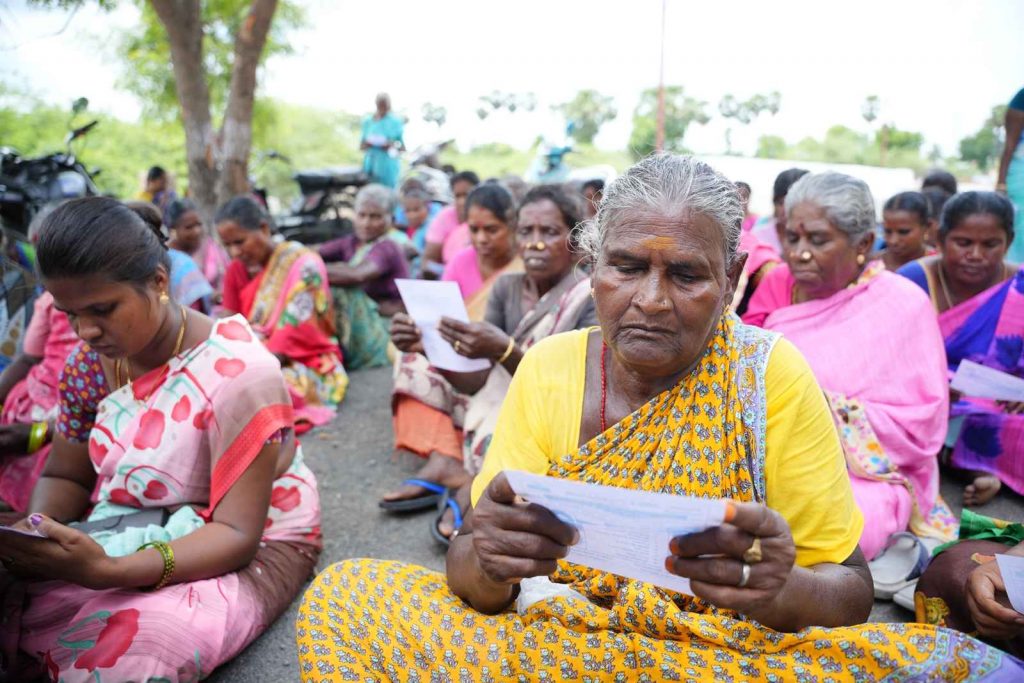
Smile Foundation’s Swabhiman is a structured women empowerment programme supporting women from marginalised communities through vocational skill training, financial literacy, health awareness, and livelihood creation.
As India’s Economic Survey 2025–26 highlights, the share of female-headed proprietary establishments rose from 24.2% to 26.2% in 2023–24 — Swabhiman directly supports this national direction by equipping women with skills, resources, and community networks to build sustainable livelihoods.
Swabhiman beneficiaries are women who have navigated economic, social, and educational barriers to access skills and livelihood pathways. When your employees engage with them directly — through workshops, panels, or collaborative activities — the exchange is not charity. It is peer connection between two groups of women navigating different versions of the same system.
This is what separates a Swabhiman engagement from a generic Women’s Day office activity: it connects corporate employees to the ground reality of gender inequality in India — and gives them a direct role in changing it.
| ▶ Support a Swabhiman Beneficiary This Women’s Day →Fund skill training, health support & livelihood | smilefoundationindia.org/donation/women-empowerment |
10 Women’s Day Employee Engagement Activities with Swabhiman
The following activities are available through Smile Foundation’s structured corporate engagement model in formats suitable for in-person, virtual, and hybrid teams of any size.
1. Interactive Skill-Building Workshops
Arrange co-facilitated workshops on entrepreneurship, financial literacy, or vocational skills for Swabhiman beneficiaries — with your employees as co-facilitators. Sessions create genuine knowledge exchange and generate authentic ESG storytelling content.
Outcome: Documented volunteer hours, skill transfer metrics, co-branded impact report.
2. Career Guidance Panels with Women Beneficiaries
Organise panels where women from your organisation share career journeys alongside Swabhiman beneficiaries. Your employees gain perspective on structural barriers; beneficiaries gain exposure to professional pathways. India’s FLFPR rise to 41.7% shows more women are entering the workforce — guidance panels accelerate that momentum.
Outcome: Mentorship hours documented, employee engagement uplift, beneficiary career awareness data.
3. Art and Craft Collaboration Sessions
Collaborate with Swabhiman beneficiaries for sessions showcasing their vocational skills. Employees participate in product creation alongside beneficiaries — making the session an experience of economic empowerment, not performance.
Outcome: Livelihood support for beneficiaries, employee wellbeing activity, organic social content.
4. Health and Wellness Camps for Beneficiary Communities
Conduct health awareness camps in partnership with Smile Foundation’s health programme — covering menstrual hygiene, nutrition, and preventive care. Employees with medical or wellness expertise can co-facilitate.
Outcome: Community health impact data, volunteer hours, Schedule VII health expenditure documentation.
5. Networking and Mentorship Events
Facilitate structured networking events where employees interact with Swabhiman beneficiaries as peers — not as ‘benefactors.’ These sessions consistently produce the strongest employee feedback scores of any engagement format.
Outcome: Long-term mentorship pairs, community integration metric, employee NPS improvement.
6. Fundraising Drives and Payroll Giving Campaigns
Organise a Women’s Day fundraising challenge for the Swabhiman programme or She Can Fly campaign. Payroll giving options allow employees to give monthly — converting a one-day drive into a sustained commitment.
Outcome: Documented CSR donation, employee participation rate, BRSR Social Capital metric.
7. Virtual Engagement Sessions for Remote and Hybrid Teams
Smile Foundation facilitates virtual sessions where Swabhiman beneficiaries share their journeys and skills via video — scalable for hundreds of employees across multiple cities simultaneously. Particularly relevant in 2026 with India’s evolving hybrid work culture.
Outcome: High employee reach, low logistical overhead, digital engagement documentation.
8. Financial Literacy Workshops
Employees with finance or banking backgrounds co-facilitate practical sessions for Swabhiman beneficiaries — covering savings, UPI, banking access, and micro-enterprise basics. The Economic Survey 2025–26 identifies financial literacy as a key driver of women’s economic participation in India.
Outcome: Beneficiary financial capability improvement, volunteer hours, BRSR Human Rights metric.
9. Employee Volunteering in Field Communities
For teams near Smile Foundation’s programme locations, structured volunteer days offer the most experiential form of engagement — digital literacy sessions, community kitchen support, and health awareness camps that generate authentic CSR content.
Outcome: Highest employee engagement score format, field impact documentation, authentic ESG storytelling.
10. Documentary Screening and Panel Discussion
Curate a Women’s Day documentary screening on women empowerment in India, followed by a moderated panel with Smile Foundation staff or Swabhiman beneficiaries — connecting your team directly to ground-level impact.
Outcome: Awareness impact, employee purpose score uplift, organic social sharing.
| ▶ Book Your Women’s Day Activity →Contact Smile Foundation’s CSR team before March 8 | smilefoundationindia.org/employee-engagement |
CSR and BRSR: How Women’s Day Engagement Becomes Reportable Impact
Women’s Day activities conducted through a registered NGO partner like Smile Foundation produce outcomes directly reportable under SEBI’s BRSR framework and qualify as Schedule VII CSR expenditure under the Companies Act 2013.
What Is Reportable Under BRSR 2026
- Employee volunteer hours contributed to Swabhiman activities
- Number of women beneficiaries reached through corporate engagement
- Skills training sessions co-facilitated by employee volunteers
- CSR funds donated to the Swabhiman or She Can Fly programmes
- Health camps or wellness activities delivered to beneficiary communities
- Mentorship hours documented between employees and beneficiaries
Smile Foundation provides co-branded impact documentation, employee engagement certificates, and CSR audit-ready reports — making your Women’s Day activity a creditable, verifiable ESG event. Under BRSR, these activities generate metrics under Social Capital, Human Rights, and Employee Well-being — three separate disclosure categories from one programme.
The Economic Survey 2025–26 explicitly identifies corporate engagement in women’s skilling and financial inclusion as a national priority. CSR investment in Women’s Day programmes directly aligns with this policy direction.
How to Partner with Smile Foundation for Women’s Day
- Step 1: Contact Smile Foundation’s employee engagement team via the corporate partnership page.
- Step 2: Share your team size, location, preferred format (in-person / virtual / hybrid), and preferred date.
- Step 3: Smile Foundation proposes a structured engagement plan with activity options, logistics, and impact metrics.
- Step 4: Post-engagement: receive a co-branded impact report with documented outcomes for BRSR disclosure.
For Women’s Day 2026 engagement enquiries, visit smilefoundationindia.org/employee-engagement or contact the corporate team directly.
Frequently Asked Questions
What are the best Women’s Day employee engagement activities in India?
The most impactful Women’s Day employee engagement activities connect corporate employees directly with women beneficiaries through skill workshops, career panels, health camps, and fundraising drives. Partnering with a women empowerment NGO like Smile Foundation ensures activities are structured, measurable, and CSR-reportable. Activities through the Swabhiman programme are available in in-person, virtual, and hybrid formats — scalable for teams of any size.
How can corporates celebrate Women’s Day meaningfully in 2026?
Corporates can go beyond internal celebrations by partnering with women empowerment organisations to create direct, measurable impact. India’s rank of 131st on the WEF Gender Gap Index 2025 — down from 129th in 2024 — underscores the urgency of going beyond symbolic gestures. Smile Foundation’s Swabhiman programme offers structured activities including skill workshops, networking events, and fundraising campaigns — all BRSR-reportable and Schedule VII eligible.
What is Smile Foundation’s Swabhiman programme?
Swabhiman is Smile Foundation India’s women empowerment programme supporting women from marginalised communities with vocational training, financial literacy, health awareness, and livelihood creation. It operates across multiple Indian states and has reached thousands of women beneficiaries. Corporate partners can engage Swabhiman beneficiaries through structured employee engagement activities on Women’s Day and year-round.
How does a Women’s Day CSR activity qualify under BRSR reporting?
Employee volunteering hours, skill training sessions, and CSR donations made through registered NGO partners are reportable under SEBI’s BRSR framework under Social Capital and Human Rights categories. Smile Foundation provides co-branded impact documentation and audit-ready CSR reports. Activities also qualify as Schedule VII women empowerment expenditure under the Companies Act 2013.
Why should companies partner with NGOs for Women’s Day employee activities?
Partnering with an NGO converts a one-day office celebration into a documented, measurable social impact event. NGO partnerships provide structured programme access, trained facilitators, beneficiary networks, and impact reporting — things internal HR teams cannot create independently. Smile Foundation’s employee engagement model has been used by multiple corporates across India and offers formats suitable for all workforce sizes.
Conclusion
International Women’s Day is one date. But India’s rank of 131st on the WEF Gender Gap Index 2025 — and the projection that full parity is 123 years away — makes clear that symbolic gestures are insufficient.
The Economic Survey 2025–26 is explicit: expanding women’s economic participation is not merely a social objective — it is India’s most important growth lever. Female FLFPR has risen to 41.7% (PLFS 2023–24), but structural barriers in commuting, care responsibilities, and workplace inclusion persist. Corporate action, at scale, is the missing link.
Smile Foundation’s Swabhiman programme offers a structured, auditable, impact-documented way to act — on Women’s Day and beyond. Connect with our CSR team to build an engagement programme your employees will remember — and your auditors can verify.
| KEY TAKEAWAYS |
| ✔ India ranks 131st on the WEF Gender Gap Index 2025 — full parity is 123 years away at current pace |
| ✔ Female LFPR rose to 41.7% (PLFS 2023-24) but barriers in commuting, care & workplace culture persist |
| ✔ Women hold only 20% of board seats in India’s top 200 NSE companies (RRA, 2025) |
| ✔ Swabhiman by Smile Foundation connects corporate employees with women beneficiaries across India |
| ✔ 10 structured engagement formats available: workshops, panels, health camps, virtual sessions & more |
| ✔ All activities qualify as Schedule VII CSR and generate BRSR-reportable social capital metrics |
| ✔ Smile Foundation provides audit-ready impact documentation and co-branded reports for every engagement |
| ▶ Support Women’s Empowerment This March 8 →Donate | CSR Partner | Volunteer | smilefoundationindia.org |
Smile Foundation India is FCRA-registered and 80G certified. All donations are tax-deductible. Impact data drawn from Smile Foundation’s published annual reports and programme documentation.
Data Sources: WEF Gender Gap Report 2025 · Economic Survey 2025–26 · PLFS Annual Report 2023–24 · Russell Reynolds India Board Analytics 2025 · World Bank Female LFPR Data