
The Union Budget 2026–27 makes an unambiguous statement: India’s human capital strategy is being recalibrated. Education is no longer framed as an isolated social sector; it is positioned as economic infrastructure directly linked to employment, enterprise and global competitiveness.
For decades, policy discussions have oscillated between access and quality. This year’s Budget attempts something more structural. It moves beyond expanding degrees to creating employment pathways. It signals a shift from “education for education’s sake” to education as labour market alignment.
Whether this pivot succeeds will depend less on announcements and more on execution, particularly for those who remain outside formal opportunity networks.
From Institutions to Ecosystems
The Budget’s allocations and announcements reflect a strategic alignment with labour-intensive sectors such as agriculture, textiles, leather, toys and MSMEs, alongside growth sectors such as healthcare, pharmaceuticals, hospitality, and creative technologies.
The ₹10,000 crore Biopharma SHAKTI Mission, expansion of clinical trial sites and establishment of new NIPERs indicate a deliberate push toward higher-value innovation in pharmaceuticals. Simultaneously, the target to train one lakh allied health professionals and 1.5 lakh multi-skilled caregivers suggests recognition of both domestic shortages and global demand.
These measures reflect a broader understanding: skilling must move beyond generic certification toward job-role specificity.
However, India’s employment challenge has rarely been one of aspiration. It has been one of transition. The gap between schooling and employability persists, particularly for first-generation learners.
Bridging that gap requires more than sectoral expansion. It demands foundational strengthening.
The Question of Foundational Readiness
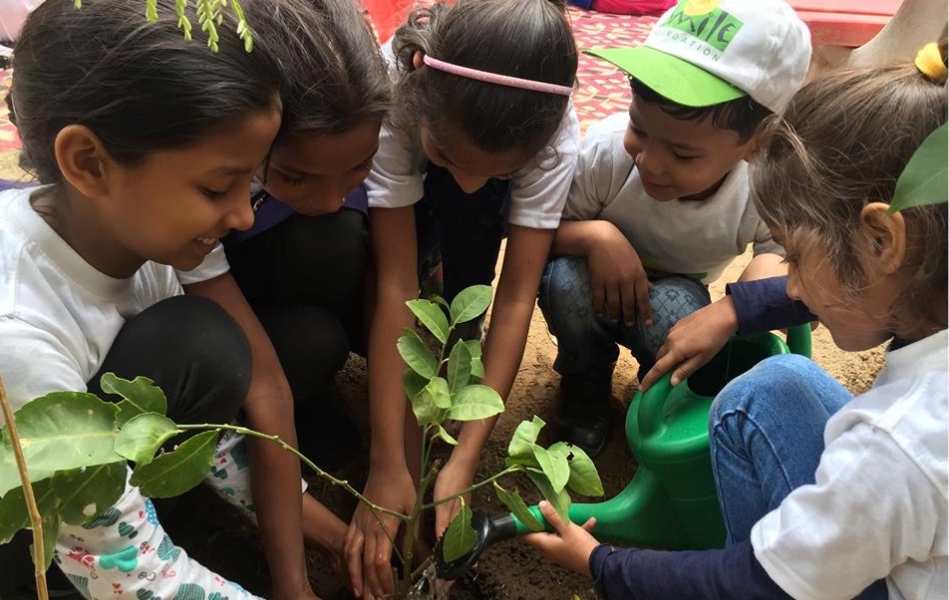
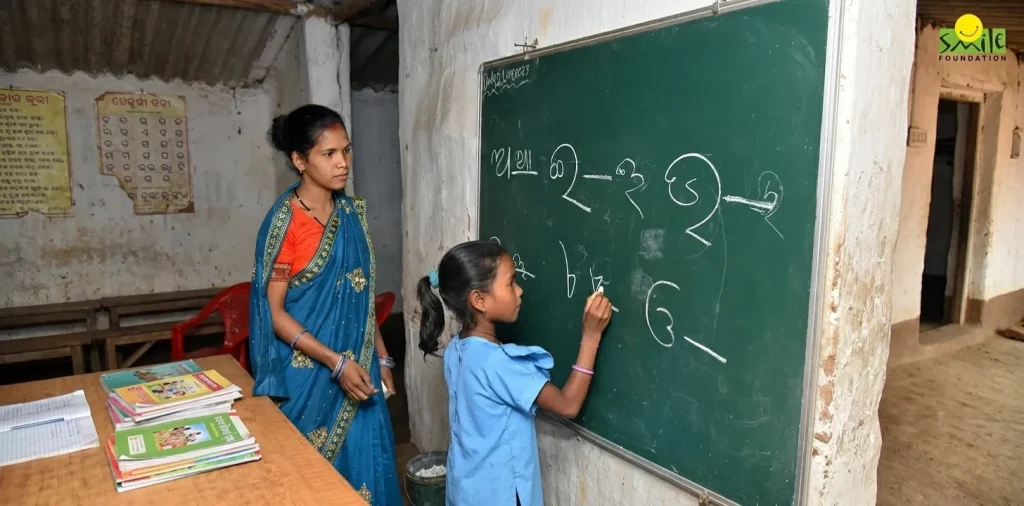
The success of industry-integrated pathways depends on the preparedness of the student base. Without strong literacy, numeracy and digital fluency, advanced skill ecosystems remain inaccessible.
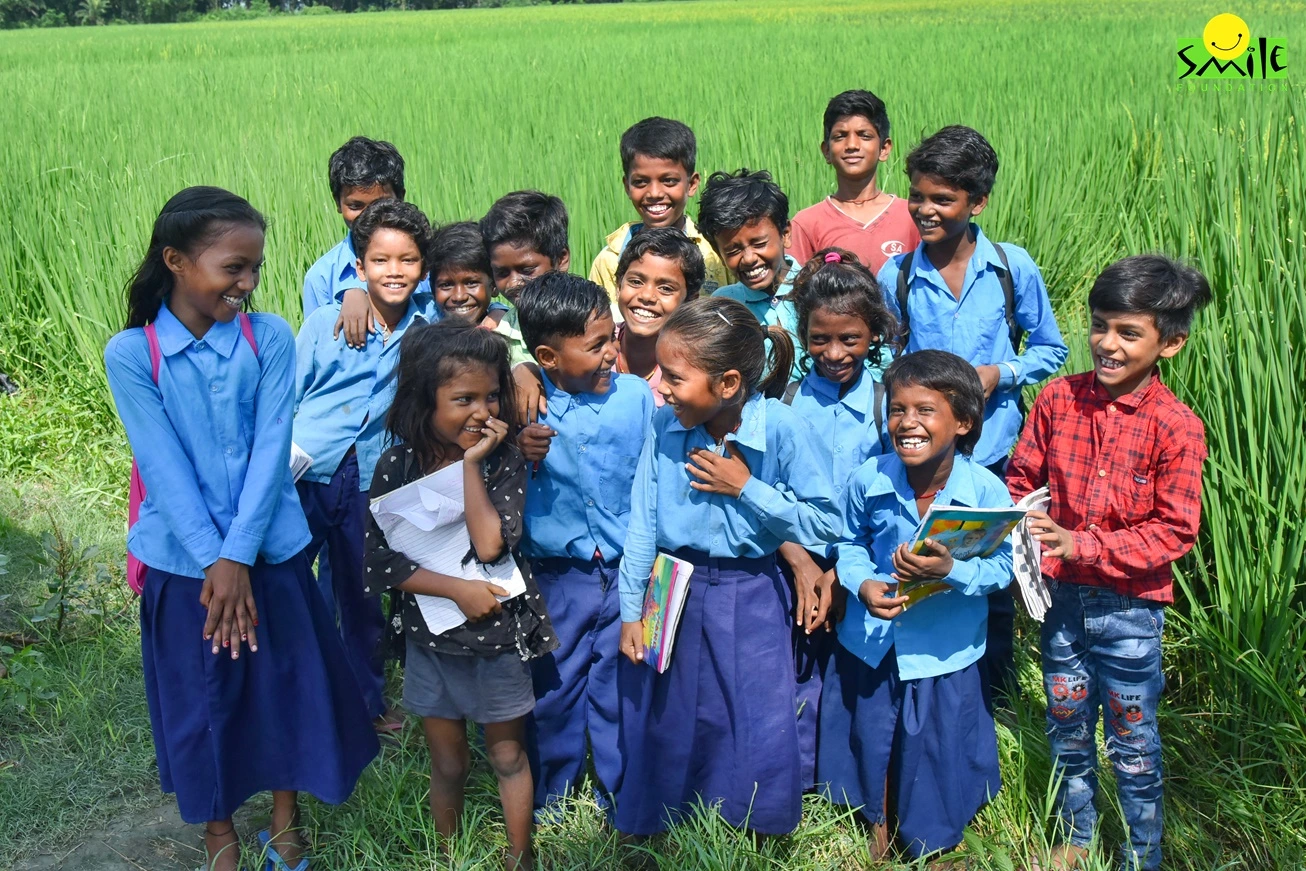
India has made measurable gains in enrolment. However, learning outcomes continue to reveal uneven readiness across regions and socio-economic groups. For students from rural or low-income urban communities, the barriers are cumulative: language gaps, limited exposure to industry environments, financial constraints and health vulnerabilities.
Budget 2026’s emphasis on AI integration and digital capability is forward-looking. But technological embedding without equity safeguards risks widening divides. Advanced sectors reward foundational competence; they do not compensate for its absence.
Healthcare as Employment Strategy
The Budget’s expansion of medical education hubs and allied health training reflects an understanding of healthcare as both a social necessity and an economic opportunity.
India’s demographic advantage can translate into a global healthcare workforce, particularly as ageing populations in developed economies increase demand for skilled caregivers and technicians.
However, such ambition must be anchored in primary health stability. Young people cannot enter or sustain employment pathways if untreated health conditions disrupt continuity. Preventive healthcare access, particularly for women and adolescent girls, becomes not only a welfare priority but a labour market enabler.
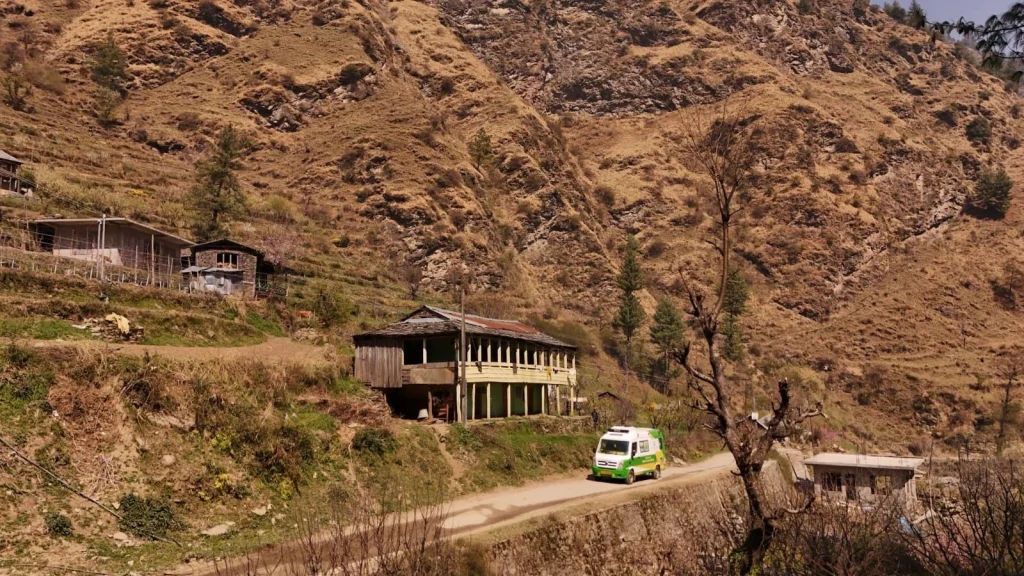
Community-based interventions including mobile healthcare units and school-linked health programmes illustrate how health and employability are intertwined at the ground level.
Creative Economies and Regional Inclusion
The establishment of institutions such as the Indian Institute of Creative Technologies and the proposed National Institute of Design in the North-East reflects an attempt to diversify opportunity beyond conventional engineering and medicine tracks.
Such initiatives acknowledge that India’s growth sectors include entertainment, digital media, design, and hospitality. Importantly, they also signal regional inclusion integrating local cultural traditions into mainstream economic pathways.
Yet regional institutions must ensure that access is not limited to those already positioned advantageously. Scholarship mechanisms, hostel infrastructure and mentoring ecosystems will determine whether inclusion is substantive or symbolic.
Women’s Workforce Participation
One of the more consequential aspects of the Budget is its targeted intervention for women’s participation. The proposal to establish girls’ hostels in every district addresses a structural barrier to STEM education: mobility and safety.
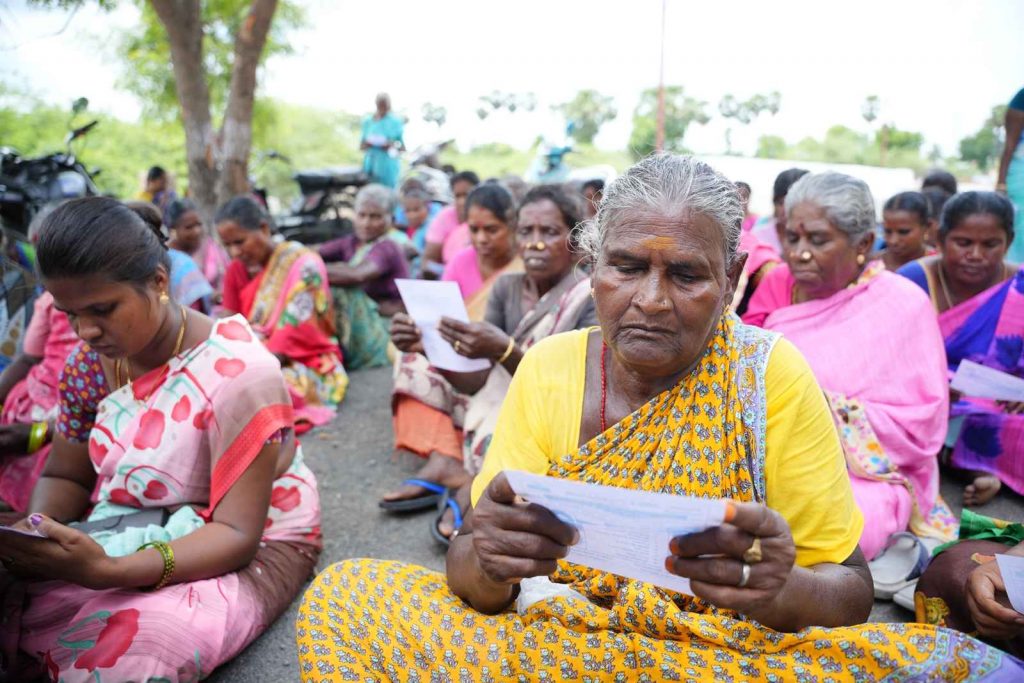
Simultaneously, mechanisms such as the SME Growth Fund, Corporate Mitra programme and SHE Marts aim to strengthen women-led enterprises and self-help groups.
India’s female labour force participation remains lower than many comparable economies. Education gains have not fully translated into economic participation. Bridging this gap requires integrated support — health access, financial literacy, capital, market linkage and safe mobility.
Policy intent is visible. The challenge will lie in convergence.
University Townships and Industry Proximity
Perhaps the most ambitious structural proposal is the creation of university townships near industrial corridors integrated Knowledge-Industrial-Economic Zones designed to foster collaboration between academia and industry.
If implemented effectively, such ecosystems could reduce curriculum obsolescence and strengthen applied learning. Students exposed to real-time production environments are more likely to transition smoothly into employment.
However, proximity does not guarantee participation. Students from disadvantaged backgrounds often require mentorship, preparatory training and social capital to navigate such spaces confidently.
Industry-academia integration must therefore be accompanied by social inclusion frameworks.
The Demographic Window
India’s demographic dividend remains both an opportunity and a constraint. The window for translating youth population into productive capital is finite.
Budget 2026 articulates a coherent framework linking education, skilling, enterprise, and employment. It reflects alignment with the philosophy of the National Education Policy 2020, particularly in embedding multidisciplinary learning, industry integration and entrepreneurship.
Yet structural reform at scale requires sustained coordination across ministries, state governments, institutions and private partners.
It also requires attention to foundational inequities.
From Allocation to Access
Policy announcements set direction. Transformation depends on access.
For communities on the margins, the path from classroom to career remains fragile. Health disruptions, financial stress and lack of mentorship frequently interrupt trajectories.
Organizations working at the community level through education support, skill development, women’s empowerment and preventive healthcare — often operate at the hinge point between policy ambition and lived reality.
The Budget’s decisive shift toward employment-linked education is welcome. But its success will be measured not by institutional expansion alone, but by whether the pathways it creates are navigable for all segments of India’s youth.
Education, framed as infrastructure, must serve inclusion as much as competitiveness.
Only then will the promise of human capital translate into equitable growth.