
In a lab tucked away in an IIT Bombay STEM workshop, a group of schoolchildren stares wide-eyed at a flight simulator. Most have never been on a plane. Yet here they are—piloting, manoeuvring, learning. They aren’t tourists in the world of science; they’re beginning to belong.
Across India’s patchwork education system, where rote learning often prevails and resources remain unevenly distributed, such moments mark a profound shift. A soldering iron replaces the chalk, a DIY hovercraft replaces the textbook diagram. This is about giving India’s most underserved children a stake in the future.
STEM for a new India: Not a buzzword, but a blueprint
The global economy is being remade by algorithms, automation, and artificial intelligence. India, with its swelling youth population, stands poised at a crossroads. It can either cultivate a generation of builders, thinkers, and innovators, or risk leaving millions behind in the digital divide.
This is where STEM education—science, technology, engineering, and mathematics—emerges as a social and economic imperative. It is not simply a response to future job markets but a tool of empowerment. For India’s most vulnerable students, it can be the lever that pries open otherwise closed doors.
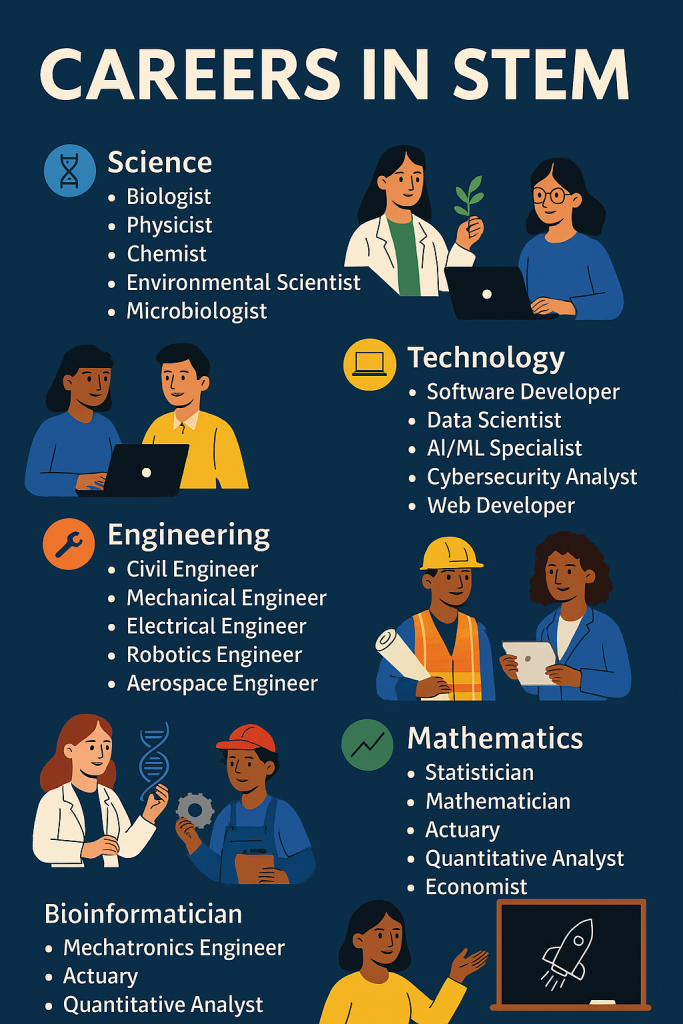
A model that matters: The IIT Bombay–Smile Foundation STEM workshops
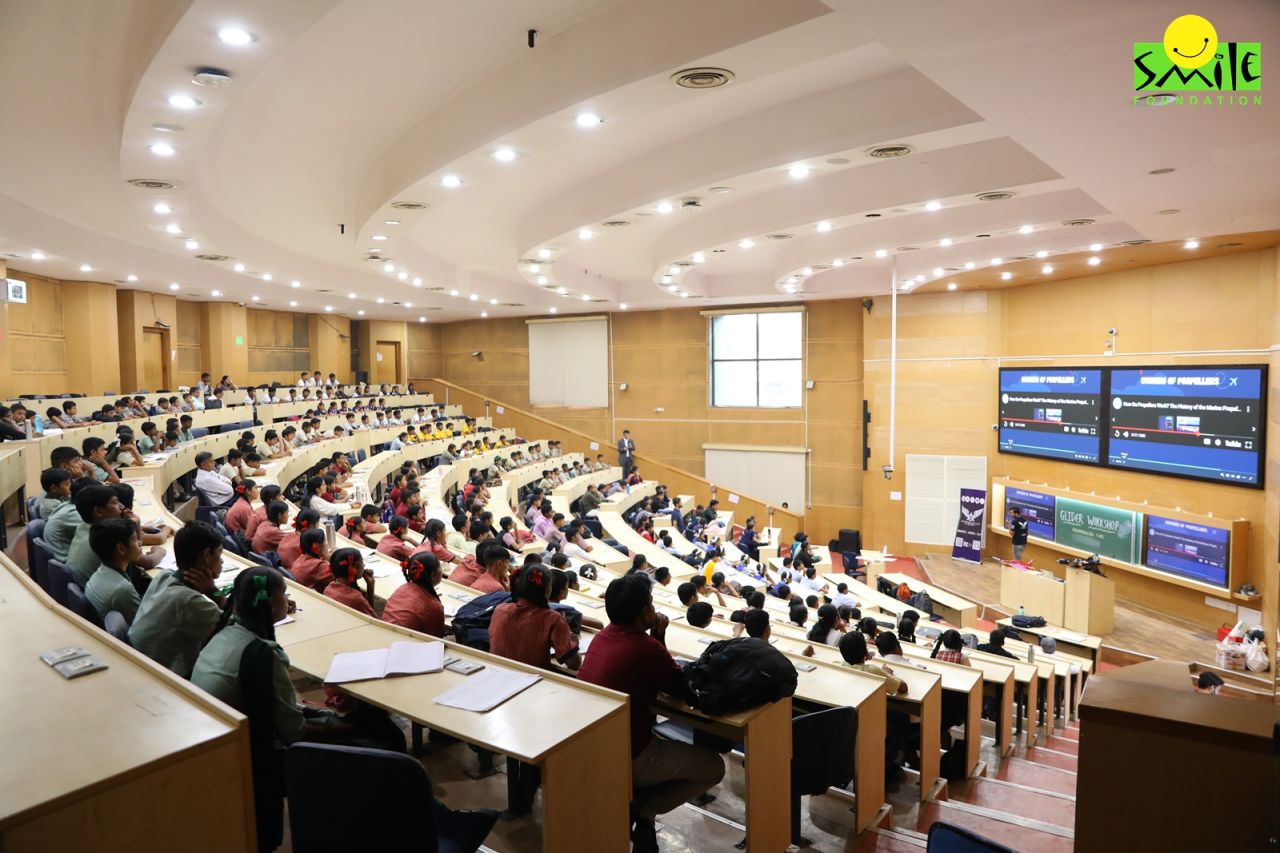
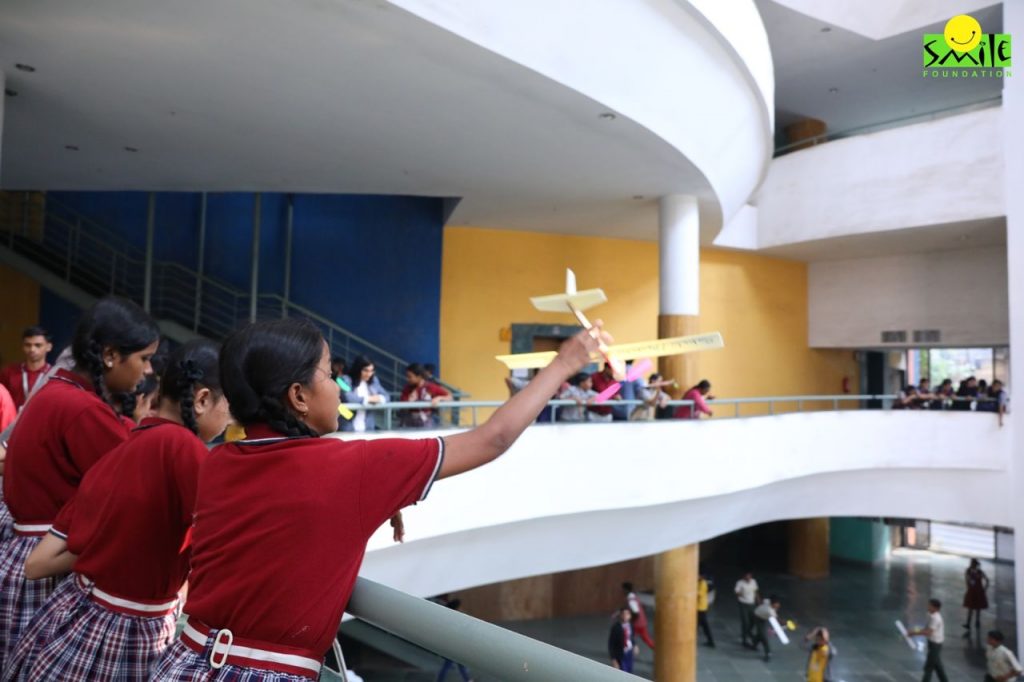
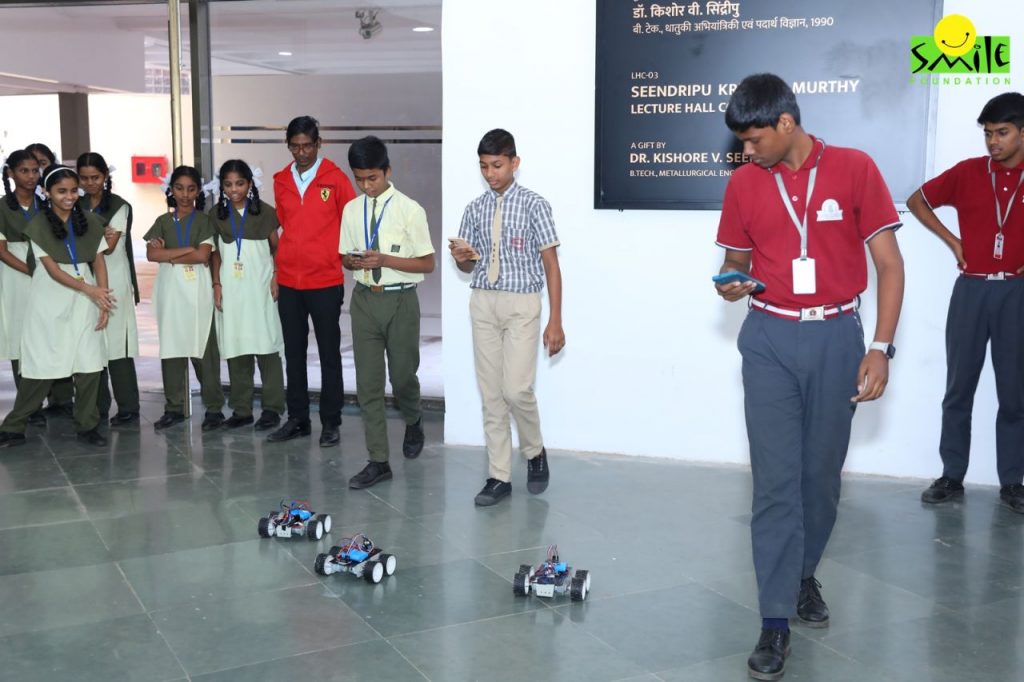
To truly understand the power of early STEM interventions, one need only look at the year-long collaboration between Smile Foundation and IIT Bombay. Over the course of 12 months, more than 1,000 students—predominantly from low-income families and under-resourced schools were introduced to the wonders of robotics, 3D printing, astronomy, and aero-modelling.
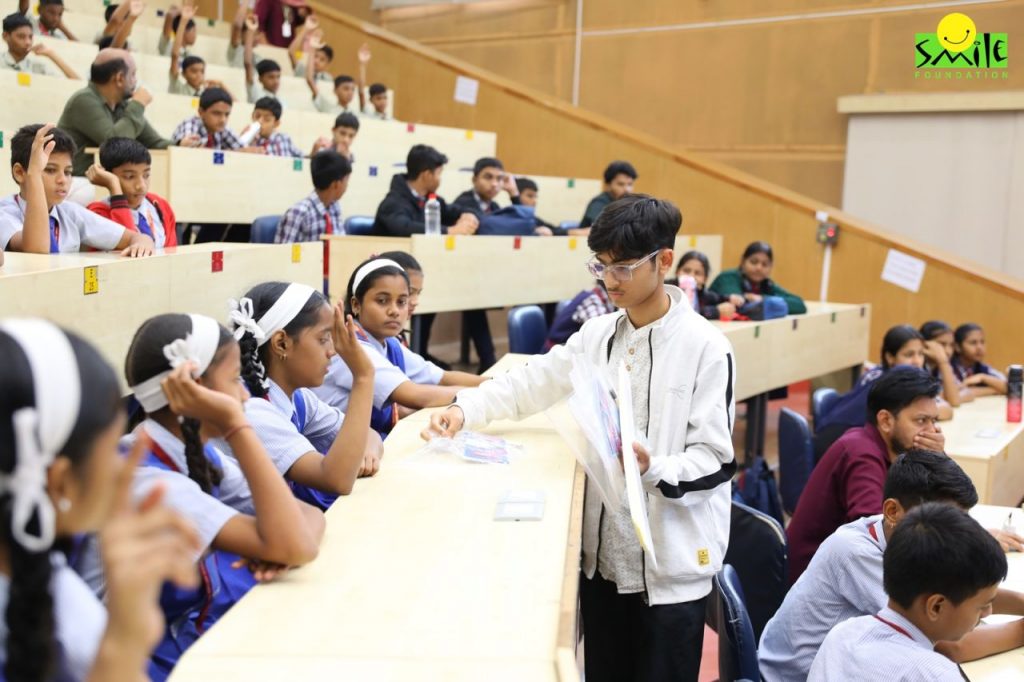
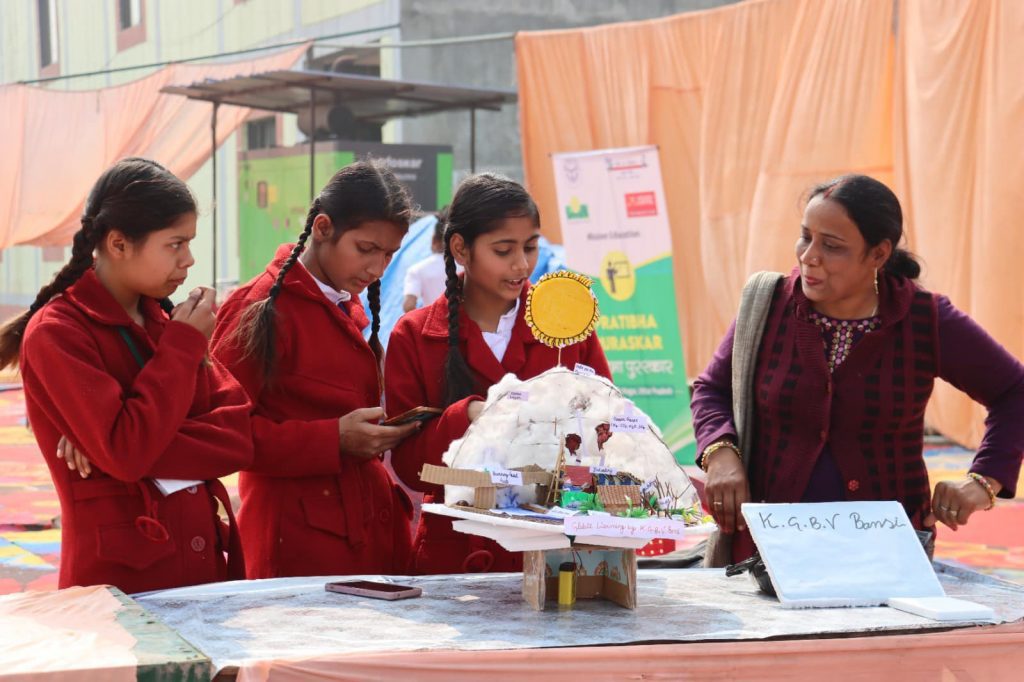
Students built hovercrafts, explored flight simulators, and experimented with basic circuitry. They didn’t just observe but created, collaborated, and questioned. The workshops, aimed at children in grades VII to X, were designed not only to introduce technical concepts but to demystify them, This was to signal that STEM isn’t just for the elite, it’s for everyone.
Importantly, the setting itself—IIT Bombay’s state-of-the-art Tinkerer’s Lab—played a psychological role. It collapsed the distance between a child’s current reality and a future previously thought unreachable. For many, it was their first brush with such infrastructure. For some, it was the first time they felt science was theirs.
Why IITs must step outside their campuses
India’s premier institutions like IITs, NITs, and IISERs are symbols of academic excellence. But they must also become instruments of educational equity. The credibility, talent pool, and research infrastructure they house can, and must, be mobilised to reach those beyond their gates.
What IIT Bombay is doing with Smile Foundation through the STEM workshops is a national service. And it’s replicable.
If every IIT adopted a district or cluster of government schools, India’s educational landscape could change in a decade. Not because of more exams or more degrees, but because of a mindset shift: where students from underserved regions see themselves not just as learners, but as inventors.
From policy to practice: Aligning with NEP 2020
India’s National Education Policy (NEP) 2020 advocates a seismic shift from rote to experiential learning, from marks to mastery. It emphasises the integration of vocational skills and computational thinking as early as Grade 6.
Initiatives like the Smile–IIT Bombay partnership through its STEM workshops operationalise this vision. They don’t just tick boxes on a curriculum reform document, they transform lives. By making learning tactile and playful, they bring policy off the page and into the classroom.
This matters because it brings India’s educational aspirations in sync with its demographic needs and economic goals. But it also does something more difficult to quantify: it builds belief.
Smile Foundation’s role and STEM workshops
Smile Foundation has long worked at the intersection of education and equity through its flagship Mission Education programme. But its recent focus on STEM-infused learning signals a shift in strategy—from access to ambition.
Its approach is multi-layered. It provides basic schooling, uniforms, and nutritional support. But it also facilitates exposure through digital literacy camps, robotics labs in government schools, and partnerships with premier research institutions. It recognises that curiosity is a currency and one that children from all backgrounds must be allowed to earn and spend.
In the partnership with IIT Bombay, Smile Foundation didn’t just play facilitator. It brought the right children, the right questions, and a philosophy that learning should be hands-on, hearts-on, and minds-on.
Learning from the learners
The true success of STEM education can’t be measured by attendance figures alone. It’s in the students who now say they want to become engineers. In the girls who code. In the child who, after building his own drone, decides to improve its design.
For many participants, this was the first time they were allowed to fail, and try again. This failure, in fact, is success. It teaches resilience, logic, and creativity.
When underserved children experience this kind of agency, the effects ripple outward. Confidence spills into other subjects. Curiosity spreads into their communities. And STEM, once an abstract acronym, becomes a part of their vocabulary, and their identity.
Building a scalable ecosystem through STEM workshops
One initiative, however powerful, is not enough. If India is to truly democratise STEM, a national ecosystem must emerge. Here’s how it might look:
- Institutional Replication: Other IITs and NITs should develop similar partnerships with local NGOs and schools, especially in Tier-2 and Tier-3 cities.
- CSR as Enabler: Companies can fund STEM labs, mobile science vans, or even virtual mentorship programmes, aligning this with their statutory CSR obligations.
- Training Teachers as Catalysts: STEM cannot flourish if confined to one-off events. Train-the-trainer models can empower schoolteachers to integrate basic tech and science modules in daily instruction.
- Digital Equity: Virtual toolkits, gamified learning apps, and regional-language STEM content must be created to reach the digitally underserved.
- Outcome Evaluation: Longitudinal studies tracking student progress, interest retention, and career aspirations will help refine interventions and validate investments.
From dreams to design
In India, access to science is often a function of zip code. The promise of STEM, however, is that it belongs to no one, and therefore, to everyone.
The IIT Bombay–Smile Foundation collaboration reminds us that with the right tools and intent, even the most marginalised child can dream in algorithms, code in Python, and ask questions that rewrite the future.
We often say that India’s strength lies in its youth. But strength without structure is wasted. If we wish to be a nation of innovators, we must first invest in the imagination of our children, especially those whom the system has long ignored.
Let us not wait for the next startup unicorn to emerge from a metro city’s elite school. Let it come from a child who once built a hovercraft in a workshop she never thought she’d attend.
That’s not just education. That’s transformation.