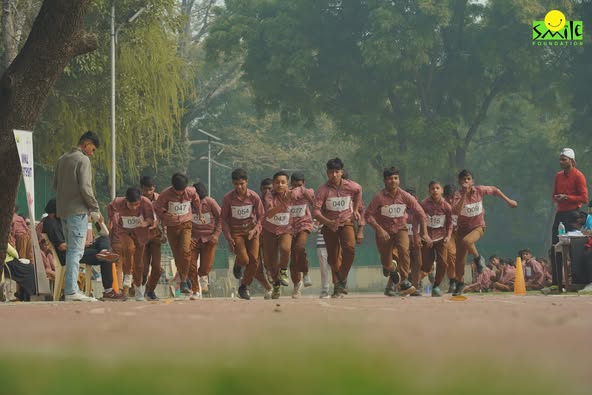

In the blistering summer of 2023, the dusty sports field of a government school in Amethi, Uttar Pradesh, lay abandoned. The goalposts were bent. The basketball nets were torn. A solitary cricket bat, broken in half, rested under a neem tree. For 14-year-old Priyanshu, who dreams of becoming the next Neeraj Chopra, the message was clear. Dreams are cheap. Sports infrastructure is not.
Yet thousands of miles away, India’s Olympic ambitions were gathering pace. The country had set its sights on hosting the 2036 Summer Games. A lofty goal, no doubt. But it begged the question. Can a country with fragile grassroots infrastructure really transform into a global sporting powerhouse?
India has never lacked talent. What it has often lacked is an ecosystem that supports it. According to a 2022 KPMG report, the country has fewer than one certified coach for every hundred athletes. Around 65 percent of schools still do not have any formal sports facilities. Despite this, young athletes across India continue to train, compete and dream. But more often than not, they do so in isolation.
There is no shortage of inspiration. From Abhinav Bindra and P V Sindhu to Mary Kom and Neeraj Chopra, India has produced champions who have risen against the odds. Yet their success stories are rare. Exceptions that prove the rule.
Benefits of building a robust sports infrastructure
Well-planned sports infrastructure is not just about medals. It levels the playing field. It ensures that a child in rural Odisha gets the same chance as one in urban Bengaluru. It makes talent visible. It makes coaching effective. It makes sports safer. More inclusive. And when it works well, it becomes invisible. The track that doesn’t crack under monsoon rains. The physio who keeps injuries at bay. The coach who spots promise where others see only potential.
India is beginning to invest in this invisible scaffolding. The Khelo India Scheme has been one such effort. Since 2018, the programme has supported over 3,000 athletes across 23 disciplines. It has helped set up more than 240 state-level academies. It is a start. But it is not yet a system.
Governments cannot do this alone. Across the world, public-private partnerships have helped unlock new models of sports infrastructure. Australia’s AIS model. The US college sports system. Even China’s state-supported academies have been bolstered by industry. In India, corporate initiatives have played a key role. The JSW Group, Reliance Foundation and Tata Trusts have supported academies, sponsored talent and built elite facilities.
The Inspire Institute of Sport in Bellary is an example. Backed by JSW, it has already begun to produce Olympians. Athletes train here under world-class coaches with access to sports science, nutrition and rehab. This is not a pipe dream. It exists. But it needs to scale.
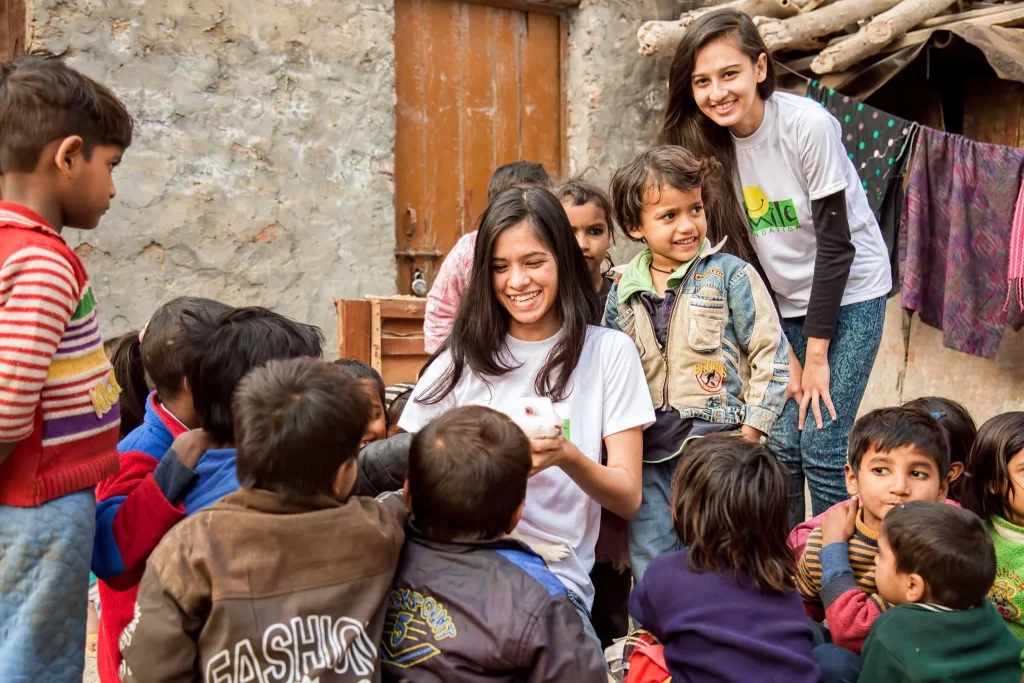
Brands have also entered the field. PUMA India, in partnership with Smile Foundation, supports over 1,600 low-resource schools across 15 states. Our Education Quality Improvement Project (EQuIP) treats sport as core to education, not an extracurricular luxury.
At Smile Foundation’s Mission Education Centre in Bengaluru, children access structured physical activity alongside schooling. For many, it is the first time they are given proper space, nutrition and guidance to play. According to Santanu Mishra, co-founder of Smile Foundation, these environments do more than build athletes. They build confidence.
But even as some centres thrive, many others stagnate. A 2024 audit by the Comptroller and Auditor General found that over 60 percent of state-funded sports facilities remain underutilised. Poor maintenance. Lack of trained staff. Bureaucratic delays. The usual culprits.
New infrastructure must avoid the mistakes of the past. India has a chance to think greener and build smarter. The Sardar Patel Sports Complex in Ahmedabad has become a case in point. Solar powered. Designed with pedestrians in mind. Equipped with waste recycling systems. The National Games Village in Gujarat has taken similar steps, from rooftop panels to rainwater harvesting. These are early signs that sustainability is entering the sports conversation.
Yet these are still exceptions. The real loss is not just monetary. It is human. When 16-year-old Kavita trains barefoot in rural Bihar. When a para-athlete in Chhattisgarh cannot access a basic gym. These are not rare stories. They are systemic symptoms.
Sustainable school infrastructure growth and international support
Without basic access, dreams wither. Sports can lift people out of poverty. Out of stigma. It can create new pathways for mobility, especially for those historically excluded. In Brazil, football academies have long served as pipelines for youth from low-resource settings. In China, Olympic scouting begins as early as primary school. India does not need to copy these models. But it does need to commit to its own.
In July 2025, the Indian government unveiled the National Sports Policy. It lays out a roadmap for building world-class facilities, improving governance and developing elite athletes. It also reaffirms India’s intention to bid for the 2036 Olympics. But is the bid a catalyst or a distraction?
Critics worry that mega events often lead to white elephants. Stadiums that gleam briefly then decay. Resources diverted from school grounds to vanity projects. Tokyo 2020 offers a counter example. More than half its venues were temporary or repurposed. Its post-Games strategy focused on grassroots initiatives.
India could learn from that. The Olympics can be a goal. But they cannot be the only one. If the Games become a reason to fix what is broken, they will have served a purpose. If not, they risk becoming yet another monument to missed opportunities.
Sports education in schools
Education must be part of the solution. Countries like Kenya and China have long understood that the classroom and playing field must go hand in hand. Yet in India, many students still complete twelve years of school without structured access to sports.
Smile Foundation is working to change that. Through EQuIP, they are embedding physical activity into everyday schooling. They are not just creating athletes. They are fostering healthier, more confident children. In a country grappling with rising obesity and youth mental health concerns, this work has never been more urgent.
India has always known how to dream big. From lunar landings to biometric systems to hosting the G20. But sports is different. It cannot be fast-tracked. It demands consistency. Humility. And long-term thinking.
If the country is serious about 2036, the real work starts now. In the fields of Amethi. In the corridors of Bellary. In the classrooms of Bengaluru. That is where India’s Olympic future will be decided. Not in the glitz of an opening ceremony, but in the quiet, everyday infrastructure that makes champions possible.