
In a rapidly advancing economy, one critical question demands attention: where do rural Indian women stand today? With nearly 48% of women still residing in rural areas, their progress remains central to the nation’s broader development. As technology and financial reforms reshape India’s economic landscape, the concern persists — are rural women advancing alongside the rest of the country, or are they being left behind?
India has made notable jump through legal reforms, government schemes, corporate collaborations and grassroots NGO efforts that aim to empower women. These initiatives have contributed to safer, more supportive environments for rural women. However, substantial challenges remain. Many rural areas continue to lack the infrastructure, resources and opportunities necessary for inclusive and equitable growth. Among the most urgent concerns are persistent health vulnerabilities and financial exclusion, both of which hinder the full participation of rural women in India’s development journey.
Her Health Vulnerabilities
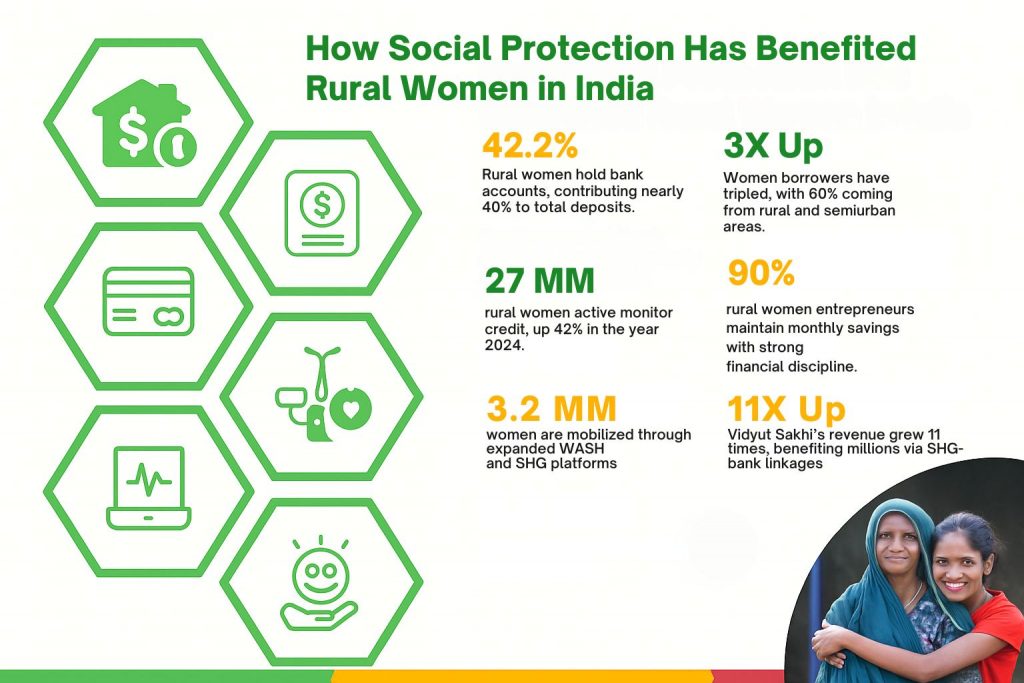
Women in rural India face ongoing health challenges, especially in maternal and reproductive care. Limited access to quality healthcare, preventive screenings and proper nutrition compounds their vulnerability. In Jharkhand, for instance, the Food, Nutrition, Health and WASH programme mobilised 3.2 million women through self-help groups (SHGs) to promote hygiene and health underscoring the scale of unmet need.
The National Family Health Survey (NFHS-5) reports that over 57% of rural women aged 15–49 are anaemic, revealing a serious public health burden. Maternal mortality remains a critical issue, with India recording a maternal mortality ratio (MMR) of 97 per 100,000 live births (2018–2020), disproportionately affecting rural regions. At the same time, the rise of non-communicable diseases such as hypertension and diabetes poses growing risks to the long-term well-being of women.
Without adequate protection mechanisms, women often delay seeking care due to cost, distance or lack of awareness. This leads to preventable health shocks and higher maternal mortality, further weakening household resilience and relegating women’s health needs to secondary status.
Her Financial Vulnerabilities
Despite the growth of entrepreneurship initiatives targeting rural women, financial exclusion continues to undermine their economic agency. According to a 2023 NITI Aayog report, just 14% of Indian women are engaged in entrepreneurial activity, with even fewer represented in the formal sector. Structural barriers persist, including:
- Limited access to institutional credit
- Inadequate digital infrastructure
- Absence of gender-responsive support systems
- Social norms that limit decision-making and ownership
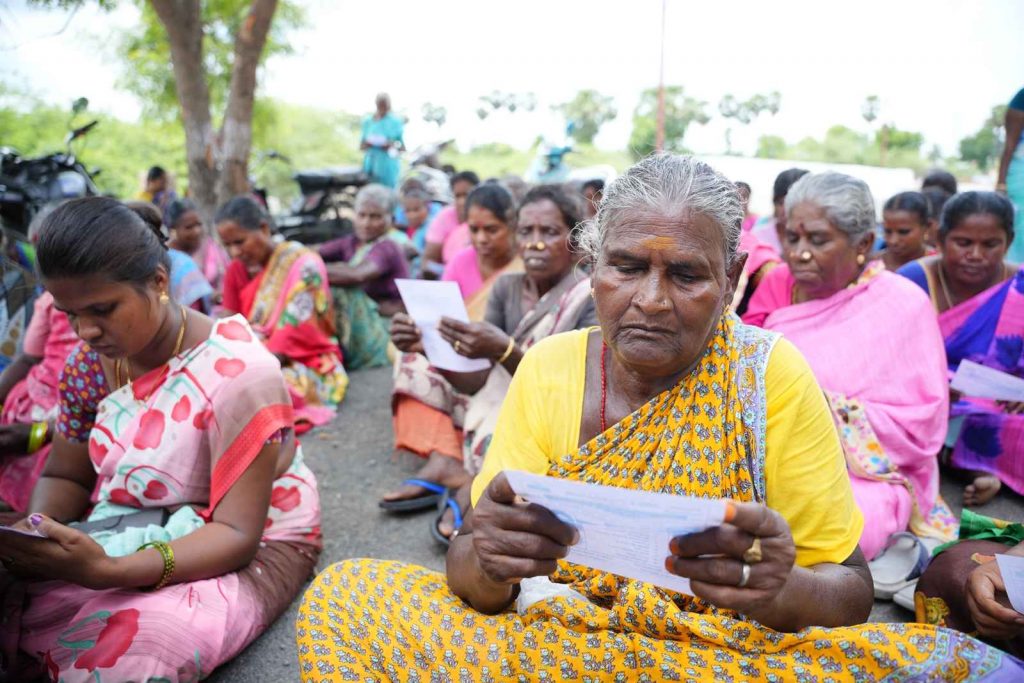
While women now hold 42.2% of rural bank accounts, they still face difficulties accessing credit, savings products and digital financial tools. Encouragingly, the number of women borrowers has tripled since 2019, with 60% from rural and semi-urban areas. (From Borrowers to Builders: Women’s Role in India’s Financial Growth Story)
Systemic barriers hindering her overall growth
Beyond financial and health-related challenges, rural women face systemic barriers at the institutional and community levels, where adequate support is often lacking.
Cumbersome, bureaucratic loan processes laden with documentation and procedural delays discourage many from pursuing opportunities.
The absence of structured mentorship and peer support leaves aspiring entrepreneurs without networks to scale and sustain their businesses.
Gender bias and entrenched stereotypes within financial institutions and community settings continue to question women’s credibility and leadership potential.
Overcoming these barriers is essential to realising the full potential of rural women. The way forward must involve making social protection accessible to every woman, particularly those in India’s most remote and underserved regions.
Understanding social protection for women of rural communities
To meaningfully include rural women under the social protection umbrella, we must begin with a clear definition. The International Labour Organisation defines social protection as the provision of social security in response to life risks such as unemployment, disability and maternity as well as support for those experiencing poverty or social exclusion.
This definition reveals that poverty and exclusion disproportionately impact women in rural areas. Globally, over two billion women and girls lack access to any form of social protection. In India, this gap is equally concerning. Even where social protection mechanisms are in place, gender disparities persist. According to UN data, only 50.1% of women access at least one social protection benefit compared to 54.6% of men. Rural women face the highest levels of exclusion.
These figures highlight the urgency of developing a robust, gender-responsive social protection framework — one that not only extends coverage but also propels rural women forward in their journey toward empowerment and economic inclusion.
Government initiatives supporting rural women
To advance women’s empowerment across rural India, the government has implemented several strategic programmes. Some of the most impactful include:
- National Rural Livelihoods Mission (NRLM)
NRLM strengthens women’s self-help groups, expands credit access and promotes entrepreneurship building sustainable livelihoods and community resilience. - MGNREGA
With one-third of its jobs reserved for women, MGNREGA ensures fair wages, income security and economic independence. - e-NAM and Cooperatives (NCDC)
By facilitating market linkages and collective bargaining, women gain access to fair pricing and new opportunities in agriculture, dairy and textiles. - Mission Poshan 2.0 and PMMVY
These initiatives promote maternal nutrition and provide direct cash transfers, addressing critical vulnerabilities during pregnancy and early motherhood. - Swachh Bharat, Ujjwala, and Jal Jeevan Missions
Access to sanitation, clean water, and LPG connections improves health outcomes, reduces domestic drudgery and frees up time for education and employment. - Digital Literacy and Mission Shakti
Through digital training and safety initiatives, these programmes enhance women’s access to information, services and institutional support.
Swabhiman – A grassroots pillar of social protection
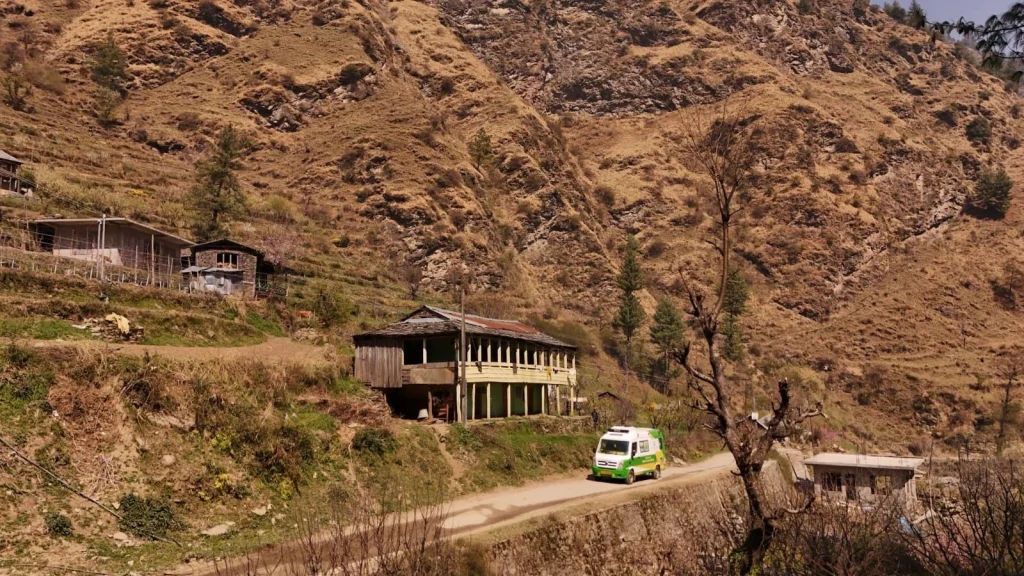
While government policies set the groundwork, the true test of social protection lies in last-mile delivery ensuring access to health, nutrition and financial tools at the doorstep. Smile Foundation’s Swabhiman programme plays a vital role in bridging this delivery gap, offering targeted support to rural women across multiple dimensions of empowerment.
In FY 2024, Swabhiman reached over 190,000 women across six states, equipping them with access to healthcare, financial literacy and entrepreneurial skills. The programme recognises that sustainable workforce participation is intricately tied to health, dignity and opportunity.
Partnering for women’s empowerment and social protection
Rural women in India are resilient and ready to lead. Yet their advancement depends on equitable systems — ones that guarantee access to health services, financial resources and sustained opportunities.
Smile Foundation’s Swabhiman initiative provides a credible platform for corporates and civil society to partner with government efforts. By integrating healthcare, vocational training and financial and digital literacy, Swabhiman helps build long-term, community-rooted pathways for empowerment.
Together, we can ensure that social protection reaches the last mile and that every woman, no matter where she lives, has the opportunity to thrive. Drop us a mail for a CSR partnership related to women empowerment.