
There are some films we never really outgrow. Not because they are childish, but because they were honest. They trusted young audiences with complex emotions. They refused to simplify the world. And in doing so, they shaped how we see difference, injustice, courage and hope.
A good film, watched at the right age expands our sense of who belongs.
That is the kind of cinema SIFFCY exists to celebrate.
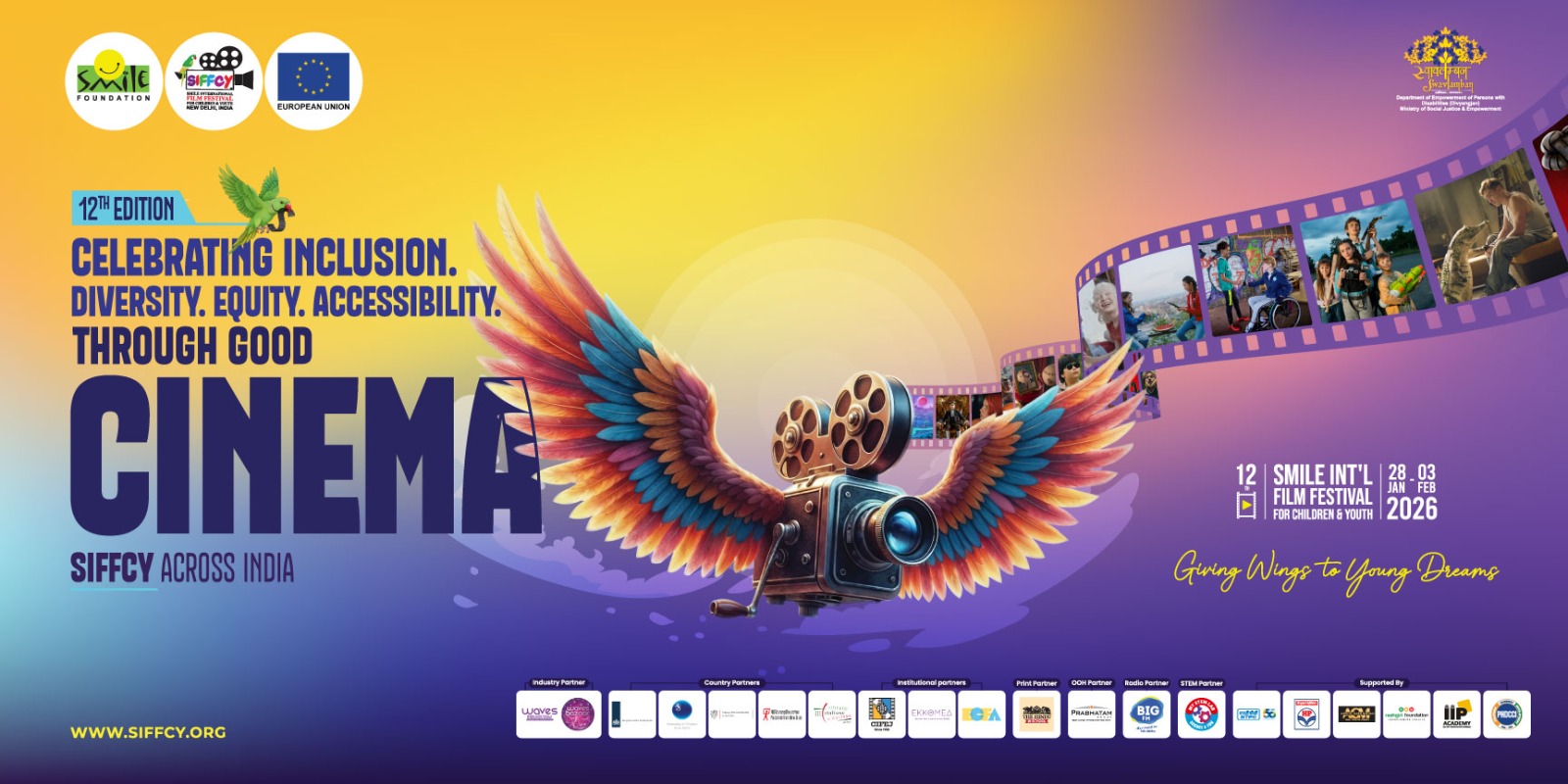
Returning for its 12th edition from 28 January to 3 February 2026, SIFFCY — the Smile International Film Festival for Children & Youth — is back with the same conviction it began with: that children and young people deserve good cinema. Cinema that does not talk down to them. Cinema that opens doors instead of closing conversations and that reflects the world as it is, and as it could be.
An initiative of Smile Foundation, in partnership with the Department of Empowerment of Persons with Disabilities, Ministry of Social Justice & Empowerment, Govt of India and Delegation of the European Union to India, SIFFCY 2026 promises a week where films are screened and experienced through discussions, workshops, masterclasses and moments of shared discovery. This association brings a deeper context to the festival this year — one that foregrounds dignity, access and representation, both on and off the screen.
Why Cinema Shapes How We Understand Difference
Cinema is often our first encounter with lives unlike our own. Long before textbooks teach us about inequality or inclusion, films allow us to feel it.
Think of The 400 Blows, which captured childhood restlessness and alienation with a tenderness that still resonates. Or Children of Heaven, where a lost pair of shoes became a lesson in dignity, siblinghood and resilience. Grave of the Fireflies showed that even animation could carry the weight of grief, asking young viewers not to look away from pain, but to sit with it.
These films did not explain the world but revealed it. SIFFCY curates cinema in this spirit — films that trust children and young people with emotional complexity, moral ambiguity and lived realities that stretch beyond their immediate surroundings.
12th SIFFCY: Inclusion as a Way of Seeing, Not a Checkbox
What makes 12th SIFFCY distinct is its insistence that diversity, equity and inclusion are not themes for a single panel or day, but a lens through which cinema itself is experienced.
Globally, some of the most influential films for young audiences have been those that challenged narrow ideas of ability, identity and belonging. Wonder reframed disability through everyday kindness rather than exceptionalism. Persepolis gave voice to a young girl navigating political upheaval with wit and courage. Capernaum forced the world to confront childhood lived without protection, through a lens that was unsparing yet deeply humane.
Indian cinema, too, has offered powerful examples. Stanley Ka Dabba spoke about hunger and exclusion without spectacle. Chillar Party celebrated collective action and difference with irreverent joy. Nil Battey Sannata challenged who gets to dream, and who gets to be taken seriously.
SIFFCY draws from this global and Indian cinematic vocabulary to help young audiences see difference not as a barrier, but as a shared human experience.
What the DEPwD Partnership Brings to SIFFCY 2026
The association with the Department of Empowerment of Persons with Disabilities adds a meaningful dimension to the 12th edition of SIFFCY. It reinforces a shared commitment to representation, access and dignity, and signals the importance of inclusive storytelling as a public value.
Through films that foreground ability, access and acceptance, SIFFCY 2026 aims to create a space where children and young people engage with disability not through pity or inspiration tropes, but through authenticity. These are stories where characters are not reduced to symbols and where lived experience takes precedence over labels.
In a country as diverse as India, where disability is still often spoken about in hushed tones or heroic clichés, such representation matters. Cinema, when curated with care, can help normalise difference, and in doing so, shape a generation that values equity instinctively.
Beyond Screenings: When Films Become Conversations
A film festival is not defined only by what plays on screen, but by what happens after the lights come on. SIFFCY has always understood this.
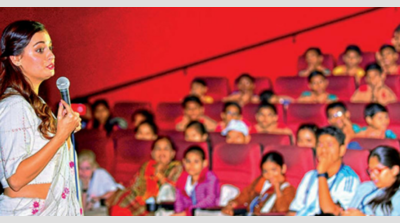
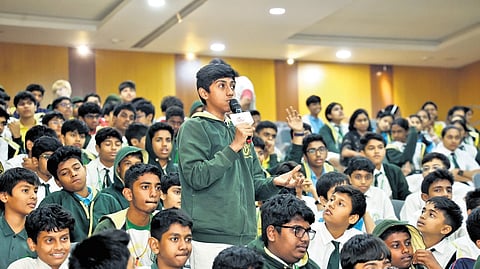
Alongside film screenings, the festival brings together panel discussions, workshops and masterclasses designed for children, young people, educators and emerging filmmakers. These sessions are not about decoding a “right” interpretation, but about encouraging questions. Why did a character choose silence? Who gets to be seen as the hero? What does access really mean in everyday life?
For anyone who has ever stayed back in a theatre lobby arguing about an ending, this is the real joy of cinema — watching meaning take shape through dialogue.
Access to Cinema Is an Inclusion Issue Too
Film festivals are often imagined as elite, urban spaces. SIFFCY has spent over a decade challenging this assumption.
Through outreach initiatives, school engagements and hybrid formats, the festival has reached children who may never have experienced global cinema otherwise. This matters deeply. Because access shapes imagination. And imagination shapes empathy.
By ensuring that carefully curated films travel beyond conventional cultural circuits, Smile Foundation positions cinema as a public good — something to be shared, questioned and lived with, rather than consumed in isolation.
Why SIFFCY Feels Urgent Right Now
Today’s young people are growing up amid climate anxiety, social polarisation, digital overload and constant visibility. The instinctive response is often to shield them or distract them. SIFFCY takes a more respectful approach: to engage them honestly.
Films that explore migration, disability, gender, conflict and belonging are not “too heavy” for young audiences. When framed thoughtfully and followed by conversation, they become tools for understanding a complicated world without fear.
This is why SIFFCY’s commitment to diversity, equity and inclusion feels especially timely. It offers a counterpoint to algorithm-driven content, reminding us that cinema can still be slow, reflective and deeply human.
For Those Who Fell in Love With Cinema Early
If you remember watching Cinema Paradiso and realising films could feel like memory or discovering Pather Panchali and understanding that silence can be as powerful as dialogue, SIFFCY will feel familiar. Not nostalgic, but alive.
This festival is for those who believe that cinema teaches us how to look at the world, and at each other, with more patience and care.
Save the Date
As SIFFCY enters its 12th edition, it continues to remain a space where meaningful storytelling shapes more inclusive ways of thinking, feeling, and belonging.
From 28 January to 3 February 2026, SIFFCY invites children, young people, educators, parents, filmmakers and cinema lovers to come together and watch the world unfold.
Because the films we watch when we are young do not just entertain us.
They might teach us who we might become.
📅 SIFFCY 2026 | 28 January – 3 February 2026
Learn more about SIFFCY here: https://www.smilefoundationindia.org/siffcy/