The issue of school dropout in India is multifaceted, often rooted in socioeconomic, cultural and systemic inequities. While numerous interventions aim to address this crisis, scholarships have emerged as a key instrument in reducing dropout rates.

The Link Between Financial Hardship and Dropout
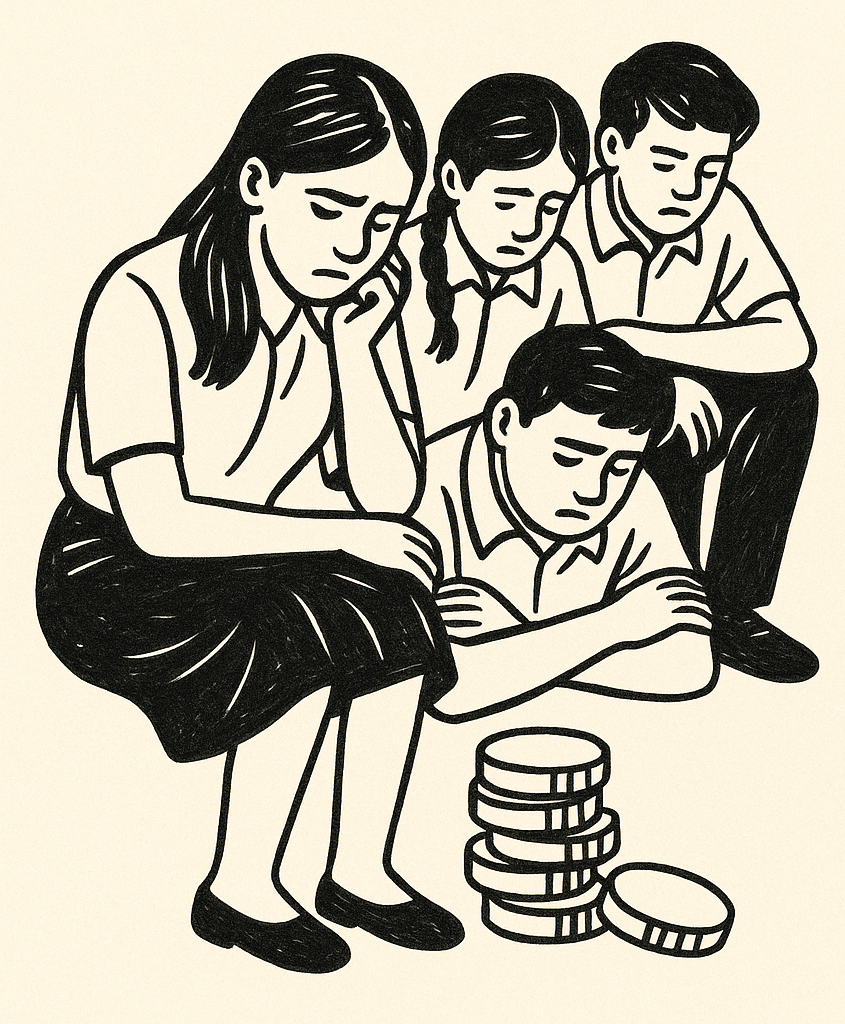
The Annual Status of Education Report (ASER) and Unified District Information System for Education Plus (UDISE+) data consistently highlight a significant correlation between economic constraints and student dropout. Students from economically disadvantaged households often face pressure to contribute to household income or are unable to afford basic educational expenses such as books, uniforms and transport.
According to UNESCO, 40% of Indian secondary school students drop out before completing their education and financial distress ranks as one of the top three reasons. Scholarships, particularly those designed to meet direct and indirect costs of schooling, can act as a potent deterrent to dropout.
What the Research Says
- Empirical Evidence
Multiple randomised controlled trials (RCTs) and longitudinal studies have tested the efficacy of scholarships in increasing retention. For instance, a 2019 World Bank study in Bihar found that conditional cash transfers linked to school attendance reduced dropout rates by 10-15% among girls.
- Behavioural Economics and Incentive Design
Scholarships, especially those designed as conditional incentives (e.g., based on attendance or performance), also shape behavioural norms around education. They reinforce the idea that education is an investment with returns, not merely a cost.
- Psychological Effects
Beyond economics, scholarships often serve as psychological affirmations for students. They validate students’ academic journeys, bolstering self-worth and resilience against systemic challenges.
Smile Foundation’s Approach: Shiksha Na Ruke and Beyond
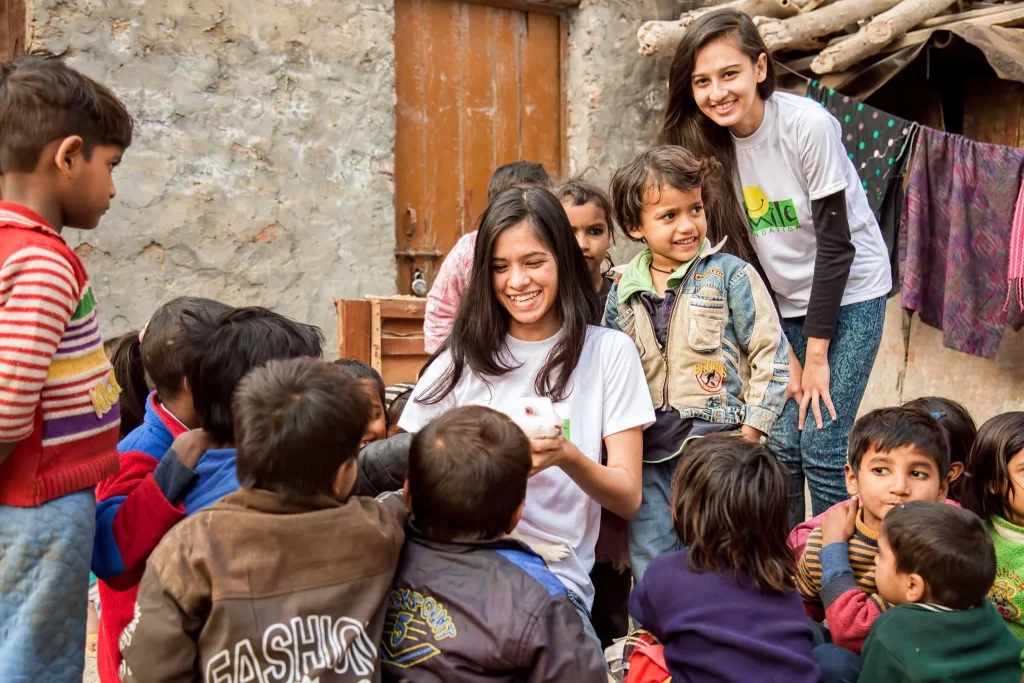
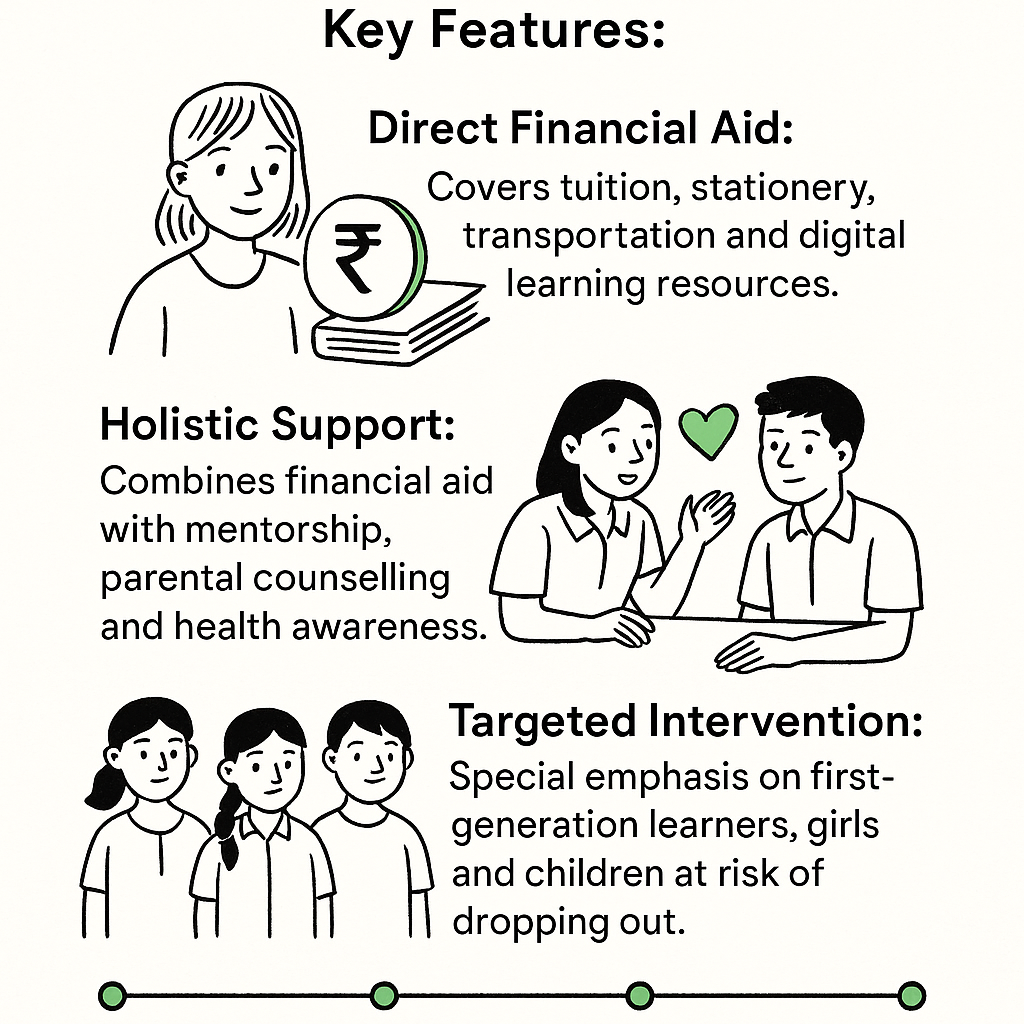
Smile Foundation’s scholarship interventions illustrate a layered and holistic approach. Launched as part of the broader Mission Education programme, the Shiksha Na Ruke initiative provides need-based scholarships to children from disadvantaged communities.
Outcomes:
According to Smile Foundation’s internal review, dropout rates among students receiving scholarships under Shiksha Na Ruke fell below 5%, compared to an average urban slum dropout rate of 15%.
Case Studies
- Meena (Kolkata): A class 10 student, Meena was at the brink of dropping out due to her father’s illness and loss of income. A timely scholarship enabled her to complete her board exams and pursue nursing training.
- Aamir (Lucknow): An aspiring engineer, Aamir faced pressure to leave school and join his uncle’s workshop. The scholarship covered his school fees and connected him to STEM mentorship, keeping him on track.
Do All Scholarships Work Equally?
Not necessarily. The impact of scholarships depends on:
- Timing: Interventions made during transitional phases (e.g., class 5 to 6, or 10 to 11) are more impactful.
- Targeting: Need-based and merit-cum-means scholarships are more effective than blanket schemes.
- Complementary Infrastructure: Scholarships must be paired with systemic improvements like good teachers, accessible schools and parental involvement.
Challenges and Caveats
- Leakages and Mismanagement: Inefficiencies in delivery mechanisms can dilute scholarship impacts.
- One-time Grants vs. Continuous Support: Single-year scholarships often fall short of sustaining students through full educational cycles.
- Gendered Impacts: Girls face multidimensional dropout triggers, including early marriage, which financial support alone cannot resolve.
Policy Recommendations
- Integrate Scholarship Data with UDISE+: Real-time tracking can inform targeting.
- Leverage CSR and NGO Partnerships: Organizations like Smile Foundation can help scale impactful models.
- Include Mental Health and Career Guidance: Scholarships should go beyond finances to address holistic development.
Bridging the Last Mile
Scholarships, when designed and delivered effectively, can indeed reduce dropout rates significantly. Their impact is strongest when they are part of a broader ecosystem of support. Smile Foundation’s model, which combines financial, emotional and community support, offers a replicable blueprint. As India moves towards inclusive growth and a $5 trillion economy, ensuring that no child drops out due to financial hardship is not just a moral imperative, but a strategic necessity.