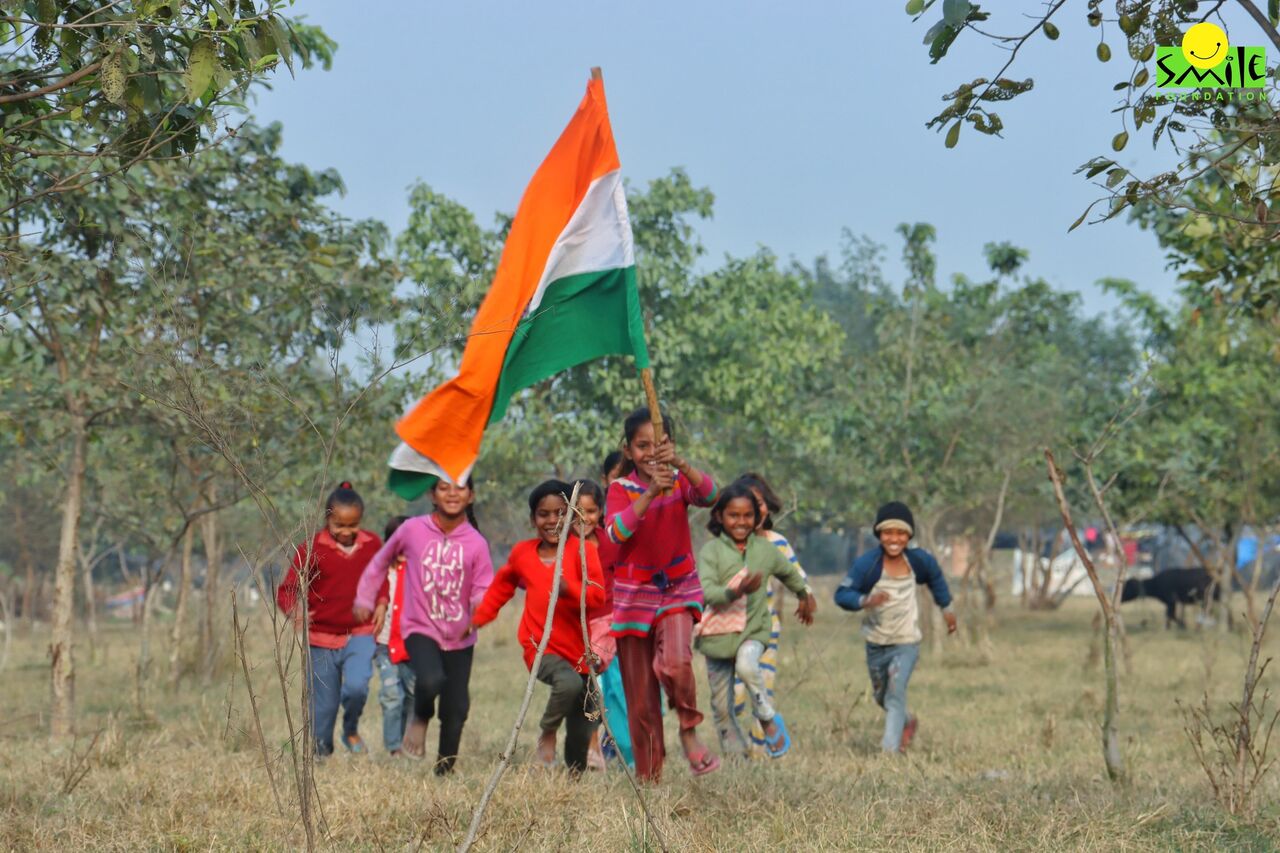

On January 26, India marks the adoption of its Constitution. It is an occasion that invites celebration, but also scrutiny. The Constitution was not merely a legal document. It was an attempt to resolve a central tension: how to reconcile political equality with deep social and economic inequality.
Seventy-six years later, that tension remains unresolved.
India has changed beyond recognition since 1950. Literacy has expanded, life expectancy has doubled, poverty has declined and access to education and healthcare has widened. But these gains sit uneasily alongside persistent fragilities. The Constitution promised equality before law and the right to life with dignity. For many citizens, these promises still depend less on formal rights than on circumstance.
Republic Day, then, is not simply a moment of national pride. It is an opportunity to ask how far constitutional guarantees extend into everyday life, and where they still fall short.
Rights that Depend on Resilience: Ft. Republic Day 2026
Much of India’s development debate continues to focus on access: enrolment ratios, hospital beds, kilometres of roads. These metrics matter. But they conceal the problem of continuity.
A child may enter school but fail to complete it. A patient may reach a clinic but too late for treatment to be effective. A family may escape poverty only to slip back after a medical emergency or job loss. These are not marginal failures. They are central to how inequality reproduces itself.
The Constitution did not anticipate welfare as charity. Its framers spoke instead of justice—social, economic and political. That language assumed a State capable of reducing vulnerability, not merely responding to collapse.
Yet public policy has often treated disruption as exceptional rather than routine. Education, health and nutrition systems are expected to perform under ideal conditions. When households face shocks—as they frequently do—support arrives late, if at all.
The Problem of Last-mile Citizenship
The gap between constitutional promise and lived reality is most visible at the margins. In remote districts, urban informal settlements and migrant communities, citizenship is frequently episodic. Rights appear and disappear depending on geography, documentation or institutional capacity.
This is not always a failure of intent. It is often a failure of design. Large programmes struggle to adapt to local conditions. Benefits are delivered unevenly. Administrative delays erode trust.
The result is a form of conditional citizenship where access to education, healthcare or social support depends not on entitlement alone, but on timing, persistence and luck.
Republic Day celebrations rarely dwell on this distance. But it is precisely here that the Republic is tested.
Social Protection as Constitutional Necessity for Republic Day 2026
One way to understand this gap is through the lens of social protection. In India, social protection has often been framed as welfare—targeted, discretionary and fiscally constrained. However, its constitutional significance is greater than that framing allows.
Protection against predictable risks—illness, income loss, educational disruption—is essential to making rights meaningful. Without it, formal equality coexists with material insecurity.
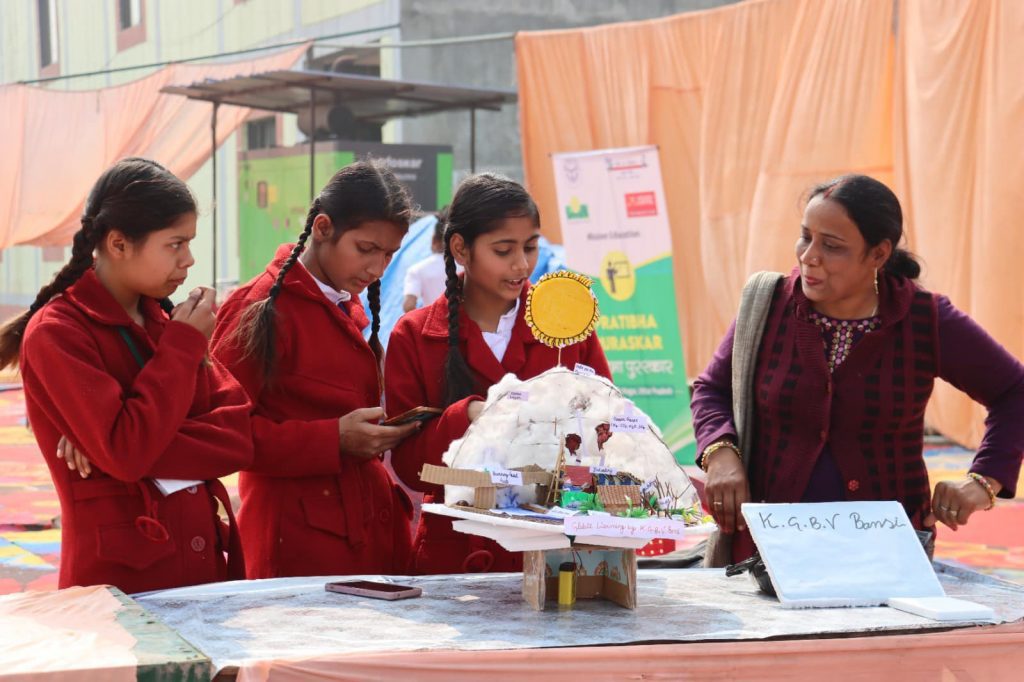
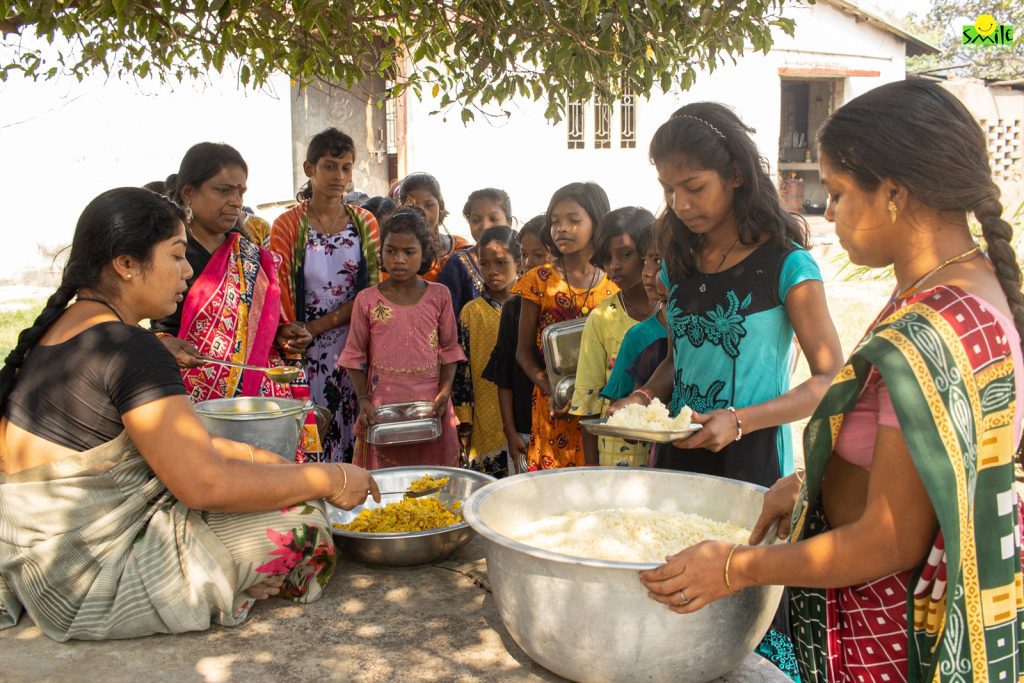
Scholarships that prevent dropout, primary healthcare that enables early diagnosis, nutrition programmes that safeguard child development—these are not peripheral interventions. They are mechanisms through which constitutional guarantees acquire substance.
To treat them as optional or residual is to misunderstand their role in sustaining citizenship itself.
Development beyond the State Alone
The Indian Constitution vested responsibility primarily in the State. But over time, its implementation has depended on a wider ecosystem. Civil society organizations, community groups and local institutions have played a significant role in extending services to populations the formal system struggles to reach.
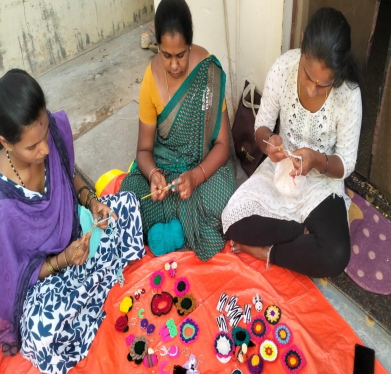
Organizations such as Smile Foundation operate within this space. Our work—across education, healthcare, nutrition and livelihoods—illustrates a simple but often overlooked fact: people do not experience rights in compartments. A child’s education is shaped by health, household income and social norms. Health outcomes are shaped by nutrition, mobility and trust.
Such organizations do not replace the State. Nor should they. But they reveal where the State’s reach remains incomplete, and where policy design requires rethinking.
Republic Day 2026: A Republic under New Pressures
The coming decade will test India’s institutions in ways the Constitution’s framers could not have fully anticipated. Climate stress, rapid urbanization, labour mobility and demographic transition are already reshaping vulnerability.
These pressures do not announce themselves dramatically. They accumulate quietly. Heat waves reduce productivity and strain health systems. Migration disrupts access to schooling and care. Informality complicates entitlement.
In this context, the strength of the Republic will depend less on episodic reform and more on institutional adaptability. Systems designed for stability must now function under uncertainty.
Remembering what Republic Day 2026 is for
Republic Day is often described as a celebration of values. But the Constitution was not written to be celebrated. It was written to be applied—sometimes uncomfortably, often imperfectly.
Its enduring relevance lies not in ceremonial affirmation but in constant renegotiation between principle and practice. Each generation inherits not only its text, but its unfinished work.
In 2026, that work is clear enough. It lies in closing the distance between rights on paper and rights in practice. In ensuring that access is matched by continuity. In recognizing that dignity depends not only on opportunity, but on protection against loss.
If Republic Day has meaning beyond ritual, it lies here: in whether the Republic can be made reliable for those who live closest to uncertainty.